

Creative Investment Ideas Now

5 Creative Investment Ideas for a Stronger Portfolio

Creative investment ideas for a stronger portfolio blend traditional assets with smarter, less-traveled opportunities—diversified alternatives, impact and ESG themes, arts and entertainment ventures, digital and IP-based income streams, and tax-smart philanthropic structures. Used together, these five ideas help you add resilience, fresh income streams, and long-term growth potential without abandoning the discipline that keeps real wealth intact.

Here’s something that gets me fired up: Bank of America’s 2024 Study of Wealthy Americans found that the average high-net-worth allocation to alternatives jumped to 13%, up from 10% in 2022—and 54% plan to increase it again. That’s not a fad; that’s a quiet revolution in how serious investors build portfolios. Over the past 20+ years running Complete Controller, I’ve had a front-row seat to thousands of business owners and investors figuring out what actually works versus what just sounds clever at cocktail parties. In this article, I’ll share five creative ideas I’ve watched succeed in the real world, plus a 90-day roadmap to put them into action with confidence.

What are the 5 best creative investment ideas for a stronger portfolio and how do you use them?

  • Diversified alternatives, impact/ESG themes, arts and entertainment ventures, digital and IP assets, and tax-smart philanthropy are the five creative investment ideas that build a stronger portfolio.
  • Alternatives like real assets, private credit, and commodities reduce correlation to public markets and hedge inflation.
  • Impact and ESG investing aligns your dollars with macro trends like the energy transition and longevity.
  • Arts, entertainment, and creator economy plays offer growth tied to a $250B–$480B market expansion.
  • Digital and IP assets—courses, royalties, content libraries—create scalable passive income when treated like real businesses.
  • Donor-advised funds and philanthropic structures function as a strategic “fourth pillar” that boosts after-tax wealth and legacy impact. Cubicle to Cloud virtual business

Understanding Creative Investment Ideas Without Losing Your Financial Footing

Let me be clear about what “creative” means here. Creative does not mean speculative roulette. It means thoughtful diversification into opportunities outside the basic stock-bond-cash trio, guided by data, time horizon, and good bookkeeping. The investors I’ve seen build lasting wealth treat creativity as a discipline, not a dare.

What are creative investment ideas in 2026?

Creative investment ideas in 2026 are strategies that expand beyond traditional holdings to capture macro themes—AI infrastructure, energy transition, the creator economy—while respecting correlation, liquidity, and risk-adjusted return. Think of it as a core-satellite model: your stable core stays boring and diversified, while your creative satellite (often 10–25% of the portfolio) chases smarter upside.

Building a creative investment strategy around your real life

A solid creative investment strategy starts with three honest questions: What are my goals? What’s my time horizon? What can I actually afford to lose? Once you know that, decide what percentage of your portfolio belongs in the creative sleeve and tag every position in your bookkeeping so you can review it quarterly. I had a client who turned a scattered pile of “fun money” bets into a tracked, disciplined satellite portfolio. Same dollars, dramatically better outcomes—because she could finally see what was working.

Creative Investment Idea #1 – Diversified Alternatives That Support Your Core

Alternatives have moved from “exotic” to “essential.” According to Bank of America’s 2024 Study of Wealthy Americans, wealthy investors now allocate 13% on average to alternatives, with more than half planning to increase that further. If the most sophisticated investors are leaning in, that’s a credibility anchor worth paying attention to.

Creative assets investment strategies in real assets and commodities

Real assets—infrastructure, real estate, renewable energy projects—and commodities like gold or broad commodity funds can buffer inflation and smooth volatility. The trick is position sizing. A 5–15% sleeve, sized to your risk tolerance, usually does the job without making your portfolio lopsided.

Best creative investment opportunities in 2026

The biggest themes I’m watching with clients:

  1. AI infrastructure and power generation for data centers
  2. Grid modernization and energy transition projects
  3. Sustainable infrastructure funds and listed REITs

These show up cleanly through thematic ETFs or professionally managed funds—no need to chase private deals to participate. For a primer on portfolio structure, see Investor.gov’s guide on asset allocation and diversification.

Creative Investment Idea #2 – Impact, ESG, and Societal-Shifts Investing

Impact investing has matured. It’s no longer a values-only choice—it’s a way to ride durable macro trends like clean energy, longevity health, and climate adaptation while keeping diversification intact.

Innovation funding through impact and ESG themes

You can fund innovation through green bonds, themed ETFs, and community development funds. The key is screening for genuine ESG versus greenwashing—look at fund holdings, methodology, and reporting. The CFA Institute’s ESG framework is a strong reference point for what good looks like.

How to build a creative investment portfolio with impact at the center

Here’s a simple sequence I walk clients through:

  • Define the causes you care about (climate, housing, education)
  • Map the vehicles available—ETFs, social-impact bonds, community funds
  • Set an allocation rule (e.g., “10% of my creative sleeve targets impact themes”)
  • Track returns and impact metrics in your bookkeeping system

One family client paired ESG funds with a donor-advised fund and got something rare: alignment between their values, their tax bill, and their long-term wealth plan.

Creative Investment Idea #3 – Arts, Entertainment, and the Creator Economy

Goldman Sachs estimates the creator economy was about $250 billion in 2023 and could reach $480 billion by 2027. That’s a structural trend, not a TikTok blip.

Arts and entertainment investment as an asset class

You can invest in this space through:

  • Direct equity in creative startups and production companies
  • Royalties from music, film, or licensing deals
  • Pooled funds that spread risk across many creative projects

The risks are real—illiquidity, high failure rates, the need for serious due diligence. Diversify across many bets, not one.

Venture capital for creative industries and creator economy businesses

The creator economy includes paid newsletters, niche learning apps, and AI-enhanced content tools. I’ve watched investors back creator-platform startups that scaled with subscription and transaction revenue, delivering strong multi-year growth. The investors who won shared one habit: they demanded clean, transparent books from the startups they funded—which is exactly where our business bookkeeping essentials come in.

The best investment strategy starts with clear financial visibility. See how Complete Controller helps you organize your finances with confidence.

Creative Investment Idea #4 – Digital Assets, IP, and Scalable Passive Income

This isn’t about crypto speculation. It’s about treating digital and intellectual property like the real businesses they are. A famous example: David Bowie’s “Bowie Bonds,” inducted into the Rock & Roll Hall of Fame in 2015, turned music royalties into a tradeable, income-producing asset—a blueprint that still inspires today’s IP investors.

Creative investment ideas for beginners in digital and online assets

Beginner-friendly entry points include revenue-share deals in online course businesses, small equity in membership sites, or buying a profitable newsletter to improve and grow. Start small, track every dollar, and learn the mechanics. See our guide on earning with online courses for a deeper look.

Investing in startups in the creative sector and online ventures

When evaluating a creative-sector startup, look at:

  • Recurring revenue percentage
  • Creator or platform dependency risk
  • Quality of financial reporting

I had a client running a profitable digital course business who only attracted serious investors after we standardized her bookkeeping. The business hadn’t changed—the visibility had.

Creative Investment Idea #5 – Philanthropy and Tax-Smart Structures

Strategic giving is one of the most underrated wealth tools I know. Donor-advised funds (DAFs) unlock immediate tax deductions, let you donate appreciated securities to avoid capital gains, and give you decades to direct grants. The IRS guide to donor-advised funds is a great starting point.

Bunching donations in high-income years, donating appreciated assets, and coordinating with your tax advisor can turn philanthropy into a serious creative lever that quietly improves your after-tax net worth.

Turning Ideas into Action – Your 90-Day Roadmap

Most idea lists stop at “what.” Here’s the “how”:

  1. Days 1–30 – Assessment: Inventory holdings, decide your creative allocation (10–20%), and pick 2–3 themes that fit your goals.
  2. Days 31–60 – Due Diligence: Research funds, fees, liquidity, and governance. Set up bookkeeping categories. For help organizing, see our piece on how to streamline your investment portfolio.
  3. Days 61–90 – Execution: Invest in small, diversified positions. Set quarterly reviews. Adjust by metrics, not headlines.

Conclusion – How I Approach Creative Investing With My Clients

After two decades helping business owners keep their books honest and their portfolios growing, I’ve learned that creative investment ideas work best when paired with old-fashioned discipline. The five ideas here—alternatives, impact themes, arts and entertainment, digital and IP assets, and philanthropic structures—can each strengthen your portfolio when sized correctly, tracked clearly, and aligned with your goals.

Pick a percentage, pick two or three ideas that fit your real life, and build a system that lets you see everything in one place. When you’re ready for a partner to help structure and track it all, visit Complete Controller and let our team support your next move with confidence. LastPass – Family or Org Password Vault

Frequently Asked Questions About Creative Investment Ideas

What are some unique investment ideas?

Unique investment ideas include alternative assets like infrastructure and commodities, ESG-themed funds, creative industry startups, digital content and royalty streams, and donor-advised funds that improve tax efficiency while supporting causes you care about.

What is the most creative investment?

The most creative investment depends on your goals, but many investors find creator-economy ventures, arts and entertainment, and digital IP (courses, memberships, royalties) the most innovative—especially when they combine scalable income with long-term asset value.

What are some unconventional investment options?

Unconventional options include private credit, renewable energy projects, niche real assets, revenue-sharing deals in online businesses, music or film royalties, and donor-advised funds that integrate tax planning with impact.

How can beginners start with creative investments?

Beginners should start with small allocations to thematic ETFs (AI, energy transition, ESG), simple income streams like online courses, and low-complexity impact funds, while keeping the majority of their portfolio in diversified core investments.

Are creative investment ideas high risk?

Creative investments often carry higher or different risks—illiquidity, business failure, regulatory shifts—but those risks can be managed through position sizing, diversification, professional due diligence, and disciplined bookkeeping and reporting.

Sources

Complete Controller. America’s Bookkeeping Experts About Complete Controller® – America’s Bookkeeping Experts Complete Controller is the Nation’s Leader in virtual bookkeeping, providing service to businesses and households alike. Utilizing Complete Controller’s technology, clients gain access to a cloud platform where their QuickBooks™️ file, critical financial documents, and back-office tools are hosted in an efficient SSO environment. Complete Controller’s team of certified US-based accounting professionals provide bookkeeping, record storage, performance reporting, and controller services including training, cash-flow management, budgeting and forecasting, process and controls advisement, and bill-pay. With flat-rate service plans, Complete Controller is the most cost-effective expert accounting solution for business, family-office, trusts, and households of any size or complexity.

author avatar
Jennifer Brazer Founder/CEO
Jennifer is the author of From Cubicle to Cloud and Founder/CEO of Complete Controller, a pioneering financial services firm that helps entrepreneurs break free of traditional constraints and scale their businesses to new heights.
Reviewed By: reviewer avatar Brittany McMillen
reviewer avatar Brittany McMillen
Brittany McMillen is a seasoned Marketing Manager with a sharp eye for strategy and storytelling. With a background in digital marketing, brand development, and customer engagement, she brings a results-driven mindset to every project. Brittany specializes in crafting compelling content and optimizing user experiences that convert. When she’s not reviewing content, she’s exploring the latest marketing trends or championing small business success.

3 Essential Things to Consider When Saving for an Emergency Fund

Every financially responsible adult should have multiple savings accounts, the most important of which should be an emergency fund. This fund is used to cover emergencies that are unforeseen and not built into your budget. It should cover catastrophes such as a costly car or home repair not covered by warranties or an unexpected healthcare expense.

The emergency fund savings is not to be confused with saving for your future or a family vacation, down payment on a new car or home, or a wedding. It is an account protected to cover you and prevent those unforeseen disasters from causing you financial hardship or devastation. Here are three important things to consider when saving for an emergency fund. Check out America's Best Bookkeepers

Use a Financial Advisor

While hiring a professional financial advisor is expensive, it is a financially smart thing to do, especially if you are not good with your finances. Many smart and savvy adults who are good at their jobs and have talents in other areas are not good with money. Commonly, most working adults carry a little to a far greater amount of debt brought about by the mishandling of their money.

The cost of hiring a financial advisor will easily be defrayed by the amount of savings having a professional help you straighten out your finances will gain you. These financial experts know how to help you identify where you can make changes and create savings accounts for your future and for emergencies.

Most people hesitate to use a financial advisor because of the cost, but because they are embarrassed by their financial situation and laying it open in front of a virtual stranger can be challenging. If you can put these concerns aside and understand these professionals have seen it all and know how to get you on the right financial path, you will not regret your decision. Not only will they help you get a much-needed emergency fund in place quickly, but they can help you with every aspect of your finances, leading you to financial freedom. Check out America's Best Bookkeepers

The Amount of Your Emergency Fund

Most people ask when contemplating an emergency fund is how much should the fund contain? If you are a novice at saving, the answer is that you should start small and save an amount of $1,000 as quickly as possible. These savings will easily cover small issues such as a car or home repairs or other similar issues.

Once you have the $1,000 emergency nest egg, it is time to build that savings to cover bigger issues such as job loss or medical issues that could cause longer-term income loss. Most experts will recommend this amount be equal to at least six months of your income. Doing this will ensure you are covered if there are hindrances to employment for a prolonged period.

Once you have six months of your income saved, it is suggested that you continue to build towards a year. Keep in mind these savings is never to be touched for anything other than an emergency or financial hardships. You should still have other savings to include those for specific large purchases or vacations and those specifically towards your retirement funds. But before you contribute to any of those other savings accounts, you should use all your savings efforts to build your emergency fund. Check out America's Best Bookkeepers

Where to Keep Your Emergency Fund

There are several places you could keep your emergency fund, but some definite rules you want to follow to make sure your emergency funds are kept in the right place(s).

Before deciding where to keep the funds that work best for you, there is one rule to follow, no matter where you choose to keep this fund. Ensure it is accessible without penalties or days of red tape to obtain. After all, it has emergency right in the name, implying you will need it right away. However, don’t make it so accessible that you will be tempted to use it for non-emergency purchases. Restrain yourself from “borrowing” from this fund for non-emergency desires of your heart.

One of the safest places to keep your emergency funds while also fitting the previously describe rule of thumb is in an online bank. Banks that are completely housed and operated online make electronic transactions easy while also being an account not attached to your traditional bank account, making accessing it more tempting.

Another great account that will not be attached to your traditional bank account is a money market account. This type of account is not only a standalone account, but it can gain your interest while your money is sitting in reserve, waiting for an emergency. Savings accounts that gain interest are never bad, especially when you are trying to build this emergency account to equal a year’s income.

Conclusion

Keeping these three important aspects of an emergency fund in mind when considering building this savings account will ensure you have coverage in your times of financial need. Having this fund will not only provide you with peace of mind when an emergency arises, but it will provide you with it knowing it’s there if you should ever need it.

Check out America's Best Bookkeepers About Complete Controller® – America’s Bookkeeping Experts Complete Controller is the Nation’s Leader in virtual bookkeeping, providing service to businesses and households alike. Utilizing Complete Controller’s technology, clients gain access to a cloud-hosted desktop where their entire team and tax accountant may access the QuickBooks™️ file, critical financial documents, and back-office tools in an efficient and secure environment. Complete Controller’s team of certified US-based accounting professionals provide bookkeeping, record storage, performance reporting, and controller services including training, cash-flow management, budgeting and forecasting, process and controls advisement, and bill-pay. With flat-rate service plans, Complete Controller is the most cost-effective expert accounting solution for business, family-office, trusts, and households of any size or complexity. Check out America's Best Bookkeepers

7 Tips to Improve Time Management

Time management is probably one of the things every employee who works from home would agree they have issues with when it comes to accomplishing daily workloads. Even in an office environment, time management is a difficulty for many employees. While in some cases, the issue is that people bite off more than they can chew and commit to more than can be done in the time allotted. In many cases, the issue is poor time management. Here are seven things you can do to improve time management and meet your goals and the goals of your superiors. Check out America's Best Bookkeepers

Plan Ahead

Planning is the best way to lay out what you need to do and what you need to accomplish the task or tasks at hand. If you have everything you need in place and do some planning and preparations, it will save time when you get into the work. You can use a calendar, planner, or make lists somewhere you will often see to help you keep on schedule and task. If you’re smart, you can even build in padding to accommodate the inevitable wrenches that get thrown in. If you plan for unforeseen issues, you will still accomplish what you need to for the day.

Group Related Tasks

Grouping together related tasks will make your workflow make sense. For example, if you need to read over documents and print other documents, you should group these tasks because you will already be in your documents folder. The grouping of related tasks should take place in the planning of your day. If you have new tasks assigned during the day, unless you are told it has to be done right away, you can add the task to another task or group where it makes sense.

Prioritize

Prioritizing should be in the planning stage also. However, once you start working or begin your day, the priorities may shift. So though you can pre-plan your priorities, you have to be flexible to change the plan if something needs your attention sooner. You need to make your priorities clear to your co-workers and superior, so they know not even to approach you if what they need from you is not as important as you already prioritized behind what you have planned. Check out America's Best Bookkeepers

Unless you have something pressing, you should always prioritize the tasks you dislike or that are difficult or the most time consuming first. Getting those out of the way will lessen the chances that you will procrastinate them or have to work past the end of the day to finish them.

Make a Mental Narrative

This might sound a little crazy since it is about to be suggested that you talk to yourself, but if you layout your day and priorities out loud in the form of a story, you can make adjustments when something is not working. This type of mental preparation is like brainstorming with yourself and works well. It is similar to the difference between reading something in your head and reading it out loud. You will notice that you comprehend information quicker when you read it out loud.

Keep the Drive Going

Even if you lose your juice in the middle of a task, unless it is one that will take several hours or days, keep pushing yourself through because when you stop, it is often hard to restart. This can be especially true for tasks you don’ like or that are far more challenging. That being said, if you need a break and not having one is hindering your progress mentally or physically, take a break, but make it quick. Check out America's Best Bookkeepers

Use a Timer

If one of your issues is accomplishing tasks promptly, use a timer. If you know how long it takes or should take to finish a task, set your timer for that time. The ticking clock will push you to keep going, and also, if you are consistently blowing past the buzzer to finish tasks, you may need to reassess the tasks or time it takes. Using a timer is meant to be a tool to help you stay on task, so don’t let it add stress. It is just a guideline.

Single-Tasking

While you may think that time management gurus will suggest multi-task, nothing could be further from the truth. Most experts believe that multi-tasking, in reality, is not a possibility in many cases. It is possible to multi-task things like brushing your teeth and blowdrying your hair, but you can’t take a shower and blowdry your hair. You also can’t do something like read the newspaper and talk on the phone, one of those two tasks or both will suffer. Now time management experts suggest you give everything you have and focus on a single task until it is completed. It has been discovered the quality and speed of the work were far superior to that of the employee that was multi-tasking.

Check out America's Best Bookkeepers About Complete Controller® – America’s Bookkeeping Experts Complete Controller is the Nation’s Leader in virtual bookkeeping, providing service to businesses and households alike. Utilizing Complete Controller’s technology, clients gain access to a cloud-hosted desktop where their entire team and tax accountant may access the QuickBooks™️ file, critical financial documents, and back-office tools in an efficient and secure environment. Complete Controller’s team of certified US-based accounting professionals provide bookkeeping, record storage, performance reporting, and controller services including training, cash-flow management, budgeting and forecasting, process and controls advisement, and bill-pay. With flat-rate service plans, Complete Controller is the most cost-effective expert accounting solution for business, family-office, trusts, and households of any size or complexity. Check out America's Best Bookkeepers

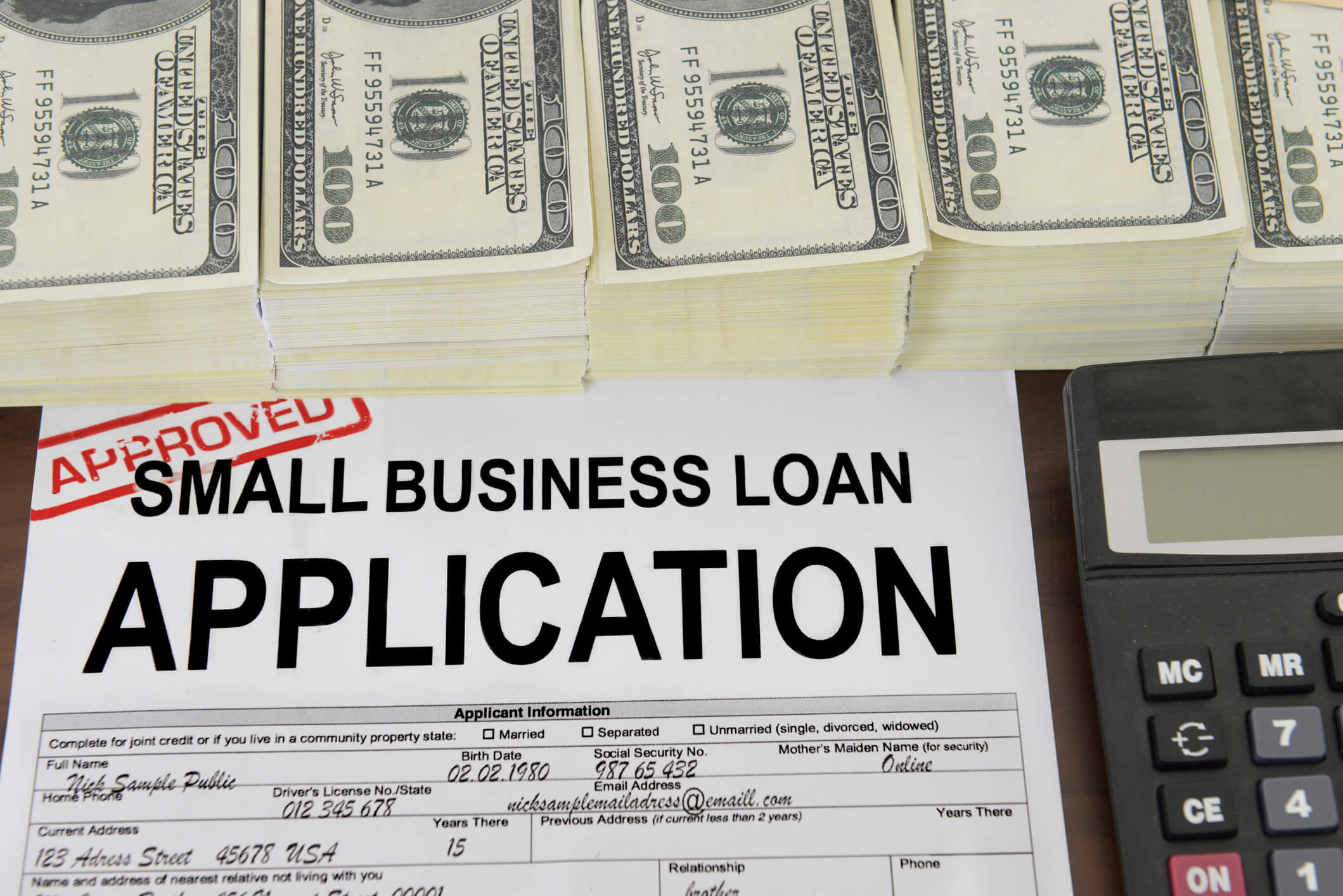
5 Essential Steps to Securing a Small Business Loan

A small business start-up will rarely have all the capital needed to establish, operate, and sustain the business through the difficult first year of business. Most small business entrepreneurs will be seeking capital.

While recent years have seen some other sources for raising capital such as crowdfunding, peer-to-peer financing, and instant online loans, commercial bank lending is still the most sought after option for small business start-ups or those small businesses who need capital to grow. And lending by the government-backed Small Business Administration is at record levels. Check out America's Best Bookkeepers

While it is suggested that a small business owner uses every available resource to raise the capital needed to start or grow their business, they should also know what top commercial bank lenders expect to see when considering a loan to a new or growing business. Here are the five essential steps every small business owner should follow to secure a small business loan.

You Must Become Credit Worthy

Before you even step foot into a commercial banking institution seeking a loan to start a small business, you need to take care of any negative or inaccurate credit score issues on your credit report. You also need to resolve any tax issues or previous business issues that could harm you as a lending risk. Anything such as tax or loan liens, garnishments, negative bank balances, or owing back taxes can all be risk red flags for a potential lender, so you must have all of these issues resolved, or seeking a loan will be a waste of everyone’s time.

There are many ways to repair negative financial issues you have gotten yourself into, and you need to use them before you look to secure a loan for your small business.

You Must Create a Strong Business Plan

The top commercial banking lenders say that a well-written and realistic business plan is essential to a positive answer to your loan request. Your business plan is an insight into your realistic understanding of how your business will be operated. Still, it shows you have thought out what you are getting yourself into and how to handle all the aspects required to run a successful business. Check out America's Best Bookkeepers

Your business plan should include financial projections, marketing strategies, business management, and operations. The business plan allows the lender to see you have a plan for repayment through these researched and well thought out aspects of the plan. The business plan gives the lender confidence that you can repay the loan. Without this confidence, no lender will give you a business loan.

You Must Plan for Every Case Scenario

In the financial projections, lenders expect to see a breakdown of at least twelve months broken down by month, including the best, mid, and worst-case scenarios. The potential lender needs to see that you will financially survive and make loan payments even if your business has a month that sees a drop of 10, 20, or even 30%.  Showing this amount of monthly detail will let a lender know that you have a plan to survive the inevitable downturns businesses experience.

You should do this as a monthly breakdown because knowing the good and bad time of year for your business shows you understand your business and its finances. Some businesses will boom in the summer and die in the winter, and others are strong during the holidays and potentially make their year in a two or three-month period. Having this deep knowledge of your business and its financial projections month to month will give a lender great confidence and get you a positive result.

You Must Have Business History or the Equivalent Cash Equity 

If you are obtaining a loan to help your business grow, you will have some business history. Many lenders will require two-years of business history in these cases. However, if you are a new business, a lender may require the owner to have cash equity to inject into the business. The lender may require other capital supplements to reduce the loan amount, reducing the risk of repayment. Check out America's Best Bookkeepers

You Must be a Hands-on Owner

A lender is more likely to grant a loan to an owner who has proactive plans to collect accounts receivables and ensure that revenue is not tied up in bad debt expenses. You should also show that all your cash liquidity isn’t going to be tied up in inventory but readily available to use for unforeseen business needs or to cover payments.

You should also show that you have a strong and direct marketing plan that will be carried through even when business is slow. Lenders understand that marketing is key to the success of a business. It has its own prominent section in every good business plan showing that it is an essential part of any business to generate customers and revenue.

Conclusion

Lenders are not ready to say no to every business that walks in the door seeking a small business loan. Because the banking institution will gain revenue from the interest paid on your loan, they want to say yes. It is up to you as a small business entrepreneur to ensure you follow all these steps to ensure you are the business that gets that yes, they want to give a worthy business.

Check out America's Best Bookkeepers About Complete Controller® – America’s Bookkeeping Experts Complete Controller is the Nation’s Leader in virtual bookkeeping, providing service to businesses and households alike. Utilizing Complete Controller’s technology, clients gain access to a cloud-hosted desktop where their entire team and tax accountant may access the QuickBooks™️ file, critical financial documents, and back-office tools in an efficient and secure environment. Complete Controller’s team of certified US-based accounting professionals provide bookkeeping, record storage, performance reporting, and controller services including training, cash-flow management, budgeting and forecasting, process and controls advisement, and bill-pay. With flat-rate service plans, Complete Controller is the most cost-effective expert accounting solution for business, family-office, trusts, and households of any size or complexity. Check out America's Best Bookkeepers

4 Types of Financing You Can Obtain for Your Small Business

When starting or growing your small business, even if you have some capital saved to put into the business, chances are you won’t have enough to cover all of the costs. If you have no means to provide the money to operate or grow, you will have to look at other financing means. Check out America's Best Bookkeepers

Before you pursue financing, you must make sure you have a comprehensive and well-written business plan. Most think you only need a business plan for a startup business; however, you should be updating your business plan every year to project growth and use data from the previous year to make those projections. Here are what should be included in your business plan:

  • Executive Summary: The executive summary introduces your company to the reader and includes your mission statement and what your business is about.
  • Company Description: The company description is a deeper dive into what the company will do, its goals, and the expected customer type.
  • Market Analysis: The market analysis is a detailed analysis of the market to which your business belongs.
  • Competitive Analysis: The competitive analysis is the comparison to your indirect and direct competitors.
  • Management and Organization: Management and organization is the structure of your management team and the entire organization.
  • Products and Services: This will be a thorough description and breakdown of the products or services your company will offer.
  • Marketing Plan: Your marketing plan will be how you intend to market the business and the costs.
  • Sales Strategy: The sales strategy will include how you plan to offer your product and how the sales team will go forward. It will also include projected sales targets.
  • Financial Projections: The financial projections should cover at least six months, if not a year or month by month, financial breakdowns, and analysis.

Now that you have a solid business plan, here are four types of financing you can obtain for your small business. Check out America's Best Bookkeepers

Take it to the Bank

The most obvious means of financing your small business is to go to a banking institution and obtain a loan. The bank will expect to see a business plan, business credit scores, personal credit scores, financial statements, or any other documents that will help them decide to give you a loan. The bank is looking for the amount of risk there will be if they grant you a loan.

Friends or Family

If you have friends or family that believe in your business, they will often help you finance your business with no strings attached. While they will still expect to be paid back, they often want no stake in the business and help you succeed. Be careful when borrowing from friends and family because if you have difficulty paying them back, it can cause a rift, but often this is a great way to borrow for your business because it will most likely be interest-free.

Outside Investors

You can look for outside investors who have expressed a desire to invest in small business startups or growing. These investors will become stakeholders and expect a return on their investment and often limit when they expect to see some return on their investment. In some cases, investors will expect a seat at the table when it comes to business decisions. Check out America's Best Bookkeepers

This involvement can be a blessing or a curse depending on the investor. Some have a vast amount of business experience, and their involvement and ideas could help your business grow and thrive. Others can be a challenge to deal with, so choose your investors carefully. Base your choice of investors on reputation and research them thoroughly if they have an investment track record.

Crowdsourcing

Crowdsourcing is a fairly new financing source for businesses or projects. While you will still have to give the investors a return on their investment, you can, in many cases, gain quick and total financing for your business if it is a great idea with a solid business plan. If you are great at selling your ideas and getting others excited, crowdsourcing would be the perfect financing pursuit for you and your business.

Conclusion

Financing is a part of any small business, whether it is a startup or a business operating for some time that is growing. If you have a great business plan and have made sure you are personally financially strong, you should have no problem obtaining financing via one of these four sources.

Check out America's Best Bookkeepers About Complete Controller® – America’s Bookkeeping Experts Complete Controller is the Nation’s Leader in virtual bookkeeping, providing service to businesses and households alike. Utilizing Complete Controller’s technology, clients gain access to a cloud-hosted desktop where their entire team and tax accountant may access the QuickBooks™️ file, critical financial documents, and back-office tools in an efficient and secure environment. Complete Controller’s team of certified US-based accounting professionals provide bookkeeping, record storage, performance reporting, and controller services including training, cash-flow management, budgeting and forecasting, process and controls advisement, and bill-pay. With flat-rate service plans, Complete Controller is the most cost-effective expert accounting solution for business, family-office, trusts, and households of any size or complexity. Check out America's Best Bookkeepers

Money Management Tips That Work

Money Management Tips:
Avoid a Budget Deficit

Money management tips that help you avoid a budget deficit come down to a straightforward system: track every dollar you spend, match it against your real take-home income, build a realistic monthly budget using a method like 50/30/20, and create cushions like an emergency fund so unexpected expenses never push you into the red. When you consistently monitor cash flow, set clear financial goals, and adjust quickly the moment overspending shows up, deficits become an early warning signal you know how to fix, not a recurring crisis.

Here’s what caught my attention recently: the Federal Reserve found that 37% of U.S. adults couldn’t cover a $400 emergency using cash, savings, or a credit card paid off at the next statement. That single stat explains why so many households live one flat tire away from debt. Over my 20-plus years leading Complete Controller, I’ve worked with thousands of households and small businesses across nearly every industry you can name, and the pattern is consistent: the people who stay financially secure aren’t always the highest earners; they’re the ones who know exactly where their money goes. In this article, I’ll walk you through the same practical framework we use with clients to build cash flow clarity, cut debt faster, grow savings, and turn any deficit into a surplus.

What are the best money management tips to avoid a budget deficit?

  • Track spending, match it to real income, build a realistic budget, and create buffers like an emergency fund so expenses never exceed cash flow.
  • Start with cash flow clarity by logging 30–90 days of expenses and comparing them to your net income to spot deficits early.
  • Use proven budgeting strategies like 50/30/20 or zero-based budgeting to give every dollar a purpose.
  • Automate savings and debt payments so progress happens without willpower doing all the work.
  • Review monthly and treat your budget as a living plan that flexes with your life. Cubicle to Cloud virtual business

Get a Clear Picture of Your Cash Flow

Before you can avoid a deficit, you need to know exactly what’s coming in, what’s going out, and when it’s landing in your account. Most clients I meet aren’t overspending on wild luxuries; they’re just flying blind, missing timing mismatches between paychecks and bills.

Cash flow management starts by listing every income source (take-home pay, side gigs, benefits) and totaling your realistic monthly net income. Then list every expense category: housing, utilities, transportation, food, minimum debt payments, savings, and discretionary spending. Subtract expenses from income. If the result is negative or uncomfortably close to zero, you’re at deficit risk and need to reallocate now, not next month.

How to create a monthly budget and stick to it

Pick one method and commit to it for at least 90 days so you can see real patterns emerge:

  1. Use net (after-tax) income, not gross salary, so your plan reflects reality.
  2. Assign every dollar a job using zero-based budgeting, or split with the 50/30/20 rule (50% needs, 30% wants, 20% savings and extra debt payments).
  3. Check accounts weekly to catch overspending before it snowballs.
  4. Set calendar reminders for bill due dates so timing mismatches don’t create short-term shortfalls.

Small nudges work. A ideas42 experiment found that personalized reminder texts about spending goals boosted short-term savings by roughly 5% and reduced overspending compared to a control group. Weekly account check-ins and bill alerts aren’t busywork; they’re behavior science.

Track Every Dollar to Pay Off Debt Faster

You can’t avoid a deficit or accelerate debt reduction if you don’t know where your money is actually going. Money management tips for beginners to pay off debt faster always start here: pull the last 30–90 days of bank and credit card statements and categorize every transaction.

Here’s why debt reduction matters more than ever: the Federal Reserve Bank of St. Louis reports that the average credit card interest rate assessed by commercial banks jumped from about 14% in 2019 to over 21% in 2024. Carrying a balance now creates monthly deficits faster than it did just five years ago.

Choose a debt payoff method that fits your personality

  • Avalanche method: Pay minimums on everything, then throw extra cash at the highest-interest debt first. Cheapest long-term.
  • Snowball method: Attack the smallest balance first to build motivation from quick wins.
  • Automate payments so backsliding isn’t an option.
  • Redirect trimmed expenses straight to extra principal payments each month.

As total debt shrinks, your fixed obligations shrink with it, which is exactly how you create permanent breathing room. For a deeper look at aligning debt and cash flow on the business side, our team’s guide to efficient business finance management walks through the same principles at a larger scale.

Build an Emergency Fund for Financial Security

A budget alone won’t stop every deficit. Life throws surprises, and safety nets are what keep those surprises from becoming credit card debt. The best ways to build an emergency fund for financial security start smaller than most people expect.

Aim for 3–6 months of essential expenses eventually, but don’t let that number paralyze you. Start with $500–$1,000, which covers most minor emergencies like car repairs, medical copays, or an unexpected appliance replacement. Given that 37% of Americans can’t cover a $400 emergency, even a modest starter fund puts you ahead of a huge portion of the country.

Automate the habit, separate the account

  • Set up automatic transfers to a dedicated savings account the day after payday.
  • Keep it at a separate bank with no debit card attached to remove temptation.
  • Increase contributions any time your income rises or a debt is paid off.
  • Layer in tax-advantaged accounts (HSA, IRA, 401(k)) once your starter cushion is in place. Our overview of the benefits of a 401(k) explains how employer matches can accelerate long-term security.

Case in point: One working couple I’ve seen (adapted from CFPB spending-tracker case work) had recurring overdraft fees on variable income. They tracked spending for 60 days, cut discretionary costs, and automated $100/month until they hit $1,200. When a car repair hit, they paid cash instead of swiping plastic at 21% interest. That single shift broke their deficit cycle for good.

Better money decisions start with better financial systems. Discover how Complete Controller can help you stay on track.

Align Goals With Behavior Through Financial Goal Setting

Deficits often happen because daily choices aren’t connected to bigger priorities. Clear financial goal setting makes trade-offs feel purposeful instead of punishing.

Sort goals into short-term (0–2 years), mid-term (2–5 years), and long-term (5+ years). Assign each one a target amount, deadline, and monthly contribution. Then build those contributions into your budget as line items, right alongside rent and utilities. This is where retirement planning and investment allocation stop feeling optional and start feeling like non-negotiables.

Prioritize paying off high-interest debt before aggressive investing. Otherwise, interest costs quietly cancel out returns. Once debt is under control, diversify investments to match your time horizon and risk tolerance, and treat risk management (insurance, basic estate planning) as part of the same conversation.

Cut Costs Intelligently and Recover From Deficits Fast

When money feels tight, the culprit is usually creep: subscriptions, lifestyle upgrades, and impulse purchases that snuck in over months. How to manage cash flow and reduce unnecessary expenses comes down to systematically reviewing what you’re actually paying for.

Scan statements for charges you don’t recognize and subscriptions you’ve forgotten. Negotiate recurring bills (insurance, phone, internet), refinance high-interest debt where possible, and spread bill due dates across the month to avoid clusters that create short-term shortfalls. Look for painless income boosts, too: extra hours, side work, selling unused items.

If you’re already in a deficit, move fast

  1. Recalculate exact shortfall by comparing all income against every bill.
  2. Trim nonessentials immediately.
  3. Contact creditors about hardship plans before missing payments.
  4. Prioritize essentials: housing, utilities, food, and minimum debt payments.
  5. Avoid payday loans and repeated overdrafts, which deepen the hole.

Once stabilized, rebuild the emergency fund, reset goals, and schedule monthly reviews. Consistent surplus creates room for opportunities you couldn’t touch while playing defense.

Turn Budget Fear Into Financial Confidence

When you combine disciplined tracking, a realistic budgeting method, aligned goals, and intentional saving, budget deficits stop being emergencies and start being manageable signals. The roadmap is simple: understand your cash flow, build a budget that fits your actual life, protect yourself with an emergency fund, and respond quickly when numbers don’t add up.

I’ve watched clients across every income bracket go from overdraft anxiety to calm, predictable finances by following these exact steps. If you’re ready to put this framework to work, or want expert help building a deficit-proof plan for your household or business, visit Complete Controller for cloud-based bookkeeping and financial guidance built around your goals. ADP. Payroll – HR – Benefits

Frequently Asked Questions About Money Management Tips

What are the most important money management tips for beginners?

Track all spending for at least 30 days, build a simple monthly budget using a rule like 50/30/20, start a small emergency fund ($500–$1,000), and prioritize paying down high-interest debt before aggressive investing.

How do I stop overspending and actually stick to my budget?

Use an expense-tracking app or spreadsheet linked to your accounts, review balances weekly, set hard category limits for “wants,” cancel unused subscriptions, and turn on bill alerts so timing surprises don’t push you into the red.

How do I create a realistic budget if my income is irregular?

Base your plan on an average of the lowest three months from the past year, cover essentials first, keep a larger emergency buffer (closer to 6 months of expenses), and adjust discretionary spending each month as actual income comes in.

What’s the best way to pay off credit card debt without wrecking my budget?

List every debt with balances and interest rates, keep minimums paid on all, and direct extra funds to either the highest-rate card (avalanche) or smallest balance (snowball). With average card rates above 21%, every extra dollar matters.

How much should I save each month to prevent future budget deficits?

Aim for 20% of net income toward savings and extra debt payments when possible, following 50/30/20 guidelines. Start with whatever percentage is realistic, automate the transfer, and increase it every time your income rises or a debt is paid off.

Sources

Complete Controller. America’s Bookkeeping Experts About Complete Controller® – America’s Bookkeeping Experts Complete Controller is the Nation’s Leader in virtual bookkeeping, providing service to businesses and households alike. Utilizing Complete Controller’s technology, clients gain access to a cloud platform where their QuickBooks™️ file, critical financial documents, and back-office tools are hosted in an efficient SSO environment. Complete Controller’s team of certified US-based accounting professionals provide bookkeeping, record storage, performance reporting, and controller services including training, cash-flow management, budgeting and forecasting, process and controls advisement, and bill-pay. With flat-rate service plans, Complete Controller is the most cost-effective expert accounting solution for business, family-office, trusts, and households of any size or complexity.
author avatar
Jennifer Brazer Founder/CEO
Jennifer is the author of From Cubicle to Cloud and Founder/CEO of Complete Controller, a pioneering financial services firm that helps entrepreneurs break free of traditional constraints and scale their businesses to new heights.
Reviewed By: reviewer avatar Brittany McMillen
reviewer avatar Brittany McMillen
Brittany McMillen is a seasoned Marketing Manager with a sharp eye for strategy and storytelling. With a background in digital marketing, brand development, and customer engagement, she brings a results-driven mindset to every project. Brittany specializes in crafting compelling content and optimizing user experiences that convert. When she’s not reviewing content, she’s exploring the latest marketing trends or championing small business success.

6 Easy to Start Online Businesses You Can Start NOW!

Starting an online business used to be a thing of the future and difficult to do. Now, starting an online business is not only simple, but the cost for a startup in most cases is so low that almost anyone can bear it. Many wantrepreneurs stay in the dream stage and never pursue starting their own business into a reality because they think they can’t afford it or lack the skills.

While there is truth in the fact that starting any business carries some risks and takes some guts to do in the case of online businesses, many of them can be started and run while you don’t quit your “day job” for security. This fact has now eliminated your last excuse, and it’s time to go from wantrepreneur to entrepreneur. Now let’s make it even easier for you to get going and start your online business today! Here are six easy to start online businesses you can start NOW! Check out America's Best Bookkeepers

Start a Listicle Blog

A fun, easy, and cheap business idea that anyone with some creativity can start is a listicle blog. A listicle blog is a short-form blog that uses lists as the key structure of the blog. These blogs are quick to create, and the costs to start the site will be obtaining the domain name and website hosting, which is minimal and can vary depending on which hosting site you use. The other option is to set up your listicle blog on an already established blog site, which can be completely free in many cases.

Start Affiliate Marketing

Affiliate marketing is selling or promoting products for websites or sellers. When you market a product as an affiliate, you make a commission for every item that sells due to your efforts. The best part of affiliate marketing is that you don’t have to deal with the product shipping or other aspects of the sale. You are presenting the product for sale to audiences to which you have access. Most major online retailers have affiliate programs. You merely need to sign up, set up payment arrangements, and start posting and linking to products. How you do that is up to your creative mind. Check out America's Best Bookkeepers

Selling Your Products and Services

If you are creative, you can make your products or services to sell or offer online and start your own online shop. There are site builders that help you build a website for little to no money, and you can attach shopping tools that will give your customers the ability to order your products or services through the site. You can also join websites that charge you a fee or a percentage of sales to have a shop on their site. Social media is another way you can sell or offer your products and services, and it is free unless you pay to take out ads on the sites.

App Building

If you are creative and have great app ideas, you can make money by creating an app. For the cost of app creating software, you can take your app idea and make it a reality, then offer it through app stores on various devices. Depending on how in-depth the app is, you can charge upfront for the app or have in-app add ons or ads as ways to monetize your creation.

Stock Trading

While stock trading may seem more like investing than a business, with the options available online when it comes to playing the stock market, it can be a profitable full-time job. Since most of us didn’t go to school to become stockbrokers, this online business will require some research. This list is also a bit more expensive at startup, depending on how much the minimum investments are. If you have a bit of startup capital, you can start this business right away. Check out America's Best Bookkeepers

Professional Freelancer 

Freelancing covers a multitude of industries. If you have a skill that you can hire out for contract work, becoming a freelancer is a great business to start. The best thing about freelancing is you aren’t limited to one type of skill if you have more than one that people may seek.  If you have a skill and want to start your own business, freelancing is the way to go. Not to mention, you get to do what you love and not what you don’t!

Conclusion

There are so many online businesses you can start quickly. These six are businesses you can start today with little to no capital. A few things to keep in mind when starting an online business. Choose something you will love to do, make sure you can afford the startup, keep your main job until your online business equals at least 70% of your current income, and don’t be afraid to start more than one type of business.

Check out America's Best Bookkeepers About Complete Controller® – America’s Bookkeeping Experts Complete Controller is the Nation’s Leader in virtual bookkeeping, providing service to businesses and households alike. Utilizing Complete Controller’s technology, clients gain access to a cloud-hosted desktop where their entire team and tax accountant may access the QuickBooks™️ file, critical financial documents, and back-office tools in an efficient and secure environment. Complete Controller’s team of certified US-based accounting professionals provide bookkeeping, record storage, performance reporting, and controller services including training, cash-flow management, budgeting and forecasting, process and controls advisement, and bill-pay. With flat-rate service plans, Complete Controller is the most cost-effective expert accounting solution for business, family-office, trusts, and households of any size or complexity. Check out America's Best Bookkeepers

3 Ways to Get the Best Interest Rates and Bang for Your Buck with Your Banking Institution

Interest rates affect our financial life in two ways, either when it comes to savings, in which case we want higher interest rates, and with loans and other lines of credit related to repayment, in which case we want lower interest rates. When we start our savings account or obtain a loan or credit card, we should negotiate the best rates possible.

We often get these accounts, cards, and loans and don’t know we can do better because we feel as though these rates are set in stone. There is nothing further from the truth. Here are three ways to get the best interest rates and bang for your buck with your banking institution. Check out America's Best Bookkeepers

Choosing a Bank

Banks are about getting your business. The banking industry is competitive; therefore, you can afford to be choosy. Here are some things to look for in a bank that will get you higher returns on your savings and lower rates on lines of credit:

  • Low bank fees
  • Higher interest savings account
  • Interest gaining checking account
  • ATM fee forgiveness
  • Cashback checking account
  • Low-interest membership loans
  • Low-interest credit card

The bottom line is when choosing a banking institution. You want to make sure it is well-rounded and gives you a lot of value for your money. In some cases, credit unions, online-only banks, and banks created to serve specific customers tend to have more to offer members than chain banks. However, don’t count those chain banks out. Many of them are making changes to match their more specialized competitors. Check out America's Best Bookkeepers

Renegotiation

If you already have a banking institution and are not getting a high return on your savings or are paying high-interest rates on loans or other lines of credit such as credit cards, it is time to renegotiate. Remember, banks are competing for your business, so you might be surprised at how willing they are to negotiate. It is a business, so they may not advertise that they are excited to negotiate lower revenue for themselves, but they also don’t want to lose the gains they get from having you as a customer.

Keep in mind that they are more willing to negotiate with someone who is a loyal customer who has been making deposits and regular and on-time payments, so before you go in for the renegotiation, be armed with data that supports your status as a loyal customer that should reap the rewards for that loyalty. Another bargaining chip that every bank member has is that they can take their business elsewhere, so use that fact as leverage if your current bank is unwilling to renegotiate terms.

You can go to another bank that offers better terms upfront, and if you carry a credit card, loan, or other lines of credit with the bank you are leaving, there are options to relieve you of those debts so that you can break all ties. Remember, banks need you more than you need them, so you do have some power.

Credit Repair

In many cases, the reason you have the interest rates you do is because of poor credit. You can do many things to raise your credit score and repair it, which will give you more financial strength to get better rates or qualify for banking institutions that factor in credit reports when setting up accounts or considering lines of credit. Here are some things you can do to repair your credit and give you more power: Check out America's Best Bookkeepers

  • Get a secured credit card and charge items you can immediately pay off
  • Get a secured loan and make double payments or pay in full quickly
  • Pay off any legitimate issues on your credit report
  • Dispute any non-legitimate issues on your credit report
  • Make double monthly payments on any bills that report to credit bureaus
  • Obtain a low-interest loan to pay off all debts to consolidate them

There are many other things you can do to improve and repair your credit. All that is required to fix and raise your credit is effort. Many of those who have poor credit give up hope and don’t realize they can fix it and that it is never too late.

Conclusion

These three focus areas will ensure that you get the best interest rates and returns on accounts or rates that have gains attached. They will also ensure that you will get the lowest interest rates possible when you obtain credit cards and other credit lines through your banking institution. One thing is guaranteed. If you do nothing, you gain nothing, so there is no downside to trying.

Check out America's Best Bookkeepers About Complete Controller® – America’s Bookkeeping Experts Complete Controller is the Nation’s Leader in virtual bookkeeping, providing service to businesses and households alike. Utilizing Complete Controller’s technology, clients gain access to a cloud-hosted desktop where their entire team and tax accountant may access the QuickBooks™️ file, critical financial documents, and back-office tools in an efficient and secure environment. Complete Controller’s team of certified US-based accounting professionals provide bookkeeping, record storage, performance reporting, and controller services including training, cash-flow management, budgeting and forecasting, process and controls advisement, and bill-pay. With flat-rate service plans, Complete Controller is the most cost-effective expert accounting solution for business, family-office, trusts, and households of any size or complexity. Check out America's Best Bookkeepers

6 Common Mistakes People Make When it Comes to Debt

Financial debt is something that many have to deal with at some time or another in their life. Due to poor spending habits or taking out loans for larger purchases, you need to work to overcome debt. Overcoming debt is possible, but there are some mistakes that many people make when it comes to debt. Here are six common mistakes people make and how to overcome them to wipe out the debt.

No Negotiation Check out America's Best Bookkeepers

It is surprisingly easy to negotiate your credit card debts. Most people don’t even think about negotiating the terms of their debts and payments, but it is one of the easiest things to do. In most cases, you merely need to pick up the phone and call your bank and ask if a lower interest rate is possible. Though this is an easy task, many people don’t do it. One call could save you thousands of dollars in some circumstances, so make that call.

Failing to Plan

Most people don’t think it is necessary to have a planned budget to pay off their debts. This could not be further from the truth. You need to have a planned budget that shows you exactly where you’re spending, so you know where to make changes and cuts.  The most important thing to remember is that you need to create a strategy and stick to it. While you may have to do without some luxuries for a little while, it will be worth it when you are debt-free because of your efforts. Check out America's Best Bookkeepers

Failure to Prioritize

Many people don’t prioritize debt. If there is difficulty with making payments in some cases, they ignore the debt and allow it to grow or default. Once you make your debt a priority, you must put the debt that carries interest first, such as credit cards or loans. Paying off the highest interest debt first will save you money as the interest rates can make the debt grow and possibly become unmanageable.

Paying Bills Late

When people fail to pay their bills on time, the amount increases after the due date because of late fees. It means that you are just giving away your money in late fees to credit card companies, banks, and landlords. Paying late on some bills also affects your credit score, so you not only get hit with the fees but also decrease your purchasing power. To fix this problem, you need to budget and live within your means and pay your bills on time. If you are consistently late, you need to find where the problem is and fix it. Check out America's Best Bookkeepers

Not Asking for Help

Pride is a tough thing to deal with, but many people have it when It comes to finances. While it is not suggested that you ask for financial assistance to pay your bills or make ends meet regularly, there are times when it could be the difference between peace of mind or dire issues. You need a roof, electricity, water, and food. If any of those are threatened and don’t have the means to cover them, you can ask for help. In some cases, you may have a friend or family member that can give you a no-interest loan you can use to consolidate and pay down debts so you can start on an even field. Put aside that pride and ask, the worst they can say is no.

No Emergency Fund

Having an emergency fund saved is so vital that a whole article could be dedicated to it. If you have no other savings, account you should at least have an emergency fund. Start small and save $1,000 in as large increments as you can afford without hardship. Once you have reached this goal, start saving towards equal to six months of your income. Once you have this saved, you can decide if this is enough padding for you or save to twelve months of income.

Some important things to remember while building an emergency fund. Don’t focus on any other savings until your emergency fund is complete. Use the highest interest savings account you can find for these savings, so it grows. Money market accounts are notoriously great for this type of savings because of interest and ease of access without being too easy to access that you are tempted to spend for non-emergency expenditures. Have a trusted friend or family member named on the account or give power of attorney to someone if you are incapacitated so it can be accessed to take care of everything during those times.  

Check out America's Best Bookkeepers About Complete Controller® – America’s Bookkeeping Experts Complete Controller is the Nation’s Leader in virtual bookkeeping, providing service to businesses and households alike. Utilizing Complete Controller’s technology, clients gain access to a cloud-hosted desktop where their entire team and tax accountant may access the QuickBooks™️ file, critical financial documents, and back-office tools in an efficient and secure environment. Complete Controller’s team of certified US-based accounting professionals provide bookkeeping, record storage, performance reporting, and controller services including training, cash-flow management, budgeting and forecasting, process and controls advisement, and bill-pay. With flat-rate service plans, Complete Controller is the most cost-effective expert accounting solution for business, family-office, trusts, and households of any size or complexity. Check out America's Best Bookkeepers

Mastering Budget Categories

Are you ready to take control of your financial destiny? Do you dream of a life free from the shackles of debt and financial stress? The path to financial freedom may seem daunting, but anyone can achieve their financial goals with the right tools and knowledge.

At the heart of this journey lies the art of budgeting. But not just any budgeting – effective budgeting that empowers you to make informed decisions, track your expenses with precision, and allocate your resources in a way that aligns with your values and aspirations.

In this comprehensive guide, we’ll dive deep into the world of budget categories, exploring the essential expense categories that form the foundation of any successful financial plan. From personal expenses to business operating costs, we’ll leave no stone unturned in our quest to help you master your money.

Whether you’re just starting on your financial journey or a seasoned pro looking to fine-tune your approach, this article will provide you with the insights and strategies you need to take your financial management to the next level.

The Importance of Accurate Expense Tracking

Navigating personal expense tracking is crucial for effective financial management. Tools like QuickBooks help individuals understand their financial status, manage budgets, and make informed decisions. Implementing a comprehensive expense categories list maintains control over budget items and cash flow, preventing overspending and insufficient savings.

Precise expense tracking is essential for effective expense management. With clear insight into spending, funds can be distributed wisely across categories, ensuring a balanced financial plan. Meticulous tracking fosters discipline, curtails impulsive purchases, and enhances expense control.CorpNet. Start A New Business Now

Common Expense Categories

Before delving into the intricacies of personal and business finances, familiarize yourself with these common expense categories:

  • Housing: mortgage or rent payments, property taxes, homeowners or renters insurance, and maintenance costs
  • Transportation: car payments, gas, insurance, and repairs
  • Utilities: electricity, water, and internet
  • Food: groceries and dining out
  • Personal Care: toiletries, cosmetics, health care essentials, and clothing
  • Entertainment and Discretionary Spending: non-essential but common parts of most budgets

Personal Expense Categories

While the general categories are relevant to both personal and business finances, specific household budget categories are particularly pertinent to personal finance:

  • Education: tuition, textbooks, and other related costs
  • Childcare and School-related Expenses
  • Personal Savings: setting aside money for emergencies, retirement, or specific objectives
  • Insurance Payments: life, health, and auto insurance
  • Debt Repayment: student loans, credit cards, or personal loan

Small Business Expense Categories

For small business owners, distinct business expense categories must be considered:

Operating Costs

  • Office Rent: cost for the physical space where the business operates
  • Utilities: electricity, water, gas, internet, and other essential services
  • Office Supplies: paper, pens, printer ink, and other materials necessary for day-to-day operations
  • Salaries: payments made to employees for their services
  • Employee Benefits: non-wage compensation such as health insurance, retirement benefits, and paid time off Cubicle to Cloud virtual business

Other Business Expenses

  • Advertising and Marketing Costs
  • Professional Fees: lawyers, accountants, and consultants
  • Business Insurance
  • Taxes
  • Interest and Bank Fees

Tracking Fixed and Variable Expenses

Fixed expenses are consistent monthly, including mortgage or rent payments, car payments, insurance premiums, and subscription services. While they are consistent, regular reviews can lead to expense reduction opportunities.

Variable expenses vary each month, including groceries, gas, dining out, and entertainment. The flexibility of variable expenses allows you to adjust your spending in alignment with your financial situation and objectives.

Budgeting for Savings and Investments

Savings and investments should never be an afterthought; they ensure financial stability and foster growth. Allocate funds for an emergency reserve, retirement savings, or investments such as stocks or real estate.

Setting clear financial goals is a powerful incentive for consistent savings and smart investing. Accumulating wealth and striving for financial freedom demands more than mere savings; investing plays a critical role in wealth expansion. Nonetheless, comprehend the associated risks and engage in investing with a strategic, informed approach.

Embarking on Your Journey to Financial Mastery

Throughout this guide, we’ve explored the critical budget categories that form the bedrock of effective financial management. From personal expenses to business operating costs, we’ve provided the tools and insights needed to take control of your finances and pave the way for a brighter financial future.

But knowledge alone is not enough. To truly transform your financial life, you must take action. Start by implementing the strategies and tips outlined in this article. Create a budget that reflects your unique goals and values. Track your expenses with unwavering dedication. And most importantly, remain committed to your journey, even in the face of challenges or setbacks.

Remember, mastering your finances is not a destination but a lifelong journey of growth, learning, and self-discovery. With each step you take, you’ll gain greater clarity, confidence, and control over your financial destiny.

So, embrace the power of effective budgeting. Let the insights from this guide serve as your compass, guiding you toward a life of financial freedom and abundance. The road ahead may be filled with twists and turns, but armed with the knowledge and tools you’ve gained, you have everything you need to succeed.

Your journey to financial mastery starts now. Take that first step, and watch as your dreams of financial independence become a reality. The future you’ve always envisioned is within your reach – all it takes is the courage to pursue it. ADP. Payroll – HR – Benefits

FAQs

Q: What are the essential budget categories for effective personal finance management?

A1: The crucial budget categories for the management of finances encompass housing, transportation, utilities, groceries, self-care, leisure activities, education, childcare, savings, insurance premiums, and debt settlement. Individuals can enhance their control by diligently monitoring and distributing funds among these categories. Strive towards achieving their financial objectives.

Q: How can accurate expense tracking help me improve my financial situation?

A: Precise expense tracking plays a role in adept financial management. By gaining insights into your spending patterns, you can make informed decisions regarding the allocation of your funds across various budget categories. This practice fosters discipline, curtails purchases, and empowers you to devise a rounded financial strategy that aligns with your immediate and long-term goals.

Q: As a small business owner, what key expense categories should I consider?

A: Small business proprietors should focus on expenditure categories such as expenses (rental charges, office space utilities expenses, office supplies costs) and other business outlays (expenses related to advertising and marketing initiatives, professional service fees, business insurance premiums, tax obligations, and banking charges). By monitoring and managing these expenses, business owners can uphold the well-being of their company and make informed decisions to foster expansion.

Q: What’s the difference between fixed and variable expenses, and why is it essential to track them separately?

A: Fixed expenses remain month after month, covering costs like mortgage payments, car installments, and insurance premiums. On the side, variable expenses fluctuate on a basis and encompass items such as groceries, fuel, dining out, and entertainment. Segregating these expenditures enables you to pinpoint areas where adjustments can be made based on your status and objectives. While fixed expenses can be periodically scrutinized for cuts, variable expenses provide room for immediate alterations.

Q: What are some final tips for mastering my budget and achieving financial freedom?

A: When it comes to mastering your budget and reaching freedom, it’s essential to prioritize consistency, self-control, and flexibility. Make it a habit to regularly assess and tweak your budget categories based on any changes in your circumstances and aspirations. Don’t forget to celebrate your accomplishments along the road, as this can help you stay motivated. Remember that effective budgeting is about optimizing your resources to achieve your goals rather than depriving yourself. Embrace the process of learning and development. Stay dedicated to your journey toward financial expertise.

LastPass – Family or Org Password Vault About Complete Controller® – America’s Bookkeeping Experts Complete Controller is the Nation’s Leader in virtual bookkeeping, providing service to businesses and households alike. Utilizing Complete Controller’s technology, clients gain access to a cloud platform where their QuickBooks™️ file, critical financial documents, and back-office tools are hosted in an efficient SSO environment. Complete Controller’s team of certified US-based accounting professionals provide bookkeeping, record storage, performance reporting, and controller services including training, cash-flow management, budgeting and forecasting, process and controls advisement, and bill-pay. With flat-rate service plans, Complete Controller is the most cost-effective expert accounting solution for business, family-office, trusts, and households of any size or complexity. Complete Controller. America’s Bookkeeping Experts