Custom Financial Reporting Templates

Custom Financial Reporting Templates for SMBs:
Fast and Easy

Custom financial reporting templates save SMB owners 5-10 hours monthly while providing real-time financial visibility that transforms decision-making from guesswork into data-driven strategy. This comprehensive guide reveals exactly how to leverage pre-built templates that eliminate spreadsheet chaos, reduce reporting errors by up to 90%, and scale with your business—all without requiring accounting expertise or expensive software.

At Complete Controller, I’ve watched hundreds of small business owners struggle with the same financial reporting nightmares: hours lost to manual spreadsheet updates, critical errors hiding in formulas, and that sinking feeling when you realize your “real-time” data is actually three weeks old. The templates and strategies in this guide come directly from what we’ve implemented with clients who now close their books in days instead of weeks. CorpNet. Start A New Business Now

What are custom financial reporting templates and why do they matter?

  • Custom financial reporting templates are pre-built, adaptable frameworks that automate financial data collection, calculations, and visualization for small businesses
  • They replace manual spreadsheet work with automated formulas and consistent formatting
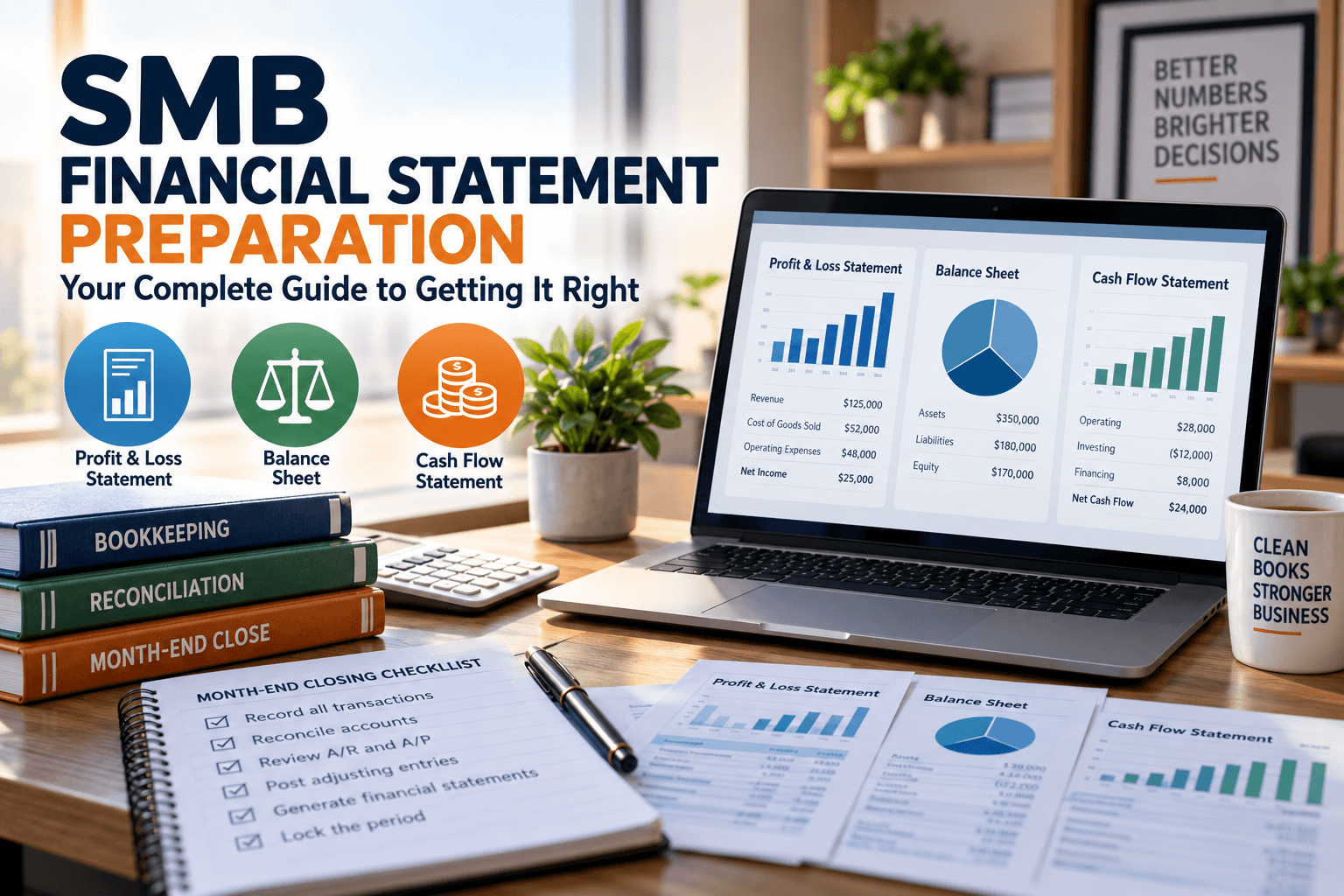
  • Templates include P&L statements, balance sheets, cash flow reports, and KPI dashboards
  • Customization allows businesses to track industry-specific metrics without starting from scratch
  • Cloud-based templates enable real-time collaboration and eliminate version control issues

The Hidden Costs of Manual Financial Reporting

Small businesses operating without proper financial reporting templates face staggering inefficiencies that compound monthly. Research reveals that 90% of organizations still rely on spreadsheets for critical business data, yet 94% of those spreadsheets contain errors that can trigger financial losses. Consider the real impact: businesses spend up to 60 extra hours monthly fixing data inconsistencies—that’s nearly two weeks of productivity lost to correction work alone.

The timeline challenge proves equally damaging. While best practices suggest a month-end close should take 3-6 business days, smaller companies commonly require 14 days or more. This extended timeline creates a cascade effect where financial data becomes stale before reaching decision-makers, opportunities are missed, and strategic planning relies on outdated information.

Manual processes consume 20-30% of revenue through pure inefficiency, with error rates reaching 4% on manual data entry. For a business processing 10,000 monthly transactions, this translates to 400 potential errors requiring correction—a hidden tax on growth that compounds over time.

Essential Components of Custom Financial Reporting Templates

Building effective templates requires understanding which components drive actual business value versus creating complexity. The foundation starts with five core templates that every SMB needs:

Profit & loss statement templates

Track revenue streams, categorize expenses, and calculate gross/net margins automatically. Modern P&L templates go beyond basic income minus expenses to reveal profit drivers by product line, customer segment, or location.

Cash flow forecasting templates

Monitor actual cash movement separate from accrual accounting, predict cash crunches before they occur, and model scenarios for growth investments or seasonal variations.

Balance sheet templates

Snapshot your financial position with automated asset/liability calculations, track equity changes over time, and maintain debt-to-equity ratios for lender requirements.

Budget vs. actual templates

Compare planned versus real spending with variance highlighting, identify expense categories growing faster than revenue, and adjust forecasts based on actual performance trends.

KPI dashboard templates

Consolidate critical metrics into visual displays that update automatically, track customer acquisition costs, lifetime value, and other growth indicators specific to your business model.

Customizable financial templates that scale with growth

The best templates adapt as your business evolves. Start with basic line items and add complexity only when needed. A 10-person startup needs different metrics than a 50-person company, and templates should expand modularly without breaking existing formulas or requiring complete rebuilds.

Building financial dashboard templates for quick insights

Visual dashboards transform raw numbers into instantly comprehensible insights. Color-coded indicators (green/yellow/red) highlight performance against targets, trend lines reveal patterns humans might miss, and drill-down capabilities let users investigate anomalies without leaving the dashboard view. Financial dashboard templates should refresh automatically as new data flows in, eliminating the “stale dashboard” problem that plagues manual reporting.

How to Implement Custom Financial Reporting Templates in Your Business

Implementation success depends on following a structured approach rather than attempting wholesale transformation overnight. Here’s the proven pathway:

Current state assessment

Document existing reports and identify data sources, map where financial data currently lives across systems, and list stakeholders who need access to reports and their specific requirements.

Excel financial reporting templates setup and configuration

Excel remains the dominant platform for SMB financial reporting, with good reason. Modern Excel supports automated data connections, cloud collaboration, and sophisticated visualizations while maintaining the flexibility businesses need. When building Excel financial reporting templates, focus on creating a master data sheet that feeds all reports, establishing clear naming conventions for ranges and formulas, and protecting formula cells while allowing data entry in designated areas.

Connecting accounting report templates to source systems

The power of templates multiplies when connected directly to accounting software. QuickBooks users can leverage CSV exports or API connections to populate templates automatically. This eliminates manual data entry and ensures reports reflect the most current information. Set up scheduled data refreshes (daily or weekly) and build validation checks that flag unusual entries or missing data before reports are distributed.

Creating bespoke reporting templates for your industry

Every industry has unique metrics that standard templates miss. Retail businesses need inventory turnover and same-store sales comparisons. SaaS companies track MRR, churn, and CAC payback periods. Service businesses monitor utilization rates and project profitability. Custom financial reporting templates for small business must reflect these industry-specific needs while maintaining standard accounting principles.

See how Complete Controller helps business owners turn financial chaos into confident decisions. Cubicle to Cloud virtual business

Best Practices for Maintaining Custom Financial Reporting Templates

Template maintenance determines long-term success or eventual abandonment. Schedule quarterly reviews to update formulas and add new metrics as needed. Document all customizations and formula logic so others can maintain templates if responsibilities shift. This documentation becomes critical during audits or when onboarding new finance team members.

Budget reporting templates that prevent overspending

Effective budget templates do more than track expenses—they predict problems before they occur. Build in alerts for expense categories approaching limits, calculate burn rate and runway for cash planning, and automated custom financial reporting templates for monthly close to ensure timely visibility. The best budget templates connect to actual spending data automatically, eliminating the lag between purchase and visibility.

Management reporting templates for strategic decision-making

Executive teams need different information than operational managers. Management reporting templates should focus on trends rather than transactions, highlight exceptions requiring attention, and provide context through benchmarks and prior period comparisons. These management reporting templates become the foundation for board meetings, investor updates, and strategic planning sessions.

Advanced Features in Modern Financial Statement Templates

Today’s templates go beyond static spreadsheets to incorporate dynamic elements that enhance decision-making:

Scenario modeling capabilities

Build “what-if” scenarios directly into templates to model hiring plans, expansion costs, or market downturns. Toggle between conservative, expected, and optimistic projections without corrupting base data.

Automated anomaly detection

Smart templates flag unusual transactions or trends automatically. A 40% month-over-month expense increase triggers investigation before it becomes a crisis.

Multi-entity consolidation

For businesses with multiple locations or entities, templates can automatically consolidate results while maintaining drill-down capability to individual unit performance.

Leveraging corporate financial reports template standards

While SMBs don’t face the same regulatory requirements as public companies, adopting corporate-level reporting standards builds credibility with lenders, investors, and partners. Corporate financial reports template structures provide proven frameworks that scale as businesses grow.

Real-World Success: Custom Financial Reporting Templates for Nonprofit Organizations

Nonprofits face unique reporting challenges with restricted funds, donor requirements, and program expense ratios. One education nonprofit reduced monthly reporting time from 12 days to 3 days by implementing custom financial reporting templates for nonprofit organizations that automatically segregated restricted and unrestricted funds, calculated program expense percentages in real-time, and generated donor-specific reports with appropriate detail levels.

The key innovation was building templates that pulled data from both QuickBooks and their donor management system, creating a unified view of financial and programmatic performance. This integration revealed that certain programs appeared unprofitable when viewing finances alone but generated significant unrestricted donations that made them net positive for the organization.

Downloadable custom financial reporting templates with charts

Visual elements transform numbers into insights. Modern downloadable custom financial reporting templates with charts include pre-built visualizations that update automatically as data changes. Waterfall charts show how you get from revenue to net profit, heat maps highlight performance by product or region, and gauge charts indicate progress toward goals at a glance.

Automating the Month-End Close with Templates

The monthly close represents the most time-intensive financial reporting activity for most SMBs. Automated custom financial reporting templates for monthly close can reduce this process from weeks to days through systematic automation:

Pre-close automation

Templates automatically flag missing transactions, incomplete reconciliations, and unusual entries before the close begins. This proactive approach prevents last-minute scrambles and reduces errors.

Close execution efficiency

Automated formulas calculate accruals, depreciation, and allocations consistently. How to create custom financial reporting templates in Excel that handle these calculations eliminates manual computation errors and ensures consistent treatment month-to-month.

Post-close distribution

Once finalized, templates can automatically generate PDF reports, email stakeholders with customized views, and archive results for compliance—all without manual intervention.

Building Customizable Excel Financial Reporting Templates for Accountants

Accountants serving multiple clients need templates that adapt to various industries while maintaining consistent quality. Customizable Excel financial reporting templates for accountants should include modular components that can be mixed and matched based on client needs, standardized charts of accounts that map to different accounting systems, and built-in review notes and variance explanations for efficient client communication.

The most successful accounting firms build template libraries that evolve with client needs while maintaining core standardization. This approach reduces setup time for new clients while ensuring consistent quality across the practice.

Conclusion: Transform Your Financial Reporting Today

Custom financial reporting templates represent more than efficiency gains—they fundamentally transform how SMBs understand and manage their financial health. By replacing error-prone manual processes with automated, visual, and real-time reporting, businesses gain the clarity needed to make confident decisions quickly. The companies thriving in today’s competitive environment aren’t necessarily those with the most sophisticated finance teams, but those who’ve built systems that deliver accurate insights without requiring heroic efforts every month.

The path forward is clear: assess your current reporting pain points, select templates that address your specific industry needs, and implement gradually while maintaining data quality. Whether you start with basic P&L automation or jump straight to comprehensive dashboards, the key is beginning the transformation from spreadsheet chaos to systematic financial visibility.

Ready to revolutionize your financial reporting? Visit Complete Controller for expert guidance and proven templates designed specifically for SMBs. Our team pioneered cloud-based bookkeeping and controller services, and we’re here to help you build financial reporting systems that scale with your success. Complete Controller. America’s Bookkeeping Experts

Frequently Asked Questions About Custom Financial Reporting Templates

How long does it take to implement custom financial reporting templates?

Basic template implementation takes 1-2 weeks for simple businesses, while comprehensive systems with multiple integrations typically require 4-6 weeks. The timeline depends on data complexity, number of systems to connect, and customization requirements.

Can custom financial reporting templates integrate with QuickBooks or other accounting software?

Yes, modern templates connect directly with QuickBooks, Xero, NetSuite, and other platforms through CSV exports, APIs, or automated data bridges. This integration eliminates manual data entry and ensures reports stay current.

What’s the typical ROI on investing in custom financial reporting templates?

Most businesses save 5-10 hours monthly on reporting tasks, reduce errors by 90%, and accelerate month-end close by 50%. For a business paying $50/hour for finance work, this translates to $3,000-6,000 in annual savings from efficiency alone, not counting better decisions from timely data.

How often should we update our custom financial reporting templates?

Review templates quarterly to ensure they capture new business activities and metrics. Major updates typically occur annually unless significant business model changes happen. Minor formula adjustments and metric additions can happen monthly as needed.

Do custom financial reporting templates work for very small businesses (under $1M revenue)?

Absolutely. Smaller businesses often see the greatest relative impact because they lack dedicated finance staff. Templates provide enterprise-level reporting capabilities without the overhead, helping small businesses maintain financial visibility as they grow.

Sources

  • Complete Controller. (2024). Financial Reporting Best Practices for Small Business. Complete Controller
  • Intuit QuickBooks. (2024). Customizable Financial Reports Guide. Intuit.
  • American Institute of CPAs. (2023). Financial Reporting Standards for Small Businesses. AICPA.
  • Xero. (2024). Template Design and Automation for SMBs. Xero Resource Center.
Download A Free Financial Toolkit About Complete Controller® – America’s Bookkeeping Experts Complete Controller is the Nation’s Leader in virtual bookkeeping, providing service to businesses and households alike. Utilizing Complete Controller’s technology, clients gain access to a cloud platform where their QuickBooks™️ file, critical financial documents, and back-office tools are hosted in an efficient SSO environment. Complete Controller’s team of certified US-based accounting professionals provide bookkeeping, record storage, performance reporting, and controller services including training, cash-flow management, budgeting and forecasting, process and controls advisement, and bill-pay. With flat-rate service plans, Complete Controller is the most cost-effective expert accounting solution for business, family-office, trusts, and households of any size or complexity. ADP. Payroll – HR – Benefits

author avatar
Jennifer Brazer Founder/CEO
Jennifer is the author of From Cubicle to Cloud and Founder/CEO of Complete Controller, a pioneering financial services firm that helps entrepreneurs break free of traditional constraints and scale their businesses to new heights.
Reviewed By: reviewer avatar Brittany McMillen
reviewer avatar Brittany McMillen
Brittany McMillen is a seasoned Marketing Manager with a sharp eye for strategy and storytelling. With a background in digital marketing, brand development, and customer engagement, she brings a results-driven mindset to every project. Brittany specializes in crafting compelling content and optimizing user experiences that convert. When she’s not reviewing content, she’s exploring the latest marketing trends or championing small business success.

Financial Milestone Tracking Tips

Financial Milestone Tracking:
A Clear Path to SMB Growth

Financial milestone tracking transforms vague business goals into concrete targets with deadlines, owners, and success metrics—giving you visibility into whether you’re actually building the company you envision or just hoping things work out. Instead of discovering cash shortfalls when payroll is due or realizing in December that you missed your annual revenue target, milestone tracking creates monthly checkpoints that surface problems while you still have time to fix them.

I’ve spent over 15 years helping SMBs move from reactive scrambling to proactive growth, and the difference always comes down to one thing: whether they track progress against specific financial targets or just “feel” their way forward. When you implement the system I’m about to share, you’ll join the 30% of businesses that actually hit their profit goals instead of wondering why another year slipped by without meaningful progress. ADP. Payroll – HR – Benefits

What is financial milestone tracking and how do you get it right?

  • Financial milestone tracking means setting specific financial targets with deadlines and monitoring progress systematically
  • Revenue milestones anchor growth plans to realistic monthly and quarterly targets
  • Cash flow milestones prevent the #1 startup killer—running out of money
  • Profitability milestones ensure growth translates to sustainable business health
  • Automated tracking systems replace manual spreadsheets with real-time visibility

Why SMBs Need Financial Milestone Tracking Now More Than Ever

The statistics paint a brutal picture: 88% of small businesses experienced cash flow disruptions last year, yet only 31% actively optimize their cash flow milestone tracking. This disconnect between knowing you have a problem and actually fixing it explains why 29% of startups fail—they simply run out of cash.

The hidden cost of flying blind

When you operate without financial milestone tracking, every month becomes a guessing game. You might feel busy and see money coming in, but without concrete targets and progress monitoring, you can’t distinguish between healthy growth and unsustainable chaos. I’ve watched too many six-figure businesses collapse because the owner confused activity with progress.

Building your financial early warning system

Think of milestone tracking as your business’s navigation system. Just as you wouldn’t drive cross-country without checking your GPS, you shouldn’t run your business without knowing whether you’re on track to hit critical financial targets. The key is choosing metrics that actually matter for your specific business model and growth stage.

Setting SMART Financial Targets That Actually Drive Results

Financial milestone tracking starts with targets that pass the SMART test—Specific, Measurable, Achievable, Relevant, and Time-bound. Generic goals like “increase revenue” create zero accountability, while “grow monthly recurring revenue from $50K to $65K by Q3″ gives everyone a clear target.

Breaking down annual goals into monthly reality checks

Your three-year vision needs to translate into next month’s action plan. Start with your annual revenue target, then divide by 12 to get monthly targets. But here’s where most businesses mess up—they assume linear growth. If you’re targeting $1.2M this year, that’s $100K monthly on average, but your January might be $85K while December hits $115K based on seasonality.

The power of leading vs. lagging indicators

Revenue and profit show what already happened—they’re lagging indicators. For effective financial goal tracking, you need leading indicators that predict future performance. Track metrics like proposal pipeline value, customer acquisition cost trends, and employee utilization rates to spot problems before they hit your P&L.

The Two-Phase System for Financial Milestone Implementation

Phase one focuses on stabilization—getting your cash flow predictable and establishing baseline metrics. Phase two shifts to optimization and growth. Most businesses try to skip straight to growth, which is like building a second story on a shaky foundation.

Stabilization through cash flow milestones

Start by calculating your cash runway—how many months you could survive if revenue stopped tomorrow. The Federal Reserve’s data on employer firms shows that median small businesses maintain only 27 days of cash buffer. Your first milestone should be reaching 60-90 days of operating expenses in reserve.

Growth through strategic milestone sequencing

Once cash flow stabilizes, layer in growth milestones around customer acquisition, revenue per customer, and market expansion. Each milestone should have a specific owner, monthly check-in schedule, and defined success criteria. When someone owns a number, that number tends to improve.

Critical Metrics for SMB Financial Milestone Tracking

Not all metrics deserve milestone status. Focus on the vital few that directly impact your ability to survive, thrive, and scale. Here’s my proven framework for selecting which metrics to track monthly versus which to review quarterly.

Cash flow metrics that keep you alive

Your cash conversion cycle—the time between spending money and collecting it—determines whether you’re building a real business or running an expensive hobby. Track days sales outstanding (how fast customers pay), inventory turnover (if applicable), and days payable outstanding (how long you take to pay vendors).

Profitability metrics that enable scaling

Gross margin tells you whether your business model works at the unit level. Operating margin reveals whether you can afford your overhead. Net margin shows what actually drops to the bottom line after everything else. Set progressive milestone targets for each margin type based on industry benchmarks.

Growth metrics that attract investment

Whether you’re bootstrapping or seeking outside capital, track customer acquisition cost (CAC) versus lifetime value (LTV), monthly recurring revenue growth rate, and churn. These metrics signal whether you’ve found product-market fit and can scale efficiently.

Stop guessing. Start growing. Build financial clarity with Complete Controller. CorpNet. Start A New Business Now

Tools and Technology for Automated Milestone Monitoring

Manual tracking guarantees you’ll fall behind. Modern automated financial milestone tracking for small businesses pulls data directly from your accounting system and alerts you when metrics drift off target.

Essential features for milestone tracking software

Your system needs real-time data synchronization with your accounting platform, customizable dashboards for different stakeholders, automated alerts when milestones slip, and historical trending to spot patterns. QuickBooks and Xero both offer solid starting points, while specialized tools like Fathom or LivePlan add sophisticated forecasting.

Building your financial command center

Create a single dashboard showing your 5-7 most critical milestones with current status, target, and variance. Update this weekly during leadership meetings. Share department-specific views so sales sees their pipeline milestones while operations tracks efficiency metrics. When everyone sees the same numbers, alignment happens naturally.

Real-World Example: From Chaos to Control

One of my clients, a digital marketing agency, came to me drowning in work but constantly short on cash. We implemented financial milestone tracking starting with one simple metric: days sales outstanding. They discovered their average collection time had crept up to 67 days while they paid contractors within 15 days—a recipe for disaster.

The 90-day yransformation

We set progressive milestones: reduce DSO to 45 days within 30 days, then to 35 days by day 60, and finally to 30 days by day 90. They assigned their operations manager to own this metric and implemented automated invoice follow-ups, client payment portals, and upfront deposit requirements for new projects.

Measurable results that compound

By day 90, they’d freed up $127,000 in working capital just by collecting faster. This cash injection allowed them to hire two full-time developers instead of relying on expensive contractors, improving both margins and service quality. Their gross margin improved from 42% to 58% within six months—all from tracking and optimizing a single milestone.

What Financial Milestone Tracking Reveals (and What It Doesn’t)

Financial milestone tracking illuminates whether your daily activities align with strategic goals, but it can’t fix fundamental business model problems. If your unit economics don’t work—if you lose money on every sale—no amount of tracking will save you.

The limits of historical data

Traditional milestone tracking looks backward, comparing actual results to planned targets. But markets shift, competitors emerge, and customer preferences evolve. Combine milestone tracking with forward-looking activities like customer interviews, competitive intelligence, and market trend analysis.

Common blind spots in financial tracking

Most tracking systems miss qualitative factors that drive financial results. Employee morale, customer satisfaction, and brand reputation don’t show up on financial statements but directly impact future performance. Build leading indicators around these soft metrics—track employee net promoter scores, customer health scores, and brand mention sentiment.

The integration challenge

Financial milestones exist within a broader ecosystem of operational, sales, and marketing metrics. Disconnected tracking creates conflicting priorities. Your sales team might hit their revenue milestone by offering deep discounts that destroy your margin milestones. Design integrated scorecards that balance competing objectives.

Your Financial Milestone Tracker Checklist

Ready to implement financial milestone tracking in your business? Use this checklist to ensure you’re building a system that actually drives results rather than just generating reports nobody reads.

Foundation Elements:

  • [ ] Calculate current cash runway and set target buffer milestone
  • [ ] Document your cash conversion cycle baseline
  • [ ] Identify your 5-7 most critical financial metrics
  • [ ] Set SMART milestone targets for next quarter
  • [ ] Assign specific owners to each milestone

System Requirements:

  • [ ] Connect accounting system to reporting platform
  • [ ] Build automated dashboards for key stakeholders
  • [ ] Schedule monthly milestone review meetings
  • [ ] Create variance report templates
  • [ ] Define escalation triggers for off-track metrics

Implementation Steps:

  • [ ] Run 30-day baseline measurement period
  • [ ] Hold milestone kick-off meeting with all owners
  • [ ] Set up weekly check-ins for first month
  • [ ] Document lessons learned after first quarter
  • [ ] Refine targets based on actual performance data

Making Financial Milestones Part of Your Company DNA

Financial milestone tracking isn’t a one-time project—it’s an operating system upgrade for your entire business. When milestone thinking becomes embedded in how you plan, execute, and evaluate, sustainable growth becomes predictable rather than accidental.

The businesses that thrive over the long term share one trait: they measure what matters and adjust quickly when reality diverges from plan. Your milestone tracking system creates this feedback loop, transforming good intentions into consistent execution. Start with the basics I’ve outlined here, then expand as your team’s capability grows.

Ready to stop guessing and start growing with confidence? Visit Complete Controller for templates, tools, and expert guidance from the team that pioneered cloud-based bookkeeping and controller services. We’ve helped thousands of SMBs implement milestone tracking systems that actually work—let us help you build yours. Download A Free Financial Toolkit

Frequently Asked Questions About Financial Milestone Tracking

How is financial milestone tracking different from regular budgeting?

While budgets set spending limits, milestone tracking monitors progress toward specific financial achievements with assigned owners and deadlines, creating accountability that budgets alone lack.

What’s the ideal frequency for reviewing financial milestones?

Monthly reviews work best for most SMBs, with weekly check-ins on critical metrics like cash flow and quarterly deep dives for strategic milestone adjustments.

Should we track the same milestones as our competitors?

Core metrics like cash flow apply universally, but your specific milestones should reflect your unique business model, growth stage, and strategic priorities.

How many financial milestones should a small business track?

Start with 5-7 critical milestones to maintain focus—too many dilute attention while too few miss important dynamics.

Can Excel work for milestone tracking or do we need specialized software?

Excel works initially but becomes unwieldy as you grow—automated tools save time and reduce errors while providing real-time visibility.

Sources

Complete Controller. America’s Bookkeeping Experts About Complete Controller® – America’s Bookkeeping Experts Complete Controller is the Nation’s Leader in virtual bookkeeping, providing service to businesses and households alike. Utilizing Complete Controller’s technology, clients gain access to a cloud platform where their QuickBooks™️ file, critical financial documents, and back-office tools are hosted in an efficient SSO environment. Complete Controller’s team of certified US-based accounting professionals provide bookkeeping, record storage, performance reporting, and controller services including training, cash-flow management, budgeting and forecasting, process and controls advisement, and bill-pay. With flat-rate service plans, Complete Controller is the most cost-effective expert accounting solution for business, family-office, trusts, and households of any size or complexity. Cubicle to Cloud virtual business
author avatar
Jennifer Brazer Founder/CEO
Jennifer is the author of From Cubicle to Cloud and Founder/CEO of Complete Controller, a pioneering financial services firm that helps entrepreneurs break free of traditional constraints and scale their businesses to new heights.
Reviewed By: reviewer avatar Brittany McMillen
reviewer avatar Brittany McMillen
Brittany McMillen is a seasoned Marketing Manager with a sharp eye for strategy and storytelling. With a background in digital marketing, brand development, and customer engagement, she brings a results-driven mindset to every project. Brittany specializes in crafting compelling content and optimizing user experiences that convert. When she’s not reviewing content, she’s exploring the latest marketing trends or championing small business success.

Client Financial Onboarding Process

Client Financial Onboarding Process:
A Practical SMB Guide

The client financial onboarding process is a systematic approach for collecting, verifying, and organizing new customer information while ensuring regulatory compliance—and it’s costing financial firms millions in lost revenue when done poorly. This guide breaks down the essential components SMBs need: from initial consultations through digital automation, complete with templates and workflows that reduce onboarding time by up to 50%. You’ll discover how leading firms transform their onboarding from a 14-day ordeal into a 7-day competitive advantage.

I’ve spent over a decade watching smart business owners struggle with the same onboarding bottlenecks—scattered documents, compliance gaps, and frustrated clients who bail before day one. After building Complete Controller from the ground up, I know firsthand that your onboarding process either builds trust or burns bridges, and there’s rarely a middle ground. ADP. Payroll – HR – Benefits

What is the client financial onboarding process and why does it matter?

  • Client financial onboarding process: The systematic collection, verification, and authorization of customer information while meeting regulatory compliance requirements
  • Core Components: Initial consultation, service definition, document collection, identity verification (KYC), and account activation
  • Time Impact: Manual processes average 14-45 days; automated workflows reduce this to 7-14 days
  • Compliance Elements: Know Your Customer (KYC), Anti-Money Laundering (AML), and beneficial ownership verification
  • Business Impact: 70% of financial institutions lost clients in 2024 due to slow onboarding—the highest rate ever recorded

Building Your Client Financial Onboarding Process Framework

The foundation of effective client financial onboarding process starts with understanding that you’re not just collecting forms—you’re establishing the entire relationship trajectory. Smart firms recognize that every touchpoint during onboarding either strengthens or weakens the client’s confidence in choosing you.

Your framework needs three essential pillars: speed without sacrificing accuracy, compliance that doesn’t feel burdensome, and personalization at scale. The firms getting this right have stopped treating onboarding as an administrative hurdle and started viewing it as their first opportunity to demonstrate excellence.

Defining your service scope and expectations

Start by clarifying exactly what services you’ll provide—whether that’s tax planning, financial management, compliance support, or advisory services. Document your pricing structure, payment terms, and delivery timelines in writing before moving forward. This prevents the scope creep and fee disputes that poison relationships before they even begin.

Creating your document collection system

Build a client onboarding checklist that standardizes requirements by client type. Individual clients need different documentation than businesses or complex entities. Your checklist should specify:

  • Tax returns (typically 3 years)
  • Bank statements (6-12 months)
  • Business financial statements
  • Loan documents and agreements
  • Entity formation documents

Implementing identity verification protocols

Modern KYC compliance requires more than photocopying a driver’s license. You need digital identity verification methods that include document authentication, biometric checks, and real-time database validation. This isn’t paranoia—it’s protecting both your firm and your clients from the $3.2 billion in AML fines issued in 2024 alone.

Essential Steps in the Client Financial Onboarding Process

The most successful client financial onboarding process implementations follow a predictable sequence that balances efficiency with thoroughness. Here’s the proven pathway that reduces time-to-revenue while maintaining compliance standards.

Initial consultation and needs assessment

Your first conversation sets expectations for everything that follows. Whether conducted in-person, via video, or by phone, this consultation should uncover:

  • Current financial situation and pain points
  • Previous banking or advisory relationships
  • Specific goals and timelines
  • Preferred communication methods

Secure document collection

Replace email attachments and paper forms with secure portals for your financial onboarding workflow. Clients upload sensitive documents once, you maintain encryption and audit trails, and everyone avoids the security nightmare of financial data floating through inboxes.

Verification and compliance checks

This is where client due diligence becomes critical. You’re verifying identity, screening against sanctions lists, and documenting beneficial ownership—especially important for business entities. The client due diligence under FinCEN’s CDD Rule requires collecting ownership information for any individual owning 25% or more of a legal entity customer.

Account setup and system access

Once verification clears, move quickly. Send welcome packets, grant portal access, and schedule training sessions within 48 hours. Momentum matters—delays here often trigger second thoughts and abandonment.

Accelerating Your Client Financial Onboarding Process with Digital Tools

The difference between 45-day and 7-day onboarding isn’t working harder—it’s working smarter through digital onboarding and automation. Financial institutions leveraging modern tools report 67% faster processing times while actually improving compliance accuracy.

Choosing the right onboarding technology stack

Your tech stack should integrate seamlessly rather than creating new silos. Look for platforms that combine:

Implementing onboarding Automation Strategically

Start your onboarding automation journey by mapping your current process end-to-end. Identify repetitive tasks that consume hours but add no strategic value—data entry, status updates, reminder emails. These are your automation targets. Companies report average savings of $46,000 annually through workflow automation, with some achieving millions in cost reduction.

Measuring digital transformation success

Track these metrics to validate your investment:

  1. Time from application to account activation
  2. Abandonment rates at each phase
  3. Compliance error rates
  4. Client satisfaction scores
  5. Cost per onboarded client

Compliance Excellence Throughout the Client Financial Onboarding Process

Regulatory compliance isn’t optional, but it doesn’t have to be painful. The key is building KYC compliance and AML onboarding requirements into your workflow from the start rather than treating them as add-on checkboxes.

Know your customer (KYC) best practices

The KYC compliance and Customer Identification Program requirements form your baseline, but excellence requires going beyond minimum standards. Implement risk-based approaches where higher-risk clients receive enhanced scrutiny while low-risk clients move through streamlined processes.

Key KYC Components:

  • Government-issued ID verification
  • Proof of address documentation
  • Beneficial ownership identification (for entities)
  • Purpose of account documentation
  • Source of funds verification (for higher-risk profiles)

Anti-money laundering (AML) integration

Your AML onboarding process must screen against sanctions lists, identify politically exposed persons (PEPs), and monitor for suspicious activity patterns. Modern solutions handle this through API integrations that check multiple databases simultaneously, flagging concerns without stopping compliant clients.

Building your compliance documentation trail

Every verification step needs clear documentation. Build templates that capture:

  • Who performed each check
  • When verification occurred
  • What sources were consulted
  • Which documents were reviewed
  • Why any exceptions were granted

Reducing Onboarding Time Without Compromising Quality

The pressure to accelerate onboarding is real—70% of financial institutions lost clients last year due to slow processes. But speed without accuracy creates larger problems. Here’s how to achieve both through your client financial onboarding process.

Standardizing with smart templates

Develop role-specific templates that pre-populate common fields while leaving room for customization. Your onboarding checklist should branch intelligently based on client type—a sole proprietor doesn’t need the same documentation as a multi-entity corporation.

Parallel processing strategies

Stop treating onboarding as a linear sequence. While waiting for one document, begin processing others. While compliance runs background checks, your team can start system setup. This parallel approach can cut timeline by 30-40% without adding risk.

Setting and meeting clear timelines

Communicate realistic timelines upfront, then beat them. If you promise 7-day onboarding, deliver in 5. Building buffer time into your commitments lets you consistently exceed expectations rather than constantly apologizing for delays.

Faster onboarding. Fewer bottlenecks. Better client experiences. Discover how Complete Controller helps make it happen. Cubicle to Cloud virtual business

Common Pitfalls That Derail Your Client Financial Onboarding Process

Even well-designed processes fail when implementation ignores real-world friction points. These mistakes cost firms millions in lost revenue and damaged relationships—here’s how to avoid them.

The “one-size-fits-all” trap

Your financial onboarding workflow must acknowledge that a tech startup has different needs than a dental practice. Build flexibility into your process through modular components rather than forcing every client through identical steps.

Communication gaps that create confusion

Clients abandon onboarding when they don’t understand what’s happening or why. Provide clear status updates, explain the purpose behind each requirement, and give realistic timelines for each phase.

Manual bottlenecks in digital processes

The most common failure point? Building beautiful digital onboarding front-ends that dump into manual back-end processes. If clients upload documents digitally only to have staff print and re-enter data, you’ve created friction disguised as innovation.

Case Study: From 14 Days to 7 Days

A wealth management firm struggling with 14-day average onboarding times partnered with technology providers to reimagine their client financial onboarding process. They identified three critical bottlenecks: sequential processing, manual identity verification, and disconnected systems requiring duplicate data entry.

Their transformation included:

  • Implementing parallel processing workflows
  • Adopting digital identity verification tools
  • Consolidating 26 systems into one platform
  • Creating role-specific onboarding tracks

Results: 50% reduction in onboarding time, 35% increase in client satisfaction, and $1.5 million ROI through reduced abandonment and operational efficiency.

Future-Proofing Your Client Financial Onboarding Process

The regulatory and technological landscape keeps evolving. Building adaptability into your process now prevents expensive overhauls later. Here’s what’s coming and how to prepare.

Perpetual KYC is replacing periodic reviews

Instead of reviewing client information annually, perpetual KYC monitors changes in real-time. Start building the infrastructure now—automated alerts for ownership changes, continuous transaction monitoring, and dynamic risk scoring.

Artificial intelligence in compliance

AI-powered systems are moving beyond simple automation to predictive risk assessment and anomaly detection. Early adopters report 84% faster client verification and AML onboarding with fewer false positives.

The shift to embedded finance

As financial services become embedded in other platforms, onboarding must become even more seamless. Prepare by building API-first processes that can integrate with partner platforms while maintaining compliance standards.

Your Action Plan: Implementing Changes That Stick

Transforming your client financial onboarding process requires more than new software—it demands organizational commitment and clear execution strategies.

Assessment and Mapping (Week 1-2)

  • Document your current process end-to-end
  • Identify bottlenecks through time studies
  • Survey recent clients about pain points
  • Benchmark against industry standards

Design and Planning (Week 3-4)

  • Create improved workflow designs
  • Select technology solutions
  • Develop implementation timeline
  • Assign team responsibilities

Pilot Implementation (Week 5-8)

  • Test with small client group
  • Gather feedback aggressively
  • Refine processes based on results
  • Document lessons learned

Full Rollout (Week 9-12)

  • Train all team members
  • Launch improved process
  • Monitor metrics closely
  • Celebrate early wins

Measuring Success and Continuous Improvement

Your client financial onboarding process isn’t a set-it-and-forget-it system. Build measurement and refinement into your operations through consistent tracking and regular reviews.

Key performance indicators to track

Focus on metrics that directly impact business outcomes:

  1. Time to Revenue: Days from application to billable status
  2. Completion Rate: Percentage of started applications that finish
  3. Compliance Score: Error rates in regulatory requirements
  4. Client Effort Score: How hard clients rate the process
  5. Cost per Acquisition: Total cost to onboard each client

Building feedback loops

Schedule quarterly reviews of your onboarding metrics. Include input from:

  • New clients (via surveys)
  • Team members (through process reviews)
  • Compliance officers (for regulatory updates)
  • Technology partners (for capability enhancements)

Creating a culture of optimization

Make process improvement everyone’s responsibility. Reward team members who identify inefficiencies or suggest improvements. Small optimizations compound—reducing each phase by even 10% creates dramatic overall improvement.

Conclusion

Your client financial onboarding process directly impacts whether potential clients become profitable, long-term relationships or expensive abandonments. The difference between firms losing 70% of prospects during onboarding and those achieving 84% completion rates isn’t luck—it’s systematic process design backed by smart technology choices.

By implementing the frameworks outlined here—from parallel processing workflows to automated compliance checks—you position your firm to deliver the swift, secure, and satisfying onboarding experience today’s clients demand. Remember, every day saved in onboarding is another day generating revenue and building client trust.

The tools and strategies exist. The question is whether you’ll implement them before your competitors do. Start with one improvement, measure the impact, and build momentum from there. Your future clients—and your bottom line—will thank you.

Ready to transform your financial operations beyond just onboarding? Visit Complete Controller for expert insights from the team that pioneered cloud-based bookkeeping and controller services. We’ve helped thousands of SMBs build financial processes that scale. LastPass – Family or Org Password Vault

Frequently Asked Questions About Client Financial Onboarding Process

What documents should I collect during the client financial onboarding process?

Essential documents include government-issued ID, proof of address, tax returns (3 years), bank statements (6-12 months), business formation documents, financial statements, and beneficial ownership information for entities. Create customized checklists based on client type—individuals need fewer documents than complex business entities.

How can I reduce onboarding time while maintaining KYC compliance?

Implement parallel processing where multiple verification steps happen simultaneously, use digital identity verification tools with real-time database checks, standardize documentation requirements by client type, and automate repetitive tasks like status updates and reminder emails. Leading firms achieve 50% time reduction while improving compliance accuracy.

What’s the difference between KYC and AML requirements in client onboarding?

KYC (Know Your Customer) focuses on verifying client identity and understanding their business purpose, while AML (Anti-Money Laundering) involves screening against sanctions lists, monitoring for suspicious activity patterns, and reporting obligations. KYC is a subset of broader AML compliance—you need both for complete regulatory adherence.

How do I build an effective onboarding checklist for different client types?

Start with regulatory minimums, then add requirements specific to your service offerings. Categorize clients (individuals, sole proprietors, partnerships, corporations) and create branching checklists that activate relevant sections. Include clear explanations for why each document is needed and provide secure upload options. Update checklists quarterly as regulations change.

Which onboarding automation platforms work best for financial services firms?

Look for platforms combining digital identity verification, document management, workflow automation, and compliance screening in one system. Essential features include API integrations, real-time verification, audit trails, and scalability. Evaluate based on your volume, complexity, and regulatory requirements rather than features alone. Consider solutions that integrate with your existing CRM and accounting systems.

Sources

CorpNet. Start A New Business Now About Complete Controller® – America’s Bookkeeping Experts Complete Controller is the Nation’s Leader in virtual bookkeeping, providing service to businesses and households alike. Utilizing Complete Controller’s technology, clients gain access to a cloud platform where their QuickBooks™️ file, critical financial documents, and back-office tools are hosted in an efficient SSO environment. Complete Controller’s team of certified US-based accounting professionals provide bookkeeping, record storage, performance reporting, and controller services including training, cash-flow management, budgeting and forecasting, process and controls advisement, and bill-pay. With flat-rate service plans, Complete Controller is the most cost-effective expert accounting solution for business, family-office, trusts, and households of any size or complexity. Download A Free Financial Toolkit
author avatar
Jennifer Brazer Founder/CEO
Jennifer is the author of From Cubicle to Cloud and Founder/CEO of Complete Controller, a pioneering financial services firm that helps entrepreneurs break free of traditional constraints and scale their businesses to new heights.
Reviewed By: reviewer avatar Brittany McMillen
reviewer avatar Brittany McMillen
Brittany McMillen is a seasoned Marketing Manager with a sharp eye for strategy and storytelling. With a background in digital marketing, brand development, and customer engagement, she brings a results-driven mindset to every project. Brittany specializes in crafting compelling content and optimizing user experiences that convert. When she’s not reviewing content, she’s exploring the latest marketing trends or championing small business success.

Sustainability Accounting Services

Sustainability Accounting Services for SMBs and ESG Reporting

Sustainability accounting services help small and mid-sized businesses track, measure, and report environmental and social performance while cutting costs and meeting growing regulatory requirements. These specialized services transform complex ESG data into actionable insights that strengthen your competitive position, unlock funding opportunities, and reduce operational expenses by 10-20% on average.

Look, I get it—ESG feels like another expensive hoop to jump through. But here’s what changed my mind: when we started measuring our impact at Complete Controller, we found $45,000 in annual energy savings just sitting there. That’s the power of professional sustainability accounting—it pays for itself while positioning your business for the future. Download A Free Financial Toolkit

What are sustainability accounting services for SMBs and ESG reporting?

  • Sustainability accounting services are professional solutions that measure, track, analyze, and report a company’s environmental, social, and governance performance
  • Carbon accounting calculates your emissions baseline across Scopes 1, 2, and 3 to meet supplier and regulatory requirements
  • ESG reporting translates raw sustainability data into stakeholder-ready documents using frameworks like GRI, SASB, or TCFD
  • Compliance consulting navigates regulations like CSRD, SEC climate rules, and state-level mandates to avoid penalties
  • Performance measurement establishes KPIs, tracks progress, and verifies claims through third-party audits

Why SMBs Need ESG Accounting Services Now

The sustainability accounting market for SMBs is exploding—growing at 14.3% annually as mid-sized companies race to meet new requirements. What started as a “nice-to-have” for large corporations has become mandatory for thousands of smaller businesses practically overnight.

How ESG accounting services build investor confidence

Eighty-eight percent of global investors now filter opportunities through ESG criteria, with younger investors showing even stronger preferences (99% of Gen Z). Without verified sustainability data, you’re invisible to most funding sources. Professional esg accounting services create the credible metrics investors demand, opening doors to better rates, green bonds, and patient capital that values long-term thinking over quick profits.

Carbon accounting services: The emissions measurement foundation

Supply chain emissions represent 80-90% of most companies’ total carbon footprint—yet most SMBs only track their direct operations. Professional carbon accounting services map your complete emissions profile across all three scopes, revealing reduction opportunities worth thousands in energy savings. This baseline data becomes essential when customers demand net-zero commitments or regulators require carbon footprint accounting and sustainability reporting services.

Sustainability reporting services that meet legal and market expectations

The EU’s Corporate Sustainability Reporting Directive now covers 50,000 companies—up from just 11,600 under previous rules. Even U.S.-based SMBs face requirements through supply chain exposure or state regulations like California’s SB 253. Sustainability reporting services ensure your disclosures meet these expanding obligations while telling a compelling story about your company’s positive impact.

The Strategic Advantage: Sustainability Accounting Services for Risk Management

Smart SMBs use sustainability accounting services as strategic tools, not compliance checkboxes. The data reveals hidden risks and opportunities that traditional accounting misses entirely.

Environmental accounting identifies cost-reduction opportunities

Environmental accounting uncovers profit leaks hiding in plain sight. By tracking resource flows—energy, water, waste, materials—you spot inefficiencies worth 10-20% of operating costs. One manufacturer discovered $120,000 in annual savings through energy audits triggered by emissions reporting. Digital workflows and environmental accounting practices eliminate paper costs while reducing your footprint.

Integrated reporting services align ESG and financial performance

Traditional financial statements tell half the story. Integrated reporting services connect sustainability metrics to business value, showing how ESG initiatives strengthen cash flow, reduce risks, and build brand equity. Modern integrated reporting services use real-time dashboards that track both financial and sustainability KPIs in one view.

Corporate sustainability metrics framework

Without standardized metrics, you’re comparing apples to asteroids. Corporate sustainability metrics establish consistent KPIs aligned with your industry and growth stage. This framework enables year-over-year tracking, peer benchmarking, and credible target-setting that stakeholders trust.

Core Sustainability Accounting Services SMBs Actually Use

Not every SMB needs the full ESG suite. Here’s what mid-sized companies actually purchase based on real compliance costs ranging from $5,000-$20,000 annually:

Sustainability audit services and compliance verification

Third-party verification protects against greenwashing claims that destroy reputations overnight. Sustainability audit services validate your data, catch errors before stakeholders do, and provide the independent assurance investors require. These audits often reveal quick wins—like switching to renewable energy contracts—that offset audit costs within months.

Sustainability compliance consulting for regulatory navigation

Regulations shift faster than most SMBs can track. Professional sustainability compliance consulting interprets requirements like CSRD, TCFD, and SEC climate rules for your specific situation. Consultants maintain compliance calendars, draft required disclosures, and prevent the penalties that sink unprepared businesses. The EU’s sustainability compliance consulting requirements alone affect thousands of U.S. companies through subsidiary and supply chain exposure.

CSR accounting services and stakeholder communication

Numbers without narrative fall flat. CSR accounting services quantify community investments, diversity initiatives, and social programs in ways stakeholders understand. This measurement foundation helps identify which programs create genuine impact versus expensive window dressing. Complete Controller. America’s Bookkeeping Experts

Closing the Gap: What Full Coverage Looks Like

Complete sustainability accounting addresses blind spots that basic services miss. These advanced capabilities separate leaders from laggards:

Sustainability accounting and assurance services for investors

Investor-grade ESG data requires higher standards than internal reporting. Sustainability accounting and assurance services for investors provide the rigorous verification, detailed documentation, and audit trails that due diligence demands. While these services cost more, they unlock institutional capital and premium valuations. Professional esg and sustainability accounting services for financial reporting align your disclosures with global standards.

Supply chain sustainability accounting and emissions reporting services

Major buyers increasingly mandate supplier scorecards and emissions data. Supply chain sustainability accounting and emissions reporting services map your upstream and downstream impacts, satisfy customer requirements, and often reveal cost-saving opportunities through supplier engagement. This Scope 3 data becomes your ticket to enterprise contracts.

Sustainability accounting consulting for manufacturing companies

Manufacturing faces unique ESG challenges—energy intensity, waste streams, worker safety, and complex supply chains. Specialized sustainability accounting consulting for manufacturing companies addresses sector-specific metrics, benchmarks performance against peers, and identifies technology upgrades with rapid payback periods.

Want sustainability metrics without enterprise complexity? See how Complete Controller helps growing businesses stay ahead.

Real-World Impact: Sustainability Accounting Services for Small Businesses

A food manufacturer’s story illustrates the stakes: facing a 60-day deadline for carbon reporting or losing a $2 million contract, they engaged sustainability consultants who:

  • Mapped baseline emissions across operations in two weeks
  • Built tracking systems for ongoing measurement
  • Identified $120,000 in annual energy savings
  • Retained the contract and gained competitive advantage
  • Recovered consulting investment within 12 months

This pattern repeats across industries—sustainability accounting services for small businesses solve immediate problems while building long-term value.

Getting Started: Your Sustainability Accounting Action Plan

Firs month: Assessment and prioritization

  • Identify your regulatory obligations and customer requirements
  • Audit current data collection capabilities
  • Define quick wins for cost savings

Months 2-3: Foundation building

  • Implement emissions tracking across operations
  • Establish baseline metrics for key ESG indicators
  • Train team on data collection protocols

Months 4-6: Reporting and optimization

  • Draft first sustainability report using recognized framework
  • Set science-based targets for improvement
  • Launch efficiency initiatives identified through data

Ongoing: Continuous improvement

  • Monitor performance against targets
  • Expand measurement to supply chain
  • Pursue third-party verification for credibility

The decision point comes down to capability and capacity. Companies spending over $50,000 annually on compliance often benefit from esg and sustainability accounting services for financial reporting rather than building expertise internally.

Taking Control of Your Sustainability Future

Sustainability accounting services transform ESG from burden to opportunity. The data shows SMBs investing in professional sustainability accounting recover costs through operational savings, unlock better financing terms, and win contracts competitors can’t touch. With regulations expanding and investors demanding transparency, the question isn’t whether to implement sustainability accounting—it’s how quickly you can get started.

Smart business leaders recognize this shift and act accordingly. They use professional services to establish credible baselines, identify profit-improving changes, and build the reporting infrastructure that modern business demands.

Ready to turn sustainability into competitive advantage? The team that pioneered cloud-based bookkeeping now brings that same innovation to ESG accounting. Visit Complete Controller for expert guidance tailored to your business reality—because sustainability success requires more than good intentions. CorpNet. Start A New Business Now

Frequently Asked Questions About Sustainability accounting services

What’s the typical ROI timeline for sustainability accounting services?

Most SMBs recover their investment within 12-18 months through energy savings, improved financing terms, and retained contracts. Companies identifying 10-20% operational cost reductions often see payback within the first year.

How do sustainability accounting services differ from regular accounting?

Traditional accounting tracks financial transactions while sustainability accounting measures environmental and social impacts like emissions, resource use, and community investments. It requires specialized frameworks, calculation methods, and reporting standards beyond standard bookkeeping.

What size company needs professional sustainability accounting services?

Companies with 10+ employees, $5M+ revenue, or exposure to regulated industries typically benefit from professional services. Smaller businesses might start with basic tools, but growth, investor interest, or customer requirements quickly create the need for expert support.

Can we handle ESG reporting internally with existing accounting staff?

While possible for basic compliance, most accounting teams lack the specialized training for emissions calculations, ESG frameworks, and sustainability auditing. The learning curve often makes outsourcing more cost-effective, especially when considering the risk of errors or non-compliance.

How much do sustainability accounting services cost for small businesses?

Annual costs typically range from $5,000-$20,000 for businesses with 10-50 employees, including software, consulting, and basic reporting. Costs vary based on industry complexity, regulatory requirements, and whether you need third-party verification.

Sources

Cubicle to Cloud virtual business About Complete Controller® – America’s Bookkeeping Experts Complete Controller is the Nation’s Leader in virtual bookkeeping, providing service to businesses and households alike. Utilizing Complete Controller’s technology, clients gain access to a cloud platform where their QuickBooks™️ file, critical financial documents, and back-office tools are hosted in an efficient SSO environment. Complete Controller’s team of certified US-based accounting professionals provide bookkeeping, record storage, performance reporting, and controller services including training, cash-flow management, budgeting and forecasting, process and controls advisement, and bill-pay. With flat-rate service plans, Complete Controller is the most cost-effective expert accounting solution for business, family-office, trusts, and households of any size or complexity. LastPass – Family or Org Password Vault
author avatar
Jennifer Brazer Founder/CEO
Jennifer is the author of From Cubicle to Cloud and Founder/CEO of Complete Controller, a pioneering financial services firm that helps entrepreneurs break free of traditional constraints and scale their businesses to new heights.
Reviewed By: reviewer avatar Brittany McMillen
reviewer avatar Brittany McMillen
Brittany McMillen is a seasoned Marketing Manager with a sharp eye for strategy and storytelling. With a background in digital marketing, brand development, and customer engagement, she brings a results-driven mindset to every project. Brittany specializes in crafting compelling content and optimizing user experiences that convert. When she’s not reviewing content, she’s exploring the latest marketing trends or championing small business success.

ESG Metrics Implementation Guide

ESG Metrics Implementation for SMBs:
A Practical Guide

ESG metrics implementation involves identifying, tracking, and reporting environmental, social, and governance indicators that demonstrate your company’s sustainable practices and create measurable business value. This practical guide shows small and medium businesses how to build an ESG program without complexity or excessive cost—focusing on what actually matters to your stakeholders. You’ll learn proven frameworks, real-world approaches, and specific steps to measure progress and communicate results effectively.

I remember sitting across from a client who threw her hands up and said, “Jennifer, everyone wants ESG data from us now, but we’re not Nike—we’re 47 people trying to make payroll.” That conversation sparked my mission to demystify ESG for the 92% of SMBs who haven’t started yet, proving it doesn’t require a fortune or an army of consultants to get right. Complete Controller. America’s Bookkeeping Experts

What makes ESG metrics implementation effective for SMBs?

  • ESG metrics implementation succeeds when you focus on materiality assessment, assign clear departmental ownership, and commit to realistic reporting schedules
  • Environmental metrics track resource efficiency, emissions, and waste—with companies seeing up to 60% profit improvement through better resource management
  • Social indicators measure workforce diversity, safety, and community impact—diverse companies generate 19% more innovation revenue
  • Governance metrics monitor ethics, compliance, and risk management—companies with strong ESG scores enjoy 10% lower cost of capital
  • Starting simple with 8-12 key metrics using free tools builds momentum before investing in sophisticated systems

Why ESG Metrics Implementation Works for SMBs

The business case for tracking ESG performance has shifted from “nice to have” to competitive necessity. Between 2013 and 2020, companies maintaining high ESG scores earned 2.6x greater shareholder returns compared to average performers. More importantly for cash-conscious SMBs, implementing basic sustainability practices can boost operating profits by as much as 60% through resource efficiency alone.

The market has already shifted

Consider this evolution: In 2016, only 65% of asset managers offered sustainable investing options. By 2024, that number jumped to 75%, with 73% of all investors now factoring ESG indicators into their decisions. Your customers, employees, and financial partners increasingly expect transparency about your environmental and social impact—making early adoption a strategic advantage rather than regulatory burden.

Breaking down the three pillars

  • Environmental metrics go beyond carbon footprints. They encompass energy consumption, water usage, waste generation, and supply chain impacts. A regional trucking company reduced emissions by 12% in one year simply by tracking fuel efficiency and optimizing routes—no electric vehicles required.
  • Social indicators measure how you treat people: employees, customers, suppliers, and communities. Gender-diverse executive teams show 2 percentage points higher revenue growth and 3 percentage points better margins than homogeneous leadership. These aren’t soft metrics—they’re predictors of innovation capacity and market responsiveness.
  • Governance factors include board diversity, executive compensation alignment, data security, and ethical business practices. Strong governance correlates with lower risk premiums from lenders and insurers, directly reducing your cost of doing business.

How to Implement ESG Metrics: Your Step-by-Step Roadmap

Assess what matters most (Months 1-2)

Start with a materiality assessment—fancy words for “figure out what your stakeholders actually care about.” Survey your top customers, key employees, primary investors, and main suppliers. Ask specific questions: Which environmental impacts concern you most about our operations? What social issues affect your decision to work with us? How important is supply chain transparency?

Next, establish baselines. You can’t improve what you don’t measure, but perfect data isn’t the goal initially. Use your existing systems: utility bills for energy consumption, HR records for diversity metrics, safety incident logs, and basic supplier questionnaires. Accept that your first measurements will be estimates—consistency matters more than precision at this stage.

Build your tracking system (Months 2-3)

Design your dashboard around 8-12 core metrics aligned to stakeholder priorities. If customers care most about carbon emissions and employees prioritize workplace safety, those become your north stars. Assign each metric to a specific department: Operations owns energy and waste, HR manages diversity and safety, Finance tracks governance and compliance.

For data collection, resist the urge to buy expensive software solutions for ESG metrics implementation immediately. Start with spreadsheets and free tools like the EPA’s Simplified GHG Emissions Calculator. Build your processes first, then invest in technology once you’ve proven the value and outgrown manual methods.

Set targets and take action (Months 3-6)

Transform your baseline data into SMART goals. Instead of “reduce emissions,” commit to “decrease Scope 1 and 2 emissions by 15% within 18 months through fleet optimization and facility upgrades.” Link every target to business strategy—emission reductions save fuel costs, diversity goals expand your talent pool, governance improvements lower insurance premiums.

Pilot before you scale. Test initiatives with one facility, one department, or one supplier category before rolling out company-wide. A 25-truck logistics company started with hybrid vehicles for local routes only, proved the ROI, then expanded the program based on real data rather than projections.

Case Study: Unilever’s Scalable Approach

While Unilever operates at massive scale, their ESG metrics implementation framework offers valuable lessons for SMBs. Through their Sustainable Living Plan, they reduced operational emissions by 70% since 2020 and ensured 80% of supply chain workers receive living wages—all while growing revenue.

Their secret? Starting with double materiality assessment to identify what matters to stakeholders AND affects financial performance. They assigned clear departmental ownership, set science-based targets with interim milestones, and reported progress transparently—including failures. SMBs can adopt this same disciplined approach, scaled to their resources.

The key takeaway: Unilever didn’t try to fix everything at once. They prioritized high-impact areas, built measurement systems incrementally, and adjusted based on results. Your 50-person company can follow the same playbook—just with smaller numbers and simpler tools.

Common ESG Implementation Pitfalls (And How to Avoid Them)

The perfectionism trap

Many SMBs delay starting because they want flawless data and comprehensive coverage from day one. Reality check: Even Fortune 500 companies work with estimates and evolve their methodologies. Begin with what you have, document your assumptions, and improve accuracy over time.

Metric overload

Tracking 50 KPIs guarantees you’ll excel at none. Limit yourself to 3-5 metrics per ESG pillar initially. Quality beats quantity—it’s better to show consistent improvement on emissions and diversity than to have patchy data across dozens of indicators.

The set-and-forget syndrome

ESG isn’t a one-time project; it requires ongoing attention like financial management. Schedule monthly data reviews, quarterly target assessments, and annual strategy updates. Integrate ESG reviews into existing management meetings rather than creating separate bureaucracy.

Stakeholder disconnect

Implementing metrics that don’t align with stakeholder priorities wastes resources and erodes trust. If investors care about governance but you only report environmental metrics, you’ve missed the mark. Regular stakeholder dialogue keeps your program relevant and valued.

Sustainability is easier to measure when your numbers are clear. See how Complete Controller helps SMBs track what matters. LastPass – Family or Org Password Vault

Technology and Tools for ESG Tracking

Starting lean: Free and low-cost options

Begin your ESG data collection journey with accessible tools:

  • EPA’s GHG Calculator for carbon accounting
  • Excel templates for metric tracking
  • Google Forms for employee and supplier surveys
  • Industry association resources and benchmarking data

These tools can manage your first 12-18 months effectively. Only consider paid solutions once you’ve established processes and proven ROI.

When to level up

Invest in dedicated ESG software when you experience: data collection taking excessive staff time, difficulty consolidating information across departments, stakeholder demands for real-time reporting, or expansion beyond 15-20 tracked metrics. The goal is integrating ESG metrics into enterprise risk management systems you already use.

Integration with existing systems

Your ESG data likely lives in current platforms—accounting software, HRIS, CRM, and operations systems. Before buying standalone ESG tools, explore whether existing vendors offer sustainability modules. Integration reduces training time and improves data accuracy.

Reporting and Communication Best Practices

Internal reporting: Building momentum

Create monthly one-page dashboards showing: current performance versus targets, trend lines for each metric, wins worth celebrating, and obstacles requiring leadership attention. Share these broadly—transparency drives accountability and engagement.

Quarterly deep-dives should examine what’s working and what isn’t. Did the recycling program actually reduce waste, or just shift it? Are diversity hiring goals creating lasting change or temporary statistics? Honest assessment beats vanity metrics.

External communication: Building trust

Annual ESG reports don’t require 100-page documents rivaling Apple’s sustainability report. A 10-15 page report covering your material topics, clear metrics with trending data, initiatives and outcomes, and future commitments resonates more than verbose prose.

Follow established frameworks like ESG reporting standards from GRI or ESG performance indicators from SASB for structure and credibility. These frameworks provide templates and guidance tailored to company size and industry.

Stakeholder engagement

Regular touchpoints maintain stakeholder confidence: investor calls including ESG updates alongside financials, customer surveys validating your focus areas remain relevant, employee town halls celebrating progress and addressing concerns, and supplier sessions explaining expectations and providing support.

Remember, stakeholders value transparency over perfection. Acknowledging where you’re struggling builds more trust than cherry-picked success stories. When implementing how to implement ESG metrics in corporate reporting, consistency and honesty matter most.

Real ROI: Making the Business Case

ESG metrics implementation delivers tangible returns beyond reputation benefits. Companies with strong ESG performance enjoy multiple financial advantages that directly impact SMB success.

Cost reduction opportunities include: 60% potential operating profit improvement through resource efficiency, 10% lower cost of capital from ESG-conscious lenders, reduced insurance premiums from better risk management, and decreased turnover costs through employee satisfaction.

Revenue growth drivers encompass: 19% higher innovation revenue from diverse teams, premium pricing for sustainable products, access to ESG-focused customers and contracts, and faster growth in ESG-conscious market segments.

The compound effect is powerful. A mid-sized manufacturer implementing basic ESG tracking saw 8% margin improvement through waste reduction, won two major contracts requiring ESG disclosure, reduced borrowing costs by 75 basis points, and improved employee retention by 22%—all within 18 months.

Building Long-Term ESG Success

First year: Foundation building

Focus on establishing baselines, implementing basic tracking systems, achieving quick wins to build momentum, and educating teams on ESG importance. Success looks like having reliable data for 8-12 core metrics and showing improvement in at least half.

Second Year: Expansion and integration

Expand metrics based on stakeholder feedback, integrate ESG into business planning, invest in appropriate technology, and formalize governance structures. By year-end, ESG should feel like a normal part of operations, not a special project.

Year Three and Beyond: Maturity and leadership

Benchmark against industry peers, pursue relevant certifications, mentor other SMBs on their journey, and innovate in your material impact areas. Mature programs influence suppliers, shape industry standards, and attract top talent through demonstrated values.

The path forward

ESG metrics implementation doesn’t require perfection or massive investment—it requires starting. The gap between companies thriving with ESG and those struggling without it widens daily. Your stakeholders already expect transparency and sustainable practices. The question isn’t whether to implement ESG metrics, but how quickly you can begin capturing the benefits.

Remember, 92% of SMBs haven’t started their ESG journey yet. By taking action now, you position your company among the forward-thinking minority creating competitive advantage through sustainability. The frameworks exist, the tools are accessible, and the business case is proven.

Conclusion

ESG metrics implementation transforms vague sustainability aspirations into measurable business advantages—from 60% profit improvements through resource efficiency to 19% innovation revenue from diverse teams. Throughout this guide, we’ve shown how SMBs can build effective ESG programs without enterprise complexity, starting with simple tools and scaling based on proven value.

The path forward is clear: assess what matters most to your stakeholders, establish baselines with existing data, set realistic targets tied to business strategy, and report progress transparently. You don’t need expensive consultants or software to begin—just commitment to measuring what matters and improving steadily.

Complete Controller pioneered cloud-based financial services because we believe every business deserves enterprise-quality insights without enterprise costs. That same philosophy applies to ESG: practical tools, clear frameworks, and expert guidance tailored to your reality. Ready to join the 8% of SMBs leading on sustainability? Visit Complete Controller for resources, templates, and support from the team that’s helped hundreds of SMBs transform good intentions into measurable impact. Cubicle to Cloud virtual business

Frequently Asked Questions About ESG Metrics Implementation

What is the minimum budget needed to start ESG metrics implementation?

You can begin ESG tracking with zero additional budget using free tools like the EPA GHG Calculator, Excel templates, and existing data from utility bills and HR systems. Most SMBs operate successfully for 12-18 months before needing paid solutions. Initial costs typically involve staff time (10-20% of one person’s role) rather than software or consulting fees.

How long does it take to see ROI from ESG metrics implementation?

Quick wins often appear within 3-6 months through resource efficiency improvements and cost reductions. Broader financial benefits—including revenue growth, lower borrowing costs, and new contracts—typically materialize within 12-24 months. Companies maintaining consistent ESG practices for 3+ years see the most dramatic returns, including the 2.6x shareholder value improvement documented in long-term studies.

Which ESG metrics should a small business track first?

Start with metrics that matter most to your key stakeholders and that you can easily measure: energy consumption (utility bills), waste generation (hauling invoices), employee diversity (HR data), workplace safety (incident reports), and basic governance (board composition, policy adherence). Choose 2-3 metrics per pillar initially, focusing on those with clear business impact and stakeholder interest.

Do SMBs need to follow the same ESG standards as large corporations?

No, SMBs should scale standards appropriately. While frameworks like GRI and SASB provide excellent guidance, you don’t need to adopt them wholesale. Start with simplified versions focused on your material impacts. Many industry associations offer SMB-specific templates. The key is consistency and transparency, not comprehensive coverage of every possible metric.

How do we get buy-in from leadership and employees for ESG metrics implementation?

Lead with business benefits, not moral imperatives. Show leadership how ESG tracking reduces costs (up to 60% profit improvement potential), attracts customers (73% of investors now consider ESG), and improves talent retention. For employees, emphasize how ESG initiatives often improve workplace conditions and provide skill development opportunities. Share competitor examples and pilot program results to build confidence.

Sources

ADP. Payroll – HR – Benefits About Complete Controller® – America’s Bookkeeping Experts Complete Controller is the Nation’s Leader in virtual bookkeeping, providing service to businesses and households alike. Utilizing Complete Controller’s technology, clients gain access to a cloud platform where their QuickBooks™️ file, critical financial documents, and back-office tools are hosted in an efficient SSO environment. Complete Controller’s team of certified US-based accounting professionals provide bookkeeping, record storage, performance reporting, and controller services including training, cash-flow management, budgeting and forecasting, process and controls advisement, and bill-pay. With flat-rate service plans, Complete Controller is the most cost-effective expert accounting solution for business, family-office, trusts, and households of any size or complexity. Download A Free Financial Toolkit
author avatar
Jennifer Brazer Founder/CEO
Jennifer is the author of From Cubicle to Cloud and Founder/CEO of Complete Controller, a pioneering financial services firm that helps entrepreneurs break free of traditional constraints and scale their businesses to new heights.
Reviewed By: reviewer avatar Brittany McMillen
reviewer avatar Brittany McMillen
Brittany McMillen is a seasoned Marketing Manager with a sharp eye for strategy and storytelling. With a background in digital marketing, brand development, and customer engagement, she brings a results-driven mindset to every project. Brittany specializes in crafting compelling content and optimizing user experiences that convert. When she’s not reviewing content, she’s exploring the latest marketing trends or championing small business success.

Carbon Accounting for Small Business

Carbon Accounting for Small Business:
A Practical Guide

Carbon accounting for small business is the systematic process of measuring, tracking, and managing your company’s greenhouse gas emissions across all operations to identify cost savings and meet growing stakeholder expectations. Whether you’re responding to customer demands, preparing for regulatory changes, or simply looking to cut energy costs, this guide breaks down the methodology into actionable steps any SMB can implement—no environmental science degree required.

Here’s what most business owners don’t realize: carbon accounting isn’t just about saving the planet—it’s about saving money. A recent NFIB survey found that 80% of small businesses report energy costs significantly impact their operations, with 58% absorbing these increases through reduced profits. When you understand where your emissions come from, you uncover the inefficiencies draining your bottom line. That overheated warehouse, those unnecessary delivery routes, the outdated lighting system—they’re all carbon hotspots and cash drains waiting to be fixed. ADP. Payroll – HR – Benefits

What is carbon accounting for small business and how do you get it right?

  • Carbon accounting for small business establishes a clear emissions baseline by measuring greenhouse gases across Scope 1 (direct), Scope 2 (purchased energy), and Scope 3 (supply chain)
  • Direct emissions (Scope 1) come from sources you control—company vehicles, on-site fuel use, and refrigerant leaks from HVAC systems
  • Purchased energy (Scope 2) reflects the carbon impact of electricity and heat from utilities, often accounting for 30–50% of SMB emissions
  • Value chain activities (Scope 3) include supplier emissions, employee commuting, business travel, and waste disposal
  • Accuracy depends on following established standards like the GHG Protocol, applying verified emissions factors, and consistently documenting your methodology

Understanding Your SMB’s Carbon Baseline: Where to Start

Starting your carbon footprint measurement for small business doesn’t require expensive consultants or complex software. You already have most of the data sitting in your filing cabinets and accounting system. The key is knowing what to look for and how to organize it systematically.

Begin with what the GHG Protocol calls your “organizational boundary”—essentially deciding what parts of your business to include in the calculation. For most SMBs, this means all facilities you operate, vehicles you own, and employees you directly manage. Don’t overcomplicate it by trying to include every contractor or remote supplier on day one.

Your first baseline year becomes your reference point for all future progress, so accuracy matters more than perfection. MIT Sloan research shows companies using third-party verification initially report 13.5% higher emissions than those self-reporting—but they achieve 7.5% greater reductions year-over-year because they’re working with real numbers, not optimistic estimates.

Creating your emissions inventory map

Picture your business as a system with inputs (energy, materials, travel) and outputs (products, services, waste). Each activity that consumes energy or resources generates emissions. Map these activities to the three scopes:

  • Direct Operations (Scope 1): Company vehicles burning gasoline, natural gas heating your facilities, any refrigerants escaping from cooling systems. If you control the combustion or chemical process, it’s Scope 1.
  • Purchased Energy (Scope 2): Every kilowatt-hour on your electric bill, plus any purchased steam or heating. For most office-based SMBs, this represents the largest emissions category and the quickest win for reductions.
  • Everything Else (Scope 3): Employee commutes, business flights, upstream supplier emissions, downstream product use, waste disposal. While Scope 3 often dwarfs the other categories, start by measuring just employee travel and waste—you can expand later.

Practical Data Collection for SME Carbon Accounting

The biggest barrier preventing 63% of small businesses from climate action? They think carbon emissions tracking for SMEs requires specialized knowledge. Truth is, you need three things: utility bills, mileage logs, and basic multiplication.

Start your carbon footprint measurement for small business by gathering 12 months of energy bills. Most utilities now provide online portals where you can download consumption data directly. Look for kilowatt-hours (kWh) for electricity and therms or cubic feet for natural gas. Don’t use dollar amounts—energy prices fluctuate, but emissions per kWh remain constant.

For transportation, pull mileage reports from expense systems or fleet management tools. Separate by vehicle type (sedan, SUV, delivery van) since emissions factors vary significantly. If employees submit mileage reimbursements, you’re already tracking Scope 1 vehicle emissions without realizing it.

Converting activities to emissions using standard factors

This is where greenhouse gas accounting for small businesses gets mathematical—but stays simple. Every activity has a corresponding emissions factor that converts your consumption into CO2 equivalent (CO2e). Think of it like a recipe conversion: if you know cups, you can calculate tablespoons.

The EPA and UK’s DEFRA publish free, updated emissions factors annually. For example:

  • 1 kWh of grid electricity = 0.709 lbs CO2e (US average)
  • 1 gallon of gasoline = 19.6 lbs CO2e
  • 1 therm of natural gas = 11.7 lbs CO2e

Multiply your activity data by these factors: 10,000 kWh × 0.709 = 7,090 lbs CO2e. Add up all activities across all three scopes for your total carbon footprint. Document which factors you used and why—this becomes your methodology baseline for consistent year-over-year tracking.

Choosing the Right Carbon Accounting Software for Small Business

While spreadsheets work fine for single-location businesses with under 10 emissions sources, dedicated carbon accounting software for small business streamlines data collection and reduces calculation errors. The landscape ranges from free calculators to enterprise platforms—here’s how to choose.

Free Options That Actually Work:

  • SME Climate Hub Calculator: Covers all three scopes, designed specifically for businesses under 500 employees
  • EPA Simplified GHG Emissions Calculator: Basic but affordable carbon accounting tools for small businesses backed by government methodology
  • Carbon Trust SME Tool: UK-focused but applicable globally, includes industry benchmarks

When to Upgrade: If you’re managing multiple locations, need automated data feeds from utilities, or face compliance reporting requirements, consider platforms like Persefoni, Watershed, or Net Zero Cloud. These start around $500/month but save dozens of hours in manual data entry.

The best tool aligns with greenhouse gas accounting for small businesses standards, provides transparent calculation methods, and grows with your needs. Don’t overspend on features you won’t use—most SMBs need basic tracking, not complex scenario modeling.

Making your carbon data actionable

Numbers without context don’t drive change. Once you’ve calculated your baseline, segment emissions by category to identify reduction opportunities. Typically, SMBs find 80% of emissions concentrated in just 2-3 areas: purchased electricity, vehicle fuel, and employee commuting.

Create simple visualizations showing emissions by source, location, or department. When teams see their specific impact, they engage more actively in reduction efforts. One marketing agency discovered their cloud computing services generated more emissions than their entire office—leading them to negotiate green hosting agreements with providers. CorpNet. Start A New Business Now

Quick Wins: Step-by-Step Carbon Footprint Calculation for Small Businesses

Converting to LED lighting represents the fastest, highest-ROI carbon reduction available. DOE research shows businesses switching from traditional bulbs to LEDs cut lighting energy use by 75% or more—a 10-watt LED produces the same light as a 60-watt incandescent. With commercial LED bulbs lasting 25,000-100,000 hours versus 1,000-3,000 for incandescents, you’ll slash both energy costs and maintenance time.

Remote work policies offer another immediate win. Cornell and Microsoft research found remote workers generate 54% lower emissions than office-based staff, while hybrid schedules (2-4 days remote) cut footprints by 11-29%. For SMBs where employee commuting represents 10-30% of total emissions, flexible work arrangements deliver measurable reductions without capital investment.

Additional Quick Wins for carbon management for SMEs:

  1. Smart Thermostat Programming: Reduce HVAC runtime during off-hours; typical savings of 15-25% on heating/cooling emissions
  2. Delivery Route Optimization: Consolidate shipments and use route planning software to cut vehicle miles by 10-20%
  3. Waste Stream Auditing: Implement recycling and composting to divert 40-60% of waste from landfills
  4. Supplier Engagement: Ask your top 5 suppliers for their emissions data; choose lower-carbon options when contracts renew

The key to step-by-step carbon footprint calculation for small businesses is starting with the easiest, highest-impact changes. Build momentum with visible wins before tackling complex initiatives.

Clean books meet cleaner operations. See where your money’s leaking—and fix it with Complete Controller.

Building Your Carbon Reduction Roadmap

After establishing your baseline and implementing quick wins, develop a structured plan for deeper reductions. Set targets that balance ambition with operational reality—a 25% reduction over 5 years beats an unrealistic 80% goal that demotivates your team.

Prioritize initiatives using a simple 2×2 matrix: emissions impact versus implementation cost. High-impact, low-cost actions go first (LED upgrades, remote work). Medium-cost investments with strong ROI come next (HVAC upgrades, solar panels). Save high-cost, lower-impact changes for later phases unless they offer strategic advantages.

New Belgium Brewing exemplifies this phased approach. They achieved carbon neutrality for Fat Tire Ale by combining biogas capture from wastewater treatment (high impact, medium cost), rooftop solar installation (medium impact, medium cost), and switching from bottles to cans (low impact, low cost). No single action solved everything—but together they reached net zero while improving profitability.

Managing scope 3: Your supply chain opportunity

For most SMBs, scope 1 2 3 emissions for small business break down roughly as 10% Scope 1, 30% Scope 2, and 60% Scope 3. While supply chain emissions seem daunting, smart engagement strategies make them manageable.

H&M Group’s supplier program offers a scalable model: rather than demanding immediate cuts, they provide energy audits, technical support, and financing assistance to help suppliers reduce emissions. They also tailor country-specific targets recognizing that decarbonization barriers vary by region.

For SMBs, start by surveying your top 10 suppliers about their carbon measurement practices. Share free tools like the SME Climate Hub calculator. Create a preferred vendor list highlighting suppliers with verified emissions data or reduction commitments. When contracts renew, make carbon transparency a selection criterion—not the only one, but a meaningful factor.

Compliance and Reporting: Meeting Stakeholder Expectations

Carbon accounting compliance guidance for small businesses increasingly comes from customers rather than regulators. Large corporations with net-zero commitments need Scope 3 data from their SMB suppliers. Being ready with professional carbon reports opens doors to new contracts and preferred vendor status.

Follow these best practices for small business carbon emissions reporting:

  • Transparency First: Clearly state what you’ve measured (all locations, all employees) and what you’ve excluded (contractors, customer use phase). Explain exclusions honestly—stakeholders value transparency over perfection.
  • Methodology Consistency: Document calculation methods, emissions factors, and data sources. When you change methodologies, recalculate prior years for accurate comparison. Keep all documentation for 3-5 years to support verification.
  • Context with Numbers: Pair emissions data with explanatory narrative. “Scope 2 emissions decreased 18% due to LED conversion and green energy procurement, while Scope 1 increased 5% from fleet expansion to meet customer demand.”
  • Third-Party Verification: While optional for most SMBs, verification signals serious commitment. Companies using external auditors achieve greater long-term reductions because they can’t hide behind optimistic self-reporting.

The Financial Case for Carbon Management

Beyond compliance and reputation, carbon accounting for small business delivers measurable financial returns. Energy efficiency improvements typically pay back in 2-4 years through reduced utility bills. Employee retention improves when workers see climate commitment—especially among younger talent who prioritize purpose-driven employers.

Insurance premiums increasingly factor climate risk management. Lenders offer preferential rates for businesses with verified emissions reduction plans. Some customers pay premiums for low-carbon suppliers. The London School of Economics found companies with science-based climate targets outperformed peers by 29% in stock returns.

Most importantly, carbon accounting reveals operational inefficiencies you’d never spot otherwise. That underutilized warehouse space heating empty air? The delivery routes that double back unnecessarily? The energy-hungry equipment running overnight? Fix these carbon leaks, and you’ve fixed profit leaks too. Download A Free Financial Toolkit

Frequently Asked Questions About Carbon Accounting for Small Business

What’s the difference between carbon footprint, carbon accounting, and greenhouse gas accounting?

Carbon footprint measures total emissions at a point in time—think snapshot. Carbon accounting tracks emissions continuously over time—think movie. Greenhouse gas accounting is the formal term encompassing all warming gases (CO2, methane, nitrous oxide), not just carbon dioxide. For practical purposes, these terms are interchangeable for SMBs.

How long does it take to complete a carbon footprint for a small business?

A basic footprint for a single-location business takes 20-40 hours spread over 4-8 weeks. The timeline depends on data accessibility—if you have 12 months of utility bills and mileage records ready, calculations take just days. Building data collection systems takes longer but pays dividends through automated future reporting.

Can I calculate Scope 3 emissions if my supply chain is complex and fragmented?

Yes, using spend-based estimates. If you can’t get specific emissions from suppliers, use industry averages based on purchasing data. For example, if you spend $50,000 on electronics, multiply by the electronics industry emissions factor (roughly 10 tons CO2e per $1M spend). Start with estimates, then refine with supplier-specific data over time.

Is carbon accounting a legal requirement for small businesses, or is it voluntary?

Currently voluntary for most SMBs in the US, though California and EU regulations increasingly require climate disclosures from larger companies—which flows down to their suppliers. Regardless of regulations, major customers increasingly mandate carbon data from vendors, making it a practical business requirement.

How do I know if my carbon accounting tool is GHG Protocol compliant?

Check if the tool explicitly references GHG Protocol standards, uses their emissions scope definitions, and provides transparent calculation methodologies. Compliant tools document their emissions factors sources and update them annually. When in doubt, cross-reference calculations with the EPA’s simplified calculator—results should align within 10%.

Take Control of Your Carbon Impact and Operating Costs

Carbon accounting for small business isn’t just an environmental initiative—it’s a financial optimization strategy disguised as sustainability. By measuring emissions systematically, you illuminate the inefficiencies silently draining profits. Those businesses achieving 7.5% annual emissions reductions through verified carbon accounting? They’re simultaneously cutting operating costs and building competitive advantage.

The path forward is clear: establish your baseline using the tools and methods outlined above, implement quick wins that pay immediate dividends, then build toward comprehensive carbon management. Whether driven by customer requirements, cost pressures, or genuine climate commitment, the businesses that master carbon accounting today position themselves to thrive tomorrow.

Ready to integrate carbon management with your broader financial strategy? Visit Complete Controller for expert guidance from the team that pioneered cloud-based bookkeeping and controller services. We’ll help you build measurement systems that serve both your bottom line and your carbon reduction goals—because in today’s business environment, financial and environmental sustainability go hand in hand.

Sources

Complete Controller. America’s Bookkeeping Experts About Complete Controller® – America’s Bookkeeping Experts Complete Controller is the Nation’s Leader in virtual bookkeeping, providing service to businesses and households alike. Utilizing Complete Controller’s technology, clients gain access to a cloud platform where their QuickBooks™️ file, critical financial documents, and back-office tools are hosted in an efficient SSO environment. Complete Controller’s team of certified US-based accounting professionals provide bookkeeping, record storage, performance reporting, and controller services including training, cash-flow management, budgeting and forecasting, process and controls advisement, and bill-pay. With flat-rate service plans, Complete Controller is the most cost-effective expert accounting solution for business, family-office, trusts, and households of any size or complexity. Cubicle to Cloud virtual business
author avatar
Jennifer Brazer Founder/CEO
Jennifer is the author of From Cubicle to Cloud and Founder/CEO of Complete Controller, a pioneering financial services firm that helps entrepreneurs break free of traditional constraints and scale their businesses to new heights.
Reviewed By: reviewer avatar Brittany McMillen
reviewer avatar Brittany McMillen
Brittany McMillen is a seasoned Marketing Manager with a sharp eye for strategy and storytelling. With a background in digital marketing, brand development, and customer engagement, she brings a results-driven mindset to every project. Brittany specializes in crafting compelling content and optimizing user experiences that convert. When she’s not reviewing content, she’s exploring the latest marketing trends or championing small business success.

Digital Asset Financial Management

Digital Asset Financial Management for SMBs:
Practical Guide

Digital asset financial management combines accounting practices, valuation methods, and compliance frameworks to help SMBs track, secure, and optimize their cryptocurrency and tokenized assets. This guide covers the essential steps to implement a robust system for your business, from integrating digital asset accounting into your existing financial infrastructure to ensuring regulatory compliance and improving cash flow visibility.

As founder of Complete Controller, I’ve worked with hundreds of SMBs attempting to manage digital assets using spreadsheets and fragmented systems—and let me tell you, the most successful ones treat crypto and tokenized assets like any other business asset, with proper accounting, valuation, and custody protocols that actually work. Complete Controller. America’s Bookkeeping Experts

How can SMBs implement digital asset financial management successfully? (Digital asset financial management)

  • Core pillars: Automated transaction tracking, accurate cost basis management, fair value measurement, tax lot accounting, and integrated custody controls
  • Automation eliminates error by integrating your wallets and exchanges with specialized accounting software to capture every transaction in real time
  • Compliance starts with documentation through audit-ready logs connecting each digital asset from acquisition through disposition
  • Valuation adjustments impact financials as fair value changes must be recorded each reporting period and flow through net income
  • Integration with ERP systems connects digital asset data to your general ledger for unified financial reporting

Why Digital Asset Financial Management Matters for SMB Operations

The stakes for SMBs managing digital assets have never been higher. With 23% of corporate CFOs planning to use crypto in treasury operations within two years—and that number jumping to 40% for companies over $10 billion in revenue—what seems optional today will be competitive table stakes tomorrow.

How cryptocurrency financial management improves cash flow

Your digital assets aren’t just entries on a spreadsheet—they’re dynamic financial instruments that directly impact your company’s liquidity position. Cryptocurrency financial management provides visibility into digital asset holdings and USD equivalents in real time, clarifying liquid versus illiquid positions for operational planning. Smart SMBs are discovering they can enable cash flow forecasting based on portfolio valuation and realization timing while tracking acquisition costs and gains/losses for strategic disposition decisions. When you know exactly what you own and what it’s worth at any moment, you make better financial decisions—period.

Digital asset risk management and financial stability

Here’s what keeps me up at night: SMBs holding millions in crypto without proper digital asset risk management protocols. You need systems that identify concentration risk across holdings and storage providers while monitoring fair value volatility’s impact on balance sheet strength. The companies that survive market downturns are those who establish custody safeguards and insurance protocols to prevent loss, then set rebalancing triggers based on strategic allocation thresholds. Risk management isn’t about avoiding crypto—it’s about holding it intelligently.

Compliance requirements that impact your bottom line

The $50 billion annual tax gap from unreported digital asset transactions has caught the IRS’s attention in a big way. Tax reporting obligations vary by transaction type—buys, sells, mining, airdrops—and each carries different compliance requirements. Add in securities and financial reporting requirements under updated accounting standards, anti-money laundering protocols, and record retention standards for audits, and you’ve got a digital asset compliance framework that demands professional attention. Ignore these at your peril.

Building Your Digital Asset Accounting System

The Financial Accounting Standards Board just changed the game with ASU 2023-08, requiring all companies to measure crypto assets at fair value instead of historical cost starting in 2025. This means your Bitcoin and Ethereum holdings must be revalued every reporting period, with gains and losses flowing directly through net income.

Setting up digital asset accounting infrastructure

Start by selecting accounting software with exchange and wallet API integrations—CoinTracker, CryptoTaxCalculator, and ZenLedger are solid options for SMBs. The Digital Asset Management market is growing 15.4% annually, which means better tools and competitive pricing arrive every quarter. Define a chart of accounts specifically for digital asset accounting transactions and holdings, establish metadata standards for consistent transaction coding, and create approval workflows for purchases and disposition events. Remember: integration of digital asset management with ERP systems isn’t optional anymore—it’s essential for accurate financial reporting.

Implementing crypto treasury management

Crypto treasury management starts with designating treasury roles that maintain clear approval authority and segregation of duties. I recommend establishing allocation ratios between hot wallets for operational needs and cold storage for strategic holdings—typically 10% hot, 90% cold for most SMBs. Document the business rationale for each holding decision and schedule monthly reconciliation between on-chain activity and accounting records. One mid-market tech firm I know held $2.3 million across four wallets tracked only in spreadsheets—after implementing proper systems, they passed their audit with zero findings and reduced close time significantly.

Transaction categorization and record-keeping

Every transaction tells a story, and the IRS wants to hear it. Categorize all transaction types: purchases, sales, mining rewards, airdrops, transfers, and staking income. Tag each with business purpose codes for income statement and balance sheet mapping. Maintain original exchange confirmations, wallet addresses, and transaction hashes—these aren’t just good practices, they’re audit lifelines.

Best Practices for Digital Asset Compliance and Tax Reporting

Form 1099-DA changes everything in 2025. U.S. exchanges must report your crypto transactions directly to the IRS, just like stock brokers do today. If your records don’t match what the exchange reports, expect an audit flag.

Tax compliant crypto asset management strategies

Track cost basis using FIFO, LIFO, or specific identification methods—pick one and apply it consistently year-over-year. Calculate realized gains and losses for every disposition using fair value at transaction date. Mining income, staking rewards, and airdrop proceeds count as ordinary income at receipt. The new FASB standards require fair value measurement for qualifying crypto assets, which means quarterly adjustments that impact your P&L. For detailed guidance, review the IRS requirements for tax compliant crypto asset management for businesses.

How to implement digital ssset sccounting and reporting

Automation saves careers. Import transactions from all exchanges and wallets automatically to eliminate manual entry errors—because one fat-fingered transaction can trigger an audit nightmare. Generate audit-ready reports segmented by transaction type, date range, and account. Most critically, how to implement digital asset accounting and reporting requires monthly reconciliation between on-chain activity and your general ledger to catch timing and classification issues before they compound.

Blockchain asset custody requirements

Select institutional custodians with SOC 2 Type II certifications and third-party audit reports—this isn’t the place to cut corners. Establish multi-signature controls and geographic dispersal for holdings above $100,000. Document insurance coverage and limits for all digital assets in custody. For SMBs evaluating secure custody solutions for institutional digital assets, remember that proper custody isn’t just about security—it’s about proving that security to auditors and regulators. The SEC has specific blockchain asset custody and disclosure requirements that apply even to smaller companies. CorpNet. Start A New Business Now

Digital Asset Valuation Methods for Financial Reporting

Valuation isn’t guesswork—it’s a structured process with clear methodologies that satisfy auditors and regulators alike.

Market approach for digital asset valuation

The market approach uses exchange prices at measurement date for assets traded on active markets. For Bitcoin and Ethereum, pull closing prices from major exchanges like Coinbase or Kraken. Volume-weighted average prices provide the most defensible valuations. Remember to document which exchange and timestamp you’re using—consistency matters more than perfection.

Institutional digital asset portfolio management strategies

Institutional digital asset portfolio management requires thinking beyond basic buy-and-hold. Allocate holdings across multiple custody providers to reduce concentration risk—never keep all eggs in one digital basket. Rebalance quarterly against strategic targets while monitoring weighted average cost basis. Track realized versus unrealized gains for tax optimization, and consider using tax loss harvesting during market downturns to offset other capital gains.

Common Pitfalls in Digital Asset Financial Management

After seeing hundreds of implementations, these are the mistakes that haunt CFOs.

Poor tracking leads to overpaying taxes

Mixing personal and business wallet addresses creates an audit nightmare that’s nearly impossible to untangle. Failing to record in-kind transfers, airdrops, and hard forks as taxable events leaves money on the table. Using outdated exchange rates instead of fair value at transaction date guarantees calculation errors. The companies that get burned are those neglecting monthly reconciliation and ignoring custody audit reports until it’s too late.

Integration challenges with traditional systems

Choosing DAM software without general ledger connectors forces manual workarounds that break during growth. Mapping digital asset transactions to standard GL accounts requires thoughtful design—rushing this step creates downstream reporting chaos. Without automated month-end procedures, your team drowns in spreadsheets instead of analyzing trends.

Case Study: Mid-Market Tech Firm Transforms Digital Asset Management

A technology services company holding $2.3 million in Bitcoin and Ethereum across four wallets learned the hard way that spreadsheet tracking doesn’t scale. When auditors flagged their digital assets as a significant control deficiency, they took action.

The company deployed automated accounting software with direct exchange integrations, established a dedicated treasury role, and moved 90% of holdings to an institutional custodian with SOC 2 compliance. They reconciled three years of prior transactions, restated Q1 financials with proper fair value adjustments, and passed their year-end audit with zero findings. The kicker? Their tax liability dropped through accurate cost basis tracking using documented FIFO methods. Digital asset financial management transformed from their biggest audit risk to a competitive advantage.

Future-Proofing Your Digital Asset Strategy

Smart SMBs recognize that digital assets aren’t going away—they’re becoming standard business tools that require professional management.

Best digital asset financial management software for enterprises

When evaluating best digital asset financial management software for enterprises, assess API coverage for your specific wallets and exchanges. Verify tax reporting accuracy against Form 1099-DA requirements. Confirm support for DeFi protocols and NFTs if relevant to your business model. Compare cost-basis calculation methods and ensure audit trail completeness—because switching platforms mid-year creates reconciliation headaches nobody wants.

Regulatory changes and adaptation

The landscape shifts quarterly. Monitor digital asset compliance and AML obligations from Treasury and SEC guidance. Build flexibility into your processes to accommodate new reporting requirements without starting from scratch. Companies that view compliance as competitive advantage rather than burden consistently outperform their peers.

Conclusion

Digital asset financial management transforms from overwhelming challenge to competitive advantage when you implement the right systems. The combination of automated transaction tracking, proper cost basis management, institutional custody, and monthly reconciliation creates a foundation that satisfies auditors while empowering better financial decisions.

With Form 1099-DA implementation and FASB’s fair value requirements taking effect, the time for spreadsheet solutions has passed. SMBs that act now—implementing proper accounting software, establishing custody controls, and building compliant processes—position themselves to capitalize on the growing digital economy while others scramble to catch up.

Ready to implement professional-grade digital asset management without the enterprise price tag? Visit CompleteController.com for expert guidance from the team that pioneered cloud-based bookkeeping and controller services. We’ve helped hundreds of SMBs navigate this transition successfully, and we’re ready to help you get it right the first time. LastPass – Family or Org Password Vault

Frequently Asked Questions About Digital Asset Financial Management

What accounting software works best for SMBs managing both cryptocurrency and traditional assets?

Look for platforms offering direct API integrations with major exchanges like Coinbase and Binance, automatic transaction categorization, and general ledger connectivity. CoinTracker, CryptoTaxCalculator, and ZenLedger lead for crypto-specific features, while QuickBooks and Xero offer crypto modules that integrate with existing accounting workflows. The key is choosing software that handles both fiat and digital assets in one unified platform.

How often should we revalue our digital assets under the new FASB standards?

ASU 2023-08 requires revaluation at each reporting period—quarterly for public companies and at minimum annually for private companies. However, best practice suggests monthly revaluation for internal reporting, especially if digital assets represent more than 5% of total assets. This provides better visibility into balance sheet volatility and helps with cash flow planning.

What’s the minimum insurance coverage needed for digital asset custody?

Insurance requirements vary by asset value and risk tolerance, but generally aim for coverage equal to 100% of hot wallet holdings and at least 50% of cold storage assets. Ensure policies explicitly cover digital assets—traditional business insurance often excludes crypto. Institutional custodians typically carry $100 million or more in coverage, making them attractive for larger holdings.

Can we still use spreadsheets for tracking if we have less than $100,000 in digital assets?

While possible, spreadsheets create unnecessary risk even for smaller holdings. With Form 1099-DA reporting starting in 2025, manual tracking increases audit exposure. Affordable automation tools now exist for portfolios of any size—most offer free tiers for basic tracking. The time saved and errors avoided justify the minimal cost.

How do we handle DeFi transactions and yield farming for accounting purposes?

Treat DeFi transactions like any other taxable event—swaps trigger capital gains/losses, while yield farming and liquidity provision generate ordinary income. Track gas fees as transaction costs that adjust your basis. Document the business purpose for each DeFi interaction and maintain records of smart contract addresses. Some specialized platforms like Koinly and TokenTax offer DeFi-specific categorization features.

Sources

ADP. Payroll – HR – Benefits About Complete Controller® – America’s Bookkeeping Experts Complete Controller is the Nation’s Leader in virtual bookkeeping, providing service to businesses and households alike. Utilizing Complete Controller’s technology, clients gain access to a cloud platform where their QuickBooks™️ file, critical financial documents, and back-office tools are hosted in an efficient SSO environment. Complete Controller’s team of certified US-based accounting professionals provide bookkeeping, record storage, performance reporting, and controller services including training, cash-flow management, budgeting and forecasting, process and controls advisement, and bill-pay. With flat-rate service plans, Complete Controller is the most cost-effective expert accounting solution for business, family-office, trusts, and households of any size or complexity. Cubicle to Cloud virtual business
author avatar
Jennifer Brazer Founder/CEO
Jennifer is the author of From Cubicle to Cloud and Founder/CEO of Complete Controller, a pioneering financial services firm that helps entrepreneurs break free of traditional constraints and scale their businesses to new heights.
Reviewed By: reviewer avatar Brittany McMillen
reviewer avatar Brittany McMillen
Brittany McMillen is a seasoned Marketing Manager with a sharp eye for strategy and storytelling. With a background in digital marketing, brand development, and customer engagement, she brings a results-driven mindset to every project. Brittany specializes in crafting compelling content and optimizing user experiences that convert. When she’s not reviewing content, she’s exploring the latest marketing trends or championing small business success.

Cryptocurrency Taxation Guidance

Cryptocurrency Taxation Guidance:
SMB Tax Tips & Compliance

Cryptocurrency taxation guidance involves understanding how the IRS treats digital assets as property, requiring businesses to report income, capital gains, and losses on specific tax forms while maintaining detailed transaction records for compliance. Whether you received Bitcoin as payment, mined Ethereum, or traded altcoins, every crypto transaction creates potential tax obligations that can result in penalties ranging from 20% to 75% of unpaid taxes if mishandled.

Listen, I’ve watched too many smart business owners get blindsided by crypto tax complexity—thinking they could figure it out later or assuming their regular CPA understood the nuances. After helping thousands of businesses navigate financial compliance at Complete Controller, I can tell you that cryptocurrency taxation isn’t just another line item; it’s a whole new compliance framework that demands proactive planning and specialized knowledge.

What is cryptocurrency taxation guidance and how do you get it right?

  • Cryptocurrency taxation guidance encompasses IRS rules for reporting digital asset income, calculating capital gains/losses, filing required forms, and maintaining compliant records
  • The IRS treats cryptocurrency as property, not currency, triggering taxable events whenever you sell, trade, spend, or receive digital assets
  • Every crypto transaction requires tracking the date, amount, fair market value in USD, and purpose to calculate proper tax liability
  • Forms 8949, Schedule D, and the new 1099-DA (starting 2026) capture different aspects of crypto tax reporting obligations
  • Professional guidance becomes essential when dealing with DeFi, international exchanges, or transaction volumes exceeding $20,000 annually Download A Free Financial Toolkit

Why Cryptocurrency Tax Compliance Matters More Than Ever

The stakes for getting cryptocurrency taxation guidance wrong have never been higher. IRS crypto audits are surging—Bloomberg Tax reports that high-volume traders face audit rates 10 times higher than traditional taxpayers, with some brackets seeing rates exceed 5% compared to the typical 0.4% for regular returns.

The real cost of non-compliance

Penalties compound fast when crypto taxes go unreported. The base failure-to-file penalty starts at 5% per month (capping at 25%), while accuracy-related penalties add another 20% for substantial understatements. Criminal tax evasion—which the IRS increasingly pursues for crypto cases—can result in penalties up to 75% of unpaid taxes plus potential jail time.

Enforcement is getting sophisticated

The IRS now deploys blockchain analytics to track transactions across wallets and exchanges. Their Historical Digital Asset Form requires taxpayers under audit to disclose every exchange account, wallet address, and DeFi protocol they’ve ever used—creating what tax attorneys call a “perjury trap” for those with incomplete records.

Core Tax Principles Every Crypto Holder Must Understand

Understanding cryptocurrency taxation guidance starts with grasping how the IRS classifies and taxes different crypto activities. These foundational rules apply whether you’re accepting Bitcoin for services or yield farming on DeFi protocols.

Digital currency tax rules that drive everything

The IRS treats all cryptocurrencies as property under virtual currency tax guidance, meaning general property tax principles apply. This classification triggers immediate tax consequences for virtually every crypto interaction except simple purchases and wallet transfers.

Tax reporting requirements for crypto exchanges

Starting in 2026, exchanges must issue Form 1099-DA reporting gross proceeds from all crypto sales. However, many transactions escape 1099 reporting entirely—including DeFi swaps, mining rewards, and peer-to-peer transfers—leaving taxpayers responsible for tracking everything independently.

Determining tax implications of crypto transactions

Three factors determine your crypto tax bill:

  1. Transaction type – Income events (mining, staking, payments) face ordinary tax rates up to 37%, while capital gains from selling get preferential rates
  2. Holding period – Assets held over one year qualify for long-term capital gains rates of 0%, 15%, or 20%
  3. Cost basis method – FIFO, LIFO, or HIFO selection significantly impacts your taxable gain calculations

Understanding Different Types of Taxable Crypto Events

Not all crypto activities trigger the same tax treatment. Knowing when ordinary income applies versus capital gains can save thousands in unnecessary taxes.

Bitcoin tax reporting for business payments

When your business receives Bitcoin or any cryptocurrency as payment, you recognize ordinary income equal to the fair market value at receipt. This income hits your books immediately, regardless of when you convert to dollars, and requires quarterly estimated tax payments if substantial.

Mining and staking: Ordinary income first, capital gains later

Mining rewards and staking income generate ordinary income upon receipt at current market prices. The twist? Your cost basis becomes the fair market value when received, setting up potential capital gains or losses when you eventually sell. Many miners miss this dual taxation, reporting only the final sale.

Trading creates multiple tax events

Every crypto-to-crypto trade triggers a taxable event requiring gain/loss calculations. Swapping Bitcoin for Ethereum? That’s a disposal of Bitcoin at its current value, potentially creating significant gains even without touching fiat currency.

Airdrops and hard forks surprise many taxpayers

Receiving “free” tokens through airdrops creates immediate ordinary income based on the token’s value when you gain control. Hard forks follow similar rules—if you receive new coins, you owe taxes on their value at receipt, even if you never asked for them.

Building Your Cryptocurrency Tax Compliance System

Effective crypto tax compliance demands more than spreadsheets. You need systems that capture every transaction while maintaining audit-ready documentation.

Essential recordkeeping for tax implications

The IRS requires seven data points for every disposal:

  • Asset description (0.5 BTC, 100 USDC)
  • Acquisition date and cost basis
  • Disposal date and proceeds
  • Gain or loss calculation
  • Holding period classification

Missing any element gives auditors grounds to disallow deductions or impose penalties. Cryptocurrency tax compliance requires monthly reconciliation across all wallets and exchanges to prevent year-end surprises.

Software solutions that streamline compliance

Professional crypto tax software like Koinly, CoinLedger, or TaxBit automates transaction importing and gain calculations. These tools typically cost $500-$3,000 annually but pay for themselves by preventing costly errors and reducing preparation time from weeks to hours.

Documentation best practices

Store transaction confirmations, exchange statements, and wallet histories in multiple secure locations. Screenshot unusual transactions immediately—exchange closures and platform changes regularly eliminate historical data access. The three-year IRS statute of limitations extends to six years for substantial underreporting and becomes unlimited for fraud.

Crypto taxes aren’t something you “figure out later.” Complete Controller makes sure you don’t have to. Complete Controller. America’s Bookkeeping Experts

Reporting Process: From Transaction to Tax Return

Converting your crypto activity into compliant tax filings requires understanding which forms capture different transaction types.

How to report cryptocurrency on tax return

The process follows a specific sequence. First, answer “Yes” to the digital asset question on Form 1040 if you had any reportable crypto activity. Next, compile all transactions into Form 8949, listing each sale or exchange with dates, proceeds, basis, and gain/loss calculations. This detailed transaction list flows to Schedule D for summary reporting. Find complete instructions at how to report cryptocurrency on tax return.

Understanding crypto tax filing requirements

Business structure determines additional reporting. Sole proprietors report crypto income on Schedule C, while partnerships file Form 1065 with K-1s for each partner. S-corporations require reasonable salaries before taking crypto distributions, preventing employment tax avoidance schemes that trigger IRS scrutiny. Crypto tax filing requirements vary significantly by entity type.

Working with forms 1099-DA, 8949, and Schedule D

Form 1099-DA debuts for 2025 transactions, reporting gross proceeds but not cost basis initially. You must reconcile 1099-DA amounts against your records, as errors are common and exchanges may report different values than your calculations. Any mismatch between reported proceeds and your tax return triggers automated IRS notices.

Mastering Capital Gains Calculations and Cost Basis Methods

Strategic cost basis selection represents one of the most powerful tools in cryptocurrency taxation guidance for minimizing current tax liability.

Short vs long-term crypto capital gains tax

Holding period determines everything. Crypto held one year or less faces short-term rates matching ordinary income (10-37%), while holdings exceeding one year qualify for long-term rates of 0%, 15%, or 20% based on total income. Active traders often see 90% of gains taxed at higher short-term rates.

Cost basis tracking methods that save money

Three IRS-approved methods exist:

  1. FIFO (First In, First Out) – Sells oldest coins first; simple but often produces highest tax bills
  2. LIFO (Last In, First Out) – Sells newest coins first; better during bull markets
  3. HIFO (Highest In, First Out) – Sells highest-cost coins first; typically minimizes current taxes

Tax treatment of staking and airdrops

IRS Revenue Ruling 2023-14 confirmed staking rewards as ordinary income upon receipt. Your basis equals the fair market value when received, not zero, preventing double taxation on the same value. Document receipt dates and valuations immediately—retroactive calculations prove nearly impossible.

The 2026 Revolution: Form 1099-DA Changes Everything

The new Form 1099-DA requirement fundamentally alters cryptocurrency taxation guidance by creating systematic broker reporting for the first time.

What tax reporting requirements for crypto exchanges mean

Beginning January 1, 2026, all regulated exchanges must report customer transactions to both you and the IRS. This creates automatic matching between your reported gains and broker-reported proceeds, eliminating the current honor system. Details available at tax reporting requirements for crypto exchanges.

Preparing for enhanced IRS matching capabilities

The IRS gains unprecedented visibility into crypto transactions through 1099-DA reporting. Any discrepancy triggers automated notices, requiring taxpayers to prove their calculations or pay proposed assessments. Start cleaning up historical reporting now—amended returns face less scrutiny than audit adjustments.

International cryptocurrency tax compliance challenges

US citizens must report worldwide crypto income regardless of where exchanges operate. Foreign exchange usage doesn’t escape reporting—FATCA requirements capture accounts exceeding $50,000, while failure to file Form 8938 brings $10,000 penalties even without tax owed.

Common Mistakes That Trigger Audits and Penalties

Understanding what catches IRS attention helps structure compliant reporting from the start.

Cryptocurrency tax implications most people miss

Three mistakes dominate audit findings:

  1. Ignoring non-exchange transactions – DeFi yields, liquidity pool rewards, and governance tokens all create taxable income
  2. Misclassifying business income as capital gains – Regular trading activity may constitute a business requiring self-employment tax
  3. Failing to report small transactions – The IRS catches patterns, not just large amounts

Documentation gaps that cost thousands

Poor recordkeeping multiplies penalties. Without contemporaneous fair market values, the IRS may assign values that maximize your tax liability. Lost wallet access doesn’t excuse reporting obligations—the IRS expects reasonable reconstruction efforts using blockchain explorers and historical price data.

Filing errors that raise red flags

Inconsistent reporting across years signals problems to IRS computers. Using different cost basis methods without formal elections, changing entity treatment of the same wallet, or reporting round numbers instead of precise calculations all trigger closer examination.

Tax Optimization Strategies Within Legal Boundaries

Smart tax planning reduces liability while maintaining full compliance with cryptocurrency taxation guidance.

How to calculate crypto capital gains and losses strategically

Tax-loss harvesting saves significant money when executed properly. Sell underperforming assets to offset gains, but wait 31 days before repurchasing to avoid wash sale rules. Strategic timing near year-end lets you control which tax year receives gains or losses.

Entity structure considerations

Choosing the right business structure matters:

  • Single-member LLCs offer simplicity but no tax advantages over sole proprietorships
  • S-corporations enable salary/distribution planning that reduces self-employment tax
  • C-corporations allow retained earnings strategies but face double taxation on exits

Advanced planning techniques

Consider donating appreciated crypto directly to charity—you deduct full fair market value while avoiding capital gains entirely. Qualified Opportunity Zones defer crypto gains and potentially eliminate 15% of deferred gains after seven years. Self-directed IRAs enable tax-deferred crypto trading but require careful structuring to avoid prohibited transactions.

Case Study: The $75,000 Mistake That Could Have Been Avoided

Consider a marketing agency that accepted Bitcoin payments worth $50,000 throughout 2021 without proper documentation. They recorded nothing until tax time, then guessed at values using year-end prices. During a 2024 audit, the IRS reconstructed actual transaction values using blockchain analysis, finding the true income was $125,000 based on daily rates.

The result? $75,000 in unreported income plus 20% accuracy penalties, 6% annual interest, and substantial professional fees for audit representation. Proper crypto tax advice and monthly bookkeeping would have prevented this entirely.

Conclusion: Your Path to Confident Crypto Tax Compliance

Cryptocurrency taxation guidance isn’t optional—it’s essential for any business touching digital assets. The complexity stems from treating crypto as property while tracking it like currency, creating unique compliance challenges that traditional accounting methods can’t handle. Whether you’re accepting Bitcoin payments, trading on DeFi protocols, or holding tokens long-term, success requires understanding taxable events, maintaining bulletproof documentation, and choosing optimal reporting strategies.

The 2026 Form 1099-DA implementation marks a turning point where informal compliance becomes impossible. Smart business owners are building robust tracking systems now, before IRS matching capabilities force painful corrections. Don’t wait for an audit to discover gaps in your crypto tax strategy.

Ready to ensure your cryptocurrency transactions are properly tracked and reported? Visit Complete Controller for expert guidance from the team that pioneered cloud-based bookkeeping and controller services. We’ll help you build compliant systems that capture every transaction while maximizing legitimate tax benefits. CorpNet. Start A New Business Now

Frequently Asked Questions About Cryptocurrency Taxation Guidance

Does receiving cryptocurrency as payment for services create immediate tax liability?

Yes, receiving crypto as payment creates ordinary income equal to the fair market value in USD at the moment you receive it. You owe income tax (and potentially self-employment tax) immediately, even if you hold the crypto for years before selling. The amount received becomes your cost basis for calculating future capital gains or losses.

Can I deduct losses from cryptocurrency investments on my tax return?

Yes, but with limitations. Capital losses from crypto investments offset capital gains dollar-for-dollar. If losses exceed gains, you can deduct up to $3,000 against ordinary income annually, carrying forward excess losses indefinitely. However, losses from personal purchases (like buying coffee with depreciated Bitcoin) aren’t deductible—only investment and business losses qualify.

Do I need to report cryptocurrency if I only bought and held it without selling?

No, simply purchasing and holding cryptocurrency doesn’t create a taxable event. You can answer “no” to the IRS crypto question if you only bought crypto with USD and held it in wallets you control. However, you must keep purchase records to establish cost basis for eventual sales, and international holdings may require FBAR or Form 8938 reporting if thresholds are met.

How does cryptocurrency mining affect my tax obligations as a small business?

Mining creates ordinary income upon receiving rewards, taxed at your marginal rate plus self-employment tax if operating as a business. You can deduct legitimate expenses like electricity, equipment depreciation, and hosting fees on Schedule C. The fair market value when mined becomes your cost basis—selling later triggers capital gains or losses on any appreciation or depreciation from that initial value.

What happens if I can’t access old exchange accounts to get transaction history?

Lost access doesn’t eliminate reporting obligations. Make reasonable efforts to reconstruct transactions using blockchain explorers, bank statements showing fiat purchases, emails confirming transactions, and any partial records available. Document your reconstruction methodology and maintain it with your tax records. The IRS generally accepts good-faith efforts to comply, but claiming “lost records” without attempting reconstruction invites penalties and potential criminal referrals.

Sources

ADP. Payroll – HR – Benefits About Complete Controller® – America’s Bookkeeping Experts Complete Controller is the Nation’s Leader in virtual bookkeeping, providing service to businesses and households alike. Utilizing Complete Controller’s technology, clients gain access to a cloud platform where their QuickBooks™️ file, critical financial documents, and back-office tools are hosted in an efficient SSO environment. Complete Controller’s team of certified US-based accounting professionals provide bookkeeping, record storage, performance reporting, and controller services including training, cash-flow management, budgeting and forecasting, process and controls advisement, and bill-pay. With flat-rate service plans, Complete Controller is the most cost-effective expert accounting solution for business, family-office, trusts, and households of any size or complexity. LastPass – Family or Org Password Vault
author avatar
Jennifer Brazer Founder/CEO
Jennifer is the author of From Cubicle to Cloud and Founder/CEO of Complete Controller, a pioneering financial services firm that helps entrepreneurs break free of traditional constraints and scale their businesses to new heights.
Reviewed By: reviewer avatar Brittany McMillen
reviewer avatar Brittany McMillen
Brittany McMillen is a seasoned Marketing Manager with a sharp eye for strategy and storytelling. With a background in digital marketing, brand development, and customer engagement, she brings a results-driven mindset to every project. Brittany specializes in crafting compelling content and optimizing user experiences that convert. When she’s not reviewing content, she’s exploring the latest marketing trends or championing small business success.

International Financial Compliance

International Business Financial Compliance:
SMBs’ Guide

International business financial compliance ensures that small and medium-sized businesses operating across borders meet regulatory requirements in each jurisdiction, avoid costly penalties, and maintain transparent financial operations. When you expand beyond your home market, compliance requirements multiply overnight—but here’s the truth most advisors won’t tell you: the companies that plan their compliance infrastructure early spend 5-10 times less than those who react after violations occur.

I’ve guided hundreds of SMBs through international expansion, and the pattern is consistent. The businesses that succeed don’t just check boxes—they build compliance systems that scale with their growth. They understand that international business financial compliance isn’t about perfection; it’s about creating processes that catch mistakes before regulators do. Let me show you exactly how to build that foundation, avoid the $500,000+ penalties I’ve seen destroy promising companies, and turn compliance from a burden into your competitive advantage. ADP. Payroll – HR – Benefits

What is international business financial compliance?

  • International business financial compliance requires accurate financial reporting, timely tax filing across all jurisdictions, robust internal controls, and adherence to local accounting standards such as GAAP or IFRS.
  • Tax compliance spans corporate income tax, VAT/GST, payroll taxes, and industry-specific levies—each with distinct filing schedules and penalty structures across borders.
  • Anti-money laundering (AML) and know-your-customer (KYC) protocols apply to any business handling cross-border payments, following Financial Action Task Force guidelines adopted by 200+ countries.
  • Internal controls include segregation of duties, regular audits, documented approval processes, and systematic record-keeping that satisfies regulatory scrutiny in multiple jurisdictions.
  • Technology infrastructure—from automated reporting to real-time monitoring—determines whether compliance scales efficiently or becomes an operational bottleneck as you grow.

Core Financial Compliance Requirements for SMBs Operating Globally

Accurate financial reporting and record-keeping

Your financial records serve as the foundation for every compliance obligation across borders. Complete, accurate books mean maintaining financial statements, payroll records, invoices, and receipts that align with accepted accounting standards—GAAP in the U.S., IFRS internationally, or ASPE in Canada. Missing documentation or inconsistent record-keeping triggers audit findings faster than any other compliance failure.

The complexity multiplies when you consider that each jurisdiction demands specific formatting and submission requirements. Your U.S. entity might file quarterly, while your German subsidiary faces monthly VAT reporting. Implement systems that track income and expenses in real-time, ensuring transparency with financial authorities. Consider international business financial compliance record-keeping and reconciliation as your first line of defense against regulatory scrutiny.

Cross-border tax compliance

Tax obligations vary dramatically between jurisdictions, creating a web of filing requirements that catch many SMBs unprepared. Corporate income tax rates range from 0% in certain jurisdictions to over 30% in others, while VAT/GST rates fluctuate between 5% and 27% depending on the country and product category.

Critical tax compliance elements include:

  1. Corporate income tax filings in each operating jurisdiction
  2. VAT/GST registration and periodic returns
  3. Payroll tax withholding and remittance
  4. Transfer pricing documentation for intercompany transactions
  5. Industry-specific taxes (digital services tax, environmental levies)

Missing even one deadline triggers penalties that compound quickly. In the EU, late VAT filings incur penalties starting at 2% that can escalate to 10% within 15 days. Understanding EU VAT rules for cross-border tax compliance prevents costly mistakes that drain working capital.

AML/KYC standards and financial controls

If your business moves money internationally—whether through customer payments, supplier transactions, or intercompany transfers—AML and KYC compliance becomes mandatory. The FATF AML/KYC compliance standards create a global framework that most countries enforce through local regulations.

These requirements demand more than basic customer identification. You need documented procedures for:

  • Customer due diligence at onboarding
  • Ongoing transaction monitoring
  • Suspicious activity reporting
  • Record retention (typically 5-7 years)
  • Employee training on red flags

Financial institutions scrutinize your compliance programs when establishing banking relationships. Weak AML/KYC internal controls for fraud prevention limit your access to banking services and payment processing, effectively blocking international growth.

International Business Financial Compliance Risks: Intercompany Agreements and Tax Strategy

Understanding transfer pricing exposure

Transfer pricing—how you price transactions between related entities—creates significant compliance risk for SMBs with international operations. Tax authorities scrutinize these transactions to ensure you’re not shifting profits to low-tax jurisdictions artificially. The arm’s length principle requires that your intercompany prices match what unrelated parties would charge.

Common transfer pricing mistakes that trigger audits:

  • Setting arbitrary management fees without documentation
  • Charging royalties that don’t reflect market rates
  • Inconsistent pricing across similar jurisdictions
  • Failing to update agreements when business models change
  • Missing contemporaneous documentation at tax filing time

The OECD transfer pricing guidelines for intercompany agreements provide the framework most countries follow. Penalties for transfer pricing violations start at 20% of the tax adjustment and can reach 40% for gross misstatements.

Structuring compliant intercompany agreements

Your intercompany agreements must reflect economic reality, not just legal formality. Start by mapping actual business flows—who provides services, where value is created, and how entities interact operationally. Document everything: service descriptions, pricing methodologies, payment terms, and performance metrics.

Essential components of defensible agreements:

  1. Clear service descriptions that match actual activities
  2. Pricing methodology tied to benchmarkable standards
  3. Payment terms that you actually follow
  4. Termination clauses reflecting business realities
  5. Regular review schedules to maintain relevance

Update these agreements annually or when significant business changes occur. Stale agreements create more exposure than having none at all—they demonstrate you knew compliance was required but failed to maintain it.

Managing multi-jurisdictional risk

Risk assessment across jurisdictions requires evaluating legal, operational, financial, and reputational exposures systematically. Start by identifying which regulations apply in each market, considering both national and industry-specific requirements. Some jurisdictions enforce aggressively while others focus on education—knowing the difference shapes your compliance investment priorities.

Create a risk matrix that scores each jurisdiction by:

  • Regulatory complexity (number and type of requirements)
  • Enforcement intensity (penalty frequency and amounts)
  • Business materiality (revenue and operational importance)
  • Compliance cost (ongoing maintenance burden)

This analysis reveals where to invest in robust systems versus maintaining basic compliance. Not every market deserves equal compliance investment—allocate resources based on actual risk exposure.

Building Your Compliance Infrastructure

Engaging local expertise

Local advisors provide irreplaceable insight into jurisdiction-specific requirements and cultural compliance expectations. Build a network of professionals including legal counsel, tax advisors, and accounting firms in each operating country. Their guidance prevents expensive mistakes that generic compliance approaches miss.

Key local relationships to establish:

  • Legal counsel for entity formation and regulatory interpretation
  • Tax advisors for filing requirements and optimization strategies
  • Accounting firms for financial statement preparation and audit
  • Compliance consultants for industry-specific regulations
  • Banking partners who understand local payment regulations

These relationships pay dividends during regulatory changes or audit situations. When authorities update requirements, local advisors alert you before violations occur.

Technology platforms that scale

Manual compliance processes break down rapidly as international operations expand. Modern compliance platforms offer centralized financial data for cross-border compliance that scales efficiently across jurisdictions.

Essential technology capabilities:

  • Multi-entity consolidation with currency conversion
  • Automated tax calculations and filing preparation
  • Real-time transaction monitoring and anomaly detection
  • Document management with audit trails
  • Regulatory change alerts and workflow updates

Choose platforms designed for international operations from the start. Retrofitting domestic systems for global compliance creates technical debt that compounds over time.

Internal team development

Your internal team needs ongoing training to handle evolving compliance requirements effectively. Create structured learning programs covering both universal principles and jurisdiction-specific requirements. Regular training prevents knowledge gaps that create compliance failures.

Training program components:

  • Quarterly updates on regulatory changes
  • Annual deep-dives into high-risk areas
  • Role-specific compliance responsibilities
  • Cross-functional coordination protocols
  • Escalation procedures for uncertainty

Document these training programs thoroughly—regulators view training records as evidence of good-faith compliance efforts during investigations.

Financial Reporting Standards: GAAP, IFRS, and Local Requirements

Navigating framework differences

The divide between GAAP and IFRS creates ongoing complexity for internationally operating SMBs. GAAP’s rule-based approach provides detailed guidance for specific scenarios, while IFRS relies on principles that require more judgment. These philosophical differences manifest in practical reporting variations.

Major divergence areas include:

  1. Inventory valuation (LIFO prohibited under IFRS)
  2. Development cost capitalization (required under IFRS, optional under GAAP)
  3. Revaluation of assets (permitted under IFRS, prohibited under GAAP)
  4. Component depreciation (required under IFRS, optional under GAAP)

Some countries maintain local variations of IFRS or entirely separate standards. Canadian ASPE, for example, simplifies IFRS for private companies but creates another framework to manage.

Consolidation and reporting strategies

Managing multiple reporting frameworks requires strategic decisions about consolidation approaches. Some organizations maintain parallel books for each framework, while others choose a primary framework and reconcile to others as needed. Your choice depends on stakeholder requirements, audit costs, and operational complexity.

Consider these factors when designing your approach:

  • Primary stakeholder location determines your base framework
  • Subsidiary materiality influences reconciliation depth
  • Audit requirements in each jurisdiction
  • Management reporting needs for decision-making
  • Technology capabilities for framework translation

The most efficient approach often involves maintaining books in the most complex framework (typically IFRS) and simplifying for others, rather than the reverse.

Industry-specific disclosure requirements

Beyond standard financial reporting, many industries face additional disclosure requirements that vary by jurisdiction. Technology companies might face digital services tax reporting, while healthcare organizations navigate patient privacy regulations alongside financial compliance.

Research industry-specific requirements in each operating jurisdiction:

  • Environmental disclosures for manufacturing
  • Data protection reports for technology companies
  • Clinical trial reporting for pharmaceuticals
  • Reserve requirements for financial services
  • Safety statistics for transportation

Missing these industry-specific requirements creates regulatory exposure even when standard financial compliance appears complete.

Going international? Complete Controller helps you stay compliant without the stress. CorpNet. Start A New Business Now

International Business Financial Compliance Tools: Automation and Technology

Enterprise resource planning integration

Modern ERP systems designed for international operations integrate compliance capabilities directly into transaction processing. This embedded approach prevents compliance failures rather than detecting them after the fact. Real-time tax engines calculate obligations during invoice creation, while automated workflows route approvals based on jurisdiction-specific thresholds.

Key ERP compliance features:

  • Multi-entity chart of accounts with consolidation mapping
  • Automated intercompany elimination entries
  • Tax engines updated for regulatory changes
  • Currency conversion with hedge accounting
  • Audit trails meeting international standards

Select ERP systems with proven international capabilities rather than extending domestic platforms. The initial investment in proper infrastructure pays dividends through reduced compliance costs and audit findings.

Regulatory intelligence platforms

Keeping pace with regulatory changes across multiple jurisdictions requires systematic monitoring. Regulatory intelligence platforms use AI to scan government publications, interpret changes, and alert you to relevant updates. This proactive approach replaces the reactive scramble that characterizes manual compliance monitoring.

These platforms typically offer:

  • Jurisdiction-specific monitoring based on your entity locations
  • Industry-focused alerts for sector-specific regulations
  • Impact analysis showing how changes affect your operations
  • Workflow integration to assign and track responses
  • Audit trails demonstrating proactive compliance management

The cost of these platforms pales compared to penalties from missed regulatory changes. One overlooked update can trigger fines exceeding years of subscription fees.

Automated compliance workflows

Workflow automation transforms compliance from a periodic scramble into a systematic process. Modern platforms orchestrate activities across teams, jurisdictions, and time zones while maintaining clear accountability and audit trails.

Workflow automation benefits:

  1. Consistent execution regardless of personnel changes
  2. Deadline management with escalation procedures
  3. Document control ensuring current versions
  4. Performance tracking to identify bottlenecks
  5. Audit readiness through complete activity logs

Start with high-risk, repetitive processes like tax filings and statutory reporting. As teams gain confidence, expand automation to cover broader compliance activities.

International Business Financial Compliance Mistakes That Trigger Audits

Incomplete financial records

The most common audit trigger remains frustratingly basic: incomplete or inconsistent financial records. Auditors flag discrepancies between reported figures and supporting documentation, viewing gaps as potential fraud indicators rather than simple oversights.

Red flags that attract scrutiny:

  • Revenue without corresponding contracts or invoices
  • Expenses lacking proper approval documentation
  • Payroll reports mismatched with bank transfers
  • Inventory counts diverging from recorded balances
  • Related party transactions without agreements

Maintain contemporaneous documentation for every transaction. Attempting to recreate records during an audit raises suspicions and rarely satisfies investigators.

Revenue recognition errors

Revenue recognition under ASC 606 trips up even experienced finance teams when managing international operations. The standard’s five-step model requires careful analysis of each revenue stream, but companies often default to cash-basis thinking that violates accrual principles.

Common revenue recognition mistakes:

  • Recording revenue before customer acceptance
  • Ignoring variable consideration adjustments
  • Bundling distinct performance obligations incorrectly
  • Accelerating subscription revenue recognition
  • Misallocating transaction prices across obligations

These errors compound when dealing with multi-currency transactions, creating audit adjustments that cascade through financial statements and tax returns.

Transfer pricing documentation failures

Tax authorities increasingly focus on transfer pricing as a primary audit target. Companies with international operations but minimal transfer pricing documentation face immediate scrutiny. The absence of contemporaneous documentation creates a presumption of non-compliance.

Documentation gaps that trigger audits:

  1. Missing economic analysis supporting pricing decisions
  2. Outdated agreements that don’t reflect current operations
  3. Inconsistent application across similar entities
  4. Failure to document method selection rationale
  5. Absence of benchmarking studies for key transactions

Create transfer pricing documentation concurrent with establishing intercompany relationships. Retroactive documentation rarely withstands audit scrutiny.

Payroll tax deposit delays

Employment tax obligations carry severe penalties because governments view withheld taxes as trust funds. When companies use these funds for operations instead of remitting them timely, enforcement agencies respond aggressively. In the U.S., responsible persons face personal liability through Trust Fund Recovery Penalties.

Warning signs of payroll tax problems:

  • Using payroll taxes to cover operating expenses
  • Consistently late deposits, even by days
  • Misclassification of employees as contractors
  • Failure to file information returns timely
  • Inadequate documentation for international employees

Establish separate accounts for payroll tax holdings and automate deposits. The temptation to use these funds during cash crunches creates liability that can destroy businesses and personal finances.

What ‘Full Compliance’ Really Includes (and What It Doesn’t)

Beyond basic filing requirements

Many SMBs mistakenly equate compliance with filing tax returns on time. Full international business financial compliance encompasses a comprehensive framework including governance, internal controls, financial reporting, regulatory filings, and ongoing monitoring. Tax filing represents just one component of this ecosystem.

Complete compliance requires:

  • Governance structures with clear roles and accountability
  • Policy documentation covering all material risks
  • Internal controls that prevent and detect violations
  • Training programs ensuring staff competency
  • Monitoring systems that identify issues proactively
  • Remediation processes for addressing failures

This holistic approach prevents the compliance failures that trigger audits, penalties, and reputational damage.

Industry-specific mandates often overlooked

Generic compliance checklists miss critical industry-specific requirements that regulators enforce vigorously. Healthcare companies must navigate HIPAA alongside financial regulations. Financial services face consumer protection rules beyond standard business requirements. Technology companies encounter data privacy mandates that intersect with financial compliance.

Research requirements specific to your industry in each operating jurisdiction. Trade associations often maintain comprehensive requirement lists that capture nuances generic advisors miss. Ignorance provides no defense when regulators investigate violations.

The myth of ‘good enough’ compliance

Some SMBs adopt a “good enough” mentality, believing that reasonable efforts satisfy regulatory requirements. This misconception creates dangerous exposure. Regulators expect full compliance with documented processes, not best efforts or substantial compliance.

Why ‘good enough’ fails:

  • Binary enforcement—you’re either compliant or not
  • Penalties apply regardless of intent
  • Partial compliance often triggers deeper scrutiny
  • Competitors may report perceived advantages
  • Employees can become whistleblowers

Invest in complete compliance infrastructure rather than gambling on regulatory forbearance. The cost differential between partial and full compliance pales compared to enforcement consequences.

Pre-Expansion Compliance Checklist

Before entering new markets or expanding operations, smart SMBs conduct systematic compliance assessments. This proactive approach identifies requirements, estimates costs, and prevents expensive surprises after commitments are made.

Essential pre-expansion verification steps:

Regulatory Mapping
  • Identify all applicable regulations
  • Understand filing frequencies and deadlines
  • Calculate compliance costs realistically
  • Assess enforcement intensity
Entity Structure Analysis
    • Determine optimal legal structure
    • Understand capitalization requirements
    • Plan governance arrangements
    • Document ownership chains
    Financial Framework Alignment
    • Confirm accounting standard requirements
    • Plan consolidation approaches
    • Design reporting workflows
    • Estimate audit costs
    Intercompany Documentation
    • Draft agreement templates
    • Conduct transfer pricing studies
    • Establish approval processes
    • Create amendment procedures
    Technology Readiness
    • Verify system capabilities
    • Plan necessary upgrades
    • Budget for new requirements
    • Schedule implementation timelines
    Team Preparation
    • Identify skill gaps
    • Plan training programs
    • Establish local relationships
    • Define escalation paths

    This checklist transforms expansion from a compliance scramble into a managed process with predictable outcomes.

    Conclusion

    Managing international business financial compliance at scale isn’t about perfection—it’s about building systems that catch problems before regulators do. The SMBs that succeed invest in compliance infrastructure before expanding, automate repetitive processes, and maintain relationships with local experts who provide early warning of regulatory changes.

    Start with a compliance assessment for your next target market. Map the requirements, calculate the true costs, and build the infrastructure before you need it. The complexity feels overwhelming until you break it into manageable components: understand the requirements, implement the right technology, train your team, and monitor continuously.

    Your international growth doesn’t have to become a compliance nightmare. Visit Complete Controller for expert guidance from the team that pioneered cloud-based bookkeeping and controller services. We’ve helped hundreds of SMBs build compliant international operations—let us show you how to expand confidently while keeping regulators satisfied. Download A Free Financial Toolkit

    Frequently Asked Questions About International Business Financial Compliance

    What’s the minimum compliance investment for SMBs expanding internationally?

    Budget 1-2% of international revenue for compliance infrastructure, including technology, professional services, and dedicated staff time. A $5 million international operation typically requires $50,000-100,000 annually for comprehensive compliance, though regulated industries may need double that amount.

    How do I know which accounting framework (GAAP vs IFRS) to use?

    Your primary stakeholder location determines your base framework—use GAAP for U.S.-focused operations and IFRS for most international markets. If you operate in multiple jurisdictions, maintain books in the most complex framework and simplify for others rather than managing multiple parallel systems.

    When should I establish formal intercompany agreements?

    Create intercompany agreements before your first cross-border transaction between related entities. Draft agreements covering management services, intellectual property licensing, and goods transfers even if transaction volumes start small—tax authorities examine patterns from inception, not just current activity.

    What triggers international tax audits most frequently?

    Inconsistent transfer pricing, late payroll tax deposits, revenue recognition errors, and incomplete documentation trigger most audits. Tax authorities use automated systems to flag discrepancies between filings and deposits, unusual margin variations between entities, and missing information returns.

    Can I manage international compliance without local advisors?

    While technology streamlines many compliance tasks, local advisors remain essential for interpreting regulatory changes, managing authority relationships, and navigating cultural expectations. Budget for quarterly consultations at minimum, with deeper engagement during expansion phases or regulatory changes.

    Sources

    Complete Controller. America’s Bookkeeping Experts About Complete Controller® – America’s Bookkeeping Experts Complete Controller is the Nation’s Leader in virtual bookkeeping, providing service to businesses and households alike. Utilizing Complete Controller’s technology, clients gain access to a cloud platform where their QuickBooks™️ file, critical financial documents, and back-office tools are hosted in an efficient SSO environment. Complete Controller’s team of certified US-based accounting professionals provide bookkeeping, record storage, performance reporting, and controller services including training, cash-flow management, budgeting and forecasting, process and controls advisement, and bill-pay. With flat-rate service plans, Complete Controller is the most cost-effective expert accounting solution for business, family-office, trusts, and households of any size or complexity. Cubicle to Cloud virtual business
    author avatar
    Jennifer Brazer Founder/CEO
    Jennifer is the author of From Cubicle to Cloud and Founder/CEO of Complete Controller, a pioneering financial services firm that helps entrepreneurs break free of traditional constraints and scale their businesses to new heights.
    Reviewed By: reviewer avatar Brittany McMillen
    reviewer avatar Brittany McMillen
    Brittany McMillen is a seasoned Marketing Manager with a sharp eye for strategy and storytelling. With a background in digital marketing, brand development, and customer engagement, she brings a results-driven mindset to every project. Brittany specializes in crafting compelling content and optimizing user experiences that convert. When she’s not reviewing content, she’s exploring the latest marketing trends or championing small business success.
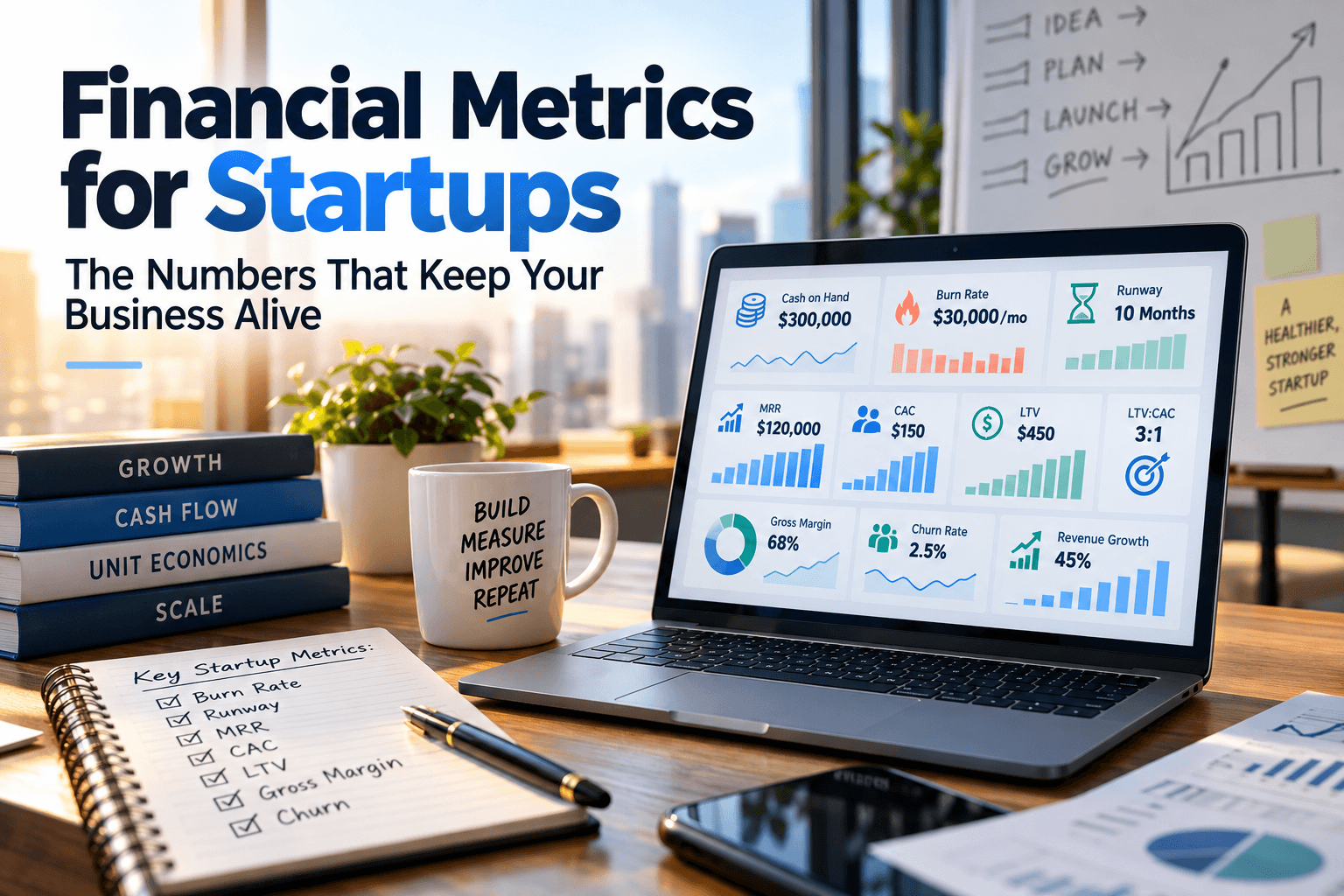
    Remote Team Financial Management

    Remote Team Financial Management:
    Practical Tips for SMBs

    Remote team financial management requires a systematic approach that combines cloud-based tools, clear policies, and automated workflows to maintain control across distributed teams. Managing finances for remote teams presents unique challenges—from multi-state payroll compliance to real-time expense tracking—but with the right framework, SMBs can actually improve accuracy and reduce costs compared to traditional office-based operations.

    Here’s something I’ve learned after helping hundreds of SMBs navigate this shift: the companies that thrive with remote financial management aren’t the ones trying to recreate office oversight digitally. They’re the ones who embrace transparency and automation as their new control mechanisms. When you can’t walk by someone’s desk or have impromptu budget meetings, your systems become your culture. LastPass – Family or Org Password Vault

    How should SMBs manage remote team financial management?

    Remote team financial management involves coordinating payroll, expenses, compliance, and reporting across distributed teams using cloud-based systems and automated controls.

    • Core components: Cloud accounting software, automated payroll systems, digital expense tracking, and compliance monitoring tools
    • Cloud accounting software serves as the central hub, providing real-time visibility and multi-user access from any location
    • Automated payroll systems handle multi-state withholding, international payments, and regulatory compliance without manual intervention
    • Digital expense tracking replaces paper receipts with virtual cards and automated approval workflows
    • Compliance monitoring tools ensure adherence to varying state and international regulations through built-in rules engines

    What Is Remote Team Financial Management?

    Remote team financial management represents a fundamental shift from location-based financial controls to policy-driven digital systems. Unlike traditional financial management where physical proximity enables informal oversight, remote financial operations depend entirely on documented processes and technology infrastructure.

    The transformation impacts every aspect of financial operations. Where office-based teams might handle expense approvals through quick desk visits, remote teams need structured workflows with clear authorization levels. Where traditional payroll assumed employees worked in one location, distributed team budgeting must account for tax obligations across multiple jurisdictions.

    The technology foundation that makes it possible

    Modern cloud-based financial tools have eliminated the technical barriers that once made remote financial management impractical. These platforms provide:

    • Real-time data synchronization across all users regardless of location
    • Automated bank feeds that eliminate manual transaction entry
    • API integrations connecting payroll, expenses, and accounting systems
    • Role-based access controls maintaining security without physical oversight

    Why traditional methods fail for virtual teams

    Virtual team accounting breaks down when organizations try to force old processes into new environments. Consider month-end close procedures: traditional approaches requiring physical document handoffs and in-person reviews create bottlenecks when team members work across time zones. Manual Excel-based consolidations become version-control nightmares when multiple people edit files simultaneously.

    The statistics tell the story clearly. Organizations using manual processes average a 20% error rate in payroll operations, with each error costing $291 to fix. For a 50-person remote team, that translates to potential monthly costs exceeding $2,900 just in error remediation—not counting the opportunity cost of finance staff spending 29 weeks annually fixing mistakes.

    Building your remote finance infrastructure

    Creating effective remote workforce budgeting starts with establishing the right technology stack. Essential components include:

    • Accounting Platform Selection: Choose solutions offering real-time collaboration, automated workflows, and robust API ecosystems. The platform must support multiple entities, currencies, and tax jurisdictions from day one—retrofitting these capabilities later proves costly and disruptive.
    • Integration Architecture: Your financial systems must communicate seamlessly. When expense management talks to accounting, which syncs with payroll, which feeds into reporting, you eliminate the manual reconciliation that consumes finance teams. Look for native integrations or invest in middleware platforms that create reliable data pipelines.
    • Access Control Framework: Replace physical security with digital permissions. Implement approval hierarchies, spending limits, and audit trails that provide better control than any locked filing cabinet. Every transaction should leave a digital fingerprint showing who initiated, approved, and recorded it.

    Set Clear Policies and Controls for Remote Team Financial Management

    Successful remote team financial management depends on explicit policies that replace informal oversight mechanisms. When you can’t observe spending patterns through daily interaction, written policies and systematic controls become your primary governance tools.

    Segregation of duties in digital environments

    • Financial compliance for remote teams starts with proper segregation of duties—ensuring no single person controls an entire financial process. In remote settings, this principle requires creative implementation:
    • Transaction Initiation vs. Approval: Establish clear hierarchies where expense submissions, payment requests, and journal entries require separate approval based on amount thresholds. Use your accounting software’s built-in approval workflows to enforce these rules automatically.
    • Recording vs. Reconciliation: The person entering transactions shouldn’t be the same one reconciling accounts. Assign these duties to different team members and use system permissions to enforce separation. Modern platforms track who performs each action, creating accountability without micromanagement.
    • Access Rotation: Unlike physical offices where changing locks is cumbersome, digital systems allow easy access rotation. Regularly review and update permissions, removing access for departed employees immediately and adjusting roles as responsibilities evolve.

    Expense reimbursement policy template

    A step-by-step remote team expense reimbursement policy template should address the unique needs of distributed teams while maintaining consistency and fairness.

    Start by defining eligible expenses clearly. Remote employees typically incur costs for internet service, mobile phones, home office equipment, and software subscriptions. Rather than blanket approvals or denials, establish percentage-based reimbursements that acknowledge shared personal and business use:

    • Internet Service: 50% reimbursement for primary home internet
    • Mobile Phone: 30% for standard plans, 50% for unlimited data plans
    • Office Equipment: 100% for required items with manager pre-approval
    • Software: 100% for required business applications

    Document submission requirements must be crystal clear. Require digital receipts uploaded within 5 business days of purchase, specify acceptable file formats, and establish consequences for late submissions. Build these requirements into your expense management platform to automate enforcement.

    International compliance frameworks

    A compliance checklist for international remote team financial management becomes essential when team members work across borders:

    • Tax Registration Requirements: Each country where employees perform work may trigger registration obligations. Track work locations monthly and engage local tax advisors before establishing presence in new jurisdictions.
    • Data Privacy Regulations: Financial data crossing borders faces scrutiny under GDPR, CCPA, and other privacy frameworks. Implement data processing agreements, establish lawful bases for transfers, and maintain detailed records of cross-border data flows.
    • Employment Law Compliance: Remote work doesn’t exempt employers from local labor laws. Understand minimum wage requirements, mandatory benefits, and termination procedures for each jurisdiction. What seems like cost savings from hiring in lower-wage countries can evaporate through compliance complexity.

    Master Payroll and Compliance for Distributed Teams

    Understanding how to handle payroll and taxes for distributed employees starts with recognizing a fundamental principle: tax obligations follow work location, not company headquarters. This single fact transforms payroll from a straightforward process into a multi-jurisdictional compliance exercise.

    Multi-state tax withholding requirements

    When an employee works from a different state—even temporarily—employers typically must register for payroll tax accounts in that state. Each state maintains different thresholds for establishing “nexus,” but many require registration from day one of remote work.

    State-by-State Variations create complexity beyond simple rate differences:

    • Some states have reciprocity agreements eliminating double taxation
    • Others require withholding for both work and residence locations
    • Certain states impose local taxes adding another compliance layer
    • A few states have no income tax but may have other obligations

    Documentation Requirements multiply with each jurisdiction:

    • Maintain time tracking showing work locations
    • File quarterly and annual returns for each state
    • Track changing tax rates and regulatory updates
    • Preserve records for varying retention periods

    International payroll infrastructure

    Cross-border payments management introduces currency risk, banking complexity, and regulatory challenges that domestic payroll never encounters. Traditional approaches—maintaining foreign bank accounts or using wire transfers—create operational friction and hidden costs.

    Modern remote payroll solutions address these challenges through:

    • Multi-Currency Processing: Automated systems handle currency conversion at wholesale rates, eliminating the 3-5% margins banks typically charge on international transfers. Employees receive payments in local currency while employers maintain predictable costs.
    • Compliance Automation: Built-in tax engines calculate withholdings for each jurisdiction, generate required filings, and maintain audit trails. This automation becomes essential when managing employees across 10+ countries with different tax treaties and social security agreements.
    • Payment Routing Optimization: Advanced platforms analyze multiple payment routes—ACH, SEPA, local clearing—to minimize fees and maximize speed. What once took 5-7 days for international wire transfers now clears in 1-2 days through optimized routing.

    Employer of record services

    When compliance complexity exceeds internal capabilities, Employer of Record (EOR) services provide a valuable alternative. EORs serve as the legal employer in foreign jurisdictions while you maintain day-to-day management of your team.

    Benefits of EOR Arrangements:

    • Immediate compliance without entity establishment
    • Bundled benefits meeting local requirements
    • Reduced liability for employment law violations
    • Scalability to enter or exit markets quickly

    Limitations to Consider:

    • Higher per-employee costs than direct employment
    • Less control over employment terms
    • Potential co-employment risks
    • May not suit permanent expansion plans
    Want this kind of clarity without the chaos? See how Complete Controller makes it simple. Download A Free Financial Toolkit

    Track Expenses and Optimize Cash Flow

    Remote expense tracking transforms from a monthly reconciliation exercise into a real-time financial management tool when implemented correctly. The shift from reactive to proactive expense management can reduce processing time by 75% while improving accuracy and employee satisfaction.

    Virtual card implementation strategy

    Virtual cards revolutionize expense management by providing granular control without sacrificing convenience. Unlike traditional corporate cards where employees share plastic or managers hoard cards, virtual solutions scale infinitely:

    • Project-Based Cards: Issue unique virtual cards for specific initiatives, automatically closing them when projects complete. Marketing campaigns, client events, and software purchases each get dedicated cards with preset budgets.
    • Vendor-Locked Cards: Restrict cards to specific merchants, preventing unauthorized purchases while streamlining approved spending. Your Amazon Web Services card only works at AWS, eliminating accidental personal use.
    • Single-Use Numbers: Generate disposable card numbers for one-time purchases, eliminating recurring charge risks. Perfect for free trial subscriptions or unfamiliar vendors where ongoing charges might slip through.

    Real-time cash flow visibility

    Optimizing cash flow for fully remote companies requires shifting from historical reporting to predictive analytics. When expense data flows automatically from point-of-purchase through accounting systems, finance teams gain unprecedented visibility.

    Daily Cash Position Reports become practical when automation eliminates manual data entry:

    • Morning dashboards showing overnight transactions
    • Predicted cash needs based on scheduled payments
    • Flag unusual spending patterns immediately
    • Forecast accuracy improving through machine learning

    Working Capital Optimization improves through better timing:

    • Accelerate collections with automated invoicing
    • Time payments to maximize float
    • Identify cash conversion cycle bottlenecks
    • Reduce safety stock requirements through better forecasting

    Expense policy automation

    Best practices for managing finances of remote teams center on embedding policies into systems rather than relying on manual enforcement:

    Pre-Approval Workflows: Require authorization before purchases, not after. Employees submit requests through mobile apps, managers approve with one click, and approved amounts automatically become spending limits on virtual cards.

    Receipt Capture Automation: OCR technology extracts data from photos, eliminating manual entry. The system matches receipts to transactions, flags missing documentation, and routes exceptions for review—all without human intervention.

    Policy Rule Engines: Define rules once, enforce them consistently:

    • Meal limits by location and time
    • Travel class restrictions by flight duration
    • Preferred vendor requirements
    • Automatic escalation for exceptions

    Implement Cloud-Based Financial Tools for Remote Teams

    Selecting and implementing cloud-based financial tools requires strategic thinking beyond feature comparisons. The right technology stack becomes your control environment, replacing physical oversight with digital governance.

    Core platform selection criteria

    Cloud accounting software for remote teams with multi-currency support must meet specific technical requirements that traditional solutions cannot provide:

    Architecture Requirements:

    • True multi-tenant cloud architecture (not hosted desktop)
    • API-first design enabling deep integrations
    • Mobile-responsive for approve-anywhere workflows
    • Real-time sync eliminating batch processing delays

    Functional Capabilities:

    • Automated bank feed reconciliation
    • Multi-entity consolidation without spreadsheets
    • Dimension-based reporting beyond simple categories
    • Workflow automation reducing manual processes

    Security Standards:

    • SOC 2 Type II certification at minimum
    • Role-based access control with audit trails
    • Data encryption at rest and in transit
    • Geographic data residency options for compliance

    Integration strategy for distributed teams

    Distributed team budgeting works best when systems communicate seamlessly. Focus integration efforts on high-volume, error-prone processes:

    • Expense to Accounting: Every approved expense should flow automatically into your general ledger with correct coding. Manual entry introduces errors and delays that compound monthly.
    • Payroll to Accounting: Journal entries should generate automatically after each payroll run, split correctly across departments and locations. Reconciliation becomes matching totals rather than rebuilding entries.
    • Banking to Everything: Bank feeds should populate across all systems needing transaction data. Duplicate entry across platforms wastes time and introduces discrepancies.

    Security and compliance configuration

    Financial compliance for remote teams demands proactive security configuration:

    Access Control Implementation:

    1. Define roles based on job functions, not individuals
    2. Apply least-privilege principles to each role
    3. Require multi-factor authentication for all users
    4. Review access quarterly, adjusting for role changes

    Audit Trail Configuration:

    1. Enable detailed logging for all financial transactions
    2. Protect logs from modification or deletion
    3. Configure alerts for suspicious activity patterns
    4. Archive logs meeting regulatory retention requirements

    Data Protection Measures:

    1. Classify financial data by sensitivity level
    2. Apply encryption appropriate to classification
    3. Restrict data export capabilities by role
    4. Monitor for unauthorized access attempts

    Common Remote Team Financial Management Mistakes to Avoid

    Even well-intentioned organizations stumble when implementing remote team financial management. Understanding common pitfalls helps you avoid costly mistakes that undermine efficiency and compliance.

    Underestimating compliance complexity

    The biggest mistake? Assuming remote work simplifies compliance. In reality, distributed teams multiply jurisdictional requirements exponentially. A 20-person team across 5 states might face:

    • 5 state income tax registrations
    • 15+ local tax obligations
    • 5 unemployment insurance accounts
    • Varying workers’ compensation requirements
    • Different sick leave and wage laws

    Solution: Build compliance costs into remote work decisions. Budget for professional guidance and automated compliance tools. The savings from avoided penalties quickly offset investment in proper infrastructure.

    Over-relying on manual processes

    Organizations often start remote with existing manual processes, planning to automate “later.” This approach fails because:

    • Manual processes don’t scale with team growth
    • Error rates increase without in-person verification
    • Time zone differences create approval bottlenecks
    • Documentation gaps emerge without physical papers

    Solution: Automate first, hire second. Build scalable processes before adding team members. Every manual workaround becomes technical debt that compounds over time.

    Neglecting employee experience

    Remote payroll solutions must prioritize user experience. Common employee frustrations include:

    • Delayed expense reimbursements
    • Confusing multi-system logins
    • Unclear policy documentation
    • Inconsistent approval timeframes

    Solution: Design processes from the employee perspective. Test workflows with actual users. Measure satisfaction alongside accuracy. Happy employees become compliance partners rather than adversaries.

    Case Study: How TechStartup Scaled Remote Financial Operations

    Let me share a real transformation story. TechStartup (name changed) grew from 8 to 47 remote employees across 12 states in 18 months. Their original financial “system” consisted of QuickBooks Desktop, Excel payroll calculations, and email expense approvals.

    Initial Challenges:

    • Month-end close took 12 days
    • Payroll errors averaged 3 per cycle
    • Expense reimbursement averaged 3 weeks
    • Cash flow visibility lagged by 15+ days
    • Compliance risks in 8 states went unaddressed

    Solutions Implemented:

    1. Cloud Accounting Migration: Moved to modern platform with API ecosystem
    2. Automated Payroll: Deployed multi-state solution with compliance built-in
    3. Virtual Card Rollout: Issued cards for all recurring expenses
    4. Policy Documentation: Created clear, accessible guidelines
    5. Monthly Training: Educated employees on new systems

    Measurable Results:

    • Month-end close reduced to 3 days
    • Payroll errors dropped to <1 per quarter
    • Expense reimbursement accelerated to 48 hours
    • Daily cash flow visibility achieved
    • Full compliance across all jurisdictions

    Key Takeaway: The investment of roughly $50,000 in systems and training returned over $200,000 in annual savings through reduced errors, faster collections, and avoided penalties. More importantly, the finance team shifted from 80% transactional work to 80% analytical work, directly supporting business growth.

    Conclusion: Your Remote Financial Management Action Plan

    Remote team financial management isn’t just about replicating office processes online—it’s about building better, more scalable systems that provide superior control and visibility. The data proves it: automated systems reduce payroll errors by 50%, cut processing time by 25%, and can decrease fraud risk by half compared to traditional approaches.

    Your next steps are clear. First, assess your current technology stack against the requirements outlined here. Second, document your policies explicitly—ambiguity kills remote financial operations. Third, invest in automation before hiring your next remote employee. Every manual process you eliminate today saves hours of work tomorrow.

    From my perspective, having guided hundreds of SMBs through this transition, the biggest revelation isn’t the technology—it’s the mindset shift. When you stop trying to recreate office-based oversight and instead embrace transparency and automation as your control mechanisms, remote financial management becomes a competitive advantage rather than a compliance burden.

    Ready to transform your financial operations for the remote-first future? Visit Complete Controller for expert guidance from the team that pioneered cloud-based bookkeeping and controller services. We’ve been managing distributed financial operations since before “remote” was trendy—let us show you what’s possible when systems replace surveillance. ADP. Payroll – HR – Benefits

    Frequently Asked Questions About Remote Team Financial Management

    What’s the minimum technology stack needed for remote team financial management?

    At minimum, you need cloud-based accounting software, automated payroll processing, and digital expense management. These three systems should integrate seamlessly to eliminate manual data entry and provide real-time visibility. Add specialized tools for multi-currency support or compliance tracking as your team grows across borders.

    How do I handle employees working from different states temporarily?

    Even temporary work in another state can trigger tax obligations. Track employee locations monthly, register for payroll taxes in states where employees work more than minimal days, and use payroll software that handles multi-state withholding automatically. Some states have reciprocity agreements or temporary presence exceptions—consult state-specific guidance.

    What’s the real ROI of automating financial processes for a small remote team?

    For teams of 10-50 employees, automation typically saves 15-20 hours monthly in processing time, reduces errors by 50%, and accelerates month-end close by 70%. Using average finance salaries, that translates to $3,000-5,000 monthly in time savings alone, not counting error prevention and faster decision-making from real-time data.

    Should we use an Employer of Record service or handle international payroll directly?

    Use an EOR when entering new markets with fewer than 5 employees or testing international expansion. Handle payroll directly once you have critical mass (typically 5+ employees) in a country and plan long-term presence. EORs cost more per employee but eliminate entity establishment and compliance complexity.

    How do we maintain financial controls without physical oversight?

    Replace physical controls with systematic digital ones: implement approval workflows, use virtual cards with spending limits, require digital receipts for all expenses, establish clear segregation of duties through system permissions, and monitor dashboards for unusual patterns. Digital controls actually provide better audit trails than traditional methods.

    Sources

    CorpNet. Start A New Business Now About Complete Controller® – America’s Bookkeeping Experts Complete Controller is the Nation’s Leader in virtual bookkeeping, providing service to businesses and households alike. Utilizing Complete Controller’s technology, clients gain access to a cloud platform where their QuickBooks™️ file, critical financial documents, and back-office tools are hosted in an efficient SSO environment. Complete Controller’s team of certified US-based accounting professionals provide bookkeeping, record storage, performance reporting, and controller services including training, cash-flow management, budgeting and forecasting, process and controls advisement, and bill-pay. With flat-rate service plans, Complete Controller is the most cost-effective expert accounting solution for business, family-office, trusts, and households of any size or complexity. Complete Controller. America’s Bookkeeping Experts
    author avatar
    Jennifer Brazer Founder/CEO
    Jennifer is the author of From Cubicle to Cloud and Founder/CEO of Complete Controller, a pioneering financial services firm that helps entrepreneurs break free of traditional constraints and scale their businesses to new heights.
    Reviewed By: reviewer avatar Brittany McMillen
    reviewer avatar Brittany McMillen
    Brittany McMillen is a seasoned Marketing Manager with a sharp eye for strategy and storytelling. With a background in digital marketing, brand development, and customer engagement, she brings a results-driven mindset to every project. Brittany specializes in crafting compelling content and optimizing user experiences that convert. When she’s not reviewing content, she’s exploring the latest marketing trends or championing small business success.