7 Types of Interviewers and How to Prepare for the Interview

The excitement of getting a new job and then starting it is unexplainable, but you must first get through the interview before you even get the job. Simultaneously, many will advise you on how to answer questions and present yourself. Another aspect of interview preparations should be learning the types of interviewers and how to recognize them. This knowledge could mean the difference between nailing the interview or failing it. Check out America's Best Bookkeepers

Every interviewer develops a distinct style. An average person changes his job seven times in his whole life that means more than seven interviews. Before going for an interview, it is wise to know about the interviewers and plan how one should face them. Here are seven types of interviewers you might encounter during the interview process and how to prepare for them.

The Geek

Interviews can be scary, especially when your interviewer is ready to tear you apart with their extreme knowledge of the world. These interviewers know a lot about the job description of the position you have applied for. Brace yourself for such an interviewer. You can expect questions about the subject matter, technical details, standard operating procedures, etc. There will not be any personal questions or informal details with this type of interviewer. You should be preparing for this type of interviewer by having a lot of job knowledge specifically related to the position and the company you are applying to. Check out America's Best Bookkeepers

The Shotgun

This type of interviewer will start asking you questions after questions as soon as you enter the room. Expect a shotgun that will not stop firing at you. You will not have enough time to start a conversation, and you will find yourself preparing for the next question. It would be best to prepare answers for every possible question you can find online or from any other source. Such interviewers ask questions that can be HR based or revolve around your professional knowledge.

The Classic

This kind of interviewer will follow the classic and traditional style of interviewing. The classic interviewer will ask about your skills and your future plans, and your past work experiences. This kind of interview takes thirty to forty-five minutes to finish. You can research many questions online about this traditional kind of interview. Some of the questions are most likely to be repeated so you can consult the person who has been interviewed before. Most classic interviewers love to ask scenario-based questions, so be prepared with a few examples from your past work experiences.

The Calm

These kinds of interviews are what all job-seekers hope for when stepping into an interview room. Such interviewers will make you feel at home, and all you need to do is accept this friendly gesture and go with the flow. The calm interviewer will not make you feel nervous. These kinds of interviewers are tricky as well. They will find out about your strengths and weaknesses without judging your knowledge. Try to start a conversation and establish a bond, yet do not forget to cast a professional impression on this interviewer. The best way to handle a calm interviewer is to remain professional and not get too comfortable. Check out America's Best Bookkeepers

The Judgmental

Judgmental interviewers believe in the phrase “the first impression is the last impression.” It is difficult to decipher what these interviewers are thinking, as they are extremely difficult to read. They are likely to maintain a grumpy expression on their face or have no expression at all. You will be uncertain about your answers, and you will never know whether your answers were right or wrong. These interviewers are most difficult to deal with, so the best tip here is to be confident about yourself and the answers you give because you will not get an appreciative smile.

The Professional

Professional interviewers are the most balanced and will often have set criteria of outlines for the interview. They are not too rigid, not too friendly, yet they know how to maintain a professional appearance from start to finish. You can expect a few smiles and maybe even a few indications of how well the interview may be going. The tip here is to adjust with their mood and answer the questions carefully and appropriately.

The Distracted

This type of interviewer will make you feel as if they are the busiest person on the face of the earth. You will find them going through their phone and mail repeatedly while answering their questions, and it can be highly distracting. Do not get annoyed with this behavior. Do not get trapped and lose your concentration while answering them. Take the questions seriously and answer them after thinking twice. Do not try to get his attention. Do not get distracted and do not try to avoid the questions.

Check out America's Best Bookkeepers About Complete Controller® – America’s Bookkeeping Experts Complete Controller is the Nation’s Leader in virtual bookkeeping, providing service to businesses and households alike. Utilizing Complete Controller’s technology, clients gain access to a cloud-hosted desktop where their entire team and tax accountant may access the QuickBooks™️ file, critical financial documents, and back-office tools in an efficient and secure environment. Complete Controller’s team of certified US-based accounting professionals provide bookkeeping, record storage, performance reporting, and controller services including training, cash-flow management, budgeting and forecasting, process and controls advisement, and bill-pay. With flat-rate service plans, Complete Controller is the most cost-effective expert accounting solution for business, family-office, trusts, and households of any size or complexity. Check out America's Best Bookkeepers

9 Key Steps to Hiring the Perfect Employee for Your Business

No matter the business’s size, your business culture will drive the type of employees you hire for open positions. While skills and talent are of great importance, you need to hire employees that fit with the company and promote a positive work environment. Every employee you have in your company contributes to the workspace’s morale and energy, and ultimately they represent you and the business to both current and potential customers or clients. Here are nine key steps you need to implement to help in hiring the perfect employee. Check out America's Best Bookkeepers

Define the Job

Before you post the job online, you must do a job analysis and have a thorough list of job requirements. It would be best to break these into sections such as job description, required skills, education requirements, and environment.

When formulating the job posting, you should use concise wording and bullet points and have a job summary, attitude, and environmental expectations. Chances are you will have many people apply that are not qualified but have defined job requirements, detailed job descriptions, and including the environment and attitude will help pull out applications and resumes of those who match a lot of your keywords.

Plan Your Recruiting Strategy

Generally, a team in the human resources department is dedicated to posting jobs, conducting interviews, and hiring employees in a larger company. However, in a small business, this is generally done by the owner or a trusted employee. Because a smaller business is more intimate, it may be important for all employees to have some input to the hiring and recruiting process.

Create a Checklist

Creating a checklist may seem like a simple process, and in most cases, it is. However, having a checklist of what you need and expect in an employee will help you streamline the hiring process. Creating a checklist can also help keep all current employees involved in the hiring process on the same page as far as expectations and recruits that have potential. Check out America's Best Bookkeepers

Recruit the Right Candidates When Hiring an Employee

If possible, create the largest talent pool to choose from when hiring a new employee. Use available online tools such as hiring sites and social media to widen your talent pool as much as possible. The more potential candidates you have, the better chance you have of hiring the perfect employee.

Review Applications, Resumes, and Cover Letters Carefully

Have an effective system in place to review cover letters, resumes, and job applications. This process starts with a well-written job description and bullet points and your checklist. Screen all potential candidates against your list of skills, characteristics, job experience, and other important hiring points. Having this part of the process precise and streamlined will ensure that you can narrow the field of good candidates down to great ones.

Prescreen Candidates

While many candidates will look great on paper and have a compelling cover letter, they still may not be the right fit for the position or your company. Before taking the step to set up a face-to-face interview, you should do a phone interview to get an idea if they are still in the running before you go further in the process.

If you feel a candidate isn’t the right fit through the phone interview, you can eliminate them from the process at this point and not waste anyone’s valuable time. Check out America's Best Bookkeepers

Ask the Right Questions

The hiring team or business owner should develop standard interview questions that will be identical in each interview. This way of designing the interview questions will help you make a side-by-side comparison.

When formulating the questions, make sure every question you ask has value. There should be no throw-away questions to fill time. Organizing the questions will also ensure the interview stays focused and on track.

Do Background Checks and Check References

After you conduct interviews and have further narrowed down the best candidates, you must do thorough background checks. Once candidates have passed these checks, you must check with their references.

In most cases, all of the candidates who have made it this far in the process will also pass these checks. However, there could be candidates in the running that are eliminated because something negative comes up in these checks.

Extend a Job Offer

Once you have completely narrowed the field to the top candidates, you may need to conduct second interviews before making a final decision. When you have decided and have chosen the best candidate, it is time to draw up a job offer.

The job offer should include salary and benefits and the expected start date. Once you have sent the offer, either the candidate will accept the offer, decline it, or make a counteroffer. And the hiring process will come to an end once everyone agrees.

Check out America's Best Bookkeepers About Complete Controller® – America’s Bookkeeping Experts Complete Controller is the Nation’s Leader in virtual bookkeeping, providing service to businesses and households alike. Utilizing Complete Controller’s technology, clients gain access to a cloud-hosted desktop where their entire team and tax accountant may access the QuickBooks™️ file, critical financial documents, and back-office tools in an efficient and secure environment. Complete Controller’s team of certified US-based accounting professionals provide bookkeeping, record storage, performance reporting, and controller services including training, cash-flow management, budgeting and forecasting, process and controls advisement, and bill-pay. With flat-rate service plans, Complete Controller is the most cost-effective expert accounting solution for business, family-office, trusts, and households of any size or complexity. Check out America's Best Bookkeepers

5 Good Reasons You Should Consider Real Estate Investments

When you come to the financial point in your adult life where you have decided it’s time to look into investing some of your hard-earned money, there are many types of investments you could consider. There is the stock market, mutual funds, 401(k) or other retirement savings accounts, and countless other investments you could (and should) look into to diversify your investment portfolio.

However, real estate investing is often an area people don’t think they can invest in for many reasons. It could be credit issues, lack of start-up investment capital, or fear of the risks involved in investing. Whatever the reasons you have hesitated to invest in real estate, here are five good reasons you should consider real estate investments. Check out America's Best Bookkeepers

Property Appreciation

Property appreciation isn’t that you appreciate that you own the property. This use of the word means the increase in the value of a property. Many purchases of property depreciate as soon as you purchase them, such as a car. A car depreciates in value the second you drive it off the lot because it immediately has factors attached to it that decrease the value, such as mileage and previous ownership.

Real estate is not like that. Real estate property values increase (or decrease) according to the real estate market. While it is true that there have been severe downturns in the real estate market over the years, for the most part, if you can ride these downturns out with the property you own while possibly obtaining more properties for spare change on the dollar, you can make out well during those few and far between times.

If you are investing in a property you intend to flip and sell, then a slower or bottom market would not be ideal since you might get the property for a steal but may not be able to resell it. However, buying a property to use for passive rental income, buying low, and investing enough to fix any issues, then renting it out will be ideal. You can then wait for the market to heat back up and resell it (once the lease is up) for a nice profit. Or you may choose to keep it as a rental property collecting that sweet passive income.

Cash Flow Income

Speaking of passive income and rental properties. Cash flow income is, as mentioned before, using your purchased property or even buying already established rental properties for the sole purpose of renting out space(s) for continuous passive income.

The cash flow income can be more resilient if the real estate market takes a hit or crashes. These passive income properties can even sustain you through overall economic downturns or personal financial difficulties. Check out America's Best Bookkeepers

Real Estate Related Income

You may be thinking we have been talking about real estate related income this whole time, and we have,  but this particular use of the phrase is referring to income generated from a real estate job-related source.

Real estate-related jobs could be a real estate agent or real estate broker, both of which gain their income from real estate sales commissions. Another real estate related job is property management. This job entails running a property such as a building with offices, an apartment complex, or a hotel for an owner who wants to remain hands-off and have someone else manage their investments.

While this may not seem like an investment in real estate, if you do not own the properties yourself, these real estate related jobs are an investment in your career and future financial stability.

Ancillary Real Estate Investment Income

When most people hear real estate investing, they likely conjure up the idea of owning real estate property and either reselling for a profit or using it as a rental property as a passive income. Ancillary real estate investing is ownership of investments that generate income, such as vending machines, paid laundry facilities, ATMs, and other smaller businesses operated within larger real estate investments.

Because these types of machines are in places that make them convenient, they can create a decent income due to the customers’ semi-captive nature. These types of real estate investments could be a great starting point for someone without a lot of capital to invest or without a lot of experience in real estate investing. Check out America's Best Bookkeepers

Your First Property Investments

If you have the capital for a down payment and the credit score to do it, you may want to consider purchasing your first real estate property through a mortgage loan. You can then use this property a few ways to get returns on your investment. You can make sure the mortgage loan includes money for upgrades and fix it and flip it for a profit, which will pay off the mortgage and give you a profit. Or you can use it as a rental property setting the rent to cover the monthly mortgage and yearly dues and property taxes along with padding for profit.

If you don’t have a lot of starting capital to invest in a property on your own, there are crowdfunded investment groups. Each person in the group will invest a minimum amount, and the group will invest in a property and split the profits made through rentals or resale.

You can also look into the option of ancillary real estate options as they are often fairly inexpensive to invest in and can gain you immediate profits from day one of placement.

Conclusion

Keep in mind that different liabilities depend on what type of real estate investing you get into and weigh these liability risks against the rewards. Overall, real estate investing is a great investment path to take and is, for the most part, far less risky than the stock market. Look into the options mentioned and see if any of them is right for you.

Check out America's Best Bookkeepers About Complete Controller® – America’s Bookkeeping Experts Complete Controller is the Nation’s Leader in virtual bookkeeping, providing service to businesses and households alike. Utilizing Complete Controller’s technology, clients gain access to a cloud-hosted desktop where their entire team and tax accountant may access the QuickBooks™️ file, critical financial documents, and back-office tools in an efficient and secure environment. Complete Controller’s team of certified US-based accounting professionals provide bookkeeping, record storage, performance reporting, and controller services including training, cash-flow management, budgeting and forecasting, process and controls advisement, and bill-pay. With flat-rate service plans, Complete Controller is the most cost-effective expert accounting solution for business, family-office, trusts, and households of any size or complexity. Check out America's Best Bookkeepers

8 Reasons You Should be Using Electronic Invoices, Now!

There are several kinds of accounting software available to small businesses. Whether it is overall accounting and bookkeeping software, inventory software, payroll software, or other business-related software that helps with the financial aspects of operations, most small businesses employ the use of one or more of these. Now there is software specifically related to electronic invoicing.

Some accounting software includes an electronic invoicing in the overall business accounting software package, but many do not. This would be the reason you may want to consider getting electronic invoicing software. Here are eight reasons you should be electronically invoicing now! Check out America's Best Bookkeepers

Save time

Because of the automation, electronic invoicing saves a large amount of time previously spent manually invoicing. Many of the steps are eliminated once the process is automated because they are unnecessary in the electronic invoicing process.

Reducing Costs

When using the manual, paper invoicing, there are several costs involved. Printer ink, paper, envelopes, and postage are all costs involved in manual and paper invoicing. Besides the initial cost of the software, there is no cost involved in electronically invoicing your customers. It also saves money if you have to follow-up with reminders and late notices. Some companies give the customer the option to go paperless, but you will save money by electronically invoicing.

Reducing Errors

Because manual invoicing requires so many steps done manually, it increases the chances of errors in the process. There are many opportunities for errors, whether typos or incorrect data in the invoice or incorrectly addressing the envelope. Electronic invoicing still requires input. However, it will generally prompt error checks, and the rest of the process is automated and via email, so the chance of errors is minimized. Check out America's Best Bookkeepers

Customer Service

Because of the reduction in time, cost, and errors, there is a direct benefit to your customer. Also, because they will receive their invoices immediately, they can add the cost to their budget. Electronic invoicing is also more professional and can increase the overall positive impression of your business. The ease, accuracy, and speed will also increase customer confidence in your business’s abilities creating long-term customers.

Get Paid Quickly

Because the customer is invoiced immediately instead of the time it takes to mail an invoice, it is far more likely the invoice will be paid quickly. Most customers who fail to pay forget about the payment. With electronic invoicing, they will receive the initial invoice, but reminders are more easily sent because of the simplification of the process.

Reducing Paper Use

With awareness of the environment and recycling being the focus of many, reducing paper use will benefit the environment. The reduction of paper for the invoice and the envelope will positively impact and give your customers who are concerned with the environment another reason to choose your company. Check out America's Best Bookkeepers

Accurate Record-Keeping

Because the process is generated and recorded through the software, this will ensure accurate records. This accuracy is especially important for taxes and operations. It also allows an overview of outstanding invoices that may require more intense measures to recover. Overall you will have easy to understand records that will help keep accounting and bookkeeping accurate and efficient.

More Control

Manual invoicing also means manual record-keeping and other processes. Having the electronic invoicing process from beginning to recording in the software gives you more control over your invoices and the invoicing process. Most of the invoicing issues are that the manual process can allow the invoices to get away from you. This control and accuracy, ease of access to what has been received, and what is out will give you strong invoicing control.

Conclusion

There are no downsides to electronic invoicing, and no reason it should not be utilized in your business immediately. Electronic invoicing saves time, money, and errors and will give you and your accountant accuracy and more control.

Check out America's Best Bookkeepers About Complete Controller® – America’s Bookkeeping Experts Complete Controller is the Nation’s Leader in virtual bookkeeping, providing service to businesses and households alike. Utilizing Complete Controller’s technology, clients gain access to a cloud-hosted desktop where their entire team and tax accountant may access the QuickBooks™️ file, critical financial documents, and back-office tools in an efficient and secure environment. Complete Controller’s team of certified US-based accounting professionals provide bookkeeping, record storage, performance reporting, and controller services including training, cash-flow management, budgeting and forecasting, process and controls advisement, and bill-pay. With flat-rate service plans, Complete Controller is the most cost-effective expert accounting solution for business, family-office, trusts, and households of any size or complexity. Check out America's Best Bookkeepers

Creative Investments: Diversify

Are you looking for unique investment opportunities to make your portfolio better? You’ve come to the right spot. We’ll explore five creative investment ideas aimed at expanding your financial success. By trying outside-the-box investment strategies, you protect your finances from unpredictable economic shifts and explore exciting new markets. Join us on a journey of imagination, innovation, and wealth creation as we look at some of this year’s most creative investment strategies.

Key Takeaways

  • Grasp the potential of unconventional investment strategies to fortify and innovate your financial portfolio.
  • Explore the exciting world of alternative assets with five creative investment ideas that break the mold.
  • Acknowledge the advantageous blend of passion and opportunity in unique investment opportunities.
  • Understand the importance of diversification through creative ways to invest in a rapidly evolving market.
  • Embrace the multifaceted approach to building wealth with outside-the-box investment strategies. ADP. Payroll – HR – Benefits

Real Estate Crowdfunding – Creative Investing Strategy I

Real estate investment is no longer the domain of the wealthy. The market has been revolutionized recently by the introduction of real estate crowdfunding platforms. Online real estate investment platforms have opened up new avenues for investors, making them one of the best real estate investment platforms for those looking to diversify their portfolios. Real estate crowdfunding sites such as Fundrise and RealtyMogul make it easier to pool money with others, which lowers your risk and increases your potential returns.

These online real estate investing platforms allow smaller investors to join together and pool resources to fund specific real estate projects. This allows these individual investors to become involved in real estate investments that they may not have been able to before, such as commercial real estate, multimillion-dollar deals, or niche property investments.

Advantages of crowdfunding real estate investments

  • Appreciation: Real estate values tend to increase over time, making it potentially your best hedge against inflation and an excellent way to build wealth over the long term.
  • Cash flow: Real estate investments can provide regular and stable income from rents or lease payments. For those investing for retirement, real estate can not only provide a consistent stream of income but can also substantially improve your portfolio.
  • Risk reward ratio: Over the long run, investing in real estate in America through real estate crowdfunding has proven to be a relatively low risk for a relatively high return, making real estate crowdfunding returns an attractive prospect for investors.

Crowdfunding platforms provide a range of investment opportunities for creative investors open to higher risks and rewards. These platforms democratize investment, making funding innovative ideas and projects with crowdfunding investment possible. It’s vital to research thoroughly before investing in real estate crowdfunding.

Creative investment strategies for crowdfunding

  • Invest small in unique real estate: Platforms like Fundrise allow investors to invest small amounts in niche real estate segments, such as eco-friendly buildings or emerging areas. This diversification can lead to higher returns in less saturated markets, showcasing the potential of real estate crowdfunding.
  • Partner in house flipping: Use sites like RealtyMogul to collaborate with other investors in refurbishing and quickly selling houses, reducing risk and capitalizing on the expertise of experienced flippers for rapid profits through real estate crowdfunding.
  • Invest for stable income: Invest in funds that buy properties to generate steady rental income over time. This strategy allows for the collective purchase of more significant or more properties, simplifying management and reducing maintenance costs, all while generating passive income through real estate crowdfunding.
  • Invest with impact: Support projects that yield financial returns and contribute positively, like building affordable housing or enhancing neighborhoods. Most crowdfunding platforms facilitate investments in such impactful ventures through real estate crowdfunding.

Peer-to-Peer Lending – Creative Investment Ideas II

In the modern world, where technology has revolutionized almost every aspect of our lives, it’s no surprise that even lending and borrowing have found a new platform – peer-to-peer lending. This innovative form of financing offers individuals a way to generate a return on their money by lending it directly to others in need, embodying the essence of peer-to-peer crowdfunding and innovative funding. The concept is simple: instead of traditional banks or financial institutions acting as intermediaries, peer-to-peer lending connects borrowers and lenders directly through online platforms.

Advantages of peer-to-peer lending

  • Accessibility for Borrowers: Allows access to funds without the strict requirements typical of traditional lending institutions.
  • Flexibility: Offers various lending options, such as personal loans, small business loans, and mortgages.
  • Lower interest rates: Often provides lower rates compared to traditional lending.
  • Benefits for investors: Provides an opportunity to diversify investment portfolios.
  • Higher potential returns: Can offer higher returns on investments by eliminating the go-between.

Risks and considerations in peer-to-peer lending

  • Research requirement: Both borrowers and lenders must thoroughly research the platform and the parties involved, ensuring due diligence is performed to secure a trustworthy transaction.
  • Creditworthiness analysis: It is crucial to assess the creditworthiness of borrowers.
  • Understanding terms: It is crucial to comprehend the terms and conditions of the lending agreement.

With the continued growth and development of online lending platforms, it’s clear that peer-to-peer lending is here to stay, offering an innovative solution to meet the ever-evolving financial needs of individuals.

The Art of Investing in Art – Creative Investment Idea III

Investing has always been a popular way to grow wealth, with people always looking for new opportunities. While traditional options such as real estate and stocks have their merits, an increasingly attractive and lucrative alternative is investing in art. Art has long been associated with wealth and luxury but is often overlooked as an investment avenue. However, when it comes to investing, the potential returns from art, considered an alternative investment, can be staggering. Download A Free Financial Toolkit

Investment Overview: Comparing Traditional and Art Investments

Investment Type

Description

Potential Returns

Considerations

Real Estate

Traditional asset, steady growth.

1-2x initial investment

Requires market knowledge, stable but slower growth.

Stocks

High liquidity, varied sectors.

6-18x initial investment

Market volatility requires active management.

Art

High-value, luxury status.

Exponential returns

A volatile market requires expertise in art trends.

Art investment highlights

  • Associated with wealth and luxury: Traditionally linked to high social status.
  • High return potential: Renowned masterpieces have seen values increase to millions or even billions.
  • Diversification option: Offers portfolio diversification with significant appreciation potential.

Risks and precautions

  • Market volatility: Art market prices are influenced by trends, economic conditions, and public opinion.
  • Expertise required: Success depends on deep market knowledge, artist familiarity, and working with credible dealers.
  • Research and advice: It is essential to conduct detailed research and consult with art experts before investing.

Art investment offers an attractive route for significant portfolio growth and diversification. However, due to its complexity and volatility, it requires careful consideration and expert guidance.

Art offers a unique opportunity to grow wealth. With the potential for high returns and the allure of owning valuable and prestigious works of art, this alternative investment avenue is worth considering. However, it is crucial to approach art investment with caution, conduct thorough research, and seek expert advice to mitigate the risks. So, if you’re looking for a creative way to diversify your investment portfolio, don’t overlook the potential of investing in art.

Collectibles Like Cars, Coins, and More: Creative Investment Idea IV

Investing in collectibles isn’t just about money; it’s a passionate journey. These investments mix financial growth with a love for history and culture. By exploring art, tangible assets, and antiques, both fans and investors learn the value these hard assets add to their portfolios.

Rare coins and vintage stamps mean more than just collecting; they’re key investment pieces. They offer protection in shaky economic times. This investment combines the joy of owning historical pieces with thorough research and authentication.

Antique Elegance: Vintage Cars and Antiques

Investing in vintage cars and antiques is about mixing nostalgia with smart finance. These scarce and sought-after items often increase in value. Investing in antiques involves wisdom, knowing their history, and enjoying their restoration and revival.

Investment Category

Potential Benefits

Considerations

Art Investment

Cultural significance, aesthetic appreciation, potential for appreciation over time

Market volatility, authenticity, proper valuation

Collectors Cars

Physical ownership, historical value, lower market correlation

Storage considerations, condition, and rarity

Antique Investments

Historical significance, unique aesthetic, appreciation due to rarity

Proper maintenance, market demand, and restoration costs

Wine / Whisky

Diversifies investment portfolio.

Top Portfolios beat S&P last three years

Offers tangible, enjoyable assets.

Requires proper, controlled storage conditions.

Market knowledge and trends understanding are necessary.

Starting your journey in rare collectible investments requires wisdom and vision. The attraction may come from art, coins, stamps, or classic cars. These endeavors reflect not just financial gain but also a deep love for historical treasures. This blend of passion and practicality enriches a diversified portfolio.

Fine Wines and Whisky: Creative Investment Strategy V

The popularity of investing in fine wines has been steadily growing over the past few years. With the rise of online wine auctions and the increasing number of wine investment platforms, it has become more accessible for individuals to dive into this unique investment opportunity.

So why should you consider investing in fine wines? Firstly, wine has a track record of performing well as an investment. Over the years, certain vintages have experienced significant price appreciation, making it a lucrative avenue for investors. Additionally, unlike other investments, wine provides a tangible asset that can be enjoyed while it appreciates in value.

Investing in fine wines can also offer diversification to an investment portfolio. Wine investments can provide stability and potential returns when the stock market is volatile or other traditional investments are underperforming. It can also be an attractive option for those who have a passion for wine and want to combine their love for the drink with an investment strategy.

In conclusion, investing in fine wines can be an excellent way for individuals to increase their return on investment. With the availability of online platforms and the potential for price appreciation, it offers a unique and attractive investment opportunity. So, if you have a passion for wine and want to diversify your portfolio, exploring the world of wine investments may be worthwhile.

The Power of Thinking Differently About Investing

In this final part, we will discuss the importance of incorporating creative ideas into your investment strategies to enhance their effectiveness.

Just because some creative investments are unusual, it doesn’t mean they can’t produce a substantial rate of return. These unique strategies require due diligence and an open mind. If we are willing to look, they show us new ways to grow our money by changing old methods. Trying these ideas means you’re ready to improve your wealth with alternative investments.

Diversify Your Investment Portfolio with Novel Opportunities

We encourage our readers to explore new and innovative investment avenues. Consider venturing into areas such as real estate, collectibles, and blockchain. By incorporating these options into your investment mix, including real estate crowdfunding, you can create a more diverse and potentially lucrative portfolio. Don’t wait any longer—start exploring these exciting opportunities today to strengthen your financial future. CorpNet. Start A New Business Now


Frequently Asked Questions

Can you provide some creative investment ideas?

Yes! Consider adding these five creative investments to your portfolio: real estate, collectibles like art and coins, vintage vehicles, antiques, and cryptocurrency. Real estate crowdfunding is a noteworthy mention.

Why should I consider investing in real estate?

Real estate can grow your money and allow you to be creative by fixing up properties. It’s known for being a solid, diverse investment enhanced by opportunities like real estate crowdfunding.

What are some types of properties I can invest in?

Investing your money into residential areas, commercial spaces, or shared spaces, Diversify Your Investment Portfolio with Novel Opportunities.

We encourage our readers to explore alternative investment avenues that we have discussed. Consider venturing into innovative sectors such as real estate, collectibles, and blockchain. By incorporating these options into your investment mix, including real estate crowdfunding, you can potentially enhance your portfolio and create a more diverse and prosperous future. Don’t wait any longer – explore these exciting opportunities today for a stronger investment portfolio. Such as co-working spots or vacation homes, which is a smart move. This approach aligns well with the concept of real estate crowdfunding, offering diverse investment opportunities.

What are the benefits and risks of investing in real estate?

Through avenues like real estate crowdfunding, real estate investing can lead to rental income and an increase in property values, offering a passive income stream. However, it’s essential to be aware of the risks, such as market fluctuations and management challenges, especially when dealing with rental properties.

How can I make informed investment decisions in the real estate market?

Before investing in real estate crowdfunding, you must research the market and properties, considering potential incomes and costs. Collaborating with real estate professionals can also provide valuable insights and guidance.

Why should I consider investing in collectibles?

Collectibles offer a unique twist to your investment portfolio, blending passion with the potential for impressive returns, making them an alternative investment worth considering.

What are some areas of collectible investments I can explore?

Investing in art, rare coins, stamps, and antiques allows you to embrace the charm of alternative investments, each offering its own potential for value growth over time.

What are the benefits of investing in art?

Art, an alternative investment, marries a love for creativity with the potential for financial gain. It diversifies your portfolio, may provide tax advantages, and supports cultural heritage.

How can I identify undervalued art pieces?

To find undervalued art pieces, a key strategy in alternative investments, it’s wise to conduct thorough research, track trends, and consult with experts, considering the artwork’s uniqueness and historical significance.

Can investing in tangible assets like coins and stamps be profitable?

Yes, investing in tangible assets like coins and stamps, considered hard assets, can be profitable. They offer a way to store value and can act as a hedge against economic downturns, with rare items potentially increasing in value.

What factors should I consider when investing in tangible assets?

When investing in tangible assets, it’s essential to research and verify authenticity, understand the rarity and condition, and grasp the market demand and history of the items.

Why should I consider investing in vintage cars and antiques?

Investing in art, rare coins, stamps, and antiques as part of alternative investments can be both enjoyable and financially rewarding. It offers the chance for value appreciation and makes your investment portfolio stand out.

What are some tips for identifying valuable vintage cars and antiques?

To find valuable items, look at trends and ask experts. Check the item’s condition, history, and cultural value. LastPass – Family or Org Password Vault About Complete Controller® – America’s Bookkeeping Experts Complete Controller is the Nation’s Leader in virtual bookkeeping, providing service to businesses and households alike. Utilizing Complete Controller’s technology, clients gain access to a cloud platform where their QuickBooks™️ file, critical financial documents, and back-office tools are hosted in an efficient SSO environment. Complete Controller’s team of certified US-based accounting professionals provide bookkeeping, record storage, performance reporting, and controller services including training, cash-flow management, budgeting and forecasting, process and controls advisement, and bill-pay. With flat-rate service plans, Complete Controller is the most cost-effective expert accounting solution for business, family-office, trusts, and households of any size or complexity. Complete Controller. America’s Bookkeeping Experts

3 Essential Things to Consider When Saving for an Emergency Fund

Every financially responsible adult should have multiple savings accounts, the most important of which should be an emergency fund. This fund is used to cover emergencies that are unforeseen and not built into your budget. It should cover catastrophes such as a costly car or home repair not covered by warranties or an unexpected healthcare expense.

The emergency fund savings is not to be confused with saving for your future or a family vacation, down payment on a new car or home, or a wedding. It is an account protected to cover you and prevent those unforeseen disasters from causing you financial hardship or devastation. Here are three important things to consider when saving for an emergency fund. Check out America's Best Bookkeepers

Use a Financial Advisor

While hiring a professional financial advisor is expensive, it is a financially smart thing to do, especially if you are not good with your finances. Many smart and savvy adults who are good at their jobs and have talents in other areas are not good with money. Commonly, most working adults carry a little to a far greater amount of debt brought about by the mishandling of their money.

The cost of hiring a financial advisor will easily be defrayed by the amount of savings having a professional help you straighten out your finances will gain you. These financial experts know how to help you identify where you can make changes and create savings accounts for your future and for emergencies.

Most people hesitate to use a financial advisor because of the cost, but because they are embarrassed by their financial situation and laying it open in front of a virtual stranger can be challenging. If you can put these concerns aside and understand these professionals have seen it all and know how to get you on the right financial path, you will not regret your decision. Not only will they help you get a much-needed emergency fund in place quickly, but they can help you with every aspect of your finances, leading you to financial freedom. Check out America's Best Bookkeepers

The Amount of Your Emergency Fund

Most people ask when contemplating an emergency fund is how much should the fund contain? If you are a novice at saving, the answer is that you should start small and save an amount of $1,000 as quickly as possible. These savings will easily cover small issues such as a car or home repairs or other similar issues.

Once you have the $1,000 emergency nest egg, it is time to build that savings to cover bigger issues such as job loss or medical issues that could cause longer-term income loss. Most experts will recommend this amount be equal to at least six months of your income. Doing this will ensure you are covered if there are hindrances to employment for a prolonged period.

Once you have six months of your income saved, it is suggested that you continue to build towards a year. Keep in mind these savings is never to be touched for anything other than an emergency or financial hardships. You should still have other savings to include those for specific large purchases or vacations and those specifically towards your retirement funds. But before you contribute to any of those other savings accounts, you should use all your savings efforts to build your emergency fund. Check out America's Best Bookkeepers

Where to Keep Your Emergency Fund

There are several places you could keep your emergency fund, but some definite rules you want to follow to make sure your emergency funds are kept in the right place(s).

Before deciding where to keep the funds that work best for you, there is one rule to follow, no matter where you choose to keep this fund. Ensure it is accessible without penalties or days of red tape to obtain. After all, it has emergency right in the name, implying you will need it right away. However, don’t make it so accessible that you will be tempted to use it for non-emergency purchases. Restrain yourself from “borrowing” from this fund for non-emergency desires of your heart.

One of the safest places to keep your emergency funds while also fitting the previously describe rule of thumb is in an online bank. Banks that are completely housed and operated online make electronic transactions easy while also being an account not attached to your traditional bank account, making accessing it more tempting.

Another great account that will not be attached to your traditional bank account is a money market account. This type of account is not only a standalone account, but it can gain your interest while your money is sitting in reserve, waiting for an emergency. Savings accounts that gain interest are never bad, especially when you are trying to build this emergency account to equal a year’s income.

Conclusion

Keeping these three important aspects of an emergency fund in mind when considering building this savings account will ensure you have coverage in your times of financial need. Having this fund will not only provide you with peace of mind when an emergency arises, but it will provide you with it knowing it’s there if you should ever need it.

Check out America's Best Bookkeepers About Complete Controller® – America’s Bookkeeping Experts Complete Controller is the Nation’s Leader in virtual bookkeeping, providing service to businesses and households alike. Utilizing Complete Controller’s technology, clients gain access to a cloud-hosted desktop where their entire team and tax accountant may access the QuickBooks™️ file, critical financial documents, and back-office tools in an efficient and secure environment. Complete Controller’s team of certified US-based accounting professionals provide bookkeeping, record storage, performance reporting, and controller services including training, cash-flow management, budgeting and forecasting, process and controls advisement, and bill-pay. With flat-rate service plans, Complete Controller is the most cost-effective expert accounting solution for business, family-office, trusts, and households of any size or complexity. Check out America's Best Bookkeepers

7 Tips to Improve Time Management

Time management is probably one of the things every employee who works from home would agree they have issues with when it comes to accomplishing daily workloads. Even in an office environment, time management is a difficulty for many employees. While in some cases, the issue is that people bite off more than they can chew and commit to more than can be done in the time allotted. In many cases, the issue is poor time management. Here are seven things you can do to improve time management and meet your goals and the goals of your superiors. Check out America's Best Bookkeepers

Plan Ahead

Planning is the best way to lay out what you need to do and what you need to accomplish the task or tasks at hand. If you have everything you need in place and do some planning and preparations, it will save time when you get into the work. You can use a calendar, planner, or make lists somewhere you will often see to help you keep on schedule and task. If you’re smart, you can even build in padding to accommodate the inevitable wrenches that get thrown in. If you plan for unforeseen issues, you will still accomplish what you need to for the day.

Group Related Tasks

Grouping together related tasks will make your workflow make sense. For example, if you need to read over documents and print other documents, you should group these tasks because you will already be in your documents folder. The grouping of related tasks should take place in the planning of your day. If you have new tasks assigned during the day, unless you are told it has to be done right away, you can add the task to another task or group where it makes sense.

Prioritize

Prioritizing should be in the planning stage also. However, once you start working or begin your day, the priorities may shift. So though you can pre-plan your priorities, you have to be flexible to change the plan if something needs your attention sooner. You need to make your priorities clear to your co-workers and superior, so they know not even to approach you if what they need from you is not as important as you already prioritized behind what you have planned. Check out America's Best Bookkeepers

Unless you have something pressing, you should always prioritize the tasks you dislike or that are difficult or the most time consuming first. Getting those out of the way will lessen the chances that you will procrastinate them or have to work past the end of the day to finish them.

Make a Mental Narrative

This might sound a little crazy since it is about to be suggested that you talk to yourself, but if you layout your day and priorities out loud in the form of a story, you can make adjustments when something is not working. This type of mental preparation is like brainstorming with yourself and works well. It is similar to the difference between reading something in your head and reading it out loud. You will notice that you comprehend information quicker when you read it out loud.

Keep the Drive Going

Even if you lose your juice in the middle of a task, unless it is one that will take several hours or days, keep pushing yourself through because when you stop, it is often hard to restart. This can be especially true for tasks you don’ like or that are far more challenging. That being said, if you need a break and not having one is hindering your progress mentally or physically, take a break, but make it quick. Check out America's Best Bookkeepers

Use a Timer

If one of your issues is accomplishing tasks promptly, use a timer. If you know how long it takes or should take to finish a task, set your timer for that time. The ticking clock will push you to keep going, and also, if you are consistently blowing past the buzzer to finish tasks, you may need to reassess the tasks or time it takes. Using a timer is meant to be a tool to help you stay on task, so don’t let it add stress. It is just a guideline.

Single-Tasking

While you may think that time management gurus will suggest multi-task, nothing could be further from the truth. Most experts believe that multi-tasking, in reality, is not a possibility in many cases. It is possible to multi-task things like brushing your teeth and blowdrying your hair, but you can’t take a shower and blowdry your hair. You also can’t do something like read the newspaper and talk on the phone, one of those two tasks or both will suffer. Now time management experts suggest you give everything you have and focus on a single task until it is completed. It has been discovered the quality and speed of the work were far superior to that of the employee that was multi-tasking.

Check out America's Best Bookkeepers About Complete Controller® – America’s Bookkeeping Experts Complete Controller is the Nation’s Leader in virtual bookkeeping, providing service to businesses and households alike. Utilizing Complete Controller’s technology, clients gain access to a cloud-hosted desktop where their entire team and tax accountant may access the QuickBooks™️ file, critical financial documents, and back-office tools in an efficient and secure environment. Complete Controller’s team of certified US-based accounting professionals provide bookkeeping, record storage, performance reporting, and controller services including training, cash-flow management, budgeting and forecasting, process and controls advisement, and bill-pay. With flat-rate service plans, Complete Controller is the most cost-effective expert accounting solution for business, family-office, trusts, and households of any size or complexity. Check out America's Best Bookkeepers

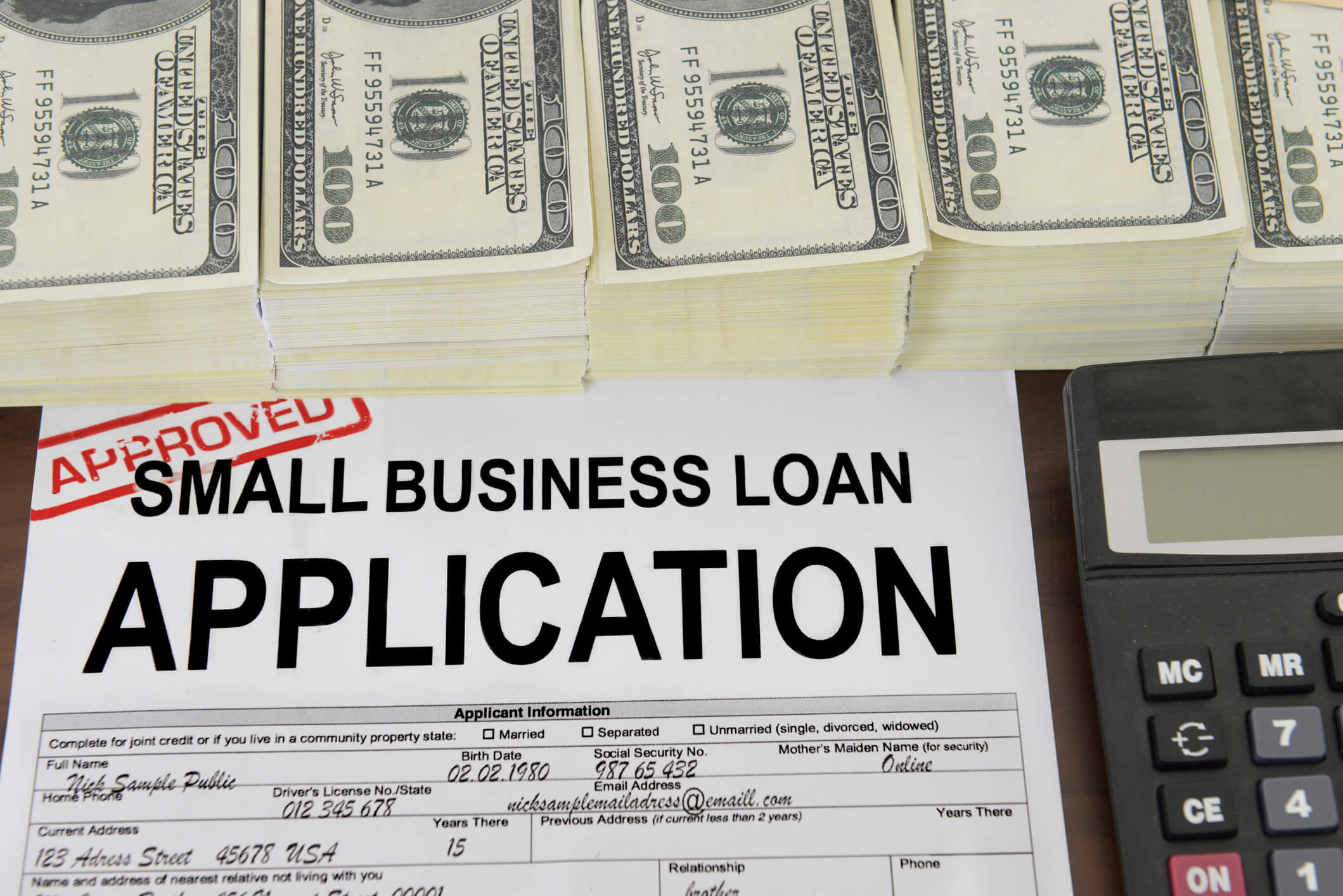
5 Essential Steps to Securing a Small Business Loan

A small business start-up will rarely have all the capital needed to establish, operate, and sustain the business through the difficult first year of business. Most small business entrepreneurs will be seeking capital.

While recent years have seen some other sources for raising capital such as crowdfunding, peer-to-peer financing, and instant online loans, commercial bank lending is still the most sought after option for small business start-ups or those small businesses who need capital to grow. And lending by the government-backed Small Business Administration is at record levels. Check out America's Best Bookkeepers

While it is suggested that a small business owner uses every available resource to raise the capital needed to start or grow their business, they should also know what top commercial bank lenders expect to see when considering a loan to a new or growing business. Here are the five essential steps every small business owner should follow to secure a small business loan.

You Must Become Credit Worthy

Before you even step foot into a commercial banking institution seeking a loan to start a small business, you need to take care of any negative or inaccurate credit score issues on your credit report. You also need to resolve any tax issues or previous business issues that could harm you as a lending risk. Anything such as tax or loan liens, garnishments, negative bank balances, or owing back taxes can all be risk red flags for a potential lender, so you must have all of these issues resolved, or seeking a loan will be a waste of everyone’s time.

There are many ways to repair negative financial issues you have gotten yourself into, and you need to use them before you look to secure a loan for your small business.

You Must Create a Strong Business Plan

The top commercial banking lenders say that a well-written and realistic business plan is essential to a positive answer to your loan request. Your business plan is an insight into your realistic understanding of how your business will be operated. Still, it shows you have thought out what you are getting yourself into and how to handle all the aspects required to run a successful business. Check out America's Best Bookkeepers

Your business plan should include financial projections, marketing strategies, business management, and operations. The business plan allows the lender to see you have a plan for repayment through these researched and well thought out aspects of the plan. The business plan gives the lender confidence that you can repay the loan. Without this confidence, no lender will give you a business loan.

You Must Plan for Every Case Scenario

In the financial projections, lenders expect to see a breakdown of at least twelve months broken down by month, including the best, mid, and worst-case scenarios. The potential lender needs to see that you will financially survive and make loan payments even if your business has a month that sees a drop of 10, 20, or even 30%.  Showing this amount of monthly detail will let a lender know that you have a plan to survive the inevitable downturns businesses experience.

You should do this as a monthly breakdown because knowing the good and bad time of year for your business shows you understand your business and its finances. Some businesses will boom in the summer and die in the winter, and others are strong during the holidays and potentially make their year in a two or three-month period. Having this deep knowledge of your business and its financial projections month to month will give a lender great confidence and get you a positive result.

You Must Have Business History or the Equivalent Cash Equity 

If you are obtaining a loan to help your business grow, you will have some business history. Many lenders will require two-years of business history in these cases. However, if you are a new business, a lender may require the owner to have cash equity to inject into the business. The lender may require other capital supplements to reduce the loan amount, reducing the risk of repayment. Check out America's Best Bookkeepers

You Must be a Hands-on Owner

A lender is more likely to grant a loan to an owner who has proactive plans to collect accounts receivables and ensure that revenue is not tied up in bad debt expenses. You should also show that all your cash liquidity isn’t going to be tied up in inventory but readily available to use for unforeseen business needs or to cover payments.

You should also show that you have a strong and direct marketing plan that will be carried through even when business is slow. Lenders understand that marketing is key to the success of a business. It has its own prominent section in every good business plan showing that it is an essential part of any business to generate customers and revenue.

Conclusion

Lenders are not ready to say no to every business that walks in the door seeking a small business loan. Because the banking institution will gain revenue from the interest paid on your loan, they want to say yes. It is up to you as a small business entrepreneur to ensure you follow all these steps to ensure you are the business that gets that yes, they want to give a worthy business.

Check out America's Best Bookkeepers About Complete Controller® – America’s Bookkeeping Experts Complete Controller is the Nation’s Leader in virtual bookkeeping, providing service to businesses and households alike. Utilizing Complete Controller’s technology, clients gain access to a cloud-hosted desktop where their entire team and tax accountant may access the QuickBooks™️ file, critical financial documents, and back-office tools in an efficient and secure environment. Complete Controller’s team of certified US-based accounting professionals provide bookkeeping, record storage, performance reporting, and controller services including training, cash-flow management, budgeting and forecasting, process and controls advisement, and bill-pay. With flat-rate service plans, Complete Controller is the most cost-effective expert accounting solution for business, family-office, trusts, and households of any size or complexity. Check out America's Best Bookkeepers

4 Types of Financing You Can Obtain for Your Small Business

When starting or growing your small business, even if you have some capital saved to put into the business, chances are you won’t have enough to cover all of the costs. If you have no means to provide the money to operate or grow, you will have to look at other financing means. Check out America's Best Bookkeepers

Before you pursue financing, you must make sure you have a comprehensive and well-written business plan. Most think you only need a business plan for a startup business; however, you should be updating your business plan every year to project growth and use data from the previous year to make those projections. Here are what should be included in your business plan:

  • Executive Summary: The executive summary introduces your company to the reader and includes your mission statement and what your business is about.
  • Company Description: The company description is a deeper dive into what the company will do, its goals, and the expected customer type.
  • Market Analysis: The market analysis is a detailed analysis of the market to which your business belongs.
  • Competitive Analysis: The competitive analysis is the comparison to your indirect and direct competitors.
  • Management and Organization: Management and organization is the structure of your management team and the entire organization.
  • Products and Services: This will be a thorough description and breakdown of the products or services your company will offer.
  • Marketing Plan: Your marketing plan will be how you intend to market the business and the costs.
  • Sales Strategy: The sales strategy will include how you plan to offer your product and how the sales team will go forward. It will also include projected sales targets.
  • Financial Projections: The financial projections should cover at least six months, if not a year or month by month, financial breakdowns, and analysis.

Now that you have a solid business plan, here are four types of financing you can obtain for your small business. Check out America's Best Bookkeepers

Take it to the Bank

The most obvious means of financing your small business is to go to a banking institution and obtain a loan. The bank will expect to see a business plan, business credit scores, personal credit scores, financial statements, or any other documents that will help them decide to give you a loan. The bank is looking for the amount of risk there will be if they grant you a loan.

Friends or Family

If you have friends or family that believe in your business, they will often help you finance your business with no strings attached. While they will still expect to be paid back, they often want no stake in the business and help you succeed. Be careful when borrowing from friends and family because if you have difficulty paying them back, it can cause a rift, but often this is a great way to borrow for your business because it will most likely be interest-free.

Outside Investors

You can look for outside investors who have expressed a desire to invest in small business startups or growing. These investors will become stakeholders and expect a return on their investment and often limit when they expect to see some return on their investment. In some cases, investors will expect a seat at the table when it comes to business decisions. Check out America's Best Bookkeepers

This involvement can be a blessing or a curse depending on the investor. Some have a vast amount of business experience, and their involvement and ideas could help your business grow and thrive. Others can be a challenge to deal with, so choose your investors carefully. Base your choice of investors on reputation and research them thoroughly if they have an investment track record.

Crowdsourcing

Crowdsourcing is a fairly new financing source for businesses or projects. While you will still have to give the investors a return on their investment, you can, in many cases, gain quick and total financing for your business if it is a great idea with a solid business plan. If you are great at selling your ideas and getting others excited, crowdsourcing would be the perfect financing pursuit for you and your business.

Conclusion

Financing is a part of any small business, whether it is a startup or a business operating for some time that is growing. If you have a great business plan and have made sure you are personally financially strong, you should have no problem obtaining financing via one of these four sources.

Check out America's Best Bookkeepers About Complete Controller® – America’s Bookkeeping Experts Complete Controller is the Nation’s Leader in virtual bookkeeping, providing service to businesses and households alike. Utilizing Complete Controller’s technology, clients gain access to a cloud-hosted desktop where their entire team and tax accountant may access the QuickBooks™️ file, critical financial documents, and back-office tools in an efficient and secure environment. Complete Controller’s team of certified US-based accounting professionals provide bookkeeping, record storage, performance reporting, and controller services including training, cash-flow management, budgeting and forecasting, process and controls advisement, and bill-pay. With flat-rate service plans, Complete Controller is the most cost-effective expert accounting solution for business, family-office, trusts, and households of any size or complexity. Check out America's Best Bookkeepers

Money Management to Avoid a Deficit

Do you know that over 60% of Americans find it challenging to manage money effectively due to the high cost of living and the temptation to spend impulsively? However, with the right money management tips and advice, you can take control of your finances. Learning how to manage your money better and applying practical money management skills can set you on the path to a stable financial future, embodying the essence of what is money management.

Key Takeaways

  • Creating a budget and diligently tracking your income and expenses is crucial for effective money management. Embracing these money management tips and incorporating personal financial management strategies into your routine can significantly enhance your financial planning.
  • Understanding the psychology of spending can help you make better financial decisions.
  • Identifying and eliminating financial leakages in your daily life can significantly impact your financial stability.
  • Adopting a realistic budgeting strategy ensures that you can meet your financial goals without feeling restricted.
  • Streamlining your finances through direct deposit, account alerts, and automated bill payments can help you stay organized and consistent.

Understanding Your Cash Flow: The Foundation of Personal Money Management

Understanding your cash flow is vital for your finances. It’s all about the money coming in and going out of your account regularly. Grasping this concept is a cornerstone of money management tips, showing why maintaining a positive cash flow is key to managing your money wisely. Cubicle to Cloud virtual business

Mapping Your Income and Expenses

Tracking your earnings and expenditures is crucial for grasping the fundamentals of your finances. This insight allows you to assess the available funds for your needs or savings. By scrutinizing your spending patterns, you can identify areas for improvement and enhance your money management practices.

Setting a budget is a strategic way to organize your earnings and expenditures, allocating funds for essentials like housing, travel, food, and leisure. Effective budgeting is a fundamental aspect of money management, ensuring you use your resources wisely and adjust your budget to reflect changes in your financial situation.

Psychological Aspects of Spending

Understanding the motives behind our spending is crucial for managing your cash flow wisely. Recognizing how emotions and impulsive decisions influence our spending can significantly contribute to maintaining healthy finances, highlighting the importance of being mindful of our spending habits.

Sometimes, shopping serves as a coping mechanism for stress. Identifying less costly coping strategies, such as exercising, engaging in hobbies, or spending time with friends, can positively impact your financial well-being.

Identifying Financial Leakages in Your Daily Life

Small, unnoticeable expenses can slowly drain your finances over time. These spendings, called financial leakages, can be from daily purchases you don’t keep track of. By monitoring your expenses closely, you can prevent these financial leaks and make more effective use of your money.

Financial leakages, such as unused subscriptions, impulsive purchases, frequent dining out, or luxury expenses, can drain your resources. Cutting down on these expenses can lead to significant savings. Redirecting this saved money towards your savings or emergency funds is a smart financial move.

Next, we’ll look at how a realistic budget can be a game-changer in managing your finances.

Adopting a Realistic Budgeting Strategy

Learning to manage your money well starts with a realistic budget. A budget is a plan for your money. It shows what you earn and spend to help you make smart choices and meet your financial goals. We’ll explore various money management tips and how to set a money management plan that aligns with your goals.

First, figure out how much you make and spend. Track your income, like your job pay, freelance gigs, or money from investments. Then, list your costs as fixed (like rent or car payment) or variable (like food or fun). This shows your money flow and spots where you could spend less or be smarter with your money, a fundamental money management tip.

Next comes setting up your budget plan. One good way is the envelope system. You put cash in envelopes marked with spending categories. This makes it clear how much you have for each and stops overspending.

Another good plan is the 50/30/20 rule. It says to use half your money on needs (like housing or bills), 30% on wants (like eating out or hobbies), and save 20%, all to keep a good balance.

Make a budget that fits your real life and goals. Don’t make it too hard to follow. Think about what you really need and desire to make your budget work for you, incorporating money management tips to ensure it’s effective.

Keep in mind that budgeting is a journey, not a one-time thing. You’ll need to check and adjust your budget as life changes. Do this to see how you’re doing, find ways to do better, and make any needed changes, a crucial money management tip.

With a good budget, you steer your own financial ship. It guides your decisions, steering towards your goals and a safe financial future, embodying the essence of money management. Download A Free Financial Toolkit

Money Management Tips for Streamlining Your Finances

“A budget is telling your money where to go instead of wondering where it went.” – Dave Ramsey

In today’s world, simplifying how we handle money is key. It lets us save time, cut stress, and make our money work better. I’ll share some easy-to-follow money management tips that could revolutionize your finances.

Setting up direct deposit and account alerts

  • Direct deposit: Direct deposit puts your paycheck right into your bank. It eliminates the need to handle physical checks and ensures your money is there when you need it. This step is great for smooth cash flow.
  • Account alerts: Mobile banking alerts are handy, too. You can receive notices about your balance, withdrawals, or any strange activity. They help you keep an eye on things and catch any problems early.

Automating bill payments for consistency

Setting up automatic bill payments is a big help. It ensures your bills are paid on time every month, so you won’t have to worry about late fees or forgetting.

This also frees up your mind and time. You won’t need to remember when bills are due or log in to pay them. Plus, it keeps your finances running smoothly without the worry of missed payments.

Trying these tips can really improve your finances. Direct deposit and alerts help keep your cash flow steady and watch for any issues. Automating bills adds convenience and peace of mind by making sure they’re paid on time. Taking control of your money this way, through effective money management, leads to a less stressful and more effective financial journey.

Importance of having an emergency fund

In today’s world, it’s smart to have an emergency fund. Building an emergency fund is like creating a cash cushion. It guards you against the unexpected and keeps life stable. It brings peace of mind and secures your financial future, making it a crucial part of saving for an emergency fund.

An emergency fund is money set aside for unexpected expenses, such as sudden illness, car problems, or job loss. It acts as a financial safety net, standing between you and financial stress.

Starting an emergency fund early is key. It does more than cover bills:

  • Financial security: Having an emergency fund shields you from sudden costs without resorting to debt. This means less worry and more calm, ensuring financial stability during unexpected events.
  • Protection from debt: An emergency fund keeps you away from expensive loans and credit card debt. Breaking the debt cycle is key to financial health, highlighting the importance of an emergency savings fund.
  • Flexibility and independence: It offers freedom to take up new jobs or start a business without fear. An emergency fund is your ticket to independence.

Ready to start your fund? Here’s how:

  • Evaluate your current financial situation: Check your money in and out. See what you can save each month.
  • Set a savings goal: Aim for three to six months of living costs. This is a solid emergency nest egg.
  • Create a budget: Find ways to spend less and save more toward your fund. A budget guides your saving discipline.
  • Automate your savings: Making savings automatic helps a lot. Set up transfers from your checking into your fund.

Don’t forget about your emergency fund after setting it up. Check it regularly. Refresh what you use. This fund ensures your financial peace in the long run.

Debt management strategies

We’ll discuss ways to manage debt and achieve financial freedom. These strategies can help you lower your debt and aim to be debt-free.

Consolidating debt payments is a key method. This means combining all your debts into one payment with a lower interest rate. It makes paying off loans simpler.

Next, it’s crucial to prioritize. Prioritize your debts. Focus on debts with the highest interest rates or penalties first. This helps you save money and improve your finances.

Then, strong negotiation. Negotiation skills become important. If you’re having trouble with payments, talk to your lenders. They might change your payment plan or lower your interest. They care about getting their money back, so they might be flexible.

With these methods, you can take charge of your financial life. Work on combining debts, focusing on high-priority debts, and talking to your creditors. Persistence and good money habits are key to being debt-free.

Credit score management

Keeping track of your credit score is vital for a healthy financial life. It’s key in setting the interest rates you get on loans and credit cards. Plus, it affects your chances of getting a home, job, and other financial opportunities.

Understanding how your credit score is calculated is the first step to improving it. Begin by getting a copy of your credit report from Experian, Equifax, and TransUnion. Then, check the report for errors that might hurt your score.

Regular financial reviews

Checking your finances regularly is crucial for effective money management and for managing your credit score. You should look at your income, what you spend, and your debts. This can help you see where you can do better and then act on it.

Make a budget to keep track of what you earn and what you spend. This keeps your financial duties in line and helps you find ways to save and lower your debts. Also, looking over your bank and card statements often helps catch any mistakes or surprise charges, a key aspect of money management.

It’s also smart to keep an eye on your credit report for any warning signs of fraud. Dealing with any issues fast helps keep your credit score and money life safe.

Working on your finances regularly shows you care about your financial health. It also prepares you to take chances and deal with problems to reach financial success, embodying the essence of money management. LastPass – Family or Org Password Vault

Conclusion

Being wise with money is key to lasting financial comfort. By using the advice in this guide, you can shape a secure financial future. It’s about taking charge and laying down the right financial principles, following essential money management tips.

Saving is crucial for good money handling. Start with a clear budget and automate your bills. This way, your financial health stays steady, and you cut out unnecessary costs. An emergency fund is a must for those surprise moments. It offers financial peace of mind when the unexpected hits, aligning with smart money management tips.

Remember wealth growth and smart investments. Get advice from pros and keep up with wise investing tips. This knowledge will help you build your wealth. Remember, it’s a journey that needs both time and effort. Stay on top of your finances through regular checks and an adaptive investment strategy. Adjust where needed to keep moving forward.

FAQ

What are some money management tips for beginners?

Beginners should start by setting up a budget. You should also keep track of what you earn and spend. And don’t forget to list your money goals in order of importance, a fundamental money management tip.

How can I effectively manage my cash flow?

Start by recording your money in and out. Incorporate money management tips to make a plan for how you will spend your money. Then, always look at and adjust your budget regularly to stay on track.

What are some strategies for identifying and eliminating financial leakages?

Easily find where your money goes by looking at your expenses closely. Think about what you buy often and apply money management tips to find cheaper alternatives or cut out things you don’t really need, effectively helping you cut expenses.

How do I create a realistic budget?

To make a budget that really works, first, see what you spend every month. Then, figure out how much you make. After that, decide on your most important money wishes. Use your budget and money management tips to make sure these wishes are met.

What are the benefits of setting up direct deposit and account alerts?

Direct deposit means money is always coming in. Account alerts keep you updated on your money moves and help you avoid surprise bills or fees, ensuring a smoother financial journey.

How can automating bill payments help streamline my finances?

Automating your bill payments stops you from forgetting, which prevents late fees. It also helps you keep your spending smooth and steady, contributing to better financial health.

Why is having an emergency fund important?

An emergency fund acts as a cushion. It’s there for those times when extra costs pop up, supporting your financial health over the long haul and serving as a critical component of a solid emergency fund strategy.

What are some debt management strategies I can use?

If you’re dealing with debts, try focusing on the most important ones first. You can also talk to your creditors about making it easier to pay off debt. Putting together a solid plan to tackle your loans and debts is key to financial freedom.

How can I manage my credit score effectively?

Keep your credit score high by paying your bills when they’re due and managing your loans wisely. Try not to owe too much on credit cards and avoid checking your credit score too often without a good reason.

ADP. Payroll – HR – Benefits About Complete Controller® – America’s Bookkeeping Experts Complete Controller is the Nation’s Leader in virtual bookkeeping, providing service to businesses and households alike. Utilizing Complete Controller’s technology, clients gain access to a cloud platform where their QuickBooks™️ file, critical financial documents, and back-office tools are hosted in an efficient SSO environment. Complete Controller’s team of certified US-based accounting professionals provide bookkeeping, record storage, performance reporting, and controller services including training, cash-flow management, budgeting and forecasting, process and controls advisement, and bill-pay. With flat-rate service plans, Complete Controller is the most cost-effective expert accounting solution for business, family-office, trusts, and households of any size or complexity. Complete Controller. America’s Bookkeeping Experts