Art Delegation Interview Tips

Art Delegation Interview:
Expert Tips & Best Practices

An Art Delegation Interview is a panel or committee-style conversation where you demonstrate your ability to represent, manage, and delegate artworks and cultural programs on behalf of an institution, nonprofit, or cultural exchange initiative—and your success depends on targeted preparation, a clear portfolio narrative, and confident communication of your delegation skills. To get it right, align your experience with the organization’s mission, prepare STAR-based stories about cultural exchange and exhibition coordination, and show you can steward artists, communities, and collections with integrity.

Over my 20+ years leading Complete Controller, I’ve built a service business that runs on delegation—and I’ve interviewed and hired hundreds of professionals who represent our brand every day. That experience taught me something that translates directly to the art world: interviews reveal, within minutes, whether someone can be trusted with responsibility, relationships, and resources. In this article, I’ll share the preparation roadmap I wish more candidates followed—so you walk into your next art delegation panel ready to lead, not just respond. You’ll leave with a portfolio strategy, communication tactics, risk-management language, and a founder’s perspective on what hiring panels actually want to hear.

What is an art delegation interview and how do you get it right?

  • An Art Delegation Interview evaluates your ability to represent artworks, artists, and cultural programs—usually in a panel format—and you get it right by aligning your portfolio, communication, and delegation strategy with the institution’s mission.
  • Interviewers assess proven experience in the art delegation process: exhibitions, loans, cultural exchanges, and stakeholder communication.
  • Strong candidates show they can delegate art projects while protecting curatorial vision, budgets, and artistic integrity.
  • Preparation means a tailored portfolio, rehearsed STAR answers, and clear cultural sensitivity for cross-border collaborations.
  • You stand out by articulating how you’ve handled risk, ethics, and accountability when delegating artworks. Download A Free Financial Toolkit

Understanding What Art Delegation Interviews Really Evaluate

Art delegation roles range from nonprofit art delegation coordinator to museum liaison for international exchanges, but interviews consistently test the same core dimensions: judgment, communication, project management, and cultural intelligence.

Core responsibilities in an art delegation interview

Panel members want to see that you understand the full scope of the role—not just the exciting parts.

  • Responsibilities in art delegation interview contexts include managing loans and acquisitions, coordinating exhibitions, overseeing conservation logistics, and representing your institution externally.
  • The art delegation process questions often probe how you track artworks, manage condition reports, and enforce contractual and ethical standards.
  • Panels expect familiarity with recognized standards. The International Council of Museums (ICOM) first adopted its Code of Professional Ethics in 1986, and it remains the reference point for museum conduct—citing it signals you know the profession.
  • Art delegation committee interview dynamics require you to navigate curators, board members, and administrators gracefully.

Art manager and cultural liaison expectations

An art manager interview emphasizes leadership: how you direct, give feedback, and grant autonomy while staying accountable. Contemporary art delegation adds another layer—familiarity with digital art, new media installations, and evolving formats. For nonprofit roles, expect to speak to donor stewardship, inclusive programming, and measurable impact. Reviewing the American Alliance of Museums’ Ethics, Standards, and Professional Practices before your interview is one of the smartest hours you can spend.

Preparing for an Art Delegation Interview: Strategy, Portfolio, and Presence

Preparing for an art delegation interview goes well beyond standard advice—you need to demonstrate how you think, organize, and represent others’ work.

Research and alignment

Start with a deep review of the organization’s mission, collections, past exhibitions, and cultural partnerships. Map your experience directly to their priorities, and study recent cultural exchange interview programs the institution has hosted. Resources like the U.S. Department of State’s Cultural Exchange Programs offer excellent context for understanding how public diplomacy shapes delegation work.

Portfolio and documentation: Delegating artworks with confidence

Bring a curated portfolio that tells a story of impact, not just activity.

  • Highlight loan projects, exhibitions coordinated, and artist collaborations facilitated.
  • Include visual documentation with clear labels: title, artist, venue, your role, and outcomes.
  • Add redacted samples of loan agreements, schedules, and risk assessments to demonstrate rigor.
  • For a panel interview art delegation format, provide a one-page printed summary so every panelist grasps your impact quickly.

Structuring your experience with STAR

Use the STAR method (Situation, Task, Action, Result) to turn abstract skills into tangible stories. Prepare at least three examples—an international touring exhibition, a nonprofit community project, and a team restructuring that resolved bottlenecks. The Arts Council’s interview preparation guide reinforces this structured storytelling approach.

Strong delegation keeps the work moving. Strong financial systems keep the business moving. See how Complete Controller helps you build both with clarity and confidence.

Case Study: Cultural Delegation Done Right

In 2017 and again in 2019, the Embassy of the Czech Republic in London organized British cultural delegations to the Czech Republic, bringing UK cultural figures to experience Czech art through public diplomacy. Delegates visited galleries, museums, and studios—strengthening bilateral ties and expanding visibility for Czech artists.

Three takeaways you can cite in your own interview:

  1. Program design matters more than sightseeing—curated itineraries with clear objectives produce lasting partnerships.
  2. Stakeholder balance between diplomatic goals, artist interests, and institutional constraints is non-negotiable.
  3. Post-visit documentation and follow-up separate professional delegation leaders from occasional coordinators.

You might say: “In my cultural exchange projects, I follow a similar model—clear objectives, curated encounters with artists, and formal follow-up—so delegations produce lasting partnerships, not one-off visits.”

Navigating the Panel: Questions, Presence, and Cultural Intelligence

Even highly qualified candidates falter in the room. This is where the interpersonal work pays off.

Typical interview questions for art delegation roles

Expect targeted, scenario-based questions:

  • Describe a multi-venue exhibition with international loans—how did you manage risk?
  • Tell us about a conflict between artist expectations and donor constraints.
  • How do you decide what to delegate versus manage yourself?
  • What challenges have you faced with new media in cross-border touring?
  • How do you incorporate community input without compromising curatorial standards?

The kind of prepared responses you’d give here mirror what I share in 7 Types of Interviewers You’ll Meet During Your Job Hunt—read the room, read the person, respond accordingly.

Body language and cultural intelligence

Treat the interview itself like an art delegation interview panel—you’re already representing a future delegation. Make eye contact with every panelist, acknowledge cultural differences intelligently, and respond to challenging questions (like repatriation) with empathy for all parties, not defensive policy quotes.

Showing You Can Delegate: Systems, Risk, and Accountability

Most content about art interviews focuses on portfolio tips. Few address how you actually delegate art projects—yet this is often the decisive factor for hiring committees. The leadership style that best runs an organization is one built on systems, not heroics.

Systems over heroics

Explain that your delegation style relies on clear roles, timelines, documentation, and escalation paths. Share a STAR example: a touring exhibition with fragile works where you designated local leads, standardized checklists, and centralized reporting—yielding zero damage incidents and strong attendance.

Risk, ethics, and accountability in delegating artworks

The stakes here are enormous. In August 2023, the Manhattan District Attorney’s Office announced the return of 30 antiquities to Cambodia valued at approximately $3.8 million—a stark reminder of what happens when provenance checks fail. That same year, the Smithsonian’s National Museum of Asian Art returned 29 items to Cambodia and Thailand after provenance research surfaced ties to historic looting.

Name the specific risks you manage: transport damage, customs delays, insurance gaps, provenance failures, and community pushback. Show that you build risk registers, contingency plans, and—crucially—the humility to act when new facts surface. My work on fraud detection and prevention shaped my belief that proactive systems always beat reactive fixes.

The Human Side: Trust, Relationships, and Representing Artists

Building trust with artists means listening to their intentions, constraints, and non-negotiables. See yourself as a steward—not a scheduler—translating artists’ voices for institutions and delegates. In cultural exchange contexts, emphasize mutual benefit: visiting delegations should also learn from local communities, not just observe them.

Then close the loop. Share how you report back through impact reports, debriefs, and public programming. Give an example where delegation feedback changed your future practice—more inclusive programming, better accessibility, richer context around contested histories. That kind of self-correction is exactly what hiring panels are listening for.

Final Thoughts: Your Next Steps to Master Any Art Delegation Interview

In an art delegation interview, you’re proving that you can represent artists, institutions, and communities with integrity, foresight, and skill. Align your experience with the organization’s mission, prepare STAR examples around delegation and cultural exchange, and bring a portfolio that shows measurable impact.

As a founder, I always look for candidates who own their responsibilities, communicate transparently, and think several steps ahead on behalf of the people they serve. Bring that mindset into your next interview—paired with the preparation steps above—and you won’t just answer questions; you’ll position yourself as the person they want leading their next cultural delegation. For more guidance on building systems, accountability, and trust in your professional practice, visit Complete Controller to see how disciplined delegation shapes everything we do. Complete Controller. America’s Bookkeeping Experts

Frequently Asked Questions About Art Delegation Interview

What is an Art Delegation Interview?

An Art Delegation Interview is a panel or committee-style interview for roles that manage and represent artworks, artists, and cultural programs—often including international cultural exchanges, touring exhibitions, or nonprofit art initiatives.

How do I prepare for an Art Delegation Interview?

Research the institution’s mission, tailor your portfolio to delegation and project management work, prepare STAR-based examples of cultural exchange and exhibition coordination, and rehearse answers about risk management and stakeholder communication.

What questions are asked in art delegation interviews?

Common questions cover coordinating multi-venue exhibitions, resolving conflicts between artists and institutions, delegating across teams, managing international logistics, and maintaining ethical standards in lending and displaying artworks.

How is a panel interview for art delegation different from a regular interview?

A panel interview involves multiple stakeholders—curators, administrators, board members—so you must engage all of them, show committee awareness, and balance diverse priorities and viewpoints.

What skills are most important for succeeding in an art delegation role?

Project management, communication, cultural sensitivity, risk assessment, ethical judgment, and the ability to delegate across curatorial, registration, and logistics teams while maintaining trust with artists and communities.

Sources

ADP. Payroll – HR – Benefits About Complete Controller® – America’s Bookkeeping Experts Complete Controller is the Nation’s Leader in virtual bookkeeping, providing service to businesses and households alike. Utilizing Complete Controller’s technology, clients gain access to a cloud platform where their QuickBooks™️ file, critical financial documents, and back-office tools are hosted in an efficient SSO environment. Complete Controller’s team of certified US-based accounting professionals provide bookkeeping, record storage, performance reporting, and controller services including training, cash-flow management, budgeting and forecasting, process and controls advisement, and bill-pay. With flat-rate service plans, Complete Controller is the most cost-effective expert accounting solution for business, family-office, trusts, and households of any size or complexity.

author avatar
Jennifer Brazer Founder/CEO
Jennifer is the author of From Cubicle to Cloud and Founder/CEO of Complete Controller, a pioneering financial services firm that helps entrepreneurs break free of traditional constraints and scale their businesses to new heights.
Reviewed By: reviewer avatar Brittany McMillen
reviewer avatar Brittany McMillen
Brittany McMillen is a seasoned Marketing Manager with a sharp eye for strategy and storytelling. With a background in digital marketing, brand development, and customer engagement, she brings a results-driven mindset to every project. Brittany specializes in crafting compelling content and optimizing user experiences that convert. When she’s not reviewing content, she’s exploring the latest marketing trends or championing small business success.

Retail POS System Buying Guide

Best Retail POS System:
Choose the Right One

The best retail POS system is the one that fits your store’s size, sales channels, and workflows—combining intuitive POS software, reliable point of sale terminals, real-time inventory management, and clear reporting at a price that matches your margins. A modern retail POS system should streamline retail checkout, sync inventory across channels, support flexible payment processing (including EMV chip and contactless), and deliver store operations analytics that let you make smart decisions fast.

Over my 20+ years leading Complete Controller, I’ve had the privilege of working alongside thousands of retailers—from single-location boutiques to multi-store operations—and I’ve watched too many owners overspend on flashy point of sale terminals that don’t match how they actually sell. In this guide, I’ll share what I’ve learned about picking a retail POS system you can trust for the next 5–7 years, including how to compare total cost of ownership, avoid rollout disasters, and connect your POS to your books so every sale strengthens your financial picture. By the end, you’ll have a clear framework, real-world benchmarks, and the confidence to invest in the right system for your store.

What is the best retail POS system and how do you choose the right one?

  • The best retail POS system aligns with your store size, sales channels, inventory complexity, and budget while offering intuitive POS software, reliable hardware, and strong reporting.
  • Start by mapping your retail checkout workflows—in-store, mobile POS for retail stores, and online ordering—before comparing vendors.
  • Compare total cost of ownership across three to five years, not just monthly fees.
  • Prioritize ease of use so seasonal staff can learn barcode scanning and receipt printing in under an hour.
  • Insist on strong store operations analytics and integrated inventory and POS so you’re not exporting data to spreadsheets every week. Complete Controller. America’s Bookkeeping Experts

What Is a Retail POS System and How Does It Run Your Store?

A retail POS system is the combination of hardware and POS software that processes sales, handles payment processing, updates inventory, and captures customer data at the moment of purchase. Think of it as the operational hub of your store—every transaction, every stock movement, and every customer touchpoint flows through it.

Core components: POS software, hardware, and retail checkout flow

Your setup typically includes:

  • POS software to ring up sales, apply discounts, calculate tax, and sync inventory.
  • Retail checkout hardware: point of sale terminals, barcode scanner, receipt printer, cash drawer, and EMV contactless payment POS system card readers.
  • A defined checkout workflow: scan, promote, process payment, print or email the receipt.

From cash register to cloud-based point of sale system

The shift to a cloud-based point of sale system is one of the most important upgrades a retailer can make. U.S. retail ecommerce jumped from 3.6% of total retail sales in Q1 2010 to 15.9% in Q1 2024, according to the U.S. Census Bureau. That historical shift means your customers now expect omnichannel retail—buy online, pick up in store, return anywhere—and only cloud POS can sync inventory in real time to make that work. Just as important: offline mode POS for retail keeps you selling when the internet drops.

Types of Retail POS Systems: Matching Technology to Your Store

Different retail POS systems are built for different environments. Choosing the wrong architecture is one of the costliest mistakes I see retailers make.

  1. Terminal POS: Fixed point of sale terminals ideal for grocery, electronics, and high-volume checkout lanes.
  2. Mobile POS for retail stores: Smartphone or tablet-based systems for pop-ups, events, and line-busting.
  3. Tablet POS: iPad or Android setups—flexible and affordable for boutiques.
  4. Self-service kiosks and omnichannel POS with online ordering integration: Unified in-store, ecommerce, and click-and-collect workflows.

For most small retailers I advise, a cloud tablet system with mobile add-ons hits the sweet spot of cost and capability. For related operational tips, see our guide on managing business accounting.

Essential Features You Need in a Modern Retail POS System

Before comparing brand names, define the non-negotiables. This checklist becomes your vendor scorecard.

Inventory management and integrated inventory and POS

Real-time inventory management means automatic deduction on every sale, clean handling of returns and exchanges, and transfers between locations. Integrated inventory and POS eliminates the weekly reconciliation nightmare where sales and stock live in separate systems.

Payment processing and EMV contactless payment POS system capabilities

In 2023, cash was used in only 16% of U.S. consumer payments, while credit cards (32%) and debit cards (30%) led, per the Federal Reserve’s Diary of Consumer Payment Choice. Your POS must support:

  • EMV chip, contactless tap-to-pay, and mobile wallets (see EMVCo standards)
  • Gift cards, buy-now-pay-later, and split payments
  • Secure compliance and fraud protection

Barcode scanner, receipt printer, and hardware ecosystem

A POS with barcode scanning and receipt printing dramatically cuts errors and speeds retail checkout. Confirm compatibility with label printers, scales, and customer-facing displays before you buy.

Customer management and store operations analytics

Strong customer management drives loyalty and repeat business. Pair that with POS system reports and analytics—daily sales, product performance, staff productivity, margins by category—and you have a real decision-making engine, not just a cash register.

A smarter POS gives you better data. Complete Controller helps turn that data into clearer books, stronger margins, and smarter retail decisions.

Comparing Leading Retail POS Systems by Use Case

Rather than list brands, match architecture to your reality.

  • Retail POS for small business and boutiques: Prioritize ease of use, low setup cost, and simple customer management. Square, Clover, and Shopify POS lead here.
  • Multi-location, high-inventory retailers: Look at Lightspeed Retail and similar platforms with deep purchase order and vendor management.
  • Cloud vs. on-premise: Cloud wins for updates, remote access, and resilience; on-premise still makes sense in a few high-control scenarios.
  • Total cost of ownership: Software subscription + hardware + payment processing rates + add-ons + support. Watch for PCI fees, data migration charges, and termination penalties.

How to Choose and Implement Without Disrupting Your Store

A great retail POS system fails without a great rollout. Here’s the five-step process I walk my retail clients through:

  1. Map your workflows—receiving, tagging, selling, returns, and daily reconciliation. See our bookkeeping tips for small businesses for reconciliation best practices.
  2. Define requirements and budget—offline mode, omnichannel, integrations, and realistic sales forecasts.
  3. Shortlist and trial—test POS software with real staff and real transactions.
  4. Migrate data and train—clean up inventory and customer files before import; build short, focused training modules.
  5. Optimize post-launch—track voids, returns, discounts, and stock-outs weekly using store operations analytics.

Avoiding Common POS Mistakes That Kill Margins

Most guides skip risk. I won’t.

Skipping offline capabilities and contingency planning

When Target’s registers went down nationwide in June 2019, CNBC reported that many stores could not process transactions and shoppers walked out. That’s the cost of skipping offline mode POS for retail. Build a fallback workflow and test it before go-live—CISA’s continuity planning guidance is a solid starting point.

Underestimating training and ignoring reports

Complex POS software creates slow lines and frustrated employees. And too many retailers realize too late that their system can’t answer basic profitability questions. Prioritize usability and POS system reports and analytics from day one.

How Your POS Connects to Your Books

This is where most guides go quiet—and where retailers lose the most money. Your POS is a financial data source, and clean integration with accounting software slashes manual entry, errors, and month-end close time. Map your sales accounts, tax codes, payment types, refunds, and discounts carefully. For a deeper look, review our guide on reconciling your accounting statements regularly.

At Complete Controller, we routinely use POS exports to help clients right-size inventory, spot dead stock, and identify high-margin products. That combination of POS data plus disciplined bookkeeping is what separates retailers who grow from retailers who guess. For a broader view on where retail is headed, Harvard Business Review’s guide to the future of retailing is worth your time.

Final Thoughts: Choose a Retail POS System You Can Trust

Selecting the best retail POS system comes down to alignment—between your workflows, your customers, your team, and your numbers. Define your requirements, compare systems against real-world use, plan implementation carefully, and connect your POS cleanly to your books. Do that, and your POS becomes the backbone of inventory management, customer management, and store operations analytics.

As a founder who has watched retailers transform their margins simply by upgrading the brain of their store, I encourage you to treat this decision as a long-term investment in stability and growth. If you’d like expert help evaluating your options or connecting your POS to a solid financial foundation, visit Complete Controller and our team will tailor a plan to your retail business. LastPass – Family or Org Password Vault

Frequently Asked Questions About Retail POS Systems

What is a retail POS system?

A retail POS system is the combination of hardware and POS software retailers use to process transactions, manage inventory, track customer data, and run daily store operations at checkout.

How does a retail POS system differ from a simple card reader?

A card reader only processes payments. A retail POS system also handles inventory management, customer profiles, reporting, staff permissions, and integrations with ecommerce and accounting.

What features should small retail businesses prioritize?

Ease of use, real-time inventory management, customer profiles and loyalty, basic reporting, and payment processing that supports EMV contactless payment POS system standards.

Can a retail POS system work both online and in-store?

Yes. Modern omnichannel POS with online ordering integration syncs stock, prices, and customer data between physical locations and ecommerce sites in real time.

How much does a typical retail POS system cost?

Plan for software subscription fees, hardware (terminals, barcode scanner, receipt printer), payment processing rates, and optional add-ons. Total cost of ownership over three to five years is the number that matters.

Sources

ADP. Payroll – HR – Benefits About Complete Controller® – America’s Bookkeeping Experts Complete Controller is the Nation’s Leader in virtual bookkeeping, providing service to businesses and households alike. Utilizing Complete Controller’s technology, clients gain access to a cloud platform where their QuickBooks™️ file, critical financial documents, and back-office tools are hosted in an efficient SSO environment. Complete Controller’s team of certified US-based accounting professionals provide bookkeeping, record storage, performance reporting, and controller services including training, cash-flow management, budgeting and forecasting, process and controls advisement, and bill-pay. With flat-rate service plans, Complete Controller is the most cost-effective expert accounting solution for business, family-office, trusts, and households of any size or complexity.
author avatar
Jennifer Brazer Founder/CEO
Jennifer is the author of From Cubicle to Cloud and Founder/CEO of Complete Controller, a pioneering financial services firm that helps entrepreneurs break free of traditional constraints and scale their businesses to new heights.
Reviewed By: reviewer avatar Brittany McMillen
reviewer avatar Brittany McMillen
Brittany McMillen is a seasoned Marketing Manager with a sharp eye for strategy and storytelling. With a background in digital marketing, brand development, and customer engagement, she brings a results-driven mindset to every project. Brittany specializes in crafting compelling content and optimizing user experiences that convert. When she’s not reviewing content, she’s exploring the latest marketing trends or championing small business success.

Monitor Your Credit for Free Now

Monitor Your Credit For Free — Keep Tabs Safely

Monitor your credit for free by pairing weekly report pulls from AnnualCreditReport.com with no-cost bureau alerts and a reliable free score tracker, so you can catch errors, fraud, and surprise changes before they cost you money or borrowing power. The official, federally authorized source is AnnualCreditReport.com, where you can request free reports from Equifax, Experian, and TransUnion weekly, and then layer in free monitoring alerts from Experian or TransUnion for ongoing oversight without paying a subscription.

Here’s the honest truth I’ve learned in more than 20 years leading Complete Controller and working shoulder-to-shoulder with business owners across nearly every industry you can name: most people don’t check their credit until they need something from it—and by then, a small error or unnoticed fraud alert has already turned into a funding headache. In this article, I’ll show you exactly how to build a simple free-monitoring routine, which tools are worth your time, how the three bureaus differ, and how to respond fast if something suspicious shows up. You’ll walk away with a repeatable system that protects your personal credit and your business’s financing options—without spending a dime.

How do you monitor your credit for free and keep tabs safely?

  • The short answer: Use AnnualCreditReport.com for weekly free reports, turn on free bureau alerts, and track your score with a reputable no-cost tool.
  • Free reports: Federal law guarantees free weekly access to reports from all three bureaus through AnnualCreditReport.com.
  • Free alerts: Experian, TransUnion, and several free apps notify you of new accounts, inquiries, and balance changes.
  • Score tracking: Free score tools show direction over time but should always be paired with report review.
  • Safety layer: Fraud alerts and credit freezes are free by federal law and give you fast protection if something looks off. ADP. Payroll – HR – Benefits

What Free Credit Monitoring Actually Covers

Free credit monitoring means you’re using no-cost tools to review your credit reports and receive alerts about meaningful changes to your file. It’s not one single product—it’s a combination of official report access, bureau-provided monitoring, and score tracking that, when used together, gives you a reliable picture of your credit health.

The trick is knowing what each piece does. Reports show the raw data lenders see. Scores summarize risk. Alerts flag movement. If you rely on only one, you’ll miss things.

Credit report access vs. Credit score tracking

A free credit report shows the underlying accounts, inquiries, and personal information on your file. A free credit score summarizes that data into a number lenders use to price your loan. Both matter, but they answer different questions—reports tell you what happened, and scores tell you how it looks.

Best free credit monitoring tools to consider

The best free tools share a few traits: no credit card required, clear alert definitions, easy dashboard access, and transparent privacy terms. Look for these features when choosing:

  • No-cost score refreshes at least monthly
  • Alerts for new accounts, hard inquiries, and address changes
  • Clear identification of which bureau is being monitored
  • No pressure to upgrade before you can see basic alerts

How to Monitor Your Credit for Free Without Missing Changes

Start with the official source and build outward. AnnualCreditReport.com is the only federally authorized site for free reports from all three bureaus, and the CFPB confirms consumers can now access these reports weekly through this portal. From there, layer in bureau alerts and a free score tool so you’re never more than a few days away from spotting something unusual.

Here’s the simple 4-step routine I recommend to every business owner I work with:

  1. Pull one bureau’s report every month on a rotating schedule (Equifax in January, Experian in February, TransUnion in March, repeat).
  2. Turn on free alerts from at least one bureau so new inquiries and accounts hit your inbox immediately.
  3. Track your score monthly through a free tool to watch for unexplained drops.
  4. Respond within 48 hours to any alert you don’t recognize.

Credit bureau alerts worth turning on

Not all alerts carry the same weight. Focus your attention on the high-signal ones: new account openings, hard inquiries, balance jumps of 30% or more, address changes, and any new collection or public record. These are the changes most likely to indicate fraud or a reporting error that could tank a loan application.

Good credit opens doors. Good financials help you walk through them. See how Complete Controller helps small businesses stay financially ready.

How Equifax, Experian, and TransUnion Compare for Free Monitoring

Each of the three major bureaus offers something different, and knowing the differences helps you build smarter coverage without duplicating effort.

  • Equifax: Free reports through myEquifax and AnnualCreditReport.com, plus additional free reports if you’ve been denied credit or suspect fraud.
  • Experian: Free monitoring alerts covering the Experian file, with optional paid upgrades for broader coverage and identity theft insurance.
  • TransUnion: Free score, report, monitoring, and alert access, along with direct links to AnnualCreditReport.com for weekly report pulls.

Why multi-bureau coverage matters

Lenders don’t all report to the same bureau, so a fraudulent account could show up on one file and not the others. Rotating your monthly review across all three—and using free alerts from at least one—closes that gap without pushing you toward a paid service.

Identity Theft Protection and Real-World Monitoring Examples

Identity theft protection is only as strong as your response time. The faster you see a suspicious change, the faster you can freeze your credit, dispute the account, and stop the damage. This is where free monitoring earns its keep.

According to the Federal Trade Commission’s Consumer Sentinel Network Data Book 2023, the FTC received 1.1 million reports of identity theft in 2023, with credit card fraud ranking among the most common types. That number alone should tell you monitoring isn’t optional—it’s basic hygiene.

And when fraud does happen, your protections are free. The FTC confirms that placing and lifting a credit freeze at Equifax, Experian, and TransUnion is free by federal law—no fees, no strings.

Case study: Free monitoring after a major breach

The 2017 Equifax breach exposed data on roughly 147 million consumers, and as part of the settlement, affected individuals could claim free credit monitoring or cash compensation. That event permanently reshaped how people think about credit oversight—and it’s a reminder that even when a company hands you free monitoring after the fact, the real protection comes from making monitoring a habit before something goes wrong.

Takeaway: Free monitoring works best when it’s already running before a breach happens, so alerts land immediately and you can freeze credit fast.

Building a Monitoring Routine That Fits a Business Owner’s Life

For founders and small business owners, credit monitoring isn’t just personal—it’s operational. Your personal credit often backs business financing, vendor terms, and lease approvals, which means an unnoticed error can ripple through your company. A steady routine, paired with clean bookkeeping and accounting services, keeps both sides of your financial life ready for opportunity.

Mortgage and loan credit check prep

Before you apply for any financing, pull all three reports and review them line by line. Dispute anything inaccurate through the CFPB’s dispute process at least 60 days before you apply. Lenders price risk on what they see, and a single stale collection can cost you thousands in interest or push a denial your way.

Credit monitoring without payment: The long game

You do not need a paid subscription to stay protected. What you need is consistency—monthly report review, active alerts, and a fast response plan. That’s the whole game.

Final Thoughts

Monitor your credit for free by combining weekly report access, no-cost bureau alerts, and a free score tracker into a simple monthly routine you’ll actually stick with. Add fraud alerts and credit freezes to your toolkit, respond fast when something looks off, and remember that your personal credit is a business asset worth protecting. If you’d like more expert guidance on building a rock-solid financial foundation—covering everything from credit hygiene to full-service bookkeeping—the team at Complete Controller is ready to help you take the next step. CorpNet. Start A New Business Now

Frequently Asked Questions About Monitor Your Credit For Free

How can I monitor my credit for free?

Use AnnualCreditReport.com for free weekly reports from all three bureaus, then layer in free alerts from Experian or TransUnion and a free score tracker for ongoing oversight.

Is free credit monitoring actually safe to use?

Yes, when you use trusted providers like the three major bureaus and the official AnnualCreditReport.com portal, and pair them with strong passwords and two-factor authentication.

Does a free credit report include my credit score?

Usually not—free reports show account and inquiry data, while scores typically come from separate free tools offered by bureaus, banks, or credit card issuers.

How often should I check my credit reports?

The CFPB now allows free weekly report pulls through AnnualCreditReport.com; a practical routine is to rotate one bureau per month and review alerts as they arrive.

What should I do if I spot fraud on my credit report?

Place a free fraud alert or credit freeze at all three bureaus, dispute the fraudulent account directly with the bureau, and file a report at IdentityTheft.gov.

Sources

Complete Controller. America’s Bookkeeping Experts About Complete Controller® – America’s Bookkeeping Experts Complete Controller is the Nation’s Leader in virtual bookkeeping, providing service to businesses and households alike. Utilizing Complete Controller’s technology, clients gain access to a cloud platform where their QuickBooks™️ file, critical financial documents, and back-office tools are hosted in an efficient SSO environment. Complete Controller’s team of certified US-based accounting professionals provide bookkeeping, record storage, performance reporting, and controller services including training, cash-flow management, budgeting and forecasting, process and controls advisement, and bill-pay. With flat-rate service plans, Complete Controller is the most cost-effective expert accounting solution for business, family-office, trusts, and households of any size or complexity.
author avatar
Jennifer Brazer Founder/CEO
Jennifer is the author of From Cubicle to Cloud and Founder/CEO of Complete Controller, a pioneering financial services firm that helps entrepreneurs break free of traditional constraints and scale their businesses to new heights.
Reviewed By: reviewer avatar Brittany McMillen
reviewer avatar Brittany McMillen
Brittany McMillen is a seasoned Marketing Manager with a sharp eye for strategy and storytelling. With a background in digital marketing, brand development, and customer engagement, she brings a results-driven mindset to every project. Brittany specializes in crafting compelling content and optimizing user experiences that convert. When she’s not reviewing content, she’s exploring the latest marketing trends or championing small business success.

First Budget Worksheet for Beginners

My First Budget Worksheet:
Simple Template for Beginners

A first budget worksheet is a one-page tool that lists your monthly income, groups your expenses into simple categories, and shows what’s left over so you can start saving on purpose. It’s a beginner-friendly starter roadmap: you write down what comes in, what goes out, and use the results to make small, realistic changes that move you toward your financial goals.

Over 20 years of building Complete Controller into a cloud-based bookkeeping partner for thousands of businesses and families, I’ve watched a simple truth play out again and again: people don’t fail at money because they’re bad at math—they fail because they can’t see their numbers clearly. Here’s a stat that stops me every time: the Federal Reserve reported that 37% of adults would need to borrow, sell something, or skip a bill to cover a $400 emergency. In this article, I’ll hand you the exact first budget worksheet for beginners I use with clients, walk you through how to fill it out step by step, share a real 90-day turnaround, and show you how to build a monthly habit that finally sticks. Expect clarity, confidence, and a plan you can actually keep.

What is a first budget worksheet and how do you use it?

  • A first budget worksheet is a beginner-friendly income-and-expense template that shows your monthly totals and how much is left after bills, spending, and savings.
  • It includes sections for net income, core living expenses (housing, food, transportation), flexible spending, and savings or debt payoff.
  • You use it by filling in real numbers, subtracting expenses from income, and adjusting one or two categories based on the results.
  • Most starter worksheets are quick to complete and easy to repeat each month, so you build a habit and spot trends.
  • Many templates double as a simple expense tracker worksheet for beginners to catch overspending early. Cubicle to Cloud virtual business

My First Budget Worksheet: How This Simple Template Works

The best beginner budget is the one you’ll actually finish. That’s why my template stays on one page and uses broad categories instead of dozens of tiny line items. You want enough detail to see patterns—not so much that you quit before the month ends.

Core layout of your first budget worksheet

Every good personal finance budget sheet follows the same rhythm from top to bottom:

  • Top: Monthly income — net pay, side gigs, benefits, support payments
  • Middle: Essential expenses — housing, utilities, food, transportation, insurance, minimum debt payments
  • Lower: Flexible spending — dining out, entertainment, subscriptions, personal care
  • Bottom line: Surplus or deficit — income minus expenses in one clear number

Why a simple first budget worksheet beats complex tools

A budget planner template works because it removes friction. One page, limited categories, clear totals, no advanced spreadsheet skills. If you want a benchmark for your surplus/deficit line, try the classic 50/30/20 rule from Elizabeth Warren’s All Your Worth: 50% needs, 30% wants, 20% savings and debt. It’s an easy starting target before you fine-tune your own numbers.

Step-by-Step: How to Create Your First Budget Worksheet

Here’s exactly how to create a first budget worksheet from scratch—in five short steps.

Step 1 – List your real monthly income

Pull out your pay stubs and bank statements. Use take-home pay, not gross. If your income fluctuates, average the last 6–12 months for a realistic monthly figure. Enter one line per income source, then total it.

Step 2 – Capture your essential costs

These are your non-negotiables. According to the U.S. Bureau of Labor Statistics, the average U.S. household spent $72,967 in 2022, with housing at 33%, transportation at 18%, and food at 11% of total spending. That’s why your worksheet’s core categories look like this:

  • Housing & utilities: rent/mortgage, electricity, water, internet, insurance
  • Food & household: groceries and basic supplies
  • Transportation: car payment, fuel, insurance, transit
  • Insurance & minimum debt payments: health, auto, credit card minimums

For deeper financial habits that support your budget, I recommend our guide on efficient business finance management.

Step 3 – Add flexible & lifestyle spending

Group by simple personal budget worksheet with categories like dining, entertainment, travel, subscriptions, and personal care. Pull your last two months of bank statements to estimate real amounts—don’t guess. This section is where you’ll make your first cuts if you’re running a deficit.

Step 4 – Include savings and debt paydown

Here’s where that Federal Reserve $400 stat matters. Even a small recurring transfer builds an emergency fund that keeps one flat tire from becoming a credit card spiral. Add rows for:

  1. Emergency savings
  2. Short-term goals
  3. Extra debt payments beyond minimums

Step 5 – Calculate your bottom line

Income minus total expenses equals your surplus or deficit. If it’s a surplus, assign that money a job. If it’s a deficit, pick one or two flexible categories to trim—don’t try to overhaul everything at once. For more on catching leaks early, see our checkbook balancing financial must guide.

Ready to turn your budget into a financial system that works? Complete Controller provides expert bookkeeping and financial clarity to help you stay organized and in control.

Turning Your Worksheet into a Monthly Budget Habit

A monthly budgeting worksheet only works if you actually open it more than once. The habit is the whole game.

How to use a monthly budgeting worksheet consistently

Use the same template every month so you can compare trends. Add columns for “Budgeted” and “Actual” so the gap becomes visible. Schedule a 20–30 minute money check-in on the same day each month—mine is the first Sunday.

My 10-minute budget review routine

Each month, I spend 10 minutes checking three numbers: total income, total expenses, and what’s left. Then I ask myself three questions:

  • Did I stay within essentials?
  • Where did I overspend on flexible items?
  • Did I move anything to savings or debt payoff?

That simple ritual has helped me and countless clients avoid overdrafts and steadily grow savings.

Real-World Example: A Beginner’s Budget Turnaround in 90 Days

One of my favorite client stories: a young professional came in with frequent overdrafts, credit card balances, and zero savings. She said, “I have no idea where my money goes.” We started with a simple budget worksheet—income, core categories, surplus/deficit—and she tracked spending for two months using a matching expense tracker worksheet.

The reveal? Dining out and subscriptions were eating 22% of her net income. She reallocated part of that to a starter emergency fund and extra debt payments. Within 90 days, overdrafts stopped, and she had a small buffer. No fancy app. No shame spiral. Just visibility. If you’re stuck in a similar loop, our 5 money management tips to help avoid a deficit is a solid next read.

Common Beginner Mistakes (and How to Avoid Them)

A few pitfalls trip up almost everyone filling out their first monthly budget worksheet template. Knowing them in advance saves months of frustration.

Underestimating irregular and periodic expenses

Annual costs like car registration, insurance premiums, and holidays wreck budgets when they land. Fix it by dividing annual costs by 12 and adding a monthly equivalent to your worksheet.

Being too detailed too soon

Trying to track every coffee is how budgets die. Start with broad categories. Add detail after the habit sticks—usually around month three.

Ignoring the emotional side of budgeting

Shame keeps people from opening their statements. Treat your worksheet as neutral data. Celebrate small wins—a 5% reduction in one category is a real victory. The Consumer Financial Protection Bureau also offers free tools that keep things judgment-free.

From First Worksheet to Financial Confidence

When I sit down with clients to complete their first budget worksheet, I tell them the same thing: this isn’t about being perfect—it’s about being honest with yourself. The moment you can see your numbers clearly, you have the power to change them. Start with real numbers from last month, pick one or two categories to adjust, and set a small savings target.

If you’re ready to turn your first budget into a sustainable financial system—especially if you’re also managing a business—the team at Complete Controller is here to help with expert, cloud-based bookkeeping and budgeting support. Your clearest financial year starts with one honest worksheet. Download A Free Financial Toolkit

Frequently Asked Questions About First Budget Worksheets

What should be included in a first budget worksheet?

Include net monthly income, essential expenses (housing, utilities, food, transportation, insurance, minimum debt payments), flexible spending (entertainment, dining, subscriptions), savings and extra debt payments, and a clear surplus/deficit line.

How do I use a monthly budgeting worksheet to stay on track?

Plan amounts at the start of the month, track actual spending as you go, and compare budgeted vs. actual at month-end. Adjust one or two categories at a time based on what you learn.

What’s the difference between a budget planner template and an expense tracker worksheet?

A budget planner template assigns amounts to categories before you spend. An expense tracker worksheet records what you actually spent. Beginners benefit from using both together: plan, track, adjust.

How often should I update my first budget worksheet?

At minimum, once a month. Weekly check-ins work even better when you’re building the habit, because they prevent end-of-month surprises.

Can a simple budget worksheet work if my income is irregular?

Yes. Average your last 6–12 months of earnings to estimate a baseline monthly figure, and treat any income above that as bonus dollars for savings or debt payoff.

Sources

Complete Controller. America’s Bookkeeping Experts About Complete Controller® – America’s Bookkeeping Experts Complete Controller is the Nation’s Leader in virtual bookkeeping, providing service to businesses and households alike. Utilizing Complete Controller’s technology, clients gain access to a cloud platform where their QuickBooks™️ file, critical financial documents, and back-office tools are hosted in an efficient SSO environment. Complete Controller’s team of certified US-based accounting professionals provide bookkeeping, record storage, performance reporting, and controller services including training, cash-flow management, budgeting and forecasting, process and controls advisement, and bill-pay. With flat-rate service plans, Complete Controller is the most cost-effective expert accounting solution for business, family-office, trusts, and households of any size or complexity.
author avatar
Jennifer Brazer Founder/CEO
Jennifer is the author of From Cubicle to Cloud and Founder/CEO of Complete Controller, a pioneering financial services firm that helps entrepreneurs break free of traditional constraints and scale their businesses to new heights.
Reviewed By: reviewer avatar Brittany McMillen
reviewer avatar Brittany McMillen
Brittany McMillen is a seasoned Marketing Manager with a sharp eye for strategy and storytelling. With a background in digital marketing, brand development, and customer engagement, she brings a results-driven mindset to every project. Brittany specializes in crafting compelling content and optimizing user experiences that convert. When she’s not reviewing content, she’s exploring the latest marketing trends or championing small business success.

Things That Hurt Your Credit Score

3 Things That Hurt Your Credit Score (and How to Fix Them)

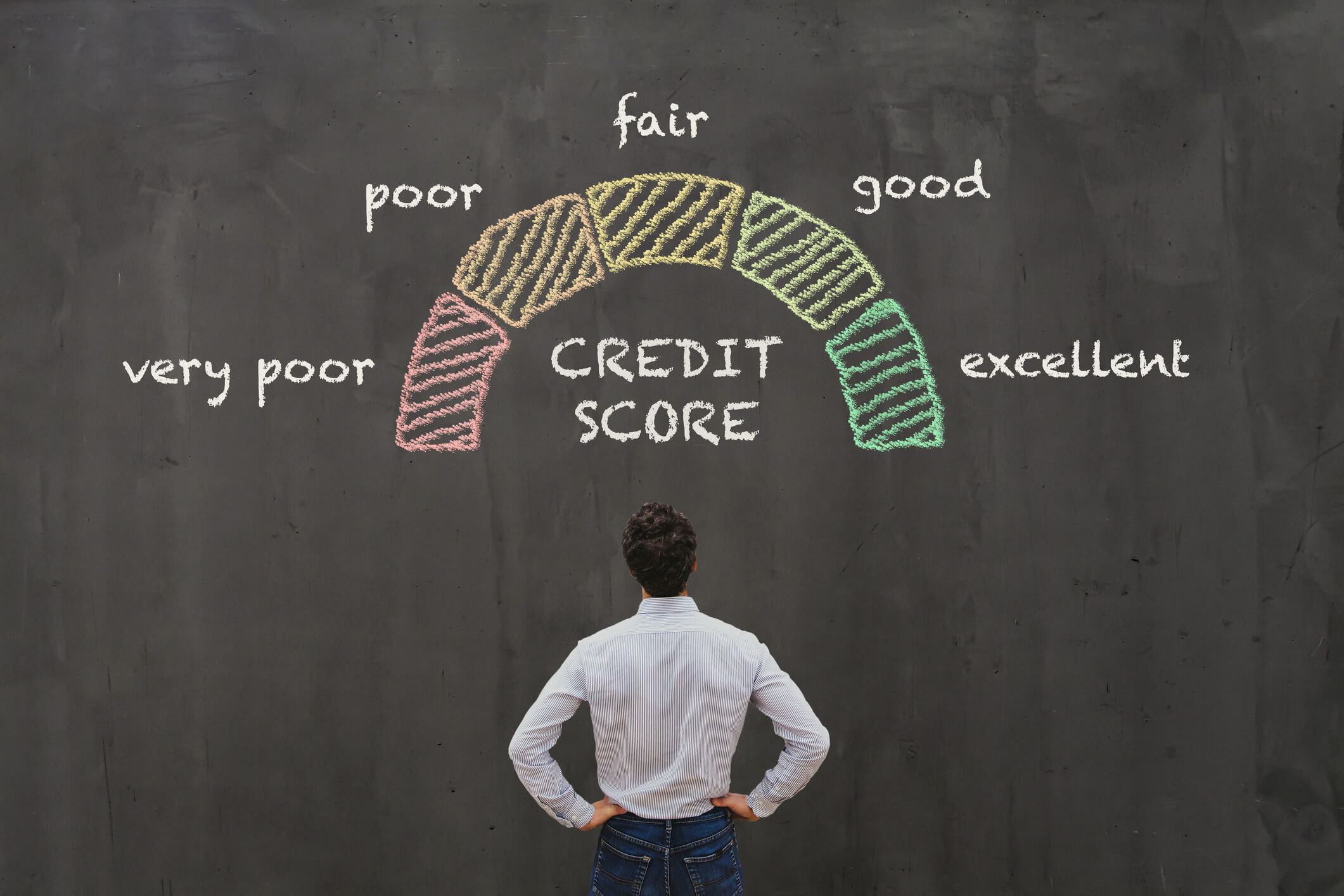
The three main things that hurt your credit score are late or missed payments, high credit utilization or maxed-out cards, and negative credit events like collections, charge-offs, and bankruptcy—each can significantly drop your score and make borrowing more expensive. Below, you’ll learn exactly how these factors damage your credit, how quickly they can do it, and the step-by-step actions you can take to protect and rebuild your rating.

Here’s a stat that stops most people in their tracks: payment history alone accounts for 35% of your FICO Score, and amounts owed (which includes credit utilization) adds another 30%—meaning two categories drive 65% of your score. In my 20+ years as CEO of Complete Controller, I’ve helped thousands of individuals and small business owners across nearly every industry untangle credit issues that felt impossible—from single late payments that tanked a mortgage approval to charge-offs that blocked business financing. In this guide, I’ll walk you through what actually causes score damage, share a founder’s playbook for recovery, and give you practical strategies you can apply this month to build a credit profile lenders trust.

What are the things that hurt your credit score and how do you fix them?

  • The biggest things that hurt your credit score are late payments, high credit utilization, and negative credit events like collections, charge-offs, and bankruptcy—fixed by paying on time, lowering balances, disputing errors, and rebuilding positive history.
  • Late payments damage your payment history, the single most important scoring factor, and even one 30-day late can cause a big drop.
  • High credit utilization and maxed-out cards signal overextension; keeping usage below 30% per card protects your score.
  • Negative credit events like collections and bankruptcy can drop scores 100+ points and stay on reports for years.
  • Credit report errors and unnecessary hard inquiries quietly hurt scores—regular credit monitoring catches problems early. Complete Controller. America’s Bookkeeping Experts

Late Payments: Why Payment History Hurts Your Credit Score First

Late payments are the single most damaging everyday behavior among the things that hurt your credit score, and they leave the longest-lasting fingerprint on your report.

How payment history drives your score

Payment history is roughly 35% of your FICO Score, making it the biggest of all credit score factors (FICO). Even one payment reported 30 days late can drop a strong score by dozens of points—and for high scores above 780, a single late has been reported to cause 90–110 point declines. Longer delinquencies (60, 90, or 120 days) compound the damage and can eventually be reported as defaults.

What lowers your credit score fast?

  • Missing a payment entirely or paying 30+ days late
  • Letting accounts slide to 60–90 days past due
  • Ignoring creditor notices until the debt moves to collections

How to improve your credit score after late payments

  1. Bring accounts current immediately—lenders typically don’t report until you’re 30 days late, so acting fast can prevent reporting.
  2. Set up autopay for at least the minimum on every account to eliminate accidental slips.
  3. Ask for a goodwill adjustment if you have a strong history and one isolated miss.
  4. Stabilize for 12 months—recent history weighs more heavily, so a year of perfect payments accelerates recovery. For a deeper framework, see our guide on how to manage your credit responsibly.

High Credit Utilization and Maxed-Out Cards: The Silent Score Killer

Even if you never pay late, high credit utilization can quietly pull your score down. This is one of the most misunderstood things that hurt your credit score because people assume paying on time is enough.

How Credit Utilization Works

Credit utilization accounts for roughly 30% of most scoring models and measures how much of your revolving credit you’re using relative to your limits (CFPB). Lenders see high usage as a sign of overdependence and elevated risk—regardless of whether you’re paying on time.

Maxed Out Credit Cards Impact

Cards near or at their limits are a strong negative signal. Guidance generally suggests keeping utilization below 30% overall and under 10% for optimal scores. Utilization is calculated both per card and across all accounts, so one maxed card can hurt you even when your total looks healthy.

Credit Utilization Tips to Raise Your Score

  • Pay down high-utilization cards first—target the ones above 80% before moving to lower-balance accounts.
  • Request limit increases without adding new charges to instantly lower your ratio.
  • Time payments before statement dates, since issuers typically report the statement balance to bureaus.
  • Spread balances strategically so no single card exceeds 30%. Explore how strategic borrowing works in our overview of personal lines of credit.

Collections, Charge-Offs, and Bankruptcy: Negative Credit Events That Linger

Some negative credit events don’t just dent your score—they reshape your credit profile for years. According to the Consumer Financial Protection Bureau, a card issuer generally charges off credit card debt after 180 days of non-payment, meaning late payments can quietly escalate into a charge-off even while the lender is still calling (CFPB).

What Counts as Major Negative Credit Events

  • Collection accounts: Debts sold to third-party collectors after significant non-payment.
  • Charge-offs: Creditors write off the account as a loss, typically around 180 days past due.
  • Bankruptcy: Chapter 7 can remain on your report for up to 10 years; Chapter 13 for up to 7 years (FTC).
  • Foreclosures and repossessions also register as severe derogatory items.

Case Study: Late Payments Escalating into Collections

A consumer with a strong 780+ credit score missed payments on a revolving account, letting delinquency reach 90+ days before it moved to collections. The score dropped over 100 points, and even after paying the collection, the consumer struggled to qualify for new credit for two years. The lesson: acting before day 90 could have prevented nearly all the damage.

How to Rebuild After Negative Credit Events

  • Resolve or settle the debt—paid collections are treated more favorably in newer scoring models.
  • Negotiate reporting terms before you pay; some collectors will agree to update reporting status.
  • Use a secured credit card wisely to rebuild positive payment history with a low-risk account.
  • Add positive tradelines gradually so on-time payments dilute the impact of old negatives.
Want stronger finances behind a stronger credit profile? Complete Controller provides expert bookkeeping and financial clarity to help you make smarter money decisions.

The Hidden Threat: Credit Report Errors and Hard Inquiries

Most guides skip past two quiet score killers: credit report errors and unnecessary hard inquiries. Both are fixable once you know what to look for.

Credit Report Errors: Credit Score Impact

Incorrect late payments, wrong balances, duplicate accounts, and debts that aren’t yours can all lower your score. Reviewing all three bureau reports annually and disputing inaccuracies promptly protects your rating from damage you didn’t cause.

Does Checking Your Credit Score Hurt Your Credit?

No. Checking your own score is a soft inquiry and does not affect your credit. Only hard inquiries—triggered when you actively apply for new credit—can lower your score, usually by a few points each. Multiple hard inquiries in a short window compound the impact and make you look like you’re chasing credit.

Practical Credit Monitoring Strategies

  • Pull reports from all three major bureaus at least once a year.
  • Use credit monitoring tools that alert you to new accounts and inquiries.
  • Dispute inaccuracies with documentation—corrected errors can restore lost points.

A Founder’s Playbook: Turning Credit Mistakes into a Stronger Profile

Most articles stop at listing the things that hurt your credit score. Here’s the structured recovery path I use with clients:

  1. Stabilize payment history—bring all accounts current, set up autopay, calendar every due date.
  2. Lower utilization strategically—target the highest-usage cards first and pause new discretionary charges.
  3. Clean up your reports—pull all three bureaus, flag errors and outdated negatives, file disputes.
  4. Rebuild with intentional accounts—a secured card used at under 10% utilization builds history fast.
  5. Protect your progress—monitor monthly, reassess debt-to-income annually, and align credit behavior with upcoming goals.

Over the years, I’ve watched clients move from credit crisis to qualifying for home purchases and business financing in as little as 18–24 months by following this exact sequence. For business owners, credit health and cash flow are deeply connected—see how we approach that link in our guide on efficient business finance management.

Conclusion: You Can Recover—and Build a Credit Score That Works for You

Credit can feel unforgiving—late payments, high utilization, and negative credit events can knock your score down fast—but with the right information and consistent action, you can repair the damage and build a stronger profile than you had before. The people who win with credit aren’t perfect; they’re intentional, informed, and proactive about fixing mistakes early.

If you’re ready to take control of your credit and the financial systems behind it, visit Complete Controller to learn how our team can support you with clear bookkeeping, better cash flow visibility, and practical guidance that keeps your credit and finances working in sync. Download A Free Financial Toolkit

Frequently Asked Questions About Things That Hurt Your Credit Score

What are the most common things that hurt your credit score?

The most common culprits are late or missed payments, high credit utilization or maxed-out cards, and major negative credit events like collections, charge-offs, and bankruptcy.

How quickly can late payments lower my credit score?

A payment reported 30 days late can drop a strong score by dozens of points, and scores above 780 have been reported to fall 90–110 points from a single late payment.

Does checking my credit score hurt my credit?

No. Checking your own report is a soft inquiry and does not affect your score. Only hard inquiries from new credit applications cause small declines.

What lowers your credit score fast besides late payments?

Maxed-out cards, sudden utilization spikes, new collections, charge-offs, and bankruptcy filings can all trigger fast, significant score drops.

How can I improve my credit score after late payments or collections?

Bring all accounts current, automate payments, lower utilization, resolve or settle collections, dispute report errors, and rebuild with a secured card and 12–24 months of on-time payments.

Sources

Cubicle to Cloud virtual business About Complete Controller® – America’s Bookkeeping Experts Complete Controller is the Nation’s Leader in virtual bookkeeping, providing service to businesses and households alike. Utilizing Complete Controller’s technology, clients gain access to a cloud platform where their QuickBooks™️ file, critical financial documents, and back-office tools are hosted in an efficient SSO environment. Complete Controller’s team of certified US-based accounting professionals provide bookkeeping, record storage, performance reporting, and controller services including training, cash-flow management, budgeting and forecasting, process and controls advisement, and bill-pay. With flat-rate service plans, Complete Controller is the most cost-effective expert accounting solution for business, family-office, trusts, and households of any size or complexity.
author avatar
Jennifer Brazer Founder/CEO
Jennifer is the author of From Cubicle to Cloud and Founder/CEO of Complete Controller, a pioneering financial services firm that helps entrepreneurs break free of traditional constraints and scale their businesses to new heights.
Reviewed By: reviewer avatar Brittany McMillen
reviewer avatar Brittany McMillen
Brittany McMillen is a seasoned Marketing Manager with a sharp eye for strategy and storytelling. With a background in digital marketing, brand development, and customer engagement, she brings a results-driven mindset to every project. Brittany specializes in crafting compelling content and optimizing user experiences that convert. When she’s not reviewing content, she’s exploring the latest marketing trends or championing small business success.

How to Talk to Kids About Money

How to Talk to Kids About Money:
Start the Conversation

How to talk to kids about money starts with simple, honest, age-appropriate conversations about where money comes from, what it does, and how your family decides to spend, save, and share it. The best way in is to make money a normal part of everyday life—through grocery runs, allowance chats, goal setting, and family budgeting—rather than saving it all up for one big, awkward talk.

Here’s something I’ve learned in my 20+ years running Complete Controller and working alongside business owners in nearly every industry you can imagine: the adults who handle money with the most confidence almost always had someone in their life who talked about it openly when they were young. That single childhood habit compounds like interest. In this article, I’ll walk you through when to start, how to keep money talks natural, how to handle allowance and chores, and how to teach real budgeting skills that stick into the teen years. My goal is to give you a practical playbook you can actually use at the dinner table tonight—so your kids grow up financially confident, calm, and curious about money instead of anxious about it.

What is the best way to talk to kids about money?

  • Start early with short, honest conversations about needs, wants, saving, spending, and giving.
  • Use everyday moments—shopping, bills, allowance, and family planning—to teach money naturally.
  • Keep the tone calm, practical, and age-appropriate so money feels normal, not scary.
  • Tie money lessons to values like responsibility, patience, generosity, and goal-setting.
  • Repeat the conversation often, because money learning works best as an ongoing habit, not a single event. CorpNet. Start A New Business Now

When Should You Start Teaching Kids About Money?

Start as soon as children can count coins, compare prices, and ask questions about buying things. Money education can begin in preschool with simple choices and pretend store play, then grow into budgeting, saving, and earning as they mature.

A long-term study out of the University of Cambridge found that children’s core money habits are largely set by age seven. That’s a powerful reason to start with tiny, low-pressure lessons early—even something as simple as “Do we need this, or do we want it?”

Age-appropriate money talk

Young children need concrete language and short lessons. Older kids can handle deeper topics like budgets, work, taxes, and financial tradeoffs. Match the depth of the conversation to what they can already grasp in their day-to-day life.

Financial literacy for kids

The goal is not perfection. It’s building comfort with money concepts early so children can make smarter decisions later. Great free resources from the Consumer Financial Protection Bureau can help parents structure this at home.

How to Talk to Kids About Money Without Making it Awkward

Money becomes less awkward when you talk about it often and casually—not only when there’s a problem. Use the same matter-of-fact tone you’d use for cooking, chores, or homework. Money is a tool, not a taboo.

Money mindset

Children absorb the money mindset they see at home. If money looks stressful or secretive, kids pick that up. If it looks planned and thoughtful, they pick that up too. According to a Pew Research Center survey, 1 in 3 U.S. teens have felt stressed about their family’s finances in the past year. That’s a strong case for keeping money talks calm and ongoing, so kids feel safe asking questions.

How to explain money to children

Explain that money is earned, used for needs and wants, and managed through choices. Keep it concrete: “We’re picking this brand because it costs less,” or “We’re saving for that trip in June.” Kids don’t need the whole spreadsheet—they need the why behind small decisions. For more grounded tips, our team also shares practical guidance through Complete Controller’s business resources.

How to Talk to Kids About Saving and Spending

Teach your children that every money decision has a tradeoff. Spend now, and the bigger goal waits. Save now, and you build patience, planning, and pride.

Teaching savings habits

Use a clear savings goal—a toy, game, bike, or family outing—so kids can see progress. The famous Marshmallow Test by Walter Mischel showed that children who could wait for a bigger reward later tended to have stronger self-control and better outcomes as adults. Practicing patience with a savings jar is real training for that skill.

Bank or piggy bank

Younger children do great with a piggy bank they can see and shake. Older kids are usually ready for a child savings account so they can track deposits, balances, and interest.

Child savings account

A savings account makes money feel real in a grown-up way. It also introduces the powerful idea that money can grow through consistent deposits over time.

Want to make financial clarity a family habit? Complete Controller helps families and business owners build smarter financial systems with expert bookkeeping support.

Should You Give Allowance, and How Should Chores Fit In?

Allowance can be a powerful teaching tool when it has a clear purpose and a consistent routine. Decide whether allowance is tied to chores, to basic responsibility, or to both—then explain the rule so kids know what to expect.

Allowance conversation

The most important part of the allowance conversation is consistency. Kids need to know what they’re getting, when they’re getting it, and what it’s meant to teach.

Chores for allowance

If you tie chores for allowance, separate routine family responsibilities from extra paid work. That way children understand that pitching in at home is expected, but bigger jobs can be earned opportunities.

How to handle allowance and chores with kids

A simple system works best:

  1. Routine chores are expected and unpaid.
  2. Special chores can earn extra money.
  3. Allowance gets divided into spend, save, and give.

How to Teach Budgeting Basics for Children With Real Life Examples

Budgeting clicks for kids when it’s visible and practical. Show them how money gets divided among categories, and how choices today shape what’s possible tomorrow.

Budgeting basics for children

Use jars, envelopes, or three simple categories: spend, save, give. Concrete beats abstract every time. Our bookkeeping and accounting team at Complete Controller uses that same principle with clients—clarity is everything.

Family budgeting routine

A weekly or monthly family money talk normalizes tradeoffs. UBS recommends a simple ritual—like “Money Monday” dinners—where the family discusses one financial topic together.

Teaching kids budgeting with real life examples

Use grocery shopping, vacations, birthdays, and holidays to demonstrate comparing prices, prioritizing needs, and planning ahead. Free tools from Khan Academy’s Personal Finance course can supplement this beautifully for older kids.

How to Build Strong Money Habits that Last into the Teen Years

As children get older, shift from simple choices to bigger responsibilities: managing a monthly budget, saving for larger purchases, and understanding paychecks, taxes, and bills.

How to talk to kids about saving and spending as teens

Let teens help decide how to split their money among spending, saving, and giving. Ownership beats obedience every time.

Family budgeting routine with teens

Include teens in age-appropriate family budget discussions so they see how money supports housing, food, transportation, and future goals.

Final Thoughts

If you want to know how to talk to kids about money, start small, stay consistent, and let real life do the teaching. Talk openly about spending, saving, chores, allowance, and family tradeoffs—then repeat those lessons often until they feel normal.

In my two decades leading Complete Controller, I’ve noticed that the families who raise money-confident kids aren’t the wealthiest ones. They’re the ones willing to have honest, ongoing conversations. If you’d like more expert guidance from me and my team on financial clarity for your family or your business, visit Complete Controller and let’s keep the conversation going. ADP. Payroll – HR – Benefits

Frequently Asked Questions About How to Talk to Kids About Money

What age should kids learn about money?

Children can start learning basic money concepts as early as preschool—counting coins, comparing needs vs. wants—with more formal lessons like budgeting and saving added as they grow.

Should allowance be tied to chores?

It can be, but many experts recommend separating routine family responsibilities from extra paid chores so kids learn the difference between helping out and earning money.

Is a piggy bank better than a savings account?

A piggy bank is perfect for young children who need to see and touch their money, while a child savings account helps older kids learn banking basics, deposits, and tracking balances.

How often should families talk about money?

Regularly. Most experts recommend making it part of everyday conversation and holding a recurring family money talk—weekly or monthly—so it becomes a normal habit.

What should I say if my child wants something we can’t afford?

Explain calmly that money is limited, connect the request to your family budget, and show how saving up or waiting is part of making smart choices—not a punishment.

Sources

Complete Controller. America’s Bookkeeping Experts About Complete Controller® – America’s Bookkeeping Experts Complete Controller is the Nation’s Leader in virtual bookkeeping, providing service to businesses and households alike. Utilizing Complete Controller’s technology, clients gain access to a cloud platform where their QuickBooks™️ file, critical financial documents, and back-office tools are hosted in an efficient SSO environment. Complete Controller’s team of certified US-based accounting professionals provide bookkeeping, record storage, performance reporting, and controller services including training, cash-flow management, budgeting and forecasting, process and controls advisement, and bill-pay. With flat-rate service plans, Complete Controller is the most cost-effective expert accounting solution for business, family-office, trusts, and households of any size or complexity.
author avatar
Jennifer Brazer Founder/CEO
Jennifer is the author of From Cubicle to Cloud and Founder/CEO of Complete Controller, a pioneering financial services firm that helps entrepreneurs break free of traditional constraints and scale their businesses to new heights.
Reviewed By: reviewer avatar Brittany McMillen
reviewer avatar Brittany McMillen
Brittany McMillen is a seasoned Marketing Manager with a sharp eye for strategy and storytelling. With a background in digital marketing, brand development, and customer engagement, she brings a results-driven mindset to every project. Brittany specializes in crafting compelling content and optimizing user experiences that convert. When she’s not reviewing content, she’s exploring the latest marketing trends or championing small business success.

Millennial Budgeting Steps 101

Millennial Budgeting Steps:
8 Easy Budget-Making Tips

Millennial budgeting steps start with knowing your take-home pay, tracking where every dollar goes, and giving each dollar a specific job using a simple framework like the 50/30/20 rule. The fastest path to a working budget is this: calculate your net income, list fixed and variable expenses, cut waste from recurring bills, automate savings, and review your plan monthly so it flexes as life changes.

I’m Jennifer Brazer, and over the last 20+ years leading Complete Controller, I’ve had the privilege of guiding thousands of business owners and professionals through the exact same money mindset shift I’m about to share with you. I’ve seen every version of “I’m behind” and every version of “I finally get it”—and here’s the truth: budgeting isn’t about restriction, it’s about clarity. In this article, you’ll walk away with a repeatable monthly system, smarter category caps, an automation strategy that removes willpower from the equation, and real-world data that shows why small leaks—not big splurges—usually blow up a budget. If you’ve been winging it for years, this is your reset.

What are millennial budgeting steps, and how do you get started?

  • Millennial budgeting steps are a simple, repeatable process for managing take-home pay, essential bills, savings, and discretionary spending in a way that supports specific financial goals.
  • Start with your net income—not gross—so your plan reflects money you can actually spend.
  • Use a beginner-friendly structure like the 50/30/20 rule because it’s easy to follow week after week.
  • Automate savings and bill payments so consistency doesn’t depend on willpower.
  • Review the budget monthly—progress beats perfection every single time. Complete Controller. America’s Bookkeeping Experts

Why a Simple Budget Beats a Complicated One

The biggest mistake I see with new budgeters is over-engineering. A budget with 47 categories and color-coded spreadsheets looks impressive on day one and gets abandoned by week three. The goal is a system you can actually run on a chaotic Monday morning.

Personal finance basics: start with the money you actually keep

Budget from your net income, because that’s what hits your account. Then separate spending into three clean buckets: needs, wants, and savings/debt payoff. That’s the whole foundation. For a broader overview of getting your financial house in order, the SEC’s Taking Control of Your Finances guide is a solid starting reference.

Financial planning that connects to real goals

Your budget should point somewhere—paying off a credit card, saving a down payment, or building three months of expenses in reserve. Vague goals produce vague results.

Step 1: Know Your Monthly Income and Expense Baseline

Before you build anything, you need a clear picture of what’s actually flowing in and out. Most people underestimate their spending by 20–30% because they’re guessing, not tracking.

Expense tracking: find out where your money is going

Track every expense for at least 30 days. Pull your bank and credit card statements and categorize each transaction into fixed, variable, and discretionary items. Housing pressure alone can throw off the whole plan—the Federal Reserve found that adults ages 30–44 spent a median of 31% of their income on housing in 2022, well above the 25% median for ages 45–59. That’s why capping “needs” starts here.

How to budget for beginners without overwhelm

Keep it to three buckets at first:

  • Needs (rent, utilities, groceries, transportation, minimum debt payments)
  • Wants (dining out, streaming, hobbies, travel)
  • Savings and debt payoff (emergency fund, retirement, extra debt payments)

Step 2: Use the 50/30/20 Rule as Your Starting Framework

The 50/30/20 rule—popularized by the Consumer Financial Protection Bureau—allocates 50% of take-home pay to needs, 30% to wants, and 20% to savings and debt reduction. It’s not magic, but it’s simple enough to stick with.

Budgeting tips for uneven incomes

Freelancers and commission earners should build their budget around their lowest predictable month. Anything above that baseline becomes bonus fuel for savings, debt payoff, or the next month’s bills. This is one of the fastest ways to stop the feast-or-famine cycle.

Need more clarity beyond your personal budget? Complete Controller helps you simplify your finances with expert bookkeeping and financial insight built for real life.

Step 3: Cut Costs Without Cutting Quality of Life

Cutting fun money is where budgets go to die. Instead, attack the recurring bills quietly draining your account every month.

Budgeting tips for lowering fixed expenses

Review these first:

  • Phone plans
  • Streaming subscriptions
  • Insurance premiums
  • Gym and app memberships
  • Delivery services

Reduce “silent spending”

Small charges add up faster than people realize. A Deloitte survey found U.S. consumers estimated they paid about $61 per month for streaming, but when they added up their actual services, the real number was closer to $73 per month. A 30-day expense audit finds this stuff fast—and cutting even $30/month is $360 a year back in your pocket.

Step 4: Build an Emergency Fund Before Chasing Bigger Goals

An emergency fund is the difference between a flat tire being annoying and a flat tire becoming credit card debt. Build it in stages so it doesn’t feel impossible.

Building an emergency fund in phases

  1. First goal: $500–$1,000 starter buffer
  2. Second goal: one month of essential expenses
  3. Third goal: three to six months of essentials

Budgeting apps for millennials can automate the whole thing

Automation works because it removes willpower entirely. Researchers behind the famous “Save More Tomorrow” program found employees who enrolled raised their savings rate from 3.5% to 13.6% over about 40 months—simply by making saving automatic. Set the transfer, forget the transfer, and let compound behavior do the work. If you need help setting up automated systems that connect to your broader financial picture, our team at Complete Controller’s bookkeeping services can help you build that infrastructure.

Step 5: Match Your Budget to Goals and Timeline

A budget without a goal is just math. Assign your savings dollars to one specific target at a time when possible.

Millennial budgeting steps work best when goals are specific

“Save more” is a wish. “Save $3,000 in 10 months for a Europe trip” is a plan. Specific goals produce specific behaviors—and specific behaviors produce results. Plan now for birthdays, holidays, annual renewals, and taxes so they stop derailing your monthly plan.

Step 6: Use Tools That Make the Budget Easier to Maintain

The best budgeting tool is the one you’ll actually open. That might be an app, a spreadsheet, or a notebook—consistency beats sophistication.

Expense tracking with low friction

Pick one system and commit to it for 90 days before switching. App-hopping is a form of procrastination dressed up as productivity. For business owners juggling personal and business finances, our guide on small business accounting best practices shows how to keep the two cleanly separated.

Step 7: Review and Adjust Every Single Month

A budget is a living document. Rent goes up, income shifts, debt gets paid down, priorities evolve. A short monthly review keeps you honest.

Budgeting tips for staying consistent

At month’s end, ask yourself four questions:

  • What surprised me?
  • Which category was too high?
  • What worked well?
  • What should I change next month?

NerdWallet’s 2026 spending survey found 89% of millennials are tracking spending more closely due to rising prices, and 66% flagged groceries as a surprise category. Most budget problems aren’t one big mistake—they’re several small categories quietly rising at once. For additional government-backed budgeting resources, USA.gov’s budget planning tools are worth bookmarking.

Step 8: Learn From Real Behavior, Not Just Theory

Theory says “spend less than you earn.” Reality says grocery inflation, surprise vet bills, and a friend’s destination wedding all showed up in the same month.

Founder insight from Complete Controller

In my experience across two decades of guiding clients through personal and business finance, the fastest wins come from identifying one or two “leak” categories and automating savings before the extra cash gets reabsorbed into daily spending. If you want expert support building financial systems that work in real life—not just on paper—visit our team at Complete Controller.

Final Thoughts

The best millennial budgeting steps are the simple ones: know your net income, track spending honestly, pick a framework like the 50/30/20 rule, cut silent recurring waste, automate your savings, and review monthly. Confidence with money doesn’t come from a perfect spreadsheet—it comes from a system that fits your actual life.

Start with one step this week. Track your spending for the next 30 days, or automate a $50 weekly transfer to savings. Small moves compound fast. And when you’re ready for founder-led financial guidance and bookkeeping support that keeps you in control, visit Complete Controller to connect with our team. Download A Free Financial Toolkit

Frequently Asked Questions About Millennial Budgeting Steps

What is the best budgeting method for millennials?

The best method is the one you’ll actually stick with, but most beginners do well starting with the 50/30/20 rule because it’s simple, flexible, and easy to maintain month after month.

How do I budget if I live paycheck to paycheck?

Start by tracking every expense for 30 days, cutting nonessential subscriptions, and setting up automatic savings—even $10 per week builds momentum and creates breathing room over time.

How much should millennials save each month?

A common target is 20% of take-home pay for combined savings and debt payoff, but starting smaller is completely fine if you’re rebuilding. Consistency matters more than the percentage.

What are the most common budget mistakes millennials make?

The biggest ones are budgeting from gross income instead of net, ignoring small subscription creep, underestimating grocery and gas costs, and skipping the monthly review that keeps the plan realistic.

Which budgeting apps for millennials are worth using?

The best app is the one that gives you clear spending visibility, automated tracking, and useful alerts. Choose based on ease of use—not feature overload—because the app you actually open beats the fanciest one you don’t.

Sources

CorpNet. Start A New Business Now About Complete Controller® – America’s Bookkeeping Experts Complete Controller is the Nation’s Leader in virtual bookkeeping, providing service to businesses and households alike. Utilizing Complete Controller’s technology, clients gain access to a cloud platform where their QuickBooks™️ file, critical financial documents, and back-office tools are hosted in an efficient SSO environment. Complete Controller’s team of certified US-based accounting professionals provide bookkeeping, record storage, performance reporting, and controller services including training, cash-flow management, budgeting and forecasting, process and controls advisement, and bill-pay. With flat-rate service plans, Complete Controller is the most cost-effective expert accounting solution for business, family-office, trusts, and households of any size or complexity.
author avatar
Jennifer Brazer Founder/CEO
Jennifer is the author of From Cubicle to Cloud and Founder/CEO of Complete Controller, a pioneering financial services firm that helps entrepreneurs break free of traditional constraints and scale their businesses to new heights.
Reviewed By: reviewer avatar Brittany McMillen
reviewer avatar Brittany McMillen
Brittany McMillen is a seasoned Marketing Manager with a sharp eye for strategy and storytelling. With a background in digital marketing, brand development, and customer engagement, she brings a results-driven mindset to every project. Brittany specializes in crafting compelling content and optimizing user experiences that convert. When she’s not reviewing content, she’s exploring the latest marketing trends or championing small business success.

Successful Marriage Budgeting Tips

Budgeting for a Successful Marriage:
Simple Plan & Tips

Budgeting for a successful marriage means creating a shared spending plan that aligns your incomes, expenses, and financial goals so you can reduce money stress and make decisions as a team. It starts with an honest money conversation, listing your combined income and expenses, choosing a budgeting method that fits your life, and scheduling regular check-ins to review progress together.

Here’s a stat that stopped me in my tracks: 34% of married or partnered adults say money is a source of conflict in their relationship, and 23% say it’s their biggest relationship challenge (Pew Research Center, 2025). After more than 20 years building Complete Controller and helping thousands of business owners—many of them spouses running companies together—I’ve watched joint budgets transform not just balance sheets, but marriages. In this article, I’ll walk you through the exact framework I use with clients and in my own home: how to align on values, structure shared expenses fairly, choose the right budgeting method, adapt through life changes, and turn today’s budget into tomorrow’s dreams.

What is budgeting for a successful marriage and how do you get it right?

  • Budgeting for a successful marriage is building a shared financial plan covering joint expenses, individual spending, savings, and long-term goals, backed by regular communication.
  • Start by aligning on money values and what “financial success” looks like for both of you.
  • Calculate combined after-tax income, list fixed and variable expenses, and choose a method like 50/30/20 or zero-based budgeting.
  • Decide how you’ll handle shared versus personal money—joint, separate, or hybrid accounts all work if the rules are clear.
  • Long-term success comes from scheduled “money dates,” automation, and adjusting the plan as life evolves. LastPass – Family or Org Password Vault

Why Budgeting for a Successful Marriage Matters More Than You Think

Marriage budgeting isn’t a boring spreadsheet exercise—it’s the foundation of trust, teamwork, and fewer late-night arguments about credit card statements. When couples don’t align on money, small differences quietly grow into big resentments.

How marriage budgeting protects your relationship

A shared budget gives you a single, honest view of your relationship finances—what’s coming in, what’s going out, and what you’re building toward.

  • Money is a top source of conflict. According to Pew Research Center, 34% of partnered adults cite money as a source of relationship conflict, and nearly a quarter call it their biggest challenge.
  • A budget is a shared roadmap. It replaces guessing and assumptions with clear numbers both partners can see.
  • Transparency builds trust. Reviewing income, debts, and credit scores openly makes both partners feel like equal stakeholders.

The emotional side of joint financial planning

Every partner brings a money story—shaped by childhood, past relationships, and personal fears. Naming those stories out loud reduces judgment and creates real empathy. A good budget doesn’t limit you; it funds the life you actually want.

Step-by-Step Simple Plan for Budgeting for a Successful Marriage

A successful marriage budget follows a repeatable process: align on values, map your numbers, pick a structure, and review regularly. Here’s the four-step process I recommend to every couple I coach.

Step 1 – Talk before you type

Before you open a single spreadsheet, have the conversation. Schedule an uninterrupted hour to discuss values, fears, and what you each want your money to do.

  1. Define what “success” looks like—debt freedom, travel, early retirement, or something else.
  2. Agree on ground rules: no secret debts, monthly check-ins, and a spending threshold that requires joint approval.
  3. Name your top two financial priorities each, so the budget honors both partners.

Step 2 – List all income and expenses

Add every source of after-tax income, then map your outflows. According to the U.S. Bureau of Labor Statistics, the average U.S. household spent $77,280 in 2024—including $14,570 on food ($8,363 at home, $6,207 dining out). Those are natural categories for any couple’s budget.

  • Fixed expenses: housing, utilities, insurance, minimum debt payments, subscriptions.
  • Variable expenses: groceries, gas, childcare, dining out.
  • Occasional expenses: annual fees, gifts, car repairs—average these into monthly amounts.

Step 3 – Choose a budget method that fits your marriage

The best method is the one you’ll actually stick with together.

  1. 50/30/20 rule – 50% essentials, 30% wants, 20% savings and debt.
  2. Zero-based budgeting – Every dollar gets a job before the month begins.
  3. Envelope or category method – Cash or digital envelopes cap spending in categories like groceries and dining out.

For deeper guidance, the Consumer Financial Protection Bureau offers free budgeting worksheets and tools to help couples get started.

Step 4 – Decide how to handle shared and individual money

Couples can fully merge finances, keep them separate, or use a hybrid model (joint account for shared bills plus personal accounts for individual spending). Whatever you choose, define shared expenses clearly and protect each partner’s autonomy with personal “fun money.”

Turning Your Marriage Budget Into Everyday Habits

A brilliant budget on paper means nothing without systems that make it stick. Habits are what turn intention into results, and small routines protect your plan when life gets loud.

Tools and routines that support relationship finances

  • Use a shared tool. Apps, online banking dashboards, or a simple Google Sheet give both partners real-time visibility.
  • Schedule money dates. Monthly or biweekly check-ins keep the plan alive and prevent surprises.
  • Automate savings and bill payments. Auto-transfers to emergency funds and retirement accounts remove willpower from the equation.

If bookkeeping feels overwhelming, our team at Complete Controller specializes in cloud-based bookkeeping services that give couples and business owners the same clarity we bring to enterprise clients.

Rules for spending, saving, and debt

Clear rules stop small purchases from becoming big fights.

  1. Set a joint-approval threshold (many couples pick $100–$300).
  2. Build a starter emergency fund of $1,000, then work toward 3–6 months of expenses.
  3. Attack high-interest debt aggressively using the snowball or avalanche method.
Building a strong financial future is easier with the right support. See how Complete Controller can bring clarity and confidence to your finances.

From Monthly Bills to Long-Term Dreams: Planning Your Future Together

A great budget connects today’s coffee run with tomorrow’s retirement. When couples see how monthly choices fund lifelong dreams, budgeting stops feeling like restriction and starts feeling like freedom.

Setting short- and long-term financial goals

  • Short-term (0–2 years): emergency fund, vacation savings, wedding costs, credit card payoff.
  • Mid-term (2–7 years): home down payment, vehicle replacement, starting a family or business.
  • Long-term (7+ years): retirement, college funding, generational wealth.

Assign each goal a dedicated line in your budget so progress is visible and motivating. For additional planning frameworks, check out our guide on financial planning fundamentals.

Case study – A couple who turned money stress into stability

A mid-income California couple featured in a Department of Financial Protection and Innovation education piece went from ad-hoc spending to a structured joint budget. They reviewed incomes, debts, and credit scores, chose a hybrid account model, and used envelope categories for discretionary spending. Within one year, they built a full emergency fund, reduced credit card balances, and reported dramatically fewer money arguments.

When One Partner Earns More or Spends Differently: Making Your Budget Feel Fair

Unequal incomes and different spending styles derail more marriages than actual debt does. Fairness—not sameness—is the goal.

Fair ways to split shared expenses

  • Proportional splitting based on income often feels more equitable than 50/50.
  • Factor in non-financial contributions like childcare and household management.
  • Document the formula so both partners understand the plan.

Bridging different money personalities

Financial coach Ramit Sethi’s “Conscious Spending Plan” uses a “yours, mine, and ours” model—automating fixed costs and savings, then giving each partner guilt-free personal spending money. This structure eliminates the daily micromanaging that quietly poisons relationships. For more on merging different money styles, our team shares practical resources at Complete Controller.

When Life Changes: Updating Your Marriage Budget Through Every Season

Your budget should breathe with your life. Weddings, babies, job changes, and health events all reshape the numbers—and pretending otherwise creates stress.

A simple 90-day reset plan

  1. Days 1–30 – Assess: Re-list incomes, debts, and subscriptions; audit last month’s actual spending.
  2. Days 31–60 – Redesign: Update goals, reassign categories, negotiate trade-offs.
  3. Days 61–90 – Implement: Automate transfers, schedule money dates, and refine based on results.

Final Thoughts: My Personal Take

As a founder and a spouse, I’ve learned the real power of budgeting for a successful marriage isn’t perfection—it’s conversation, clarity, and consistency. When my husband and I committed to a shared budget with monthly check-ins, we argued less, made faster decisions, and felt more confident about both our home and our business.

Build a budget that reflects your shared values, create routines that keep you aligned, and give yourselves permission to adjust as life evolves. If you want expert support bringing this level of clarity to your household and business finances, visit Complete Controller to see how our team can help you build systems that support both your marriage and your money. Complete Controller. America’s Bookkeeping Experts

Frequently Asked Questions About Budgeting for a Successful Marriage

How should married couples start budgeting together?

Start with an honest conversation about money values and goals, then calculate combined after-tax income and list all shared and individual expenses. Choose a method (50/30/20, zero-based, or envelope), decide how you’ll handle shared versus personal money, and schedule monthly check-ins to review and adjust.

Should married couples have joint bank accounts or keep finances separate?

There’s no single right answer. Joint, separate, and hybrid models all work when both partners agree on the structure, clearly define shared expenses, and maintain full transparency. Choose the setup that supports trust and respects each partner’s autonomy.

How can we stop fighting about money in our marriage?

Most money fights come from misaligned expectations. Reduce conflict by holding regular money dates, creating a shared plan, setting a joint-approval spending threshold, and giving each partner personal “fun money” so nobody feels micromanaged.

How much should married couples save each month?

A common target is 20% of after-tax income toward savings and debt repayment. Prioritize building an emergency fund first, then contribute consistently to retirement and long-term goals. Adjust based on your debt load, cost of living, and timeline.

What is the best budgeting method for couples?

The best method is the one both partners understand and will actually use. Popular options include the 50/30/20 rule, zero-based budgeting, and envelope-style category budgets. Consistency and shared visibility matter more than the specific system you choose.

Sources

ADP. Payroll – HR – Benefits About Complete Controller® – America’s Bookkeeping Experts Complete Controller is the Nation’s Leader in virtual bookkeeping, providing service to businesses and households alike. Utilizing Complete Controller’s technology, clients gain access to a cloud platform where their QuickBooks™️ file, critical financial documents, and back-office tools are hosted in an efficient SSO environment. Complete Controller’s team of certified US-based accounting professionals provide bookkeeping, record storage, performance reporting, and controller services including training, cash-flow management, budgeting and forecasting, process and controls advisement, and bill-pay. With flat-rate service plans, Complete Controller is the most cost-effective expert accounting solution for business, family-office, trusts, and households of any size or complexity.
author avatar
Jennifer Brazer Founder/CEO
Jennifer is the author of From Cubicle to Cloud and Founder/CEO of Complete Controller, a pioneering financial services firm that helps entrepreneurs break free of traditional constraints and scale their businesses to new heights.
Reviewed By: reviewer avatar Brittany McMillen
reviewer avatar Brittany McMillen
Brittany McMillen is a seasoned Marketing Manager with a sharp eye for strategy and storytelling. With a background in digital marketing, brand development, and customer engagement, she brings a results-driven mindset to every project. Brittany specializes in crafting compelling content and optimizing user experiences that convert. When she’s not reviewing content, she’s exploring the latest marketing trends or championing small business success.
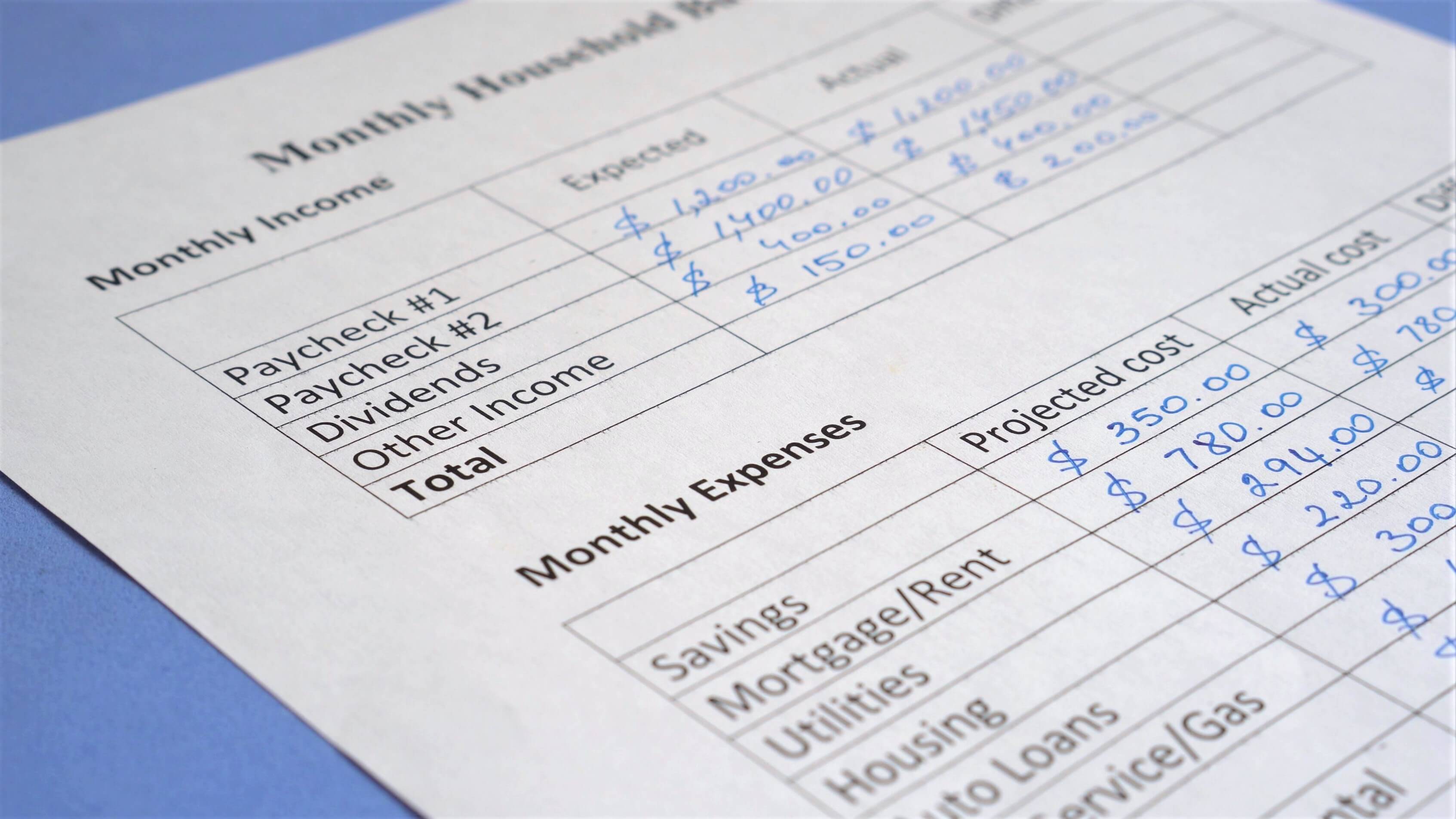
Types of Small Business Loans 101

Types of Small Business Loans:
A Complete Guide

Types of small business loans include term loans, SBA loans, business lines of credit, working capital loans, equipment financing, invoice financing and factoring, microloans, merchant cash advances, commercial real estate loans, and personal loans or business credit cards used for business purposes. These options differ in loan size, funding speed, allowable use of funds, collateral requirements, and repayment structure—and picking the right one comes down to matching the loan’s purpose to your business stage, cash flow, and risk tolerance.

Here’s what I’ve learned in more than two decades running Complete Controller and guiding thousands of business owners through their books: the wrong loan can quietly bleed a healthy company dry, while the right one can be rocket fuel. I’ve had a front-row seat to just about every financing scenario you can imagine—from scrappy startups to seasoned operators—and the patterns are clear. In this guide, I’ll walk you through each loan type, share the underwriting truths lenders don’t always spell out, and give you a practical framework for choosing wisely. By the end, you’ll know exactly which products fit your goals, how to qualify, and how to protect your cash flow while you grow.

What are the types of small business loans and how do you choose the right one?

  • The main types of small business loans are term loans, SBA loans, business lines of credit, working capital loans, equipment financing, invoice financing/factoring, microloans, merchant cash advances, commercial real estate loans, and personal loans or business credit cards used for business.
  • Each loan serves a specific purpose—working capital, equipment, real estate, cash flow gaps, or startup funding—and the right choice starts with matching the loan’s structure to your use of funds.
  • Lenders evaluate credit score, collateral, business revenue, cash flow, and time in business differently for each product, which shapes eligibility and speed of funding approval.
  • SBA loans and traditional term loans typically offer the best small business loan rates and longest repayment terms, but they require stronger documentation and credit.
  • Short-term products like merchant cash advances offer faster funding—even for low credit small business loan seekers—but at much higher costs that can strain cash flow. Complete Controller. America’s Bookkeeping Experts

Term Loans and SBA Loans: The Foundation of Small Business Lending

When most people picture a small business loan, they’re picturing a term loan or an SBA loan. Both offer predictable structures and are workhorse products for growth-focused businesses.

A term loan provides a lump sum repaid over a fixed period, usually 1–10 years, with regular payments. Lender underwriting focuses on credit score, business revenue, profitability, and time in business. These loans work beautifully for expansion, hiring, or refinancing high-cost debt—but only if you can forecast the return.

SBA ;oans: Government-backed options with better rates

SBA loans are partially guaranteed by the U.S. Small Business Administration, which lets lenders offer lower rates and longer terms than most conventional products.

  • SBA 7(a) loans: The flagship program, offering up to $5 million for working capital, equipment, real estate, or business acquisition. The SBA caps interest rates on 7(a) loans at a base rate plus an allowed markup, keeping them among the best small business loan rates available (source: SBA 7(a) Loan Program).
  • SBA 504 loans: Long-term, fixed-rate financing for commercial real estate and major fixed assets.
  • SBA microloans: Up to $50,000, with an average loan around $13,000—ideal for startups and very small businesses (source: SBA Microloan Program).
  • SBA Express loans: Faster review for smaller amounts when timing matters.

SBA lenders typically require solid personal and business credit, tax returns, and collateral. Personal guarantees are standard. For the SBA 7(a) loan for startups, pairing your application with strong projections and a clean set of books makes a real difference.

Working Capital Loans and Business Lines of Credit

Not every need calls for a decade-long loan. Sometimes you just need to smooth out a bumpy month or stock up before a busy season. That’s where working capital loans and lines of credit shine.

A working capital loan provides short- to medium-term cash flow financing for payroll, inventory, or seasonal gaps. Repayment terms are shorter (6–36 months) and often require weekly or daily payments—which is fine if your receivables are predictable, and dangerous if they’re not.

Business lines of credit: Flexible, revolving capital

A business line of credit lets you draw, repay, and redraw funds up to a preset limit. You only pay interest on what you use.

  • Best for: Fluctuating expenses, emergency repairs, payroll during slow weeks.
  • Underwriting: Lenders look at credit score, business revenue consistency, and overall cash flow health.
  • Founder tip: Secure a line before you need it. Lenders are far more generous when your financials look strong.

For a deeper dive into managing your day-to-day capital, my team has written extensively on liquidity as the key to SME success.

Equipment Financing, Real Estate Loans, and Specialized Credit

Some purchases deserve their own financing category—especially anything with a long useful life or a physical asset attached.

Equipment financing covers vehicles, machinery, medical devices, and technology. The equipment itself acts as collateral, often making this a secured small business loan that’s easier to qualify for than an unsecured product.

Commercial real estate loans finance property purchases, construction, or renovations, with terms stretching 5–25 years. SBA 504 loans are a popular route here.

Merchant cash advances: Handle with care

A merchant cash advance (MCA) provides fast cash repaid through a percentage of daily card sales. They’re marketed as easy money, but the true cost can be brutal. The Federal Trade Commission sued Yellowstone Capital in 2021, alleging the company advertised set fees of 20%–40% while burying much higher effective costs tied to short repayment windows and frequent withdrawals (source: FTC v. Yellowstone Capital). Treat MCAs as a last resort.

Personal loans and business credit cards round out the specialized category—useful for startup business loans or small recurring expenses, risky when treated as long-term financing.

Choose funding with your cash flow in mind. Complete Controller keeps your books accurate and lender-ready so you can make smarter small business financing decisions.

Secured vs. Unsecured Loans: How Lenders Really Evaluate You

Understanding secured versus unsecured small business loans changes how you approach the application table.

Secured loans require collateral—equipment, real estate, inventory, or receivables. Common examples include equipment financing, commercial real estate loans, and most SBA loans. Collateral can offset weaker parts of your profile and often unlock better rates.

Unsecured loans skip the specific collateral but lean hard on credit score, business revenue, and personal guarantees. Expect higher rates, shorter terms, and stricter covenants.

The core underwriting pillars

  1. Credit score: Both personal and business credit signal repayment reliability. Check yours regularly at the Consumer Financial Protection Bureau.
  2. Business revenue and cash flow: Lenders scrutinize bank statements to confirm you can comfortably cover payments.
  3. Time in business: One to two years is often the minimum for competitive products.
  4. Documentation: Tax returns, financial statements, and clean books speed everything up.

Here’s the stress test I run with every client: model your worst three months of revenue and check if you still cover the payment. If the loan only works when everything goes right, it’s too aggressive.

How to Qualify and Choose the Right Loan for Your Business

Choosing among the types of small business loans becomes far easier when you follow a simple sequence.

  1. Clarify your funding purpose. Match short-term needs to lines of credit or working capital loans; long-term investments to term loans, SBA 504, or equipment financing; startup capital to SBA microloans or personal loans for business.
  2. Assess your profile. List your collateral, know your credit tier, and honestly evaluate your cash flow.
  3. Compare true cost. Look beyond the APR—factor in origination fees, prepayment penalties, and payment frequency.
  4. Run the stress test. Model conservative revenue for 12 months with the new debt included and keep a cash reserve intact.

A real-world case study

A retailer I know needed $75,000 to expand inventory. They had two offers: an SBA 7(a) term loan with a competitive rate and 10-year term, or a fast online working capital loan with daily payments at a much higher effective APR. They chose speed. Within six months, daily debits strained cash flow so badly they cut staff and delayed vendors. Eventually, with cleaner books and better guidance, they refinanced into an SBA loan and stabilized. The lesson: faster funding approval is rarely worth long-term cash flow pain. For more on structuring finances properly, see our guide to efficient business finance management and setting smart payment terms for small biz.

Final Thoughts: Borrow With Intention, Not Desperation

The types of small business loans available today give you real leverage—if you match the product to the purpose, understand how lenders underwrite you, and protect your cash flow through disciplined planning. Term loans and SBA loans reward preparation with better rates. Lines of credit reward foresight. Equipment financing rewards asset-backed thinking. And short-term, high-cost products should always be your last option, not your first.

You’ve got more choices than you probably realized, and you don’t have to make this decision alone. If you’d like expert eyes on your books before you apply—or help figuring out which loan actually fits your business—reach out to my team at Complete Controller. We’ve been in the trenches with thousands of business owners, and we’d love to help you borrow smart, grow strong, and keep every dollar working hard. ADP. Payroll – HR – Benefits

Frequently Asked Questions About Types of Small Business Loans

What is the easiest type of small business loan to qualify for?

Merchant cash advances, business credit cards, and some online working capital loans are the easiest to qualify for, often approving low credit small business loan applicants. However, they come with the highest costs, so they should be used cautiously.

What credit score do I need for a small business loan?

Traditional bank and SBA loans typically require a personal credit score of 680 or higher. Online lenders may approve scores as low as 550–600, but at significantly higher rates and shorter repayment terms.

Can I get a small business loan as a startup with no revenue?

Yes. SBA microloans, SBA 7(a) loans for startups, personal loans used for business, and some online lenders offer startup business loans based on personal credit and a strong business plan rather than existing revenue.

What’s the difference between a business line of credit and a term loan?

A term loan gives you a lump sum repaid on a fixed schedule, while a business line of credit lets you draw, repay, and redraw funds as needed, only paying interest on what you use.

How long does it take to get funding approval?

Online loans and merchant cash advances can fund in 1–3 days. Traditional bank term loans take 2–4 weeks, and SBA loans often take 30–90 days depending on the program and documentation.

Sources

LastPass – Family or Org Password Vault About Complete Controller® – America’s Bookkeeping Experts Complete Controller is the Nation’s Leader in virtual bookkeeping, providing service to businesses and households alike. Utilizing Complete Controller’s technology, clients gain access to a cloud platform where their QuickBooks™️ file, critical financial documents, and back-office tools are hosted in an efficient SSO environment. Complete Controller’s team of certified US-based accounting professionals provide bookkeeping, record storage, performance reporting, and controller services including training, cash-flow management, budgeting and forecasting, process and controls advisement, and bill-pay. With flat-rate service plans, Complete Controller is the most cost-effective expert accounting solution for business, family-office, trusts, and households of any size or complexity.
author avatar
Jennifer Brazer Founder/CEO
Jennifer is the author of From Cubicle to Cloud and Founder/CEO of Complete Controller, a pioneering financial services firm that helps entrepreneurs break free of traditional constraints and scale their businesses to new heights.
Reviewed By: reviewer avatar Brittany McMillen
reviewer avatar Brittany McMillen
Brittany McMillen is a seasoned Marketing Manager with a sharp eye for strategy and storytelling. With a background in digital marketing, brand development, and customer engagement, she brings a results-driven mindset to every project. Brittany specializes in crafting compelling content and optimizing user experiences that convert. When she’s not reviewing content, she’s exploring the latest marketing trends or championing small business success.

General Ledger GL Setup Guide

General Ledger GL:
Easy Setup & Best Practices Guide

The general ledger GL is the master accounting record where every financial transaction is organized by account, posted through double-entry bookkeeping, and summarized into the reports that run your business. Setting one up correctly means defining your chart of accounts first, building consistent posting rules, connecting your journal entry workflows, and then testing reconciliation and trial balance review before you go live—so your books stay accurate from day one.

After more than 20 years leading Complete Controller and working with thousands of businesses across nearly every industry you can name, I can tell you this with certainty: companies rarely fail because of bad accounting software. They struggle because the GL was built without clear structure or review discipline. In this guide, I’ll walk you through exactly how to set up your general ledger cleanly, why reconciliation deserves more attention than most teams give it, and the practical mistakes I’ve watched businesses make—so you can skip the painful lessons and build a ledger that actually supports smart decisions.

What is general ledger GL and how do you set it up correctly?

  • General ledger GL is the central accounting record where all financial transactions are organized by account, posted through double-entry bookkeeping, and summarized for reporting.
  • Set it up by defining your chart of accounts first, then creating posting rules, connecting journal entry workflows, and testing reconciliation.
  • A clean GL keeps debits and credits aligned, supports accurate financial reporting, and speeds up month-end close.
  • The biggest risk is overcomplicating your account structure too early, which creates messy postings and painful reconciliations.
  • The best setup is simple, scalable, and designed around how your business actually operates. ADP. Payroll – HR – Benefits

What Is a General Ledger GL?

The general ledger is the master record of your company’s accounting activity and the foundation for every financial statement you produce. It aggregates balances from journal entries and subledgers into a structured system that supports reporting, auditability, and period close.

General ledger accounts

General ledger accounts are the individual categories inside the GL—cash, accounts receivable, accounts payable, revenue, payroll, and equity. A clean account structure helps you isolate activity, reduce misclassification, and produce clearer reports for lenders, investors, and your own leadership team.

Double-entry bookkeeping

Double-entry bookkeeping means every transaction has at least one debit and one credit of equal value. This system keeps the GL balanced and makes it possible to catch posting errors before they distort the trial balance.

Chart of accounts

Your chart of accounts is the roadmap for the entire GL. The best charts I’ve seen use logical numbering, avoid duplicate accounts, and are designed around real management reporting needs rather than vanity detail nobody actually uses.

How to Set Up Your General Ledger GL Fast

Here’s the practical framework I give founders and controllers when they’re building a new GL or cleaning up an existing one.

  1. Define your reporting goals. Decide what leadership needs to see monthly—profitability by department, location, project, or product line—and build the structure to answer those questions.
  2. Build the chart of accounts. Create the hierarchy for assets, liabilities, equity, income, and expenses, then add only the detail accounts you truly need.
  3. Map accounting journal entries. Document which transactions post to which accounts, who approves them, and what support is required.
  4. Set posting rules and controls. Assign who can enter, approve, and post entries so review discipline is baked in from day one.
  5. Test your trial balance. Run a GL trial balance review after setup to confirm debits equal credits and accounts roll up correctly.
  6. Connect the ERP accounting system. Verify that bank feeds, AP, AR, payroll, and subledgers all map cleanly into the GL.

History has already taught us how expensive it is to clean up messy ledgers later. A U.S. GAO review found that fixing federal systems to properly handle the year 2000 date change could cost up to $30 billion, much of it tied to older financial and accounting systems. That’s a powerful reminder that outdated or sloppy core ledgers become extremely expensive to repair down the road—so build it right the first time.

Clean books start with a clean general ledger. Complete Controller helps keep your accounts accurate, reconciled, and ready for smarter decisions.

Why GL Reconciliation Matters More Than Most Teams Realize

GL reconciliation is not a back-office formality; it’s the mechanism that protects the integrity of your financials. You can have a perfectly balanced trial balance and still produce misleading reports if your subledgers, timing, or posting logic are off.

General ledger reconciliation

General ledger reconciliation means matching GL balances against supporting records—bank statements, subledgers, schedules, and source documents. This is where businesses catch duplicate entries, missing postings, and timing differences before they show up in board reports or tax filings.

Consider what happens when reconciliation controls fail: the SEC charged Miller Energy Resources after the company overstated the value of acquired oil and gas assets by roughly $400 million—reporting them at about 100 times what it actually paid. Weak review, not bad intent, is often how numbers like that slip through.

Month-end close and reconciliation

A strong month-end close and reconciliation process keeps books current and prevents small issues from snowballing. The faster you reconcile cash, payroll, and intercompany balances, the less time you’ll waste chasing unexplained variances later.

GL balance sheet

Always review the GL balance sheet first. Balance sheet accounts are the clearest signal of whether your books are complete—if those reconciliations are weak, income statement accuracy usually is too. For deeper guidance, Wolters Kluwer offers a solid overview on maintaining a general ledger.

Best Practices for Accurate Financial Reporting

Your GL is a reporting engine, not a filing cabinet. Treat it that way and everything downstream gets easier.

  • Financial reporting depends on clean account mapping, disciplined posting, and regular review.
  • Period close should include cutoff rules, review checklists, adjusting entries, and approval checkpoints.
  • GL journal entry posting for accruals, depreciation, and reclassifications should use standardized templates.
  • Trial balance review should happen every cycle—not just at year-end—to flag negative balances and dormant accounts.

Businesses that standardize these habits close faster, produce cleaner reports, and hand auditors clean files without last-minute scrambling.

A Real-World Case Study: Standardizing the GL at Scale

One enterprise general ledger implementation reported that a company standardized a centralized GL across more than 400 legal entities, 5,000 operating units, and 7,000 GL accounts. The result: a single centralized ledger, automated posting for more than 99% of transactions, and a month-end hard close within seven business days.

The takeaway is that GL success is less about software horsepower and more about disciplined standardization—one chart of accounts, automated posting, and a repeatable close process. Even smaller businesses can borrow this operational maturity by focusing on simplicity and consistency. The same lesson applies to accounting for intercompany transactions: standardized rules eliminate duplicate entries and make eliminations easier during close.

Where Most General Ledger GL Setups Go Wrong

Here’s where I see the wheels come off, and how to prevent it.

ERP accounting system mistakes

Many teams assume an ERP accounting system will fix bad bookkeeping design. Software only speeds up the process you already built—weak account structure just gets amplified faster.

GL reconciliation breakdowns

Reconciliation fails when teams wait until month-end to look at the books. Reconcile high-risk accounts weekly and document ownership for every balance sheet account. KPMG’s forensic review of Toshiba found that aggressive profit targets combined with weak internal controls led to profits being overstated by billions of yen over multiple years. Pressure plus poor oversight is a devastating combination, even at world-class companies.

General ledger reconciliation in real businesses

In founder-led companies, one person often holds too much accounting knowledge in their head. Document processes now, before growth, turnover, or an audit forces the issue.

The Human Side of a Clean GL

The biggest GL wins happen when the system is designed for real humans, not just software logic. People need clear account definitions, clear approval paths, and clear reporting expectations—otherwise they improvise, and improvisation is where accuracy breaks down.

Financial reporting accountability

When leaders actually use the GL for decision-making, teams care more about coding accuracy and cutoff discipline. The GL becomes a management tool instead of an afterthought.

Period close ownership

Assign one owner for the close calendar, one for reconciliations, and one for review. That structure eliminates finger-pointing and makes deadlines real.

Final Thoughts

A strong general ledger GL setup starts with a clean chart of accounts, clear posting rules, and a reconciliation process you can repeat every single month. Focus on simplicity, documentation, and disciplined review rather than building a complex ledger nobody can maintain.

From what I’ve seen at Complete Controller, the businesses that win treat the GL as the foundation of their financial system—not a bucket to dump transactions into. If you’re ready to build a faster, cleaner, more reliable close process with expert support, visit Complete Controller and let’s talk about what your next step looks like. LastPass – Family or Org Password Vault

Frequently Asked Questions About General Ledger GL

What is the purpose of a general ledger?

The general ledger is the central accounting record used to organize transactions by account, support reconciliations, and generate accurate financial statements for management, lenders, and tax reporting.

What is the difference between a general journal and a general ledger?

The general journal is where transactions are first recorded chronologically, while the general ledger organizes those same transactions into specific accounts so you can produce financial reports and analyze balances.

How often should GL reconciliation be done?

High-risk accounts like cash, payroll, and intercompany balances should be reconciled weekly, while all major accounts should be reviewed at least monthly during your close process.

What accounts should be in a chart of accounts?

A chart of accounts should include assets, liabilities, equity, revenue, and expenses, plus only the detail accounts your business actually uses for reporting—no vanity accounts that create clutter.

Why does the trial balance matter?

The trial balance confirms that debits and credits are equal and gives you a critical checkpoint to catch posting errors before you prepare financial statements or close the period.

Sources

Complete Controller. America’s Bookkeeping Experts About Complete Controller® – America’s Bookkeeping Experts Complete Controller is the Nation’s Leader in virtual bookkeeping, providing service to businesses and households alike. Utilizing Complete Controller’s technology, clients gain access to a cloud platform where their QuickBooks™️ file, critical financial documents, and back-office tools are hosted in an efficient SSO environment. Complete Controller’s team of certified US-based accounting professionals provide bookkeeping, record storage, performance reporting, and controller services including training, cash-flow management, budgeting and forecasting, process and controls advisement, and bill-pay. With flat-rate service plans, Complete Controller is the most cost-effective expert accounting solution for business, family-office, trusts, and households of any size or complexity.
author avatar
Jennifer Brazer Founder/CEO
Jennifer is the author of From Cubicle to Cloud and Founder/CEO of Complete Controller, a pioneering financial services firm that helps entrepreneurs break free of traditional constraints and scale their businesses to new heights.
Reviewed By: reviewer avatar Brittany McMillen
reviewer avatar Brittany McMillen
Brittany McMillen is a seasoned Marketing Manager with a sharp eye for strategy and storytelling. With a background in digital marketing, brand development, and customer engagement, she brings a results-driven mindset to every project. Brittany specializes in crafting compelling content and optimizing user experiences that convert. When she’s not reviewing content, she’s exploring the latest marketing trends or championing small business success.