Key Performance Indicators Guide

Essential Key Performance Indicators for Strategic Entrepreneurship

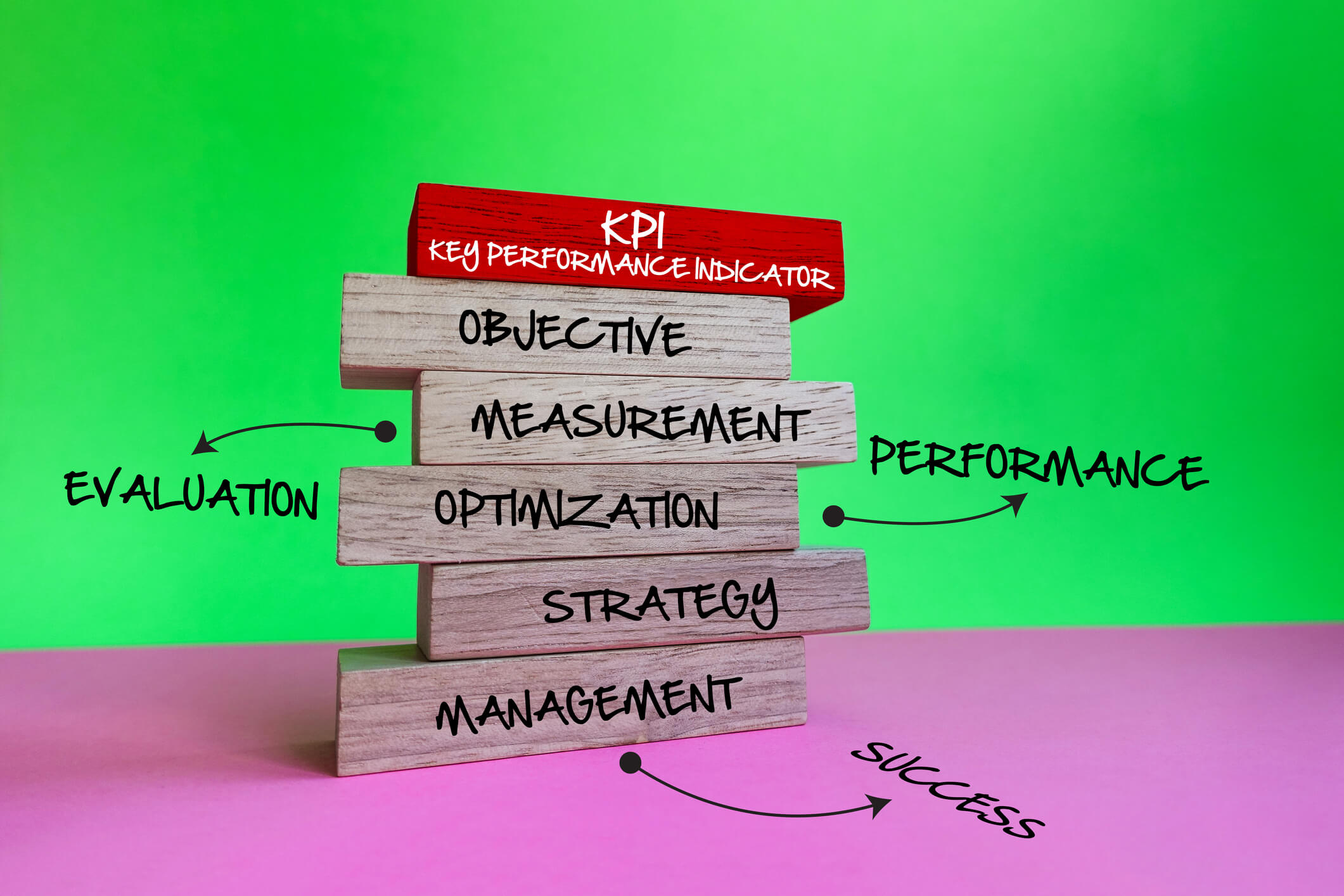
Key performance indicators are quantifiable metrics that measure business outcomes directly against your strategic goals—transforming your vision into a data-driven roadmap that guides every decision, from capital allocation to product development. These metrics serve as the bridge between abstract business strategies and measurable execution, enabling entrepreneurs to track progress with precision and accountability.

As the founder of Complete Controller, I’ve worked with thousands of entrepreneurs over the past 20 years who had brilliant business plans but lacked the metrics to execute them. Here’s what I’ve learned: KPIs aren’t optional dashboards for Wall Street—they’re the nervous system of your business, telling you in real time whether you’re moving toward success or away from it. Did you know that entrepreneurs who formally track KPIs are 3x more likely to hit their revenue targets than those who rely on intuition alone? This article cuts through the noise and shows you exactly which KPIs matter most for strategic entrepreneurship, how to implement them, and how to use them to make faster, smarter decisions that drive sustainable growth. CorpNet. Start A New Business Now

What are key performance indicators and why do they matter for entrepreneurs?

  • Key performance indicators are strategic metrics that measure progress toward core business goals, not vanity numbers
  • They transform abstract strategies into measurable, actionable targets everyone in your organization can understand
  • Unlike general metrics, KPIs must be tied to decision-making—they’re your early warning system for problems and opportunities
  • Entrepreneurs who track KPIs systematically outperform those who rely on intuition, enabling faster pivots and smarter resource allocation
  • KPIs create accountability, align teams, and provide evidence investors need to see that you understand your business mechanics

From Strategy to Numbers: Building a KPI System That Actually Drives Decisions

The foundation of any effective KPI system rests on three essential pillars: clear diagnosis of your market position, guiding policy that defines your competitive approach, and coherent action through specific initiatives. This framework, based on Richard Rumelt’s strategic model, prevents the common mistake of selecting metrics randomly without strategic alignment.

Before choosing any KPI, you must first identify your Critical Success Factors (CSFs)—the 3-5 things that absolutely must go right for your business to succeed. These CSFs serve as the bridge between your overall strategy and the specific metrics you’ll track. For example, if “acquiring customers profitably” is a CSF, your corresponding KPIs would be Customer Acquisition Cost (CAC) and the LTV:CAC ratio.

The SMART framework: Non-negotiable standards

All effective KPIs must meet five criteria to be actionable. First, they must be Specific with clearly defined parameters and no ambiguous language. Second, they need to be Measurable with a quantifiable formula and reliable data source. Third, they should be Achievable within your resources and timeline—stretch goals are valuable, but impossible targets demoralize teams. Fourth, KPIs must be Relevant and directly aligned with your business strategy. Finally, they need to be Time-Bound with clear deadlines and review cadences.

The Four Primary KPI Categories Every Entrepreneur Should Master

Research identifies four foundational improvement areas that form the backbone of comprehensive performance measurement. As your business grows, you’ll need KPIs across all four categories to maintain balanced oversight.

Revenue improvement KPIs

These metrics measure your ability to generate and grow income sustainably. Monthly Revenue Growth tracks the percentage increase in revenue month-over-month, revealing trends and ensuring you’re hitting growth targets. Market Share represents your percentage of the total addressable market, critical for understanding competitive position. Customer Acquisition Cost (CAC) divides total sales and marketing spend by new customers acquired, revealing the efficiency of your growth engine.

Cost reduction KPIs

Operational efficiency metrics directly impact your bottom line. Gross Profit Margin, calculated as ((Revenue – COGS) / Revenue) × 100, reveals how much profit you generate from each dollar of sales before overhead. Operating Expense Ratio shows what percentage of sales goes to run the business by dividing total operating costs by revenue. Cost Per Unit tracks the direct cost to produce each unit, critical for manufacturing or SaaS businesses optimizing unit economics.

Process cycle-time improvement KPIs

Speed and operational agility determine competitive advantage in fast-moving markets. Cash-to-Cash Cycle Time measures days from when you pay suppliers to when you collect cash from customers. Lead Time tracks duration from order to fulfillment—shorter cycles improve customer satisfaction and cash flow. Inventory Turnover Rate reveals how quickly you convert inventory to sales, with higher rates indicating better capital efficiency.

Customer satisfaction and retention KPIs

Long-term business health depends on customer loyalty. Customer Lifetime Value (LTV) calculates total profit a customer generates over their relationship with your business. Churn Rate measures the percentage of customers who stop using your product or service in a given period. Net Promoter Score (NPS) gauges customer willingness to recommend your business, ranging from -100 to +100.

The Golden Ratio: Why CAC-to-LTV Is Your Most Important KPI

Among all metrics entrepreneurs track, one ratio stands above the rest as a predictor of sustainable growth: the LTV:CAC Ratio. This metric compares how much a customer is worth over their lifetime to how much it costs to acquire them.

The formula is straightforward: LTV:CAC Ratio = Customer Lifetime Value ÷ Customer Acquisition Cost. A ratio of 3:1 is considered the industry benchmark for sustainable, scalable business models. This means for every dollar you spend acquiring a customer, you generate three dollars in lifetime profit.

Different ratios tell distinct stories about your business health. Below 1:1 means you’re losing money on every new customer—clearly unsustainable. Between 1:1 and 2:1 indicates breaking even or barely profitable operations where you need to either reduce CAC or increase customer value. At 3:1, you’ve achieved healthy growth with resources to reinvest in acquisition. Ratios above 5:1 suggest exceptional efficiency but may indicate underinvestment in customer acquisition.

The power of this ratio lies in its holistic view. CAC and LTV alone provide incomplete pictures. You might celebrate low acquisition costs without realizing customer lifetime value is equally low due to poor retention. The ratio forces strategic thinking about building a sustainable business versus just acquiring customers you can’t keep.

Ready to turn your KPIs into real decisions? Complete Controller keeps your numbers clear and actionable. Cubicle to Cloud virtual business

Which KPIs Matter Most: A Framework for Startups, Growth, and Scale

Not all KPIs carry equal importance at every business stage. Your focus must evolve as your company matures through distinct phases.

Pre-revenue and seed stage

Your primary focus centers on proving the business model works. Critical KPIs include Customer Discovery Metrics like number of customer interviews and problem validation rate. Burn Rate tracks monthly cash spend to understand runway for survival. Conversion Rate measures the percentage of prospects becoming paying customers, validating demand.

Growth stage ($1M–$10M ARR)

The focus shifts to scaling efficiently without depleting cash reserves. Monthly Recurring Revenue (MRR) provides predictable, repeatable revenue essential for forecasting. CAC Payback Period reveals how many months to recover customer acquisition costs—aim for 6-12 months. Gross Margin ensures unit economics remain profitable before scaling. Churn Rate becomes critical as high churn undermines all growth metrics.

Scale/Mature stage ($10M+ ARR)

Optimization of profitability and competitive positioning takes precedence. Net Profit Margin measures true profitability after all expenses. Return on Investment (ROI) evaluates capital efficiency across departments and initiatives. Market Share and Innovation Metrics like patents filed and new products launched gauge competitive strength. Employee Productivity measured by revenue per employee indicates operational leverage.

Your 90-Day KPI Implementation Roadmap: From Selection to Dashboard

Most entrepreneurs fail at KPI implementation not because they choose wrong metrics, but because they lack a structured rollout plan. This battle-tested approach ensures successful deployment.

Days 1-30: Foundation Phase

Begin by defining your strategy in 2-3 clear sentences and documenting your top 3-5 Critical Success Factors. Select no more than 5-7 core KPIs that directly measure these CSFs—focus beats comprehensiveness. For each KPI, document the name and definition, calculation formula, data source, current baseline, 90-day and annual targets, review frequency, and responsible owner.

Days 15-45: Data Collection and Tools

Audit which metrics you’re already tracking in existing software like accounting platforms, CRM systems, or analytics tools. Choose a centralized dashboard solution that fits your technical capabilities and budget. Options range from spreadsheets for simplicity to business intelligence platforms like Tableau for advanced visualization, or native dashboard features in tools like QuickBooks or Xero.

Days 45-90: Launch and Optimization

Roll out your KPI system with clear communication about why each metric matters and how it connects to business success. Establish regular review cadences—weekly for leading indicators, monthly for comprehensive reviews. Create accountability by assigning metric ownership and celebrating wins when targets are achieved.

Beyond Spreadsheets: Technology Tools That Make KPI Tracking Effortless

Modern KPI management demands more than manual spreadsheet updates. Cloud-based platforms now offer real-time data synchronization, automated reporting, and mobile accessibility that transforms how entrepreneurs monitor performance.

For financial KPIs, accounting software like QuickBooks or Xero provides built-in dashboards tracking revenue, expenses, and cash conversion cycles. Customer relationship management systems including HubSpot or Salesforce automate customer metric tracking from acquisition costs through lifetime value. Dedicated analytics platforms like Klipfolio or Databox integrate multiple data sources into unified dashboards accessible from any device.

The key selection criteria include ease of integration with existing systems, real-time or near-real-time data updates, mobile accessibility for on-the-go monitoring, customization capabilities matching your specific KPIs, and scalability as your business grows.

Common KPI Implementation Mistakes and How to Avoid Them

Through two decades of working with entrepreneurs, I’ve observed recurring patterns in KPI implementation failures. The most damaging mistake involves tracking too many metrics—organizations attempting to monitor 20+ KPIs create confusion rather than clarity. Limit yourself to 5-7 core metrics that truly drive strategic decisions.

Another critical error is focusing exclusively on lagging indicators like revenue or profit margins. While important, these metrics reflect past performance rather than predicting future success. Balance your KPI portfolio with leading indicators that enable proactive management.

Many entrepreneurs also fail to assign clear ownership for each metric. Without accountability, KPIs become numbers on a dashboard rather than drivers of action. Each KPI needs a specific individual responsible for performance and improvement initiatives.

Finally, setting unrealistic targets demoralizes teams and undermines the entire measurement system. Base targets on historical performance, industry benchmarks, and realistic growth trajectories rather than aspirational thinking disconnected from operational reality.

Final Thoughts

Key performance indicators represent far more than numbers on dashboards—they embody the quantifiable expression of your business strategy and the roadmap guiding daily decisions toward long-term success. By implementing the frameworks and metrics outlined in this guide, you transform abstract goals into concrete, measurable outcomes that align teams, satisfy investors, and most importantly, drive sustainable growth.

The journey from selecting your first KPIs to operating a sophisticated performance management system requires commitment, iteration, and continuous learning. Start with the fundamentals: identify your Critical Success Factors, select 5-7 core metrics aligned with those factors, implement systematic tracking using modern tools, and create accountability through regular reviews and clear ownership.

Your business deserves more than gut-feel decision making. Take action today by defining your strategic KPIs and building the measurement infrastructure that will guide your entrepreneurial journey. For expert guidance on implementing financial KPIs and performance management systems tailored to your specific business needs, contact the professionals at Complete Controller. Our team brings decades of experience helping entrepreneurs like you build data-driven businesses that scale successfully while maintaining financial clarity and control. Complete Controller. America’s Bookkeeping Experts

Frequently Asked Questions About Key Performance Indicators

What’s the difference between a metric and a KPI?

While all KPIs are metrics, not all metrics qualify as KPIs. A metric becomes a KPI only when it directly measures progress toward a specific strategic goal. For example, website traffic is a metric, but “qualified lead conversion rate” is a KPI if your strategy focuses on efficient customer acquisition.

How many KPIs should a small business track?

Most successful small businesses track between 5-7 core KPIs. This provides comprehensive coverage without overwhelming management capacity. As you grow beyond $10M in revenue, you might expand to 10-12 KPIs across different departments, but maintain focus on the vital few that drive strategic decisions.

How often should I review my KPIs?

Leading indicators merit weekly review to enable quick adjustments. Comprehensive KPI reviews should occur monthly, with quarterly sessions for strategic assessment and annual reviews for target-setting. The key is consistency—irregular review schedules undermine accountability and momentum.

What if my industry doesn’t have standard KPI benchmarks?

Start by tracking your own historical performance to establish baselines. Join industry associations or peer groups where entrepreneurs share anonymized performance data. Consider hiring consultants with industry expertise who can provide benchmark ranges based on their broader client experience.

Can KPIs change as my business evolves?

Absolutely. KPIs should evolve with your business strategy and growth stage. A pre-revenue startup might focus on customer discovery metrics, while the same company at $5M ARR would prioritize unit economics and retention. Review your KPI portfolio annually to ensure alignment with current strategic priorities.

Sources

LastPass – Family or Org Password Vault About Complete Controller® – America’s Bookkeeping Experts Complete Controller is the Nation’s Leader in virtual bookkeeping, providing service to businesses and households alike. Utilizing Complete Controller’s technology, clients gain access to a cloud platform where their QuickBooks™️ file, critical financial documents, and back-office tools are hosted in an efficient SSO environment. Complete Controller’s team of certified US-based accounting professionals provide bookkeeping, record storage, performance reporting, and controller services including training, cash-flow management, budgeting and forecasting, process and controls advisement, and bill-pay. With flat-rate service plans, Complete Controller is the most cost-effective expert accounting solution for business, family-office, trusts, and households of any size or complexity. ADP. Payroll – HR – Benefits
author avatar
Jennifer Brazer Founder/CEO
Jennifer is the author of From Cubicle to Cloud and Founder/CEO of Complete Controller, a pioneering financial services firm that helps entrepreneurs break free of traditional constraints and scale their businesses to new heights.
Reviewed By: reviewer avatar Brittany McMillen
reviewer avatar Brittany McMillen
Brittany McMillen is a seasoned Marketing Manager with a sharp eye for strategy and storytelling. With a background in digital marketing, brand development, and customer engagement, she brings a results-driven mindset to every project. Brittany specializes in crafting compelling content and optimizing user experiences that convert. When she’s not reviewing content, she’s exploring the latest marketing trends or championing small business success.

Profit & Costs Factors

Businesses vary significantly in terms of the goods and services they provide consumers. How they produce and deliver those goods and services, but every business has the basic goal of making a profit. Notably, the cost of goods sold is the sum of different costs incurred in the product and selling processes of an organization’s products. Bookkeeping principles have been defined for recording and summarizing the gross profits and cost of goods sold.ADP. Payroll – HR – Benefits

Factors Affecting Gross Profit

The cost of goods (COGS) sold is one of the key elements influencing an organization’s gross profit. The cost of goods sold for a particular service or product refers to the direct costs associated with its production, including labor necessary to produce the product and materials for the product. Hence, increasing the cost of goods sold can decrease the gross profit. Since the gross profit comes after reducing variable costs from the total revenue, increases in the variable costs can decrease the margin for gross profit. Hence, the greater the cost, the lesser the gross profit.

Also, the cost of goods sold does not include indirect costs that cannot be attributed to producing a specific product, like advertising and shipping costs. Similarly, it means that the higher the COGS, the lower the gross profit margin. If the COGS exceeds total sales, a company will have a negative gross profit, meaning it loses money over time and has a negative gross profit margin.Download A Free Financial Toolkit

Calculating the gross profit margin requires calculating gross profit. According to the IRS, gross profit equals total receipts or sales minus the value of returned goods and the cost of goods sold. Gross margin equals gross profit divided by total sales and is often expressed as a percentage. For example, if a company has a gross profit of $500,000 and $1,000,000 in total sales, its gross profit margin is 1/2 of 50%. It means that every sales dollar the company takes in earns 50 cents of profit.

Total sales or gross receipts are the other critical components of the gross profit margin. When sales exceed costs by a large amount, the gross profit margin will tend to be high, while low sales will result in a low gross profit margin or negative profit. Any factors that can increase sales, such as lower tax rates, higher consumer confidence, and effective marketing campaigns, can also result in a higher gross profit margin.

Factors Affecting the Cost of Goods Sold

Different factors contribute to the change in the cost of goods sold. It includes the prices of raw materials, maintenance, transportation, and the regularity of sales or business operations. Meanwhile, inventory as valued plays a considerable role in calculating the cost of an organization’s goods. The two most common methodologies for inventory valuation include Last-In-First-Out (LIFO) and First-In-First-Out (FIFO). FIFO carries the assumption that the goods produced first are sold first. It means that the first item’s production expenses are considered when a firm sells its goods.CorpNet. Start A New Business Now

On the other hand, LIFO assumes that the latest produced goods are the goods that are sold first, whereas the expense involved in the manufacturing of the last item is recognized. Consequently, later objects are more expensive because they require the materials and labor costs under the existing prices. Thus, LIFO tends to increase the cost of goods sold, which leads to decreased income for reporting and tax purposes. Hence, it can be said that the cost of goods is affected by the method through which they are recorded and the changes in the prices of materials and labor costs involved in production and sales.

In addition to the above, a company can have a lower gross profit than another similar company but still have a higher profit margin. For example, a small company might only have sales of $50,000, but if its cost of goods sold is $25,000, it has a gross profit margin of 50% and a $25,000 gross profit. A large company might have $1,000,000 in sales and $900,000 in costs, which amounts to a gross profit margin of 10% and $100,000 of gross profit.

Complete Controller. America’s Bookkeeping ExpertsAbout Complete Controller® – America’s Bookkeeping Experts Complete Controller is the Nation’s Leader in virtual bookkeeping, providing service to businesses and households alike. Utilizing Complete Controller’s technology, clients gain access to a cloud platform where their QuickBooks™️ file, critical financial documents, and back-office tools are hosted in an efficient SSO environment. Complete Controller’s team of certified US-based accounting professionals provide bookkeeping, record storage, performance reporting, and controller services including training, cash-flow management, budgeting and forecasting, process and controls advisement, and bill-pay. With flat-rate service plans, Complete Controller is the most cost-effective expert accounting solution for business, family-office, trusts, and households of any size or complexity.Cubicle to Cloud virtual business

SME Cash Flow Solutions

Small and Medium Enterprises (SMEs) have grown much in the last ten years due to increasing development opportunities, embracing the latest trends, and novel machinery. At the same time, an SME has to face many challenges due to access to credit instruments or monetary support.

Cash flow management is an ongoing and persistent fight that business owners must fight to avoid failure.ADP. Payroll – HR – Benefits

In their study in Jan 2014, Statistic Brain revealed that the major causes of small and medium businesses’ failure are cash-related. These cash flow crunches are caused by a lack of pricing knowledge, no planning, lack of financing knowledge, lack of bookkeeping experience, bad credit granting practices, insufficient borrowing practices, and insufficient inventory.

Acquire a Hold on Cash Flow

All of these pitfalls relate specifically to cash flow. Cash flow isn’t a difficult business topic. However, many small-business owners don’t want to deal with it because they think it’s “all about numbers.” But it isn’t. It’s about the health of your business.

You need to follow two primary ways to improve the cash flow in your business.

  • Income: Increase the amount of cash coming in.
  • Expenses: Decrease the amount of cash going out.

It sounds like such an easy concept. Here are some easy and amazing practices for maintaining a smooth cash flow:

Calculation of Business Risk Analysis and Planning

Always watch for unexpected serious challenges and various risk factors involved with running a successful business; all kinds of “what if” scenarios should be considered for risk analysis. These, in turn, become a part of your bookkeeping process of budgeting and maintaining a healthy cash flow.

Use a spreadsheet or bookkeeping software to enter cash inflows. Reflect a hypothetical situation by adding or deleting inflows.

Make a New Business Bank Account

The first and foremost step required for a start-up business is to have a separate bank account. Mixing your account will confuse and complicate the business budget’s bookkeeping.Download A Free Financial Toolkit

Efficient Monitoring of Inventory

Manage inventory efficiently. Maintain a sufficient inventory of fast-moving items. Do not overstock. Avoid keeping stock of dead or slow-moving items. Analyze the items that are selling and those that are not. Keep the inventory levels lean so your working capital isn’t tied up unproductively and unprofitable.

Always Maintain Buffer Money

Always keep at least three months’ money saved in the bank for a rainy day to have funds to finance your business.

Control Cash Flow Best by Bookkeeping

Many business owners postpone invoicing customers and make payments at the end of the month. Keep track of your transactions on paying the supplier and money owed by the customer by bookkeeping. Either implement accounting software or use a simple spreadsheet.

Cut Expenses, Manage Cash Outflows

Control and lessen your expenses even if you are gaining profits. Keep records by bookkeeping. Control cash flow and prevent it from overflowing. The outflow of cash will destroy your business.CorpNet. Start A New Business Now

Grow Cash

Maintain your currency balances in accounts that earn interest. Keep cash in accounts that pay interest at a higher rate. Stay away from long-term deposit certificates because, by doing this, you will be bound for a certain period. Invest in penalty-free certificates or funds you will not need soon.

Focusing on Cash Flow, Not on Profit

Agnes Cserahti has estimated that 90% of SMEs never plan their cash flow, though they have many years’ profit forecasts. It is one of the primary reasons for failure in the early stage of business. New businesses should work with clients who are reliable and who pay quickly.

Conclusion

Small business owners who work on good cash management always have a profitable business with lower debt and loan rates. It also makes business owners flexible and allows them to avail new opportunities with sound peace of mind.

Complete Controller. America’s Bookkeeping ExpertsAbout Complete Controller® – America’s Bookkeeping Experts Complete Controller is the Nation’s Leader in virtual bookkeeping, providing service to businesses and households alike. Utilizing Complete Controller’s technology, clients gain access to a cloud platform where their QuickBooks™️ file, critical financial documents, and back-office tools are hosted in an efficient SSO environment. Complete Controller’s team of certified US-based accounting professionals provide bookkeeping, record storage, performance reporting, and controller services including training, cash-flow management, budgeting and forecasting, process and controls advisement, and bill-pay. With flat-rate service plans, Complete Controller is the most cost-effective expert accounting solution for business, family-office, trusts, and households of any size or complexity.Cubicle to Cloud virtual business

Raising Start-Up And Expansion Capital

What is the one entity that stops many potential entrepreneurs from chasing their dreams? The definite answer is MONEY. Only some people can secure a business loan or want to put their possessions on the line. And most startups never obtain a dime from Venture Capitalists (VCs). Visions die daily because of insufficient bookkeeping, resources, and funds. The money that goes into startups has risen in the last few years. In 2013, VCs financed nearly $11 billion in seed and early-stage companies, up more than 17% from 2012. While less than 1% of all startups formed each year strike a VC deal, funding is an influential reserve for the businesses that receive it and an indicator of significant technology trends.

LastPass – Family or Org Password Vault

For each phase of your company’s life, financial necessities may need outside funding. The kinds of funding for the different stages are entitled:

Stage 1: Seed Capital

The descriptor “seed” fits here since it proposes money to fuel a startup’s growth. The front-runners of a startup may not have any commercially available merchandise yet and are, instead, most likely absorbed in convincing stockholders why their ideas are worthy of support. Seed funding rounds are classically smaller and directed toward the initial product’s research and development. The money may also be used for directing market research or expanding the team.

Stage 2: Startup Capital

This phase is like the seed stage. With initial market analysis conducted and business policies in place, businesses look to publicize and advertise the invention and attain customers. Establishments at this phase likely have at least a tester product available. VC funding may be diverted to getting more management personnel, fine-tuning the product/service, or conducting additional research.

Stage 3: Early/First/Second Stage Capital

Sometimes called “the first stage,” this phase only arises after the seed and startup stages, in most circumstances. Funding expected at this stage will often go toward engineering and production facilities, sales, and advertising.ADP. Payroll – HR – Benefits

The sum capitalized here may be considerably higher than during the prior stages. At this point, the business may be moving towards cost-effectiveness as it pushes its products and advertisements to a broader audience.

Stage 4: Expansion/Second/Third Stage Capital

Growth is often exponential by this phase. Therefore, VC funding aids as more fuel for the fire, enabling development to additional markets (e.g., other cities or countries) and diversification and differentiation of product lines. With a commercially available artifact, a startup at this stage should be taking in ample income, if not profit. Many businesses that get extension funding have been in business for two to three years.

Stage 5: Mezzanine/Bridge/Pre-Public Stage

After reaching this stage, the business may be looking to go public, given that its products and services have found suitable traction. Assets received here can be used for activities such as:

  1.   Mergers and attainments
  2.   Price diminutions/Other measures to drive out opponents
  3.   Financing the steps toward an initial public proposing

If all goes well, stockholders may sell their shares and end their engagement with the company, having made a healthy return. These five stages are the most important; the other five stages needed for startup include everything from systematic bookkeeping to the business’s maintenance.Download A Free Financial Toolkit

Final Note

Ensure you allow enough money for the true expenditures associated with running your business for the first year of operation. Ensure you’ve planned for more workforces, increased production, more stuff for new personnel, etc. One of the top causes many new businesses fail is because they don’t get enough startup capital. Convincingly estimate your financial needs and leave room for the unexpected, or you may be out of business unpredictably. So, now you know about different financing for different phases of the corporation’s growth and maybe have an idea of how much investment you need.

CorpNet. Start A New Business NowAbout Complete Controller® – America’s Bookkeeping Experts Complete Controller is the Nation’s Leader in virtual bookkeeping, providing service to businesses and households alike. Utilizing Complete Controller’s technology, clients gain access to a cloud platform where their QuickBooks™️ file, critical financial documents, and back-office tools are hosted in an efficient SSO environment. Complete Controller’s team of certified US-based accounting professionals provide bookkeeping, record storage, performance reporting, and controller services including training, cash-flow management, budgeting and forecasting, process and controls advisement, and bill-pay. With flat-rate service plans, Complete Controller is the most cost-effective expert accounting solution for business, family-office, trusts, and households of any size or complexity.Complete Controller. America’s Bookkeeping Experts

Business Collaboration for Growth

Unlock Business Collaboration For Growth Strategies Today

Business collaboration for growth involves strategic partnerships between organizations that combine resources, expertise, and market access to achieve mutual expansion objectives beyond what each company could accomplish independently. Through systematic implementation of collaborative frameworks, companies can leverage shared resources, reduce operational costs, access new customer bases, and accelerate innovation cycles while distributing risks across partner organizations. Research demonstrates that organizations with collaborative leadership are 36% more likely to outperform their competitors, and connected teams can achieve a 21% increase in profitability.

As the founder and CEO of Complete Controller, I’ve witnessed countless small and medium businesses struggle to scale effectively because they try to do everything alone. After two decades of supporting entrepreneurs through cloud-based financial services, I’ve learned that the fastest path to sustainable growth comes through strategic collaboration. The most successful clients in our portfolio consistently leverage partnerships to access new markets, share operational costs, and accelerate their growth trajectory in ways that would be impossible through independent efforts. In this article, you’ll discover proven partnership models, implementation frameworks, and measurement strategies that transform collaboration into quantifiable business growth. CorpNet. Start A New Business Now

What is business collaboration For growth and how can it transform your company?

  • Business collaboration for growth involves strategic partnerships between organizations that combine resources, expertise, and market access to achieve mutual expansion objectives beyond what each company could accomplish independently.
  • Successful collaboration creates synergies through resource sharing, risk distribution, market expansion, and enhanced innovation capabilities that drive measurable business outcomes.
  • Effective partnerships require aligned goals, complementary strengths, clear communication frameworks, and structured agreements that define roles, responsibilities, and success metrics.
  • Growth-focused collaborations typically generate higher customer acquisition rates and improved operational efficiency compared to solo business development efforts.
  • Implementation success depends on partner selection, relationship management, performance measurement, and continuous optimization of collaborative processes and outcomes.

Strategic Partnership Models That Drive Measurable Business Growth

Strategic partnerships represent the foundation of effective business collaboration for growth, encompassing various models that enable companies to combine strengths and achieve shared objectives. A significant 83% of companies are harnessing the power of cross-functional teams to remain agile and maintain a competitive edge in rapidly shifting markets. The most successful partnerships align complementary capabilities to create value propositions that neither organization could develop independently.

Joint ventures establish new business entities that combine resources and share both risks and rewards, allowing partners to pursue opportunities requiring significant investment or expertise beyond their individual capacity. The Coca-Cola and Microsoft strategic partnership exemplifies this approach, with their five-year agreement worth $1.1 billion focusing on cloud technology and generative AI capabilities to accelerate Coca-Cola’s digital transformation across its global network of independent bottlers. Cross-promotion partnerships enable each business to market the other’s products or services to reach new audiences, effectively doubling market reach without proportional increases in marketing spend.

Building effective strategic alliances

The development of strategic alliances requires careful consideration of partner compatibility, shared vision, and complementary strengths. Organizations must evaluate potential partners based on their market position, technological capabilities, cultural alignment, and commitment to collaborative success. Due diligence processes should examine financial stability, reputation, operational capacity, and track record in delivering value-added services.

Trust and communication form the foundation of successful strategic alliances, requiring consistent dialogue and transparent sharing of goals, challenges, and opportunities. Partners must establish accessible communication channels for regular updates, business insights, and collaborative decision-making processes. Dedicated points of contact, regular meetings, and collaborative platforms facilitate the exchange of ideas and information while maintaining accountability and momentum throughout the partnership lifecycle.

Cross-Industry Collaboration Strategies for Unprecedented Growth Opportunities

Cross-industry collaboration represents one of the most powerful yet underutilized strategies for business collaboration for growth, enabling organizations to transcend traditional sector boundaries and create innovative solutions. Historical examples demonstrate the transformative potential of cross-sector partnerships, such as Apple and Nike’s collaboration on the Nike+iPod platform, which seamlessly integrated fitness tracking with music technology. The Starbucks and Barnes & Noble partnership, established in 1993, represents an early example of strategic retail collaboration, creating unique customer experiences by combining complementary business models.

The automotive and technology sectors provide compelling examples of cross-industry innovation through partnerships like Tesla and Panasonic’s collaboration on advanced battery technology for electric vehicles. This strategic alliance combined Tesla’s automotive expertise with Panasonic’s battery manufacturing capabilities to accelerate the development of sustainable transportation solutions. Google and Novartis demonstrated the potential of healthcare-technology partnerships through their development of smart contact lenses for glucose monitoring.

Enhancing business growth through collaboration

Cross-industry partnerships offer access to new markets and customer bases without requiring extensive investments in market entry strategies. Established businesses in target markets provide immediate access to customer relationships, distribution channels, and local knowledge that would take years to develop independently. This market access acceleration proves particularly valuable for companies seeking to expand geographically or enter new demographic segments.

Resource sharing across industries enables organizations to achieve capabilities that would be impossible to develop individually. Technology companies can partner with traditional industries to provide digital transformation solutions, while established businesses offer market credibility and customer relationships. These collaborative arrangements reduce costs, enhance operational efficiency, and enable both partners to focus on their core competencies while benefiting from complementary expertise.

Implementation Framework for Successful Business Partnerships

The implementation of successful business partnerships requires a systematic approach that addresses partner identification, relationship development, and ongoing management processes. Organizations must begin by clearly defining their partnership objectives and identifying the specific gaps or opportunities that collaboration can address. This foundation enables targeted partner research and evaluation based on complementary capabilities, market reach, technological abilities, and cultural compatibility.

The partner selection process should evaluate potential collaborators across multiple dimensions, including reputation within their industry, track record in delivering value-added services, financial stability, and willingness to adapt to evolving market dynamics. Due diligence activities must examine operational capacity, technological capabilities, and alignment with business values.

Establishing clear goals and objectives

Partnership success depends on establishing clear, measurable objectives that align with overall business strategy and create mutual value for all participants. Organizations should use the SMART framework to define specific, measurable, achievable, relevant, and time-bound goals that guide collaborative efforts and enable performance tracking. These objectives should address customer acquisition, market expansion, resource optimization, innovation development, and competitive positioning.

Regular goal alignment sessions help maintain strategic focus and adapt objectives as market conditions and business priorities evolve. Partners must communicate openly about their individual goals and find intersection points that create shared value propositions. This alignment process requires ongoing dialogue, transparent reporting, and willingness to adjust strategies based on performance data and market feedback.

Creating partnership agreements

Well-structured partnership agreements form the legal and operational foundation for successful collaboration, outlining each partner’s responsibilities, performance metrics, and dispute resolution methods. These agreements should specify resource sharing arrangements, financial contributions, marketing strategies, intellectual property rights, and decision-making processes. Partnership agreements must address profit and loss sharing, capital contributions, exit strategies, and procedures for handling partnership dissolution or changes in ownership.

Clear documentation of roles, responsibilities, and accountability measures enables effective partnership management and provides frameworks for resolving conflicts or performance issues. Regular reviews of partnership agreements help adapt to changing business conditions while maintaining the legal protections necessary for sustainable collaboration. Download A Free Financial Toolkit

Digital Tools and Technologies for Enhanced Collaborative Growth

The evolution of digital collaboration technologies has fundamentally transformed how organizations pursue business collaboration for growth, enabling seamless coordination across geographical boundaries and time zones. The global collaboration tools market is experiencing explosive growth, projected to expand from $39.4 billion in 2023 to $116.3 billion by 2033, representing a robust 11.4% compound annual growth rate. Modern collaboration platforms integrate communication, project management, file sharing, and real-time document editing capabilities to create unified work environments.

Cloud-based collaboration tools have become essential for supporting hybrid and remote partnership arrangements, with 76% of the global workforce now relying on video conferencing and other collaboration tools for daily operations. Video conferencing platforms provide face-to-face interaction capabilities that build trust and rapport among partner organizations, while instant messaging tools enable real-time communication and project coordination. Mobile business management apps further extend collaboration capabilities to distributed teams.

Teamwork for business success

Digital collaboration platforms enable teams from different organizations to work together effectively by providing centralized access to shared resources, project timelines, and communication channels. Project management tools offer task assignment capabilities, progress tracking features, and deadline management systems that keep collaborative projects organized and on schedule. These platforms provide visibility into partnership performance and enable real-time adjustments.

File sharing and document collaboration features allow partners to maintain version control, track changes, and maintain current information access. Digital asset management systems provide secure storage for partnership materials while maintaining brand consistency and intellectual property protection. Integration capabilities enable collaboration platforms to connect with existing business systems, creating seamless workflows that support partnership objectives without disrupting established processes.

Measuring Collaboration Success Through Performance Metrics and Analytics

The measurement of collaboration success requires comprehensive performance metrics that connect partnership activities to specific business outcomes and growth objectives. Successful partnerships can achieve dramatic returns, with companies following best practices seeing 200-500% ROI from their partnership programs. Real-world examples include CrowdStrike’s partnership with AWS generating $4.2 million in partner-sourced revenue during Q1 2024.

Organizations must establish key performance indicators that track both process efficiency and results achievement, including customer acquisition rates, market expansion metrics, innovation development timelines, and financial returns on collaborative investments. Mayo Clinic’s telehealth partnerships delivered a 380% partnership ROI over 18 months through 41% reduced patient acquisition costs and 19% higher patient lifetime value.

Growth strategy performance indicators

Revenue-focused metrics demonstrate the direct financial impact of collaborative efforts, including new customer acquisition numbers, average deal sizes, sales cycle length reductions, and market share growth in target segments. Organizations should track the percentage of revenue attributable to partnership activities, cost per acquisition through collaborative channels, and lifetime value improvements for customers acquired through partnerships.

Innovation metrics assess the quality and speed of new product development, solution enhancement, and market opportunity identification resulting from collaborative efforts. Key indicators include the number of new offerings launched, time-to-market improvements, patent applications filed, and customer adoption rates for jointly developed solutions. These metrics demonstrate how collaboration enhances competitive positioning and market differentiation capabilities.

Overcoming Common Collaboration Challenges in Partnership Development

Business collaboration for growth faces numerous challenges that can impede partnership effectiveness and limit growth outcomes if not properly addressed through proactive management strategies. While partnerships show promise for growth, they come with significant risks—65% of startups fail due to conflicts between founders, and joint ventures have failure rates between 40-70%. Misaligned team goals represent one of the most common obstacles to successful collaboration, occurring when partners lack shared understanding of objectives.

Communication barriers significantly impact collaboration success, particularly when partners operate across different time zones, cultures, or organizational structures. Insufficient communication leads to low productivity, employee exclusion, and project delays that can jeopardize partnership outcomes. Organizations must establish clear communication protocols, invest in appropriate collaboration technologies, and train team members on effective virtual collaboration practices.

Effective business collaboration solutions

Trust building and relationship management require continuous attention to maintain partnership effectiveness and prevent conflicts that can derail collaborative efforts. Organizations must demonstrate reliability by honoring commitments, maintaining responsive communication, and providing support when partners face challenges. Investment in relationship-building activities, personalized interactions, and genuine commitment to shared success strengthens partnership foundations.

Organizational silos within partner companies can obstruct information sharing and collaborative decision-making, preventing partnerships from achieving their full potential. Leaders must create standard operating procedures that facilitate cross-organizational collaboration. Documentation of collaborative processes, accessible communication channels, and regular training sessions help break down silos and promote integrated partnership operations throughout the organization.

Future Outlook and Action Steps

The landscape of business collaboration for growth continues to evolve rapidly, driven by technological advancement and changing market dynamics. As businesses navigate merger finance strategies and expansion opportunities, strategic partnerships become increasingly critical for sustainable growth. Companies that invest in collaborative capabilities today position themselves for competitive advantages tomorrow.

Success in collaborative growth requires commitment to continuous improvement, adaptation to emerging technologies, and dedication to building strong partnership foundations. Organizations must remain agile in their approach to collaboration while maintaining focus on measurable outcomes and mutual value creation. The future belongs to businesses that master the art of strategic collaboration, transforming partnerships into powerful engines for sustainable growth and market leadership. For expert guidance on implementing these strategies and optimizing your business collaborations, contact the professionals at Complete Controller to discover how strategic partnerships can accelerate your company’s growth trajectory. ADP. Payroll – HR – Benefits

Frequently Asked Questions About business collaboration for growth

What are the main types of business collaborations for growth?

The main types include strategic alliances, joint ventures, cross-promotion partnerships, resource and knowledge sharing arrangements, and innovation partnerships. Each model offers unique benefits—joint ventures share risks and rewards for major initiatives, while cross-promotion partnerships expand market reach without proportional marketing spend increases.

How much ROI can businesses expect from successful partnerships?

Companies following partnership best practices typically achieve 200-500% ROI from their collaboration programs. Specific examples include Mayo Clinic’s telehealth partnerships generating 380% ROI through reduced patient acquisition costs and increased lifetime value, while CrowdStrike’s AWS partnership produced $4.2 million in Q1 2024 revenue.

What are the biggest challenges in business partnerships and how can they be overcome?

The primary challenges include misaligned goals, communication barriers, trust issues, and organizational silos. Solutions involve establishing clear partnership agreements, investing in collaboration technologies, conducting regular alignment sessions, and creating standard operating procedures for cross-organizational teamwork. Note that 65% of startup failures stem from founder conflicts.

What digital tools are essential for modern business collaboration?

Essential tools include cloud-based project management platforms (Asana, Monday.com), video conferencing solutions, instant messaging systems, file sharing and document collaboration tools, and digital asset management systems. The collaboration tools market is growing from $39.4 billion in 2023 to a projected $116.3 billion by 2033.

How should businesses measure the success of their collaborative partnerships?

Success measurement requires tracking both quantitative metrics (revenue generation, customer acquisition rates, cost savings, market share growth) and qualitative indicators (relationship quality, strategic alignment, innovation output). Establish KPIs that connect partnership activities to specific business outcomes and conduct regular performance reviews to optimize collaborative efforts.

Sources

Complete Controller. America’s Bookkeeping Experts About Complete Controller® – America’s Bookkeeping Experts Complete Controller is the Nation’s Leader in virtual bookkeeping, providing service to businesses and households alike. Utilizing Complete Controller’s technology, clients gain access to a cloud platform where their QuickBooks™️ file, critical financial documents, and back-office tools are hosted in an efficient SSO environment. Complete Controller’s team of certified US-based accounting professionals provide bookkeeping, record storage, performance reporting, and controller services including training, cash-flow management, budgeting and forecasting, process and controls advisement, and bill-pay. With flat-rate service plans, Complete Controller is the most cost-effective expert accounting solution for business, family-office, trusts, and households of any size or complexity. LastPass – Family or Org Password Vault
author avatar
Jennifer Brazer Founder/CEO
Jennifer is the author of From Cubicle to Cloud and Founder/CEO of Complete Controller, a pioneering financial services firm that helps entrepreneurs break free of traditional constraints and scale their businesses to new heights.
Reviewed By: reviewer avatar Brittany McMillen
reviewer avatar Brittany McMillen
Brittany McMillen is a seasoned Marketing Manager with a sharp eye for strategy and storytelling. With a background in digital marketing, brand development, and customer engagement, she brings a results-driven mindset to every project. Brittany specializes in crafting compelling content and optimizing user experiences that convert. When she’s not reviewing content, she’s exploring the latest marketing trends or championing small business success.

How To Meet IRS Audit Standards

What You Should Know About Business Tax Audits Conducted by the IRS

  1. Most of these audits are conducted in person by the IRS.
  2. These audits are comprehensive and cover income, employment, and payroll taxes. Proper preparation is crucial for the audit.
  3. The determination of the IRS agent is not final. You have the right to appeal against their determination.CorpNet. Start A New Business Now

Your business tax return audit is conducted to verify the authenticity of the information you have filed. Questions such as whether you included all of your income and filed only for deductions permitted by the law are being looked into. These audits aren’t conducted at random. The IRS selects returns likely to have some errors through a set of intricate criteria. The audits begin within a year of filling and are completed mostly within that year.

The Returns of Audits are Conducted in 3 Ways

  1. By mail: This type of audit is known as a correspondence audit.
  2. At an IRS Office: This type of audit is a desk or office audit.
  3. In-person: This audit is conducted at the site of your business or home and is known as a field audit.

As mentioned above, most business audits are conducted in person, i.e., mostly field audits. Field auditing is an extensive task and is considered a physical inspection of all aspects regarding owners and their businesses. The IRS closely examines the accounting system and business records while physical inspections are carried out to deem those records’ authenticity. A business audit can take up to a year to complete (in most cases). However, the audit time can be reduced if a business adequately prepares for the audit with prompt responses to the team’s requests and questions.  Download A Free Financial Toolkit

While the audit is being conducted, the IRS requires you to submit all necessary documents (such as bookkeeping records) that are used to determine your financial position. It would be best if you were accurate and precise when providing the information requested by the IRS. It is recommended to have a licensed tax professional to handle your audit-related tasks. You must provide your tax professional with the facts needed for the audit.

Understanding the Scope of an Audit

The scope varies according to the type of audit being conducted. Here’s what you should keep in mind:

  • Mail Audits are very limited. They include a check on a few items mentioned in the audit letter that the IRS mails you.
  • Office Audits go into more detail. They are generally less complex than field audits, but they may have a scope similar to that of a field audit in certain situations.
  • Field Audits are the most time-consuming. They include questions that probe into the activities of your business and your business’s financial position. Hiring professional tax services to represent your business in front of the IRS is wise.

Preparing Responses to Questions Asked by the IRS

Mail Audit: Preparing for a mail audit is a relatively easy task. You will only have to prepare complete responses to the questions in the audit letter you received via mail.

Field and Office Audits: These can be more complex. In this, you will need to:

  1. Prepare for the meeting session you will have with the IRS agent/officer who will be conducting the audit.
  2. Prepare and compile the information that the IRS has already requested.
  3. Prepare for any questions the IRS and the IRS Agent/Officer might ask.ADP. Payroll – HR – Benefits

You must be prepared to answer any question related to your financial activity during the year you are being audited. You will also need to recreate documentation for anything that isn’t documented (or if relevant documents have been misplaced). Third-party records or other records must be used for reconstructing such documents.

Respond to any request for documents/information promptly and on time.

  • The IRS will increase the number of questions if they think you must change your returns. Suppose you get an IDR (Information Document Request) asking for more financial information. In that case, it is important to respond by the deadline to avoid any suspicion on the IRS side.
  • The IRS may tell you that income and deductions have been misreported. If you disagree with their conclusion, you must represent your interpretation of the IRS.
  • Finally, the audit is closed, with the IRS either recommending adjustments to your returns or accepting them as they are. You would, however, be given a 30-day window to appeal their decision.
LastPass – Family or Org Password VaultAbout Complete Controller® – America’s Bookkeeping Experts Complete Controller is the Nation’s Leader in virtual bookkeeping, providing service to businesses and households alike. Utilizing Complete Controller’s technology, clients gain access to a cloud platform where their QuickBooks™️ file, critical financial documents, and back-office tools are hosted in an efficient SSO environment. Complete Controller’s team of certified US-based accounting professionals provide bookkeeping, record storage, performance reporting, and controller services including training, cash-flow management, budgeting and forecasting, process and controls advisement, and bill-pay. With flat-rate service plans, Complete Controller is the most cost-effective expert accounting solution for business, family-office, trusts, and households of any size or complexity.Cubicle to Cloud virtual business

What Is The Significance Of Budgeting?

A company’s ability to thrive and grow is intricately linked to its financial efficiency. Financing serves as the bedrock of any business, providing the necessary resources to establish vital infrastructure and enable intelligent operations. Effective budgeting plays a critical role in financial management, ensuring that resources are allocated equitably to facilitate smooth and harmonious functioning across all departments.Complete Controller. America’s Bookkeeping Experts

Don’t forget the importance of budgeting in financial management. It’s a key factor in a company’s strategic planning, ensuring that financial and operational activities are run efficiently to increase profits. Due to the significant role of financial management, it’s recommended that business owners seek assistance from financial experts who can adeptly handle modern budgeting techniques. Embracing expert help can lead to smarter financial decision-making and improved business performance. Among contemporary budgeting techniques, bookkeeping is the most trusted, which allows tracking all transactions a company has made or plans to make. It makes an organization’s decision-making and future planning easier and more credible.

Moreover, bookkeeping allows an evaluation of all activities and tasks performed in a company. It identifies loopholes to be covered in the future to avoid serious concerns that could damage the establishment. The following postulates shed light on how budgeting plays a significant role in strategic planning.

Formulation of Activities

To keep the business running smoothly, it’s crucial to fully understand all the activities and tasks it involves. Effective and efficient measures are required to administer all of these undertakings. Budgeting helps formulate all activities that need to occur in a company on a single platform and measures how effectively and efficiently these tasks are performed. Identifying the loopholes present allows entrepreneurs to be careful and vigilant in the future.CorpNet. Start A New Business Now

Business operations are the skeleton of any business, whether large or small. The decisions on tasks necessary to run the business and who will accomplish them will be necessary from writing the business plan before the first day of business through the business’s life. It will need to be reevaluated as the business grows and changes. The business’s needs, cash flow, and staff will also help determine the tasks necessary to keep the business operating optimally. 

Creating the Goal Map

For a company to achieve its aims, planning them during the initial steps is necessary. Here again, budgeting plays an important role in providing a monetary stance to the strategic plan drawn by a company, enlisting all of its goals to be accomplished in a particular period. Appropriate budgeting enables business owners to draw a goal map that provides all company targets and guidelines to hit them. In the case of inappropriate budgeting, a company might face big losses. Every budget needs to have a goal or intention. While the budget may always change, the financial goals will keep it on track. Download A Free Financial Toolkit

Makes Decision-Making Credible

The opportunity cost of a company must be reduced to gain maximum profits at a minimum cost. Reducing opportunity cost demands an eagle’s eye view, which can be apprehended through smart budgeting. A close view of all undertakings or tasks held in a company allows financial experts to identify apertures present, ultimately making future decision-making credible. Entrepreneurs or business owners, after keen observations, will tend to make better decisions when encountering previous mistakes, conclusively optimistically achieving their strategic plan.

Final Note

Strategic planning is a key component of a business’s success. All targets to be achieved and guidelines to attain them are planned under the flagship of strategic planning; hence, it is planned intellectually. Budgeting plays a vital role in achieving this strategic plan as it acts as strong support in formulating and processing this plan to a successful end.

ADP. Payroll – HR – BenefitsAbout Complete Controller® – America’s Bookkeeping Experts Complete Controller is the Nation’s Leader in virtual bookkeeping, providing service to businesses and households alike. Utilizing Complete Controller’s technology, clients gain access to a cloud platform where their QuickBooks™️ file, critical financial documents, and back-office tools are hosted in an efficient SSO environment. Complete Controller’s team of certified US-based accounting professionals provide bookkeeping, record storage, performance reporting, and controller services including training, cash-flow management, budgeting and forecasting, process and controls advisement, and bill-pay. With flat-rate service plans, Complete Controller is the most cost-effective expert accounting solution for business, family-office, trusts, and households of any size or complexity.LastPass – Family or Org Password Vault

Accounting Errors Analysts Make

Accounting Errors Analysts Make:
Fix Faster, QA Better

Accounting errors analysts make usually trace back to a small set of repeatable failures—inaccurate data entry, expense misclassification, missed reconciliations, weak footnote review, and overlooking how the financial statements interact with each other. The fastest way to fix them is to combine a tighter review process, stronger internal controls, and a consistent QA checklist that catches issues before they reach reports, lenders, or auditors.

After more than 20 years building Complete Controller into a cloud-based bookkeeping firm, I’ve reviewed thousands of “clean-looking” books that were quietly hiding problems. The biggest accounting mistakes rarely look dramatic at first—they show up as small inconsistencies that compound over months. In this article, I’ll walk you through the error patterns I see most often, a triage order that speeds up fixes, and a QA system that stops the same issues from coming back. You’ll leave with a sharper eye for risk, a faster correction workflow, and a real prevention playbook you can use this quarter.

What are the accounting errors analysts make, and how do you fix them faster?

  • The most common accounting errors analysts make are inaccurate data entry, expense misclassification, missed reconciliations, ignoring footnotes, and failing to account for statement interactivity.
  • Faster fixes come from identifying the error type, determining its financial-statement impact, and posting the right adjusting entry or correction.
  • Better QA depends on controls: reconciliations, documentation standards, review checklists, and routine variance analysis.
  • The best prevention strategy blends automation, clear accounting policies, periodic review, and staff training.
  • Recurring errors are process problems, not one-off mistakes—they almost always point to an internal control weakness. Complete Controller. America’s Bookkeeping Experts

Why Accounting Errors Analysts Make Keep Recurring

Analysts repeat errors because the same pressure points keep showing up: time constraints, incomplete documentation, inconsistent account mapping, and weak review routines. According to The Hackett Group’s 2024 Digital World Class Finance Study, 46% of organizations still rely on manual spreadsheets for financial close, which dramatically raises the risk of formula mistakes, version issues, and missed reconciliations.

Accounting error analysis starts with finding the pattern

A strong analysis does more than fix the journal entry—it asks why the error happened, how often it happens, and which control failed. That mindset turns one-off corrections into permanent process improvements.

Financial statement discrepancies usually trace back to three causes

Most mismatches come from timing differences, missing transactions, or classification errors that ripple across the balance sheet, income statement, and cash flow statement.

Internal controls deficiencies are the real reason errors survive QA

When one person enters, approves, and reconciles the same item, mistakes slide right through review. Segregation of duties isn’t a bureaucratic checkbox—it’s the foundation of catchable errors. For lean teams, our guide on business bookkeeping essentials lays out simple controls that work even with limited staff.

Which Accounting Errors Analysts Make Are Most Costly

The most expensive errors are the ones that distort multiple reports or survive long enough to influence management decisions, lender reporting, or audit work.

Common accounting mistakes during reconciliation

These include unreconciled bank items, duplicate payments, missing vendor credits, stale journal entries, and unmatched intercompany balances. Any unexplained difference between the subledger and general ledger should be triaged before close sign-off. The importance of reconciling your accounting statements regularly cannot be overstated—reconciliation is where most hidden errors finally surface.

Cost capitalization mistakes that distort asset values

Capitalizing expenses that should have been expensed—or expensing items that should have been capitalized—can warp profitability and asset balances for months before anyone notices.

How to identify revenue recognition errors before they spread

Watch for unusual cutoff shifts, recurring manual revenue entries, unexplained contract balance changes, and margin swings that don’t match underlying business activity. Verify recognition against the FASB standards that apply to your industry.

How to QA Faster Without Missing the Details

A faster QA process isn’t a lighter one—it’s a more structured one with defined checkpoints, exception flags, and a clear review order.

Bookkeeping audit steps that improve review speed

  1. Start with high-risk accounts (cash, revenue, payroll).
  2. Trace source documents to journal entries.
  3. Review supporting schedules and reconciliations.
  4. Confirm approval evidence is attached.
  5. Sweep low-risk balances last using exception-based sampling.

Audit trail verification belongs in every review

Every material entry should trace cleanly from source document to journal entry to financial statement line item. If you can’t follow that trail in under two minutes, your documentation needs work.

GAAP compliance issues to check before month-end is final

Verify recognition, presentation, valuation, and disclosure align with applicable standards before reports are issued. The SEC’s guidance on financial reporting offers helpful reference points even for private companies modeling best practices.

Accounting shouldn’t slow your business down. See how Complete Controller helps you catch errors sooner and keep your books audit-ready.

The Founder’s Playbook for Faster Fixes

Here’s what I’ve learned from reviewing messy books for two decades: technically balanced doesn’t mean correct. I regularly see misclassified owner draws, duplicate expenses, uncoded deposits, and reconciliations done so late they’ve become useless paperwork instead of a control.

A practical triage order for accounting errors analysts make

Work through corrections in this order: cash, revenue, expenses, assets, liabilities, then disclosures. Cash gets first attention because it touches almost every other account.

The 3-question fix framework

  • What type of error is it (classification, timing, omission, math)?
  • How should it be fixed (adjusting entry, prior-period correction, restatement)?
  • How did it affect the financial statements (single account or ripple effect)?

Adjusting entry versus reopening the close

If the error is immaterial and isolated, adjust it cleanly in the current period. If it’s material or widespread, evaluate restatement and disclosure requirements before moving forward.

A Real Case Study That Shows Why Error Correction Matters

Audit Analytics reported 1,185 restatements by U.S. public companies in 2023, with revenue recognition issues again ranking among the most common causes. Restatements are rarely caused by exotic accounting—they’re driven by the same basic errors I’m describing in this article.

Toshiba: when small errors became a billion-dollar scandal

Toshiba admitted to overstating profits for years through improper accounting tied to pressure-driven practices that affected how projects and costs were recorded. As reported by the Financial Times, the cumulative impact reached billions of yen, triggered leadership resignations, and caused lasting trust damage. The lesson isn’t only “fix the entry”—it’s to build a culture that surfaces problems early instead of burying them.

What analysts should learn from this

Even one misstatement can become a reporting and trust problem if it isn’t caught quickly, documented well, and evaluated correctly under materiality rules.

How to Build a QA System That Prevents Repeat Mistakes

The strongest QA systems combine documentation, automation, review cadence, and accountability so the same error doesn’t keep returning.

Track accounting errors in financial reporting with an error log

An internal error log helps teams see patterns, recurring accounts, and process weaknesses instead of treating every problem as isolated. Review the log monthly—then fix the workflow, not just the transaction.

Best practices to prevent accounting errors for lean teams

  • Weekly cash reconciliations
  • Monthly subledger reviews
  • Documented approval rules with dollar thresholds
  • Automated duplicate detection wherever your software allows
  • Maker-checker review on any entry above a defined materiality line

For smaller teams, the goal isn’t perfect complexity—it’s a repeatable process with clear thresholds for when issues escalate to a senior reviewer. Our team’s approach to managing business accounting is built around exactly this kind of scalable structure.

Conclusion

Accounting errors analysts make aren’t random—they come from repeatable process breakdowns that you can fix with better review habits, clearer controls, and faster correction workflows. The teams I see improve the most are the ones that stop asking, “Who made the mistake?” and start asking, “Why did our system let it through?” Build a simple QA routine, review your highest-risk accounts first, and document every recurring issue so the same error stops costing you time and trust.

If you want a partner to help design the bookkeeping and QA systems that prevent these problems at scale, the team at Complete Controller is ready to help. CorpNet. Start A New Business Now

Frequently Asked Questions About Accounting Errors Analysts Make

What are the most common accounting errors analysts make?

The most common errors are data entry mistakes, reconciliation failures, expense misclassification, omitted transactions, and weak review of footnotes and disclosures.

How do you fix accounting errors quickly?

Identify the error type, determine the statement impact, and correct it with the proper adjusting entry—or move to a restatement process if the issue is material.

What is the best way to catch reconciliation discrepancies?

Reconcile bank, credit card, AP, AR, and GL balances on a fixed schedule and investigate unmatched items immediately rather than rolling them forward.

Why do revenue recognition errors happen?

They usually occur because revenue is recorded before performance obligations are complete, or because cutoff and contract terms aren’t reviewed carefully at month-end.

How can teams prevent repeat accounting mistakes?

Use automation, clear SOPs, maker-checker reviews, monthly QA logs, and ongoing training on the accounting policies that fail most often.

Sources

Download A Free Financial Toolkit About Complete Controller® – America’s Bookkeeping Experts Complete Controller is the Nation’s Leader in virtual bookkeeping, providing service to businesses and households alike. Utilizing Complete Controller’s technology, clients gain access to a cloud platform where their QuickBooks™️ file, critical financial documents, and back-office tools are hosted in an efficient SSO environment. Complete Controller’s team of certified US-based accounting professionals provide bookkeeping, record storage, performance reporting, and controller services including training, cash-flow management, budgeting and forecasting, process and controls advisement, and bill-pay. With flat-rate service plans, Complete Controller is the most cost-effective expert accounting solution for business, family-office, trusts, and households of any size or complexity.

author avatar
Jennifer Brazer Founder/CEO
Jennifer is the author of From Cubicle to Cloud and Founder/CEO of Complete Controller, a pioneering financial services firm that helps entrepreneurs break free of traditional constraints and scale their businesses to new heights.
Reviewed By: reviewer avatar Brittany McMillen
reviewer avatar Brittany McMillen
Brittany McMillen is a seasoned Marketing Manager with a sharp eye for strategy and storytelling. With a background in digital marketing, brand development, and customer engagement, she brings a results-driven mindset to every project. Brittany specializes in crafting compelling content and optimizing user experiences that convert. When she’s not reviewing content, she’s exploring the latest marketing trends or championing small business success.

Building Your Credit The Right Way

Building credit is not an overnight task; it builds slowly over time. Getting a loan, mortgage, or lease requires a good credit score, highlighting that you have behaved responsibly in the past. Good credit reduces risk because you are more likely to make your payments on time. Students and young individuals who will start building a credit history must make intelligent decisions to ensure a safe future. Doing things right from the start has advantages; maintaining a good credit score is no exception.Complete Controller. America’s Bookkeeping Experts

Get Help

Anyone in your family who has a good credit history can help you start the credit journey imperiously. Opening up a loan account with a cosigner who has a good credit history is a great way to kick-start the process. The cosigner guarantees the payment in case you cannot make it, and should be someone who trusts you. The credit score of a cosigner can suffer if you cannot pay, so all terms must be cleared out to protect both parties before taking this option.

A Starter Credit Card

A starter credit card is built explicitly for people starting their financial journey and usually has lower credit limits of up to $300 – $500. However, interest rates are significantly higher compared to mature credit cards. Student credit cards allow you to gradually build up your credit and upgrade your cards when you build some credit. People with a bit of credit history can opt for Capital One credit cards, which have a high approval rate among starters. These cards come with no annual fees and offer better rewards if you keep a good history of building credit.CorpNet. Start A New Business Now

Watch your Credit Card Balances

Another significant factor in measuring your credit score’s worthiness is how much revolving credit you have versus how much you use. The percentage should be on the smaller side for a better credit rating, and often, the optimum percentage is 30% or below. Paying off and keeping your balances low will ensure this percentage stays down. Consolidating your credit card balances with a loan can also help you score valuable credit points. Building credit with credit card issuers that accept multiple monthly payments should always be your priority.

Leave Old Debts on the Credit Report

There is a general perception that debt on your credit report is a bad sign and that you should hurry to remove it as soon as you pay off the loan. While it is true that negative items affect your credit score for worse and generally stay on your report for almost seven years, getting them removed might not be such a bright idea. If you have paid off the debt, you have converted it into good debt, which is suitable for building a credit score. Keeping the old accounts that you have a history of paying open is also recommended by credit-building experts. Therefore, never try to get rid of old debts that have been paid off.Download A Free Financial Toolkit

Pay Bills on Time

If you are trying to make a big purchase related to a house or car, plan for it in advance rather than skimping on your regular bill payments and scrambling for money from here and there. A good credit score requires you to invest time by maintaining a steady flow of payments, month after month. Ruining all the effort and diligence by missing a single payment is never a bright idea because it will take years to build that again. Building credit requires patience and implementing innovative strategies to keep your financial and bookkeeping needs in order.

Conclusion 

In conclusion, building credit is a gradual process that demands responsible financial behavior. Students and young individuals embarking on this journey must make wise decisions for a secure future. Seeking help from family members with good credit or starting with a beginner-friendly credit card can kick-start the process. Managing credit card balances, leaving old debts on the report, and paying bills on time are crucial steps. Patience and strategic financial planning are vital to building and maintaining a good credit score.

ADP. Payroll – HR – BenefitsAbout Complete Controller® – America’s Bookkeeping Experts Complete Controller is the Nation’s Leader in virtual bookkeeping, providing service to businesses and households alike. Utilizing Complete Controller’s technology, clients gain access to a cloud platform where their QuickBooks™️ file, critical financial documents, and back-office tools are hosted in an efficient SSO environment. Complete Controller’s team of certified US-based accounting professionals provide bookkeeping, record storage, performance reporting, and controller services including training, cash-flow management, budgeting and forecasting, process and controls advisement, and bill-pay. With flat-rate service plans, Complete Controller is the most cost-effective expert accounting solution for business, family-office, trusts, and households of any size or complexity.LastPass – Family or Org Password Vault

Maximize Cloud Computing Benefits

Unlock the Advantages of Cloud Computing for Your Business

Cloud computing benefits include cost savings, scalability, enhanced security, and improved collaboration, enabling businesses to operate more efficiently without heavy IT infrastructure investments. These advantages allow companies to pay only for what they use, scale resources on demand, and access data from anywhere while maintaining enterprise-level security through provider-managed encryption and compliance tools.

As the founder of Complete Controller, I’ve guided thousands of SMBs through digital transformation over two decades, watching cloud adoption slash operational costs by 40% while dramatically improving client satisfaction. The shift from traditional servers to cloud services has become a financial game-changer—with cloud computing expected to account for over 45% of IT budgets by 2026, up from just 17% in 2021. This article breaks down the concrete advantages of cloud technology and provides a practical roadmap for businesses ready to harness its power for growth, resilience, and competitive advantage. ADP. Payroll – HR – Benefits

What are the cloud computing benefits for your business?

  • Cloud computing benefits deliver cost efficiency, scalability, security, collaboration, disaster recovery, and innovation access
  • Cost efficiency transforms fixed IT expenses into flexible pay-as-you-go models, eliminating upfront hardware investments
  • Scalability provides instant resource adjustment for demand spikes without procurement delays or overprovisioning
  • Enhanced security offers enterprise-grade encryption, automated backups, and compliance tools exceeding on-premise capabilities
  • Collaboration improvements enable real-time file sharing and remote access for distributed teams

Cost Savings: Shift from CapEx to Predictable OpEx

The primary cloud computing benefit transforming business finances is the dramatic reduction in IT costs through pay-as-you-go models, typically cutting expenses by 30-50%. Organizations shifting to cloud infrastructure eliminate massive upfront hardware purchases while gaining predictable monthly operational expenses that scale with actual usage.

Traditional on-premise setups force businesses to guess their future capacity needs, often resulting in expensive overprovisioning. Cloud computing solves this by charging only for consumed resources—no more paying for idle servers during slow periods or scrambling when demand exceeds capacity.

How cloud cuts hidden expenses

  • Maintenance costs disappear as providers handle all hardware upkeep and software updates
  • Power consumption drops to zero for local servers, saving thousands in utility bills
  • IT staff hours redirect from troubleshooting to strategic initiatives
  • Automatic scaling prevents both waste and emergency hardware purchases

My team at Complete Controller experienced this firsthand during our 2020 migration. We eliminated $150,000 in annual server maintenance costs and redirected those funds into developing better client tools and expanding our small business bookkeeping services.

Scalability and Flexibility for Growth

Cloud computing benefits shine brightest when businesses face rapid growth or seasonal fluctuations. The ability to instantly add computing power, storage, or user licenses transforms how companies handle demand spikes—whether during tax season for accounting firms or holiday rushes for e-commerce.

This elasticity proves especially valuable for SMBs competing against larger rivals. When 85% of small businesses report that cloud adoption helps them compete with bigger companies, the message is clear: cloud levels the playing field by providing enterprise-level capabilities without enterprise-level costs.

Handling demand fluctuations

Elastic resources automatically scale up during peak periods and down during quiet times. This dynamic adjustment happens in real-time without human intervention, preventing both downtime and overspending.

Modern cloud platforms support everything from basic file storage to complex AI workloads. Businesses can start small with basic services then gradually add sophisticated capabilities like machine learning or IoT integration as they grow.

Maximize your cloud computing benefits with expert support from Complete Controller. CorpNet. Start A New Business Now

Enhanced Security and Compliance in 2026

Cloud providers invest billions in security infrastructure, delivering protection that most businesses could never afford independently. With data breaches averaging $4.88 million in costs, the enterprise-grade security included with cloud services becomes a critical business asset rather than an optional extra.

Professional cloud platforms provide encryption at rest and in transit, continuous threat monitoring, and automated security patches. These features work together to create defense layers that adapt to emerging threats faster than any in-house team could manage.

Why cloud is safer for regulated industries

  • Compliance certifications like HIPAA, SOC 2, and PCI-DSS come pre-built into major platforms
  • Automated audit trails simplify regulatory reporting and reduce compliance costs
  • Geographic data redundancy protects against regional disasters or attacks
  • Regular third-party security assessments verify protection standards

The shift to cloud has transformed how we handle remote work security post-COVID at Complete Controller. Our clients’ financial data stays protected through bank-level encryption while remaining accessible to authorized users anywhere.

Improved Collaboration for Remote and Hybrid Teams

Cloud computing benefits extend beyond cost savings to fundamentally change how teams work together. Real-time document sharing, integrated communication tools, and universal access from any device create seamless workflows that traditional setups cannot match.

Gone are the days of emailing spreadsheets back and forth or dealing with version control nightmares. Cloud platforms enable multiple team members to work on the same document simultaneously while automatically tracking changes and maintaining version history.

Tools for modern workforces

  • Integrated video conferencing connects remote workers without separate subscriptions
  • Mobile apps provide full functionality from smartphones and tablets
  • Role-based permissions control access without restricting productivity
  • Automatic syncing eliminates conflicts between local and server files

Disaster Recovery and Business Continuity

One compelling case demonstrates cloud’s disaster recovery value: a company protected by cloud-based recovery spent $50,000 annually on the service. When Hurricane Irene knocked out their data center for three days, systems automatically failed over to cloud infrastructure within two hours. Without this protection, the three-day outage would have cost $900,000 in lost revenue—a 1,700% return on their disaster recovery investment.

Cloud platforms provide geographic redundancy by default, storing data copies across multiple regions. This distributed approach protects against everything from natural disasters to ransomware attacks, with recovery times measured in hours rather than days or weeks.

Building resilience

Automated backups run continuously without user intervention, capturing changes as they happen. This real-time protection eliminates the data loss window associated with nightly tape backups or manual processes.

Recovery testing becomes simple with cloud infrastructure. Businesses can simulate disasters and practice recovery procedures without disrupting production systems, building confidence in their continuity plans.

Unlocking Innovation with AI and Advanced Tech

Cloud computing benefits include immediate access to cutting-edge technologies previously reserved for tech giants. Accounting innovations and trends like AI-powered forecasting and automated bookkeeping become accessible to businesses of any size through cloud platforms.

Spotify’s migration to Google Cloud Platform exemplifies this advantage. By moving 1,200 services to the cloud, Spotify freed its engineers from infrastructure management to focus on innovation. The result: reliable service for billions of daily music streams and 29% growth in premium subscribers.

SMB roadmap to cloud innovation

  1. Assess current applications and identify cloud-ready workloads
  2. Start with non-critical systems like document storage or email
  3. Pilot advanced features like AI analytics on small datasets
  4. Gradually migrate core business systems as comfort grows
  5. Integrate automation tools to multiply efficiency gains

At Complete Controller, we use cloud-based AI for cash flow forecasting, reducing client financial errors by 25%. These capabilities would have cost millions to develop in-house but come standard with our cloud platform.

Conclusion

Cloud computing benefits—from dramatic cost reductions and unlimited scalability to enterprise security and innovation access—position businesses for success in 2026’s competitive landscape. Over my 20 years leading Complete Controller, I’ve witnessed firsthand how cloud transformation delivers 30-50% efficiency gains while opening doors to capabilities that seemed impossible just years ago.

The evidence is overwhelming: cloud computing has evolved from an experimental technology to the foundation of modern business operations. Whether you’re seeking to reduce costs, improve security, or unlock new capabilities, cloud provides the platform for achieving these goals simultaneously.

Ready to harness these advantages for your business? The experts at Complete Controller can guide your cloud transformation journey, helping you maximize benefits while avoiding common pitfalls. Contact us today to discover how cloud-based financial services can revolutionize your operations. Download A Free Financial Toolkit

Frequently Asked Questions About Cloud Computing Benefits

What are the main cloud computing benefits for small businesses?

Small businesses gain immediate cost savings through pay-as-you-go pricing, enhanced scalability to handle growth without infrastructure investment, and enterprise-level security that would be unaffordable with traditional IT setups. Additionally, cloud enables remote work capabilities and provides access to advanced technologies like AI and automation tools.

How much can businesses save with cloud computing benefits?

Businesses typically save 30-50% on IT costs by switching to cloud computing, eliminating hardware purchases, maintenance contracts, and reducing energy consumption. These savings come from converting large capital expenditures into predictable monthly operating expenses while only paying for resources actually used.

Is cloud computing secure for business data?

Yes, major cloud providers offer security that exceeds most on-premise setups, including encryption at rest and in transit, continuous threat monitoring, automated security updates, and compliance certifications for regulated industries. With data breaches averaging $4.88 million, cloud providers’ billion-dollar security investments protect businesses better than they could protect themselves.

Can cloud computing benefits support remote teams?

Cloud computing excels at supporting remote and hybrid teams through universal access from any device, real-time collaboration on shared documents, integrated communication tools, and automatic syncing across locations. These capabilities eliminate the need for VPNs while maintaining security and improving productivity.

What are the cloud computing benefits for disaster recovery?

Cloud platforms provide automatic geographic redundancy, continuous data backups, and rapid recovery capabilities that traditional setups cannot match cost-effectively. Businesses can recover from disasters in hours rather than days, with some companies seeing 1,700% ROI on disaster recovery investments when disasters strike.

Sources

Complete Controller. America’s Bookkeeping Experts About Complete Controller® – America’s Bookkeeping Experts Complete Controller is the Nation’s Leader in virtual bookkeeping, providing service to businesses and households alike. Utilizing Complete Controller’s technology, clients gain access to a cloud platform where their QuickBooks™️ file, critical financial documents, and back-office tools are hosted in an efficient SSO environment. Complete Controller’s team of certified US-based accounting professionals provide bookkeeping, record storage, performance reporting, and controller services including training, cash-flow management, budgeting and forecasting, process and controls advisement, and bill-pay. With flat-rate service plans, Complete Controller is the most cost-effective expert accounting solution for business, family-office, trusts, and households of any size or complexity. Cubicle to Cloud virtual business

author avatar
Jennifer Brazer Founder/CEO
Jennifer is the author of From Cubicle to Cloud and Founder/CEO of Complete Controller, a pioneering financial services firm that helps entrepreneurs break free of traditional constraints and scale their businesses to new heights.
Reviewed By: reviewer avatar Brittany McMillen
reviewer avatar Brittany McMillen
Brittany McMillen is a seasoned Marketing Manager with a sharp eye for strategy and storytelling. With a background in digital marketing, brand development, and customer engagement, she brings a results-driven mindset to every project. Brittany specializes in crafting compelling content and optimizing user experiences that convert. When she’s not reviewing content, she’s exploring the latest marketing trends or championing small business success.