


Essential Key Performance Indicators for Strategic Entrepreneurship
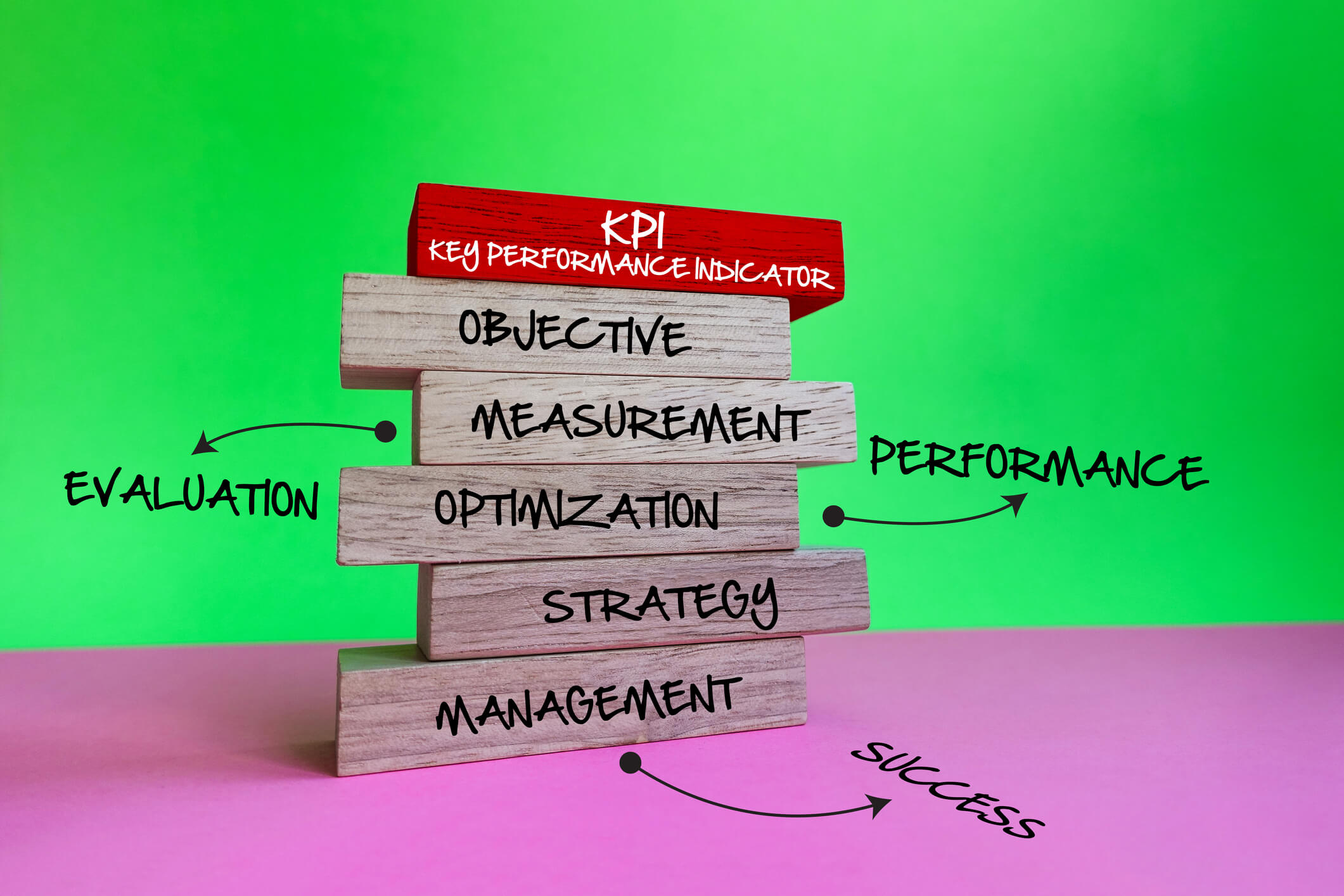
Key performance indicators are quantifiable metrics that measure business outcomes directly against your strategic goals—transforming your vision into a data-driven roadmap that guides every decision, from capital allocation to product development. These metrics serve as the bridge between abstract business strategies and measurable execution, enabling entrepreneurs to track progress with precision and accountability.
As the founder of Complete Controller, I’ve worked with thousands of entrepreneurs over the past 20 years who had brilliant business plans but lacked the metrics to execute them. Here’s what I’ve learned: KPIs aren’t optional dashboards for Wall Street—they’re the nervous system of your business, telling you in real time whether you’re moving toward success or away from it. Did you know that entrepreneurs who formally track KPIs are 3x more likely to hit their revenue targets than those who rely on intuition alone? This article cuts through the noise and shows you exactly which KPIs matter most for strategic entrepreneurship, how to implement them, and how to use them to make faster, smarter decisions that drive sustainable growth.

What are key performance indicators and why do they matter for entrepreneurs?
- Key performance indicators are strategic metrics that measure progress toward core business goals, not vanity numbers
- They transform abstract strategies into measurable, actionable targets everyone in your organization can understand
- Unlike general metrics, KPIs must be tied to decision-making—they’re your early warning system for problems and opportunities
- Entrepreneurs who track KPIs systematically outperform those who rely on intuition, enabling faster pivots and smarter resource allocation
- KPIs create accountability, align teams, and provide evidence investors need to see that you understand your business mechanics
From Strategy to Numbers: Building a KPI System That Actually Drives Decisions
The foundation of any effective KPI system rests on three essential pillars: clear diagnosis of your market position, guiding policy that defines your competitive approach, and coherent action through specific initiatives. This framework, based on Richard Rumelt’s strategic model, prevents the common mistake of selecting metrics randomly without strategic alignment.
Before choosing any KPI, you must first identify your Critical Success Factors (CSFs)—the 3-5 things that absolutely must go right for your business to succeed. These CSFs serve as the bridge between your overall strategy and the specific metrics you’ll track. For example, if “acquiring customers profitably” is a CSF, your corresponding KPIs would be Customer Acquisition Cost (CAC) and the LTV:CAC ratio.
The SMART framework: Non-negotiable standards
All effective KPIs must meet five criteria to be actionable. First, they must be Specific with clearly defined parameters and no ambiguous language. Second, they need to be Measurable with a quantifiable formula and reliable data source. Third, they should be Achievable within your resources and timeline—stretch goals are valuable, but impossible targets demoralize teams. Fourth, KPIs must be Relevant and directly aligned with your business strategy. Finally, they need to be Time-Bound with clear deadlines and review cadences.
The Four Primary KPI Categories Every Entrepreneur Should Master
Research identifies four foundational improvement areas that form the backbone of comprehensive performance measurement. As your business grows, you’ll need KPIs across all four categories to maintain balanced oversight.
Revenue improvement KPIs
These metrics measure your ability to generate and grow income sustainably. Monthly Revenue Growth tracks the percentage increase in revenue month-over-month, revealing trends and ensuring you’re hitting growth targets. Market Share represents your percentage of the total addressable market, critical for understanding competitive position. Customer Acquisition Cost (CAC) divides total sales and marketing spend by new customers acquired, revealing the efficiency of your growth engine.
Cost reduction KPIs
Operational efficiency metrics directly impact your bottom line. Gross Profit Margin, calculated as ((Revenue – COGS) / Revenue) × 100, reveals how much profit you generate from each dollar of sales before overhead. Operating Expense Ratio shows what percentage of sales goes to run the business by dividing total operating costs by revenue. Cost Per Unit tracks the direct cost to produce each unit, critical for manufacturing or SaaS businesses optimizing unit economics.
Process cycle-time improvement KPIs
Speed and operational agility determine competitive advantage in fast-moving markets. Cash-to-Cash Cycle Time measures days from when you pay suppliers to when you collect cash from customers. Lead Time tracks duration from order to fulfillment—shorter cycles improve customer satisfaction and cash flow. Inventory Turnover Rate reveals how quickly you convert inventory to sales, with higher rates indicating better capital efficiency.
Customer satisfaction and retention KPIs
Long-term business health depends on customer loyalty. Customer Lifetime Value (LTV) calculates total profit a customer generates over their relationship with your business. Churn Rate measures the percentage of customers who stop using your product or service in a given period. Net Promoter Score (NPS) gauges customer willingness to recommend your business, ranging from -100 to +100.
The Golden Ratio: Why CAC-to-LTV Is Your Most Important KPI
Among all metrics entrepreneurs track, one ratio stands above the rest as a predictor of sustainable growth: the LTV:CAC Ratio. This metric compares how much a customer is worth over their lifetime to how much it costs to acquire them.
The formula is straightforward: LTV:CAC Ratio = Customer Lifetime Value ÷ Customer Acquisition Cost. A ratio of 3:1 is considered the industry benchmark for sustainable, scalable business models. This means for every dollar you spend acquiring a customer, you generate three dollars in lifetime profit.
Different ratios tell distinct stories about your business health. Below 1:1 means you’re losing money on every new customer—clearly unsustainable. Between 1:1 and 2:1 indicates breaking even or barely profitable operations where you need to either reduce CAC or increase customer value. At 3:1, you’ve achieved healthy growth with resources to reinvest in acquisition. Ratios above 5:1 suggest exceptional efficiency but may indicate underinvestment in customer acquisition.
The power of this ratio lies in its holistic view. CAC and LTV alone provide incomplete pictures. You might celebrate low acquisition costs without realizing customer lifetime value is equally low due to poor retention. The ratio forces strategic thinking about building a sustainable business versus just acquiring customers you can’t keep.
Ready to turn your KPIs into real decisions? Complete Controller keeps your numbers clear and actionable.

Which KPIs Matter Most: A Framework for Startups, Growth, and Scale
Not all KPIs carry equal importance at every business stage. Your focus must evolve as your company matures through distinct phases.
Pre-revenue and seed stage
Your primary focus centers on proving the business model works. Critical KPIs include Customer Discovery Metrics like number of customer interviews and problem validation rate. Burn Rate tracks monthly cash spend to understand runway for survival. Conversion Rate measures the percentage of prospects becoming paying customers, validating demand.
Growth stage ($1M–$10M ARR)
The focus shifts to scaling efficiently without depleting cash reserves. Monthly Recurring Revenue (MRR) provides predictable, repeatable revenue essential for forecasting. CAC Payback Period reveals how many months to recover customer acquisition costs—aim for 6-12 months. Gross Margin ensures unit economics remain profitable before scaling. Churn Rate becomes critical as high churn undermines all growth metrics.
Scale/Mature stage ($10M+ ARR)
Optimization of profitability and competitive positioning takes precedence. Net Profit Margin measures true profitability after all expenses. Return on Investment (ROI) evaluates capital efficiency across departments and initiatives. Market Share and Innovation Metrics like patents filed and new products launched gauge competitive strength. Employee Productivity measured by revenue per employee indicates operational leverage.
Your 90-Day KPI Implementation Roadmap: From Selection to Dashboard
Most entrepreneurs fail at KPI implementation not because they choose wrong metrics, but because they lack a structured rollout plan. This battle-tested approach ensures successful deployment.
Days 1-30: Foundation Phase
Begin by defining your strategy in 2-3 clear sentences and documenting your top 3-5 Critical Success Factors. Select no more than 5-7 core KPIs that directly measure these CSFs—focus beats comprehensiveness. For each KPI, document the name and definition, calculation formula, data source, current baseline, 90-day and annual targets, review frequency, and responsible owner.
Days 15-45: Data Collection and Tools
Audit which metrics you’re already tracking in existing software like accounting platforms, CRM systems, or analytics tools. Choose a centralized dashboard solution that fits your technical capabilities and budget. Options range from spreadsheets for simplicity to business intelligence platforms like Tableau for advanced visualization, or native dashboard features in tools like QuickBooks or Xero.
Days 45-90: Launch and Optimization
Roll out your KPI system with clear communication about why each metric matters and how it connects to business success. Establish regular review cadences—weekly for leading indicators, monthly for comprehensive reviews. Create accountability by assigning metric ownership and celebrating wins when targets are achieved.
Beyond Spreadsheets: Technology Tools That Make KPI Tracking Effortless
Modern KPI management demands more than manual spreadsheet updates. Cloud-based platforms now offer real-time data synchronization, automated reporting, and mobile accessibility that transforms how entrepreneurs monitor performance.
For financial KPIs, accounting software like QuickBooks or Xero provides built-in dashboards tracking revenue, expenses, and cash conversion cycles. Customer relationship management systems including HubSpot or Salesforce automate customer metric tracking from acquisition costs through lifetime value. Dedicated analytics platforms like Klipfolio or Databox integrate multiple data sources into unified dashboards accessible from any device.
The key selection criteria include ease of integration with existing systems, real-time or near-real-time data updates, mobile accessibility for on-the-go monitoring, customization capabilities matching your specific KPIs, and scalability as your business grows.
Common KPI Implementation Mistakes and How to Avoid Them
Through two decades of working with entrepreneurs, I’ve observed recurring patterns in KPI implementation failures. The most damaging mistake involves tracking too many metrics—organizations attempting to monitor 20+ KPIs create confusion rather than clarity. Limit yourself to 5-7 core metrics that truly drive strategic decisions.
Another critical error is focusing exclusively on lagging indicators like revenue or profit margins. While important, these metrics reflect past performance rather than predicting future success. Balance your KPI portfolio with leading indicators that enable proactive management.
Many entrepreneurs also fail to assign clear ownership for each metric. Without accountability, KPIs become numbers on a dashboard rather than drivers of action. Each KPI needs a specific individual responsible for performance and improvement initiatives.
Finally, setting unrealistic targets demoralizes teams and undermines the entire measurement system. Base targets on historical performance, industry benchmarks, and realistic growth trajectories rather than aspirational thinking disconnected from operational reality.
Final Thoughts
Key performance indicators represent far more than numbers on dashboards—they embody the quantifiable expression of your business strategy and the roadmap guiding daily decisions toward long-term success. By implementing the frameworks and metrics outlined in this guide, you transform abstract goals into concrete, measurable outcomes that align teams, satisfy investors, and most importantly, drive sustainable growth.
The journey from selecting your first KPIs to operating a sophisticated performance management system requires commitment, iteration, and continuous learning. Start with the fundamentals: identify your Critical Success Factors, select 5-7 core metrics aligned with those factors, implement systematic tracking using modern tools, and create accountability through regular reviews and clear ownership.
Your business deserves more than gut-feel decision making. Take action today by defining your strategic KPIs and building the measurement infrastructure that will guide your entrepreneurial journey. For expert guidance on implementing financial KPIs and performance management systems tailored to your specific business needs, contact the professionals at Complete Controller. Our team brings decades of experience helping entrepreneurs like you build data-driven businesses that scale successfully while maintaining financial clarity and control.

Frequently Asked Questions About Key Performance Indicators
What’s the difference between a metric and a KPI?
While all KPIs are metrics, not all metrics qualify as KPIs. A metric becomes a KPI only when it directly measures progress toward a specific strategic goal. For example, website traffic is a metric, but “qualified lead conversion rate” is a KPI if your strategy focuses on efficient customer acquisition.
How many KPIs should a small business track?
Most successful small businesses track between 5-7 core KPIs. This provides comprehensive coverage without overwhelming management capacity. As you grow beyond $10M in revenue, you might expand to 10-12 KPIs across different departments, but maintain focus on the vital few that drive strategic decisions.
How often should I review my KPIs?
Leading indicators merit weekly review to enable quick adjustments. Comprehensive KPI reviews should occur monthly, with quarterly sessions for strategic assessment and annual reviews for target-setting. The key is consistency—irregular review schedules undermine accountability and momentum.
What if my industry doesn’t have standard KPI benchmarks?
Start by tracking your own historical performance to establish baselines. Join industry associations or peer groups where entrepreneurs share anonymized performance data. Consider hiring consultants with industry expertise who can provide benchmark ranges based on their broader client experience.
Can KPIs change as my business evolves?
Absolutely. KPIs should evolve with your business strategy and growth stage. A pre-revenue startup might focus on customer discovery metrics, while the same company at $5M ARR would prioritize unit economics and retention. Review your KPI portfolio annually to ensure alignment with current strategic priorities.
Sources
- Workday Research. (2025). Invisible Wins Framework and Employee Engagement.
- Wikipedia. SMART Criteria. https://en.wikipedia.org/wiki/SMART_criteria
- Investopedia. Customer Acquisition Cost (CAC). https://www.investopedia.com/terms/c/customer-acquisition-cost.asp
- American Management Association. (2024). Key Performance Indicators and Strategic Framework. https://www.amanet.org
- Complete Controller. From Spreadsheets to CRMs. https://www.completecontroller.com/from-spreadsheets-to-crms/
- Complete Controller. Mastering the Cash Conversion Cycle. https://www.completecontroller.com/mastering-the-cash-conversion-cycle/
- Complete Controller. Net Profit Margin Business Essential. https://www.completecontroller.com/net-profit-margin-business-essential/
- Xero Blog. (2024). Predictive Invoicing and Cash Flow Management. https://www.xero.com/blog/2024/predictive-invoicing-and-cash-flow-management/
- Bain & Company. Net Promoter Score Methodology and Benchmarks.
 About Complete Controller® – America’s Bookkeeping Experts Complete Controller is the Nation’s Leader in virtual bookkeeping, providing service to businesses and households alike. Utilizing Complete Controller’s technology, clients gain access to a cloud platform where their QuickBooks™️ file, critical financial documents, and back-office tools are hosted in an efficient SSO environment. Complete Controller’s team of certified US-based accounting professionals provide bookkeeping, record storage, performance reporting, and controller services including training, cash-flow management, budgeting and forecasting, process and controls advisement, and bill-pay. With flat-rate service plans, Complete Controller is the most cost-effective expert accounting solution for business, family-office, trusts, and households of any size or complexity.




 Brittany McMillen
Brittany McMillen
Brittany McMillen