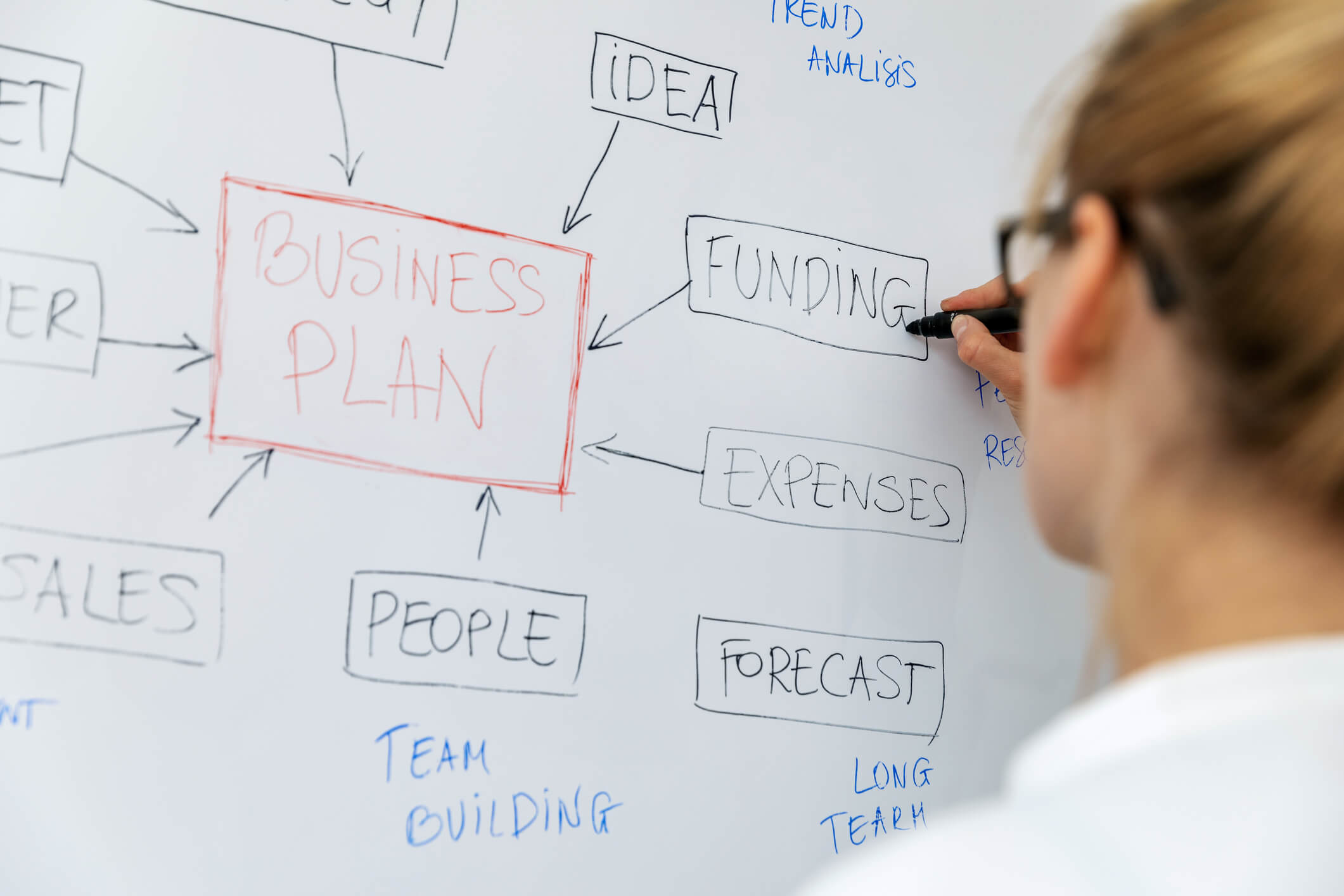
Marketing is a broad aspect of any business, so conducting a successful marketing campaign is vital. A marketing campaign is a push that generates traffic for the business. At present, there are many marketing platforms available for a business to utilize. Breaking into the content writing industry is desirable to most writers, but there are important facets to keep in mind. Having a solid base plan is essential to generate a profitable content marketing campaign, which will provide a strong base for promoting content writing.
At some point in the content writing career, an individual must tell the audience what he is trying to achieve with his skills and for what reason he is doing it. This is what helps define career success and whether the audience will continue to follow and support the cause or not.
How to get heavy clicking on ideas available on the website
A content marketer’s job is to build a campaign that does not lose interest quickly and has a wide range of valuable content concepts. There is no doubt accomplishing this goal can be difficult.
Take out pen and paper and write down the answer to the following questions, as they can indicate an individual’s content marketing goals.
How will content marketing contribute to business growth?
How much time will it take to reach specific goals?
How will content marketing work in collaboration with other marketing platforms?
How to deliver the underlying message of business?
How to be competitive with other content?
Is the content something special or out of the ordinary?
Is it unique enough to get attention?
Decide the targeted audience
In order to write content that people will read requires it to be unique; however, such an approach will only work when the audience is well known. The reading level depends on an individual’s interest, and with this understanding, a content writer can capture the attention of the targeted audience.
A simple approach is to find a niche and continue to narrow it down. Even after narrowing down the niche, it is important to be precise and begin writing content about it.
Even after such precision and planning, it is important to check if the niche is practical and if content marketing is desirable for an individual to write. After all the evaluations, it is crucial to focus on the type of customers the marketing campaign will draw. Furthermore, where is the target audience located?
Making the content highly productive is important because a productive campaign will draw customers without needing too much additional marketing material or manpower.
Have a planned strategy
Developing the content for maximum productivity can be achieved more efficiently with a strategic plan. The plan must contain the core message aspect, and it must revolve around the decided content. While planning a strategy, it is important to be focused on the type of content, for example, a blog, newsletter, magazine article, webinar, infographic, e-book, etc. Furthermore, be sure to include the publishing schedule in the plan. The timeline should be accurate and reflect agreed upon publishing dates on a weekly basis, daily, three times a week, etc.
For what technology will it be published?
Ensure where the content will be published and if it will be a hardcopy, softcopy, or both. Knowing the publishing platform will target different audiences, which will further help estimate the success of the content.
Content management
Delivering content in an organized manner is important, as it will help the readers easily search for specific content. Make channels if there is a need to target a different audience or various niches of the content. Create a smooth workflow that will help achieve objectives professionally and make the content accessible for every reader.
In the end, the main objective of content marketing should be to promote the individual’s content and generate traffic. After all, the main idea behind marketing is to engage customers with the given content’s services and generate more sales on behalf of the content owner.
About Complete Controller® – America’s Bookkeeping Experts Complete Controller is the Nation’s Leader in virtual bookkeeping, providing service to businesses and households alike. Utilizing Complete Controller’s technology, clients gain access to a cloud-hosted desktop where their entire team and tax accountant may access the QuickBooks™️ file, critical financial documents, and back-office tools in an efficient and secure environment. Complete Controller’s team of certified US-based accounting professionals provide bookkeeping, record storage, performance reporting, and controller services including training, cash-flow management, budgeting and forecasting, process and controls advisement, and bill-pay. With flat-rate service plans, Complete Controller is the most cost-effective expert accounting solution for business, family-office, trusts, and households of any size or complexity.
Every company thrives to be successful and wants to be the best in the industry. A company invests time and money, making sure it generates as much revenue as possible. However, some ineffective practices and financial mistakes that a company can make during their startup process can lead to financial crises.
Inappropriate Pricing:
Sometimes companies become dishonest. They invest less and sell their products at inflated prices to earn maximum profit. It is unethical to lie to customers about the product or service. Eventually, the client will realize that they are being cheated, which creates a negative reputation for the business. The company can lose sales and the opportunity to build customer loyalty.
Data:
Sometimes investors are overpowered by confidence, and they neglect the statistical data that is built after thorough market research. Experts recommend playing it safe before investing and suggest using research data to develop the business.
Inappropriate Budget Plans:
It is common for the budget to be ignored if needs arise that are not initially considered. It is important to plan and budget while keeping some unforeseen expenses in mind. For example, a sudden shortage of raw material, an increase in demand of any byproduct, or any unfortunate accident can add up and exceed usual expenses and the approved budget.
High Fixed Costs:
Sometimes there is a shortage of staff or an exceptionally high workload, so the work must be outsourced. Outsourcing is a helpful method but should be avoided as much as possible. It is important to emphasize that this practice must be carried out in secondary areas and not in the core of the business. Otherwise, it could compromise the quality of the services and/or products.
Reinvesting:
Sometimes reinvesting in a business proves to be profitable. Companies reinvest in the existing business to make it more beneficial and profitable. Reinvesting is crucial and may result in more steady growth and success. However, do not reinvest in the wrong business. Reinvesting requires proper planning and analysis. It involves money and the expenditure of time and energy, which are also valuable for running a successful business. Therefore, reinvestment plans should be considered at the time of startup.
Self-finance:
Approximately 50% of entrepreneurs finance the entire business with their own money. However, this can cause companies to drown due to a lack of customers or a mismatch between income and liability payment. It is wiser to self-finance a business if the investment is minimal. If the investment is significant, taking a loan or obtaining finance from an investor should be considered.
Business Credit:
It takes time to qualify for business credit. Still, business owners should consider it important from the very beginning and strive to be registered to a business credit bureau as soon as possible. It is essential that there are separate accounts for business and personal credits. Once the business credit is built, it will be less likely to affect the owner’s personal credit if the business incurs considerable losses.
Income Plan:
Avoid being optimistic about income. Every business startup needs time to stabilize and turn a profit. The business goes through a lot of ups and downs before finally starting to generate revenue. When you take the reins of a business, many times, you expect income that is not consistent with reality, especially regarding the time it can take to produce revenue.
Usual Mistakes:
When the business starts to post positive numbers, the entrepreneur usually makes two mistakes: spending all resources or reinvesting without planning. Both result in the fatality of the business. Once the business starts generating income, wait until the figures become constant and consistent before spending or reinvesting.
Salary:
Usually, the owner of the business does not assign a salary for himself at the start of the venture but will opt for “taking as you need.” This is a serious mistake since this financial factor is lost and can negatively influence cash flow. The owner should assign a specific amount of salary for himself and should manage within that allocated amount of money. If the owner keeps taking money from the revenue without any check and balance, the business will soon lose control due to the unforeseen cost of this salary.
Payment Method:
Different people opt for different methods of payment. Some like to have online transactions, while others like to pay via check. It is ideal to present a range of alternative payment methods to facilitate the purchasing process for different types of customers. This increases the chances of customer loyalty and payment.
About Complete Controller® – America’s Bookkeeping Experts Complete Controller is the Nation’s Leader in virtual bookkeeping, providing service to businesses and households alike. Utilizing Complete Controller’s technology, clients gain access to a cloud-hosted desktop where their entire team and tax accountant may access the QuickBooks™️ file, critical financial documents, and back-office tools in an efficient and secure environment. Complete Controller’s team of certified US-based accounting professionals provide bookkeeping, record storage, performance reporting, and controller services including training, cash-flow management, budgeting and forecasting, process and controls advisement, and bill-pay. With flat-rate service plans, Complete Controller is the most cost-effective expert accounting solution for business, family-office, trusts, and households of any size or complexity.
An individual takes a mortgage loan to purchase real estate. Property owners may also use it to raise money through mortgaging their property. A mortgage loan is one of the most common loans taken by individuals and businesses. Mortgage loans come with an interest rate and amortize over a period, typically 30 years. This article discusses the various types of mortgage loans in order to help you choose the one that fits your needs!
Fixed-Rate Loan
The fixed-rate loan is one of the simplest mortgage loans. The borrower must pay a single interest rate every month, which usually ranges between 15-30%. This loan is recommended for homeowners who wish to avoid taking risks by paying a fixed amount throughout the life of the loan. Changes in the economy will not have an impact on the mortgage loan; therefore, the borrower enjoys high predictability. However, this option is not for people who plan on moving to another house soon.
FHA Loan
An FHA loan is a type of mortgage that the Federal Housing Administration ensures and is very popular amongst people who are buying their first home. This loan requires a down payment of 3.5% for people with a credit score above 580. For people with credit scores between 500-579, the loan requires a 10% down payment. Typically, the interest rate will be higher for people with low credit scores. Additionally, to secure an FHA loan, the borrower must be at least two years out of bankruptcy with a well-established credit score after the bankruptcy.
Conventional Mortgages
A conventional mortgage is a mortgage that the federal government does not insure. There are two types of conventional loans; non-conforming and conforming loans. A conforming loan is a loan that is within the limits set by Freddie Mac or Fannie Mae. Non-conforming loans do not meet any such guidelines. Lenders pay private mortgage insurance on various conventional loans when 20% of the property’s purchase price is paid. The overall cost of borrowing a conventional mortgage is lower than other mortgages. However, the interest rate tends to be higher.
Adjustable-Rate Mortgage
An adjustable-rate mortgage contains an interest rate that changes throughout the period of the loan, depending on the changes in the country’s interest rate. Initially, the loan has a fixed interest rate for a period of five to ten years, after which the rate changes as per the prevailing interest rate. The variable interest rate is based on an index rate benchmark that varies with market conditions. The borrower enjoys a lower interest rate within the fixed period than a traditional fixed-rate loan.
Non-Confirming Loans
Non-conforming loans are loans that exceed the limits of conforming loans. Fannie Mae and Freddie Mac set the conforming loan limits and are currently $424,100 for the United States. The limits of this loan may exceed $635,050 for high-cost areas of the United States.
There are various types of non-conforming loans. A Jumbo Loan is a loan given to borrowers when their respective areas’ limit has been exceeded. However, since the amount is higher, the Jumbo Loan is difficult to secure. Most lenders require a score above 680 to qualify for the Jumbo Loan, along with a 15% – 20% down payment. Jumbo Loans that exceed $1 million are called Super Jumbo Loans. Lenders may give up to $3 million loans to borrowers with excellent credit scores.
Cash-Out Refinance
A Cash-Out Refinance means that the mortgage is refinanced, and the cash is acquired by taking from the equity in the house. The borrower must make one monthly mortgage payment, and the interest rates are lower than other equity loans. Around 80% of the value of the house can be borrowed with the Cash-Out Refinance loan.
About Complete Controller® – America’s Bookkeeping Experts Complete Controller is the Nation’s Leader in virtual bookkeeping, providing service to businesses and households alike. Utilizing Complete Controller’s technology, clients gain access to a cloud-hosted desktop where their entire team and tax accountant may access the QuickBooks™️ file, critical financial documents, and back-office tools in an efficient and secure environment. Complete Controller’s team of certified US-based accounting professionals provide bookkeeping, record storage, performance reporting, and controller services including training, cash-flow management, budgeting and forecasting, process and controls advisement, and bill-pay. With flat-rate service plans, Complete Controller is the most cost-effective expert accounting solution for business, family-office, trusts, and households of any size or complexity.
Simple Steps to Choose the Right Retirement Plan for You
To choose a retirement plan that aligns with your financial goals, start by evaluating your employment status, age, income level, and tax preferences—then compare options like 401(k)s, IRAs, and solo plans based on contribution limits, employer matches, and tax treatment for 2025.
As the founder of Complete Controller, I’ve spent over 20 years guiding thousands of entrepreneurs and employees through the complexities of retirement planning. One client recently doubled their savings by switching from a basic IRA to a solo 401(k)… unlocking higher contribution limits and tax advantages that transformed their financial trajectory. In this article, you’ll discover proven strategies to evaluate retirement options, maximize employer benefits, avoid costly fee traps, and implement a 30-day action plan that sets you up for long-term financial security.
What are the simple steps to choose the right retirement plan for you?
Assess your situation first: Evaluate if you’re employed, self-employed, or a business owner; consider age, income, and goals like tax deferral or tax-free growth
Compare key plans: Prioritize 401(k)s for employer matches, Roth IRAs for tax-free withdrawals, or SEP IRAs for high earners
Check 2025 limits: Employee deferrals up to $23,500 (plus $7,500 catch-up for 50+), total 401(k) up to $70,000; IRAs at $7,000 ($8,000 catch-up)
Factor in taxes and access: Traditional plans defer taxes now, Roth offers tax-free later; maintain portability for job changes
Consult pros and act: Use IRS tools or advisors to model scenarios, then open or roll over accounts promptly
Understanding Your Personal Financial Situation
Your path to choosing the right retirement plan begins with a clear assessment of your current position. Employment status dictates which plans you can access—employees typically qualify for 401(k)s or 403(b)s if offered, while self-employed individuals need SEP IRAs or solo 401(k)s.
Age plays a crucial role in retirement planning strategy. Workers under 50 face standard contribution limits, while those aged 50-59 or 64+ gain access to $7,500 catch-up contributions in 2025. The sweet spot arrives for workers aged 60-63, who can contribute an additional $11,250 through super catch-up provisions. High earners approaching retirement often benefit from defined-benefit plans that promise fixed payouts and allow contributions exceeding standard 401(k) limits.
Income level shapes both your capacity to save and your optimal tax strategy. Traditional retirement accounts offer immediate tax deductions—valuable for high earners seeking to reduce current tax bills. Conversely, Roth accounts use after-tax dollars but provide tax-free growth and withdrawals, making them ideal if you expect higher tax brackets in retirement. At Complete Controller, we often map clients’ expected retirement income against Social Security projections to identify gaps that strategic plan selection can fill.
Ready for clarity on your retirement decisions? Start with Complete Controller.
Comparing Major Retirement Plan Options
The retirement plan landscape offers distinct advantages depending on your employment situation and financial goals. Understanding these differences empowers you to make informed decisions that maximize your long-term wealth accumulation.
401(k) and 403(b) plans for employees
401(k) plans dominate the employee retirement landscape, allowing $23,500 in deferrals for 2025 plus potential employer matches. Most employers offer matching contributions—often 50 cents per dollar on the first 6% of pay—representing free money that compounds over decades. 403(b) plans serve nonprofit and education sector workers with identical contribution limits and similar investment options.
The power of employer matching cannot be overstated. A worker earning $60,000 who contributes 6% to capture a full 3% match effectively receives a 50% immediate return on investment. Over 30 years, this matching alone could generate hundreds of thousands in additional retirement wealth. Vesting schedules vary, with some employers requiring several years of service before matches become fully yours.
IRA options: Traditional vs. Roth
Individual Retirement Accounts offer flexibility and control beyond employer plans. Traditional IRAs provide immediate tax deductions on contributions up to $7,000 in 2025 ($8,000 for those 50+), with withdrawals taxed as ordinary income in retirement. Roth IRAs flip this equation—no upfront deduction but tax-free growth and withdrawals after age 59½.
The Traditional versus Roth decision hinges on current versus future tax rates. Young professionals in lower tax brackets often benefit from Roth contributions, locking in today’s low rates. Mid-career high earners may prefer traditional IRAs to reduce current tax bills. Both account types offer unlimited investment choices compared to employer plans’ limited menus.
Self-employed and small business solutions
Self-employed individuals and small business owners access powerful retirement savings tools unavailable to traditional employees. SEP IRAs allow contributions up to 25% of compensation or $70,000 for 2025—simple to establish with minimal ongoing administration. SIMPLE IRAs mandate employer contributions of 2-3% but bypass complex nondiscrimination testing required for 401(k)s.
Solo 401(k)s represent the gold standard for self-employed high earners. Acting as both employer and employee, you can contribute $23,500 as an employee plus 25% of self-employment income as employer contributions, reaching the same $70,000 total limit. This dual structure often allows substantially higher contributions than SEP IRAs at moderate income levels.
Plan Type
Best For
2025 Employee Deferral
Total Limit
Employer Role
401(k)
Employees
$23,500 + catch-up
$70,000
Matching often 3-6%
Roth IRA
Individuals
$7,000 + catch-up
N/A
None
SEP IRA
Self-employed/small biz
N/A
25% comp or $70,000
Employer funds
Solo 401(k)
1 owner (+spouse)
$23,500 + 25% comp
$70,000
Self as employer
Hidden Costs and Tax Implications
Beyond contribution limits and employer matches, successful retirement planning requires understanding the true cost of investing and the long-term tax implications of your choices.
Fees represent a silent killer of retirement wealth. A seemingly modest 1% annual fee reduces your ending balance by approximately 25% over 30 years compared to a low-cost option charging 0.25%. Target-date funds in employer plans often carry expense ratios exceeding 1%, while comparable index funds charge under 0.10%. The Thrift Savings Plan available to federal employees showcases ultra-low fees around 0.05%—a benchmark against which to measure your options.
Tax treatment varies dramatically across account types. Traditional 401(k)s and IRAs provide upfront deductions but create taxable income in retirement, potentially pushing you into higher brackets when combined with Social Security and other income sources. Roth accounts sacrifice immediate deductions for tax-free withdrawals, proving especially valuable for those expecting substantial retirement account growth or future tax rate increases.
Early withdrawal penalties add another layer of complexity. Both traditional and Roth accounts impose 10% penalties on withdrawals before age 59½, though exceptions exist for specific hardships, first-time home purchases, and higher education expenses. Strategic use of 72(t) distributions can provide penalty-free early access to retirement funds through substantially equal periodic payments.
Advanced Strategies for High Earners
High-income professionals and successful business owners often overlook sophisticated retirement planning options that dwarf standard 401(k) contribution limits.
Solo 401(k) optimization
Solo 401(k)s deserve special attention from self-employed individuals and business owners without full-time employees. The ability to contribute as both employer and employee creates exceptional savings opportunities. A consultant earning $200,000 could contribute $23,500 as an employee plus $50,000 (25% of income) as employer profit-sharing, reaching $73,500 total—impossible through any other defined contribution structure.
Many solo 401(k) providers now offer Roth options, allowing after-tax employee deferrals while maintaining deductible employer contributions. This hybrid approach provides tax diversification and flexibility in retirement. Administrative requirements remain minimal compared to traditional 401(k)s, with most providers offering streamlined online management.
Defined benefit and cash balance plans
Defined benefit plans promise specific retirement payouts, allowing contributions that dwarf defined contribution limits. Business owners within 10-15 years of retirement can potentially contribute $100,000-$300,000 annually while claiming full tax deductions. Cash balance plans offer similar high contribution limits but express benefits as account balances rather than monthly pensions.
At Complete Controller, we recently worked with a 55-year-old business owner who implemented a cash balance plan alongside her existing 401(k). By contributing $185,000 annually for eight years, she accumulated over $2 million in tax-deferred retirement savings—nearly triple what traditional plans would have allowed. These plans require stable business income and professional administration but offer unparalleled wealth accumulation for those who qualify.
Common Pitfalls and How to Avoid Them
Even well-intentioned savers fall victim to retirement planning mistakes that compound over decades. Recognizing these pitfalls helps you navigate around them.
Missing employer matches ranks as the most costly yet preventable error. Approximately one-third of 401(k) participants fail to contribute enough to capture their full employer match, essentially declining free money. Automatic escalation features now allow you to increase contributions by 1% annually, gradually building toward maximum employer matches without shocking your budget.
Ignoring catch-up contributions after age 50 represents another missed opportunity. The additional $7,500 allowed in 401(k)s and $1,000 in IRAs may seem modest, but these amounts compound significantly over 15+ years. Workers aged 60-63 who qualify for super catch-up contributions of $11,250 gain even more ground.
Failing to consolidate old employer plans creates multiple problems—forgotten accounts, excessive fees, and complicated estate planning. Rolling old 401(k)s into either your current employer plan or an IRA simplifies management while potentially reducing fees. Direct rollovers avoid tax withholding and maintain your retirement timeline.
Your 30-Day Implementation Roadmap
Transforming retirement planning knowledge into action requires a systematic approach. This proven 30-day roadmap moves you from analysis to implementation.
Days 1-7: Gather your financial documents including recent pay stubs, W-2s or 1099s, and existing retirement account statements. Calculate your current savings rate and identify available employer benefits. Document your employment status, age, and income to determine plan eligibility.
Days 8-14: Compare specific plans using the IRS retirement plan chooser tool and model different scenarios. Calculate the long-term impact of various contribution levels, factoring in employer matches and tax benefits. For self-employed individuals, compare SEP IRA versus Solo 401(k) contribution limits at your income level.
Days 15-21: Take action by opening new accounts or initiating rollovers from old employer plans. Prioritize capturing any available employer match first, then optimize contribution levels based on your budget. Set up automatic contributions to enforce disciplined saving.
Days 22-30: Review investment options within your chosen plans, selecting low-cost index funds or target-date funds aligned with your timeline. Establish automatic rebalancing and document your investment policy. Schedule annual reviews to adjust for income changes, life events, and evolving tax laws.
This structured approach transforms overwhelming decisions into manageable steps. Each phase builds on the previous, creating momentum toward your retirement goals.
Final Thoughts
Successfully choosing a retirement plan requires matching your unique circumstances—employment status, age, income, and tax situation—with the optimal savings vehicle. Whether maximizing employer 401(k) matches, leveraging Roth IRA tax-free growth, or utilizing solo 401(k)s for self-employed individuals, the key lies in taking informed action today.
Throughout my 20 years leading Complete Controller, I’ve witnessed firsthand how strategic retirement planning transforms financial futures. Clients who commit to understanding their options, minimizing fees, and maximizing tax advantages consistently achieve retirement readiness years ahead of schedule.
Start implementing these strategies today—run your numbers, compare your options, and take the first step toward securing your financial future. For personalized guidance on optimizing your retirement planning strategy and comprehensive financial services support, visit Complete Controller to schedule your free consultation with our expert team.
Frequently Asked Questions About Choose a Retirement Plan
What is the best retirement plan for self-employed individuals?
Solo 401(k)s typically offer the highest contribution limits for self-employed individuals without employees, allowing both employee deferrals ($23,500 in 2025) and employer contributions (25% of income) up to $70,000 total.
How much can I contribute to a 401(k) in 2025 if I’m over 50?
Workers aged 50-59 and 64+ can contribute $31,000 ($23,500 base + $7,500 catch-up), while those aged 60-63 can contribute $34,750 ($23,500 + $11,250 super catch-up).
Should I choose a traditional or Roth IRA?
Choose traditional IRAs if you’re currently in a high tax bracket and want immediate deductions; select Roth IRAs if you’re in a lower bracket now or expect higher taxes in retirement.
Can I have both a 401(k) and an IRA?
Yes, you can maximize contributions to both a 401(k) through your employer and a personal IRA, though high earners may face deduction limits on traditional IRA contributions.
What happens to my 401(k) when I change jobs?
You can leave it with your former employer (if allowed), roll it into your new employer’s plan, roll it into an IRA for more control, or cash out (triggering taxes and penalties if under 59½).
About Complete Controller® – America’s Bookkeeping Experts Complete Controller is the Nation’s Leader in virtual bookkeeping, providing service to businesses and households alike. Utilizing Complete Controller’s technology, clients gain access to a cloud platform where their QuickBooks™️ file, critical financial documents, and back-office tools are hosted in an efficient SSO environment. Complete Controller’s team of certified US-based accounting professionals provide bookkeeping, record storage, performance reporting, and controller services including training, cash-flow management, budgeting and forecasting, process and controls advisement, and bill-pay. With flat-rate service plans, Complete Controller is the most cost-effective expert accounting solution for business, family-office, trusts, and households of any size or complexity.
Jennifer BrazerFounder/CEO
Jennifer is the author of From Cubicle to Cloud and Founder/CEO of Complete Controller, a pioneering financial services firm that helps entrepreneurs break free of traditional constraints and scale their businesses to new heights.
Brittany McMillen is a seasoned Marketing Manager with a sharp eye for strategy and storytelling. With a background in digital marketing, brand development, and customer engagement, she brings a results-driven mindset to every project. Brittany specializes in crafting compelling content and optimizing user experiences that convert. When she’s not reviewing content, she’s exploring the latest marketing trends or championing small business success.
Entrepreneurs are often over-zealous about starting their business as quickly as possible. However, a realistic business plan is the first step to success, as it clarifies how the business will make profits long-term. It is directed towards a particular audience and has certain objectives. For example, a business plan may want to convince the company to initiate a new project or investors to invest in the project. You may be wondering, “Where do I even begin?” Read our tips for creating a well-thought-out and organized business plan.
Knowing the Audience
A business plan is written for different purposes, each with a different audience. For example, a business plan written in the development stages of a business will most likely be targeting investors. The tone of this business plan will be persuasive in order to convince investors that the business idea is promising and that it would be beneficial for them to help fund it. Another common type of business plan is the one written as an expansion plan for the company. The managers and board of directors would like to hear about the past performance of the team responsible for the expansion. The tone of this business plan will be a blend of informative and persuasive tone. The key is to know the audience that will be reading the business plan and their expectations.
Setting Clear and Realistic Goals
Before writing a business plan, you must have clear and realistic goals for the business. Consider answering these two questions: What is it that the business wants to achieve, and what is the business capable of achieving? Although investors will invest in a project that has a sustainable future and is likely to generate high profits, making unrealistic sales projections will push the investors away. This means that proper market and industry research is needed to understand the customers, analyze the competition, gain awareness of the buying patterns, assess the market gaps, know the suppliers, and more. The more insightful the research is, the better. Always strive for realistic data. Avoid being unrealistically optimistic, as this will drive investors away.
Listing the Necessary Components
Before writing a business plan, list the necessary components of a business plan. For example, every business plan must include information about the target market, an analysis of the industry, sales projection in the first three years, costs incurred in the first three years, a marketing plan, and the value it will add to the existing business or investors. This will help keep track of the plan and will ensure that an effective business plan is created. It will cover all the relevant aspects, helping investors and the board of directors make the decision. The purpose of a business plan is to convince the audience to believe in the project and persuade it to take the necessary action; therefore, it should include all the information that the audience would want to know.
Know the Competition and Market Trends
The business plan must be written with the competition in mind. By this, we mean it must be competitive as per the standards of the industry. For example, the expansion plan must predict the objectives of competitors and dictate the suggested course of action to respond to these projections. This will help the company understand its significance while developing and maintaining a competitive edge in the market. If the biggest competitor is expanding into a new market, maybe it is time for you to move too!
A business plan requires a lot of effort and research before anything is even put down on paper. When backed by proper research and factual data, this plan becomes more effective and persuasive. It can convince the audience to take the necessary action, such as investing in the business, approving a new project, and more. Take care to ensure that your business plan is well-thought-out and meticulously organized. Do not rush!
About Complete Controller® – America’s Bookkeeping Experts Complete Controller is the Nation’s Leader in virtual bookkeeping, providing service to businesses and households alike. Utilizing Complete Controller’s technology, clients gain access to a cloud-hosted desktop where their entire team and tax accountant may access the QuickBooks™️ file, critical financial documents, and back-office tools in an efficient and secure environment. Complete Controller’s team of certified US-based accounting professionals provide bookkeeping, record storage, performance reporting, and controller services including training, cash-flow management, budgeting and forecasting, process and controls advisement, and bill-pay. With flat-rate service plans, Complete Controller is the most cost-effective expert accounting solution for business, family-office, trusts, and households of any size or complexity.
Businesses have to deal with all types of risks few of which could become serious trouble for the company and lead to profit loss or even total business failure. Large firms generally have an exclusive risk management department taking care of all financial needs, but small businesses don’t always focus on risk management.
The first part of risk management is to understand that what type of risk you are facing. A business might face different risks such as operational risk, compliance risk, strategic risk, reputational risk, and financial risk. Learning to deal with different risks is important as identifying the proper risk helps evaluate the proper solution.
Strategic Risk
Every business owner is aware that to run a business having a well-built strategy is important. But sometimes, even the best plans fail to work properly. This type of risk is called a strategic risk. Strategic risks occur when a company’s plan fails to produce any efficient results, and in return, its progress and development get delayed.
It might be that a company is going through any technological changes or a new, more powerful competitor has entered the market, or it could be any one or two of the reasons for inefficient production, which are changes in consumer’s demand, rise in the price of raw material, or any other change on a commercial scale.
Failure and Success of Strategy risk
A good example to consider is Kodak. Kodak had a dominant place in the photography market but failed to adopt their engineer, who developed the digital camera back in 1975. The digital camera’s idea was a threat to the core business model by Kodak and went ignored. If they had adopted the new technology, they would have thrived even more as a company in a market they were already dominating. Kodak contributed to their demise by not planning for innovation and embracing changes and invention.
Eventually, this gross oversight and inability to assess strategic risk correctly led to bankruptcy for Kodak. The company survived and is finally out of bankruptcy but has become a much smaller company focused on imaging solutions. However, if Kodak had assessed the strategy risk and accepted the innovation, they would still dominate the photography market.
Dealing with a strategic risk isn’t necessarily an alarm for disaster. Think about Xerox becoming synonymous with the photocopier. When laser printing was invented, Xerox, in stark contrast to Kodak, embraced the new technology. Xerox managed to move forward and boomed into a multi-billion dollar business, showing that you can have a positive and lucrative outcome if you properly assess strategic risks.
Operational Risk
Operational risk points to an unexpected failure in the daily operations of a company. The reason behind such failure can either be technical issues or human error. In few cases, the operational risk can occur for more than one reason.
For example, one of the employees at a company writes a wrong amount on a check, giving out $10,000 in place of $1,000 from the business account. This means human error and technical error could have been saved with a more secure payment procedure. The solution could have been to cross-check every payment through another employee or use an automated system.
In few cases, the operational risk can occur due to events outside of anyone’s control like a natural disaster, trouble with the website host, or a power outage. No matter the operational risk, it can interfere with the business’s daily operations, and it requires a solution.
Conclusion
When it comes to risk assessment, it is crucial to identify the type of risk you are up against and deal with it accordingly. There is a difference between how you deal with strategic risk instead of operational risk so understanding the difference is crucial to achieving success.
About Complete Controller® – America’s Bookkeeping Experts Complete Controller is the Nation’s Leader in virtual bookkeeping, providing service to businesses and households alike. Utilizing Complete Controller’s technology, clients gain access to a cloud-hosted desktop where their entire team and tax accountant may access the QuickBooks™️ file, critical financial documents, and back-office tools in an efficient and secure environment. Complete Controller’s team of certified US-based accounting professionals provide bookkeeping, record storage, performance reporting, and controller services including training, cash-flow management, budgeting and forecasting, process and controls advisement, and bill-pay. With flat-rate service plans, Complete Controller is the most cost-effective expert accounting solution for business, family-office, trusts, and households of any size or complexity.
Essential Economic Crisis Survival Tips for Financial Resilience
Economic crisis survival tips include building 6-12 month emergency funds, eliminating high-interest debt, diversifying income sources, stockpiling essential supplies, and developing self-sufficiency skills to maintain financial stability during severe economic downturns. These strategies protect families from job losses, banking failures, currency devaluation, and supply chain disruptions that characterize major economic crises beyond typical recessions.
I’ve guided hundreds of small businesses through the 2008 financial crisis and COVID-19 pandemic, watching some thrive while others barely survived. The difference? Those who prepared with comprehensive crisis strategies emerged stronger, while those following basic recession advice struggled to adapt. After 20 years leading Complete Controller through multiple economic storms, I’ve learned that true financial resilience requires going beyond traditional emergency planning to build multiple layers of protection against extended economic instability.
What are the most effective economic crisis survival tips?
Build emergency funds covering 6-12 months of essential expenses across multiple asset types and storage methods
Eliminate all high-interest consumer debt before crisis conditions make repayment impossible
Create 3-5 independent income streams that operate in different economic sectors
Stockpile 3-6 months of non-perishable food and essential household supplies
Develop practical skills in food production, basic repairs, and healthcare
Build local community networks for resource sharing and mutual support
Building Your Financial Foundation Before Crisis Strikes
Only 54% of U.S. adults have enough emergency savings to cover three months of expenses, down from over 60% during the pandemic according to the Federal Reserve. This decline shows how quickly financial security erodes when people assume good times will continue indefinitely. Traditional three-month emergency funds prove inadequate during true economic crises that can persist for years with widespread job losses and banking instability.
Your crisis preparation must account for scenarios far beyond typical recessions. The Great Depression lasted a decade, Venezuela’s current crisis has persisted since 2013, and Iceland’s 2008 banking collapse wiped out 80% of their stock market overnight. These examples demonstrate why standard financial advice falls dangerously short when preparing for genuine economic catastrophe.
Creating multi-layered emergency funds
Standard savings accounts become liabilities during banking crises or rapid currency devaluation. Smart crisis preparation distributes emergency reserves across immediate cash reserves, precious metals, foreign currencies, and tangible assets that maintain value regardless of financial system stability. This diversification protects against multiple failure scenarios while maintaining access to funds for daily needs.
Start with traditional liquid savings covering 3-6 months of bare-bones expenses in FDIC-insured accounts across multiple banks. Add physical cash reserves of 1-2 months expenses stored securely at home for banking system failures. Include precious metals or foreign currency holdings as inflation hedges, plus stockpiled goods that reduce future cash needs during supply disruptions.
Strategic debt elimination as crisis insurance
Consumer debt transforms from inconvenience to catastrophe during economic crises. Credit card interest rates spike, minimum payments increase, and missed payments trigger penalty rates exceeding 30% annually. Families entering crises with significant debt face impossible choices between basic needs and debt service, often losing everything through cascading defaults.
Focus debt elimination on highest-interest obligations first, typically credit cards and personal loans. Every dollar of eliminated debt equals guaranteed returns of 15-30% annually while removing future payment obligations during income disruptions. Consider consolidation strategies carefully, avoiding new obligations that could worsen your position during crisis conditions.
Diversifying Income for Economic Uncertainty
Single income sources represent unacceptable risks during economic crises when entire industries disappear overnight. The pandemic eliminated millions of hospitality and retail jobs permanently, while previous crises devastated manufacturing, construction, and financial services. Survival requires multiple revenue streams operating independently across different economic sectors.
Crisis-resistant income focuses on essential services people need regardless of economic conditions. Healthcare, food production, basic repairs, infrastructure maintenance, and financial management maintain demand even during severe downturns. Building capabilities in these areas before crisis provides both employment security and entrepreneurial opportunities when traditional jobs vanish.
Developing recession-proof skills
Technical skills addressing basic human needs provide the best crisis employment insurance. Plumbing, electrical work, HVAC repair, and automotive maintenance remain valuable because infrastructure requires constant upkeep. Food production, preservation, and preparation skills create opportunities from backyard gardens to catering services. Basic medical skills from first aid to home healthcare support aging populations regardless of economic conditions.
Professional services like bookkeeping, tax preparation, and legal assistance actually increase in demand during crises as businesses struggle with reduced resources and individuals face financial complexity. These skills transfer across industries and scale from part-time side work to full-time practice based on available time and market demand.
Building revenue streams during stable times
Each additional income source requires months or years to develop reliable revenue. Starting during crisis means competing with desperate job seekers while lacking resources for business development. Begin building secondary income immediately through freelancing, consulting, rental properties, or product sales that complement primary employment.
Focus on scalable activities requiring minimal ongoing time investment once established. Digital products, automated services, and passive investment income provide revenue without proportional time requirements. Physical product businesses should emphasize high-margin items with extended shelf life rather than perishables requiring constant attention.
Smart Resource Management and Cost Reduction
Economic crises demand fundamental spending philosophy shifts beyond simple budget cuts. In 2013, 50% of Americans couldn’t handle a $400 emergency expense, improving to 36% by 2020 before deteriorating again. This fragility stems from lifestyle inflation and reduced savings discipline that leaves families vulnerable to any income disruption.
True crisis spending focuses on maximizing resource efficiency while maintaining quality of life through strategic choices. The goal isn’t deprivation but intelligent allocation that builds resilience while reducing vulnerability. Every dollar saved strengthens your position for both crisis survival and recovery opportunities.
Distinguishing essential from discretionary expenses
Housing represents most families’ largest expense, but “essential” shelter differs dramatically from lifestyle preferences. Moving from expensive neighborhoods to modest areas can free thousands monthly for crisis preparation. Transportation needs might require reliable vehicles, but luxury models and excessive car payments represent discretionary choices that weaken financial positions.
Food expenses offer massive reduction opportunities without sacrificing nutrition. Home cooking, bulk purchasing, and strategic coupon usage can reduce food costs by 50-70% compared to restaurants and convenience foods. Healthcare requires maintaining insurance and preventive care, but expensive elective procedures and premium plans may need reconsideration.
Strategic stockpiling without hoarding
Venezuela’s crisis demonstrates stockpiling importance – one-third of the population lacks adequate food while prices double every 19 days during hyperinflation peaks. Smart stockpiling focuses on items you’ll definitely use, rotating stock to prevent waste while building security against supply disruptions and price spikes.
Concentrate on shelf-stable foods your family actually eats: rice, beans, pasta, canned goods, and freeze-dried items. Include hygiene products, cleaning supplies, basic medications, and paper goods that store indefinitely. Buy during sales, building reserves gradually rather than panic purchasing that strains budgets and creates waste.
Protecting Assets During Economic Turmoil
Traditional investment strategies fail during genuine crises when stock markets crash, bonds default, and currencies collapse. Iceland’s 2008 crisis saw their currency lose 50% of value while banks holding most citizens’ savings failed completely. Asset protection during crisis prioritizes preserving purchasing power over generating returns.
Successful crisis investing requires understanding how different assets perform under various economic scenarios. While stocks provide excellent long-term returns during stability, they suffer massive losses during crisis periods. Bonds face default risk and inflation erosion. Real estate can provide inflation protection but suffers from illiquidity when you might need funds quickly.
Building inflation-resistant portfolios
Inflation destroys traditional savings as governments print money attempting economic stimulus. The personal savings rate fell from teens in the 1960s-1980s to under 2% by mid-2000s, partly because inflation eroded savings value. Modern portfolios must include assets that maintain purchasing power when currencies weaken.
Physical assets like real estate, precious metals, and commodities provide inflation protection because their values typically rise with general prices. Include Treasury Inflation-Protected Securities (TIPS) for conservative holdings that adjust with inflation. International bonds and stocks provide currency diversification, protecting against dollar devaluation.
Alternative value storage beyond traditional markets
Precious metals serve dual purposes as inflation hedges and crisis currencies when banking systems fail. Gold maintains purchasing power across centuries while silver provides smaller denominations for practical transactions. Store physical metals securely rather than paper certificates that depend on financial system stability.
Productive assets like tools, equipment, and land provide ongoing value through use rather than exchange. Quality tools enable income generation through repair services while lasting decades. Farmland produces food regardless of currency values. Solar panels and water systems reduce ongoing expenses while providing essential services during infrastructure failures.
Essential Crisis Survival Skills
Economic crises disrupt normal supply chains and service availability, making self-sufficiency skills invaluable. Iceland recovered quickly partly because citizens maintained traditional skills in fishing, farming, and crafts that provided alternatives when modern economy collapsed. These capabilities reduce expenses while creating income opportunities.
Basic skills addressing fundamental needs provide both security and income potential. Food production, preservation, and preparation reduce grocery dependence while potentially generating sales. Home maintenance abilities save service costs while helping neighbors creates community bonds and barter opportunities. Medical skills from first aid to herbal remedies reduce healthcare costs while serving others.
Food production and preservation mastery
Container gardening produces surprising food quantities in minimal space – a 4×8 foot plot can yield hundreds of pounds of vegetables annually. Start with easy crops like tomatoes, peppers, lettuce, and herbs that provide immediate value. Expand to potatoes, beans, and squash that store well and provide complete nutrition.
Preservation extends seasonal abundance year-round while building crisis food supplies. Canning requires minimal equipment investment while preserving fruits, vegetables, and meats safely for years. Dehydration works for everything from herbs to complete meals. Fermentation creates probiotic foods that improve health while extending vegetable storage.
Repair skills that save thousands
Basic plumbing repairs like fixing toilets, unclogging drains, and replacing faucets save hundreds per incident while preventing water damage. Electrical skills for outlet replacement, fixture installation, and basic troubleshooting eliminate service calls. Automotive maintenance, including oil changes, brake work, and tune-ups, saves thousands annually.
Tool investment pays dividends through decades of use. Quality hand tools last generations while enabling countless repairs. Basic power tools multiply productivity for larger projects. Diagnostic equipment for vehicles and appliances identifies problems before they require professional intervention.
Building Community Resilience Networks
Individual preparation multiplies effectiveness through community coordination. Iceland’s rapid recovery succeeded partly through strong social cohesion that enabled resource sharing and mutual support. Building relationships before crisis creates trust necessary for effective cooperation when systems fail.
Local networks connect complementary skills and resources for mutual benefit. Farmers need equipment repairs while mechanics need food. Teachers can educate multiple families’ children while parents provide various services. Medical professionals trade healthcare for home repairs. These connections create resilience exceeding any individual preparation.
Creating local exchange systems
Barter networks operate independently of monetary systems, enabling continued commerce during currency crises. Venezuela’s crisis spawned extensive barter systems where professionals trade services for food and necessities. Establishing these relationships before crisis builds trust and communication systems for smooth operation.
Start with immediate neighbors, building relationships through small exchanges and shared activities. Expand to local community groups, churches, and organizations with shared values. Document skills and resources within your network, creating directories for easy connection during needs. Establish clear exchange guidelines preventing exploitation while encouraging participation.
Skill-sharing cooperatives
Educational cooperatives multiply community capabilities exponentially. One person learning preservation techniques can teach dozens, who teach others, rapidly spreading crucial knowledge. Focus on practical skills providing immediate value: financial literacy, food production, health basics, and emergency response.
Structure learning around hands-on practice rather than theory. Canning workshops produce actual preserved food while teaching techniques. Repair cafes fix items while demonstrating methods. Garden tours show successful techniques while sharing seeds and cuttings. These activities build skills while strengthening community bonds essential during crisis.
Final Thoughts
Economic crisis survival requires comprehensive preparation beyond standard financial advice. Building multiple emergency fund layers, eliminating debt, diversifying income, developing practical skills, and creating community networks provides resilience for whatever economic future emerges. The families who thrived through past crises prepared during good times rather than waiting for trouble.
Start implementing these strategies immediately – each day of delay reduces your preparation time and increases vulnerability. Whether the next crisis arrives in months or years, those who prepare comprehensively will navigate challenges successfully while others struggle with basic survival. Contact the experts at Complete Controller for professional guidance on building financial resilience and implementing these crisis preparation strategies for your business or personal finances.
Frequently Asked Questions About Economic Crisis Survival Tips
How much emergency fund do I need for a real economic crisis versus a regular recession?
While standard advice suggests 3-6 months of expenses, genuine economic crisis preparation requires 6-12 months of funds distributed across multiple storage methods including bank savings, physical cash, precious metals, and stockpiled goods to handle extended unemployment and potential banking system failures.
What skills are most valuable to learn for economic crisis survival?
Food production and preservation, basic home and auto repairs, medical/first aid skills, and financial services like bookkeeping provide the best combination of personal benefit and income potential since these address essential needs that continue regardless of economic conditions.
Should I pay off debt or save money first when preparing for economic crisis?
Prioritize eliminating high-interest consumer debt (credit cards, personal loans) first since this provides guaranteed returns of 15-30% annually while removing obligations that become crushing during income loss, then build emergency savings once high-interest debt is eliminated.
How can I prepare for economic crisis on a tight budget?
Start with free preparations like learning skills through YouTube, building community relationships, and creating budgets, then gradually accumulate supplies through sales and bulk buying, eliminate unnecessary expenses to accelerate debt payoff, and develop side income streams that require minimal investment.
What’s the difference between hoarding and strategic stockpiling?
Strategic stockpiling involves gradually accumulating 3-6 months of items you regularly use and will definitely consume, rotating stock to prevent waste, while hoarding means panic-buying excessive quantities you can’t use before expiration, creating waste and financial strain.
Sources
Federal Reserve Board. (2024). “Amid a resilient economy, many Americans aren’t ready for a ‘rainy day.'” Minneapolis Fed. www.minneapolisfed.org
U.S. Bureau of Economic Analysis. (2024). “Personal Saving Rate Data.” www.bea.gov
Federal Reserve. (2024). “Survey of Household Economics and Decisionmaking (SHED).” www.federalreserve.gov
About Complete Controller® – America’s Bookkeeping Experts Complete Controller is the Nation’s Leader in virtual bookkeeping, providing service to businesses and households alike. Utilizing Complete Controller’s technology, clients gain access to a cloud platform where their QuickBooks™️ file, critical financial documents, and back-office tools are hosted in an efficient SSO environment. Complete Controller’s team of certified US-based accounting professionals provide bookkeeping, record storage, performance reporting, and controller services including training, cash-flow management, budgeting and forecasting, process and controls advisement, and bill-pay. With flat-rate service plans, Complete Controller is the most cost-effective expert accounting solution for business, family-office, trusts, and households of any size or complexity.\
Jennifer BrazerFounder/CEO
Jennifer is the author of From Cubicle to Cloud and Founder/CEO of Complete Controller, a pioneering financial services firm that helps entrepreneurs break free of traditional constraints and scale their businesses to new heights.
Brittany McMillen is a seasoned Marketing Manager with a sharp eye for strategy and storytelling. With a background in digital marketing, brand development, and customer engagement, she brings a results-driven mindset to every project. Brittany specializes in crafting compelling content and optimizing user experiences that convert. When she’s not reviewing content, she’s exploring the latest marketing trends or championing small business success.
Every startup requires ceaseless efforts and sleepless nights to make it successful. Starting a business is always a hectic task. Every aspect requires the perfect blend of creativity and logic to choose the best option that considers customer demand and low costs. According to a survey, around 92% of startups fail; however, an entrepreneur can always learn from the mistakes of others and can overcome challenges that arise on their way to success. In that survey, 30 business owners were interviewed, and their experiences highlight the following key points:
Your Customers Are Everything:
Entrepreneurs must develop products that a customer wants, and the products in demand must be on the priority list of a business owner. All the business and marketing mistakes can be resolved, but you will undoubtedly face a significant financial loss if your product is not in demand.
Patience is the Key:
In business, obstacles are a huge part. One cannot ignore or avoid these things. However, it should never take away the motivation of a business owner. Patience is always required in a business to make it successful. A downfall or a failure can open the doors for new and wonderful opportunities.
Find the Exact Problem:
The biggest problem a business owner faces is not identifying the exact problem that is causing issues. Knowledge of all business areas is required for an owner to follow the correct path and find the main obstacle causing all the problems. Once the issue has been identified, finding a solution can be a similarly tedious task. This step is more difficult than finding the problem and can require numerous strategies and endless efforts to bring the business back on track.
Team Building:
A person can always start a business individually, but running it requires a team. One person, alone, cannot do all the work perfectly; therefore, several subject matter experts should be hired, and the work performed by a team.
Limited Social Life:
Starting a business can often suck the life out of a person. The sleepless nights and working weekends do not afford the businessman a robust social life. All the activities must be compromised in one way or another to keep the business on the right track.
Business and Life:
When you take your business to a point where it becomes stable, and it does not require your day-to-day attention so that you can keep up with a social life. Give time to your family and friends while maintaining your business. However, do not let your personal life become your highest priority. A healthy balance should be maintained between both.
Start with Small and Simple:
Whenever a business gets started, a business owner keeps his expectations and dreams high. During the process, he can aim to ramp up production and generate a large amount of revenue. This usually ends in failure or the inability to generate any revenue at all. A person starting a business should target and tackle small and simple tasks first, then move towards bigger projects while maintaining the smaller ones’ operations.
Prioritizing:
The success of a business lies in highlighting the right priorities. An entrepreneur must realize which stakeholders of their company are the most important. They should also prioritize tasks and production according to the appropriate revenue generation technique. Allocating resources to the wrong aspect decreases the efficiency of a business and minimizes potential revenue.
The Network:
It is highly necessary to keep in touch with all the people who might be of some help when you start a business. Step out and start introducing yourself to the people who are involved in your industry. You will end up building a solid network of professionals you can count on later.
About Complete Controller® – America’s Bookkeeping Experts Complete Controller is the Nation’s Leader in virtual bookkeeping, providing service to businesses and households alike. Utilizing Complete Controller’s technology, clients gain access to a cloud-hosted desktop where their entire team and tax accountant may access the QuickBooks™️ file, critical financial documents, and back-office tools in an efficient and secure environment. Complete Controller’s team of certified US-based accounting professionals provide bookkeeping, record storage, performance reporting, and controller services including training, cash-flow management, budgeting and forecasting, process and controls advisement, and bill-pay. With flat-rate service plans, Complete Controller is the most cost-effective expert accounting solution for business, family-office, trusts, and households of any size or complexity.
Your trip departure date has arrived, your suitcases are packed, everything is ready, and you head to the airport to take off for a new destination. When you arrive at the airport, unfortunately, everything does not go as planned. You discover with surprise that your outward flight is announced canceled or delayed. What to do? Can you be compensated? Here is a guide for how to get financial compensation for a delayed or canceled flight.
How do I know if a flight is delayed or canceled?
Is your flight on time, delayed, or canceled? The best solution to find out is to inquire directly with the airline that provides the flight. If the status of your flight is changed, it must notify you as soon as possible.
The vast majority of airlines publish the status of their various flights on their website. Just bring your flight number and consult the corresponding section to know your departure time in real-time.
The vast majority of airlines, low cost or not, provide their customers with various means of information to disseminate their flights’ status. They also give the passenger’s telephone call lines dedicated to flight info as well as mobile applications.
You can also rely on airports to inform you. The majority of them have information points where companies are required to inform you about your flight status. Some airports, such as Paris airports, offer a website that broadcasts all flights’ air traffic conditions for the next 24 hours, regardless of the airline.
Flight delays are often announced shortly before the scheduled departure, whether for international or national flights, be careful!
What to do in case of flight delay or cancellation?
Know the reason
First, if your flight has been canceled or delayed, we advise you to determine the reason for the delay or cancellation from the airline. The reasons can be linked to many exceptional and unforeseeable circumstances: force majeure, weather conditions, strike action, technical problem, etc.
Depending on the reason, the airline may be able to take care of you until the next flight, and in any case, it is obliged to explain your rights and the compensation procedures that you may carry out.
Request a replacement flight or request a refund
Canceled flight: in some cases, you can request a replacement flight as soon as possible or request a refund from the airline. To do this, be sure to obtain a document from them indicating the assistance and reimbursement methods for your plane ticket.
The company can also compensate you by offering other means of transport such as the train or a rental car when possible.
Delayed flight: If the delay is significant, the airline company is obliged to assist you, even compensate you. If your flight is delayed by at least 5 hours and you forgo the originally scheduled trip, you should be entitled to a refund from the airline.
Claim basic airport services
If necessary, you can request basic services at the airport (snacks and refreshments, overnight accommodation if the flight is postponed until the next day). Depending on the delay, they must be made available to all passengers and paid for by the airlines.
Claim compensation
You can claim compensation from your airline or your travel insurance in some canceled or delayed flights if you have taken out one.
Important: collect and keep all the evidence and supporting documents. Boarding pass, ticket confirmation, purchase invoice, the reason for flight cancellation or delay, etc., you will be asked to do this when you approach the airline. If you manage to arrive at your final destination despite a delayed flight, be sure to ask for a flight delay certificate.
If your flight is canceled, the main condition for reimbursement is that you have been notified less than 14 days in advance. You can receive a lump sum compensation concerning delayed flights if you arrive at your destination with a significant delay. If you miss your connection due to a long delay or are denied boarding, you can also claim compensation.
About Complete Controller® – America’s Bookkeeping Experts Complete Controller is the Nation’s Leader in virtual bookkeeping, providing service to businesses and households alike. Utilizing Complete Controller’s technology, clients gain access to a cloud-hosted desktop where their entire team and tax accountant may access the QuickBooks™️ file, critical financial documents, and back-office tools in an efficient and secure environment. Complete Controller’s team of certified US-based accounting professionals provide bookkeeping, record storage, performance reporting, and controller services including training, cash-flow management, budgeting and forecasting, process and controls advisement, and bill-pay. With flat-rate service plans, Complete Controller is the most cost-effective expert accounting solution for business, family-office, trusts, and households of any size or complexity.
The biggest challenge faced by most business owners is that they aren’t skilled in selling their product or service. In some cases, you may want to hire a professional to handle marketing and sales. You will also want to understand the skills it takes to promote your business, products, and services.
Even if you hire a professional to handle this aspect of your business, you are not off the hook. Because you are the owner and the main representative of your business, you must have the skills necessary to sell yourself, your business, and the products or services it offers. Everyone wants their business to be a success, or they wouldn’t bother to have a business, but you have to invest in your skills to sell it to others for that success to come to life.
These skills need to include one on one interaction along with the ability to speak to groups. There may be opportunities that come about for you and your business that will require public speaking skills. However, even if you never have to engage in public speaking, having that skill will still help with confidence and sell your goods and services no matter the scale. Here is how you can have the skills to own and operate your own business.
Communication is Key
Everything does eventually fall into place once a person is willing to make an effort. Every single thing is hard at its start. Just like riding a bike, a person learns it with trial and error and succeeds in the end with different experiences. Learn the art of putting oneself out for the sake of business and be ready to speak confidently, even in the most uncomfortable situations.
Communication is the most important part for any individual starting fresh. As a new business owner, a person must keep a check on the network and market regularly. From networking with customers and structuring supplier payment, a person must have great communication and convincing skills.
Know Every Aspect of the Business
Although initiating a business has varying degrees of challenges, you must know the business’s legal aspects. While having the skills to sell your products and services is heavily focused on, one legal issue can destroy a business. Therefore, understanding any regulations that can affect your business will be necessary.
Another aspect of the business you need to understand is the accounting process. Whether you hire a professional to handle accounting and bookkeeping or do it yourself using accounting software, you should understand everything there is to know about this aspect of the business.
One other aspect of the business you need to be skilled in is the hiring process. Whether your business needs to be staffed right away or later as your business grows, you must understand how to implement every aspect of the hiring process. The process includes posting the job, filtering out viable candidates, conducting the interviews, and making employment.
Supplement passion with education
The most important ingredient for any successful business is to have a driving force. Once a person has a passion for something, they can achieve so many goals. It is important to understand that an individual shouldn’t be making all decisions with passion with everything in place. While passion can be the driving force behind the business, education and gaining all the skills needed to run your business successfully will be a necessary supplement to this passion.
Conclusion
You must include other professionals that can further aid in the progress of the business. These professionals include lawyers, financial advisors, accountants, marketers, and any other professionals specific to your business type. No matter how many others are involved in your business, as the owner, you should have the skills to handle every aspect of the business. If you find that you have a deficit in those skills, you must get the education needed to add what is needed to your skillset.
About Complete Controller® – America’s Bookkeeping Experts Complete Controller is the Nation’s Leader in virtual bookkeeping, providing service to businesses and households alike. Utilizing Complete Controller’s technology, clients gain access to a cloud-hosted desktop where their entire team and tax accountant may access the QuickBooks™️ file, critical financial documents, and back-office tools in an efficient and secure environment. Complete Controller’s team of certified US-based accounting professionals provide bookkeeping, record storage, performance reporting, and controller services including training, cash-flow management, budgeting and forecasting, process and controls advisement, and bill-pay. With flat-rate service plans, Complete Controller is the most cost-effective expert accounting solution for business, family-office, trusts, and households of any size or complexity.







 About Complete Controller® – America’s Bookkeeping Experts Complete Controller is the Nation’s Leader in virtual bookkeeping, providing service to businesses and households alike. Utilizing Complete Controller’s technology, clients gain access to a cloud-hosted desktop where their entire team and tax accountant may access the QuickBooks™️ file, critical financial documents, and back-office tools in an efficient and secure environment. Complete Controller’s team of certified US-based accounting professionals provide bookkeeping, record storage, performance reporting, and controller services including training, cash-flow management, budgeting and forecasting, process and controls advisement, and bill-pay. With flat-rate service plans, Complete Controller is the most cost-effective expert accounting solution for business, family-office, trusts, and households of any size or complexity.