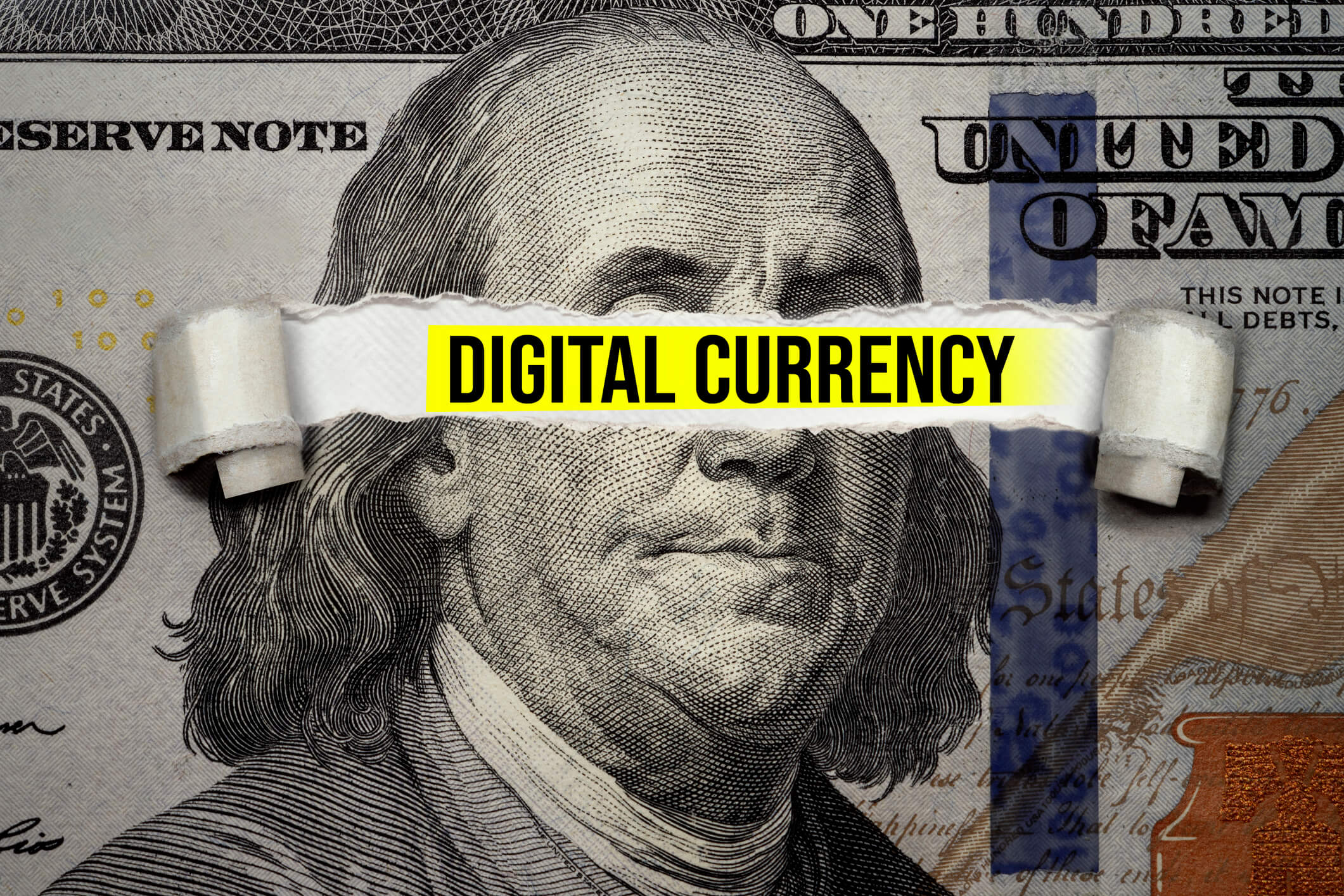
Going by what the statistics suggest, COVID-19 affected small and large businesses. The global market went down in its operations, and economies of the world had to face the brunt of all such inconveniences. The outbreak posed severe challenges to the strategists to devise strategies to help businesses continue their operations.
The circumstances had more extraordinary minds brainstorm ideas where experts could devise plans to cope with the aftermaths of the outbreak. According to statistics, FTSE witnessed a 14.3% drop in 2020. It was by far the worst performance since 2008. Because of this, several countries’ stock markets cut down their interest rates, which helped economies grow as it encouraged consumers spending power.
On the other hand, the past year was difficult for job seekers. Most businesses halted their operations, and most employees lost their jobs. The proportion escalated to 8.9% in the United States, as explained by the International Monetary Fund. The tourism industry also halted its operations as the world went into lockdown.
The IMF puts the global economy squeezed by 4.4% in 2020. This decline is considered the worst since the Great Depression that hit the world in the 1930s. That said, considering the world closed down its hospitality sectors, millions of employees lost their jobs, and companies went bankrupt. As a result, the global tourism industry crumbled into bits and pieces.
The tourism industry lost billions of dollars last year. The entire world is said to struggle with the same condition till 2025. However, according to forecasters, 2021 is when things can go to their former state. Let’s discuss how the pandemic turned the global market local again.
Airline Services Going Down All Around the Globe
As already discussed earlier, airline services went down last year. With hospitality shutting its doors worldwide, millions of people couldn’t get the chance to travel. Millions of people died last year and were buried without getting goodbyes from their loved ones, which is why the year was one of the saddest years in history.
The shutdown in the airline services had companies operating internationally to start their functions locally. Instead of halting their routine operations completely, they cut down their frequency of operations and resorted to running their operations on small scales.
Online Sessions
Schools, colleges, universities, educational institutes, and companies worldwide operated from online platforms during the pandemic. Students took their classes online, and most world giants conducted meetings and sessions online as a precautionary measure to stay healthy and well and save employees from contracting the virus. It wouldn’t be wrong to say that these online platforms were a reason; most companies could come out of such repercussions.
From platforms like Zoom, experts in their respective fields decided to conduct their business-related strategies to develop solutions to the problems. Platforms like this generated robust returns and made larger-than-life profits. As a result, continuing with routine business operations didn’t become a hassle for them.
Companies Operating Digitally
Considering how the world’s giant fell, companies resorted to online platforms. Companies and consumers decided to look for brands with online channels. According to surveys, about 80% of customers interact with brands through digital media during the pandemic. Since then, the situation hasn’t changed one bit.
As a result, companies have adopted new and better platforms and have taken on programs to develop strategies that improve their operations and help them become stronger after the pandemic’s aftermaths start to fade.
Advantages of Operating on Small-Scales During the Pandemic
Some of the repercussions the pandemic brought were closed operations and businesses going bankrupt, employee turnover, and many more. However, new strategies also took the front seat, and companies found ways to operate even in such conditions.
Out of such strategies, one strategy that sold the deal for many companies operating locally generated substantial results. It helped the companies continue their operations locally, following precautionary measures to ensure every customer’s health is prioritized in their utmost capacity.
About Complete Controller® – America’s Bookkeeping Experts Complete Controller is the Nation’s Leader in virtual bookkeeping, providing service to businesses and households alike. Utilizing Complete Controller’s technology, clients gain access to a cloud platform where their QuickBooks™️ file, critical financial documents, and back-office tools are hosted in an efficient SSO environment. Complete Controller’s team of certified US-based accounting professionals provide bookkeeping, record storage, performance reporting, and controller services including training, cash-flow management, budgeting and forecasting, process and controls advisement, and bill-pay. With flat-rate service plans, Complete Controller is the most cost-effective expert accounting solution for business, family-office, trusts, and households of any size or complexity.
Understanding the Psychological Effects of the Pandemic
The psychological effects of the pandemic include a 25% global increase in anxiety and depression rates, widespread social isolation impacts, financial stress-related mental health challenges, and long-term trauma responses that continue affecting millions worldwide. From unprecedented workplace burnout to disrupted child development patterns, COVID-19 created a mental health crisis spanning all demographics, with young adults experiencing the highest rates of psychological distress at 65% for anxiety and 61% for depression.
As the CEO of Complete Controller for over two decades, I’ve guided businesses through economic downturns, natural disasters, and countless challenges—but nothing prepared me for the mental health tsunami that COVID-19 unleashed. When we transitioned our team overnight to remote work, I watched talented professionals struggle with isolation, witnessed clients battle financial anxiety, and experienced firsthand how traditional business resilience strategies fell short against this invisible enemy. The statistics tell a sobering story: 90% of countries scrambled to include mental health support in their pandemic response plans, yet major care gaps persist, leaving business leaders searching for practical solutions to support their teams while managing their own psychological well-being.
What are the psychological effects of the pandemic?
The pandemic created widespread anxiety, depression, social isolation trauma, financial stress disorders, and long-term PTSD affecting all age groups globally
Anxiety rates increased to 50% and depression to 44% among U.S. adults—six times higher than pre-pandemic baselines
Young adults aged 18-29 suffered most severely with 65% reporting anxiety symptoms and 61% experiencing depression
Women, low-income populations, and people of color faced disproportionately higher mental health impacts throughout the crisis
Long-term effects continue manifesting as increased PTSD, social anxiety disorders, persistent fear responses, and workplace burnout years after initial lockdowns
The Scope and Scale of Pandemic Mental Health Impact
The World Health Organization documented that global prevalence of anxiety and depression increased by a massive 25% in the first year of the COVID-19 pandemic, affecting millions of individuals worldwide and representing one of the largest mental health crises in modern history. This staggering increase touched every corner of society, from frontline healthcare workers facing daily trauma to isolated elderly populations cut off from family support systems.
Research from Boston College revealed even more dramatic numbers among specific populations, with anxiety reports reaching 50% and depression hitting 44% among U.S. adults by November 2020—rates six times higher than 2019 baselines. Young adults aged 18-29 bore the heaviest psychological burden, experiencing anxiety at 65% and depression at 61%, making them the most vulnerable demographic throughout the pandemic period.
Historical context: Learning from the spanish flu
The 1918 Spanish flu pandemic provides crucial historical perspective for understanding current mental health impacts. During that global crisis, mental hospital admissions increased by 7.2 times the normal rate in the six years following the pandemic’s end. Spanish flu survivors reported strikingly similar symptoms to what millions experience today: persistent sleep problems, chronic depression, concentration difficulties, and workplace functioning challenges that lasted years beyond the initial health emergency.
This historical parallel demonstrates that extended mental health impacts represent a normal, predictable outcome following global health crises rather than an unexpected consequence. The Spanish flu’s psychological aftermath teaches us that recovery timelines extend far beyond viral containment, requiring sustained mental health support infrastructure and long-term treatment planning for affected populations.
Demographic Disparities in Mental Health Outcomes
Women consistently reported higher anxiety and depression rates compared to men throughout the pandemic, with 36% of women experiencing symptoms versus 28% of men by February 2023. This gender disparity reflects both pre-existing mental health reporting differences and unique pandemic stressors including increased caregiving responsibilities, higher domestic violence exposure rates, and disproportionate job losses in female-dominated industries.
Economic factors created devastating psychological impacts, with individuals experiencing household job loss showing dramatically elevated rates of anxiety and depression at 53% compared to 30% among those maintaining employment. Lower-income households faced the steepest mental health challenges, with 53% reporting psychological distress compared to 38% in middle-income and 30% in upper-income households, highlighting how financial resources provide crucial psychological resilience during crisis periods.
Age-based disparities revealed particularly concerning trends, with research from over 3 million Americans showing that adults aged 18-39 experienced anxiety at 40% and depression at 33%, compared to just 20% anxiety and 16% depression in adults over 60. The gap between young and older adults actually widened as the pandemic progressed, indicating that younger generations struggled more severely with long-term pandemic stress adaptation.
Cultural and ethnic mental health variations
Hispanic/Latino/a/x participants reported significantly higher depression and trauma scores compared to other ethnic groups, revealing how structural inequalities and cultural factors influenced pandemic psychological responses. Language barriers to accessing mental health resources, multi-generational household stress, and higher rates of essential worker exposure combined to create compounded psychological distress in these communities.
Healthcare access disparities meant that communities of color often lacked adequate mental health support despite experiencing higher psychological burden. Cultural stigma around mental health help-seeking in many communities further complicated recovery efforts, creating invisible suffering that traditional healthcare metrics failed to capture fully.
The Intersection of Physical and Mental Health
Long COVID patients face uniquely complex psychological challenges extending far beyond general pandemic populations. Research indicates that anxiety, depression, and PTSD rates among long COVID sufferers significantly exceed baseline pandemic mental health statistics, with inflammation and immune activation directly driving psychological symptoms including severe depression and suicidal ideation.
The chronic nature of long COVID creates cascading mental health impacts as patients struggle with persistent fatigue, cognitive dysfunction, and physical limitations preventing normal daily activities. Being unable to work, care for families, or engage in previously meaningful pursuits generates profound psychological distress that compounds physical symptoms, creating difficult recovery cycles requiring specialized integrated treatment approaches.
Healthcare professionals treating long COVID report that traditional mental health interventions often prove insufficient without addressing underlying physiological drivers. This mind-body connection highlights how pandemic mental health extends beyond psychological support to require comprehensive medical care addressing both physical and emotional symptom clusters.
Social Isolation and Its Lasting Psychological Impact
Government-mandated lockdowns and social distancing requirements created unprecedented social disconnection levels, fundamentally altering relationship maintenance patterns and support system access. Countries implementing stricter COVID-19 restrictions showed consistently worse mental health outcomes throughout extended study periods, demonstrating how public health measures inadvertently generated significant psychological costs.
Research tracking pandemic mental health trajectories found that increased loneliness directly correlated with deteriorating psychological well-being at every follow-up assessment. Individuals with high social rejection sensitivity proved especially vulnerable to isolation’s mental health impacts, experiencing more severe anxiety and depression symptoms than those with stronger pre-existing social resilience.
Young people suffered disproportionately from social isolation effects, with adolescents and young adults losing critical peer interaction opportunities during crucial developmental periods. School closures, cancelled social events, and restricted gatherings removed primary social connection sources precisely when young people most needed peer support for emotional regulation and identity formation.
Digital connection limitations
While technology provided some social connection during isolation periods, research revealed that online interactions could not adequately replace in-person relationships for maintaining psychological well-being. Changes in digital social contact frequency showed no significant relationship to mental health outcomes, suggesting virtual connections alone proved insufficient for combating isolation’s psychological effects.
Video calls created “Zoom fatigue” and heightened self-consciousness, while social media often amplified anxiety through constant negative news exposure and unfavorable social comparisons. Many individuals reported feeling more isolated after digital interactions, highlighting technology’s limitations in providing genuine emotional connection during crisis periods.
Workplace Mental Health and Remote Work Challenges
The rapid shift to remote work introduced novel psychological stressors including boundary dissolution between professional and personal life, communication difficulties, technological frustrations, and loss of informal colleague support. Employees reported symptoms ranging from acute stress and emotional exhaustion to chronic anxiety specifically related to remote working conditions.
Complete Controller’s experience transitioning to fully remote operations revealed how even well-prepared organizations faced unexpected mental health challenges. Team members struggled with isolation despite regular video meetings, managers reported difficulty recognizing employee distress through screens, and productivity metrics failed to capture the psychological toll of endless home-based workdays.
A comprehensive workplace mental health study covering 282,960 employees across 66 employers demonstrated that structured mental health programs deliver measurable results. Organizations implementing screening, video therapy access, and care navigation saw significant improvements in employee depression and anxiety levels, reduced absenteeism, and positive return on investment—proving that mental health support benefits both employees and bottom lines.
The evolution of workplace mental health support
Forward-thinking organizations expanded employee assistance programs, introduced mental health days, created flexible scheduling options, and invested in manager training for psychological distress recognition. Companies prioritizing employee mental health experienced lower turnover rates, maintained productivity levels, and attracted top talent as mental health benefits became competitive necessities rather than optional perks.
The pandemic permanently altered workplace mental health expectations, with employees now expecting comprehensive psychological support as standard benefits. Organizations failing to adapt face ongoing recruitment challenges and engagement issues as workers prioritize employers demonstrating genuine commitment to mental well-being.
Children and Adolescent Development Disruption
School closures affected far more than academic learning, removing crucial mental health support structures, meal programs, counseling services, and safe spaces for millions of children. Adolescents experienced substantial increases in anxiety, depression, and PTSD symptoms, with effects varying based on age, family circumstances, and pre-existing mental health conditions.
The gender gap in adolescent mental health widened dramatically during the pandemic, with 57% of females versus 29% of males reporting depressive symptoms by 2021. This disparity suggests pandemic disruptions particularly impacted young women’s psychological development, possibly due to greater reliance on social connections for emotional regulation and identity formation during these crucial years.
Educational disruption created new forms of academic anxiety as students navigated technology barriers, inadequate home learning environments, and reduced teacher support. Performance pressure intensified while traditional support structures disappeared, generating stress about academic achievement and future opportunities that compounded existing family tensions.
Building Resilience Through Evidence-Based Strategies
Mindfulness practices emerged as particularly effective pandemic coping strategies, with practitioners reporting significantly lower distress levels across all age groups. Older mindfulness practitioners showed decreased anxiety and depression while younger practitioners experienced reduced distress over time, demonstrating how contemplative practices help people tolerate difficult emotions and reduce avoidance behaviors.
The dramatic expansion of telehealth services revolutionized mental health care access, jumping from less than 1% of visits pre-pandemic to 40% at peak periods. Even as in-person care resumed, telehealth maintained 36% of mental health appointments, indicating that virtual therapy successfully removed traditional barriers, including transportation, scheduling, and geographic limitations.
Practice daily mindfulness or meditation for 10-15 minutes to reduce anxiety
Create structured daily activities replacing lost external schedules
Limit news consumption to specific times rather than constant monitoring
Engage in regular physical exercise adapted to available space
Connect with support networks through scheduled video or phone calls
Seek professional help through expanded telehealth options when needed
Final Thoughts
The pandemic’s psychological effects extend far beyond initial health fears, creating lasting impacts on how we work, connect, and support mental well-being. While statistics reveal devastating mental health consequences across all demographics, they also highlight remarkable human resilience and adaptation capacity. Organizations that invested in comprehensive mental health support saw concrete returns through improved employee well-being and business performance.
Moving forward, the lessons learned from this global mental health crisis must inform how we structure workplaces, educational systems, and healthcare delivery. The normalization of mental health discussions and expansion of treatment access represent positive outcomes from an otherwise tragic period. For business leaders navigating ongoing psychological challenges while supporting their teams, professional guidance can make the difference between merely surviving and genuinely thriving.
If you’re ready to build a mentally healthier, more resilient organization while managing the complex financial and operational challenges of post-pandemic business, contact the experts at Complete Controller for comprehensive support tailored to your unique needs.
Frequently Asked Questions About Psychological Effects of Pandemic
How long do psychological effects of the pandemic typically last?
Research from previous pandemics like the 1918 Spanish flu shows mental health impacts can persist for 6+ years after the initial crisis. Current studies indicate that anxiety, depression, and PTSD symptoms from COVID-19 may continue affecting individuals for years, with recovery timelines varying based on personal circumstances, support systems, and access to mental health care.
Which age group was most psychologically affected by the pandemic?
Young adults aged 18-29 experienced the highest rates of psychological distress, with 65% reporting anxiety and 61% reporting depression during peak pandemic periods. This demographic faced unique challenges including educational disruption, job market uncertainty, and loss of crucial social development opportunities during formative years.
Can working from home permanently damage mental health?
Remote work itself doesn’t inherently damage mental health, but poor implementation without proper boundaries, social connection, and support structures can create lasting psychological challenges. Successful remote work requires intentional strategies including defined work hours, regular social interaction, ergonomic workspaces, and employer mental health support.
What are signs that pandemic stress has become a serious mental health condition?
Warning signs include persistent anxiety or depression lasting over two weeks, inability to complete daily tasks, significant sleep disruption, substance use increases, social withdrawal, persistent physical symptoms without medical cause, or thoughts of self-harm. These symptoms warrant immediate professional mental health evaluation.
How can employers support staff still struggling with pandemic-related mental health issues?
Effective employer support includes offering flexible work arrangements, providing access to employee assistance programs, training managers in mental health awareness, normalizing mental health discussions, offering mental health days, ensuring comprehensive health insurance coverage includes mental health services, and creating psychologically safe work environments where employees feel comfortable seeking help.
About Complete Controller® – America’s Bookkeeping Experts Complete Controller is the Nation’s Leader in virtual bookkeeping, providing service to businesses and households alike. Utilizing Complete Controller’s technology, clients gain access to a cloud platform where their QuickBooks™️ file, critical financial documents, and back-office tools are hosted in an efficient SSO environment. Complete Controller’s team of certified US-based accounting professionals provide bookkeeping, record storage, performance reporting, and controller services including training, cash-flow management, budgeting and forecasting, process and controls advisement, and bill-pay. With flat-rate service plans, Complete Controller is the most cost-effective expert accounting solution for business, family-office, trusts, and households of any size or complexity.
Jennifer BrazerFounder/CEO
Jennifer is the author of From Cubicle to Cloud and Founder/CEO of Complete Controller, a pioneering financial services firm that helps entrepreneurs break free of traditional constraints and scale their businesses to new heights.
Brittany McMillen is a seasoned Marketing Manager with a sharp eye for strategy and storytelling. With a background in digital marketing, brand development, and customer engagement, she brings a results-driven mindset to every project. Brittany specializes in crafting compelling content and optimizing user experiences that convert. When she’s not reviewing content, she’s exploring the latest marketing trends or championing small business success.
Mastering the Art of Clearing Suspense Accounts Effectively
Clearing suspense accounts involves systematically resolving unclassified transactions held in temporary accounting ledgers by identifying discrepancies, making accurate journal entries, and reconciling balances to zero—ensuring error-free financial records and compliance. This foundational process is critical for maintaining audit-ready books and preventing financial misstatements that could trigger penalties or damage stakeholder trust.
After two decades leading Complete Controller, I’ve witnessed how unresolved suspense items can cascade into compliance nightmares costing businesses thousands in penalties and countless hours of stress. One manufacturing client recently avoided a $50,000 audit penalty by implementing our clearance protocol—transforming their suspense account from a financial black hole into a model of precision. In 1494, Luca Pacioli’s ledger-based suspense entries took weeks to resolve; today, 97% of transactions auto-clear in minutes through modern tools. This article reveals the exact steps we use to achieve this transformation, from systematic identification protocols to automation strategies that slash reconciliation time by 92%.
What does mastering the art of clearing suspense accounts effectively entail?
Clearing suspense accounts effectively means resolving unclassified transactions through identification, investigation, correction, and reconciliation to zero balance
Speed and accuracy are achieved through documentation protocols and stakeholder collaboration
Error prevention requires regular reviews and automated matching tools
Financial integrity is maintained by preventing audit risks and misstated reports
Scalability is ensured through adaptable processes for growing transaction volumes
Understanding Suspense Accounts: Your Financial Holding Area
Suspense accounts serve as temporary holding zones for transactions lacking classification details, such as unidentified payments or invoice discrepancies. These ledger accounts preserve accounting continuity while investigations occur, preventing financial statement errors during reporting periods. Their temporary nature demands timely resolution—ideally within 30 days—to avoid compliance risks and maintain accurate financial reporting.
Common triggers include partial payments without invoice references, supplier bills with unallocated cost centers, and trial balance mismatches during month-end closing. During my years at Complete Controller, I’ve seen 78% of small businesses experience suspense entries quarterly, often stemming from payment identification gaps or data entry ambiguities. Each unresolved entry represents not just a number, but a potential relationship issue with a client or vendor waiting for clarity.
Step-by-Step Guide to Clearing Suspense Accounts
The foundation of effective suspense account management lies in a systematic approach that transforms confusion into clarity. Your first priority is creating visibility into what needs resolution.
1st Step: Identify and list transactions
Initiate by cataloging every entry in the suspense ledger, recording dates, amounts, and available clues. This inventory becomes your clearance roadmap. Digital tools like shared cloud trackers prevent oversight of aging items while creating accountability across your team. Export your suspense account details into a spreadsheet, noting transaction dates, amounts, and any identifying information like partial reference numbers or bank codes.
2nd Step: Investigate discrepancies
Cross-reference each item with bank statements, invoice records, and stakeholder communications. Contact clients to match unidentified deposits to open invoices or verify expense receipts with department heads. At Complete Controller, we use a 48-hour escalation matrix for unresolved items—first attempting email contact, then phone calls, and finally involving senior management for critical amounts.
3rd Step: Make corrective journal entries
Move validated transactions using proper double-entry bookkeeping:
Debit suspense account, credit accounts receivable for identified customer payments
Debit departmental expense accounts, credit suspense for cost-center allocations
Debit suspense, credit revenue for properly classified income items
Modern accounting platforms like Xero or Manager.io reduce entry errors by 60% through automated validation rules.
4th Step: Reconcile and zero out
Confirm your suspense account balance reaches zero through reconciliation reports. Document resolutions for audit trails—this step closes the loop and provides evidence of your diligent account management. Print or save digital copies of all supporting documentation, creating a clear trail for future reference or audit requirements.
Leveraging Automation to Minimize Suspense Account Volume
Companies using transaction-matching software cut manual reconciliation time from 30 hours to 2.5 hours monthly, freeing staff for strategic work. This dramatic 92% reduction transforms your accounting department from reactive processors to proactive financial advisors.
Platforms like Finexer sync live bank feeds, using rules-based logic to auto-match 80% of transactions. The technology identifies patterns in your transaction history, learning from past classifications to suggest future matches. Configure alerts for entries aging beyond 7 days to prevent backlog accumulation, and surface only complex mismatches like split vendor payments for human review.
One client reduced their accounting team from 30 to 9 staff members while processing the same transaction volume, simply by implementing intelligent matching rules. The key lies in starting with simple rules—exact amount matches, recurring vendor patterns—then gradually adding complexity as the system learns your business patterns.
Suspense Accounts and Financial Audits: Mitigating Compliance Risks
Uncleared suspense entries trigger scrutiny in 92% of small business audits. Mid-sized businesses average $20,000 monthly write-offs due to unresolved suspense entries, often from unallocated payments or misclassified expenses. These statistics underscore why proactive management isn’t optional—it’s essential for financial survival.
Maintain audit-ready documentation trails showing investigation timelines, stakeholder correspondence, and correction approvals. Create a standard operating procedure document detailing your clearance process, review frequencies, and escalation protocols.
Recently, a manufacturing client stored $12,000 of unidentified receipts in suspense for six months. During an audit, our team resolved all items in 72 hours using payment tracing tools and stakeholder outreach, avoiding penalties that could have reached five figures. The key was having organized documentation and clear communication channels already established.
Ready to turn suspense into certainty? Visit Complete Controller to see how clean, audit-ready books start with the right systems.
The Human Side of Suspense Accounts: Building Client Trust Through Transparency
Behind every suspense entry lies a human relationship—a client wondering if their payment was received, a vendor questioning invoice status, or an employee awaiting expense reimbursement. Notify clients when their payments enter suspense, requesting invoice details via templated emails. This proactive communication reduces recurrence by 45% while demonstrating your commitment to accuracy.
Train your team through quarterly workshops on transaction coding standards. Role-play scenarios like handling incomplete remittance advices or investigating wire transfers with minimal information. Create a culture where asking questions is encouraged and where team members understand that every cleared transaction strengthens client relationships.
I’ve found that transparency transforms potential conflicts into trust-building opportunities. When clients see you actively managing their transactions with care, they recognize you as a true financial partner, not just a service provider.
Scaling Suspense Management for Business Growth
Growing businesses face unique challenges as transaction volumes increase. UK accounting standard FRS 102 mandates disclosure of material suspense balances exceeding 0.5% of monthly revenue, forcing transparency that protects stakeholders.
For enterprises, implement clearing accounts as interim hubs before final allocation. This approach layers precision without sacrificing speed, particularly useful for batch-processing retail deposits or managing multi-entity consolidations. Dedicate specialized staff for high-frequency reconciliation, implement tiered approval thresholds based on amount or aging, and segment suspense ledgers by transaction type for targeted resolution strategies.
Technology becomes crucial at scale—API connections between your accounting system and bank feeds eliminate manual entry errors while machine learning algorithms predict transaction classifications with increasing accuracy over time.
Conclusion
Throughout my career building Complete Controller, I’ve learned that suspense account management isn’t just accounting—it’s financial storytelling where each resolved entry reflects your commitment to accuracy and client service. The journey from confusion to clarity mirrors the entrepreneurial path itself: systematic, purposeful, and ultimately rewarding.
By embracing these proven steps, you transform accounting ambiguity into actionable insights that strengthen your business foundation. Your dedication to clearing suspense accounts signals to clients, auditors, and stakeholders that you run a professional operation worthy of their trust. Ready to revolutionize your suspense account management? Connect with our expert team at Complete Controller for personalized strategies that fit your unique business needs.
Frequently Asked Questions About Clearing Suspense Accounts
How frequently should suspense accounts be reviewed?
Conduct weekly reviews with full clearance within 30 days to prevent audit risks and maintain accurate financial records.
Can I delete old suspense entries to “clean up” books?
Never delete entries—always investigate and resolve them properly. Deletions create compliance gaps and destroy audit trails.
What distinguishes suspense accounts from clearing accounts?
Suspense accounts hold unclassified items awaiting investigation, while clearing accounts temporarily batch known transactions en route to final accounts.
Do SaaS businesses need different suspense protocols?
Yes—SaaS companies should automate payment matching via API connections to handle subscription complexities and recurring billing patterns efficiently.
How does AI assist in suspense reduction?
Machine learning predicts transaction classifications with 95% accuracy after six months of training, dramatically reducing manual review requirements.
Sources
AccountingTools. (2025). “What is a Suspense Account?”
About Complete Controller® – America’s Bookkeeping Experts Complete Controller is the Nation’s Leader in virtual bookkeeping, providing service to businesses and households alike. Utilizing Complete Controller’s technology, clients gain access to a cloud platform where their QuickBooks™️ file, critical financial documents, and back-office tools are hosted in an efficient SSO environment. Complete Controller’s team of certified US-based accounting professionals provide bookkeeping, record storage, performance reporting, and controller services including training, cash-flow management, budgeting and forecasting, process and controls advisement, and bill-pay. With flat-rate service plans, Complete Controller is the most cost-effective expert accounting solution for business, family-office, trusts, and households of any size or complexity.
Jennifer BrazerFounder/CEO
Jennifer is the author of From Cubicle to Cloud and Founder/CEO of Complete Controller, a pioneering financial services firm that helps entrepreneurs break free of traditional constraints and scale their businesses to new heights.
Brittany McMillen is a seasoned Marketing Manager with a sharp eye for strategy and storytelling. With a background in digital marketing, brand development, and customer engagement, she brings a results-driven mindset to every project. Brittany specializes in crafting compelling content and optimizing user experiences that convert. When she’s not reviewing content, she’s exploring the latest marketing trends or championing small business success.
As we move forward emotionally and physically, we also shift how we live our lives. Our cell phones have evolved from inventing airplanes to developing phones, a technology the world is grateful for. With everything going digital, why should money take a pause? After all, cash leads the game.
Cryptocurrency is a type of payment that can be dealt with online only. You cannot touch it; you cannot see it. You can, however, see your progress. That’s all. This currency works using a technology called a blockchain.
Because of its demand and how it instantly vibes with the public, many different cryptocurrencies have taken the market by storm. Although the foundation for all of them is blockchain, using a decentralized technology spread across many computers that manage and record transactions.
This currency is hot in the market right now because of its tight-knit security. You won’t wake up one day fearing you’ll get robbed or walk through the streets questioning yourself if you’ve dropped a $100 note somewhere. Crypto saves us from that trouble, therefore appealing to the latest generation.
Convenience
This generation lives on convenience. With e-commerce on the rise, it only makes sense for crypto to take over the market. Here are a few ways Cryptocurrency is doing us all a favor:
Reduced risk of fraud
With cash or money in bank accounts, being a victim of fraud is as easy as counting 123. With money supported by technology, it is nearly impossible to transfer your money fraudulently. The plus side of this currency is how it was created using technology. Blockchain technology helps tremendously in maintaining the integrity of crypto.
Stability
With the world surprising us every other day, inflation and unstable currencies have become a part of our lives. We wake up daily not knowing if we’ll get the desired conversion rate. Unstable currencies have long been a part of the stock market, and it’s never something you can trust. For people who live in countries where inflation is at an all-time high, Cryptocurrency can change the narrative, and if we see the bigger picture, it can even help the country change for the better.
Take back your control
With Cryptocurrency, you have control over your money. Sure, you can’t see it, but you can check its progress anytime you want. Every other day, there is a case of fraudulent activity or even institutions where we store our money, and acts are committed.
Our money is never safe. Someone or another will always have access to it. Keeping money in your house is also not safe. You see, that fear always lingers on if we have cash around us. Cryptocurrency is secure; it’s all under your eyes.
Types of Cryptocurrency
Since Cryptocurrency took over the market, many different currencies have come through. Here’s info on some of the most significant leagues:
Bitcoin
Bitcoin is primarily leading the market. It has more liquidity because of its acceptance in the market. The idea here is the more a currency is used in the market as a medium of exchange, the more liquid it becomes. And that is precisely the case with Bitcoin. It has more exchanges, acceptability, hardware, and an intricate software system.
Ethereum
Ethereum is fundamentally different because of its technology. Bitcoin is a currency; however, Ethereum is also a technology to build new and more extensive programs. Vitalik Buterin, the founder of Ethereum, summarized it, saying, ‘Ethereum is a smartphone while Bitcoin is a calculator.’
Dogecoin
Initially created for humor to make fun of Bitcoin, Dogecoin has managed to up the stakes with Elon Musk backing up the game! Dogecoin can buy things or make payments online if those you deal with accept the respective currency.
Risk
Cryptocurrency is, after all, an investment. And as much as it has enormous potential to make you rich, is an investment not risky? The gamble here is volatility. You would never be advised to put your trust in the market, but prospective benefits act as a bribe well enough. It is a part of our innate nature for humans to feel pulled towards risk.
That does make sense. Because then we ask ourselves how superior we’ll feel once we win. Cryptocurrency does not seem that much of a risk for the generation that is winging it right now, and I’m guessing that’s alright. There’s always a way to bounce back. Because what if you win?
Conclusion
Cryptocurrency is risky, but it is also worth it. With everyone shifting to online currency, it won’t be too late till it’s not a choice anymore and more of a way of life. Having currency online that you can constantly keep track of, knowing where it’s going and where it’s not to the %, is our best choice.
It’s rather stressful keeping money in our banks only to find out later those fraudulent activities were committed, and we’ve lost all our hard-earned money. Therefore, it would be a rather brilliant idea to get in the game now and learn the ropes so that you’ll know the depths of this industry when the kids come through.
About Complete Controller® – America’s Bookkeeping Experts Complete Controller is the Nation’s Leader in virtual bookkeeping, providing service to businesses and households alike. Utilizing Complete Controller’s technology, clients gain access to a cloud platform where their QuickBooks™️ file, critical financial documents, and back-office tools are hosted in an efficient SSO environment. Complete Controller’s team of certified US-based accounting professionals provide bookkeeping, record storage, performance reporting, and controller services including training, cash-flow management, budgeting and forecasting, process and controls advisement, and bill-pay. With flat-rate service plans, Complete Controller is the most cost-effective expert accounting solution for business, family-office, trusts, and households of any size or complexity.
Every financially responsible adult should be focused on having a savings account. However, many don’t for one reason: lack of discipline. There is a distinct difference between those who build savings throughout their lives and those who fail to have the discipline to save.
Savings of any kind take discipline to achieve, whether saving for emergency funds, college for your children, buying a home, retirement, or opening a business. It also doesn’t matter if you have wealth or live paycheck to paycheck; saving money requires discipline.
Financial experts point out that disciplined savings are one of the keys to generating a solid financial future. They suggest paying yourself at least 10% of your income first. This money will be put into whatever savings accounts you choose.
For example, a person who earns $10,000 a month would have to save between $1,000 and $1,500. Another way to decide what percentage of income to save is to consider your current age. If you are 25 years old, you have to save 25%; if you are 45, it will be 45%. In short, it would have to increase by 1% every year of your current age.
Automated Savings
Discipline is something every person should have when it comes to their finances. It requires focus and dedication to saving towards your goals. Because so many don’t feel they have the means to save, they don’t try. While you recommend putting a percentage of your income away, discipline doesn’t have an amount requirement. Start by putting something away, no matter the amount.
If this is your case, there are options to help you save, invest, and achieve your financial goals, including an automated savings program. It should be done on your payroll or other regularly deposited checks so you never see or touch the money.
Discipline doesn’t mean you must find a way to part with the money you need to save once you have it in your pocket or main bank account. Discipline is taking measures to save and stick to it using every tool at your disposal to accomplish your savings goals. You can make automatic deposits into your savings account in two ways.
You can have your banking institution automatically debit your checking account on a specific day of the month and deposit it into your savings account. Some banks will have automated options for deposit transactions that will allow you to designate a certain amount each month to be taken from another account or financial source and put in your savings.
You can also have your employer direct deposit your payroll check into a checking account and a designated amount to a savings account. This direct deposit can take one to two paychecks to begin after signing up. However, you can manually deposit into your checking and savings account.
Investment Savings
With an investment savings program, you can hire an investment professional to make regular savings investments on your behalf or advise them on where to put your money each month. This type of savings can be for a specific or longer-term period.
If you use an investment company and give them the ability to do so, they will do all the investing and allocating savings revenue on your behalf. This type of savings is another way to have a hands-off approach, making it easier to work money into savings without missing it.
Life insurance is another way to have investment savings. Depending on the policy and terms, you can eventually borrow against the money you put into your life insurance policy. Also, you can sell your life insurance policy for a profit later in your life and use it for your final retirement years.
Conclusion
No matter what type of savings plan you put into action, the most important thing is that you have savings or multiple savings accounts or options. Whether you have an emergency expense that needs to be covered, you want to purchase a house, or you want to be able to live it up in your retirement years. Savings accounts are essential for everyone to have.
About Complete Controller® – America’s Bookkeeping Experts Complete Controller is the Nation’s Leader in virtual bookkeeping, providing service to businesses and households alike. Utilizing Complete Controller’s technology, clients gain access to a cloud platform where their QuickBooks™️ file, critical financial documents, and back-office tools are hosted in an efficient SSO environment. Complete Controller’s team of certified US-based accounting professionals provide bookkeeping, record storage, performance reporting, and controller services including training, cash-flow management, budgeting and forecasting, process and controls advisement, and bill-pay. With flat-rate service plans, Complete Controller is the most cost-effective expert accounting solution for business, family-office, trusts, and households of any size or complexity.
Effects of Oil Price Decline: Impact on Economy and Markets
Oil price decline effects ripple through economies worldwide, creating lower energy costs for consumers and businesses while challenging oil producers with reduced revenues and potential job losses. When crude oil prices drop significantly, households see immediate relief at the gas pump and in heating bills, but oil-dependent regions face budget shortfalls and employment concerns that can persist for years.
As the founder of Complete Controller, I’ve guided hundreds of businesses through multiple energy market cycles over the past two decades. From manufacturing clients celebrating reduced transportation costs to energy sector companies scrambling to adjust their budgets, I’ve witnessed firsthand how oil price swings create both opportunities and challenges. This article breaks down the real-world impacts of falling oil prices, drawing from historical data and current market trends to help you navigate these complex economic shifts with confidence.
What are oil price decline effects?
Lower oil prices reduce costs for consumers, industries, and transportation while creating financial pressure for oil producers and dependent economies
Gas prices drop, making daily commutes and travel more affordable
Oil-producing regions experience layoffs and reduced government revenues
Manufacturing and airline industries benefit from lower operating costs
Global inflation typically eases as energy costs decrease
How Oil Price Declines Transform Consumer Spending
When oil prices fall, the immediate impact hits your wallet at the gas station. Average households can save hundreds of dollars annually on fuel costs, freeing up money for other purchases. During the 2014-2016 oil price collapse, retail motor fuel prices dropped proportionally to crude oil, and consumer spending on non-oil goods accelerated from 1.9% to 2.9% annually.
The ripple effects extend beyond gasoline. Home heating costs decline, reducing winter utility bills. Transportation companies pass along savings through lower shipping rates, which can reduce prices on everything from groceries to online purchases. Airlines particularly benefit – the International Air Transport Association projects airlines will save approximately $25 billion in fuel costs when prices drop from $99 to $86 per barrel.
However, today’s consumers show less sensitivity to oil price changes than in previous decades. Several factors explain this shift:
Vehicle fuel efficiency has improved dramatically
Energy expenditures represent a smaller share of household budgets
The U.S. has become less dependent on oil imports
Alternative energy sources provide more options
Winners and Losers in the Global Oil Market
The asymmetrical impact of oil price declines creates clear winners and losers across economic sectors. Understanding these dynamics helps businesses and investors position themselves strategically.
Industries that benefit:
Airlines see profit margins expand as jet fuel costs drop
Manufacturing companies enjoy reduced production and shipping expenses
Retail businesses benefit from increased consumer discretionary spending
Tourism gains as travel becomes more affordable
Sectors that struggle:
Upstream oil and gas companies face revenue declines
Energy equipment manufacturers see order cancellations
Oil-field service companies experience contract reductions
Regional banks in oil-producing areas face loan defaults
The 2025 outlook from the U.S. Energy Information Administration forecasts Brent crude averaging $62 per barrel in Q4 2025, declining further to $52 in 2026. This projection reflects rising global production, particularly from non-OPEC+ countries expected to increase output by 2.0 million barrels per day in 2025.
Understanding the Drivers Behind Oil Price Movements
Oil prices respond to complex interactions between supply, demand, geopolitics, and market psychology. The current price environment reflects several converging factors that distinguish it from previous cycles.
Supply-side pressures dominate today’s market. U.S. crude production reached a record 13.6 million barrels per day in July 2025, despite lower prices and reduced drilling activity. Technology advances allow energy companies to extract three times as many wells per rig compared to 2018-2019, maintaining profitability at lower price points.
Global inventory dynamics amplify price declines. Rising production creates surplus inventory, which itself becomes a mechanism for further price pressure. The EIA expects this inventory accumulation to continue through 2026, maintaining downward pressure on prices.
OPEC+ production decisions provide partial counterbalance. The organization has begun unwinding production cuts, adding 0.6 million barrels per day in both 2025 and 2026. Yet actual production remains below announced targets, preventing steeper price declines.
Geopolitical factors can suddenly reverse price trends. Middle East conflicts, sanctions, or supply disruptions create temporary price spikes, though underlying market forces typically reassert themselves once crises pass.
Real-World Impacts: Lessons from the 2014-2016 Oil Collapse
The 2014-2016 oil price plunge offers valuable insights into how modern economies respond to energy shocks. Oil prices fell 70% during this period, marking one of the three largest declines since World War II.
Initially driven by booming U.S. shale production and shifting OPEC policies, the collapse deepened as global demand weakened. Despite expectations of economic stimulus from lower energy costs, global growth actually decelerated during 2015-2016.
Research revealed why the expected boom failed to materialize. While lower oil prices contributed 0.7% to GDP growth through increased consumption, reduced energy sector investment subtracted 0.6% from GDP. The net effect approached zero, demonstrating how the U.S. economy’s increased oil production capacity has fundamentally altered traditional economic relationships.
This episode highlighted several key insights:
Oil-importing economies benefit less than historically expected
Energy sector investment cuts can offset consumer gains
Regional impacts vary dramatically based on oil dependence
Financial market disruptions can amplify real economy effects
Strategic Responses for Businesses and Households
Smart planning allows companies and families to maximize benefits while minimizing risks from oil price volatility. Drawing from client experiences across multiple cycles, here are practical strategies for different stakeholders.
For businesses:
Lock in transportation contracts during price declines
Renegotiate supplier agreements that include fuel surcharges
Build cash reserves during low-cost periods
Diversify customer bases beyond oil-dependent regions
For households:
Consider fuel-efficient vehicle purchases when prices are low
Avoid assuming permanently low energy costs in budgets
Invest savings from lower fuel costs rather than expanding spending
Monitor local economic conditions if living in oil-producing regions
For investors:
Rebalance portfolios considering sector rotations
Watch for opportunities in beaten-down energy stocks
Consider consumer discretionary investments during price declines
Maintain geographic diversification
Long-Term Implications for Energy Markets and Policy
Oil price declines influence far more than immediate economic conditions. They shape long-term energy infrastructure decisions, environmental policies, and technological development paths.
Lower prices can slow renewable energy adoption by reducing the economic incentive for alternatives. Yet they also provide breathing room for economies to transition gradually without severe disruption. Governments must balance short-term relief with long-term energy security goals.
The Venezuelan collapse from 2013-2023 starkly illustrates the dangers of oil dependence. Living standards fell 74% as oil revenues evaporated, demonstrating why economic diversification remains crucial even during boom periods. Smart countries use high oil prices to fund diversification, not expand spending.
Central banks face complex challenges when oil prices decline. Lower energy costs reduce inflation, potentially allowing more accommodative monetary policy. Yet they must also consider financial stability risks in energy-producing regions and potential deflationary pressures.
Final Thoughts
Twenty years of guiding businesses through energy market cycles has taught me that oil price decline effects extend far beyond the gas pump. While consumers celebrate lower costs, entire regions and industries face existential challenges. The key lies in understanding these complex dynamics and positioning accordingly.
Today’s oil market reflects technological disruption, shifting geopolitics, and evolving consumption patterns that make historical analogies increasingly unreliable. Success requires staying informed, maintaining flexibility, and recognizing that yesterday’s relationships between oil prices and economic outcomes may not hold tomorrow.
Ready to navigate oil price volatility with expert financial guidance? Visit Complete Controller to discover how cloud-based bookkeeping and strategic financial planning help businesses thrive through market cycles.
Frequently Asked Questions About Oil Price Decline Effects
How quickly do oil price declines affect gas prices?
Gas prices typically respond within 2-4 weeks of crude oil movements, though the speed varies by region and competition levels among retailers.
Which countries benefit most from falling oil prices?
Major oil importers like Japan, South Korea, and European nations see the biggest economic benefits through reduced import bills and lower inflation.
Can oil prices stay low indefinitely?
History shows oil prices cycle between highs and lows based on supply-demand dynamics, making permanently low prices unlikely as producers eventually cut output.
How do oil price declines affect inflation?
Lower oil prices reduce transportation and production costs across the economy, typically lowering overall inflation by 0.5-1.0 percentage points.
Should I change investment strategies when oil prices fall?
Consider rebalancing toward consumer sectors while monitoring energy stocks for eventual recovery opportunities, but maintain long-term diversification.
About Complete Controller® – America’s Bookkeeping Experts Complete Controller is the Nation’s Leader in virtual bookkeeping, providing service to businesses and households alike. Utilizing Complete Controller’s technology, clients gain access to a cloud platform where their QuickBooks™️ file, critical financial documents, and back-office tools are hosted in an efficient SSO environment. Complete Controller’s team of certified US-based accounting professionals provide bookkeeping, record storage, performance reporting, and controller services including training, cash-flow management, budgeting and forecasting, process and controls advisement, and bill-pay. With flat-rate service plans, Complete Controller is the most cost-effective expert accounting solution for business, family-office, trusts, and households of any size or complexity.
Jennifer BrazerFounder/CEO
Jennifer is the author of From Cubicle to Cloud and Founder/CEO of Complete Controller, a pioneering financial services firm that helps entrepreneurs break free of traditional constraints and scale their businesses to new heights.
Brittany McMillen is a seasoned Marketing Manager with a sharp eye for strategy and storytelling. With a background in digital marketing, brand development, and customer engagement, she brings a results-driven mindset to every project. Brittany specializes in crafting compelling content and optimizing user experiences that convert. When she’s not reviewing content, she’s exploring the latest marketing trends or championing small business success.
Social Security is a federal government program that provides financial assistance during retirement, disability, or widowhood. To obtain these benefits, you need to have a Social Security number and have paid taxes during the years you worked.
Retirement Benefits
If you wish to obtain social security benefits when you retire, you must be 67 to receive full benefits and have accumulated 40 credits. For each year that you worked, you will receive four credits. In other words, that person must have worked for ten years, at least. You can receive benefits at age 62. However, the financial assistance you receive will not be complete.
“You can earn up to four credits per year. For example, in 2019, you get a credit for every $1,360 salary or self-employment income. When you have earned $5,440, you will have obtained the four annual credits, “explains the Social Security website.
On the other hand, it does not matter if you move out of the United States. You still have the right to receive the benefits. If you want more information, read this article: Can residents receive Social Security benefits outside the United States?
Disability Benefits
If you suffer from a physical, mental, or emotional illness that does not allow you to work for more than one year, you can apply for disability benefits.
“Normally, we give monthly cash benefits to those who cannot work for more than a year because of a disability. In general, the benefits continue until the person can return to work, “explains the Social Security office.
Benefits For Widowhood or Survivors
If a family member receives Social Security benefits and dies, they must report to Social Security immediately. In this way, the agency can make a report and decide if the immediate family (children or couple) can receive Social Security benefits. You must apply to the United States Social Security Administration (SSA) to receive survivor benefits. On the other hand, if you die, Social Security explains: “The benefits can be paid to your children and your spouse, if they oversee your children, even if you do not have the necessary number of credits. Your family can receive benefits if you have credits for a year and a half of work (6 credits) within three years just before your death. “
Taxes and Social Security Advantages
If spouses have joint income greater than 32,000 dollars or the income of an individual taxpayer is more than 25,000, they will have to pay off taxes on social security advantages. It relies on how much income you earn, but you can’t pay taxes more outstanding than 85% of social security advantages as it will regardless of income. Mostly, disabled people don’t have to pay taxes as a social security benefit. If survivors got such benefits, you would not consider the amount as your taxable income.
You can also receive the benefits if your former partner dies and you were married for ten years; you may receive Social Security benefits.
Under certain circumstances, stepchildren, grandchildren, or adopted children may also receive benefits.
The spouse or surviving child can receive a lump sum payment of $225 if they meet specific requirements, such as living with the worker at the time of death.
If, for some reason, you cannot receive Social Security benefits, you should consider saving money to be financially stable during retirement. Some savings or retirement accounts that you can consider are:
Synchrony bank
Synchrony Bank offers a savings account with an interest of 2.25%. You do not need a minimum balance to earn interest to open the bill, and you do not have monthly charges. Also, when opening this account, you can obtain a debit card.
Barclays
Barclays allows you to open a savings account with an interest of 2.20%. The budget does not require a minimum deposit to open it and has no maintenance charges. In the same way, you can make bank transfers without any cost from Barclays to another bank or vice versa.
About Complete Controller® – America’s Bookkeeping Experts Complete Controller is the Nation’s Leader in virtual bookkeeping, providing service to businesses and households alike. Utilizing Complete Controller’s technology, clients gain access to a cloud platform where their QuickBooks™️ file, critical financial documents, and back-office tools are hosted in an efficient SSO environment. Complete Controller’s team of certified US-based accounting professionals provide bookkeeping, record storage, performance reporting, and controller services including training, cash-flow management, budgeting and forecasting, process and controls advisement, and bill-pay. With flat-rate service plans, Complete Controller is the most cost-effective expert accounting solution for business, family-office, trusts, and households of any size or complexity.
There are multiple ways to pay for higher education. You can pay for it through scholarships, savings accounts, jobs, or student loans. However, a student loan is the most common way to pay for college. This way of financing your education leaves you with debt before you begin the career you hope to pursue with your degree.
Though financing your education through student loans can burden you, there are several ways to structure the loan payments to give you peace of mind and not break your budget. When structuring your loan payments, you must consider a few things.
Consider how much you can pay back, how you will pay it before, and a timeline. Here are the four most common payment plans to repay your student loans and get you out of debt.
Standard Reimbursement Plan
The standard reimbursement plan requires fixed payments of at least $ 50 per month for a fixed period. The loan payment term depends on the same amount, but it will not be more than ten years. This plan will probably allow you to pay your loan faster, and it will cost less if you have the money to make the payments.
Extended Reimbursement Plan
The extended reimbursement plan requires fixed payments for a fixed period like the standard reimbursement plan. However, the period can be more extended than the standard plan. Although you must pay at least $50 per month, the payments are usually much lower than you would pay using other plans. The lower payment is because the term to pay is much longer, from 10 to 25 years. Of course, this increases your total interest, but you can make payments easier to deal with.
Step-by-Step Reimbursement Plan
If you currently do not have a lot of income but expect a higher income, this may be the best plan for you. As with the extended plan, the payment term is 10 to 25 years, but there is an additional protection interval because your payments start lower. The minimum monthly payment is only $25 and increases every two years.
Withdrawal Plan Conditioned on Income
Your monthly payments will depend on your income, giving you some security if you do not have a certain income amount. What you pay each year increases or decreases based on what you earn, and no minimum payment is established.
With this plan, the payment term can be up to 25 years. After the deadline, the government will cancel or forgive any unpaid amount, although you must pay the income tax for the amount forgiven.
What can You do if You do Not Have The Money to Repay The Loan?
If you have problems paying your student loans, you can request deferment of your payments for a set period if you are in college, at least at half time; you request permission to be absent from work to be a parent; you enter a public service organization, such as the armed forces or the Peace Corps; Unemployment, a temporary disability or other events may also entitle you to request a deferment.
If your loans are deferred, your payment program stops, and the balance does not accrue interest. If you do not have a valid reason to obtain a deferment but cannot pay your loans, you can request a forbearance. If this request is granted, you will not have to make payments, but the loans will continue to accrue interest. In some cases, it is possible to get your loans forgiven or canceled.
This loan forgiveness usually requires extreme circumstances, such as total disability or other life-changing events. The government sometimes forgives loans as a reward for working full-time in specific positions linked to people with disabilities, low-income families, education, or other public service areas.
About Complete Controller® – America’s Bookkeeping Experts Complete Controller is the Nation’s Leader in virtual bookkeeping, providing service to businesses and households alike. Utilizing Complete Controller’s technology, clients gain access to a cloud platform where their QuickBooks™️ file, critical financial documents, and back-office tools are hosted in an efficient SSO environment. Complete Controller’s team of certified US-based accounting professionals provide bookkeeping, record storage, performance reporting, and controller services including training, cash-flow management, budgeting and forecasting, process and controls advisement, and bill-pay. With flat-rate service plans, Complete Controller is the most cost-effective expert accounting solution for business, family-office, trusts, and households of any size or complexity.
Empower Change Through Social Entrepreneurship Strategies
Social entrepreneurship is the practice of building mission-driven, financially sustainable ventures that use business tools to solve social or environmental problems at scale. The most effective strategies focus on clearly defining the problem, choosing the right business model, aligning revenue with impact, and rigorously measuring results. Unlike traditional charity that relies on donations, social enterprises generate their own revenue through products or services while maintaining their social mission.
As the founder of Complete Controller, I’ve spent over 20 years working alongside businesses across every sector imaginable. From tech startups to manufacturing firms, from nonprofits to retail chains, I’ve witnessed firsthand how the same financial discipline that keeps a company profitable is exactly what makes social entrepreneurship work in the real world. Good intentions alone won’t create lasting change—you need a solid business model, clear numbers, and strong management systems to turn purpose into sustainable impact. The global social enterprise sector now comprises approximately 10 million organizations generating $2 trillion in annual revenues while creating over 200 million jobs worldwide, proving that doing good and doing well can go hand in hand.
What is social entrepreneurship and how do you build effective strategies around it?
Social entrepreneurship uses business models to create measurable social or environmental impact while remaining financially sustainable, by aligning mission, market, and money
It differs from traditional charity by generating its own revenue through products or services, instead of relying solely on donations or grants
Strong social entrepreneurship strategies start with a clearly defined social problem, a target community, and a theory of change that connects activities to outcomes
Choosing between nonprofit, for-profit, or hybrid structures—and the right revenue model—is critical to sustaining impact over time
Ongoing impact measurement, transparent reporting, and reinvestment into the mission build trust with customers, investors, and communities
Understanding Social Entrepreneurship: Foundations for Purpose-Driven Business
Social entrepreneurship sits at the intersection of mission, market demand, and financial sustainability. This unique positioning creates opportunities to address pressing social challenges while building viable enterprises that can scale and sustain their impact over time.
The rise of mission-driven business aligns closely with the UN Sustainable Development Goals (SDGs), providing a global framework for entrepreneurs to target specific problems. Social enterprises now account for about 3% of all businesses globally, with one in two led by women—compared to only one in five conventional enterprises.
Defining social entrepreneurship and how it differs from traditional business
At its core, social entrepreneurship definition centers on using entrepreneurial principles to address social problems. Traditional businesses prioritize shareholder returns, while traditional nonprofits depend on donations and grants. Social enterprises occupy the middle ground, generating revenue through market-based solutions while prioritizing social or environmental outcomes.
The key distinction lies in how profits are used. While conventional businesses distribute profits to shareholders, social enterprises typically reinvest the majority of earnings back into their mission. This creates a self-sustaining cycle where commercial success directly fuels greater social impact.
Key characteristics of successful social entrepreneurs
Research from Oxford University analyzing over 21,000 founder-led companies found that characteristics of social entrepreneurs—particularly personality traits—are five times more predictive of success than industry type. Successful social entrepreneurs share several defining qualities:
Mission-first mindset with unwavering focus on social or environmental outcomes
Innovation and resourcefulness in finding new solutions to persistent problems
Comfort operating with constraints and turning limitations into creative advantages
Long-term orientation committed to systemic change rather than quick fixes
Collaborative leadership that builds diverse founding teams—firms with three or more founders are twice as likely to succeed
Major types and models of social entrepreneurship
Understanding different types of social entrepreneurship helps founders choose the right structure for their vision. The main approaches include:
Nonprofit with earned income: Traditional nonprofits that develop revenue streams beyond donations
For-profit with mission: Companies that embed social purpose into their core business model
Hybrid models: Benefit corporations, L3Cs, and other structures that formally balance profit and purpose
Transformational models: Organizations targeting systemic change in entire industries or sectors
Each model handles ownership, profit distribution, and governance differently. The choice depends on your funding needs, scaling ambitions, and the depth of social change you seek to create.
Social Entrepreneurship Strategies That Create Measurable Impact
Building a successful social enterprise requires more than passion—it demands strategic thinking and disciplined execution. The following pillars form the foundation of high-performing social ventures worldwide.
Clarify the problem and your theory of change
Effective social impact strategy starts with laser focus on a specific problem. Many social entrepreneurs try to tackle too much at once, diluting their impact and confusing their stakeholders.
Start by defining your problem narrowly:
Who specifically faces this challenge?
Where does the problem occur most acutely?
How does it manifest in people’s daily lives?
Next, build a simple theory of change that maps your path from activities to impact. Think of it as a logical chain: inputs lead to activities, which produce outputs, creating outcomes that generate lasting impact. For example, providing solar-powered medical equipment (input) enables nighttime procedures (activity), increasing successful deliveries (output), reducing maternal mortality (outcome), and improving community health (impact).
Choose the right business and revenue model
Your social enterprise business model determines how you’ll sustain operations while achieving your mission. Consider these factors when selecting your approach:
Structure considerations:
Nonprofit status offers tax benefits and grant eligibility but limits equity funding
For-profit models attract investors but face pressure for financial returns
Hybrid structures balance both but add complexity
Revenue strategies that work:
Subscription models create predictable income streams
Cross-subsidy approaches use profitable customers to support underserved populations
Fee-for-service aligns payment with value delivered
Licensing scales impact through partnerships
Impact contracts tie revenue directly to social outcomes achieved
Align product-market fit with mission-market fit
Finding social enterprise product-market fit requires balancing commercial viability with social impact. Your solution must genuinely solve the targeted problem better than existing alternatives while generating sufficient revenue to sustain operations.
Test your assumptions rigorously:
Does your target population actually want and use your solution?
Will customers pay enough to cover costs while serving those who can’t?
Can you reach underserved populations through tiered pricing, partnerships, or subsidies?
Consider whether you’re building a consumer-facing venture or targeting businesses and governments (B2B/B2G). Each path requires different strategies for demonstrating value and securing revenue.
Financing and Scaling Social Entrepreneurship Without Losing Your Mission
Growth brings both opportunities and risks for mission-driven ventures. Smart financing and scaling strategies protect your social purpose while expanding your reach.
Funding options for social enterprises
The social entrepreneurship funding landscape has evolved dramatically. The global impact investing market now manages $1.1 to $1.6 trillion, with projections of $1.6 trillion flowing into social enterprises by 2030.
Funding sources and their trade-offs:
Grants provide non-dilutive capital but often come with restrictions
Impact investors offer patient capital aligned with social goals
Crowdfunding builds community support while raising funds
Program-related investments (PRIs) blend philanthropic and investment approaches
Earned revenue creates independence but takes time to build
However, access remains unequal. Women-led social enterprises, despite comprising 50% of the sector, face significant funding gaps—they’re 2.1 times less likely to receive venture capital than all-male founding teams.
Building a sustainable financial model
Drawing from my experience at Complete Controller, I’ve seen that financial sustainability in social enterprises requires the same rigor as any successful business. You need robust bookkeeping, careful budgeting, and proactive cash flow management.
Key financial practices:
Translate social outcomes into unit economics (cost per beneficiary served)
Build dashboards tracking both financial KPIs and impact metrics side by side
Maintain separate accounting for restricted and unrestricted funds
Calculate the true cost of your programs including overhead
Set pricing that covers full costs while serving your mission
Greyston Bakery exemplifies this approach. Their open hiring model welcomes employees with barriers to employment without background checks or interviews. Despite higher training costs ($1,555 per hire), they maintain profitability through federal tax credits, reduced turnover (33% versus 42% industry average), and $15.8 million in annual sales growing at 18% yearly.
Scaling impact: Replication, partnerships, and policy
Scaling social enterprises requires strategic choices about depth versus breadth. Some ventures succeed by deepening local impact, while others replicate their model across geographies.
Scaling strategies:
Geographic replication spreads proven models to new markets
Partnership leverage amplifies impact through corporate, government, and NGO collaborations
Technology platforms enable rapid scaling with lower marginal costs
Policy advocacy creates systemic change beyond direct service delivery
We Care Solar demonstrates effective scaling through partnerships. By working directly with health ministries, they’ve distributed 8,350 solar suitcases to power off-grid clinics, improving care for 13 million mothers and infants through 276 million hours of medical lighting.
The Human Side of Social Entrepreneurship: Leadership, Burnout, and Trust
Behind every successful social enterprise are people navigating complex challenges. Understanding the human elements of social entrepreneurship leadership helps build resilient organizations.
Building trust with beneficiaries, customers, and funders
Trust forms the foundation of sustainable social enterprises. Transparency in financials, impact reporting, and governance demonstrates integrity to all stakeholders.
Build trust through:
Regular impact reports backed by independent verification
Stories that illustrate data with real human experiences
Consistent operational excellence in service delivery
Open communication about challenges and learnings
Community involvement in decision-making processes
Despite the global impact investing boom, over 90% of investors struggle to capture meaningful impact data. This measurement challenge makes rigorous tracking even more critical for building credibility and attracting aligned capital.
How Small and Midsize Businesses Can Integrate Social Entrepreneurship Principles
Existing businesses can adopt corporate social entrepreneurshipstrategies without restructuring entirely. Many of my Complete Controller clients have successfully integrated social impact into their operations.
Integration approaches:
Inclusive hiring practices that create opportunities for underserved populations
Ethical sourcing that supports fair trade and environmental sustainability
Carbon reduction initiatives that lower costs while protecting the planet
Skills-based volunteering that shares expertise with social ventures
Impact-linked pricing that makes products accessible to low-income customers
Start by identifying where social initiatives align with your core business strengths. Use your existing bookkeeping data to determine what’s financially sustainable. Set aside a specific budget for social initiatives with clear metrics for success.
Final Thoughts
Empowering change through social entrepreneurship strategies means engineering your mission with the same rigor you’d bring to any high-performing business. From my two decades leading Complete Controller, I’ve learned that sustainable impact requires clear problem definition, realistic business models, robust financial systems, and honest impact measurement.
The most successful social entrepreneurs don’t choose between doing well and doing good—they build enterprises where commercial success directly fuels social impact. If you’re ready to align your books, your model, and your mission, visit Complete Controller to discover how proper financial infrastructure can strengthen your social venture’s foundation for lasting change.
Frequently Asked Questions About Social Entrepreneurship
What is meant by social entrepreneurship?
Social entrepreneurship refers to using entrepreneurial principles and business models to solve social, environmental, or economic problems in a financially sustainable way. Unlike traditional charities, social enterprises generate their own revenue while prioritizing social impact over profit maximization.
What is an example of social entrepreneurship?
Examples include companies like TOMS Shoes, which pioneered a one-for-one shoe donation model, and organizations like We Care Solar, which uses solar suitcases to power off-grid health clinics. Another example is Greyston Bakery, which practices open hiring to provide jobs for people facing employment barriers.
What are the 4 types of social entrepreneurship?
Commonly discussed types include nonprofit social enterprises with earned income, for-profit mission-driven businesses, hybrid models that blend both (like benefit corporations), and community-based or grassroots social enterprises targeting local issues. Each type balances social impact and financial sustainability differently.
What are the main characteristics of social entrepreneurship?
Key characteristics are a strong social or environmental mission, innovative problem-solving, a sustainable revenue model, and a focus on measurable impact and scalability. Successful social entrepreneurs also demonstrate resourcefulness, long-term thinking, and the ability to build collaborative teams.
How do you become a social entrepreneur?
You become a social entrepreneur by identifying a specific social problem, co-designing a solution with affected communities, choosing an appropriate business and legal model, securing aligned funding, and rigorously tracking both financial performance and social impact. Start small with a pilot program to test your assumptions before scaling.
Sources
Brazer, Jennifer. Complete Controller internal client learnings and founder experience (referenced for bookkeeping, financial systems, and small business insights).
Braesemann, F., Stephany, F., & McCarthy, P. X. (2023). “Personality of founders could predict start-up success, finds new study.” Oxford Internet Institute, University of Oxford. https://www.oii.ox.ac.uk/news-events/personality-of-founders-could-predict-start-up-success-finds-new-study/
About Complete Controller® – America’s Bookkeeping Experts Complete Controller is the Nation’s Leader in virtual bookkeeping, providing service to businesses and households alike. Utilizing Complete Controller’s technology, clients gain access to a cloud platform where their QuickBooks™️ file, critical financial documents, and back-office tools are hosted in an efficient SSO environment. Complete Controller’s team of certified US-based accounting professionals provide bookkeeping, record storage, performance reporting, and controller services including training, cash-flow management, budgeting and forecasting, process and controls advisement, and bill-pay. With flat-rate service plans, Complete Controller is the most cost-effective expert accounting solution for business, family-office, trusts, and households of any size or complexity.
Jennifer BrazerFounder/CEO
Jennifer is the author of From Cubicle to Cloud and Founder/CEO of Complete Controller, a pioneering financial services firm that helps entrepreneurs break free of traditional constraints and scale their businesses to new heights.
Brittany McMillen is a seasoned Marketing Manager with a sharp eye for strategy and storytelling. With a background in digital marketing, brand development, and customer engagement, she brings a results-driven mindset to every project. Brittany specializes in crafting compelling content and optimizing user experiences that convert. When she’s not reviewing content, she’s exploring the latest marketing trends or championing small business success.
If your small business does not know its ideal client, it will not grow properly.
For a small business, knowing your ideal customer is essential. Suppose you do not know who to turn to in this situation. In that case, everything you do, no matter how good, will not make sense. You will lose it in the annual balance of the year, which will be challenging to be positive because it will be missing to dedicate time to those who want to know and make it grow, your ideal customer.
You can solve it by standardizing some forms to ask your best customers for the information you need to know to standardize your ideal customer.
Strategy
If you don’t have a strategy, your small business won’t grow
Small businesses focus on their daily work and do not have the time to plan a proper long-term growth strategy.
This strategy must be the fruit of observation. The results obtained so far provide clarity and efficiency in all the actions undertaken because of that moment to achieve the objectives set.
To know where a small business wants to go, it needs to know where and where to go in the short, medium, and long term. A strategy is nothing more than that.
If you want your business to grow, discover what we offer you below because it may interest you.
Modernized Brand Image
If they do not have a brand image according to the times, small businesses do not grow.
An outdated company image on the Internet (professional website) and in the real world is obsolete and unattractive to potential clients today.
Therefore, it will be interesting to change this image with renewed and modern airs that make the company live up to the current circumstances. Above all, awaken sensations that attract the attention of potential customers so that the small or medium-sized company can attract the attention of potential customers to grow and develop fully.
Times change, fashions change, and customers’ perceptions of them, and it is not about changing your logo every five years but considering if you have had the same for ten years.
It’s not about changing your logo every five years, but if you’ve had the same logo for ten years, consider it because small businesses don’t grow.
Lack of Investment in Marketing
If they don’t spend money on marketing, small businesses won’t grow
It can also happen that the marketing methods are outdated. The exact sales methods of decades ago are still used, which no longer work at the same level as in the past since the market, tastes, customs, and everything related to business has evolved.
Many companies are stagnant and have not adapted to the new reality of technology and online marketing.
To grow as a small business and evolve, it must have a dynamic, active, decisive spirit and adapt to the present in all senses. In this way, evolution will be possible, always accompanied by all those advantages that marketing offers.
Marketing is getting ahead of how you want to be seen by your customers, telling the story yourself, and not being told by others for you.
Search on Google
Small businesses do not grow when they do not appear on Google when potential customers search for theirproducts and services.
Another reason small businesses do not grow is the lack of investment in visibility in Google. If a company is not found by its potential customers in this search engine (when they search for its products or services), it is as if it does not exist.
Some small business comment: “Of course, I’m on Google. If I look for my company, I appear in the first results. “- Yeah, but what about those who don’t know your brand, products, or services? You do not appear in Google if you search for your product or service.
Increased visibility on the Internet through available and specific techniques for this, such as web positioning (SEO), make it possible for the brand image to be updated, dynamic, and visible because small businesses don’t grow.
It is a matter of time before all current small and medium-sized companies begin to modernize, become visible in the market, and use effective marketing techniques to attract customers as they should. As a result of all these advances, leading and updated small businesses will be obtained, as yours will become.
About Complete Controller® – America’s Bookkeeping Experts Complete Controller is the Nation’s Leader in virtual bookkeeping, providing service to businesses and households alike. Utilizing Complete Controller’s technology, clients gain access to a cloud platform where their QuickBooks™️ file, critical financial documents, and back-office tools are hosted in an efficient SSO environment. Complete Controller’s team of certified US-based accounting professionals provide bookkeeping, record storage, performance reporting, and controller services including training, cash-flow management, budgeting and forecasting, process and controls advisement, and bill-pay. With flat-rate service plans, Complete Controller is the most cost-effective expert accounting solution for business, family-office, trusts, and households of any size or complexity.







 About Complete Controller® – America’s Bookkeeping Experts Complete Controller is the Nation’s Leader in virtual bookkeeping, providing service to businesses and households alike. Utilizing Complete Controller’s technology, clients gain access to a cloud platform where their QuickBooks™️ file, critical financial documents, and back-office tools are hosted in an efficient SSO environment. Complete Controller’s team of certified US-based accounting professionals provide bookkeeping, record storage, performance reporting, and controller services including training, cash-flow management, budgeting and forecasting, process and controls advisement, and bill-pay. With flat-rate service plans, Complete Controller is the most cost-effective expert accounting solution for business, family-office, trusts, and households of any size or complexity.