


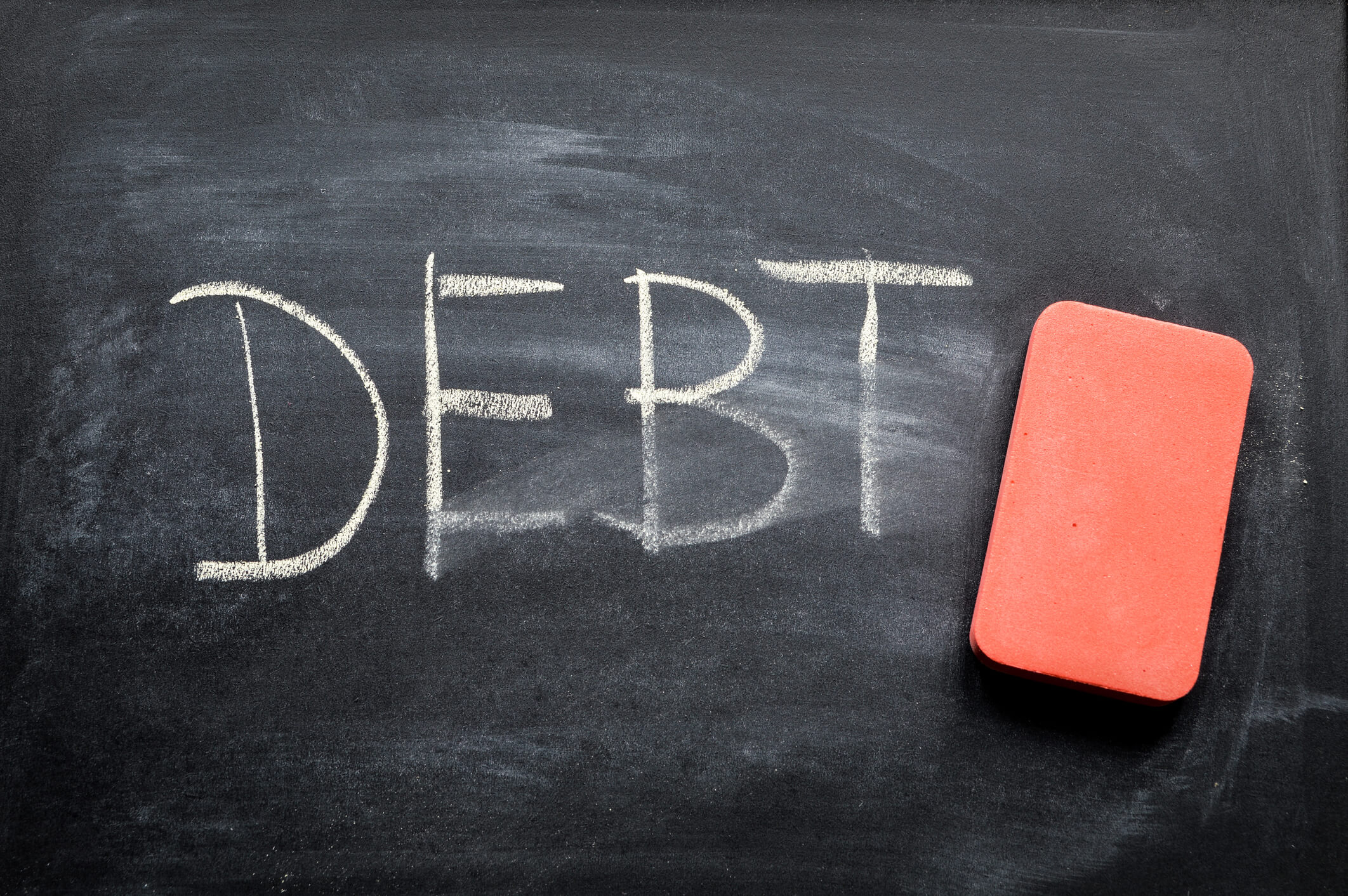
Get Out of Debt:
7 Simple Strategies That Actually Work
Get out of debt strategies that work all share the same DNA: they help you see every dollar you owe, pick a smart payoff method, build a realistic budget, cut costs strategically, protect yourself with an emergency fund, and get expert help when you need it. To become debt-free faster, list every balance and interest rate, choose the debt snowball or avalanche method, create a realistic debt payoff budget, reduce interest through negotiation or debt consolidation, build a small emergency fund, and lean on credit counseling or personal finance coaching if you get stuck.
After more than 20 years leading Complete Controller and working shoulder-to-shoulder with thousands of small business owners and families across nearly every industry you can imagine, I can tell you this: most debt payoff plans don’t fail because the math is wrong—they fail because they’re vague, unrealistic, or ignore the human side of money. In the sections ahead, I’ll share the exact seven strategies my team and I use to help clients dig out of debt for good, including the mindset shifts, budgeting methods, and simple systems that make progress stick. You’ll walk away with a clear framework, real-world examples, and the confidence to take back control of your finances.
What are the best get out of debt strategies and how do you make them work?
- The best get out of debt strategies combine a full debt inventory, a chosen payoff method (snowball or avalanche), a realistic budget, interest rate reduction, an emergency fund, and expert support when needed.
- Start with clarity: list every debt with balance, interest rate, minimum payment, and due date so nothing hides in the shadows.
- Pick a proven method: the debt snowball builds momentum with quick wins; the debt avalanche saves the most on interest.
- Free up cash flow: use budgeting methods like zero-based or 50/30/20 to redirect real money toward your debt payoff plan.
- Protect your progress: build a small emergency fund and work on credit score improvement so you never rely on new debt again.

Start With a Clear Debt Inventory and Payoff Plan
Before any strategy can work, you need an honest snapshot of every dollar you owe. Skipping this step is the single biggest reason people spin their wheels for years.
Build your debt payoff plan with proven strategies
Every effective payoff plan starts with visibility. Document each debt: creditor, balance, interest rate, minimum payment, and due date. Then pick the debt payoff strategy that matches your personality and math preference.
- Debt snowball: smallest balance first for momentum
- Debt avalanche: highest interest rate first for maximum savings
- Set a target payoff date based on your extra monthly payment
- Align with cash flow—especially important if you’re a founder with variable income
For families and business owners just getting started, my team has a helpful primer on managing credit responsibly that pairs perfectly with a fresh debt inventory.
Snowball method steps: How to get out of debt fast
The debt snowball works because it feeds on psychology. A landmark field experiment published in the Journal of Political Economy found that people who paid off a single small balance were significantly more likely to keep paying down other balances—even when it wasn’t the math-optimal choice. Momentum matters.
Snowball method steps in order:
- List debts from smallest to largest balance
- Pay minimums on every debt except the smallest
- Throw every extra dollar at that smallest debt
- Once it’s gone, roll that payment onto the next debt
- Repeat until you’re free
Debt avalanche and interest rate reduction for long-term savings
If high-interest debt is crushing you, the avalanche method can save serious money. The Federal Reserve reported the average credit card interest rate hit 22.80% in May 2024—historically high territory. That’s why interest rate reduction and rate negotiation matter so much.
Call your creditors and ask for lower rates. Explore debt consolidation for credit cards, but read the fine print carefully—teaser rates and fees can bite.
Use Budgeting Methods That Actually Free Up Cash
You can’t pay off debt with money you don’t have—and you can’t find money you don’t track. Every effective debt payoff plan lives or dies by the budget behind it.
Create a realistic debt payoff budget
Track 30 days of spending before you build anything. You need to see where your money actually goes, not where you think it goes. Then compare income to expenses and assign every leftover dollar a purpose.
- Prioritize housing, utilities, food, transportation, and minimums
- Add a fixed “extra debt payment” line item—even $50 counts
- Trim nonessentials: subscriptions, dining out, impulse buys
- Build something you can live with for 12–36 months, not a fantasy
Budgeting methods for families and founders
Most articles skip founders entirely. If you run a business, separate personal and business accounts, pay yourself a consistent draw, and budget from that draw only. For deeper cash flow tactics, our guide to efficient business finance management walks through the exact systems we use with clients.
Two budgeting methods I love:
- Zero-based budgeting: every dollar gets a job
- 50/30/20 rule (adapted): temporarily push 25–30% toward debt and savings
Cut Costs Strategically to Get Out of Debt Fast
To accelerate any payoff plan, you need more cash flow—which means cutting the right expenses, not just white-knuckling through misery.
Smart expense cuts that support your plan
Stop taking on new debt today. Pause the credit cards, delete the buy-now-pay-later apps, and target recurring leaks like unused subscriptions and auto-renewals. Renegotiate your internet, phone, and insurance bills—then redirect every dollar saved straight to your target debt.
A short-term spending fast on one category (dining out, online shopping) can free up hundreds of dollars fast. Bring your family into the plan so changes actually stick. For more everyday tactics, check out our 5 money management tips to help avoid a deficit.
Ready to turn your debt payoff plan into financial freedom? Complete Controller can help you build the financial clarity and systems to make it stick.
Strengthen Your Foundation With an Emergency Fund and Credit Score Improvement
Paying off debt without a safety net is like patching a leaky boat while ignoring the rising tide. You need both offense and defense.
Build an emergency fund without slowing your debt snowball
The Federal Reserve’s 2023 Economic Well-Being report found that only 63% of adults could cover a $400 emergency with cash or savings. That’s exactly why a small starter emergency fund of $500–$1,000 belongs in your plan before you go into full attack mode.
Long-term, aim for 3–6 months of essential expenses. Automate a small monthly transfer and split windfalls between savings and debt.
Credit score improvement for better rates
A higher credit score unlocks better consolidation and refinancing options. Pay every minimum on time, keep card utilization under 30%, and skip new accounts while you’re focused on payoff. When your score improves, revisit consolidation—just make sure it truly lowers your total interest rather than reshuffling debt.
Get Expert Help: Credit Counseling and Personal Finance Coaching
There’s no shame in asking for help. Some of my most successful clients started with a phone call after months of feeling stuck.
When credit counseling makes sense
Nonprofit credit counseling agencies can help you build a budget, negotiate with creditors, and consolidate payments into a single monthly amount. Consider it if:
- You’re behind on multiple bills or getting collection calls
- Minimum payments swallow your entire budget
- You feel overwhelmed and keep avoiding your finances
Choose accredited nonprofits and avoid anyone promising quick fixes or charging huge upfront fees. The Consumer Financial Protection Bureau offers free resources for navigating debt collection and finding legitimate help.
Personal finance coaching for the human side
Standard guides skip the emotional part, but debt is rarely just a math problem. A good coach helps you build awareness, navigate money conversations with your partner, and stay accountable when motivation dips.
Turn Debt Payoff Into Long-Term Financial Freedom
Getting out of debt is a milestone—not the finish line. The habits that got you free are the same ones that build wealth.
Systems and Habits That Keep You Debt-Free
Once your last balance hits zero, redirect that same payment amount into savings, retirement, or business reserves. Keep your monthly money meetings on the calendar. Watch for emotional spending triggers—stress, boredom, comparison—and build non-spending coping strategies.
Celebrate real milestones: six months debt-free, one year, five years. You’re not just paying off debt—you’re becoming someone who runs money instead of the other way around.
Final Thoughts: Your Road to Financial Freedom Starts Now
When I sit down with a client at Complete Controller, I never start with shame or spreadsheets. I start with one question: What would life look like if debt wasn’t running the show? From there, we map the debts, pick a payoff method, build a realistic budget, and put systems in place so progress doesn’t rely on willpower alone.
The seven strategies you just read—clear inventory, a chosen debt payoff plan, smart budgeting methods, strategic cost cutting, a strong foundation, expert guidance, and long-term habits—have helped countless families and founders transform their financial lives. If you’re ready to build your own path to financial freedom with real professional support, visit Complete Controller to see how our bookkeeping and advisory team can help you make these strategies stick.

Frequently Asked Questions About Get Out of Debt Strategies
What is the fastest way to get out of debt?
The fastest approach combines a strict budget, the debt snowball or avalanche method, aggressive expense cuts, and applying all windfalls—tax refunds, bonuses, side income—to your current target debt.
Is the debt snowball better than the debt avalanche?
The snowball wins on motivation with quick, visible progress; the avalanche wins on math by saving more in interest. Both work if you stay consistent—pick the one you’ll actually stick with.
Should I consolidate my credit card debt?
Debt consolidation for credit cards can help if it truly lowers your interest rate and simplifies payments. Watch for fees and teaser rates, and never run up new balances on the cards you just paid off.
How much should I put in an emergency fund while paying off debt?
Start with $500–$1,000 as a starter fund while attacking debt aggressively. Once you’re debt-free, build toward 3–6 months of essential expenses to protect your progress permanently.
When should I seek help from a credit counselor?
Reach out when you’re behind on bills, facing collection calls, or unable to reduce balances despite budgeting. Reputable nonprofit counselors can negotiate better terms and create a structured repayment plan.
Sources
- Board of Governors of the Federal Reserve System. (May 2024). Charge-Off and Delinquency Rates on Loans and Leases at Commercial Banks (G.19)—Consumer Credit, Credit Cards and Other Revolving Plans: Interest Rates. https://www.federalreserve.gov/releases/g19/current/
- Board of Governors of the Federal Reserve System. (May 2024). Economic Well-Being of U.S. Households in 2023. https://www.federalreserve.gov/publications/2024-economic-well-being-of-us-households-in-2023-emergency-savings.htm
- Complete Controller. 5 Money Management Tips to Help Avoid a Deficit. https://www.completecontroller.com/5-money-management-tips-to-help-avoid-a-deficit/
- Complete Controller. Efficient Business Finance Management. https://www.completecontroller.com/efficient-business-finance-management/
- Complete Controller. How to Manage Your Credit Responsibly. https://www.completecontroller.com/how-to-manage-your-credit-responsibly/
- Consumer Financial Protection Bureau. Debt Collection Resources. https://www.consumerfinance.gov/consumer-tools/debt-collection/
- Kartik, Navin, Sendhil Mullainathan, and Eldar Shafir. (April 2018). Debt Accounts, Mental Accounting, and Repayment Behavior: Evidence from a Field Experiment. Journal of Political Economy. https://www.journals.uchicago.edu/doi/10.1086/696385
- NPR Staff. (14 Feb. 2019). How to Pay Off Your Debt in 7 Steps. NPR Life Kit. https://www.npr.org
 About Complete Controller® – America’s Bookkeeping Experts Complete Controller is the Nation’s Leader in virtual bookkeeping, providing service to businesses and households alike. Utilizing Complete Controller’s technology, clients gain access to a cloud platform where their QuickBooks™️ file, critical financial documents, and back-office tools are hosted in an efficient SSO environment. Complete Controller’s team of certified US-based accounting professionals provide bookkeeping, record storage, performance reporting, and controller services including training, cash-flow management, budgeting and forecasting, process and controls advisement, and bill-pay. With flat-rate service plans, Complete Controller is the most cost-effective expert accounting solution for business, family-office, trusts, and households of any size or complexity.



 Brittany McMillen
Brittany McMillen
Brittany McMillen