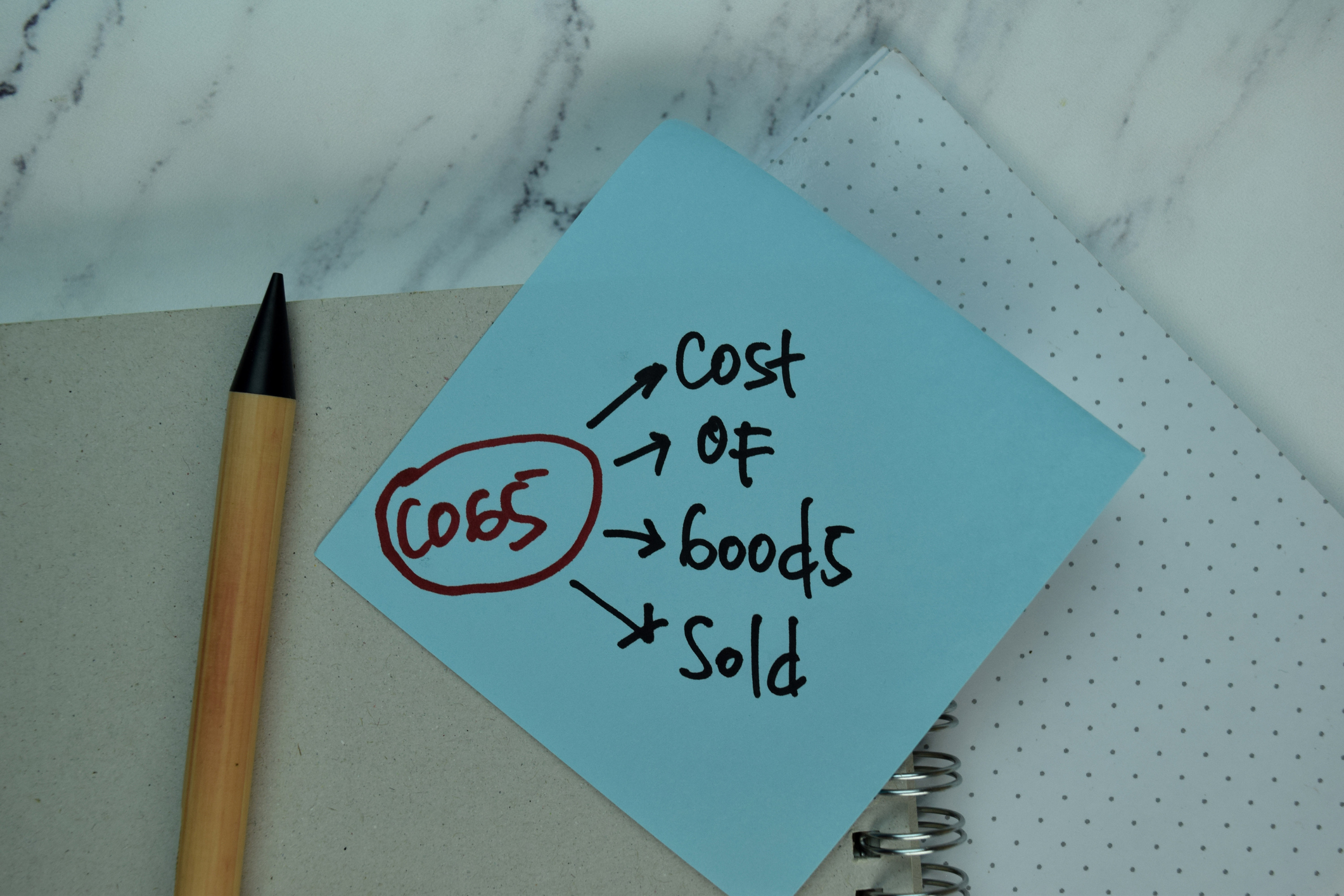
Cost Accounting vs Economics Guide

Cost Accounting vs Economics:
Key Differences Explained

Cost Accounting vs Economics describes two different lenses on business costs: cost accounting tracks and allocates actual, measurable costs inside your company to support pricing, budgeting, and performance, while economics evaluates both explicit and opportunity costs in a broader market context to guide strategic choices and long-term resource allocation. Cost accounting answers the question, “What does it really cost us to operate?” Economics answers, “What are we giving up, and is this the best use of our resources?” Used together, they give business leaders the precision to manage day-to-day operations and the perspective to make smart strategic bets.

After more than two decades building Complete Controller and partnering with thousands of small and mid-sized businesses across nearly every industry you can name, I’ve watched companies stumble into the same trap again and again: they had the cost data, but they confused accounting cost with economic cost. According to a Gartner survey, 82% of finance leaders say their organization’s cost management capabilities are “not effective” or only “moderately effective”—which means most companies are flying blind on the very numbers they should be using to compete. The good news? Once you understand how cost accounting and economic analysis fit together, pricing, hiring, and investment decisions stop feeling like guesswork. This article will walk you through the key differences, the tools each discipline uses, and exactly how to integrate them for sharper business decisions. Cubicle to Cloud virtual business

What is cost accounting vs economics, and how do they guide business decisions?

  • Cost Accounting vs Economics: Cost accounting measures a firm’s internal, historical costs for decision support; economics analyzes explicit and implicit (opportunity) costs in the broader market to evaluate trade-offs and long-term value.
  • Cost accounting focuses on internal data, using cost systems, cost allocation, and activity-based costing (ABC) to inform budgeting and pricing.
  • Economics uses microeconomics tools like marginal cost analysis and cost-benefit analysis to compare alternatives—including what you give up.
  • Managers rely on cost accounting for short-to-medium-term decision-making metrics and on economics for strategic choices like market entry and capital allocation.
  • The strongest decisions integrate both, layering economic cost over accounting data to avoid “profitable” choices that quietly destroy value.

Cost Accounting vs Economics in Plain Language

Both disciplines deal with “cost,” but they answer different questions for your business. Cost accounting is internal and precise. Economics is broader and strategic. Understanding where each one shines is the first step toward using them together.

Cost accounting: how much does it really cost us to operate?

Cost accounting is a managerial accounting discipline that measures, classifies, and allocates the costs of producing goods or delivering services so managers can plan, control, and improve operations. It focuses on individual products, services, and departments inside your company, using cost systems, cost allocation, and methods like activity-based costing (ABC) to support pricing, budgeting, and performance evaluation. The data is mostly historical, drawn from your general ledger, and emphasizes explicit, out-of-pocket expenses such as materials, labor, rent, and utilities.

Economics: what are we giving up and how do we maximize value?

Economics takes a wider, microeconomics view of how firms make choices under scarcity. The big shift here is the concept of economic cost, which equals accounting cost plus implicit costs like owner time, forgone salary, or alternative investment returns. As the International Monetary Fund defines it, opportunity cost is “the value of the best alternative that has to be given up” when a choice is made—exactly what accounting statements leave out. Economics uses tools like cost-benefit analysis and marginal analysis to ask the bigger questions: Should we be in this market at all? Is this the best use of our capital?

Key Differences: Cost Accounting vs Economic Analysis for Business Leaders

The clearest way to see the contrast is by comparing focus, scope, and what each discipline optimizes.

Focus, scope, and time horizon

  • Cost accounting: internal efficiency, cost control, product profitability; short-to-medium term horizon.
  • Economics: resource allocation, trade-offs, and market behavior; medium-to-long term horizon.

Data, accounting principles, and economic modeling

Cost accounting is anchored in accounting principles like GAAP, using measurable, verifiable numbers. Economic analysis combines observed data with forecasts, behavioral assumptions, and financial modeling to project outcomes—including opportunity costs that never show up on financial statements.

Decision-making metrics

Cost accounting optimizes unit cost, contribution margin, variance ratios, and break-even analysis. Economics optimizes economic profit, marginal cost vs marginal revenue, and net present value—measures that account for what you didn’t choose.

Know your costs. Understand your choices. Complete Controller helps turn financial data into smarter business decisions. Get started today. Download A Free Financial Toolkit

Inside Cost Accounting: How Managers Use Cost Data Day to Day

Most articles stop at definitions. Let’s get practical. Cost accounting works through cost systems (job order, process, hybrid), cost allocation of overhead using activity drivers, and cost structure analysis that separates fixed from variable costs. When this is done well, you can price confidently, identify unprofitable SKUs, and target cost reduction surgically.

Here’s where it gets real: the Gartner survey I mentioned earlier found that most CFOs say their cost systems don’t deliver the detailed data they need. That’s a huge problem when overhead is complex. This is exactly why activity-based costing (ABC) matters—it traces overhead to specific activities (setups, inspections, order handling) so you can see which products and customers truly consume your resources.

Break-even analysis and relevant costs for decision making

Break-even analysis tells you the volume at which revenue equals total cost—essential for pricing changes and product launches. Relevant costs for decision making focus only on future, incremental cash flows that change between alternatives. Classic applications include:

  1. Make vs buy decisions on components
  2. Accepting a special order at a discount
  3. Dropping an unprofitable product line

In my work with clients, simply mapping which customers generate the most support tickets often reveals that the “biggest” client is economically marginal—or even value-destroying—once activity costs are factored in.

Inside Economics: How Economic Analysis Changes the Questions You Ask

Economic thinking forces you to ask better questions. Through microeconomics and marginal analysis, you look at the cost of producing one more unit versus what that unit earns. When you use contribution margin to decide whether to accept a one-off order, you’re already applying economic marginal analysis to cost accounting data—you just may not have called it that.

The real game-changer is opportunity cost. A project that looks profitable on your income statement may have a negative economic profit once you factor in what else you could have done with that capital, capacity, and management attention. This is why cost-benefit analysis and financial modeling matter so much for major decisions—building vs leasing, entering a new market, or launching a new product line.

Cost Accounting vs Economic Analysis in Real Business Decisions

Pricing is the perfect example. Cost accounting for pricing decisions uses unit cost and break-even analysis to set a floor price. The economic perspective considers price elasticity, competitive response, and the opportunity cost of using capacity for one segment versus another. Good pricing uses cost accounting to ensure you’re not selling below relevant cost—and economics to ensure you’re not leaving margin on the table.

Case study: the Concorde fallacy

A classic warning comes from the Concorde supersonic jet. Even after it became clear the project would never pay off, the British and French governments kept funding it because of money already spent. Economists call this the sunk-cost fallacy—accounting numbers (and ego) kept a project alive that economic analysis would have killed years earlier. The lesson for business owners: historical costs in your ledger should never drive forward-looking decisions.

How to Integrate Cost Accounting and Economics for Better Decisions

This is where the magic happens. Here’s the roadmap I use with clients:

  1. Build reliable cost accounting foundations. Make sure your cost systems accurately capture direct materials, labor, and overhead. Use ABC where product mix is complex.
  2. Layer in economic analysis for major decisions. Add economic cost estimates, cost-benefit analysis, and scenario-based financial modeling. Use marginal analysis instead of averages.
  3. Use decision metrics that connect both worlds. Combine contribution margin and break-even points with NPV and economic profit. Document which costs are implicit so nothing gets lost.

At Complete Controller, we use a simple two-column decision memo—Accounting Impact vs Economic Impact—to keep both perspectives in view for every major call. You can learn more about how we approach this in our guide to managing business accounting.

Conclusion: Turning Numbers into Strategic Insight

Cost Accounting vs Economics is not an either/or choice—it’s about pairing the precision of cost accounting with the breadth of economic analysis. Cost accounting gives you reliable numbers to run the business day to day; economics ensures those numbers are interpreted with opportunity cost, market dynamics, and long-term value in mind.

After twenty-plus years working alongside founders and CFOs, I can tell you the businesses that thrive are the ones that respect both lenses. They know what their products cost and what their choices cost. If you’re ready to sharpen your cost data, model better decisions, or simply get clarity on what your numbers are really telling you, the team at Complete Controller is here to help. Let’s turn your numbers into the strategic insight your business deserves. ADP. Payroll – HR – Benefits

Frequently Asked Questions About Cost Accounting vs Economics

What is the main difference between cost accounting and economics?

Cost accounting measures internal, historical costs to support operational decisions, while economics evaluates explicit and opportunity costs in the broader market to guide strategic choices.

What is the difference between accounting cost and economic cost?

Accounting cost includes only explicit, out-of-pocket expenses recorded in the books. Economic cost adds implicit costs like the owner’s forgone salary, alternative uses of capital, and other opportunity costs.

Why does opportunity cost matter for small business decisions?

Opportunity cost reveals what you’re giving up by choosing one path over another. Without it, a project can look profitable on paper while actually destroying long-term value by tying up capital that could earn more elsewhere.

When should I use activity-based costing (ABC)?

Use ABC when overhead is a large portion of total cost, your product mix is complex, or you suspect certain products or customers consume disproportionate resources. ABC produces more accurate unit costs and customer profitability insights.

Can I use cost accounting and economics together?

Absolutely—and you should. Cost accounting gives you precise data for pricing and budgeting; economic analysis layers in opportunity cost and long-term thinking for strategic decisions. A simple Accounting Impact vs Economic Impact decision memo keeps both perspectives in view.

Sources

CorpNet. Start A New Business Now About Complete Controller® – America’s Bookkeeping Experts Complete Controller is the Nation’s Leader in virtual bookkeeping, providing service to businesses and households alike. Utilizing Complete Controller’s technology, clients gain access to a cloud platform where their QuickBooks™️ file, critical financial documents, and back-office tools are hosted in an efficient SSO environment. Complete Controller’s team of certified US-based accounting professionals provide bookkeeping, record storage, performance reporting, and controller services including training, cash-flow management, budgeting and forecasting, process and controls advisement, and bill-pay. With flat-rate service plans, Complete Controller is the most cost-effective expert accounting solution for business, family-office, trusts, and households of any size or complexity. LastPass – Family or Org Password Vault

author avatar
Jennifer Brazer Founder/CEO
Jennifer is the author of From Cubicle to Cloud and Founder/CEO of Complete Controller, a pioneering financial services firm that helps entrepreneurs break free of traditional constraints and scale their businesses to new heights.
Reviewed By: reviewer avatar Brittany McMillen
reviewer avatar Brittany McMillen
Brittany McMillen is a seasoned Marketing Manager with a sharp eye for strategy and storytelling. With a background in digital marketing, brand development, and customer engagement, she brings a results-driven mindset to every project. Brittany specializes in crafting compelling content and optimizing user experiences that convert. When she’s not reviewing content, she’s exploring the latest marketing trends or championing small business success.

Restaurant Profit Boosters

In your opinion, what do you think an excellent, profitable restaurant would look like? Smiling, happy servers, clean kitchens, and extensive tips received by customers are what most of us think of. However, to calculate how a restaurant performs, you must also consider what kind of profits it generates. If there is no difference between the profits gained each month, consider revising your management skills. The best tips for effective restaurant management will take your profits up a notch.

Prime cost is the best marker of benefit potential and how well your expenses are being overseen. Cooks who do not have control over the prime expenses have an inferior administration framework. It is one of the fundamental pointers on how well the business is being managed.Cubicle to Cloud virtual business

Prime Cost Should Not Be More Than 60%

For most, prime cost should run nearly 65% of aggregate deals. Bigger chains can keep their prime cost at 60% or less. Yet, for most, accomplishing a prime cost of 60-65% still allows getting a solid net salary.

When prime cost surpasses 65% and reaches around 70% of offers, gainfulness issues primarily emerge. Furthermore, it is exceptionally troublesome for any restaurant to influence satisfactory profits when this happens. In short, the objective is to keep the prime cost at 60& of aggregate deals or less.

Profit and Loss

The most critical destination of each business is to make a profit. The Profit and Loss account demonstrates how a restaurant has accomplished this target. Organizations are required to keep their P&L accounts in specific arrangements. Usually, the P&L record will demonstrate the income a business receives and the costs associated with creating that income. In straightforward terms:

Incomes – Expenses = Profit

Month-to-Month Profit and Loss Examination

Daily and week-by-week, numbers are an indispensable piece of administration that offers an inclination to fruitful restaurant activity and productivity. Finish monetary articulation bundle incorporating a pay proclamation and accounting report should be arranged and looked into monthly.

Numerous food providers want a rundown variant of their profit and loss investigation to rapidly examine the key numbers and understand how the restaurant performs. Some just dig into the more point-by-point reports if something has all the earmarks of being out of line or does not bode well. You must look at your 
bookkeeping records frequently.

When you look at your profit and loss statements, you need to feature the following key numbers.Complete Controller. America’s Bookkeeping Experts

Prime Cost

Prime cost incorporates the cost of offers and finance. It is prescribed to ascertain prime cost weekly, yet prime cost should be incorporated into the profit and loss investigation.

Other Controllable Costs

Other controllable costs are sensible somehow by management. These fields can be assembled into classifications like direct working costs, advertising costs, utilities, and so on. With profit and loss, the investigation should demonstrate month-to-month and year-to-date sums in the individual records incorporated into these outline classifications.

Controllable Salary

If you isolate controllable costs from non-controllable costs, it is conceivable to figure out a standout among the most vital edges on any profit and loss statement: controllable salary. It is a crucial marker of management adequacy in driving deals and cost control. Those numbers reflect the details over which they apply any impact or control.CorpNet. Start A New Business Now

Non-Controllable Costs

Non-controllable costs incorporate inhabitance costs—property charges, building protection, lease, and different expenses. Management has next to no control or impact over these costs.

Restaurant Working Wage

Restaurant working wages are produced without respect to corporate overhead, financing costs, nonrecurring salaries and costs, and wage charges. It is helpful for correlation with different restaurants and the working consequences of the industry midpoints. Restaurant wages are improved using correlation with spending plans, earlier periods, and pattern investigation for more than a few periods.

Consequently, bundled business accounts deliver profit and loss statements. The issue may happen if the wrong information has been entered, lost, or ruined.

Download A Free Financial ToolkitAbout Complete Controller® – America’s Bookkeeping Experts Complete Controller is the Nation’s Leader in virtual bookkeeping, providing service to businesses and households alike. Utilizing Complete Controller’s technology, clients gain access to a cloud platform where their QuickBooks™️ file, critical financial documents, and back-office tools are hosted in an efficient SSO environment. Complete Controller’s team of certified US-based accounting professionals provide bookkeeping, record storage, performance reporting, and controller services including training, cash-flow management, budgeting and forecasting, process and controls advisement, and bill-pay. With flat-rate service plans, Complete Controller is the most cost-effective expert accounting solution for business, family-office, trusts, and households of any size or complexity.ADP. Payroll – HR – Benefits

Streamline with Self-Storage

Keeping everything organized in your business allows it to run like a machine. The boost in efficiency that proper organization gives benefits small and large companies. However, small businesses often need to pay more attention to this crucial factor of efficiency, which limits their ability to grow and expand operations.

A critical aspect of keeping a business organized is having adequate space to keep unused equipment, inventory that hasn’t been stocked, and files for records that might be needed later.Download A Free Financial Toolkit

What is Self-Storage?

Self-storage is a rental service offered by providers where individuals or businesses can lease storage space for varying durations, typically every month. Tenants rent these units to store belongings, inventory, equipment, or other items they may not have adequate space for on their premises.

The rental agreements for self-storage units often offer flexible terms, allowing tenants to adjust their space requirements as needed. While monthly rentals are standard, some providers may offer longer-term contracts with annual payments or extended leases to accommodate different needs.

For small businesses, self-storage presents a cost-effective solution for managing inventory, equipment, and other materials without the high overhead costs associated with expanding physical premises. This affordability makes self-storage attractive for businesses looking to optimize operations without committing to significant real estate investments.CorpNet. Start A New Business Now

Benefits that Can be Offered for Using a Self-Storage Facility

Self-storage facilities often extend beyond mere storage solutions, offering a range of supplementary services tailored to meet the diverse needs of their tenants, notably smaller businesses. Here are some key benefits that self-storage providers may offer:

  1. Meeting Rooms: Many self-storage facilities feature on-site meeting rooms that tenants can utilize for client meetings, presentations, or team gatherings. These spaces offer a professional setting without a dedicated office space, catering to businesses requiring occasional meeting venues.
  2. Fax and Internet Services: Access to fax machines, printers, and high-speed internet within the self-storage premises can be invaluable for businesses that operate remotely or lack these amenities in their primary locations. This convenience allows tenants to handle administrative tasks efficiently without investing in costly office equipment.
  3. Courier Receiving Services: Self-storage providers may offer courier receiving services, accepting deliveries on behalf of tenants during business hours. This feature is particularly advantageous for businesses with irregular schedules or limited on-site personnel, ensuring secure package handling and receipt without constant oversight.
  4. Package Sending Services: Some self-storage facilities may also provide package-sending services, allowing tenants to dispatch shipments directly from the storage site. This offering streamlines logistics operations for small businesses, eliminating the need for separate trips to courier drop-off locations and saving valuable time and resources.

By offering these additional services, self-storage providers cater to the specific requirements of smaller businesses, which may not have the infrastructure or financial means to access such amenities independently. This holistic approach enhances the value proposition of self-storage solutions, making them an attractive and cost-effective option for businesses looking to optimize their operations and minimize overhead expenses.Complete Controller. America’s Bookkeeping Experts

Businesses that Use Self-Storage

Different businesses have different kinds of storage needs. Self-storage services cater to businesses with unique storage requirements tailored to their specific operations. Here are examples of small businesses that commonly utilize self-storage solutions:

  1. Landscape Businesses: Landscaping companies often require storage units to house their equipment, such as lawnmowers, trimmers, and gardening tools. Self-storage units provide a secure and convenient space for storing these items when not in use, ensuring easy access and organization for landscape professionals.
  2. Medical Offices: Medical practices, including doctor’s offices, clinics, and dental practices, may utilize self-storage units equipped with climate control to store patient records, medical supplies, and equipment. Maintaining a controlled environment helps preserve sensitive medical documents and equipment, ensuring longevity and compliance with regulatory requirements.
  3. Hospitality Industry (Restaurants, Hotels, Motels): Businesses in the hospitality sector, such as restaurants, hotels, and motels, often leverage self-storage solutions to store seasonal decorative items, excess furniture, linens, and kitchen supplies. By utilizing self-storage units, these establishments can efficiently manage inventory turnover and store items not currently in use, optimizing space within their primary facilities.

These examples illustrate how self-storage services cater to the diverse needs of small businesses across various industries. Whether storing equipment, preserving sensitive documents, or managing seasonal inventory, self-storage solutions offer flexibilityaffordability, and convenience for businesses seeking efficient storage options.

Conclusion

In conclusion, if you are an owner of a small business looking to organize your business better to streamline operations and improve efficiency, it is recommended that you look into the benefits of availing of these self-storage facilities.

LastPass – Family or Org Password VaultAbout Complete Controller® – America’s Bookkeeping Experts Complete Controller is the Nation’s Leader in virtual bookkeeping, providing service to businesses and households alike. Utilizing Complete Controller’s technology, clients gain access to a cloud platform where their QuickBooks™️ file, critical financial documents, and back-office tools are hosted in an efficient SSO environment. Complete Controller’s team of certified US-based accounting professionals provide bookkeeping, record storage, performance reporting, and controller services including training, cash-flow management, budgeting and forecasting, process and controls advisement, and bill-pay. With flat-rate service plans, Complete Controller is the most cost-effective expert accounting solution for business, family-office, trusts, and households of any size or complexity.Cubicle to Cloud virtual business

Digitize Receipts for Efficiency

Are you someone who spends much time looking for a receipt for personal or business use? Receipts are proof of transaction or purchase made and are invaluable to keep an excellent financial backbone. Many people tend to pile up receipts over time, leading to a complete mess that is nearly impossible to sort out.

When organizing receipts for business or personal use, think of a system that is easy to use, simple to recall, quick to file papers, and easy to locate what you need. No system for recording receipts is perfect, and each has flaws. The best way to deal with receipt tracking is to convert them into digital form.Download A Free Financial Toolkit

Receipts in Digital Form

Paper receipts are not made from the best paper; they are frail and don’t last very long. Paper receipts are prone to wear and tear and are easily lost and destroyed. Keeping all receipts in one place will make it much easier to store and record. Digitizing all paper receipts is the best way to help manage different receipts.

Using software like Evernote, keeping track of receipts is easier. Evernote can scan and record any receipt within seconds. It uses less storage space with many options to tag and keeps every receipt safe. Following are the best ways to keep track of every single receipt easily:

ShoeBoxed

Shoeboxed is an effective mobile app available for Android and iOS that allows receipts to be scanned with a phone camera. It uses the phone camera to scan a paper receipt, extracting all the information needed to keep track of any receipt. For more services, Shoeboxed offers a chance to have the receipts reviewed by certified professionals who can review five monthly receipts. The app can automatically sync to the web version of Shoeboxed, making it easy to organize receipts for a business.CorpNet. Start A New Business Now

Office Lens

Internet and app-savvy individuals must know OneNote and its new companion, Office Lens. Microsoft develops Office Lens to assist people and corporations in keeping track of their receipts. Office Lens is a scanner app with highly customized integration settings with Microsoft Office and other products. It works seamlessly with Office 365 and OneNote. It gives the user more options to save the digitally scanned image as a PDF, an image in an email, or a jpeg in your camera roll to organize receipts for a business. The system is straightforward; just click a photo from the app, choose the needed service, and let the app do the rest.

Genius Scan iOS

Grizzly Labs has devised a viable solution to eliminate the cluttered mess of receipts lying about in drawers. The app is integrated with many different cloud services, including OneNote. The app is very simple to use; just take a clear photo from the app using the phone camera and let the app get to work. Genius Scan will enhance the receipt to be excellent, allowing a high-quality copy to be stored and retrieved later. The Genius Scan app is available for both Android and iOS. The basic version supports DropBox, while the premium version supports Google Drive, OneNote, Expensify, and EverNote.Complete Controller. America’s Bookkeeping Experts

Expensify

Creating a business expense report was never this easy; the Expensify app has made it easier for business and home users to create expense reports from receipts stored as photos automatically. It’s possible to track the total hours worked with a single tap. The app can track mileage using GPS by taking a picture of the odometer in the car. The app can link up everything with the bank account or a credit card to pull transactions that do not have a receipt. The app can generate IRS-guaranteed e-receipts.

Receipts

Receipts is a scanning application available on iOS only. The Receipts app scans any receipt, placing it in its allocated category. The app can keep track of spending in each category. Such a system is highly effective in tackling account management issues. The app is available on iOS. However, without free versions, it is a letdown for many when organizing receipts effectively.

Cubicle to Cloud virtual businessAbout Complete Controller® – America’s Bookkeeping Experts Complete Controller is the Nation’s Leader in virtual bookkeeping, providing service to businesses and households alike. Utilizing Complete Controller’s technology, clients gain access to a cloud platform where their QuickBooks™️ file, critical financial documents, and back-office tools are hosted in an efficient SSO environment. Complete Controller’s team of certified US-based accounting professionals provide bookkeeping, record storage, performance reporting, and controller services including training, cash-flow management, budgeting and forecasting, process and controls advisement, and bill-pay. With flat-rate service plans, Complete Controller is the most cost-effective expert accounting solution for business, family-office, trusts, and households of any size or complexity.LastPass – Family or Org Password Vault

Monitor Direct & Indirect Costs

An expense is the cost incurred or amount spent in an organization’s operations to generate revenue. Expenses are the amount of money paid to purchase goods or services by an organization. An expense can be categorized into two major classifications: direct and indirect.CorpNet. Start A New Business Now

Direct Expense

Direct expense refers to the company’s cost for its core operations. These expenses are related to the purchase of goods for the company. For example, a freelance writer may buy utensils for their writing purpose, or an executive may buy freight for their organization – these are direct expenses.

Direct expenses can be deductible, according to the IRS. However, it must be proven that these expenses generate revenue for the company. Another term for this is direct cost.

Indirect Expense

Indirect expenses are all other expenses that are required to run an organization. The indirect expenses include bills, rent, insurance, office supplies, and legal charges. An Indirect expense is not related to the business operations of the company. However, they are as important as direct expenses to run an organization.

Indirect expenses can vary for different companies. These expenses appear on the debit side of the IRS, which means they are non-deductible. Personal and indirect expenses are not considered IRS deductible.Complete Controller. America’s Bookkeeping Experts

Tracking Your Expenses

How do I maintain a monthly budget? I cannot save anything by the end of the month; what should I do? I have to pay my tuition; how do I manage? Whether running a household or an organization, these questions run in everyone’s mind.

Many people ask why keeping track of one’s expenses is important. The answer is simple: if you want to maintain your finances, you must keep track of every penny. Keeping track of your expenses will help you maintain a monthly budget and your long-term goals.

There are many ways to keep track of your finances. Most large organizations have an accounts department that performs the bookkeeping for the company. The department keeps track of all the money spent on the company’s expenditures, including the direct and indirect expenses. Cubicle to Cloud virtual business

Steps to Track Your Expenses

1. Monthly bills

List your monthly bills such as utility, phone, cable, credit/debit card, loans, insurance, salaries, and everything that needs to be taken care of every month. Use a spreadsheet or a notebook to write down these bills.

2. Personal funds

Groceries, clothes, gas, entertainment, and all personal items fall into this category. These expenses are as important as any other expense. Please keep track of these expenses and write them down. Keep your receipts handy or staple them into your notebook. Cash and credit and debit card payments should both be included. These are all considered indirect expenses.

3. Review

When you have everything listed, add up the numbers. Once you see your monthly expenditures, think of strategies that will help you save money. For example, try using ATMs that do not charge any additional fees. Cut down on the extra channels you no longer watch; it will cut down the cost of your cable bill. Getting creative here is fairly easy; you’ll have extra money in your bank account with little effort.

4. Big expenses

These expenses may not be every month but could appear anytime during the year. These include home/office repairs, travel expenses, furniture, education, or family vacations. It is essential to look at your bank records carefully and plan if you see any of these expenses coming up. Be prepared, as it will help you plan better for an emergency.

5. Plan a strategy

After reviewing your expenses, think of a way to cut off anything extra you do not require. Plan for your goals. Set up a target every month to save up a certain amount. If possible, open a savings account and put in monthly money. 

LastPass – Family or Org Password VaultAbout Complete Controller® – America’s Bookkeeping Experts Complete Controller is the Nation’s Leader in virtual bookkeeping, providing service to businesses and households alike. Utilizing Complete Controller’s technology, clients gain access to a cloud platform where their QuickBooks™️ file, critical financial documents, and back-office tools are hosted in an efficient SSO environment. Complete Controller’s team of certified US-based accounting professionals provide bookkeeping, record storage, performance reporting, and controller services including training, cash-flow management, budgeting and forecasting, process and controls advisement, and bill-pay. With flat-rate service plans, Complete Controller is the most cost-effective expert accounting solution for business, family-office, trusts, and households of any size or complexity.ADP. Payroll – HR – Benefits

Budgeting for Financial Freedom

The modern era has offered humanity more than we could have imagined. Each technological and scientific development brings about newer and better concepts. Innovative gadgetry that is sometimes too hard to resist results in overspending.

Often, society determines an individual’s success by their ability to spend less than they can earn. By earning more than they can spend, a person has stability and confidence that is effective when handling emergencies. They are also in a better position to assist others.LastPass – Family or Org Password Vault

Stress-free budgeting helps provide stability to, for example, better caring for the family and meeting their needs. Saving money is, by far, the smartest thing you can ever do, so here are some valuable but simple tips for better management of your money, leading to an easier and hassle-less life.

Some effective habitual changes can enable anyone to enjoy a higher level of economic independence.
Stress-free budgeting requires an understanding of seven principles or concepts that must be understood in order to tackle one of the most common reasons for financial turmoil: extravagant spending.

Set a Goal or a Target

One needs to first realize and accept the fact that there is a problem in their spending habits; only then will you be able to tackle it without further aggravating a delicate situation. The goal should not be simply tracking dimes and cents but to create a budget that is reflective of essential needs. A good budget with an achievable goal will better indicate what you need and shed light on where your spending went wrong.
 

Weekly Observation of Spent Cash

This can tell you a lot about what is happening to your cash. Observing weekly transactions will reveal small change adding up to a good amount. Those small amounts weigh heavily when it is totaled up in stress-free budgeting at the end of the week. This is recommended so that real-time information and facts are laid out for self-realization and modification.

ADP. Payroll – HR – Benefits

Accumulate an Estimate of Expected Earnings and Expenses

This gives you an effective idea of what is coming in and what is to be spent—for instance, rent, allowances, tuition, car maintenance, etc. Everything needs to be listed and should have an estimate, so keep it factual and realistic. This enables you to make our budget and purchases as cost-effective as possible.

Like groceries and gasoline, expenses need to be tended to first as these are critical categories in stress-free budgeting. It is clothing, apparel, gadgets and equipment, entertainment, etc., that create stressful situations. These need to be pointed out and noted, along with how much the earnings are.
 

Plastic or Cash?

Paying cash is the easiest way to get lost while conducting purchases or transactions. With small change being used from other categories, all of it ends up being totaled, and the amount will not be cheap! All the payments are billed and recorded by using credit cards, so this is another way of monitoring expenditure.

Paying with plastic will help your stress-free budgeting by showing you how and where you spend your money. Using credit cards has benefits and rewards, which is another perk. If you prefer not to use credit cards, debit cards are effective and an equally suitable alternative, with one significant difference, lower service charges.Download A Free Financial Toolkit

Save, Save, Save

That is the motto in the world of personal budgeting. This is also our goal and should be focused on excessively. A budget can precisely comprehend how much they have earned while also showing how much they need to spend and save. Therefore, it is highly recommended that you start saving money during stress-free budgeting and then spend the remainder by allocating the rest to their respective categories. Using this effective method, you will not be able to overspend and can reinforce savings!
 

50/20/30 Scheme

Senator Elizabeth Warren, in her book “All Your Worth,” promoted this method, and it is beneficial because it is so straightforward. She says 50% of all income is allocated to requirements, 20% is reserved for saving, and 30% is allotted to lifestyle preferences. Facing difficulty? Trying this simple plan is duly advised.
 

Using Schedules and Other Relevant Tools

The beauty of stress-free budgeting is the vast choices of available tools to assist in everyday expenditures. Also, there is no single tool that is effective universally and works for everyone at the same time. For some, scheduling and daily monitoring are sufficient, while others might need a range of budgeting applications connected to personal accounts in banks that utilize smart technology.

CorpNet. Start A New Business NowAbout Complete Controller® – America’s Bookkeeping Experts Complete Controller is the Nation’s Leader in virtual bookkeeping, providing service to businesses and households alike. Utilizing Complete Controller’s technology, clients gain access to a cloud platform where their QuickBooks™️ file, critical financial documents, and back-office tools are hosted in an efficient SSO environment. Complete Controller’s team of certified US-based accounting professionals provide bookkeeping, record storage, performance reporting, and controller services including training, cash-flow management, budgeting and forecasting, process and controls advisement, and bill-pay. With flat-rate service plans, Complete Controller is the most cost-effective expert accounting solution for business, family-office, trusts, and households of any size or complexity.Complete Controller. America’s Bookkeeping Experts

Understanding COGS: Business Essential

The cumulative cost of selling a particular product is the Cost of Goods Sold (COGS). This varies from product to product and increases with factors such as the complexity of the manufacturing process or the cost of raw materials. The volume of the product manufactured may also directly impact the overall Cost of Goods Sold. As a business owner, it is imperative that you know and understand COGS for your particular business so that you can keep your inventory and financial books under control.LastPass – Family or Org Password Vault

COGS is important because it is necessary to refer to when filing your tax returns. Being as accurate as possible on your taxes is very important. Adding it to the equation will reduce your total income, giving you a particular advantage. Unfortunately, calculating this cost of goods sold is not as simple as it sounds. Getting it right is crucial to getting your taxes right.

How Can You Calculate the Cost of Goods Sold?  

Naturally, calculating the Cost of Goods Sold varies from product to product. There are many factors to consider. However, to simplify the explanation, let us look at an example of one product and see how it is done. Remember, this explanation exists for the sake of understanding. It is in your business’s best interest to work with a CPA or a tax professional to accurately calculate the cost of your business income tax returns.

The first things you must have are the starting and inventory amounts and the cost of all inventory purchased that year. There are a few different evaluation methods. Talk to your CPA to determine which one they recommend using. This will give you a better idea of the components you need for the calculation.ADP. Payroll – HR – Benefits

What Are the Essential Components for the Calculation of the Cost of Goods Sold

The first step is to identify and analyze the following components:

  • Cost of inventory at the beginning of the year
  • Cost of the inventory purchased during the year
  • Inventory left at the end of the year

The sum of the first two components minus the last component will determine the Cost of Goods. It does not matter if you are a manufacturer or reseller; this calculation will help you deduce the direct and indirect cost of goods sold.

Direct and Indirect Costs – Direct and indirect costs are calculated in the next step. The direct costs include:

  • The cost of raw material
  • Cost of merchandise
  • Packaging costs
  • Cost of supplies for production
  • Direct overhead costs are involved in the production

The indirect costs include labor costs, storage costs, salaries, equipment costs, and the cost of depreciation. Facility costs include mortgage, rent, utilities, etc. This is perhaps the most complicated part of the entire process. It is nearly impossible for any business to determine these costs without the help of a CPA.

CorpNet. Start A New Business NowThe LIFO and FIFO Methods

LIFO and FIFO are ways to calculate the inventory left at the year’s end. The IRS is very critical of the valuation method you use. If you decide to use a different valuation method than the previous year, you must seek the IRS’s approval.

Different COGS calculation forms are used for different types of businesses. For instance, sole proprietors use Part III for calculation and include the cost of income in Part I. Corporations or partnerships use Form 1125A. This process may be complicated and best left to professional CPAs.

Conclusion

In conclusion, comprehending and precisely calculating the Cost of Goods Sold (COGS) is a crucial responsibility for business owners, serving as a measure of cumulative selling costs and a cornerstone in tax filings. This involves analyzing components such as beginning inventory, purchases, and year-end inventory, shedding light on direct and indirect expenses like raw materials, labor, and overheads.

Furthermore, the choice between 
LIFO and FIFO methods for inventory valuation adds complexity, necessitating consistency or formal IRS approval for method changes. Given these intricacies, seeking guidance from certified public accountants (CPAs) or tax professionals is prudent to ensure accurate COGS determination and compliance with IRS regulations, ultimately aiding in financial decision-making and regulatory adherence, thus fostering the overall fiscal health of a business.

Complete Controller. America’s Bookkeeping ExpertsAbout Complete Controller® – America’s Bookkeeping Experts Complete Controller is the Nation’s Leader in virtual bookkeeping, providing service to businesses and households alike. Utilizing Complete Controller’s technology, clients gain access to a cloud platform where their QuickBooks™️ file, critical financial documents, and back-office tools are hosted in an efficient SSO environment. Complete Controller’s team of certified US-based accounting professionals provide bookkeeping, record storage, performance reporting, and controller services including training, cash-flow management, budgeting and forecasting, process and controls advisement, and bill-pay. With flat-rate service plans, Complete Controller is the most cost-effective expert accounting solution for business, family-office, trusts, and households of any size or complexity.Cubicle to Cloud virtual business

Overhead Rates in Small Businesses

Overhead Rates for Small Businesses:
Master Your Hidden Profit Killers

Overhead rates for small businesses measure the percentage of revenue consumed by indirect costs like rent, utilities, and administrative expenses—typically ranging from 10-35% depending on your industry. Calculating this rate involves dividing your total monthly overhead by either your sales revenue or labor costs, then multiplying by 100 to get a percentage that reveals how efficiently your business operates behind the scenes.

Small business owners lose an average of $40,000 annually to unmanaged overhead costs, yet 67% never calculate their overhead rate. I’ve spent over 20 years as CEO of Complete Controller working with businesses across every sector imaginable, and I’ve watched smart entrepreneurs transform their operations by mastering this single metric. This article walks you through the exact formulas, industry benchmarks, and cost-cutting strategies that have helped our clients reduce overhead by up to 30% while maintaining quality service delivery. ADP. Payroll – HR – Benefits

What are overhead rates for small businesses, and how do you calculate them?

  • Overhead rates measure indirect costs as a percentage of sales or labor: Calculate by dividing total overhead by monthly revenue × 100
  • Total overhead includes: Fixed costs like rent, utilities, insurance, and administrative salaries
  • Two calculation methods exist: Overhead-to-sales ratio (most common) and overhead-to-labor ratio (for service businesses)
  • Industry benchmarks vary: Service businesses target 10-20%, retail aims for 20-30%, manufacturing often runs 25-35%
  • Monthly tracking matters: Overhead rates fluctuate with seasonal business changes and market conditions

Understanding Your Small Business Overhead Components

Your overhead costs fall into three main categories that directly impact profitability. Fixed overhead includes expenses that stay constant regardless of sales volume—rent, insurance premiums, and salaried administrative staff. Variable overhead fluctuates with business activity, such as utilities that increase during busy seasons or office supplies that scale with employee count. Semi-variable overhead combines elements of both, like a phone plan with a base rate plus usage charges.

Most small business owners mistakenly include direct costs in their overhead calculations. Direct costs like raw materials, production labor, and shipping fees belong in your cost of goods sold (COGS), not overhead. This distinction matters because mixing these categories inflates your overhead rate and obscures your true operational efficiency. A manufacturing client once showed me overhead calculations including steel costs—after correcting this, their actual overhead dropped from 45% to 28%, revealing a much healthier business than they thought.

The complete overhead inventory should include:

  • Rent or mortgage payments for business property
  • Insurance policies (general liability, property, workers’ comp)
  • Administrative and support staff salaries
  • Accounting and legal fees
  • Marketing and advertising costs
  • Office supplies and equipment
  • Software subscriptions and technology costs
  • Utilities (electricity, water, internet, phone)
  • Equipment maintenance and depreciation
  • Professional development and training expenses

Step-by-Step Overhead Rate Calculation Methods

The sales-based overhead rate formula

The most straightforward calculation divides total monthly overhead by gross sales revenue. A boutique clothing store with $15,000 in monthly overhead and $75,000 in sales has a 20% overhead rate ($15,000 ÷ $75,000 × 100 = 20%). This method works best for retail businesses, restaurants, and companies with consistent sales patterns.

Track this metric monthly to spot trends. One Complete Controller client discovered their overhead jumped from 22% to 31% during slow months, prompting them to negotiate variable rent terms with their landlord based on sales performance. This single change saved them $18,000 annually during off-peak seasons.

The labor-based overhead rate formula

Service businesses often prefer calculating overhead per labor hour or as a percentage of labor costs. A consulting firm with $25,000 monthly overhead and 1,000 billable hours calculates a $25 per hour overhead burden. This helps set accurate hourly rates that cover all costs plus profit margins.

For percentage-based calculations, divide overhead by total labor costs. An accounting firm with $30,000 overhead and $100,000 in labor expenses has a 30% labor-based overhead rate. This method reveals whether your team generates enough revenue to justify indirect support costs.

Activity-based overhead allocation

Modern businesses increasingly use activity-based costing to assign overhead more precisely. Instead of spreading costs evenly, you allocate overhead based on actual resource consumption. A digital marketing agency might assign overhead based on client project hours, server usage, and software licenses per account.

This granular approach prevented a Complete Controller client from underpricing their smallest accounts. They discovered these clients consumed 40% more overhead per revenue dollar than larger accounts, leading to minimum service fees that improved profitability by $8,000 monthly.

Industry Benchmarks and Overhead Standards

Recent data shows 24% of small businesses cite inflation as their top challenge impacting overhead costs, with typical rates now ranging from 36.31% to 72.97% across industries—well above the traditional 35% ceiling many advisors recommend. These higher figures reflect post-pandemic realities including increased technology costs, remote work infrastructure, and supply chain complexities.

Service industry overhead rates

Professional services maintain the lowest overhead percentages:

  • Consulting firms: 15-25%
  • Accounting practices: 20-30%
  • Marketing agencies: 25-35%
  • IT services: 20-30%

Low overhead stems from minimal inventory requirements and virtual service delivery options. A marketing agency called Polongo cut their overhead by 20% through strategic changes—renegotiating software contracts saved $2,000 monthly, switching to remote work eliminated $5,000 in office costs, and consolidating tools reduced expenses by another $1,500.

Retail and manufacturing standards

Physical product businesses face higher overhead burdens:

  • Retail stores: 25-35%
  • E-commerce businesses: 20-30%
  • Light manufacturing: 30-40%
  • Heavy manufacturing: 35-50%

A Polish manufacturing firm achieved remarkable results by reducing overhead 30% through operational improvements. They streamlined shift patterns, reduced equipment changeover times, and optimized workflow layouts. These productivity gains freed up $50,000 monthly for expansion into new product lines.

Regional and size variations

Geographic location significantly impacts overhead rates. Urban businesses typically run 10-15% higher overhead than rural counterparts due to rent premiums and higher wages. Company size also matters—businesses under $1 million revenue average 42% overhead, while those over $5 million often achieve 25% through economies of scale.

Proven Overhead Reduction Strategies

Fixed cost optimization techniques

Start your overhead reduction journey with fixed costs since these offer the most predictable savings. Renegotiate every contract annually—insurance, rent, software subscriptions, and service agreements. One retail client saved $3,000 monthly by bundling insurance policies and switching to annual software payments for 20% discounts.

Consider these high-impact tactics:

  • Sublease unused space or downsize locations
  • Switch to cloud-based systems eliminating server costs
  • Negotiate multi-year agreements for better rates
  • Consolidate vendors for volume discounts
  • Automate administrative tasks reducing staff needs

Zero-based budgeting forces you to justify every expense from scratch each year. This approach helped a Complete Controller client identify $7,000 in monthly subscriptions for unused services—from forgotten software licenses to redundant insurance coverage.

Variable cost management

Variable overhead requires different tactics focused on efficiency rather than elimination. Energy costs respond well to LED lighting upgrades, programmable thermostats, and off-peak usage scheduling. One manufacturer reduced electricity costs 35% by shifting non-critical operations to evening hours with lower rates.

Implement usage-based policies for supplies and services. Track actual consumption patterns before setting budgets. A law firm discovered partners used 3x more office supplies than associates, leading to individual supply budgets that cut costs 25% without impacting operations.

Technology and automation solutions

Modern technology offers powerful overhead reduction opportunities. Cloud accounting software eliminates bookkeeping errors that cost small businesses an average of $10,000 annually. Automated billing systems reduce collection times from 45 to 22 days, improving cash flow for reinvestment.

Consider these automation investments:

  • Customer relationship management (CRM) systems
  • Automated inventory management
  • Digital document management
  • Online scheduling and booking systems
  • Automated marketing platforms

The key lies in selecting tools that integrate seamlessly. Disconnected systems create data silos that increase rather than decrease overhead through duplicate work and reconciliation needs.

If your overhead feels heavier than it should, Complete Controller can help.

Cubicle to Cloud virtual business

Using Overhead Rates for Pricing and Profitability

Strategic pricing formulas

Accurate overhead allocation transforms pricing from guesswork to science. The complete pricing formula includes: Direct Costs + (Overhead Rate × Direct Costs) + Desired Profit Margin = Selling Price. A landscaping company with $50 direct costs per job, 30% overhead rate, and 25% profit target prices at $50 + ($15 overhead) + ($16.25 profit) = $81.25.

Many businesses underprice by ignoring overhead in quotes. A Complete Controller client discovered they quoted projects at 15% margins but actually lost money after overhead allocation. Implementing proper pricing formulas increased their net profit from 2% to 18% within six months.

Project and customer profitability analysis

Apply overhead rates to evaluate individual projects and customers. A graphic design firm found their smallest clients generated negative profits after overhead allocation, despite positive gross margins. They instituted minimum project fees and annual retainers, transforming these accounts into profitable relationships.

Create a customer profitability matrix:

  • Calculate direct costs per customer
  • Allocate overhead based on resource usage
  • Compare total costs to revenue
  • Identify and address unprofitable relationships
  • Reward and retain highly profitable accounts

Break-even analysis integration

Your overhead rate directly impacts break-even calculations. Higher overhead means needing more sales to cover fixed costs. A restaurant with $40,000 monthly overhead and 60% gross margins needs $66,667 in sales to break even ($40,000 ÷ 0.60). Reducing overhead to $35,000 drops break-even to $58,333—making profitability achievable with 12% less revenue.

Common Overhead Management Mistakes

Misclassifying expenses

The most expensive mistake involves treating variable costs as fixed or vice versa. A printing company classified ink as overhead rather than direct materials, inflating overhead rates and underpricing large jobs. Correcting this misclassification revealed their actual overhead was 18% not 35%, completely changing their competitive position.

Watch for these classification errors:

  • Including owner salary in overhead (should be separate)
  • Mixing production utilities with office utilities
  • Counting sales commissions as overhead
  • Including freight costs in overhead calculations
  • Misallocating shared employee time

Ignoring seasonal variations

Overhead rates fluctuate throughout the year, yet many businesses use annual averages for all decisions. A lawn care company with 25% overhead in summer might hit 60% in winter when revenue drops but fixed costs remain. Plan for these variations through flexible staffing, seasonal pricing, and cash reserves.

In 2024, 23% of small businesses named inflation their primary overhead driver, up from 17% in 2022—a 35% increase demanding dynamic rather than static overhead management. Build quarterly overhead reviews into your planning cycle to catch trends before they impact profitability.

Overlooking hidden overhead costs

Many overhead expenses hide in plain sight. Employee turnover costs—including recruiting, training, and productivity losses—average 33% of annual salary per departure. A company with 10 employees and 20% turnover spends an invisible $20,000+ yearly on replacement costs.

Other frequently missed overhead includes:

  • Credit card processing fees (2-4% of revenue)
  • Inventory carrying costs (20-30% of value)
  • Quality control and rework expenses
  • Compliance and regulatory costs
  • Opportunity costs of owner time

Advanced Overhead Analysis Techniques

Overhead variance analysis

Compare actual overhead to budgeted amounts monthly to spot problems early. A favorable variance means spending less than planned, while unfavorable variances signal overspending. Set 5% as your variance threshold—anything beyond triggers investigation.

Create variance reports showing:

  • Budget vs. actual by category
  • Percentage and dollar variances
  • Year-over-year comparisons
  • Trending patterns
  • Root cause explanations

One manufacturer discovered $4,000 monthly unfavorable variances in maintenance costs. Investigation revealed deferred preventive maintenance causing expensive emergency repairs. Implementing scheduled maintenance reduced costs 30% while improving equipment reliability.

Overhead absorption rates

Manufacturing and project-based businesses benefit from predetermined overhead rates. Calculate expected annual overhead divided by estimated activity base (labor hours, machine hours, or units). This rate gets applied to jobs throughout the year, with adjustments at period-end for over or under-absorption.

A cabinet shop set a $45 per labor hour overhead rate based on 10,000 expected annual hours. Actual hours reached 11,000, creating $45,000 in over-absorbed overhead—pure profit from spreading fixed costs across more production.

Competitive overhead benchmarking

Study competitor overhead structures through industry reports, financial statements, and professional associations. Join trade groups sharing anonymized financial data for benchmarking. Understanding competitor overhead helps identify improvement opportunities and pricing strategies.

Implementing Overhead Tracking Systems

Selecting the right tools

Choose overhead expenses in small business management software matching your business complexity. Simple service businesses might use spreadsheets, while manufacturers need robust cost accounting systems. Essential features include:

  • Real-time expense tracking
  • Category customization
  • Multi-location capabilities
  • Integration with existing systems
  • Automated report generation

Popular options range from QuickBooks ($25/month) for basic needs to NetSuite ($999+/month) for complex operations. The investment pays for itself through improved visibility and control.

Creating actionable reports

Design overhead reports that drive decisions, not just document history. Include trend lines, ratio analyses, and exception highlighting. A construction company’s one-page overhead dashboard shows:

  • Current month overhead rate with traffic light indicators
  • 12-month trending graph
  • Top 5 expense categories with variances
  • Overhead per project type
  • Action items for unfavorable variances

Schedule monthly overhead review meetings. Make them brief but mandatory, focusing on variances and improvement opportunities. One Complete Controller client reduced overhead 15% simply through increased visibility and accountability from regular reviews.

Building an overhead-conscious culture

Transform overhead management from a finance function to a company-wide mindset. Share overhead metrics openly, celebrate cost savings, and reward efficiency improvements. Create overhead reduction suggestion programs with shared savings incentives.

Train employees on overhead impacts through budgeting for small businesses workshops. When team members understand how their actions affect overhead, they make better daily decisions. A distribution center reduced overhead 12% after warehouse staff suggested consolidating shipments and optimizing delivery routes.

Final Thoughts

After two decades helping businesses master their finances, I’ve learned that overhead management separates thriving companies from struggling ones. The businesses that systematically track, analyze, and optimize their overhead rates consistently outperform their peers—not through massive changes but through dozens of small improvements compounding over time.

Start your overhead transformation today with these three steps: First, calculate your current overhead rate using the formulas provided. Second, compare your rate to industry benchmarks to identify improvement potential. Third, implement one cost reduction strategy this month—even a 2% improvement drops straight to your bottom line.

Your overhead rate tells a story about operational efficiency, pricing accuracy, and profit potential. Master this metric, and you’ll discover hidden profits throughout your business. The tools and strategies exist—success depends on taking action. For personalized guidance on optimizing your overhead structure and maximizing profitability, connect with our team of experts at Complete Controller who can help you implement these strategies with precision. LastPass – Family or Org Password Vault

FAQ

How do I calculate overhead rate for a small business?

Divide your total monthly overhead costs by your monthly sales revenue, then multiply by 100. For example, if you have $10,000 in overhead and $50,000 in sales: ($10,000 ÷ $50,000) × 100 = 20% overhead rate.

What’s a good overhead percentage for a small business?

Target 10-30% depending on your industry. Service businesses typically achieve 10-20%, retail aims for 20-30%, and manufacturing often runs 25-35%. Any rate above 35% signals a need for cost reduction strategies.

Should I include my salary in overhead calculations?

Owner salaries should be tracked separately from overhead for accurate analysis. Include administrative staff salaries in overhead, but keep owner compensation as a distinct line item to better evaluate true operational efficiency.

How often should I calculate and review overhead rates?

Calculate overhead rates monthly and conduct thorough reviews quarterly. Monthly tracking catches trends early, while quarterly analysis provides enough data to identify patterns and make strategic adjustments.

What’s the difference between overhead rate and markup?

Overhead rate measures indirect costs as a percentage of sales or labor. Markup is the amount added to direct costs to cover both overhead and profit. A 25% overhead rate might require a 40% markup to achieve desired profit margins.

Sources

Download A Free Financial Toolkit About Complete Controller® – America’s Bookkeeping Experts Complete Controller is the Nation’s Leader in virtual bookkeeping, providing service to businesses and households alike. Utilizing Complete Controller’s technology, clients gain access to a cloud platform where their QuickBooks™️ file, critical financial documents, and back-office tools are hosted in an efficient SSO environment. Complete Controller’s team of certified US-based accounting professionals provide bookkeeping, record storage, performance reporting, and controller services including training, cash-flow management, budgeting and forecasting, process and controls advisement, and bill-pay. With flat-rate service plans, Complete Controller is the most cost-effective expert accounting solution for business, family-office, trusts, and households of any size or complexity. Complete Controller. America’s Bookkeeping Experts

author avatar
Jennifer Brazer Founder/CEO
Jennifer is the author of From Cubicle to Cloud and Founder/CEO of Complete Controller, a pioneering financial services firm that helps entrepreneurs break free of traditional constraints and scale their businesses to new heights.
Reviewed By: reviewer avatar Brittany McMillen
reviewer avatar Brittany McMillen
Brittany McMillen is a seasoned Marketing Manager with a sharp eye for strategy and storytelling. With a background in digital marketing, brand development, and customer engagement, she brings a results-driven mindset to every project. Brittany specializes in crafting compelling content and optimizing user experiences that convert. When she’s not reviewing content, she’s exploring the latest marketing trends or championing small business success.

Tax Savings: Essential Write-offs

From personal expenses to business costs, life is expensive. It may seem as if you must open your wallet wherever you go. One way to save more money every year is to identify and deduct legitimate tax write-offs that intersect your personal and business expenses.ADP. Payroll – HR – Benefits

Dental and Medical Expenses

You may be able to deduct dental and medical costs for yourself, your partner, and any dependents when the total costs exceed ten percent of your adjusted gross earnings. In addition, when you or your spouse is 65 years old or over, you can deduct all medical costs that exceed your adjusted gross income of 7.5%. 

Home Renovation

Home renovation expenses are not typically deductible on an individual’s tax return. However, when you make specific improvements to your house mainly for medical purposes, such as lowering cabinets for better accessibility or adding wheelchair ramps, you can deduct such home renovations as medical costs. However, when the upgrades specifically improve your home’s value, one cannot claim them as medical expenses.

Tax Preparation Charges

Whether you pay someone to prepare your taxes or do it yourself, you can write off charges on your miscellaneous tax deductions using a tax calculator and bookkeeping concepts. Expenses can include electronic filing and tax return preparation fees. However, the preparation charges should exceed two percent of your adjusted gross income to qualify for such a deduction.

Moving Expenses

When you satisfy the IRS time and distance test requirements upon your relocation for new employment, you can deduct moving expenses from your taxes. In this regard, the movement of military personnel due to service obligations does not require them to meet any time or distance qualifications.

Jury Duties Pay

When you return your jury pay, as you also received your paycheck while serving on a jury, you can deduct such pay from your overall taxable income.

Download A Free Financial ToolkitJob Search Costs

Looking for employment can cost you money. You should add these expenses to the list of your write-offs. Itemizing them can help you deduct costs that occurred during your job search. It would help to remember that your job search must be relevant to your current or most recent employment. Moreover, the search expenses that you may deduct include:

  • Preparation, printing, and sending your resume
  • Transportation that provides for a deduction of tolls, cab, parking, and 54 cents per mile fees
  • Employment agency fees
  • Other fees related to job searches

Investment Fees and Costs

Certain charges you pay for your investments’ management qualify as miscellaneous deductions. Such fees and expenses can include: 

  • Investment counseling charges
  • Custodial charges paid outside of the account
  • Safe-deposit rental fees
  • Online and software services you utilized to manage your investments
  • Legal costs you paid to collect taxable income
  • All transportation expenses to and from a financial or investment advisor’s office
  • Costs needed to replace your lost security certificates

Airline Baggage Fees

If you are an entrepreneur, freelancer, or simply a self-employed individual, always deduct your baggage fees for the travel you do for business purposes. Your mind might be blown to see how they add up and cost you.

Home Appraisal Charges

One can deduct home appraisal fees as a miscellaneous itemized deduction only when the real estate property was an integral part of a charitable donation. CorpNet. Start A New Business Now

Mortgage Points

When you itemize your mortgage points or prepare interest you paid to buy or construct your primary house, you can deduct them. Typically, when you can deduct the entire interest paid on your mortgage, you can also deduct all the points.

Charges to Collect Dividends and Interest

Any charges you pay to a bank, trustee, broker, or similar agent simply to collect taxable dividends on shares of stock or interest on bonds are deductible. However, the actual securities, bonds, or stocks are not deductible.

Home Sale

When you sell your house at any profit, you can deduct up to $250k of profit from your income. Remember, if you are married or filing jointly, you can exclude a maximum of $500k.

Casualty, Theft Loss, and Disaster

It is a significantly painful experience to suffer damage or loss to your house, household items, and vehicles. If your insurance coverage does not pay for them, they are, at the very least, tax-deductible.

Complete Controller. America’s Bookkeeping ExpertsAbout Complete Controller® – America’s Bookkeeping Experts Complete Controller is the Nation’s Leader in virtual bookkeeping, providing service to businesses and households alike. Utilizing Complete Controller’s technology, clients gain access to a cloud platform where their QuickBooks™️ file, critical financial documents, and back-office tools are hosted in an efficient SSO environment. Complete Controller’s team of certified US-based accounting professionals provide bookkeeping, record storage, performance reporting, and controller services including training, cash-flow management, budgeting and forecasting, process and controls advisement, and bill-pay. With flat-rate service plans, Complete Controller is the most cost-effective expert accounting solution for business, family-office, trusts, and households of any size or complexity.Cubicle to Cloud virtual business

The Impact of Professional Accounting

An accounting professional is a secret weapon for the faster growth of any company. Sketching a clear picture of finances and cash flow is intimidating for most business owners. Managing finances requires vast accounting knowledge, skills, perseverance, and wisdom. Moreover, a qualified individual will help you nurture your start-up with better decision-making, minimize your tax bills, and save you much time on administrative work. A professional accountant or bookkeeper can change the entire dynamic of a business with better financial rulings and projections for the future.Complete Controller. America’s Bookkeeping Experts

Why Hire an Accountant or Bookkeeper for a Start-up?

Hiring the right person for the job is always challenging for most organizations. Initially, entrepreneurs may feel reluctant to hire professional accounting services as they consider them costly. However, hiring a top-notch accountant or bookkeeper can change the entire fate of a company in an incredibly positive way. 

Time and time again, it always pays off during a business journey. Since most entrepreneurs lack in-depth financial knowledge and skills, it is ideal to hire professional services so that they can focus more on running their business and less on the accounting side of it.

Accounting Professional

According to studies, most start-ups fail to make their mark in their first year of business. When you examine the core of failure, you find accounting and financial inefficiencies, poor financial management, planning, and forecasting of cash flow and resources. Specific inabilities restrict organizations from managing their internal and external managerial affairs, which further confines them from impacting the market. This indicates that cash, borrowing, and resource management have unique significance and must be managed professionally.

Entrepreneurs may lack the financial wisdom to tackle complicated issues such as debt and tax requirements, debt repayment, filing income tax returns, managing financial books, credit accounts, etc. However, that does not mean they cannot understand and comprehend their company’s financial standing with help from a professional.

Here are a few reasons entrepreneurs and business adventurists should work with an accounting professional.

CorpNet. Start A New Business NowThey Help You Find Work-life Balance

Whether it is a new business start-up or an established business, the need to find the perfect work-life balance never dies. A professional accountant’s job is to provide peace by taking on specific finance-related tasks you are less than passionate about handling. Delegating some responsibilities to experienced and qualified accountants is ideal for ensuring faster growth and success. 

They Help You Focus on Achieving Your Strategic Goals

Hiring a seasoned accounting professional is necessary to manage your business’s finances effectively. Entrepreneurs usually have a particular state of mind that keeps them passionate about their business, which means they will be more than excited to see their business grow significantly at any cost. Companies can only expect to grow at a tremendous speed if they share some of the responsibilities with specialized third-party service providers.

A Professional Reputation

Start-ups can only expect to grow if they keep all their stakeholders, clients, employees, accountants, promoters, distributors, financiers, etc., happy. This indicates that building and retaining a strong relationship with your stakeholders can help you succeed quickly. By maintaining integrity and upholding standards, an accounting professional will earn a name and positive rapport for themselves and represent your company in the best possible way.

Download A Free Financial ToolkitThey Understand Accounting Matters More

From developing a new financial perspective to providing a safe method for saving more time and money, an accounting expert has become the need of the hour for handling core financial matters. Plus, they know the legal tricks to minimize your tax bills, which is huge. They help you make better financial decisions for your business, which is vital to business success. An accounting professional is the ultimate game-changer as they can put a company on the right track to succeed and grow

ADP. Payroll – HR – BenefitsAbout Complete Controller® – America’s Bookkeeping Experts Complete Controller is the Nation’s Leader in virtual bookkeeping, providing service to businesses and households alike. Utilizing Complete Controller’s technology, clients gain access to a cloud platform where their QuickBooks™️ file, critical financial documents, and back-office tools are hosted in an efficient SSO environment. Complete Controller’s team of certified US-based accounting professionals provide bookkeeping, record storage, performance reporting, and controller services including training, cash-flow management, budgeting and forecasting, process and controls advisement, and bill-pay. With flat-rate service plans, Complete Controller is the most cost-effective expert accounting solution for business, family-office, trusts, and households of any size or complexity.LastPass – Family or Org Password Vault