
Retail Fashion Boutique Challenges

Overcoming Retail Fashion Boutique Challenges:
Key Insights

Retail fashion boutique challenges encompass a complex web of operational, financial, and strategic obstacles that small fashion retailers face daily, from inventory management and cash flow issues to intense competition and evolving consumer expectations.

As CEO of Complete Controller for over two decades, I’ve had a front-row seat to the financial struggles and triumphs of countless fashion boutiques. The statistics paint a sobering picture: fashion retailers face return rates of approximately 26% for clothing, while the global retail industry loses an estimated $1.75 trillion annually due to out-of-stock items. But here’s what excites me—every challenge presents an opportunity for boutiques willing to adapt. In this guide, you’ll discover battle-tested strategies for mastering inventory management, optimizing cash flow during seasonal swings, building supply chain resilience, reducing costly returns, creating customer loyalty that defies fast fashion competition, and leveraging technology without breaking the bank. LastPass – Family or Org Password Vault

What are the main retail fashion boutique challenges and how can you overcome them?

  • Retail fashion boutique challenges include inventory management, cash flow control, supply chain disruptions, customer retention, and competition from fast fashion retailers
  • Inventory issues stem from demand forecasting difficulties, seasonal fluctuations, and managing multiple SKUs across sizes, colors, and styles
  • Cash flow problems arise from seasonal sales patterns, high initial costs, and delayed payment cycles that trap working capital
  • Supply chain disruptions affect product availability, increase costs, and create delivery delays that impact customer satisfaction
  • Competition requires boutiques to focus on unique value propositions and exceptional customer experiences

Inventory Management Nightmares and Smart Solutions

Inventory management stands as the foundation of boutique success or failure. Poor inventory control contributes to both cash flow problems and lost sales opportunities, creating a domino effect throughout the business.

The fashion industry’s inherent complexity, with multiple sizes, colors, and seasonal variations, creates perfect conditions for inventory mishaps. Each product variant demands individual attention, and a single miscalculation can lead to thousands in lost revenue or excess stock.

Stockouts and overstock: The double-edged sword

The balance between too much and too little inventory haunts every boutique owner. When customers encounter out-of-stock items, 26% choose to buy from competitors immediately. This immediate revenue impact only scratches the surface of the damage.

Overcompensating with excess inventory ties up precious working capital in merchandise that may require deep markdowns. Fashion items have limited shelf lives, with styles becoming outdated rapidly. The rise of fast fashion has accelerated this cycle, putting additional pressure on boutiques to predict and respond to changing preferences. Excess inventory often results in markdowns that erode profit margins by 20-40%.

Technology solutions for modern inventory control

Advanced inventory management systems specifically designed for fashion retail address many traditional challenges. These systems track sales velocity by individual SKU, identify slow-moving inventory before it becomes problematic, and provide real-time visibility across all sales channels.

Size and style-based reporting allows data-driven decisions about which products to reorder and which to discontinue. This granular analysis optimizes inventory investments and improves cash flow by reducing capital tied up in slow-moving merchandise. Modern systems can predict potential high return rates based on historical patterns, allowing boutiques to adjust inventory planning accordingly.

Cash Flow Crisis: The Silent Business Killer

Cash flow management presents an existential threat to retail fashion boutiques. Many businesses fail not due to lack of profitability but due to timing mismatches between expenses and revenue. The fashion industry’s seasonal nature creates extended periods where boutiques must pay for inventory months before seeing corresponding sales revenue.

Inventory carrying costs typically represent 20-30% of total inventory value annually, meaning a boutique with $100,000 in inventory should expect to spend $20,000-$30,000 just to maintain that stock. This hidden cost compounds cash flow challenges during slow periods.

Seasonal sales patterns and financial planning

Fashion boutiques often experience dramatic revenue fluctuations, with some businesses generating 60-70% of annual revenue during peak seasons. This creates cash flow challenges during slower periods when operational expenses continue while sales decline.

The cash conversion cycle in fashion retail extends 90-180 days from initial inventory purchase to final payment collection. During this period, boutiques must cover all operational expenses while cash remains tied up in inventory. Small boutiques without significant reserves struggle during this cycle, particularly when unexpected expenses arise or sales fall short of projections.

Strategies for improved cash flow management

Successful boutiques implement multiple strategies to smooth seasonal variations:

  • Setting aside percentage of peak season earnings for slow periods
  • Negotiating extended payment terms with suppliers during off-seasons
  • Diversifying revenue streams through styling services or private shopping events
  • Building relationships with suppliers who offer flexible payment arrangements

Working capital optimization requires monitoring cash conversion cycles closely. Negotiating faster payment terms with wholesale customers, implementing early payment incentives, and managing supplier payment schedules improve cash flow timing. Inventory turnover rates directly impact working capital efficiency—boutiques turning inventory faster require less working capital to maintain operations. CorpNet. Start A New Business Now

Supply Chain Disruptions: Navigating Global Uncertainty

Supply chain disruptions have intensified for fashion retailers. Companies reported 67% more supply chain disruptions from 2019 to 2020, with nearly 80% of fashion executives believing port delays and disruptions pose significant challenges. These disruptions affect everything from product availability to pricing, forcing boutiques to develop resilient sourcing strategies.

Rising material costs, shipping expenses, and production delays create cascading effects throughout the supply chain. Boutiques must either absorb increased costs or pass them to customers, potentially impacting competitiveness.

Building supply chain resilience

Developing supply chain resilience requires rethinking sourcing strategies. Nearshoring reduces lead times and transportation costs while providing better quality control. Building stronger relationships with key suppliers provides priority treatment during capacity constraints.

Diversifying supplier bases across multiple geographic regions protects against regional disruptions. Technology solutions provide better supply chain visibility and early warning of potential issues. AI-powered systems analyze multiple data sources to predict problems, allowing proactive strategy adjustments.

E-commerce Returns: The Hidden Profit Drain

High return rates significantly challenge fashion boutiques with online sales channels. Fashion retailers face return rates of approximately 26% for clothing, 19% for bags and accessories, and 18% for shoes, creating substantial operational costs and inventory complications.

Returns stem primarily from fit issues, style mismatches, and quality concerns. Customer behaviors like “bracketing”—ordering multiple sizes to return unwanted items—increase return volumes significantly. Processing returns requires staff time, restocking efforts, and often results in inventory that cannot be sold at full price.

Technology solutions for return reduction

AI-powered sizing recommendations and virtual try-on tools help customers make better purchase decisions. These technologies analyze customer measurements and purchase history to suggest appropriate sizes and styles.

Improved product descriptions, high-quality images from multiple angles, and detailed size charts set proper expectations. Customer reviews provide social proof and additional sizing guidance. Machine learning algorithms analyze return patterns to identify problematic products, allowing boutiques to address quality issues or improve descriptions.

Customer Retention in a Competitive Market

Customer retention represents both challenge and opportunity for fashion boutiques. The cost of acquiring new customers significantly exceeds retaining existing ones, making loyalty crucial for sustainable growth.

Boutiques have natural advantages in providing personalized service and building genuine relationships. Store associates who understand individual preferences and purchase history can provide curated recommendations larger retailers cannot match. This personal connection drives upsell opportunities and creates emotional bonds transcending simple transactions.

Leveraging technology for customer engagement

Digital loyalty programs accessible via mobile devices eliminate friction while providing real-time updates. Push notifications deliver personalized offers based on location, preferences, and purchase history. Email marketing campaigns tailored to individual patterns drive repeat visits and purchases.

Kohl’s department store demonstrated how strategic partnerships overcome challenges. After struggling with declining sales, Kohl’s formed an Amazon partnership in 2017 to accept returns at all locations. This led to 24% increased store visits, with longer visits growing 14%, proving how technology partnerships drive foot traffic and sales.

Competing Against Fast Fashion Giants

Fast fashion dominance requires boutiques to differentiate beyond price and convenience. Success comes from focusing on authenticity, unique product selection, and superior customer service.

Offering curated collections unavailable in larger retailers provides exclusivity many customers value. Supporting local designers, sustainable brands, or niche segments attracts customers prioritizing values alignment over price. Professional styling advice and personal attention create value justifying premium pricing.

Community building and local market focus

Strong community connections provide advantages larger retailers cannot replicate. Participating in local events, supporting community causes, and building relationships with influencers create loyal customer bases.

Social media strategies focused on community engagement build stronger connections than mass market appeals. User-generated content from local customers and partnerships with local businesses create authentic marketing content resonating with target audiences.

Final Thoughts

The challenges facing retail fashion boutiques demand strategic thinking and adaptability. Success requires mastering inventory management, maintaining healthy cash flow, building resilient supply chains, minimizing returns, fostering customer loyalty, and embracing digital transformation thoughtfully.

Each challenge presents an opportunity for differentiation. Boutiques that leverage their unique advantages—personal service, community connections, and curated selections—while addressing operational weaknesses position themselves for sustainable growth. The future belongs to boutiques that combine traditional retail excellence with modern technology and customer-centric strategies. Ready to transform your boutique’s financial management and overcome these challenges? Contact the experts at Complete Controller for guidance tailored to your unique business needs. Download A Free Financial Toolkit

Frequently Asked Questions About Retail Fashion Boutique Challenges

What is the biggest challenge facing small fashion boutiques today?

Cash flow management typically poses the greatest threat to boutique survival, with seasonal sales patterns creating 90-180 day gaps between inventory purchases and revenue collection, forcing owners to cover all operational expenses while capital remains tied up in unsold merchandise.

How can fashion boutiques compete with online retailers and fast fashion brands?

Boutiques succeed by leveraging personal service advantages, offering curated collections unavailable elsewhere, building strong community connections, providing professional styling advice, and creating memorable in-store experiences that online retailers cannot replicate.

What technology investments should fashion boutiques prioritize first?

Start with inventory management systems designed for fashion retail that track sales by individual SKU, integrate with point-of-sale systems, and provide real-time stock visibility across channels, as proper inventory control impacts every other aspect of boutique operations.

How much should boutiques budget for dealing with returns?

Plan for return-related costs equaling 15-20% of online sales revenue, accounting for processing labor, shipping, restocking, and potential markdowns on returned items, while investing in sizing tools and detailed product information to reduce return rates below the 26% industry average.

What strategies help boutiques manage seasonal inventory fluctuations?

Successful boutiques negotiate flexible supplier payment terms aligned with sales cycles, maintain cash reserves equal to 3-4 months operating expenses, diversify product offerings to include year-round sellers, and use data analytics to improve demand forecasting accuracy.

Sources

Cubicle to Cloud virtual business About Complete Controller® – America’s Bookkeeping Experts Complete Controller is the Nation’s Leader in virtual bookkeeping, providing service to businesses and households alike. Utilizing Complete Controller’s technology, clients gain access to a cloud platform where their QuickBooks™️ file, critical financial documents, and back-office tools are hosted in an efficient SSO environment. Complete Controller’s team of certified US-based accounting professionals provide bookkeeping, record storage, performance reporting, and controller services including training, cash-flow management, budgeting and forecasting, process and controls advisement, and bill-pay. With flat-rate service plans, Complete Controller is the most cost-effective expert accounting solution for business, family-office, trusts, and households of any size or complexity. ADP. Payroll – HR – Benefits
author avatar
Jennifer Brazer Founder/CEO
Jennifer is the author of From Cubicle to Cloud and Founder/CEO of Complete Controller, a pioneering financial services firm that helps entrepreneurs break free of traditional constraints and scale their businesses to new heights.
Reviewed By: reviewer avatar Brittany McMillen
reviewer avatar Brittany McMillen
Brittany McMillen is a seasoned Marketing Manager with a sharp eye for strategy and storytelling. With a background in digital marketing, brand development, and customer engagement, she brings a results-driven mindset to every project. Brittany specializes in crafting compelling content and optimizing user experiences that convert. When she’s not reviewing content, she’s exploring the latest marketing trends or championing small business success.

Advice For Small Business Bookkeeping

The management and recording of financial documents and records can prove challenging, especially if it is not done in an organized and efficient manner. When they are in paper form, there is a risk of losing them. Although with some cloud storage services, significant security issues are at stake as bookkeeping records can fall prey to malicious viruses and dangerous hackers.

For effective business bookkeeping and maximum security, make sure to use the following nine tips and tricks.Complete Controller. America’s Bookkeeping Experts

Use Accounting/Bookkeeping Software

Although you can handle all of your documents in paper form, going paperless through cloud-based accounting software will enable you to manage and record your bookkeeping documents more efficiently.

Accounting and bookkeeping software enables users to handle all of the basics of bookkeeping, providing easy-to-use management tools that help in effective organization and improved security. Vital templates for check printing, deposit slips, business records, and invoices are part of the package that comes with the software.

Another benefit that accounting software provides is the ease of accessibility. Once you have all of your essential data on the software, you can access it from anywhere. This is because cloud-based software has applications that can be used on a smartphone, providing easy access to the records.

Maintain a Chart of Accounts

Small businesses have to maintain a ‘chart of accounts’, a list of accounts and bookkeeping records that help categorize all financial transactions in your business. You may own several different titles, depending on the type of processes taking place in your business. There are five types of business accounts that are commonly found:

  1. Liabilities
  2. Assets
  3. Owners’ Equity
  4. Income
  5. Expenses
  6. Practice Diligence with Tax FormsCorpNet. Start A New Business Now

If your small business has paid contractors and employees, it is important to stay attentive to your business’s tax forms.  An essential factor that you have to consider for your small business is that you have to make sure that the employees working in your firm have the forms they need at the required time not to have to face penalties or interest. Ensure that you set aside an ample amount of cash to cover all of the payroll taxes that will apply to your employees’ wages.

Do Not Combine Business and Personal Finances

One of the most critical bookkeeping tips you must practice is ensuring that your personal and business transactions are not combined in any way. Your business is a viable entity, and you have to treat it that way. Combining your finances with the expenditures of the business will make it much more difficult to track records. Always ensure that you have a different checking account and separate credit cards for your small business and personal life to avoid confusion and ensure effective organization, saving you both time and money.

Outsource your Bookkeeping Needs

Business owners have the option of outsourcing their bookkeeping needs. Outsourcing is especially helpful for small business owners running a business and playing a bookkeeper themselves. This not only divides the tasks and responsibilities while lowering the burden but also enables you to accommodate the time into something else that is beneficial to your business.Download A Free Financial Toolkit

Outsourcing a bookkeeper is cost-effective and accurate. Secondly, instead of spending money on training a fresh bookkeeper, an experienced outsourced bookkeeper will provide you effective bookkeeping straight up.

Contact Professionals

When we consider bookkeeping for a small business, there is a big chance that things can go wrong. In certain situations, the smartest decision is to contact a professional. Bookkeeping and accounting experts will help you set up your bookkeeping system so that errors and mistakes will be minimized. At times, they might prove costly, but errors can be significant damage to the business, so they are a wise investment.

Practice Daily and Weekly Reviews

For a small business, it is not sufficient to check your bookkeeping records every month. To stay updated on any changes going on in your business, you have to keep track of your records on a daily and weekly basis. Being updated regularly will also enable you to keep track of any current invoices, see all expenses, and understand your cash flow.

Save as Much Paperwork as Possible

Paperwork has a higher chance of falling prey to disastrous events. This vulnerability can negatively affect a business because, if you have to prove your tax filings, your business will not have any proof. Alongside, cloud-based software enables you to stay more organized and keep essential bookkeeping documents safe.

Consider Profitable Deductions

Tax deductions can majorly benefit your small business. Effective business owners have a habit of maintaining proper bookkeeping records to ensure that you get the most out of all tax deductions, enabling you to invest that money elsewhere.

ADP. Payroll – HR – BenefitsAbout Complete Controller® – America’s Bookkeeping Experts Complete Controller is the Nation’s Leader in virtual bookkeeping, providing service to businesses and households alike. Utilizing Complete Controller’s technology, clients gain access to a cloud platform where their QuickBooks™️ file, critical financial documents, and back-office tools are hosted in an efficient SSO environment. Complete Controller’s team of certified US-based accounting professionals provide bookkeeping, record storage, performance reporting, and controller services including training, cash-flow management, budgeting and forecasting, process and controls advisement, and bill-pay. With flat-rate service plans, Complete Controller is the most cost-effective expert accounting solution for business, family-office, trusts, and households of any size or complexity.LastPass – Family or Org Password Vault

Bookkeeping vs. Accounting

It’s not easy for individuals with a non-commerce background to identify the differences between bookkeeping and accounting. While you may observe some variation of the ways both accountants and bookkeepers appear related, there are some significant dissimilarities between the two functions. These could have a profound effect on not only the services provided for your business but also the cost that you incur in terms of hiring their services.

Bookkeepers are responsible for handling the records of everyday financial transactions, literally keeping the books. On the other hand, accountants could hold a further consultative role by providing counseling to the administration, performing audits, and handling financial reports.Download A Free Financial Toolkit

Along with the responsibilities that coincide between accountants and bookkeepers, an accountant usually holds degrees and certifications for qualification. In contrast, bookkeepers might have a degree or diploma or none at all.

Bookkeepers vs. Accountants

Once you are indulged in searching for financial assistance, the way, you outline the search might be further significant compared to the findings of your investigation. If your business is functioning efficiently, has a visible course towards the next level, and already has an employee who possesses finance knowledge, only a little assistance would be required in terms of bookkeeping. In such circumstances, the person in the bookkeeper’s role would add the most value to the business.

The requirement is to concentrate on doing the math and organizing the volume of receipts into a meaningful idea. A knowledgeable bookkeeper would save both time and money by getting their head swiftly around the business structure. In terms of record-keeping, scrutinizing, and balancing, an accountant’s expertise would be wasted. The best usage of an accountant’s services would be making smart purchase decisions or securing better control over the cash flow to make the most out of investments.Cubicle to Cloud virtual business

Shifting Landscapes

It is interesting to know that since the advent of bookkeeping and accounting software, a few constituents of the accounting practices have been accumulated with the bookkeeping practices. For example, bookkeeping software is usually capable of producing financial statements. This capability of bookkeeping further diminishes a few customary boundaries between the methods of accounting and bookkeeping.

Similarities between Bookkeeping and Accounting

Accounting and bookkeeping might seem similar to an inexperienced individual because both accountants and bookkeepers deal with the financials. To adopt any of the fields, one must possess fundamental knowledge of accounting. Within smaller organizations, bookkeepers are often hired to manage more accounting practices rather than just record-keeping. In small businesses, bookkeepers also categorize and produce reports with the help of financial transactions. CorpNet. Start A New Business Now
While in most circumstances, bookkeepers might not possess the formal qualifications essential to perform such tasks. Most of the accounting software these days have made classifying financial transactions convenient by remembering financial transactions and generating computerized reports. Similarly, an accountant also performs as a bookkeeper by recording the financial transactions for an organization.

How Do Businesses Figure Out Who They Need?

The debate associated with the comparison of a bookkeeper with an accountant is not easy to resolve because many businesses are not sure about their requirements. There have been significant dissimilarities between a bookkeeper and an accountant, and, in specific circumstances, differentiating between the two, in terms of specific business functions are concerned, is not as easy as it seems. More frequently than not, the decision relies on various factors that include the industry to which the business is related, the business’s need to maintain a large volume of fixed assets, the volume of inventory, and the number of employees.

Once a business has figured out its actual requirement, it will realize whether it needs bookkeeper or accountant services. Generally, bookkeepers are perfect in maintaining expenditures; however, hiring intermittent assistance from an accountant would assure an analytical overview of the business’s performance.

Final Note

Few organizations learn to manage their finances on their own. Furthermore, few choose to employ a professional so the administration can concentrate on the other functions of the business. No matter what option one selects, making investments in the business financials helps assist with the business’s growth.

LastPass – Family or Org Password VaultAbout Complete Controller® – America’s Bookkeeping Experts Complete Controller is the Nation’s Leader in virtual bookkeeping, providing service to businesses and households alike. Utilizing Complete Controller’s technology, clients gain access to a cloud platform where their QuickBooks™️ file, critical financial documents, and back-office tools are hosted in an efficient SSO environment. Complete Controller’s team of certified US-based accounting professionals provide bookkeeping, record storage, performance reporting, and controller services including training, cash-flow management, budgeting and forecasting, process and controls advisement, and bill-pay. With flat-rate service plans, Complete Controller is the most cost-effective expert accounting solution for business, family-office, trusts, and households of any size or complexity.Complete Controller. America’s Bookkeeping Experts

QuickBooks Compliance Checklist

QuickBooks Compliance Checklist:
Perfect Control Made Easy

A QuickBooks compliance checklist is a structured set of controls, settings, and recurring tasks that keeps your QuickBooks file audit-ready year-round—covering user permissions, audit trails, reconciliations, tax settings, and documentation so your books stay accurate and defensible to the IRS, auditors, and lenders. The right checklist combines correct setup (entity type, tax IDs, GAAP-aligned chart of accounts), strong internal controls (user roles, locked periods, audit trail reviews), and disciplined monthly, quarterly, and year-end routines that protect your business from costly errors and penalties.

After more than 20 years building Complete Controller and overseeing thousands of QuickBooks files across nearly every industry you can name, I can tell you the difference between a clean book and a compliant book comes down to one word: proof. The IRS, banks, and investors don’t care how confident you feel—they care what your records can show. In this article, I’ll walk you through the exact framework my team uses to turn QuickBooks into a compliance asset: how to map QuickBooks to IRS and GAAP standards, build a real internal control environment, lock down your data, and create a 90-day roadmap that takes you from reactive scrambling to continuous audit readiness. Complete Controller. America’s Bookkeeping Experts

What is a QuickBooks compliance checklist and how do you use it to stay audit-ready?

  • A QuickBooks compliance checklist is a repeatable framework for configuring QuickBooks, enforcing internal controls, and performing recurring tasks so you’re always audit-ready.
  • It starts with proper setup: entity type, tax IDs, GAAP-aligned chart of accounts, and correct sales tax and payroll configurations.
  • It builds in control: user roles, access restrictions, locked periods, and consistent audit trail reviews.
  • It enforces discipline: monthly reconciliations, exception reports, and source-document standards.
  • It keeps you current: QuickBooks tax updates, IRS requirements, GAAP changes, and annual reviews of your compliance posture.

The QuickBooks Compliance Basics Most Businesses Skip

Most small businesses treat QuickBooks like a glorified calculator. Compliance, though, is about provable structure—the kind that satisfies the IRS, your CPA, and any lender who asks for three years of clean financials on short notice.

Mapping QuickBooks to IRS requirements and GAAP accounting standards

Start with your foundation: a chart of accounts that mirrors GAAP accounting standards, the correct accounting method (cash vs. accrual) aligned to your tax filings, and clear revenue recognition workflows. Use classes and locations when you operate multiple business lines—it makes separate reporting painless.

On the IRS side, retention matters. The IRS says you must keep records long enough to prove the income or deductions on a return—at least 3 years for most returns, and up to 6 years if you underreport income by more than 25%. Build that into your QuickBooks data and document storage policy from day one.

The role of audit trail logs in QuickBooks audit readiness

Audit trail logs are your silent witness. Every change, deletion, and edit gets stamped with a user and timestamp—but only if each person has a unique login. Shared logins destroy accountability and gut your QuickBooks audit readiness before an auditor even arrives.

Review the audit trail weekly for unusual activity and monthly for deeper anomalies. Banks and IRS examiners look first at deleted or voided transactions and changes to reconciled periods.

QuickBooks Online compliance vs. Desktop: What really changes

QuickBooks Online compliance benefits from always-on tax tables, automatic backups, and detailed access logs. Desktop puts more responsibility on you—local backups, manual version updates, and stricter file security. Neither is more “compliant” by default; your process is what makes the difference.

Your Core QuickBooks Compliance Checklist (Daily, Monthly, Quarterly, Year-End)

A great compliance system runs on rhythm. Here’s how to structure yours.

Daily and weekly controls

  • Review bank feed transactions before adding them to the books.
  • Monitor undeposited funds and open invoices for irregularities.
  • Spot-check the audit log for after-hours edits or unusual user activity.

Monthly QuickBooks compliance checklist (core controls)

  1. Reconcile every bank, credit card, and loan account—formal reconciliations, not just matched bank feeds.
  2. Clear uncategorized transactions and “ask my accountant” entries.
  3. Lock the month with a closing date and password.
  4. Archive your P&L, Balance Sheet, and Cash Flow for your audit-readiness file.

Reconciliation isn’t busywork—it’s fraud prevention. According to the ACFE’s Occupational Fraud 2024: A Report to the Nations, organizations using account reconciliation as an anti-fraud control saw median fraud losses cut by 50%. That’s a staggering ROI for an hour of monthly work. (For more on this rhythm, see the importance of reconciling your accounting statements regularly.)

Quarterly review and regulatory tasks

  • Confirm QuickBooks tax updates are installed (critical for payroll tables).
  • Run a QuickBooks compliance checklist for sales tax reporting: verify rates, check nexus changes, reconcile sales tax payable to filed returns.
  • Audit user access—remove former employees and confirm least-privilege roles.

QuickBooks year-end compliance checklist for accountants and owners

Reconcile every balance sheet account (not just bank). Clean AR/AP aging, address write-offs and unapplied credits, complete inventory valuation and fixed asset rollforwards, and verify payroll using Intuit’s year-end checklist for QuickBooks Online Payroll. Then export trial balance, general ledger, and key subledgers for your year-end file.

Messy books create expensive problems. See how Complete Controller helps businesses stay audit-ready year-round. Cubicle to Cloud virtual business

Locking Down Your QuickBooks File: Internal Controls That Prove You’re in Control

A compliant QuickBooks file has guardrails. Without them, your audit trail is just noise.

Designing user roles and permissions

Segregate duties wherever possible: the person who creates bills shouldn’t approve payments; the person who records deposits shouldn’t reconcile the account. For very small teams, compensating controls (like a monthly owner review) bridge the gap. Every user gets a unique login—no exceptions.

Building a defensible audit trail with source documents

Every significant entry needs a linked source document—invoice, bill, receipt, contract, or signed approval. Attach files directly in QuickBooks or use an integrated document management system. The Parmalat scandal—the Italian dairy giant that collapsed in 2003 after investigators uncovered hidden debt and fake bank confirmations—is the textbook case of what happens when source documents and independent verification are ignored. (See BBC’s Parmalat timeline.) That same principle scales down to a $2M small business.

For deeper guidance on internal controls and prevention, our fraud detection and prevention guide walks through the playbook.

Period locking and exception reporting

Closing dates protect reconciled periods from quiet retroactive edits. Pair that with monthly exception reports—voided/deleted transactions, negative inventory, unusual journal entries—and you’ve built the backbone of continuous audit readiness.

Tax, Payroll, and Sales Tax: Turning QuickBooks Into a Compliance Engine

Tax compliance lives or dies on configuration. Get this section right and you’ll sleep better.

QuickBooks tax updates and IRS alignment

Verify you’re on the latest QuickBooks release, especially for payroll tax tables. Outdated tables cause under-withholding, and the IRS doesn’t care that your software was behind. Review your chart of accounts annually with your CPA to confirm tax categories match how returns are actually filed.

Payroll compliance inside QuickBooks

Validate employee and contractor data—tax IDs, addresses, classifications—well before year-end. Reconcile payroll expense and liability accounts every month. Document approvals for pay rate changes and bonuses; auditors love to sample these.

Sales tax compliance

Configure state and local rates correctly, manage multi-state nexus thoughtfully, and document exemption certificates for tax-exempt customers. Reconcile sales tax payable to filed returns each quarter—this is the single biggest gap I see in small business books.

Protecting Financial Data: QuickBooks Data Security as a Compliance Requirement

QuickBooks data security is compliance. The two aren’t separable anymore.

Security essentials for small businesses

Require strong passwords and multi-factor authentication for every user. Maintain off-platform backups for Desktop files. When evaluating cloud apps that integrate with QuickBooks, look for SOC 2 compliance—your control environment is only as strong as your weakest integrated vendor.

Access management and third-party apps

Limit access by role and necessity. Run an annual “app audit” to confirm each connected app is still needed, secure, and properly mapped. Poorly configured e-commerce or billing integrations are a stealthy way to break QuickBooks Online compliance.

From Reactive to Proactive: A 90-Day Roadmap

Checklists work best as living systems with deadlines and owners.

  1. Days 1–30: Clean up the chart of accounts, reconcile the last 3–6 months, activate audit trail review, and set closing dates.
  2. Days 31–60: Redesign user roles, document monthly and quarterly compliance tasks, and launch exception reporting.
  3. Days 61–90: Run a mock audit—pull reports, audit trail exports, and source documents as if the IRS just called. Refine what was slow or missing.

I worked with a $3M tech services firm that received an IRS notice questioning payroll deposits and expense documentation. We rebuilt their chart of accounts to align with GAAP, tightened user access, formalized monthly reconciliations, and assembled a structured PBC folder from QuickBooks exports. The exam closed with no change—the agent specifically cited the clean audit trail and reconciliations.

Final Thoughts: Your QuickBooks File Is a Compliance Asset, Not a Liability

I’ve sat with too many business owners who lost financing, failed due diligence, or paid avoidable penalties because they assumed QuickBooks “handled compliance.” It doesn’t—your process does. Configure the software correctly, enforce controls, follow your recurring checklist, stay current on tax rules, and protect your data. Do those five things and you’ll be ready for any auditor, lender, or investor who comes knocking. For deeper foundations, our business bookkeeping essentials resource is a great companion read.

When you’re ready for expert help building this compliance framework or preparing for an audit, visit Complete Controller and let my team walk you through it step by step. ADP. Payroll – HR – Benefits

Frequently Asked Questions About QuickBooks Compliance Checklist

How do I make sure my QuickBooks file is compliant?

Use a QuickBooks compliance checklist that covers correct setup, monthly reconciliations, user permissions, locked periods, audit trail reviews, and source-document storage—then have a CPA review it annually for IRS and GAAP alignment.

How do you prepare QuickBooks for a tax audit?

Reconcile all balance sheet accounts, lock prior periods, clean AR/AP, run exception reports for voided and deleted transactions, export trial balance and general ledger, and assemble supporting invoices, receipts, and contracts in a structured PBC folder.

What goes into a QuickBooks year-end compliance checklist?

Full account reconciliations, AR/AP cleanup, inventory and fixed asset adjustments, payroll verification including W-2s and 1099s, sales tax payable reconciled to filed returns, and final financial statement review before closing the year.

How often should I reconcile accounts in QuickBooks?

At minimum, reconcile bank, credit card, and loan accounts monthly. High-volume or high-risk businesses should reconcile cash accounts weekly. Monthly reconciliation is a baseline audit expectation.

Does QuickBooks keep an audit trail of every change?

Yes. QuickBooks Online and most Desktop editions log every transaction change with user and timestamp—but only if each person has a unique login. Reviewing the audit trail regularly is essential to any compliance checklist.

Sources

LastPass – Family or Org Password Vault About Complete Controller® – America’s Bookkeeping Experts Complete Controller is the Nation’s Leader in virtual bookkeeping, providing service to businesses and households alike. Utilizing Complete Controller’s technology, clients gain access to a cloud platform where their QuickBooks™️ file, critical financial documents, and back-office tools are hosted in an efficient SSO environment. Complete Controller’s team of certified US-based accounting professionals provide bookkeeping, record storage, performance reporting, and controller services including training, cash-flow management, budgeting and forecasting, process and controls advisement, and bill-pay. With flat-rate service plans, Complete Controller is the most cost-effective expert accounting solution for business, family-office, trusts, and households of any size or complexity. CorpNet. Start A New Business Now
author avatar
Jennifer Brazer Founder/CEO
Jennifer is the author of From Cubicle to Cloud and Founder/CEO of Complete Controller, a pioneering financial services firm that helps entrepreneurs break free of traditional constraints and scale their businesses to new heights.
Reviewed By: reviewer avatar Brittany McMillen
reviewer avatar Brittany McMillen
Brittany McMillen is a seasoned Marketing Manager with a sharp eye for strategy and storytelling. With a background in digital marketing, brand development, and customer engagement, she brings a results-driven mindset to every project. Brittany specializes in crafting compelling content and optimizing user experiences that convert. When she’s not reviewing content, she’s exploring the latest marketing trends or championing small business success.

Debt Freedom: 7 Strategies

Debt is the capital a businessman borrows from an outside source and agrees to return within a particular period along with the specific proportion of interest. The debt has a very negative impact on the business, but as a matter of fact, most startup businesses have to borrow finances to begin operation. Even well-established business setups have taken debts. The most common source of debt is banks, other companies, friends, and family. The term “leverage” is also used for debt.Download A Free Financial Toolkit

Companies need to lend money while making huge purchases like equipment and heavy machinery etc. Debt is the real killer for a company. Your company’s reputation is ruined, suppliers don’t supply you on credit, and you may not be able to pay salary, bonuses, and insurance. You can have an overall drastic effect on business finances.

Here are a Few Strategies to Get Out of These Debts

Free cash by cutting down unnecessary costs:

Identify the areas where you are spending unnecessarily and from where you are digging your company into debts. Know the cost of raw material, labor, rent, etc. and how even a single penny can be saved. Cut down expenses by collecting credit from customers as soon as possible, by renting an office at minimum cost, using simple office furniture and phones, etc. The company’s equipment not in use should be sold out. Similarly, scrap should also be sold out instead of dumping.

Analyze whether hiring one individual on more salary is beneficial than giving benefits to two employees.CorpNet. Start A New Business Now

Re-Examine Your Budgets:

An increase in debts means that a company’s budget is ineffective. Reassess your budget and adjust accordingly. Revenue should be more than fixed costs, i.e., utility bills and rent, etc. in the budget. After allocating money to variable costs like manufacturing, etc., allocate a fixed portion of the budget to pay debts to avoid piling up of loans. Have a detailed discussion on monthly transactions. Bookkeeping will help you to review loss, profit, purchases, and sales.

Manage and Monitor Your Inventory Effectively:

Inventory is one of the significant elements where a company is spending too much. A few inventory tips should be adopted. Only necessary purchase items. Heavy equipment that can be borrowed on rent should never be purchased. Dead or excess inventory should be avoided. Dead items should be sold out or returned to the supplier, if possible.

Check Interest Rates on Credit Cards:

Interest fees on credit cards are a significant expense for companies. It would be best if you talked to your credit card issuing authority about low-interest rates. If you are an old customer and pay on time, then a credit card issuer may agree upon fewer rates.ADP. Payroll – HR – Benefits

Increase Revenue:

Efforts should be made to increase the revenue of the company. Revenue can be increased by using strategies to enhance productivity. These strategies may include capacity building and skill development of staff by training and knowledge, introducing new technologies, new marketing strategies to enhance sales, etc. Profits will be improved, which may be used to pay off debts.

Consolidate your debt:

Consolidating loans is a swift method to cut interest rates. By combining various loans into one with lower interest, monthly expenses decrease without harming credit scores. This streamlined approach simplifies repayments, potentially saving money in the long run and providing financial relief. It’s an effective strategy for managing debt more efficiently and achieving excellent financial stability.

Bring In an Investor:

In most cases, there may be better options than relying on an investor, which involves sacrificing future profits. However, if burdened by debts, seeking an investor can provide crucial financial support for your business. Despite potential profit sharing, it could be a strategic move to alleviate immediate economic challenges and pave the way for future success.

LastPass – Family or Org Password VaultAbout Complete Controller® – America’s Bookkeeping Experts Complete Controller is the Nation’s Leader in virtual bookkeeping, providing service to businesses and households alike. Utilizing Complete Controller’s technology, clients gain access to a cloud platform where their QuickBooks™️ file, critical financial documents, and back-office tools are hosted in an efficient SSO environment. Complete Controller’s team of certified US-based accounting professionals provide bookkeeping, record storage, performance reporting, and controller services including training, cash-flow management, budgeting and forecasting, process and controls advisement, and bill-pay. With flat-rate service plans, Complete Controller is the most cost-effective expert accounting solution for business, family-office, trusts, and households of any size or complexity.

Complete Controller. America’s Bookkeeping Experts

Forecasting with Financial Statements

Master Forecasting with Financial Statements for Business Success

Forecasting with financial statements transforms historical data from your income statement, balance sheet, and cash flow statement into predictive insights about future revenue, expenses, cash needs, and profitability—giving you the roadmap to make smarter business decisions and fuel sustainable growth.

After building Complete Controller and guiding hundreds of businesses through market uncertainties over the past two decades, I’ve witnessed firsthand how mastering this skill separates thriving companies from those that merely survive. The data backs this up: businesses that forecast regularly outperform their peers by 20-30% in both stability and growth metrics. This article breaks down the exact methods, tools, and strategies you need to turn your financial statements into powerful predictive engines—including the 90-day implementation plan we use with our clients and the common pitfalls that trip up even seasoned entrepreneurs. Cubicle to Cloud virtual business

What is forecasting with financial statements and how do you master it for business success?

  • Forecasting with financial statements predicts future performance by analyzing income statements (revenue/expenses), balance sheets (assets/liabilities), and cash flow statements (liquidity), grounded in historical trends and market data
  • The income statement reveals revenue patterns and expense relationships that project future profitability
  • Balance sheet analysis uncovers asset utilization trends and debt management needs for growth planning
  • Cash flow statements highlight liquidity cycles and working capital requirements to prevent shortfalls
  • Integration of all three statements creates comprehensive pro forma projections for scenario planning

Why Forecasting with Financial Statements Is Essential for Small Business Survival

Small businesses face unique cash flow challenges that make accurate forecasting critical for survival. Research shows that 82% of business failures link directly to poor liquidity planning—not lack of customers or bad products. Unlike large corporations with credit lines and cash reserves, SMBs operate on razor-thin margins where a single delayed payment can trigger a cascade of financial stress.

Your financial statements tell a story about your business’s health, but most entrepreneurs only read the past chapters. Income statements reveal seasonal revenue patterns that predict busy and slow periods. Balance sheets expose when equipment purchases or debt payments will strain cash. Cash flow statements show the gap between when you bill customers and when they actually pay—critical intelligence for planning payroll and vendor payments.

Common cash flow forecasting mistakes SMBs make

  • Ignoring seasonal patterns in cash flow statements, leading to overdrafts during predictable slow periods
  • Over-relying on income statements without balance sheet integration for working capital needs
  • Focusing only on revenue growth while missing the cash impact of accounts receivable aging
  • Failing to account for the timing difference between profit recognition and actual cash collection

From my experience at Complete Controller, clients who implement monthly statement reconciliations reduce their emergency funding needs by 25%. The key is consistency—set aside time each month to update your forecasts with actual results and adjust projections based on what you learn.

Step-by-Step Guide to Forecasting with Financial Statements

Building your first forecast doesn’t require an MBA or expensive consultants. Start by gathering your last 3-5 years of financial statements and defining clear objectives like 12-month revenue targets or cash reserve goals. This historical foundation provides the patterns and relationships you’ll project forward.

Week 1-4: Data prep and baseline forecast

Pull together your historical income statements, balance sheets, and cash flow statements, cleaning any errors or inconsistencies. Calculate your average revenue growth rate and expense percentages. For stable businesses, use the straight-line method: Future Revenue = Past Average + Growth Rate. Create your first pro forma income statement by applying these percentages to projected revenue.

Build your baseline cash flow forecast using the direct method: Cash In minus Cash Out equals Net Cash Flow. Track when customers typically pay (not just when you invoice) and when bills come due. This timing intelligence prevents the classic trap of being “profitable but broke.”

Week 5-8: Advanced modeling

Apply regression analysis to link business drivers to financial outcomes. For example: Sales = β(Marketing Spend) + Intercept. This formula helps you understand how changes in controllable factors impact results. Test three scenarios: base case (most likely), optimistic (best case), and pessimistic (worst case). Each scenario should adjust both revenue and expenses—don’t just change the top line.

Week 9-12: Review and tools

Integrate forecasting software like QuickBooks or cloud-based planning tools to automate calculations and track variances. Set up dashboards that compare actual results to forecasts monthly. Schedule quarterly forecast updates based on variance analysis—if actuals differ from projections by more than 10%, dig deeper to understand why. ADP. Payroll – HR – Benefits

Top Quantitative Methods for Forecasting with Financial Statements

Different forecasting methods suit different business situations and statement types. The table below compares the most effective approaches:

Method Best ForStatement Focus Pros Cons
Straight-LineStable SMBsIncomeSimple, fast implementationIgnores market changes
Moving AverageSeasonal salesCash FlowSmooths volatility patternsLags behind trends
Regression (Simple/Multiple)Driver-based planningAll statementsReveals causal insightsRequires quality data
Time SeriesRecurring revenue modelsIncomeCaptures complex patternsDemands statistical expertise

Regression analysis excels at linking balance sheet drivers to income projections, making it ideal for growth-stage companies. Time series methods work best for subscription businesses with predictable revenue streams.

Real-World Case Study: SaaS Startup’s Forecasting Transformation

A growing SaaS company struggling with cash crunches partnered with an outsourced CFO to implement driver-based EBIT forecasting. By analyzing historical statements and identifying key metrics like customer acquisition cost and churn rate, they built a regression model linking marketing spend to monthly recurring revenue.

The results transformed their business: monthly earnings predictions improved by 20%, enabling precise hiring decisions and successful funding rounds. Most importantly, they shifted from reactive scrambling to proactive planning—a transformation I’ve seen repeatedly with Complete Controller clients who commit to systematic forecasting.

If cash surprises are stressing you out, it’s time for Complete Controller.

Driver-Based Forecasting with Financial Statements for Strategic Growth

Driver-based forecasting connects your financial projections to the operational levers you actually control. Instead of simply extrapolating revenue trends, you model how specific actions impact financial outcomes. This approach transforms forecasting from a passive exercise into an active planning tool.

Key drivers by statement

Income Statement Drivers:

  • Revenue growth rate tied to sales headcount or marketing spend
  • Gross margin linked to supplier negotiations or product mix
  • Operating leverage from fixed cost absorption

Balance Sheet Drivers:

  • Accounts receivable days based on collection processes
  • Inventory turnover from supply chain efficiency
  • Debt service coverage from EBITDA growth

Cash Flow Drivers:

  • Operating cash conversion cycle
  • Capital expenditure timing and financing
  • Working capital changes from growth

At Complete Controller, we’ve found that tracking just 3-5 drivers per statement doubles forecast accuracy while keeping the process manageable. The magic happens when you connect these drivers across statements—showing how faster collections improve both balance sheet health and cash flow timing.

Tools and Software to Supercharge Forecasting with Financial Statements

The right tools can cut your forecasting time in half while improving accuracy. Excel works fine for basic projections using templates, but modern cloud platforms offer automation and scenario modeling that transform your capabilities.

Free vs. Paid tool comparison

Free Options:

  • Google Sheets templates for percent-of-sales forecasting
  • Excel models for straight-line projections
  • Basic cash flow templates from SBA resources

Paid Solutions:

  • QuickBooks for integrated statement forecasting ($25+/month)
  • Xero with time series analysis ($20+/month)
  • Specialized platforms like Pigment or NetSuite for complex modeling

Complete Controller leverages cloud-based platforms that automatically pull data from your accounting system, update forecasts in real-time, and flag variances requiring attention.

Common Pitfalls in Forecasting with Financial Statements and How to Avoid Them

Even experienced finance professionals fall into forecasting traps that undermine accuracy and usefulness. The biggest culprit? Optimism bias—the human tendency to project hopes rather than probabilities. Combat this by building in reality checks and involving team members who’ll challenge rosy assumptions.

Poor integration between statements creates another major source of errors. Your balance sheet and cash flow must reconcile with income projections. If you forecast 50% revenue growth but don’t adjust working capital needs accordingly, you’re setting up for a cash crunch. Always cross-check that your statements tell a consistent story.

Forecasting quality checklist:

  • Validate all data sources before building projections
  • Stress-test with 20% variance scenarios
  • Include non-finance team input for market reality
  • Compare forecasts to actual results monthly
  • Document assumptions clearly for future reference

Conclusion

Mastering forecasting with financial statements equips your business with the predictive power to navigate uncertainty and capitalize on opportunities. From implementing driver-based models to leveraging the right tools, these strategies transform raw financial data into actionable business intelligence.

I’ve spent over 20 years helping businesses unlock this capability at Complete Controller, watching clients evolve from cash-strapped survivors to confident growth leaders. Start today by pulling your last quarter’s statements and building that first baseline forecast. For expert guidance on implementing these strategies in your business, visit Complete Controller and schedule a free consultation with our team. LastPass – Family or Org Password Vault

Frequently Asked Questions About Forecasting with Financial Statements

What are the main financial statements used in forecasting?

The three primary statements are the income statement (showing revenue and expenses), balance sheet (displaying assets and liabilities), and cash flow statement (tracking actual cash movements).

What is straight-line forecasting with financial statements?

Straight-line forecasting projects future values by extending historical growth rates linearly from your statements—ideal for stable businesses with consistent performance patterns.

How often should you update financial forecasts?

Monthly updates work best for small businesses, with more comprehensive quarterly reviews when major changes occur. Always compare actual results to projections.

What is pro forma forecasting?

Pro forma forecasting creates projected versions of financial statements based on specific assumptions, allowing you to model different scenarios and plan accordingly.

Can small businesses do forecasting without expensive software?

Yes—start with Excel or Google Sheets using percent-of-sales methods from your historical statements. As you grow, invest in more sophisticated tools to save time and improve accuracy.

Sources

Download A Free Financial Toolkit About Complete Controller® – America’s Bookkeeping Experts Complete Controller is the Nation’s Leader in virtual bookkeeping, providing service to businesses and households alike. Utilizing Complete Controller’s technology, clients gain access to a cloud platform where their QuickBooks™️ file, critical financial documents, and back-office tools are hosted in an efficient SSO environment. Complete Controller’s team of certified US-based accounting professionals provide bookkeeping, record storage, performance reporting, and controller services including training, cash-flow management, budgeting and forecasting, process and controls advisement, and bill-pay. With flat-rate service plans, Complete Controller is the most cost-effective expert accounting solution for business, family-office, trusts, and households of any size or complexity. CorpNet. Start A New Business Now

author avatar
Jennifer Brazer Founder/CEO
Jennifer is the author of From Cubicle to Cloud and Founder/CEO of Complete Controller, a pioneering financial services firm that helps entrepreneurs break free of traditional constraints and scale their businesses to new heights.
Reviewed By: reviewer avatar Brittany McMillen
reviewer avatar Brittany McMillen
Brittany McMillen is a seasoned Marketing Manager with a sharp eye for strategy and storytelling. With a background in digital marketing, brand development, and customer engagement, she brings a results-driven mindset to every project. Brittany specializes in crafting compelling content and optimizing user experiences that convert. When she’s not reviewing content, she’s exploring the latest marketing trends or championing small business success.

Medical Industry Accounting Guide

Medical Industry Accounting:
Expert CFO-Friendly Guidance

Medical industry accounting is the specialized financial management of a healthcare practice, covering revenue cycle tracking, compliance, cash flow, payroll, reporting, and tax-ready bookkeeping in a way that supports CFO-level decision-making. For medical practices, the goal is not just to keep the books—it’s to connect patient care, billing, reimbursements, and expenses into accurate financial insight that reduces risk and improves profitability. The strongest systems align accounting with the revenue cycle, apply healthcare-specific controls, and produce reports leadership can actually act on.

After more than 20 years leading Complete Controller, I’ve had the privilege of sitting across the table from thousands of business owners—from solo practitioners to multi-location medical groups—and the pattern is remarkably consistent. The practices that struggle rarely have a patient volume problem; they have a bookkeeping and reimbursement visibility problem. Here’s a sobering data point: a JAMA-published study found U.S. hospital administrative costs ballooned from about $21 billion in 1970 to roughly $216 billion by 2011 (inflation-adjusted), which tells you exactly why revenue cycle work must be treated as a core financial system. In this article, I’ll walk you through the foundations of medical accounting, how reimbursement drives cash flow, the compliance controls that protect your revenue, when outsourcing makes sense, and a practical 90-day cleanup plan you can use right away.

What is medical industry accounting and how does it work?

  • Medical industry accounting involves recording, categorizing, reconciling, and reporting healthcare financial activity with a focus on reimbursements, compliance, and practice profitability.
  • Patient and third-party payments from insurance, Medicare, and Medicaid require careful tracking because healthcare revenue may be delayed, adjusted, or partially denied.
  • Aligning accounting, billing, and revenue cycle management ensures reports accurately show what was earned, collected, and still owed.
  • Healthcare-specific controls—including clean-claim tracking, denial management, payment posting, monthly reconciliations, and audit-ready documentation—help protect financial accuracy.
  • CFOs and practice owners gain better forecasting, faster decision-making, stronger compliance, and more reliable financial reporting.
ADP. Payroll – HR – Benefits

Core Accounting Foundations for Medical Practices

Medical practices need a bookkeeping structure that reflects how healthcare actually earns and spends money. Generic templates blur the distinctions between provider revenue, payer adjustments, patient collections, and operating costs—making financial statements far less useful for management decisions.

Medical practice bookkeeping starts with a healthcare-specific chart of accounts

A healthcare-specific chart of accounts should separate insurance revenue, patient revenue, ancillary income, refunds, contractual adjustments, medical supplies, payroll, rent, and malpractice insurance. That level of clarity is what turns numbers into insight.

Medical accounting requires the right method and close reconciliation

Choosing cash, accrual, or hybrid should be intentional, because the method affects reported revenue, tax planning, and lender visibility. Monthly bank, credit card, and merchant-services reconciliation catches missing deposits, duplicate charges, and fraud before they compound. If you want a deeper dive, my team’s guide on the importance of reconciling your accounting statements regularly breaks it down.

GAAP financial reporting for medical practices must reflect real performance

Financial statements should support leadership with a reliable balance sheet, P&L, and cash flow view under GAAP principles. In healthcare, revenue recognition and contractual adjustments matter enormously—gross charges rarely equal collectible revenue, and pretending they do creates dangerous blind spots.

How Healthcare Reimbursement Shapes Cash Flow and Profitability

Cash flow in healthcare is driven by reimbursement timing, claim quality, denial rates, and payment posting speed—not just patient volume. That’s why a practice can look busy and still run short on cash. Understanding your cash conversion cycle is one of the highest-leverage skills you can build.

Healthcare reimbursement accounting should track the full revenue cycle

The revenue cycle begins at registration and insurance verification, continues through coding and claim submission, and ends only when payments are posted, denials are resolved, and patient balances are collected. Practices should monitor claims older than 30 days, verify benefits before visits, and flag underpayments immediately.

Revenue cycle management is the financial engine

Revenue cycle management determines whether the practice records the right revenue at the right time. Clean claims, timely filing, accurate coding, and strong denial follow-up are the fastest levers for improving cash conversion.

Medicare billing and payer rules require constant attention

Medicare and other payer programs have specific filing deadlines, documentation expectations, and assignment-of-benefits requirements. Staying current with CMS guidance is non-negotiable, because misalignment between billing and accounting quickly turns into delayed reimbursements and inaccurate forecasts.

Compliance, Controls, and Audit Readiness

Healthcare accounting carries a heavier compliance burden than most industries because the financial system sits close to regulated patient data, payer rules, and government programs. Strong internal controls matter—accounting errors in healthcare quickly become audit, billing, or privacy issues.

Audit and compliance processes should be built into daily bookkeeping

The strongest practices separate duties, document procedures, and reconcile on a routine cadence so errors are caught early. Internal review is especially important for payment posting, claim adjustments, write-offs, and bank activity.

HIPAA compliance touches accounting workflows

HIPAA matters in finance because accounting staff often handle protected health information during billing and collections. Consider this: HHS’s breach portal recorded over 700 large healthcare breaches (500+ records each) in 2023 alone. That’s a concrete reason to limit access to billing/AR data, protect files, and maintain a strong audit trail. Review HHS HIPAA guidance as part of your control design.

Your practice takes care of patients. Complete Controller helps take care of the books with accurate, healthcare-focused accounting and clearer financial insight.

Medical Industry Accounting Services: When to Outsource

Many practices eventually need outside help because healthcare finance combines bookkeeping, compliance, payroll, billing, and strategy in ways that overwhelm generalist teams. Outsourcing shines when a practice wants cleaner reporting and CFO-level insight without hiring a full-time executive—and the economics of accounting outsourcing often surprise owners in the best way.

Medical practice bookkeeping and tax planning should be coordinated year-round

Don’t wait until tax season to clean up your books. Tax strategy depends on accurate categorization, payroll records, asset tracking, and timely expense classification. Setting aside tax reserves and reviewing quarterly reduces surprises.

Healthcare finance improves when bookkeeping and strategy work together

When books are current and accurate, leadership can see provider-level profitability, location-level performance, and cash needs before problems escalate. That’s the difference between reactive bookkeeping and CFO-friendly accounting.

A Practical 90-Day Cleanup Plan for Medical Practice Bookkeeping

Most articles explain what medical accounting is but skip the roadmap. Here’s how to move in the next 90 days:

  1. Days 1–30: Verify CPT and ICD-10 coding, documentation, and claim submission alignment. Fix billing workflow gaps first—bad coding poisons every downstream report.
  2. Days 31–60: Rebuild the chart of accounts, separate business bank accounts, and standardize transaction categories. Document SOPs for payment posting, denial tracking, and month-end close.
  3. Days 61–90: Establish weekly claim review, monthly reconciliation, and quarterly financial analysis. Add approval thresholds and access controls so the system survives staff turnover.

In my experience, practice owners often resist tighter systems because they fear complexity, but the opposite is true—better structure reduces stress and gives owners more control.

Real-World Example: Revenue Cycle Discipline Pays Off

Consider Northwell Health, which reported recovering more than $32 million in underpaid claims after tightening its claims review and denial follow-up processes (Harvard Business Review). That’s a real example of how disciplined reimbursement tracking improves cash flow without adding a single patient. The takeaway applies to practices of every size: treat accounting as an operating system, not a back-office afterthought.

Conclusion

Medical industry accounting works best when it’s built around the realities of reimbursement, compliance, and operational decision-making—not just tax filing and data entry. From my seat at Complete Controller, the practices that win are the ones pairing disciplined bookkeeping with revenue-cycle awareness, strong controls, and cash-flow visibility.

If you want better accuracy, simpler compliance, and more confident financial decisions, start with a healthcare-specific chart of accounts, tighter reconciliation habits, cleaner claim follow-up, and monthly reporting you actually use. I invite you to visit Complete Controller to see how our team can help your practice stay accurate, compliant, and financially resilient. LastPass – Family or Org Password Vault

Frequently Asked Questions About Medical Industry Accounting

What is the main purpose of medical industry accounting?

It helps healthcare businesses track revenue, expenses, reimbursements, compliance obligations, and cash flow accurately so leaders can make better decisions.

Why is medical accounting different from regular accounting?

Because medical businesses deal with insurance reimbursements, coding, denials, contractual adjustments, and healthcare regulations that don’t exist in most other industries.

How often should a medical practice reconcile its books?

At minimum, accounts should be reconciled monthly, and claims should be reviewed weekly when cash flow or denial issues arise.

What accounting method is best for a medical practice?

The right method depends on the practice’s size, reporting needs, and lender or tax requirements, but the choice should be deliberate and applied consistently.

Do small practices need healthcare-specific accounting services?

Yes—even small practices benefit from cleaner reporting, stronger reimbursement tracking, and tax-ready bookkeeping that reflects healthcare workflows.

Sources

Complete Controller. America’s Bookkeeping Experts About Complete Controller® – America’s Bookkeeping Experts Complete Controller is the Nation’s Leader in virtual bookkeeping, providing service to businesses and households alike. Utilizing Complete Controller’s technology, clients gain access to a cloud platform where their QuickBooks™️ file, critical financial documents, and back-office tools are hosted in an efficient SSO environment. Complete Controller’s team of certified US-based accounting professionals provide bookkeeping, record storage, performance reporting, and controller services including training, cash-flow management, budgeting and forecasting, process and controls advisement, and bill-pay. With flat-rate service plans, Complete Controller is the most cost-effective expert accounting solution for business, family-office, trusts, and households of any size or complexity.
author avatar
Jennifer Brazer Founder/CEO
Jennifer is the author of From Cubicle to Cloud and Founder/CEO of Complete Controller, a pioneering financial services firm that helps entrepreneurs break free of traditional constraints and scale their businesses to new heights.
Reviewed By: reviewer avatar Brittany McMillen
reviewer avatar Brittany McMillen
Brittany McMillen is a seasoned Marketing Manager with a sharp eye for strategy and storytelling. With a background in digital marketing, brand development, and customer engagement, she brings a results-driven mindset to every project. Brittany specializes in crafting compelling content and optimizing user experiences that convert. When she’s not reviewing content, she’s exploring the latest marketing trends or championing small business success.

The Steps of Cannabis Cultivation

With laws simmering down against cannabis and cannabis cultivation, it has seen a popularity gain worldwide. The US is the latest to have major bans lifted in legalizing it, and, with the benefits it carries, the social orders are appreciative. Pharmaceutically, cannabis has been proven to help with insomnia, high blood pressure, diabetes, and many other disruptive conditions. The main reason cannabis effectively helps the mind relax the increased THC cannabinoid levels present in the plant. Tetrahydrocannabinol or THC is among the hundreds of chemicals found in high quantity in the cannabis plant called cannabinoids. THC is the most abundant and highly occurring chemical in it.Complete Controller. America’s Bookkeeping Experts

Cannabis cultivation is primarily for self-sufficiency in treating conditions such as depression, anxiety, and other psychological ailments. It also helps in physical diseases such as glaucoma, but its usage is often for leisure and recreation. Due to its demand, it is prone to regulatory costs and taxes, leading to the rates going up. Many enthusiasts or people in urgent need of large cannabis supplies resort to growing their own to get their supply without delay. Like all skills, it requires time and patience but, not to worry, the cannabis plant itself is resilient and can withstand severe temperatures. It can withstand a large range of climates. The cannabis cultivation process is simple and straightforward, which makes it easy for cultivation.

Starting Out: Choose Preferred Seed

Choosing from the wide range of strains available in the market can be dauntingly perplexing, but if you know what exactly you want, you are all set. Several hybrids can be recommended, but we’ll let you decide based on your personal experience. The ones you’ve tried and liked would be preferable because some strains are overwhelmingly potent for newbie users. The cannabis plant has been significantly researched starting, in modern times, with 1964 longsighted by an Israeli man named Raphael Moechoulam, a chemist by profession.

What to Know: The Basics

Cannabis cultivation requires an understanding of fundamental information that enables anyone to harvest a satisfactory yield effectively.

Light

Like all plants, sunlight is needed for photosynthesis. It is ideally recommended to use 12/12 hours of light and dark. For example, with controlled light schedules, timers can be used indoors in a suitable place until you can expose it to its final growing place.

Where to Grow the Cannabis

Deciding where cannabis cultivation will occur will help determine many other vital aspects associated, such as its expense and costs—for example, choosing the soil and location. For indoor cultivation, proper lighting, fixtures, and other materials are required for proper greenhouse effects. Windy areas are not recommended. It is preferred that the plant is given dry and bright lit places for 12 hours and then 12 hours in dark and damp areas. Some people even use rock wool for cultivation as it carries nutrients.

Air Quality

Suffocating areas with low air quality disappoints the plant’s ability to produce THC laden resin and may even reduce its growth. An airy abode is an optimum requirement. Windy places can damage and break the cannabis plant in places. Also, outdoor cannabis cultivation does not harm the plant, but it will need regular tending. For indoors, the plant may face stressful conditions with low light, heaters or fires, and no air movement. Above all, bad air quality will hamper its ability to produce good growth.CorpNet. Start A New Business Now

Water

Without a proper watering schedule, no plant can survive. Water is the most important factor that will help your plants grow massively at a certain age. The higher a plant gets, the more water is needed to make sure your plants get enough nutrients. Outdoor cultivation can be more convenient, as rainfall does very well for cannabis plants with balanced water. Indoor cannabis cultivation requires personal delivery of water through various chosen means such as tap water checked for ph levels delivered on a timetable and schedule.

Temperature Requirements

The plant itself is resilient and can withstand high and low temperatures. Although, it is not immortal and will die with prolonged exposure to extreme temperatures. The plant is peculiar in its methods used under stressful conditions, however. A consistent temperature of about twenty-seven degrees centigrade is recommended for ideal conditions. Indoor heating and air conditioning can be set to a controlled state to produce excellent results.

Lights enormously affect the cannabis plant, so use them for cannabis cultivation carefully considering the amount of heat they produce. Cultivating outdoors is a little trickier if you do not understand the area well. Selecting the time of year with ideal conditions is suggested as it’s easier to tend the plant personally and avoid extreme temperatures.

Nutrients and Supplements for Growth

The need for growth is supplied with water, air, and nutrients that help it thrive. In addition to this, using everyday throwaways like banana peels and used tea bags can provide excellent nutrition to the cannabis plant. Composting is also a great way of creating prodigious soil. For cannabis cultivation, fertilizers are used in small quantities but are not mandatory as organic elements significantly increase the cost efficiency while maintaining a good chance of satisfactory yields.

Humidity and Its Effects

Humidity is a friend of the plant at certain stages of its life. But, unfortunately, it is impossible to control without setting up a small greenhouse. Especially indoors, the need to maintain humidity is important because the flowers have “sweat” generating on the trichrome during their humidity-craving time when the cannabis plants have blossomed later in their lives.

Using Lights

There is a wide range of solutions in cannabis cultivation for the choice of lights. There are manufacturers dedicated to making lights for growers and enthusiasts who are reasonably affordable. Also, since its legalization, there are manufacturers of grow cupboards for the die-hard cannabis fan. These cupboards are expensive but worth every penny.

These cupboards have fans, lights, timers, filters, chambers, and everything needed to begin cannabis cultivation. There are cheap lights out there that can be pretty effective in giving good results, such as CFL and LED panels. For cannabis plants, these are fairly cheap and can easily fit in a cupboard to grow some great buds. Lamps used by experienced cannabis cultivation experts and growers help by providing ample heat for the plant. But a small place can get too hot for a small plant.Cubicle to Cloud virtual business

Hatching Seedlings

The simplest way of germinating seeds is by using paper towels. Paper towels moistened with water are placed on a plate with the seeds between two paper towels placed in a dark and warm place. When the roots’ sprouts can be seen from the seeds, they are transferred to their place of growth. If you are using cannabis grow cupboards, planting the seed directly into it will be more efficient and friendlier for the plant, leading to easier cannabis cultivation.

Grown Plants

Indoor plants need more light for energy and require less night time. With an airy and spacious growing area, notorious soil, and lights that help it thrive, the plant will yield higher productivity. For those congested with low space, the plant can have a problem in their vegetative state. Outdoors situations differ as space is not normally a problem. The end of March to mid-May is the ideal time to cultivate, depending on your location. Like all plants, light is vital for cannabis, and summer offers the most cultivation time. Being farther away from the equator means that the vegetation time decreases.

Flowering or Budding

In the flowering phase of its life, cannabis cultivation pays off with its fragrance and aroma in the air. As the plant grows, the bud or flowers start showing, and in the following couple of months, these fragrances enhance and mature. When the flower blooms, the resins start showing strains with minuscule trichrome like puffballs. The pistils and leaf surfaces start to turn a shade darker due to the forming of resins. Over the weeks, multiplied flower clusters are visible in the cannabis plants, which lead to swollen flowers.

Harvesting

In harvesting, nutrients are ceased, and only water is provided to the plant to retain its natural flavors in this part of the cannabis cultivation. Now, covered with heavy swollen trichrome, it is ready to be harvested. Harvesting requires the plant to be matured by allowing it to dry it off after picking it. It takes about two weeks to get it completely ready by dehydrating them properly, leaving only a crunch. For curing this problem, store the buds in a jar and leave them for two or three weeks. Open the jar’s lid to allow the plant to breathe at least once a day and always use a dark and dry place for storing it. After curing it, it is ready for use.

Download A Free Financial ToolkitAbout Complete Controller® – America’s Bookkeeping Experts Complete Controller is the Nation’s Leader in virtual bookkeeping, providing service to businesses and households alike. Utilizing Complete Controller’s technology, clients gain access to a cloud platform where their QuickBooks™️ file, critical financial documents, and back-office tools are hosted in an efficient SSO environment. Complete Controller’s team of certified US-based accounting professionals provide bookkeeping, record storage, performance reporting, and controller services including training, cash-flow management, budgeting and forecasting, process and controls advisement, and bill-pay. With flat-rate service plans, Complete Controller is the most cost-effective expert accounting solution for business, family-office, trusts, and households of any size or complexity.ADP. Payroll – HR – Benefits

Calculating Net Profit Margin

Calculating Net Profit Margin:
Boost Your Business Success

Calculating net profit margin involves dividing net income by total revenue and multiplying by 100 to get a percentage that reveals your business’s true profitability. This fundamental financial metric shows exactly how much profit you retain from each dollar of revenue after accounting for all expenses, taxes, and interest payments.

Over my 20 years as CEO of Complete Controller, I’ve helped thousands of businesses transform their profitability by mastering this crucial metric. The average net profit margin across industries is just 7.71%, but companies that actively monitor and optimize this number consistently outperform their competitors. In this guide, I’ll share the precise formula, practical calculation examples, and proven strategies to improve your margins based on real-world success stories from businesses we’ve helped transform their bottom line. Download A Free Financial Toolkit

How do you calculate net profit margin and why does it matter?

  • Net profit margin equals net income divided by total revenue multiplied by 100, revealing true business profitability
  • This calculation shows how efficiently a company converts sales into actual profit after all expenses
  • Net profit margin provides a clearer performance indicator than revenue alone by accounting for cost structures
  • Industry benchmarks vary widely, with financial services averaging 26.94% while retail often operates at 2-5%
  • Regular margin analysis empowers strategic decisions about pricing, cost management, and growth investments

The Net Profit Margin Formula: A Step-by-Step Guide

The formula for calculating net profit margin is straightforward: Net Profit Margin = (Net Income ÷ Total Revenue) × 100. This simple equation transforms your financial data into a powerful performance indicator that measures how efficiently your business converts sales into actual profit.

Understanding this calculating net profit margin formula requires breaking down each component. Net income represents your bottom line—total revenue minus all expenses, including cost of goods sold (COGS), operating expenses, interest, and taxes. Total revenue encompasses all income generated from your business activities before any deductions.

Understanding the core components

The strength of net profit margin lies in its comprehensive nature. Unlike gross margin, which only accounts for direct costs, net profit margin factors in every expense your business incurs:

  • Net Income: Your total profit after subtracting all expenses
  • Total Revenue: All money generated from sales and services
  • Expenses: COGS, operating costs, interest payments, and taxes

This holistic approach makes net profit margin particularly valuable for comparing businesses of different sizes within the same industry.

Practical calculation example

Let’s walk through a real-world example to illustrate how net profit margin works:

Alpha Company reports:

  • Total revenue: $1,000,000
  • COGS: $400,000
  • Operating expenses: $200,000
  • Interest expense: $50,000
  • Tax payments: $75,000

First, calculate net income:

$1,000,000 – $400,000 – $200,000 – $50,000 – $75,000 = $275,000

Then, apply the net profit margin formula explained:

($275,000 ÷ $1,000,000) × 100 = 27.5%

This 27.5% margin means that for every dollar of sales, Alpha Company retains 27.5 cents as profit after covering all expenses—significantly outperforming the industry average of 7.71%.

Why Net Profit Margin Matters More Than Revenue

Revenue growth might make headlines, but net profit margin reveals the truth about your business’s financial health. A company with $10 million in revenue and a 15% net margin ($1.5 million profit) is financially stronger than one with $20 million revenue but only 3% margin ($600,000 profit).

High-margin businesses enjoy several distinct advantages in the marketplace:

  • Greater resilience during economic downturns
  • More capital for reinvestment and growth
  • Higher valuation multiples from investors
  • Increased flexibility in pricing strategies
  • Better ability to weather competitive pressures

The average net profit margin across all industries is 7.71%, with remarkable variations by sector. Financial services companies average 26.94%, while retailers often operate at 2-5% margins and farming businesses at just 2.47%.

Case study: Tech sector margin leadership

Apple maintained an impressive 25.99% net margin in Q1 2025 despite market volatility, while many competitors struggled to reach double digits. This premium margin resulted from Apple’s strategic focus on:

  1. Premium product positioning and pricing power
  2. Vertical integration of hardware and software
  3. Supply chain optimization and economies of scale
  4. High-margin services revenue growth
  5. Disciplined R&D and marketing investments

This margin leadership translates directly to Apple’s ability to invest in innovation, maintain premium brand positioning, and weather economic fluctuations better than competitors with thinner margins.

Actionable Strategies to Improve Your Net Profit Margin

Boosting your net profit margin requires a systematic approach to both revenue enhancement and cost optimization. Small businesses should aim for the 10-20% range, as those achieving these targets show 22% higher survival rates than their peers.

To calculate profit margin effectively and improve it consistently, focus on these proven strategies:

Cost management tactics

  • Conduct regular expense audits: Review all expenses quarterly to identify unnecessary spending and negotiate better terms.
  • Optimize inventory management: Implement just-in-time inventory systems to reduce carrying costs and minimize waste.
  • Leverage technology: Automate repetitive tasks to reduce labor costs while improving accuracy.
  • Restructure debt: Refinance high-interest debt to lower monthly payments and improve cash flow.
  • Implement energy efficiency measures: Reduce utility costs through LED lighting, programmable thermostats, and energy-efficient equipment.

Revenue enhancement strategies

Increasing your net profit margin isn’t just about cutting costs—strategic revenue growth plays an equally important role:

  • Value-based pricing: Set prices based on customer-perceived value rather than cost-plus formulas
  • Product mix optimization: Focus marketing efforts on your highest-margin offerings
  • Upselling and cross-selling: Train staff to suggest complementary or premium products
  • Customer retention programs: It costs 5-25 times more to acquire new customers than retain existing ones
  • Strategic partnerships: Form alliances that reduce customer acquisition costs

By implementing these profitability ratio strategies, you can systematically improve your margins without sacrificing growth or customer satisfaction.

Better margins start with better clarity. Complete Controller delivers both.

Common Mistakes in Net Profit Margin Calculation (and How to Avoid Them)

Even experienced business owners make critical errors when calculating and interpreting net profit margins. These mistakes can lead to misguided strategic decisions and missed opportunities for improvement.

Misclassifying expenses

The most common calculation error involves improperly categorizing expenses. Some businesses inadvertently exclude certain costs when determining net income:

  • One-time expenses: These should be included for accurate period analysis
  • Owner compensation: Many small businesses underreport this expense
  • Depreciation and amortization: Non-cash expenses that still impact net profit
  • Interest expenses: Often overlooked, especially in owner-financed operations

To avoid these pitfalls, work with a qualified bookkeeper or accountant to ensure proper expense classification according to GAAP (Generally Accepted Accounting Principles).

Comparing apples to oranges

Net profit margins vary dramatically across industries, making cross-industry comparisons misleading. A 5% margin might be exceptional in grocery retail but poor in software development.

Instead, benchmark your performance against:

  1. Historical company data to track improvement
  2. Direct competitors of similar size
  3. Industry averages for your specific sector
  4. Your own strategic targets

This contextualized approach provides meaningful insights rather than potentially misleading comparisons.

Overlooking seasonal variations

Many businesses experience significant seasonal fluctuations that can distort margin calculations. Calculating margins only during peak periods creates an artificially optimistic picture, while low-season calculations may trigger unnecessary concern.

The solution is to track rolling 12-month margins alongside quarterly figures. This approach smooths out seasonal variations while still allowing you to identify important trends and patterns in your profitability. CorpNet. Start A New Business Now

The Complete Controller Approach to Net Profit Margin Analysis

At Complete Controller, we’ve developed a systematic approach to margin analysis that has helped thousands of businesses identify hidden profit opportunities. Our process goes beyond basic calculations to reveal actionable insights.

I remember working with a catering company that was struggling with consistently low margins around 5%. By implementing our comprehensive margin analysis, they identified key inefficiencies in their supplier relationships and labor scheduling. After renegotiating contracts and implementing automated scheduling, their net profit margin jumped to 12%—more than doubling their bottom line without increasing prices.

Our approach focuses on three key areas:

  • Granular revenue analysis: Breaking down profit margins by product line, customer segment, and sales channel to identify your most profitable business activities
  • Expense categorization and benchmarking: Comparing each expense category to industry standards to quickly spot outliers and opportunities
  • Trend analysis and forecasting: Using historical margin data to predict future performance and make proactive adjustments

This systematic methodology transforms financial data from a backward-looking record into a strategic planning tool that drives growth and profitability.

Advanced Margin Analysis Techniques

Taking your margin analysis to the next level requires more sophisticated approaches that reveal deeper insights about your business performance and opportunities for improvement.

Contribution margin analysis

While net profit margin looks at overall profitability, contribution margin analysis examines how individual products contribute to covering fixed costs:

Contribution Margin = Revenue – Variable Costs

This calculation reveals which products deliver the highest contribution toward fixed expenses and profit, helping you optimize your product mix and marketing focus.

Margin trend analysis

Historical margin data contains valuable patterns that can inform future strategy. Corporate profit margins historically fluctuate with economic cycles, falling to 11.3% in Q4 2022 (the lowest since 2017) before recovering to 11.14% by 2024.

Your own margin trends might reveal:

  • Seasonal patterns requiring inventory or staffing adjustments
  • Gradual margin erosion indicating pricing pressure or cost increases
  • Sudden margin changes signaling operational problems

Plotting your margins on a monthly or quarterly basis alongside key business initiatives helps identify which strategies most effectively drive profitability.

Comparative analysis using business profitability metrics

Net profit margin should be analyzed alongside other business profitability metrics to gain a complete financial picture:

  1. Gross profit margin: Reveals efficiency in production and direct costs
  2. Operating profit margin: Shows profitability before interest and taxes
  3. Return on assets (ROA): Measures how efficiently assets generate profit
  4. Return on equity (ROE): Evaluates profit relative to shareholder investment

Each metric offers a different lens through which to view your business performance, creating a more complete understanding of your financial health and opportunities.

Final Thoughts: From Calculation to Strategic Action

Understanding how to calculate your net profit margin is just the beginning—the real value comes from using this insight to drive strategic decisions that improve your business performance. By mastering this fundamental metric, you gain clarity about which aspects of your business truly contribute to your bottom line.

Remember that improving net profit margin is a continuous process, not a one-time event. The most successful businesses review their margins regularly, test different strategies, measure results, and continuously refine their approach.

If you’re ready to take your financial management to the next level, our team at Complete Controller can help you implement these strategies with customized solutions tailored to your specific business needs. Connect with us at to learn how our financial services can help you maximize your profitability and achieve sustainable growth. Complete Controller. America’s Bookkeeping Experts

FAQ

What’s the difference between gross profit margin and net profit margin?

Gross profit margin only subtracts cost of goods sold (COGS) from revenue, showing production efficiency. Net profit margin accounts for all expenses including operating costs, interest, and taxes, revealing true bottom-line profitability. While gross margin focuses on production efficiency, net margin measures overall business performance.

What is considered a good net profit margin for a small business?

For small businesses, a net profit margin between 10-20% is generally considered good, though this varies significantly by industry. Retail businesses might target 2-5%, restaurants 3-10%, manufacturing 10-15%, and professional services 15-25%. The key is comparing your margin to industry-specific benchmarks rather than overall averages.

How can I improve my net profit margin without raising prices?

You can improve net profit margins without price increases by optimizing supplier contracts, implementing energy efficiency measures, automating repetitive tasks, reducing inventory holding costs, renegotiating lease terms, minimizing employee turnover, improving operational efficiency, and focusing marketing efforts on high-margin products or services.

How often should I calculate my business’s net profit margin?

Calculate your net profit margin monthly to spot trends early, quarterly for more comprehensive analysis, and annually for strategic planning. During periods of rapid growth or economic uncertainty, weekly margin monitoring can provide valuable early warning signals about emerging financial challenges or opportunities.

Can a business with low net profit margins still be successful?

Yes, some successful businesses operate with relatively low net profit margins, particularly in high-volume industries like grocery retail (1-3%) or e-commerce (2-5%). These businesses succeed by generating substantial absolute profit through high sales volume, efficient operations, and careful cash flow management. However, low-margin businesses typically require greater operational efficiency and scale to remain viable.

Sources

Cubicle to Cloud virtual business About Complete Controller® – America’s Bookkeeping Experts Complete Controller is the Nation’s Leader in virtual bookkeeping, providing service to businesses and households alike. Utilizing Complete Controller’s technology, clients gain access to a cloud platform where their QuickBooks™️ file, critical financial documents, and back-office tools are hosted in an efficient SSO environment. Complete Controller’s team of certified US-based accounting professionals provide bookkeeping, record storage, performance reporting, and controller services including training, cash-flow management, budgeting and forecasting, process and controls advisement, and bill-pay. With flat-rate service plans, Complete Controller is the most cost-effective expert accounting solution for business, family-office, trusts, and households of any size or complexity. LastPass – Family or Org Password Vault
author avatar
Jennifer Brazer Founder/CEO
Jennifer is the author of From Cubicle to Cloud and Founder/CEO of Complete Controller, a pioneering financial services firm that helps entrepreneurs break free of traditional constraints and scale their businesses to new heights.
Reviewed By: reviewer avatar Brittany McMillen
reviewer avatar Brittany McMillen
Brittany McMillen is a seasoned Marketing Manager with a sharp eye for strategy and storytelling. With a background in digital marketing, brand development, and customer engagement, she brings a results-driven mindset to every project. Brittany specializes in crafting compelling content and optimizing user experiences that convert. When she’s not reviewing content, she’s exploring the latest marketing trends or championing small business success.
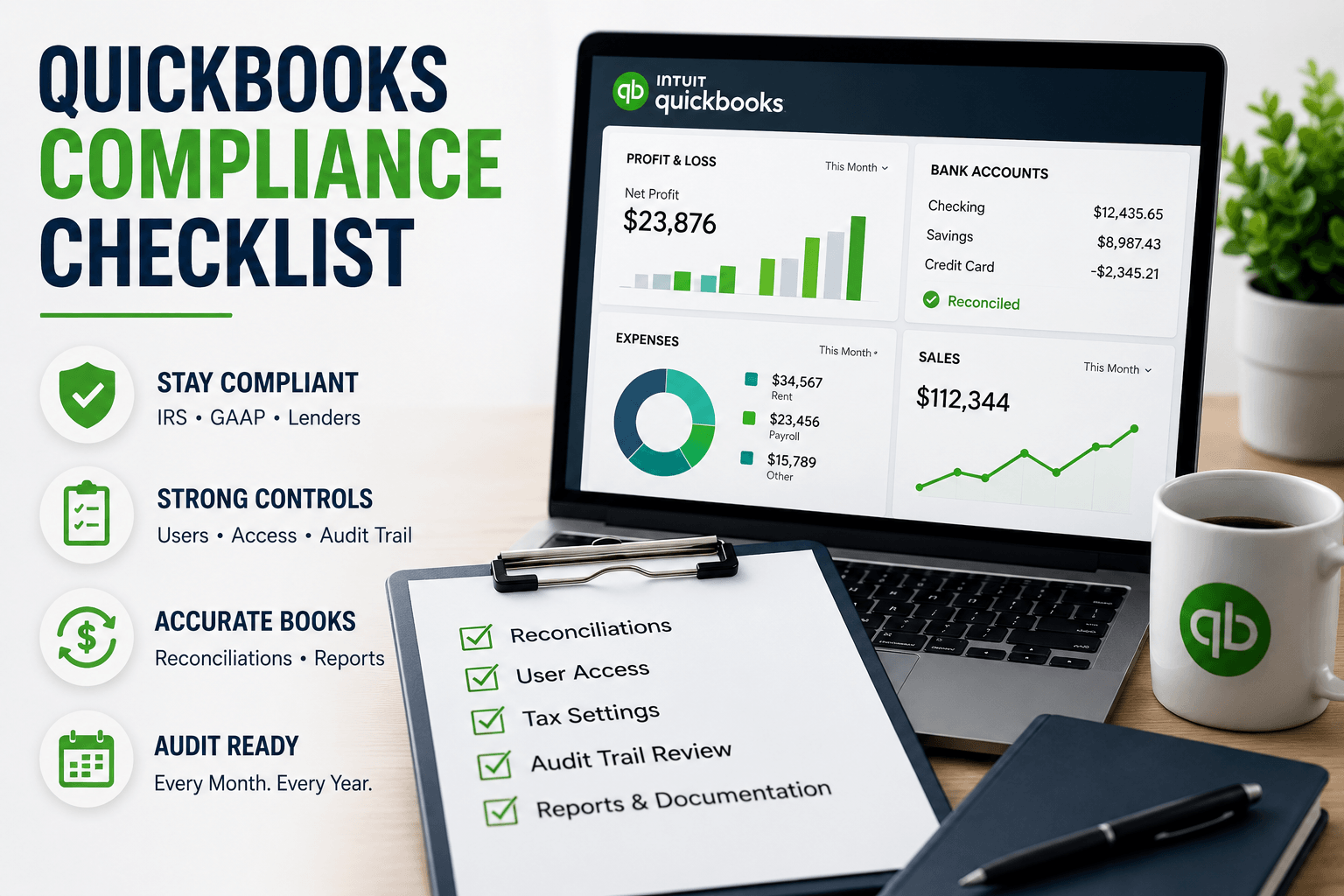
Payroll With The Best Accounting Tools

Many bookkeeping software solutions are more alike than they are different, in terms of features. Standard components include overall ledger management, invoicing, and payment processing. Every association has different requirements and needs. They can be customized for their size, kind of employees and clients, and the particular industry. For these reasons, no system can offer perfect functionality out-of-the-box. If you need a lifeline when it comes to processing payroll—and avoiding the feared delinquent payroll tax—not to worry. Plenty of small business owners struggle with those same problems: you’re not the only one. Check out these top-notch payroll-focused accounting tools listed below.LastPass – Family or Org Password Vault

WagePoint

WagePoint is a simple online payroll application designed for small businesses in North America. Managing payroll is essential for small and mid-sized companies, and WagePoint gets the work done quickly and easily. WagePoint can manage government remittances/reporting, direct deposits, and all year-end reporting for hourly and salaried workers. WagePoint is an intuitive, easy to use, web-based payroll software. It is perfect for small businesses seeking to pay their employees or contractors while remaining compliant with IRS regulations. It is an ideal app for companies in a wide range of industries.

Thousands of small businesses use WagePoint, and it offers an easy-to-use interface that allows establishments to set up the app in a few hours. The salesperson offers a service called “Switch It” – for businesses with more than ten employees, to help them switch over their existing payroll system to WagePoint.Download A Free Financial Toolkit

Gusto

Gusto (previously named ZenPayroll) is a completely featured payroll, welfare administration, and compliance management platform. It has been designed to assist mainly small businesses. Gusto provides tools to manage core HR needs, such as time tracking, hiring, onboarding, and training. With devoted online accounts, employees can fill out their details into the system and track all paperwork in one chief place. Companies can mechanize their payroll operations by scheduling payment and benefits release. Payments can be made via direct bank deposit or through check. The solution automatically delivers electronic payslips to an employee’s inbox upon completing the transaction.

Employees even choose to make charitable donations to their association of choice directly from their paychecks. The solution mechanically calculates, pays, and files a company’s local, state, and federal payroll taxes. Some of the additional features include custom reporting, multiple pay rates, multiple pay schedules, and third-party calendar integrations.

SurePayroll

SurePayroll is a complete online payroll solution for every business. On top of that, SurePayroll has also created an administration platform in its payroll software called One-Click Payroll. It simplifies all of the procedures related to payroll in just a few seconds without bargaining accuracy and reliability.ADP. Payroll – HR – Benefits

The bookkeeping software comes with an interactive, customizable dashboard. Another highlight of the system is that it supports multiple payroll types and calculates and delivers payroll taxes. Many businesses choose SurePayroll to handle their payroll processes because of its extensive payroll-processing tools and unparalleled recordkeeping. SurePayroll is built to streamline the payroll process with its fantastic tools and excellent third-party integrations. It is a reliable option for any business looking to get software that will make payroll faster yet very accurate and reliable.

With SurePayroll accounting software, workers can quickly check their payroll information, including paychecks, vacation leaves, pay stubs, etc. They can also do all of these via their smartphones, tablets, and other mobile devices. The system also takes care of taxes by automating the processes while maintaining compliance with its payroll services. Customer support is also credible—the software fields knowledgeable and responsive support staff and easy access to the support center.

Conclusion

When choosing the best bookkeeping payroll software for your business, aside from critical features, consider these other accounting aspects: ease of use, compatibility, integration, and security. More importantly, it would be best if you prefer a cloud-based software model.

CorpNet. Start A New Business NowAbout Complete Controller® – America’s Bookkeeping Experts Complete Controller is the Nation’s Leader in virtual bookkeeping, providing service to businesses and households alike. Utilizing Complete Controller’s technology, clients gain access to a cloud platform where their QuickBooks™️ file, critical financial documents, and back-office tools are hosted in an efficient SSO environment. Complete Controller’s team of certified US-based accounting professionals provide bookkeeping, record storage, performance reporting, and controller services including training, cash-flow management, budgeting and forecasting, process and controls advisement, and bill-pay. With flat-rate service plans, Complete Controller is the most cost-effective expert accounting solution for business, family-office, trusts, and households of any size or complexity.Complete Controller. America’s Bookkeeping Experts