What is an investor? An investor is a person or firm that has invested in a small business or venture and is interested in that business or project’s success or failure. When it comes to small businesses, a business can rarely get started or continue to operate without investors. As the owner, you are the ultimate investor; however, you must keep other investors happy because unhappy investors can trigger challenges and eventually affect your business.
Some of the adverse effects are continuous communication that is excessive and distracting, asking for changes within the business that cause setbacks, and issues between the investors and key staff. Here are six steps to keep your investors informed and satisfied.
Communicate
The truth is communication is key to every relationship in your life. Your relationship with investors is the same. If you have frequent and important contact with your investors, they will have no cause to be excessively involved in the company. When connecting, it is also essential that you are transparent and honest, even when you may need to deliver bad news. Most investors appreciate rare setbacks or problems, but they will often stick with you through good times and bad if you are upfront and communicate clearly.
Actively Listen
Investors will have ideas and suggestions. Even if you don’t use their suggestion, they want to feel like they have an influence, and it is being received. Investors are interested in the business’s total triumph; hence, they should be able to interject ideas and views. Actively listening is beneficial to the owner because some of their proposals may fix a problem, grow the company, or inspire growth and innovation. Keep In mind that investors are in it for the return on their investment, so they will continually be coming from a place with the business’s best interest in mind.
Manage Expectations
Managing expectations is directly related to the economicoutcomes of the company. It is also about managing opportunities for connection, communication, and the investor’s direct interest in your business. Though it would be a perfect world if every business collaborator invests and is a silent partner, that is commonly not how it is in the real world of the small business. Managing expectations will ensure you and your investors are on the same page and avoid any surprises.
Strong Leadership
Investors ought to see powerful leadership within your company. Regardless of interaction or management of expectations, if your leadership is weak, no talking will overcome that with the investors. An investor needs to feel their investment will pay off with an owner who knows how to lead the business to make a profit and be successful.
Have a Service Level Agreement
Like managing expectations, a service level agreement is a way to outlineyour and your investor’s awareness of what is expected to be produced. Having an agreement on production and return on their investment will ensure no one is unclear on the objectives.
Investors Are People
We need to remember that investors aren’t some unrelatable individuals. They are people who have an interest in your company, just like you have as the owner. If you keep that mindset, it will make it simpler to look out for their benefit. Handle them as you would want to be handled if you were the investor, and they were the owner. What would you need to be happy? What information would you want to know? What would you expect of yourself?
The bottom line is you and your investors carry the same goals and needs when it comes to your business. Taking these steps will ensure that your investorsarehappy, and the relationship remains mutually beneficial.
About Complete Controller® – America’s Bookkeeping Experts Complete Controller is the Nation’s Leader in virtual bookkeeping, providing service to businesses and households alike. Utilizing Complete Controller’s technology, clients gain access to a cloud-hosted desktop where their entire team and tax accountant may access the QuickBooks™️ file, critical financial documents, and back-office tools in an efficient and secure environment. Complete Controller’s team of certified US-based accounting professionals provide bookkeeping, record storage, performance reporting, and controller services including training, cash-flow management, budgeting and forecasting, process and controls advisement, and bill-pay. With flat-rate service plans, Complete Controller is the most cost-effective expert accounting solution for business, family-office, trusts, and households of any size or complexity.
Social media can be an effective platform to advertise to billions of people who actively use them worldwide. Many of these platforms support the targeted audience options and charge very little as compared to the gains they offer. Nearly 50% of social media marketers say it provides increased sales if used correctly.
Below are some of the largest and most cost-effective social media platforms that can be utilized to advertise to billions of people.
Facebook
The largest of all social media platforms is Facebook because it has the largest number of users worldwide. With around 1.32 billion active users every day, Facebook has become the most powerful platform in terms of audience exposure.
One of the best features Facebook provides to business pages is advertising. Using Facebook to advertise makes several options available with different pricing. It provides pages with a “post-boosting” option, which lets the owner choose between various age ranges, the area or country in which the owner wants to advertise, and how many days. It means that Facebook lets the business select their target audience with just three to four clicks; in an instant, the advertising post reaches the specified audiences. The best thing about this platform is the cost and exposure, most of the time cost is less than one dollar, but it can increase exponentially with the range of audience to be targeted and days of advertisement.
Conversely, if the users are not engaging enough with the advertising posts, it limits the audience. Facebook stops bothering them by showing the posts from a particular page. Hence, it is vital to keep the audience engaged by conducting polls that ask for opinions generating the most engaging content.
With all these features, Facebook is the best platform to reach and address a targeted audience as it couples the ease of use with highly cost-effective advertising.
Instagram
The second tool that can be used to advertise a business is Instagram. Instagram is also owned by Facebook and has a large audience. What is best about Instagram is its visual representation. According to studies, only 6% of the total content is read by users on a social media platform. Another study suggests that 80% of people remember a picture they see rather than what they read. Instagram lets the businesses do the talking through visuals as opposed to text. 60-second videos do not let the users get bored. Instagram must appeal to 800 million active users each month, so it advertises through suggestions for following hashtags and sponsored content. The visual part of Instagram makes it more interesting, and thus more engaging.
Twitter
With almost 330 million active users per month, Twitter is the third-largest social media platform. Twitter limits the number of written characters, so for a business to advertise on Twitter, it is recommended to use an image that describes an offer or product as accurately as words would. An average Twitter user spends an extra $162.00 on shopping. A study found that nearly half of females Twitter users get to know about offers from the platform, so it creates countless opportunities for advertisers. It costs nothing to advertise on Twitter, but it is important to back your ad with the website to get actual and detailed information driving traffic towards the website.
Pinterest
Number four is Pinterest, with 175 million users using it each month. It is all images, and as a result, engages the audience as effectively as Instagram does. Pinterest is the best platform to boost online shopping stores related to women because it has 81%, female users. It is best suited for promotingblogsand websites through advertising at a low cost.
The key to advertising success is using the right and engaging content on the platform that best suits your target market.
About Complete Controller® – America’s Bookkeeping Experts Complete Controller is the Nation’s Leader in virtual bookkeeping, providing service to businesses and households alike. Utilizing Complete Controller’s technology, clients gain access to a cloud-hosted desktop where their entire team and tax accountant may access the QuickBooks™️ file, critical financial documents, and back-office tools in an efficient and secure environment. Complete Controller’s team of certified US-based accounting professionals provide bookkeeping, record storage, performance reporting, and controller services including training, cash-flow management, budgeting and forecasting, process and controls advisement, and bill-pay. With flat-rate service plans, Complete Controller is the most cost-effective expert accounting solution for business, family-office, trusts, and households of any size or complexity.
Investments can come in many forms, whether it be passive or active income, short or long-term investments that will be fruitful in the future. If you are looking to be financially healthy and have great savings for your financial goals, you have to consider longer-term investments. The best way to determine your investment options is to hire a financial advisor to help you get the best terms. Even if you hire a professional, you should know about good long-term investments and their entail. Here are eight long-term investments you should consider for your financial future.
Growth Stocks
Growth stocks are investments in businesses with the potential for great growth. This high level of growth generally offers high returns on investment. These stocks don’t regularly pay dividends since most of these businesses’ profits get invested back into the corporation. Dividends largely come once the expansion begins to decelerate. If you are in for the long-haul, this sort of stock can pay off over time because growth stocks have steadily been the greatest stock performers on the whole.
These stocks are deemed higher risk because they can be susceptible to market variations. However, if you hold on to the stocks’ long-term, riding out those down times is all the shareholder needs to do to get a long-term payoff on their stock.
Stock funds
Stock funds are mutual funds and an excellent long-term investment for those who don’t have time to study stocks individually to invest. The stock fund’s return is based on the average return of all the businesses in the fund. Stock funds are commonly diversified, pulling in various businesses, not all in the same industry. This variation benefits over keeping it all in the same industry for those times specific industries will have a decline as a whole.
Stock funds are less risky than growth stocks because they are mutual funds with diversification. But they do still carry some risks in the market, of which you should be aware.
Bond funds
Bond funds are when a company or the government issues bonds investors can purchase. The company or the government pays the holder of the bond a specified amount of interest each year. At the end of the bond term, the bond’s issuer pays back the initial investment. Bond funds are a smart long-term investment due to their diversity and lower risk.
While a stable long-term investment, bonds have a smaller payoff, so if you are looking for higher return ratios, they may not be worth the investment.
Dividend stocks
A dividend stock is a stock that produces a recurring cash payout. Dividend stocks are often invested in because they generate a steady income. Dividend stocks are the best for growing dividends over time. Like with all stocks, they are the higher risk option because of the lack of diversification and market instabilities’ susceptibility. But they are a good resource of passive income when they are doing nicely as the dividends are paid out every quarter.
Real estate
Real estate is a great investment for flipping or the passive income generated over time as a rental property. Real estate is an excellent long-term financial investment because you can sell at any time if you need the lump sum revenue, or you can keep it for the long-term to earn monthly income.
Small-cap stocks
Small-cap stocks are almost like growth stocks, the main difference being that the businesses are relatively small. If you stay with small-cap stocks long-term, the pay-off can be considerable if the business you bought stock in grows significantly.
Robo-adviser portfolio
Robo-advisers are excellent if you don’t want to invest on your own. Robo-advisers leave the investing solely up to an expert. All you have to do is deposit capital into the Robo account regularly, and an investment professional automatically invests it based on your goals. The Robo-adviser is another diversified type of portfolio, which makes it have a high rate of return. It is also extra stable because of diversification, but that adds to its lower rate of return.
IRA CD
An IRA CD is a good choice if you’re risk-reluctant and want an assured income without any risk of loss. Like the name says, this investment is just a CD inside an IRA. And inside a tax-friendly IRA, you’ll escape taxes on the interest you accrue, as long as you stick to the plan’s rules.
About Complete Controller® – America’s Bookkeeping Experts Complete Controller is the Nation’s Leader in virtual bookkeeping, providing service to businesses and households alike. Utilizing Complete Controller’s technology, clients gain access to a cloud-hosted desktop where their entire team and tax accountant may access the QuickBooks™️ file, critical financial documents, and back-office tools in an efficient and secure environment. Complete Controller’s team of certified US-based accounting professionals provide bookkeeping, record storage, performance reporting, and controller services including training, cash-flow management, budgeting and forecasting, process and controls advisement, and bill-pay. With flat-rate service plans, Complete Controller is the most cost-effective expert accounting solution for business, family-office, trusts, and households of any size or complexity.
Home mortgage refinancing is not always that easy to manage, especially when it comes to lenders who have stringent policies and lengthy approval procedures, making it even more difficult to request a loan. Homeowners today need to be diligent and well-rounded to qualify for a loan, with a healthy income, healthy credit, and excellent value in their home. Before deciding if you should refinance your home mortgage for a loan, you should ask yourself a few questions.
Do I have equity in my home?
If Possible, homeowners should have 20% equity in their homes before signing up for a loan or paying private mortgage insurance. The lack of equity can negatively affect the advantage of refinancing and make homeowners owe more than their home’s value. Going for mortgage refinancing without sufficient equity reduces a property’s value. Another issue that impacts qualifying for the loan is the mortgagor’s credit score. To be eligible for refinancing your mortgage to get a loan, you must have a good credit rating, generally as good as or better than when you acquired the original loan that establishedyourmortgage.
What are my Financial Goals?
Most homeowners choose to refinance to reduce their monthly payments. A mortgage calculator may help you in determining your repayment plan and reduce the interest amounts. Many people that refinance are doing so with different terms than the original mortgage. There needs to be a continued focus on your overall financial goals and not only the paying back of your mortgage, whether refinanced or not.
What are the terms of the current loan?
While refinancing your mortgage, an important question to ask is about the terms and conditions of your current loan. Terms and conditions, interest rates, and expected and unexpected fluctuations are the most significant economic concerns when homeowners are borrowing. Borrowers need to steer clear of variable rate loans and stick to fixed-rate loans to protect their assets during recession or inflation.
When refinancing your home, you need to have a plan and should be certain about how long you intend to live in the home. Generally, financial professionals who specialize in mortgages will advise on rates and refinancing based on your financial abilities and utilize the terms and conditions of your current loan to help negotiate the terms of the refinancing of the new loan.
Is my credit score high enough?
As a borrower, your credit score is crucial and plays an important role in determining the mortgage rate you can get when refinancing your mortgage. If you have a score of less than about 650, you may find it difficult to refinance your home mortgage. Ideally, you have a score of over 720 to secure a loan through your mortgage refinancing. In some cases, more is expected when refinancing a mortgage because they will look to see if you have paid your mortgage on time up the point of your refinancing application.
Do I have a second mortgage or line of credit?
Whether you are getting a first-time mortgage loan or refinancing your current mortgage, it can be an issue if you have multiple loans out. One of the issues is that a lender may not be willing to extend a loan from refinancing your mortgage if you have multiple loans or lines of credit. When determining whether to refinance your mortgage, lenders tend to be more stringent when deciding if they will refinance your mortgage.
Conclusion
The most valuable thing to remember is that you thoroughly question whether you qualify to refinance your mortgage to obtain a loan. You also need to ask yourself if you should do it because it will put you on the path of starting over when paying off your home.
About Complete Controller® – America’s Bookkeeping Experts Complete Controller is the Nation’s Leader in virtual bookkeeping, providing service to businesses and households alike. Utilizing Complete Controller’s technology, clients gain access to a cloud-hosted desktop where their entire team and tax accountant may access the QuickBooks™️ file, critical financial documents, and back-office tools in an efficient and secure environment. Complete Controller’s team of certified US-based accounting professionals provide bookkeeping, record storage, performance reporting, and controller services including training, cash-flow management, budgeting and forecasting, process and controls advisement, and bill-pay. With flat-rate service plans, Complete Controller is the most cost-effective expert accounting solution for business, family-office, trusts, and households of any size or complexity.
One of the attributes of a great professional is handling change in the workplace. It is undeniable that change is a part of life, whether it is personal or professional. Having the ability to adapt to certain changes allows professionals to be more flexible and become leaders in their respective fields. However, while some people are born with this trait, others learn this through experience. If you are finding it difficult to adapt to change in your office, here are a few tips to help you improve.
Maintaining A Positive Attitude
One trait that employers look for in candidates that apply for a job is their attitude. Your attitude towards your work and life, in general, defines what kind of person you are and will be in the future. Maintaining a positiveattitude will help you manage issues and find solutions easier, even in the face of adversity.
Regardless of where you work or what kind of work you do – always remember, change is inevitable. Come to terms with the fact this might not be the ideal situation for you, but your previous situation was not. All that matters is that you keep moving forward.
Change is Constant
It is said, “the only thing constant in life is change.” As a professional, you might change careers, jobs, or designations. You might be at the top of your field; however, the people around you may change their company policies. Learning to deal with change is a positive attribute; it helps you work through challenges you were not expecting. Also, regular changes keep things exciting and fresh.
Stay Connected to Previous Co-Workers
If you have a hard time letting go of the memories you’ve held with previous fellow employees, try to stay connected with those people. Coping with change does not necessarily mean letting go of the positive parts of the past. Meet with the people you’ve worked with, ask them where they are, share your experiences with them, and maintain a comradery with them. It’s the least you can do in the name of professional courtesy.
Don’t Forget to Learn
All changes come with a learning experience. Imagine your role has changed, maybe your superior found a new task for you, or you were promoted to a better position – that is change accompanied by an opportunity to learn. Struggling with the new role and can’t find your way around the tasks? Well, you can always ask people with experience in similar roles. Whether it’s someone sitting next to you or a friend on social media, learning knows no boundaries, and you shouldn’t either.
Maintain Optimism
In the earlier phases of change, you may not be feeling good or happy – that’s okay. Nobody said it was easy, but remember that it is not how things are going to stay forever. Remember, change is inevitable. Focus on your strengths, work with things you like about the job, and try to address what seems bothersome.
Self-Reflection
Don’t jump to a conclusion and start questioningyour skills when things get uneasy. Take time to think and relax – reflect on why you are struggling with your current job and what skills you need to succeed. Talk to your manager, gain some insights, and understand the expectations he or she has of you. It’s empowering when someone else shows their faith in you.
Learn New Skills
You might be forced to learn something you don’t want to, but that doesn’t mean it won’t benefit you. All good things in life take time, and it might be possible that what seems uncomfortable today is a blessing in disguise. Understand that learning never goes in vain. Every skill offers a benefit – while some may benefit you today, others might benefit you tomorrow. If you want to learn skills faster, give yourself deadlines, and follow them religiously.
Ask Questions
It was Albert Einstein who said, “If I had an hour to solve a problem and my life depended on it, I would use the first 55 minutes determining the proper questions to ask.” In the professional world, asking the right questions matters more than having the right answers. The more questions you ask, the more clarity you’ll have regarding the change.
Bottom Line
Handling change in the workplace is not so daunting if you have the right mindset. We hope this article helped you understand the benefits of change and how it can make you a better professional than you are today.
About Complete Controller® – America’s Bookkeeping Experts Complete Controller is the Nation’s Leader in virtual bookkeeping, providing service to businesses and households alike. Utilizing Complete Controller’s technology, clients gain access to a cloud-hosted desktop where their entire team and tax accountant may access the QuickBooks™️ file, critical financial documents, and back-office tools in an efficient and secure environment. Complete Controller’s team of certified US-based accounting professionals provide bookkeeping, record storage, performance reporting, and controller services including training, cash-flow management, budgeting and forecasting, process and controls advisement, and bill-pay. With flat-rate service plans, Complete Controller is the most cost-effective expert accounting solution for business, family-office, trusts, and households of any size or complexity.
Owning and running a non-profit business can be worthwhile. While there is frequently a mistaken belief that somehow non-profit businesses are easier to run than other companies, it can be as difficult as any for-profit business. Here are seven tips on running a lucrative non-profit business.
Market Research
Because a non-profit business is solely dependent on financing to operate, market research becomes crucial to success. Many financial contributors will also do market exploration before determining whether their contribution would be best used in your business. Know who your competition is, the market variations, and expected dividends according to the research.
A Clear Mission Statement
The mission statement is perhaps an essential part of the business plan for a non-profit business. The mission statement is the business’s specific goal and will inform prospectivedonors and fund sources of your business objectives.
Good Record Keeping
Though every business should have exceptional record-keeping, it is particularly vital for the non-profit business. Every expense and donation has to be tracked carefully for accounting, financing, and taxes.
Founding and Upholding Your Financing Sources
A non-profit business can’t succeed without financing backing it up. Finding and then upholding legitimate financing resources is very important for a non-profit’s existence and growth. The greatest way to maintain a steady flow of financing is to have a donor database and corporate sponsors. It is also suggested that non-profit keep donors and benefactors up-to-date to keep them involved in continual donations.
Maintaining Good Public Relations
Non-profits, remaining focused on financing to stay in business, must sustain good public relations. Public relations don’t have to be constrained to the community but can go beyond dependent on the business’s function and what it offers. Good public relations will also maintain the focus on the objective of the business.
Avoid Doing Everything By Yourself
Non-profit business owners often get founder’s disorder, which makes them excessively engaged in the business’s day-to-day operations. This overextension can overcome the owner, and it will ultimately harm the business. It is important to use some financing to hire support staff and a few executives to help run different business aspects. Delegation and making the responsibilities of each staff member clear will be key. Running a non-profit is challenging, and the success will be dependent on the staff as a whole.
Installing a Board of Directors
The board of directors is as essential as the staff and the owner. The main purpose of the board of directors is the legal backing and supervision of the non-profit business. This administrative structure will keep each person in check, so no one individual is in charge. The board of directors makes critical decisions on endowment distribution, staff, and overall direction.
When a business’s key goal is non-profit expansion, it becomes even more important that all actions performed by the non-profit be run through the board of directors. This is to ensure everything is done most cost-effectively and efficiently feasible. This gives donors and benefactors the idea of how their money is utilized to the best extent. Doing so will grow the non-profit’s standing and help gain further donors and sponsors who believe in its objective statement of the non-profit business.
Conclusion
Owning and managing a non-profit business can be a challenge with great rewards. There are multiple types of non-profits, but they all have in common that their primaryfocus is serving others. Their goal is not to make profits that benefit the owners but rather the ones the non-profit was established to serve. Non-profits can be a charitable organization. It can be a business that doesn’t gain profits but offers goods or services to certain communities or people in need—understanding how to own and operate a non-profit business properly can make it a success and can be highly rewarding.
About Complete Controller® – America’s Bookkeeping Experts Complete Controller is the Nation’s Leader in virtual bookkeeping, providing service to businesses and households alike. Utilizing Complete Controller’s technology, clients gain access to a cloud-hosted desktop where their entire team and tax accountant may access the QuickBooks™️ file, critical financial documents, and back-office tools in an efficient and secure environment. Complete Controller’s team of certified US-based accounting professionals provide bookkeeping, record storage, performance reporting, and controller services including training, cash-flow management, budgeting and forecasting, process and controls advisement, and bill-pay. With flat-rate service plans, Complete Controller is the most cost-effective expert accounting solution for business, family-office, trusts, and households of any size or complexity.
Master E-Invoicing and Billing: Essential Insights for Success
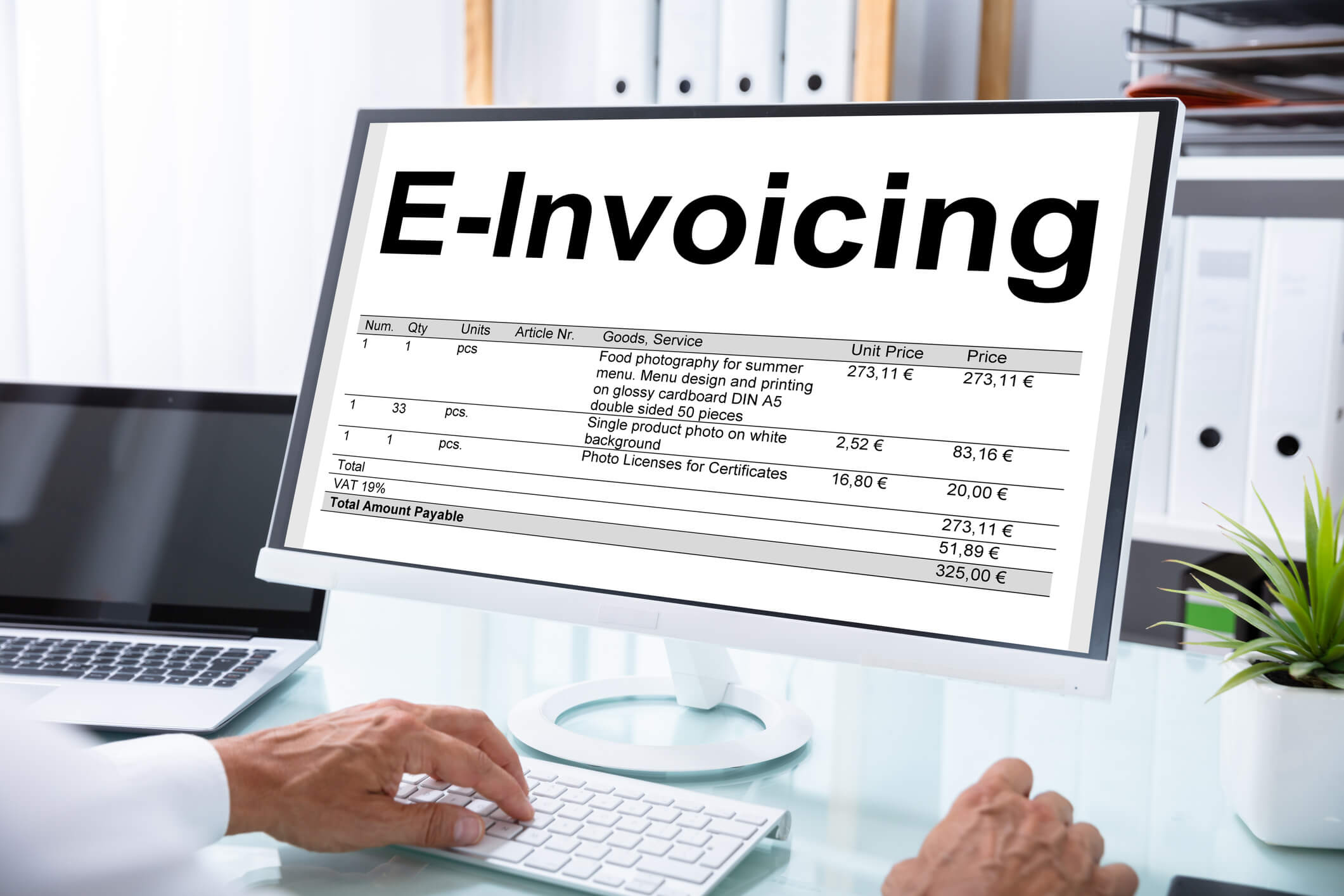
E invoicing and billing are digital systems that automate invoice creation, delivery, validation, and payment processing, dramatically accelerating cash flow while reducing errors and compliance risks. These sophisticated electronic systems replace paper-based processes with structured, machine-readable data formats like XML and JSON, enabling real-time validation, automated matching with purchase orders, and seamless integration with accounting software to transform how businesses handle their financial transactions.
As the founder of Complete Controller, I’ve witnessed firsthand how e invoicing and billing revolutionize business operations across every industry imaginable. Over my 20 years leading a cloud-based financial services provider, I’ve guided thousands of businesses through their digital transformation journeys, watching them slash processing costs by 60%, accelerate payment cycles by up to 7 days, and virtually eliminate invoice fraud through automated validation. This article reveals the exact strategies and insights I’ve gathered from helping businesses leverage e-invoice software, navigate complex e-invoicing compliance requirements in 2025, and build competitive advantages through strategic implementation of electronic invoicing solutions that go far beyond mere regulatory compliance.
What are e invoicing and billing, and how do they lead to business success?
E-invoicing and billing automate invoice creation, delivery, validation, and payment through structured digital formats, ensuring faster payments and compliance with 2025 regulations
Electronic invoicing uses machine-readable data formats (XML, JSON) that integrate directly with accounting systems for automated processing
Digital billing processes eliminate manual data entry, reducing errors from 10% to less than 0.5% while cutting processing time by 39 minutes per invoice
Automated validation matches invoices to purchase orders instantly, preventing fraud and duplicate payments before they occur
Real-time tracking and secure transmission accelerate payment cycles by an average of 1.4 days globally
Choosing the Right E-Invoicing Software: What to Look For
Selecting effective e-invoice software forms the foundation of successful digital transformation in your billing processes. The right platform transforms invoicing from a cost center into a strategic advantage, but choosing poorly can create more problems than it solves.
The most critical feature to prioritize is seamless e-invoicing integration with accounting systems. Your chosen solution must connect directly with your existing financial infrastructure, enabling one-click data flow between platforms. This eliminates duplicate data entry and creates a single source of truth for all financial information. Look for platforms offering pre-built integrations with major accounting software like QuickBooks, Xero, or enterprise ERP systems.
Invoice automation tools represent another essential capability. Advanced platforms automatically validate incoming invoices against approved purchase orders, flag discrepancies for review, and route documents through predefined approval workflows. This automation reduces manual processing time from hours to minutes while maintaining strict controls over spending authorization.
Given the evolving regulatory landscape, e-invoicing compliance requirements must be built into your platform from the ground up. The software should support multiple international formats, maintain audit trails that satisfy regulatory scrutiny, and update automatically as new mandates emerge. Platforms that treat compliance as an afterthought will create massive headaches as regulations tighten globally.
Security features deserve equal attention. Look for solutions offering:
Role-based access controls limiting who can view and approve invoices
Digital signatures ensuring document authenticity
Encryption protocols protecting data during transmission
Comprehensive audit trails tracking every action taken
Popular electronic invoicing solutions fall into three main categories. Cloud-based SaaS platforms like FreshBooks and Bill.com offer accessibility and rapid deployment for small to medium businesses. ERP add-ons from vendors like SAP and Oracle provide deep integration for larger enterprises already invested in these ecosystems. API-based platforms deliver maximum flexibility for organizations needing custom workflows or unique integration requirements.
Compliance, Security, and Risk: Why 2025 Is a Turning Point for E-Invoicing
The year 2025 marks a watershed moment for global e-invoicing adoption as mandatory regulations sweep across major economies. Understanding this shifting landscape is crucial for maintaining compliance and avoiding costly penalties.
Germany’s B2B e-invoicing mandate, effective January 1, 2025, requires all domestic business-to-business invoices to meet specific technical standards using structured formats. This isn’t simply digitizing paper invoices—it demands machine-readable data that tax authorities can process automatically. France follows in 2026 with comprehensive requirements affecting all business transactions. Australia mandates that by December 2026, all government suppliers must process invoices through the Peppol network, a requirement that will cascade throughout supply chains.
These mandates reflect governments’ recognition that comprehensive e-invoicing dramatically improves tax collection and reduces economic informality. Brazil and Mexico pioneered this approach starting in 2005, demonstrating that mandatory e-invoicing can reduce tax gaps by billions annually while simplifying compliance for honest businesses.
The technical requirements vary by jurisdiction but share common elements:
Structured data formats (typically XML or JSON variants)
Digital signatures ensuring authenticity
Real-time or near-real-time reporting to tax authorities
Unique invoice identifiers preventing duplication
Secure transmission protocols protecting sensitive data
Non-compliance carries escalating consequences. Direct penalties range from thousands to millions in fines depending on violation severity and business size. Beyond fines, non-compliant businesses face delayed payments from government contracts, exclusion from public tenders, and reputational damage that impacts private sector relationships. Perhaps most damaging, the operational chaos created by last-minute compliance scrambles disrupts business operations when management attention should focus on growth and innovation.
Smart organizations recognize compliance as an opportunity rather than a burden. Early adopters gain competitive advantages by positioning themselves as sophisticated, reliable partners ready to transact with any organization globally. They avoid the panic and mistakes that accompany rushed implementations while building operational efficiencies that benefit the bottom line regardless of regulatory requirements.
The Business Benefits of E-Invoicing and Billing: Beyond Compliance
While regulatory compliance drives many e-invoicing implementations, the operational and financial benefits far exceed mere regulatory adherence. Understanding these advantages helps build the business case for proactive adoption.
Recent research by Avalara and the Centre for Economics and Business Research quantifies the massive economic potential of e-invoicing adoption. Full implementation across six major economies could generate $616 billion in annual gains through improved productivity, accelerated cash flow, and reduced fraud. In the United States alone, comprehensive adoption could unlock $116 billion yearly, with 83% of gains flowing to small and medium businesses that currently lag in adoption rates.
The financial impact on individual businesses is equally compelling. Manual invoice processing costs between $13 and $40 per invoice when accounting for labor, error correction, and payment delays. Automated e-invoicing reduces this to $1.42 to $6.00 per invoice—a reduction of up to 90%. For businesses processing 1,000 monthly invoices, this translates to annual savings exceeding $120,000.
Payment acceleration delivers another substantial benefit. E-invoices settle 5 to 7 days faster than paper invoices on average, with some regions seeing acceleration up to 2.5 days. This improvement directly impacts working capital, reducing reliance on expensive short-term credit and enabling faster reinvestment in growth opportunities. Large U.S. businesses report annual cash flow improvements exceeding $14,000 from payment acceleration alone.
The advantages of e-invoicing extend beyond pure financial metrics:
Error rates drop from 10% with manual processing to under 0.5%
Invoice disputes decrease by 75% due to automated validation
Processing time per invoice drops by 39 minutes
Fraud and duplicate payments virtually disappear
Lost invoices, affecting 40% of paper-based systems, become impossible
These operational improvements cascade throughout organizations. Finance teams shift focus from error correction to strategic analysis. Supplier relationships improve as payment delays and disputes vanish. Management gains real-time visibility into cash flow and spending patterns, enabling better decision-making.
How to Successfully Implement E-Invoicing: A Step-by-Step Roadmap
Successful e-invoicing implementation requires careful planning and systematic execution. Based on hundreds of implementations I’ve overseen, this roadmap maximizes success probability while minimizing disruption.
Step 1: Assess your current billing and accounting processes
Begin by documenting existing invoice workflows from receipt through payment. Identify bottlenecks where invoices stall, error-prone manual steps, and integration gaps between systems. This assessment reveals both quick wins and areas requiring deeper transformation. Pay particular attention to exception handling—how your organization manages invoices that don’t match purchase orders or require special approval.
Step 2: Select and Configure Your E-Invoice Solution
Match platform capabilities to your specific needs rather than choosing based on features alone. Ensure your selection supports required formats for all jurisdictions where you operate. Configure the system to mirror your approval hierarchies while eliminating unnecessary steps that automation makes redundant. Build templates for common invoice types to accelerate processing.
Step 3: Integrate with your accounting system
Deep integration between e-invoicing and accounting platforms is non-negotiable. Configure automatic data flow so approved invoices post directly to your general ledger without manual intervention. Set up coding rules that automatically assign expenses to appropriate accounts based on vendor, description, or other criteria. Test integration thoroughly before going live.
Step 4: Educate internal teams and clients
Change management often determines implementation success or failure. Create clear training materials showing exactly how new processes work. Address concerns proactively—many employees fear automation will eliminate their jobs when actually it elevates their roles from data entry to analysis. Communicate benefits clearly to suppliers, providing simple onboarding guides that minimize their effort.
Step 5: Test, launch, and optimize
Run pilot implementations with friendly suppliers before broad rollout. Start with simple, high-volume invoice types before tackling complex scenarios. Monitor key metrics including processing time, error rates, and payment cycles. Gather feedback from all stakeholders and refine processes based on real-world experience.
Step 6: Stay current with regulatory changes
Assign clear ownership for monitoring regulatory updates across all relevant jurisdictions. Subscribe to vendor compliance updates and industry publications. Build buffer time into implementation schedules as new mandates often arrive with tight deadlines. Consider joining industry groups where peers share compliance strategies and lessons learned.
Real-World Success: How a Global Retailer Streamlined Billing with Invoice Automation
A compelling case study demonstrates e-invoicing’s transformative potential when implemented strategically. This global retail chain operated across 15 countries, each with unique invoicing regulations and payment customs. Their legacy system required manual entry of every invoice, leading to mounting delays and compliance risks as operations scaled.
The company selected a cloud-based e-invoice software platform supporting all required international formats while integrating seamlessly with their SAP system. The implementation began with high-volume, low-complexity domestic invoices before expanding to international transactions. Automated matching rules eliminated 95% of manual invoice coding, while exception workflows routed complex invoices to appropriate approvers without delays.
Results exceeded projections across every metric. Average payment cycles compressed from 40 days to 22 days—a 45% improvement that released millions in working capital. Staff time devoted to invoice processing dropped 60%, allowing the finance team to redeploy toward strategic initiatives like spend analysis and vendor negotiations. Most remarkably, the company reported zero compliance fines in their first year post-implementation despite operating in multiple high-regulation jurisdictions.
The implementation revealed unexpected benefits beyond the original business case. Real-time invoice data enabled proactive cash flow management, allowing treasury to optimize currency hedging and minimize borrowing costs. Vendor satisfaction scores increased as payment predictability improved. The finance team’s morale improved dramatically as they shifted from mundane data entry to meaningful analysis that influenced business strategy.
This success story illustrates a critical principle: e-invoicing delivers maximum value when viewed as business transformation rather than mere technology implementation. Organizations that redesign processes around digital capabilities rather than simply digitizing existing workflows capture exponentially greater benefits.
Unlocking Competitive Advantage: Smarter Billing for Smarter Decisions
Most e-invoicing discussions focus on cost reduction and compliance, overlooking the strategic advantages that separate leaders from laggards. Smart organizations leverage invoice data as a strategic asset that drives competitive differentiation.
Modern e-invoicing platforms capture rich data about spending patterns, vendor performance, and payment behaviors. This information, when analyzed systematically, reveals optimization opportunities invisible in paper-based systems. Organizations can identify vendors consistently delivering late or with quality issues, spot pricing anomalies suggesting negotiation opportunities, and predict cash flow with unprecedented accuracy.
The key to extracting these insights lies in balancing automation with human judgment. While systems excel at processing routine transactions and flagging exceptions, human expertise remains essential for interpreting patterns and making strategic decisions. The most successful implementations maintain human oversight of automated processes, with finance professionals elevated to analysts rather than relegated to data entry.
Building client trust through modern billing practices creates sustainable competitive advantages. Businesses demonstrating sophisticated financial operations through seamless e-invoicing signal their readiness for complex partnerships. This technological sophistication serves as a trust proxy—partners reasonably assume that organizations managing invoicing expertly likely excel at other operational dimensions.
Communication amplifies these benefits. Proactively highlighting your e-invoicing capabilities during sales processes positions your organization as forward-thinking and operationally excellent. Share specific benefits partners will experience: faster payment processing, reduced errors, and simplified reconciliation. This transparency transforms a back-office function into a competitive differentiator.
Final Thoughts
After two decades helping businesses modernize their financial operations, I can state definitively that e invoicing and billing represent the most impactful transformation available to finance teams today. The convergence of regulatory mandates, technological maturity, and proven ROI creates an unprecedented opportunity for organizations ready to act decisively.
The path forward is clear: assess your current processes honestly, select technology that fits your specific needs, and implement systematically while maintaining focus on the human elements that determine success. Organizations that view e-invoicing as strategic transformation rather than regulatory compliance will capture benefits far exceeding cost savings alone.
Don’t wait for mandates to force your hand. The businesses thriving in 2025 and beyond will be those that recognized e-invoicing’s potential early and acted boldly. Ready to transform your billing operations and unlock the full potential of electronic invoicing solutions? Visit Complete Controller to discover how our team of experts can guide your journey from paper-based processes to digital excellence.
Frequently Asked Questions About e invoicing and billing
What exactly is the difference between e-invoicing and simply sending PDF invoices by email?
E-invoicing uses structured, machine-readable data formats like XML that integrate directly with accounting systems for automated processing, while PDF invoices are just digital images requiring manual data entry and offering no automation benefits.
How much does implementing e-invoice software typically cost for a small business?
Cloud-based e-invoice software for small businesses typically costs $20-100 per month depending on invoice volume and features, with implementation taking 2-4 weeks and delivering ROI within 3-6 months through labor savings and faster payments.
Which countries currently require mandatory e-invoicing for B2B transactions?
As of 2025, countries with mandatory B2B e-invoicing include Italy, Turkey, and several Latin American nations, while Germany begins enforcement January 2025 and France follows in 2026, with many other countries planning similar mandates.
Can e-invoicing software integrate with my existing QuickBooks or Xero accounting system?
Yes, most modern e-invoice software platforms offer pre-built integrations with popular accounting systems like QuickBooks and Xero, enabling automatic data synchronization and eliminating duplicate entry.
What happens if my business doesn’t comply with new e-invoicing mandates?
Non-compliance typically results in financial penalties ranging from thousands to millions depending on jurisdiction and violation severity, plus potential exclusion from government contracts, payment delays, and significant reputational damage affecting private sector relationships.
Sources
Datamation Group. “Global E-Invoicing Compliance: Key Do’s and Don’ts for 2025 and Beyond.” datamationgroup.com
Emagia. “Comprehensive Guide To E-Invoicing Requirements 2025.” emagia.com
SolidGigs. “The 2025 Guide to Electronic Invoices (e-Invoicing).” solidgigs.com
Billing Bee. “Why 2025 Could Be the Year Governments Force Every Business to Go Digital.” billingbee.co
Thomson Reuters. “E-invoicing basics for compliance professionals.” tax.thomsonreuters.com
SPS Commerce. “E-invoicing: all the basics you need to know.” spscommerce.com
About Complete Controller® – America’s Bookkeeping Experts Complete Controller is the Nation’s Leader in virtual bookkeeping, providing service to businesses and households alike. Utilizing Complete Controller’s technology, clients gain access to a cloud platform where their QuickBooks™️ file, critical financial documents, and back-office tools are hosted in an efficient SSO environment. Complete Controller’s team of certified US-based accounting professionals provide bookkeeping, record storage, performance reporting, and controller services including training, cash-flow management, budgeting and forecasting, process and controls advisement, and bill-pay. With flat-rate service plans, Complete Controller is the most cost-effective expert accounting solution for business, family-office, trusts, and households of any size or complexity.
Jennifer BrazerFounder/CEO
Jennifer is the author of From Cubicle to Cloud and Founder/CEO of Complete Controller, a pioneering financial services firm that helps entrepreneurs break free of traditional constraints and scale their businesses to new heights.
Brittany McMillen is a seasoned Marketing Manager with a sharp eye for strategy and storytelling. With a background in digital marketing, brand development, and customer engagement, she brings a results-driven mindset to every project. Brittany specializes in crafting compelling content and optimizing user experiences that convert. When she’s not reviewing content, she’s exploring the latest marketing trends or championing small business success.
According to a report submitted by the World Economic Forum’s Global Gender Gap in 2017, women and their talent are still among the most underrated resources in many industries, including finance.
When it comes to making finance a career, female representation is on a continued decline. Even though forty-nine percent of our financial servants/employees are female, that number is only fifteen percent when it comes to looking for representation at the executive level.
After interviewing a few members of the Finance Council in Forbes who were female executives and are constantly crossing limitations and breaking barriers, a few things came to attention. Here are a few things a person needs to know about the women in finance:
The Gender Gap in Finance Is both a Challenge and An Opportunity
It is not new that the industry of finance is visibly male-dominated, and it can be easily defined by a phrase called “an old boys club.” This is largely due to the majority of men who are second or third generation as their father or a relative was initially in finance. This is one of the most common reasons why women often have trouble receiving the recognition they deserve, as they are a minority in the industry, to begin with.
The gender gap can be a disadvantage for women as they have a hard time getting the credit they deserve. However, it also creates an opportunity for women to seek out representation and achieve positions at an executive level. There is no doubt that gender difference is a big obstacle, but it’s nothing a woman can’t overcome with hard work and determination.
Finance is about More Than Just Money … It’s About Making a Difference
A career in finance is not simply a way to get by and manage everyday expenses. After interviewing many women actively involved in the business of finance, it is clear that most consider it a calling and a purpose in life. They wake up every day with fire in their eyes because they know that they make a huge difference for families and people around them.
It’s a fact that the people involved in the finance industry look at their work as a positive calling that is impacting the lives of people all across the globe. Many consider a career in finance as a support system to help people who are unable to generate sufficient savings work towards saving more money through constant help and guidance.
A Finance Professional Never Stops Learning
In addition to self-sacrifice, the women who work in “Forbes Finance Council” said that they like to use intellectual stimulation to help them stay motivated throughout their career. Financial markets change and are impacted by everything. No two days are rarely ever alike as it’s always evolving and changing, forcing people to do their best every time. For example, Kayce is a successful female worker in a field related to finance who likes to encourage women from all across the country to understand all the different opportunities available in the field of finance. She believes the field has a lot to teach people as they grow and develop a vision.
Women Are Creating the Future of Finance
Women working for the Forbes Finance Council are determined to make a name by founding their own startups and welcoming new initiatives along with developing a new culture. They believe in doing it their own way by creating their own brand. After the rise of fintech (financial technologies), both economic industries, along with fintech firms, can now enjoy new narratives. Such companies play a vital role when it comes to helping and providing better communicating options.
The Future Is Bright for Women in Finance
It is no secret that there is a gender gap when it comes to our finance industry. However, the Forbes Finance Council’s female members are changing the course, and because of their efforts, things are improving across the globe.
About Complete Controller® – America’s Bookkeeping Experts Complete Controller is the Nation’s Leader in virtual bookkeeping, providing service to businesses and households alike. Utilizing Complete Controller’s technology, clients gain access to a cloud-hosted desktop where their entire team and tax accountant may access the QuickBooks™️ file, critical financial documents, and back-office tools in an efficient and secure environment. Complete Controller’s team of certified US-based accounting professionals provide bookkeeping, record storage, performance reporting, and controller services including training, cash-flow management, budgeting and forecasting, process and controls advisement, and bill-pay. With flat-rate service plans, Complete Controller is the most cost-effective expert accounting solution for business, family-office, trusts, and households of any size or complexity.
Recent studies show about one-fifth of startups fail in the first year, and almost half fail within five years. The survival rate for ten years or more is only one-third. Entrepreneurship comes with many risks, and one is never sure whether the business will survive the rough storms of business ownership. Therefore, people who are not comfortable with entrepreneurship’s uncertain nature prefer working as employees all their lives. But why is entrepreneurship risky when it comes to starting and running businesses? Here are three reasons entrepreneurs fail in business and how to avoid them.
Inadequate Management of Resources
Often small businesses overspend their resources in the first few years because they want to give the venture all they have to make it successful. However, successful businesses do not require an abundance of resources but better management of resources. Spending a lot of money in the first year means that the business is left with little or no money for the future. Also, small businesses are unable to manage their human resources effectively. The success of a business depends on the strengths of its team. Small businesses and entrepreneurs avoid hiring the required professionals. They try the allocation of several tasks to one person, which causes trouble for the company. Employees wish to work for multinational organizations, and finding a skilled workforce becomes a challenge for the businesses. The lack of management of resources by the company leads to the failure of the business.
Lack of Marketing Efforts
Marketing and advertising are important endeavors for all businesses, large or small. Choosing the right strategies for marketing, sales, and advertising is critical to the company’s success. Entrepreneurs often invest little effort in marketing their business, which fails to attract the target audience; therefore, the business fails. Recent studies on business failure show the small businesses avoid vigorous marketing because they cannot compete with market giants. However, they fail to understand that marketing does not mean making sales more than competitors. Marketing is the process of knowing the target market, analyzing their needs, developing efficient products for the target market, making potential customers aware of the product, and making sales. If any step in the process is not performed properly, the business is likely to fail.
Over-Expanding the Business
A few sales at the start of the business does not indicate expansion. Over-expansion occurs in two ways. Firstly, when businesses receive a few orders and make sales during the first few weeks, they start taking more orders which they cannot fulfill due to the limited resources and experience. This affects the quality of products and services provided to the customers and decreases the repurchase chances by the customers served in these chaotic periods. Customers are always looking for personalized experiences with the company, which is impossible if the company is trying to serve more customers than it can handle. Secondly, the companies start investing in the business, based on the few sales made. More inventory is added, new machines and equipment are purchased, more staff is hired, and a vigorous expansion is witnessed.
On the contrary sustainable businesses demand calculated expenditures. Also, a few sales do not determine the demand and potential of the business. Small businesses must be reluctant to undergo major expansions until they have successfully implemented their initial business plans.
Conclusion
Unlike multinational organizations with abundantresources and the ability to take risks, small businesses cannot endure high risks. In case of a failure, the stakeholders will face huge losses. Entrepreneurs need to understand that running a successful business demands maturity, patience, and the ability to make an efficient, smart, and calculated decision. It demands control of the impulsiveattitude of young and inexperienced entrepreneurs. However, a balance between avoiding risks to avoid undue expenses and taking risks to enhanceprofitability is the key to a successful business.
About Complete Controller® – America’s Bookkeeping Experts Complete Controller is the Nation’s Leader in virtual bookkeeping, providing service to businesses and households alike. Utilizing Complete Controller’s technology, clients gain access to a cloud-hosted desktop where their entire team and tax accountant may access the QuickBooks™️ file, critical financial documents, and back-office tools in an efficient and secure environment. Complete Controller’s team of certified US-based accounting professionals provide bookkeeping, record storage, performance reporting, and controller services including training, cash-flow management, budgeting and forecasting, process and controls advisement, and bill-pay. With flat-rate service plans, Complete Controller is the most cost-effective expert accounting solution for business, family-office, trusts, and households of any size or complexity.
Wealth management is significant for every individual and business. Wealth management can help monitor the money obtained through income, financial investments, taxes, or any other sources of money. A few companies invest in wealth management services to enable them to supervise their economicsituation and create an efficient strategy on the best way to manage revenue and income. It is important to ensure that an individual or business’s wealth is secure and to know the capital’s present status. When individuals know everything there is to know about their money, it becomes simple to make decisions that include money.
Private wealth management includes various services that assist individuals in organizing and managing their wealth. Conventionally, these services are for individuals that possess a great amount of wealth and capital. It has developed to include small businesses and families that deal with money that is higher than ordinary. Private wealth management can incorporate investment portfolios and monetary preparation services. The wealth management firm will assist individuals in planning their monetary future. Likewise, it will assist individuals with working on their investment portfolios. Private wealth management professionals collaborate to establish an individual’s bonds and stocks and their personal savings accounts. Then it will also offer an individual the dataandinformation about these accounts frequently. The wealth management firm might also offer advice concerning when an individual should consider moving particular investments or funds to another location. Here are the pros and cons of seeking out wealth management assistance.
Pros
There are various advantages of wealth management assistance. These wealth management professionals assist individuals in creating a solid portfolio. Similarly, they will also assist the individuals in planning their financial future, including their aims and objectives. These businesses can provide knowledge, information, experience, and skill. This range of abilities can assist the individuals in having a strong financial knowledge of the circumstances. After utilizing their suggestion, an individual can effortlessly make the portfolio work for them. Investing is tied up with being intelligent and brilliant, something that many individuals will not have the capacity to manage without professional wealth management.
Wealth managers assist in improvingthemonetarycircumstances of their customers. The wealth managers work intimately with their customers and improve their portfolios as per their situation. Also, they are productive and adaptable towards the concerns of customers.
Wealth managers create plans to sustain and expand the capital of their customers. They constantly meet their customers to deliberate objectives, performances and to re-adjust the monetaryportfolio. Usually, wealth management professionals have a lasting relationship with customers. Customers and wealth management professionals will meet and come up with strategies to best maintain and growwealth.
Cons
The biggest drawback of consulting a wealth management professional is a wealth manager that an individual does not have faith in. It can result in financial devastation. An individual should invest their time in research before choosing a wealth management firm or professional. Some firms or wealth managers might not readily inform the individual about where their money is being invested.
Another drawback of hiring a wealth manager is that they do not always have the individuals’ best interest in mind. While a few advisors and managers will undoubtedly help make choices that benefit the customer, others may only steer their client in a direction that benefits themselves. It is important that you find a wealth management professional that isn’t looking to upsell you or try to get you to pay for products or services you don’t need. Research what you need yourself so you can be prepared to let the wealth manager know you.
Wealth managers employed with investment banks can demand more money from the individuals than what they had decided before. Such managers do not value the small investments as their objective is to acquire average earnings from their lesser customers. Consequently, investors are not able to exploit great market possibilities because of the carelessness of their managers.
About Complete Controller® – America’s Bookkeeping Experts Complete Controller is the Nation’s Leader in virtual bookkeeping, providing service to businesses and households alike. Utilizing Complete Controller’s technology, clients gain access to a cloud-hosted desktop where their entire team and tax accountant may access the QuickBooks™️ file, critical financial documents, and back-office tools in an efficient and secure environment. Complete Controller’s team of certified US-based accounting professionals provide bookkeeping, record storage, performance reporting, and controller services including training, cash-flow management, budgeting and forecasting, process and controls advisement, and bill-pay. With flat-rate service plans, Complete Controller is the most cost-effective expert accounting solution for business, family-office, trusts, and households of any size or complexity.







 About Complete Controller® – America’s Bookkeeping Experts Complete Controller is the Nation’s Leader in virtual bookkeeping, providing service to businesses and households alike. Utilizing Complete Controller’s technology, clients gain access to a cloud-hosted desktop where their entire team and tax accountant may access the QuickBooks™️ file, critical financial documents, and back-office tools in an efficient and secure environment. Complete Controller’s team of certified US-based accounting professionals provide bookkeeping, record storage, performance reporting, and controller services including training, cash-flow management, budgeting and forecasting, process and controls advisement, and bill-pay. With flat-rate service plans, Complete Controller is the most cost-effective expert accounting solution for business, family-office, trusts, and households of any size or complexity.