


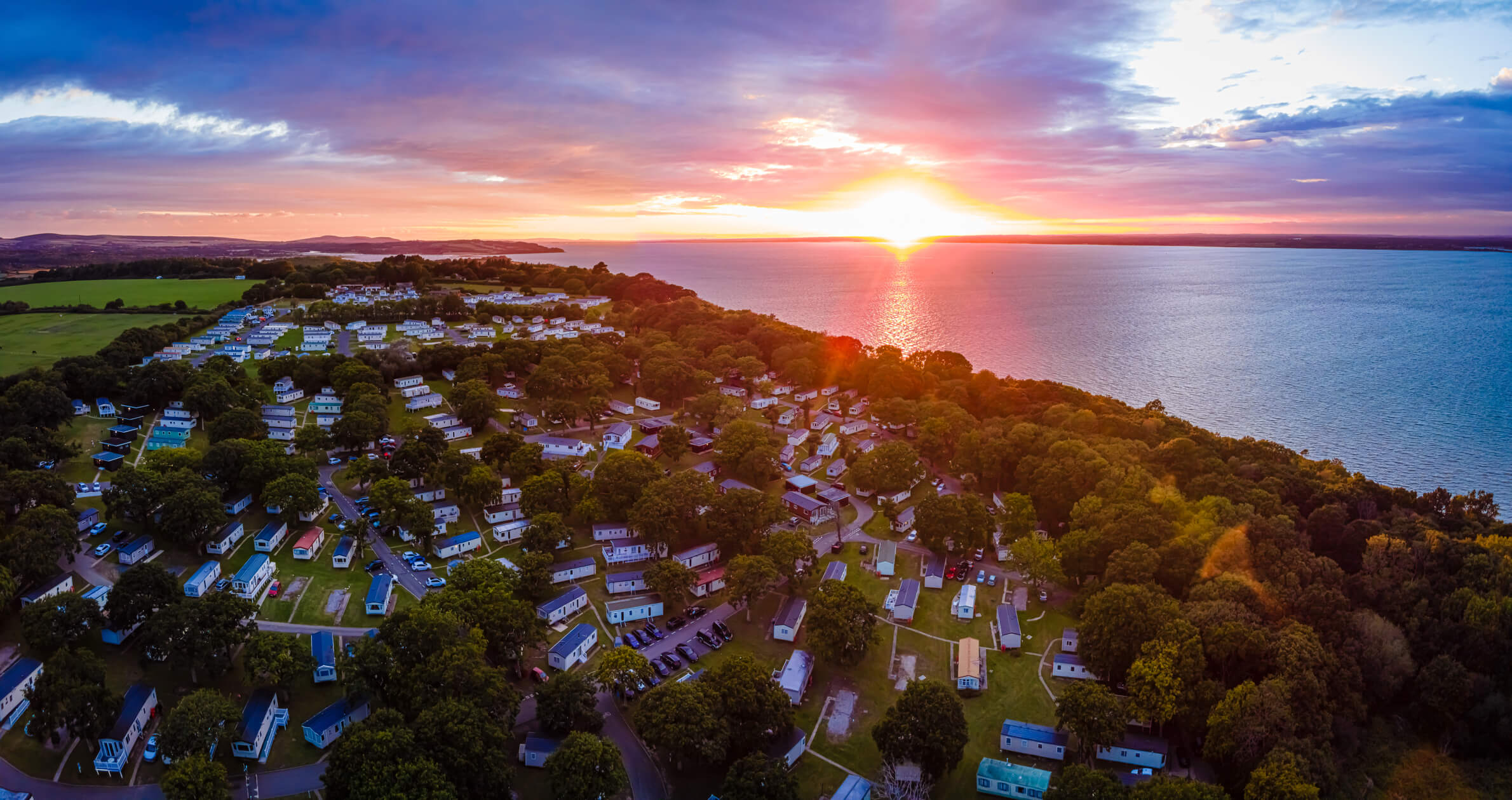
Why Mobile Home Park Popularity Is Rising
Mobile home park popularity is rising because manufactured home communities solve today’s housing crisis trifecta: lower upfront costs than single-family homes, more stability and community than apartments, and strong demand from both residents and investors in markets where traditional housing keeps climbing out of reach. With the average manufactured home costing roughly 75% less than a site-built home and lot rents often running 50% below nearby apartment rents, these communities have become a practical answer for working families, retirees, and first-time buyers.
After more than 20 years building Complete Controller into a national bookkeeping and accounting services firm, I’ve had a front-row seat to the financial lives of small business owners, real estate investors, and everyday families. I see the numbers behind this trend every week—tightening occupancy rates, sticky tenancy, and surprisingly strong tenant satisfaction. In this article, I’ll walk you through the affordability math, the lifestyle shift, the investor rush, and the smart financial moves to make whether you’re considering renting a lot, buying a manufactured home, or putting capital into a park yourself.

What’s driving mobile home park popularity and what should you pay attention to?
- Mobile home park popularity is rising because these communities combine rent affordability, strong local housing demand, improved park amenities, high tenant satisfaction, and solid resale value potential.
- Affordability is the headline driver: manufactured homes cost dramatically less per square foot, and lot rents stay competitive against apartments.
- Local housing demand is squeezing buyers: zoning limits and rising construction costs push first-time buyers and retirees toward manufactured home communities.
- Modern parks have upgraded amenities: clubhouses, pools, playgrounds, and on-site management raise the lifestyle bar.
- Investors see resilient cash flow: mobile home park occupancy rates stay high, which is why institutional capital is pouring billions into the asset class.
The Affordability Math Behind Mobile Home Park Popularity
Mobile home parks fill a widening gap in the housing market, and the numbers tell the story clearly.
How rent affordability makes mobile home parks competitive
Traditional home prices and apartment rents have outpaced wage growth for over a decade, pushing many households out of conventional housing. According to the U.S. Census Bureau’s Manufactured Housing Survey, the average sales price per square foot for a new manufactured home was about $87 in 2023, compared with roughly $166 for a new single-family site-built home—nearly double for traditional construction.
- One industry analysis notes the average mobile home costs about 75% less than a site-built home, and lot rents run 50% or less than nearby apartments (52TEN).
- Lot rent plus utilities tends to be more predictable than fluctuating apartment rents, which especially appeals to retirees and fixed-income tenants.
- As a bookkeeping partner to thousands of households and small businesses, I regularly see mobile home park living bring total housing costs back into the healthy 25–30% of income range, freeing up cash flow for savings and debt reduction.
Local housing demand and tight inventory
Supply matters as much as price. A Harvard Joint Center for Housing Studies report found the number of land-lease communities fell from about 50,000 in 1993 to roughly 43,000 in 2010, reflecting park closures and redevelopment pressure. Fewer parks plus growing demand equals tightening conditions in many markets.
Factors affecting mobile home park rent demand include job growth, school quality, proximity to services, and the shortage of competing affordable options. Operators who track these signals can forecast occupancy and rent growth far more accurately.

Beyond “Trailer Parks”: Modern Communities Have Changed
Public perception has lagged behind reality. Today’s communities often look more like suburban neighborhoods than the trailer parks of a generation ago.
Park amenities and lifestyle upgrades
Competitive parks now offer features that rival many apartment complexes. The best amenities driving mobile home park popularity include:
- High-speed internet and reliable utilities
- On-site management and security
- Clubhouses, fitness centers, and pools
- Walking trails, dog parks, and shared green spaces
- Community events that build real social ties
Communities like The Reserves in Jackson, MI lead their marketing with location, landscaping, and lifestyle—not just a cheap lot.
Tenant satisfaction and sense of community
A 2022 industry study reported that 85% of people are satisfied with their mobile or manufactured home, up 7% from the prior survey (MHInsider). What makes a mobile home park popular usually comes down to clean common areas, responsive management, clear rules, and genuine opportunities for connection. From a financial perspective, communities with higher tenant satisfaction also show lower turnover and steadier payment patterns—translating into lower operating costs for owners.
Why Investors Are Flocking to Mobile Home Parks
Capital noticed this trend years ago, and the inflow keeps accelerating.
Mobile home park occupancy rate and cash flow
Because residents typically own their homes but rent the land, moving is expensive and logistically tough. That stickiness keeps the mobile home park occupancy rate high even during downturns. Cap rates frequently trade between 5.5% and 7.2% in solid markets (C.R.I. Brokerage).
If you’re an operator wondering how to increase occupancy in a mobile home park, focus on:
- Curb appeal—roads, landscaping, lighting
- Move-in incentives and rent credits
- Demographic-matched amenities (playgrounds vs. 55+ features)
- Local SEO and online presence, which most competitors underinvest in
Institutional capital and the affordability tradeoff
Institutional and private equity investors poured roughly $9.4 billion into manufactured housing communities in 2021, with institutional buyers’ share of purchases climbing from about 13% (2017–19) to 23% by 2021 (Realtor.com). Professional management can modernize parks—but aggressive rent hikes have also pushed lot rents up 45% over a decade in some communities, with eviction rates exceeding 6% per year in certain regions. When clients ask whether mobile home park investing is “safe,” I tell them asset quality and management philosophy matter as much as the cap rate.
Thinking about mobile home park living or investing? Let Complete Controller help you run the numbers before you make your next move.
Manufactured Home Resale Value and Wealth Building
This is where the story gets really interesting for residents and investors alike.
Realtor.com reported median mobile home listing prices around $141,450 versus $410,000 for site-built homes. Mobile homes without land appreciated 51.6% from 2019 to early 2026, while mobile homes with land appreciated 70.1%—not far behind single-family homes at 58.6%. Even when the land is leased, residents can build equity in the home itself. Paired with disciplined budgeting (where our team at Complete Controller supports clients), that creates a realistic path to net-worth growth.
Resale value still depends heavily on park quality, local housing demand, and management stability—so both residents and investors should underwrite carefully.
The Human and Financial Side of Park Living
Numbers tell part of the story; lived experience tells the rest.
Budgeting Benefits for Residents
Clients who move into mobile home parks often reduce total housing payments enough to:
- Pay down high-interest debt faster
- Build emergency funds
- Invest earlier in retirement accounts or small business ventures
Long leases with moderate annual increases make cash flow planning easier than volatile apartment markets or adjustable-rate mortgages. When I help clients compare urban apartment, exurban single-family home, and mobile home park scenarios, the third option frequently wins on the combination of cost and community—especially for families and retirees. For investors weighing this asset class, our small business financial planning resources can help you stress-test the numbers.
Risk management: What residents should watch For
- Rent escalation clauses: Large corporate owners may push rents aggressively—read your lease.
- Park stability: Investigate ownership history, planned improvements, and eviction trends.
- Resident-owned communities: ROC USA’s network includes 300+ resident-owned manufactured home communities across 20 states, where homeowners co-op the land and pay rent to their own cooperative. This model is one of the strongest defenses against post-sale rent hikes.
Harnessing Mobile Home Park Popularity Responsibly
Municipalities, nonprofits, and mission-driven investors all have a role in keeping this trend healthy.
Cities can preserve affordability by protecting existing parks from redevelopment and allowing new manufactured home communities in appropriate zones. Coordinated planning for transit, schools, and healthcare around parks boosts long-term viability and tenant satisfaction. For financial advisors and bookkeepers, the opportunity is real: help residents compare rent affordability against buying alternatives, and help small investors underwrite acquisitions with realistic operating costs, capex reserves, and occupancy assumptions.
Final Thoughts: This Trend Has Staying Power
Mobile home park popularity is rising because it addresses a structural problem—the gap between what people earn and what conventional housing costs. When you combine rent affordability, high tenant satisfaction, strong local housing demand, modern park amenities, and improving resale value, manufactured home communities become a genuinely compelling option for residents and investors alike.
From my vantage point as founder of Complete Controller, I’ve watched clients use mobile home parks to stabilize their households, reduce financial stress, and build lasting wealth—while others have built resilient portfolios around well-run parks. The common thread is disciplined planning, careful due diligence, and a long-term mindset. If you’re evaluating mobile home park living or investing, organize your numbers and stress-test your assumptions first. Visit Complete Controller to see how our team can help you analyze the financial side of this trend and make confident decisions.

Frequently Asked Questions About Mobile Home Park Popularity
Why are mobile home parks becoming more popular?
They combine lower housing costs, upgraded amenities, strong community feel, and accessible homeownership for people priced out of traditional houses. As housing prices and rents climb, demand for this more affordable option has surged across the country.
Are mobile home parks still an affordable housing option?
In most markets, yes. Manufactured homes typically cost far less than site-built homes, and lot rents usually run below apartment rents nearby. That said, some parks under aggressive corporate ownership have raised rents sharply, so compare options locally before committing.
Do mobile homes in parks go up in value?
Manufactured homes have seen meaningful appreciation, especially when placed on owned land—roughly 70% from 2019 to early 2026. Homes on leased lots can still gain value, but resale depends heavily on park quality, local demand, and management stability.
What makes a “good” mobile home park?
Clean, well-maintained surroundings, reasonable rent policies, responsive management, clear community rules, and amenities matched to residents’ needs. Strong tenant satisfaction and low turnover are reliable signs of a well-run community.
Are mobile home parks a good investment?
They can be excellent. Parks often deliver steady occupancy and resilient cash flow, which is why institutional investors are entering the space. Success depends on buying at the right price, managing responsibly, maintaining affordability, and understanding local regulations.
Sources
- AnythingResearch. (2026). 2026 Industry Statistics – Mobile Homes Lots & Trailer Parks. https://www.anythingresearch.com/industry/Lessors-Mobile-Homes-Lots-Trailer-Parks.htm
- C.R.I. Commercial Real Estate Services. (2024). Manufactured Housing Market Trends and Investment Outlook for Mobile Home Parks in a Higher Rate World. https://cribrokerage.com/manufactured-housing-market-trends-and-investment-outlook-for-mobile-home-parks-in-a-higher-rate-world/
- Cove Communities. (2026). 2026 Manufactured Home Trends to Know Before You Buy. https://covecommunities.com/blog/manufactured-home-trends/
- Dirigo Development. (2025). The Future of Mobile Home Park Development: Trends and Innovations. https://dirigodevelopment.com/dirigo-blog/the-future-of-mobile-home-park-development-trends-and-innovations
- MHInsider. (2022). Manufactured Housing Industry Trends & Statistics. https://mhinsider.com/manufactured-housing-industry-trends-statistics/
- Realtor.com. (2026). Mobile Home Residents See Rents Soar Under New Owners. https://www.realtor.com/news/trends/mobile-home-trailer-park-rent-increase-new-owner/
- ROC USA. (Accessed 2026). Our Impact. https://rocusa.org/our-impact/
- Sullivan, Esther. (October 2014). Manufactured Housing: The Potential for Community Development. Harvard Joint Center for Housing Studies. https://www.jchs.harvard.edu/research-areas/working-papers/manufactured-housing-potential-community-development
- 52TEN. (2023). Mobile Homes: Solution to the Affordable Housing Crisis. https://52ten.com/articles/mobile-homes-a-solution-to-the-affordable-housing-crisis/
- U.S. Census Bureau. (2024). Manufactured Housing Survey (MHS) — 2023 Average Price per Square Foot. https://www.census.gov/programs-surveys/mhs/data.html
- U.S. Census Bureau. (2024). Survey of Construction (SOC) — 2023 Price per Square Foot. https://www.census.gov/construction/chars/
- U.S. Department of Housing and Urban Development. (April 2021). Rent Affordability and Housing Cost Burdens. https://www.huduser.gov/portal/pdredge/pdr-edge-featd-article-041721.html
 About Complete Controller® – America’s Bookkeeping Experts Complete Controller is the Nation’s Leader in virtual bookkeeping, providing service to businesses and households alike. Utilizing Complete Controller’s technology, clients gain access to a cloud platform where their QuickBooks™️ file, critical financial documents, and back-office tools are hosted in an efficient SSO environment. Complete Controller’s team of certified US-based accounting professionals provide bookkeeping, record storage, performance reporting, and controller services including training, cash-flow management, budgeting and forecasting, process and controls advisement, and bill-pay. With flat-rate service plans, Complete Controller is the most cost-effective expert accounting solution for business, family-office, trusts, and households of any size or complexity.




 Brittany McMillen
Brittany McMillen
Brittany McMillen