


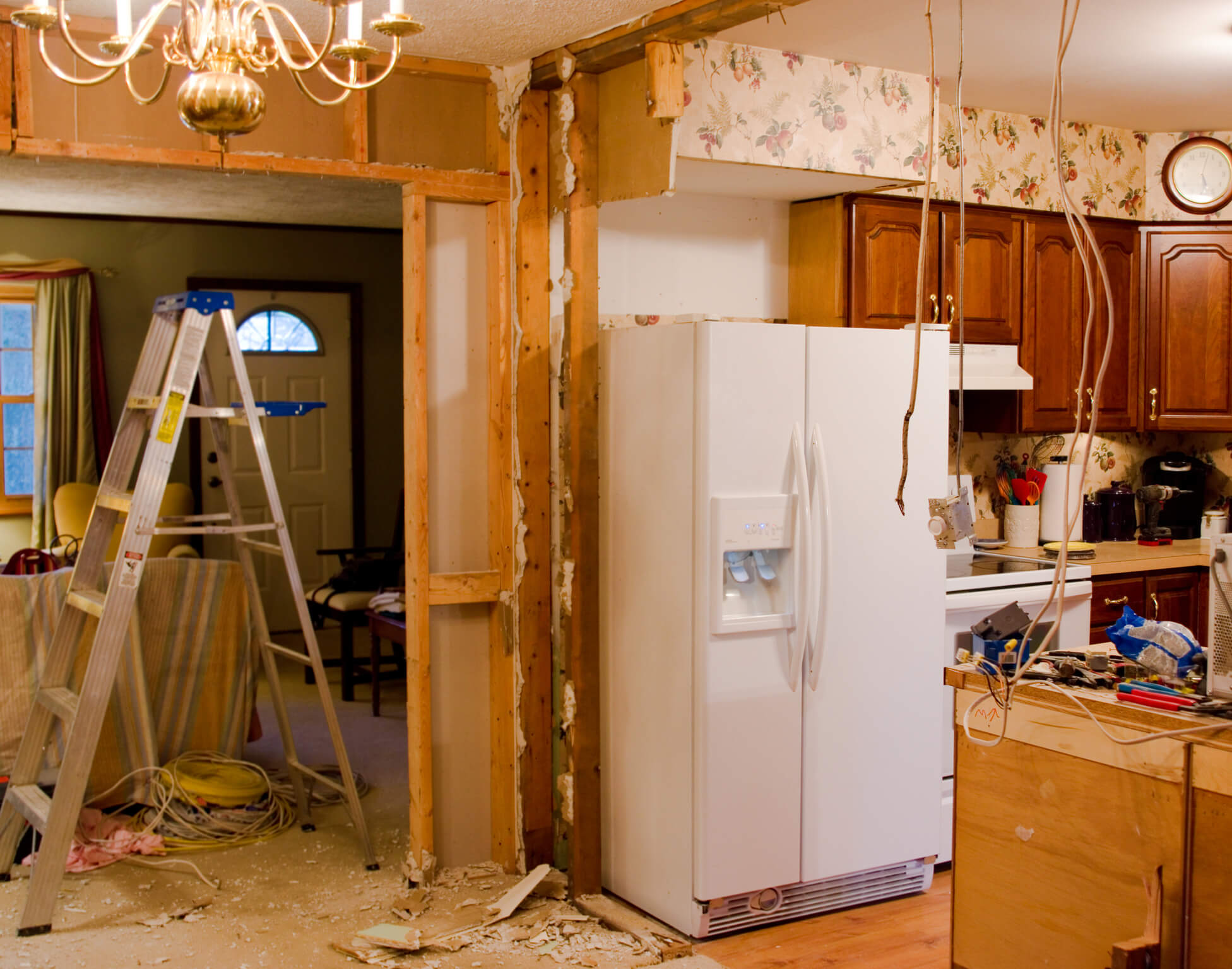
Avoid These Common House Flipping Mistakes for Success
The most costly house flipping mistakes are overpaying for the property, underestimating renovation and holding costs, misjudging the after-repair value (ARV), choosing the wrong location or buyer profile, and failing to plan your financing, team, and exit strategy from day one. When you avoid these errors—and treat each flip like a real business with clear numbers, systems, and risk controls—you dramatically increase your odds of finishing on time, on budget, and with a profit you can repeat.
As a financial professional who has cleaned up the books for many stressed-out flippers, I’ve seen profitable deals turn into break-even headaches simply because there was no disciplined budget, no tracking of overruns, and no realistic plan for surprises. In fact, 22% of all house flips fail financially—that’s one in five properties either breaking even or losing money. Over my 20 years as CEO of Complete Controller, I’ve witnessed businesses across all sectors struggle with project management and cost control, but house flipping stands out for its unique combination of financial complexity and emotional decision-making. In this article, I’ll walk you through the most common house flipping mistakes I see in the real numbers behind projects—and show you how to structure your deals, financing, and operations so your flip looks as good on your balance sheet as it does on Instagram.

What are the most common house flipping mistakes, and how do you avoid them?
- Overpaying, underestimating repairs and holding costs, misjudging ARV, picking the wrong location or property type, weak contractor and project management, and not having a clear backup exit strategy
- Many beginners pay too much or skip detailed inspections, then discover structural, zoning, or permit issues that eat their profit
- Relying on optimistic ARVs, TV-show timelines, or DIY renovations leads to blown budgets, delays, and extended holding costs
- Ignoring local market data, buyer expectations, and neighborhood price ceilings results in over-improvement or a property that sits unsold
- Treating a flip like a “project” instead of a business—no cash-flow plan, no bookkeeping, no contingency, no exit plan—is the fastest way to turn a promising deal into a financial lesson
The Biggest House Flipping Mistakes That Kill Your Profit
House flipping profitability has fundamentally changed over the past decade. In 2012, the typical flipped home earned a 62.9% return on investment before expenses. Today, that ROI has dropped to just 25.1%—a decline of nearly 60% in profitability. This dramatic shift means that old strategies and rules of thumb no longer guarantee success.
Key financial pitfalls in house flipping
- Overpaying for the property (ignoring the 70% rule and MAO math)
- Underestimating repair and holding costs (labor, materials, permits, insurance, interest, taxes, utilities)
- Misjudging ARV and market demand (wrong comps, shifting markets, overpricing)
- Poor project and contractor management (delays, change orders, quality issues)
- No clear exit strategy or backup plan (forced to fire-sale or hold long term without planning)
Why beginners are especially vulnerable
Industry data reveals that 90% of new real estate investors underestimate their actual financial requirements by at least 25%. This means if a beginner thinks they need $50,000 to complete a flip, they really need closer to $62,500 or more. Lack of realistic budgeting experience in construction and holding costs means their spreadsheets look profitable on paper but collapse in reality. Emotional buying and “deal fever” lead to paying more than investors with strict criteria will accept. Inadequate bookkeeping and cost tracking hide small overruns that compound into a substantial loss by closing.
Financial House Flipping Mistakes: Budget, Funding, and ARV
Underestimating renovation and holding costs
Nine out of ten construction projects experience cost overrun, with an average overrun of 28%. This statistic from research spanning 70 years across 20 countries isn’t a fluke—it’s the norm you must plan for.
Common oversight costs include:
- Contingency (10–20%)
- Permit fees and change orders
- Dumpsters and debris removal
- Landscaping and staging
- Interest, property taxes, insurance, and utilities
Best practice: Create a full line-item scope with contractor bids plus a contingency line before making your offer. Professional business bookkeeping essentials can help track these expenses in real-time.
Misusing the 70% rule and maximum allowable offer (MAO)
Many pros aim to pay no more than ~70% of ARV minus repair costs so there is a healthy profit after all expenses. New flippers often ignore this, especially in hot markets, and lock in a price that leaves no margin for surprises.
Financing and cash flow mistakes
Not having enough money or backup capital is consistently ranked as a top beginner mistake. Common errors include relying on one lender with no backup, not fully modeling interest, points, and extension fees, and assuming the flip will sell instantly without budgeting for extra months of holding.
Misjudging the after-repair value (ARV)
ARV mistakes stem from using outdated comps, ignoring pending and expired listings, or comparing to superior locations and finishes. A 5–10% ARV overestimation can wipe out your profit; conservative numbers and multiple data sources are essential. The Consumer Finance Protection Bureau offers helpful resources on understanding property values and mortgage considerations.

Location, Property Selection, and Over-Improvement
Choosing the wrong location or property type
Buying in declining neighborhoods, on busy roads, or near nuisances (rail lines, industrial areas) drastically impacts resale and pricing power. Smart flippers look for below-market properties in growing areas with strong ARV and buyer demand. The Harvard Joint Center for Housing Studies provides valuable insights on housing market trends.
Skipping due diligence on zoning, permits, and legal issues
Real estate agent Cassandra London purchased a historic Baltimore property for $450,000 with renovation plans. Unknown to her, a neighbor had nominated the property for historical landmark status. Once designated, strict rules required custom materials, including sash windows at $4,000 each instead of the standard $250 windows she had budgeted. This single requirement added $160,000 to her renovation costs.
Overlooking zoning, housing codes, and permit requirements can cause stop-work orders, fines, or forced deconstruction. Title issues, unpermitted additions, or code violations can also derail resale or financing for your end buyer.
House flipping mistakes in renovation scope: over- vs. under-improving
Over-improving beyond neighborhood norms (luxury finishes in an entry-level area) often fails to produce a matching bump in ARV. Under-improving or cheap, visibly poor work leads to longer days on market and price cuts.
Pros track every dollar. Complete Controller makes it easy.
Execution Mistakes: Contractors, Timelines, and DIY Risks
Hiring the wrong contractors and weak oversight
Many failures trace back to unvetted contractors, poor contracts, and no clear milestones, causing delays and cost overruns. Best practices include getting multiple bids, checking references, verifying licenses/insurance, creating detailed scopes, and tying progress payments to inspections. CPAs in construction can provide guidance on contractor agreements and payment structures.
Rushing the process and unrealistic timelines
Rushing inspections or demo/renovation leads to missed defects and shoddy workmanship; equally, letting a job drag on explodes holding costs. Experienced flippers build realistic project schedules with buffer time for weather, supply issues, and permitting delays.
The DIY trap for new flippers
First-timers often try to do everything themselves to save money, but lack of skill and time frequently increases total cost and delays resale. Strategic DIY means handling light cosmetic work you’re truly competent at while leaving structural, electrical, plumbing, or code-related work to pros. The Federal Trade Commission offers guidance on working with contractors.
Market, Pricing, and Exit Strategy Mistakes
Overpricing the finished property
Overpricing is a recurring house flipping mistake that causes extended days on market, additional holding costs, and eventual price cuts. Successful flippers often price at or slightly below market to spark competition and potentially bid the price up.
Ignoring local market trends and buyer expectations
Buying or renovating without understanding local demand, inventory levels, and buyer preferences often leaves properties sitting unsold. Align materials, layout, and price with the actual buyer segment (starter, move-up, downsizer, investor).
Not having a backup exit strategy
Many guides mention the importance of having a backup plan, such as converting to a rental or holding longer-term when the market shifts. Flippers who model multiple exits (flip, BRRRR, wholesale, rental) before purchase can pivot instead of panic.
Treating Your Flip Like a Hobby Instead of a Real Business
Skipping proper bookkeeping and cost tracking
A major but under-discussed risk is not tracking costs and return in real time. Without clean bookkeeping, you can’t see which pieces of your process (acquisition, rehab, holding, sale) are leaking profit. Implementing small business bookkeeping tips and tricks can transform your flip from a guessing game into a controlled business operation.
Emotional decision-making and “taking it personally”
Some investors take decisions personally—over-customizing the property to their taste or refusing to adjust price because they’re attached. Discipline and data—not ego—should drive offers, budget changes, and price reductions.
Building your professional team
Top-performing flippers rely on agents, contractors, inspectors, attorneys, lenders, and bookkeepers to protect their downside. Trying to “do it all alone” increases risk and often reduces net profit once true costs and delays are included.
Final Thoughts: Turning House Flipping Mistakes into a Repeatable System
Most house flipping mistakes are preventable when you run your projects with the same financial rigor you’d expect in any serious business: conservative acquisition math, realistic rehab budgets, disciplined cost tracking, and clear exit strategies.
As someone who has spent decades looking at the financial autopsies of both successful and failed flips, I’ve learned that the investors who win consistently are not the ones who find “perfect” properties—they are the ones who build predictable systems around imperfect projects. If you’re ready to structure your next flip around solid numbers instead of guesswork, contact the experts at Complete Controller to put professional bookkeeping and financial oversight behind your investing strategy.

Frequently Asked Questions About House Flipping Mistakes
What is the biggest mistake in house flipping?
The single biggest mistake is overpaying for the property relative to ARV and realistic repair costs, which leaves too little margin for the inevitable surprises.
What should you not do when flipping a house?
You should not skip professional inspections, ignore local market data, underestimate renovation and holding costs, hire unvetted contractors, or start a flip without a clear budget, timeline, and backup exit strategy.
Is flipping houses risky?
Yes. Flipping houses carries financial, market, and execution risk—from cost overruns and delays to market softening and appraisal issues—which is why conservative numbers, proper financing, and strong bookkeeping are essential.
How much money do you really need to flip a house?
You need enough to cover the purchase, closing costs, rehab, holding costs, and a contingency, plus reserves if the sale takes longer than planned; many beginners underestimate these and run short of cash.
How can I avoid losing money when flipping a house?
Stick to conservative MAO formulas, verify ARV with multiple comps, build detailed budgets with contingency, vet your team, track every cost, and always have at least one viable backup exit strategy.
Sources
- Bonanno Realty. “5 Common House Flipping Mistakes and How to Avoid Them.” Bonanno Realty Blog, 10 Nov. 2025.[1]
- Cronin, Patrick. “House Flipping: Key Structural Tips to Avoid Costly Mistakes.” Cronin Engineer, n.d.[2]
- “6 Mistakes That Can Make House Flipping a Flop.” DealMachine Blog, n.d.[3]
- “10 House Flipping Tips To Maximize Your ROI.” Real Estate Skills, n.d.[4]
- “Top 6 Beginner Mistakes: Flipping Houses 101.” Kiavi Blog, n.d.[5]
- “A Comprehensive Guide to Successful House Flipping.” Red Barn Homebuyers, n.d.[6]
- “5 Common Mistakes First-Time Home Flippers Make (and How to Avoid Them).” Homes.com News, n.d.[7]
- Rathbun, Dean. “5 Mistakes Newbie Investors Make When Buying a House to Flip.” DeanRathbun.com, n.d.[11]
- “House Flipping Mistakes to Avoid at All Costs.” REsimpli Blog, n.d.[12]
- “Avoiding Common Flipping Mistakes.” Rentastic Blog, n.d.[13]
 About Complete Controller® – America’s Bookkeeping Experts Complete Controller is the Nation’s Leader in virtual bookkeeping, providing service to businesses and households alike. Utilizing Complete Controller’s technology, clients gain access to a cloud platform where their QuickBooks™️ file, critical financial documents, and back-office tools are hosted in an efficient SSO environment. Complete Controller’s team of certified US-based accounting professionals provide bookkeeping, record storage, performance reporting, and controller services including training, cash-flow management, budgeting and forecasting, process and controls advisement, and bill-pay. With flat-rate service plans, Complete Controller is the most cost-effective expert accounting solution for business, family-office, trusts, and households of any size or complexity.




 Brittany McMillen
Brittany McMillen
Brittany McMillen