


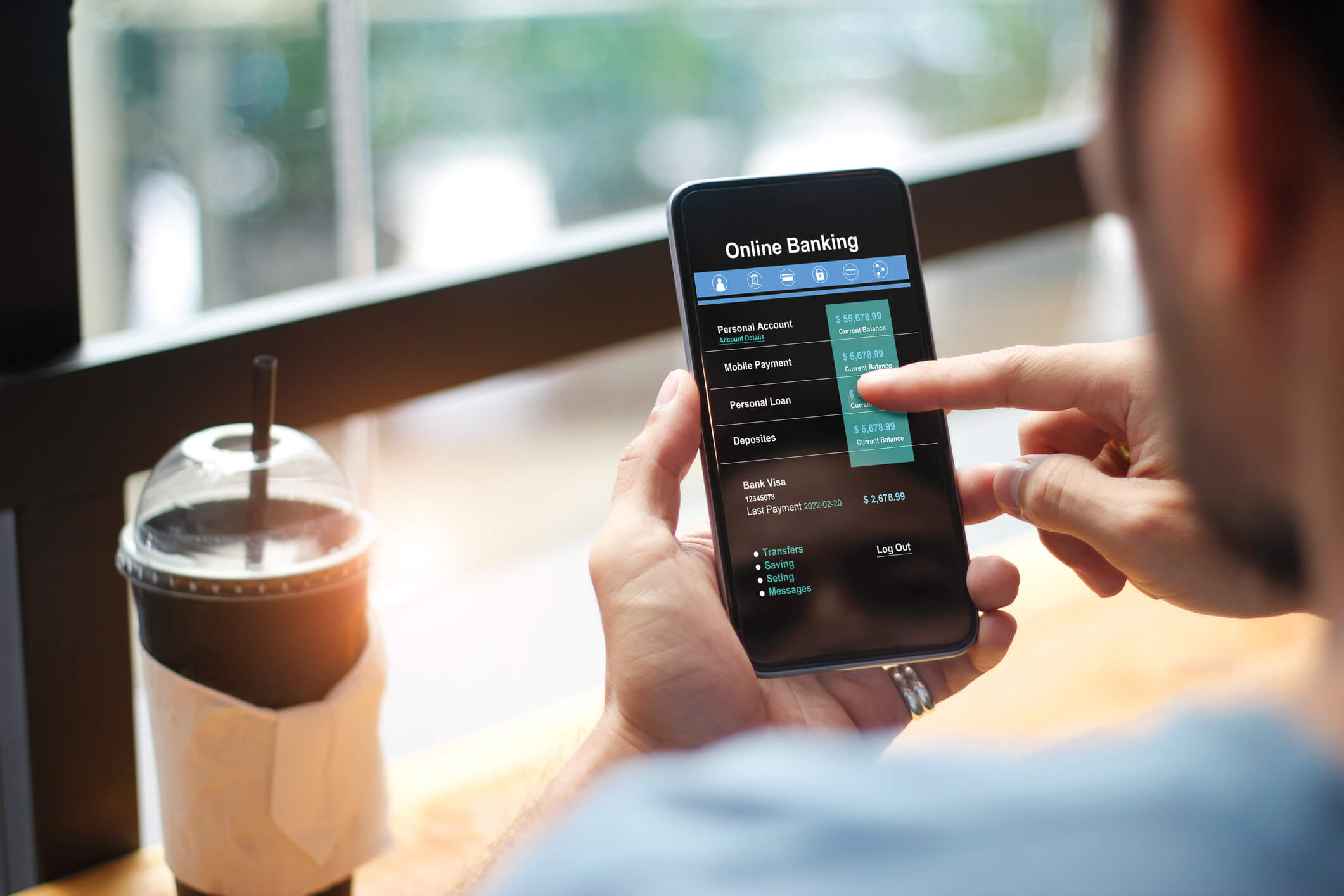
Online Banking Pros and Cons:
Benefits vs Risks
Online banking pros and cons come down to a simple trade-off: unmatched 24/7 convenience, lower fees, and higher yields on one side, versus cybersecurity threats, tech outages, and limited face-to-face support on the other. For most users, the online banking advantages outweigh the drawbacks—especially when you pair smart habits like multi-factor authentication and account monitoring with an FDIC-insured bank. This guide breaks down the benefits, the real risks, and exactly how to protect yourself before you log in.
Here’s a number that stopped me in my tracks: U.S. consumers reported losing more than $10 billion to fraud in 2023, with imposter scams topping the list. That’s why understanding digital banking security matters as much as chasing the best interest rates. Over my 20+ years building Complete Controller into a cloud-based bookkeeping firm serving thousands of small businesses, I’ve watched clients across every industry transition to digital finance—and I’ve seen what separates those who thrive from those who get burned. In this article, I’ll walk you through the real online banking pros and cons, share the safeguards my team recommends, and give you a clear framework for choosing a bank that fits your life without putting your money at risk.

What are the online banking pros and cons: Benefits vs risks?
- Quick answer: Pros include 24/7 access, lower fees, higher yields, and real-time tools; cons involve cybersecurity risks, tech failures, no cash deposits, and limited personal support.
- Benefits win for most users who value speed—mobile transfers, bill pay, and budgeting apps replace branch trips.
- Risks center on phishing, malware, and account takeover, though FDIC deposit insurance covers up to $250,000 per depositor, per insured bank, for each account ownership category.
- Security tools like encryption, MFA, and biometric logins neutralize most threats when you stay vigilant.
- Verdict: For the majority of consumers, online banking advantages prevail—just weigh the disadvantages against your personal banking habits.
Online Banking Advantages: Convenience That Saves Time and Money
The biggest selling point of digital banking is freedom—freedom from branch hours, paper statements, and inflated fees. When I transitioned Complete Controller clients to cloud-based financial tools, the time savings alone translated into measurable productivity gains for their teams.
Key mobile banking features and 24/7 access
Modern apps put your entire financial life in your pocket. You can:
- Check balances and transfer funds in seconds from any device
- Deposit checks by snapping a photo
- Pay bills automatically with scheduled transfers
- Receive push notifications for every transaction
- Track spending with built-in budgeting categories
These mobile banking features turn what used to take a lunch break into a 30-second task.
Lower fees and higher yields
Digital-first banks run leaner operations, and they pass those savings to you. Many online platforms offer no-fee checking and high-yield savings accounts above 4% APY, compared to the 0.01% you’ll often find at brick-and-mortar banks. Paperless statements cut costs and reduce environmental impact—a win for your wallet and the planet.
Online Banking Disadvantages: The Hidden Drawbacks Exposed
No system is perfect, and the online banking disadvantages are real—especially when technology fails at the worst possible moment.
Tech failures and customer service quality
App glitches, server outages, and forgotten passwords can lock you out precisely when you need access. Phone and email support often lag behind the clarity of a face-to-face conversation with a branch manager who knows your name. For complex issues like disputed transactions or loan questions, that gap in customer service quality can feel frustrating.
Comparison of online vs traditional banking
Here’s the honest trade-off:
| Feature | Online Banking | Traditional Banking |
| Cash deposits | Limited or unavailable | Easy at any branch |
| Fees | Often zero | Higher monthly fees |
| Interest rates | Up to 4%+ APY | Often 0.01% |
| In-person help | None | Full service |
| Access hours | 24/7 | Limited |
If you handle lots of cash or crave human interaction, a hybrid approach may serve you better than going fully digital.
Don’t just bank smarter. Run your finances smarter with Complete Controller.

Digital Banking Security: Bank Protections That Keep You Safe
Banks invest billions in digital banking security, and the layers of defense are genuinely impressive. TLS encryption, firewalls, real-time fraud monitoring, device recognition, and mandatory MFA combine to make your login tougher to crack than most corporate networks.
Real-world lessons from major breaches
Two cases shaped how I advise clients about security:
Capital One (2019): A cloud misconfiguration exposed 100 million customers’ data, leading to $190 million in settlements. Lesson: even giants stumble, so user vigilance matters.
Bangladesh Bank Heist (2016): Hackers stole roughly $81 million by sending fraudulent SWIFT transfer requests through the Federal Reserve Bank of New York. It showed that cybercrime can target payment systems, not just consumer logins—and why layered monitoring is non-negotiable.
The takeaway isn’t fear. It’s awareness. Pair bank-level protections with personal habits, and you stay ahead of threats.
Online Banking Security Risks: Real Threats and How to Spot Them
Even with strong infrastructure, online banking security risks persist because the weakest link is usually human. Scammers know this and work it hard.
Phishing, imposter scams, and public Wi-Fi dangers
The Federal Trade Commission reported that consumers lost nearly $10 billion to fraud in 2023, with imposter scams leading the pack. Common traps include:
- Phishing emails that mimic your bank’s branding
- Fake customer service numbers found on Google
- Malware hidden in sketchy app downloads
- Unsecured public Wi-Fi that lets attackers intercept logins
- Weak or reused passwords
Best online banking apps for budgeting with built-in safeguards
The best online banking apps for budgeting bundle security with utility—think auto-logout, biometric login, instant transaction alerts, and spending categorization. Stick with FDIC-insured providers and download only from official app stores.
How to Choose an Online Bank: Prioritizing Safety
Knowing how to choose an online bank means balancing features with protections. Here’s the checklist my team uses when advising clients:
- Verify FDIC or NCUA insurance—coverage up to $250,000 per depositor is the floor, not a bonus.
- Test the app for intuitive navigation before funding the account.
- Read reviews focused on customer service quality and dispute resolution speed.
- Confirm MFA and biometric options are available by default.
- Scan the fee schedule for hidden charges on wires, overdrafts, or paper statements.
- Check yield rates and compare to current market benchmarks.
9 Essential Tips to Stay Safe Before You Bank Online
Mitigate online banking security risks with these habits, drawn from our client audits at Complete Controller:
- Install antivirus software and enable firewalls on every device
- Turn on multi-factor authentication everywhere it’s offered
- Use a password manager for unique, complex passwords
- Avoid public Wi-Fi—use a VPN or cellular data instead
- Monitor accounts daily and set real-time transaction alerts
- Verify suspicious emails by calling your bank directly
- Download apps only from Apple App Store or Google Play
- Enable biometric login (fingerprint or face ID)
- Review statements weekly and report anomalies immediately
Final Thoughts
Weighing online banking pros and cons reveals a clear winner for most people: the convenience, savings, and control of digital banking far outpace the risks—when you bank smart. Outdated fears about security shouldn’t keep you tied to a branch that charges fees for the privilege of holding your money. At the same time, blind trust in any platform is a mistake. The sweet spot is informed confidence, backed by MFA, strong passwords, and daily monitoring.
Over two decades leading Complete Controller, I’ve helped thousands of business owners build financial systems that combine digital banking with expert bookkeeping—and I can tell you, the ones who win are the ones who take action. If you’re ready to optimize your cash flow, tighten your books, or simply talk through your options with someone who’s seen it all, visit Complete Controller for a free consultation. Let’s build something sharper together.

Frequently Asked Questions About Online Banking Pros and Cons
Is online banking safe?
Yes. With FDIC or NCUA insurance, TLS encryption, and multi-factor authentication, online banking is as safe as traditional banking—provided you use strong passwords, avoid public Wi-Fi, and monitor your accounts regularly.
What are the main advantages of online banking?
The top perks include 24/7 account access, lower or zero fees, higher interest rates (often 4%+ APY), mobile check deposit, automated bill pay, and real-time budgeting tools that help you track every dollar.
What are the biggest disadvantages of online banking?
The main drawbacks are tech outages that block access, limited in-person customer service, difficulty depositing cash, and exposure to phishing and imposter scams that target digital-only users.
How can I protect myself from online banking fraud?
Enable MFA, use a password manager, avoid public Wi-Fi, set transaction alerts, verify suspicious emails directly with your bank, keep software updated, and review statements at least weekly.
Are online banks FDIC insured?
Yes. Qualifying online banks carry FDIC insurance, and online credit unions carry NCUA insurance—both covering up to $250,000 per depositor, per insured institution, for each account ownership category.
Sources
- Arthur State Bank. (2025). “9 Tips, Tricks and Tools for Safer Online Banking.” https://www.arthurstatebank.com/blog
- Central State Bank. (2025). “Benefits and Risks of Online Banking.” https://www.centralstatebankia.com
- Emprise Bank. (2025). “Online Banking Safety: 5 Simple Ways to Protect You and Your Money.” https://www.emprisebank.com
- Experian. (2025). “Is It Safe to Bank Online?” https://www.experian.com/blogs/ask-experian
- Experian. (2025). “Is Online Banking Safe?” https://www.experian.com
- Federal Deposit Insurance Corporation. (Accessed 2026). “Deposit Insurance FAQs.” https://www.fdic.gov/resources/deposit-insurance/faq/
- Federal Deposit Insurance Corporation. “Deposit Insurance.” https://www.fdic.gov/resources/deposit-insurance/
- Federal Reserve. (2024). “2024 Economic Well-Being of U.S. Households in 2023 – Banking and Payments.” https://www.federalreserve.gov/publications/2024-economic-well-being-of-us-households-in-2023-banking-and-payments.htm
- Federal Trade Commission. (Feb. 22, 2024). “FTC Data Shows Consumers Reported Losing Nearly $10 Billion to Fraud in 2023.” https://www.ftc.gov/news-events/news/press-releases/2024/02/ftc-data-shows-consumers-reported-losing-nearly-10-billion-fraud-2023
- Greenberg, Andy. (May 3, 2018). “The Untold Story of the World’s Biggest Bank Heist.” WIRED. https://www.wired.com/story/bangladesh-bank-heist/
- Pim Savvy. (2025). “The Convenience and Security of Online and Virtual Banking.” https://www.pimsavvy.com
- U.S. Cybersecurity and Infrastructure Security Agency. “Phishing.” https://www.cisa.gov/topics/cyber-threats-and-advisories/phishing
- Wise. (2025). “The 4 Advantages & Disadvantages of Online Banking.” https://www.wise.com/us/blog
 About Complete Controller® – America’s Bookkeeping Experts Complete Controller is the Nation’s Leader in virtual bookkeeping, providing service to businesses and households alike. Utilizing Complete Controller’s technology, clients gain access to a cloud platform where their QuickBooks™️ file, critical financial documents, and back-office tools are hosted in an efficient SSO environment. Complete Controller’s team of certified US-based accounting professionals provide bookkeeping, record storage, performance reporting, and controller services including training, cash-flow management, budgeting and forecasting, process and controls advisement, and bill-pay. With flat-rate service plans, Complete Controller is the most cost-effective expert accounting solution for business, family-office, trusts, and households of any size or complexity.




 Brittany McMillen
Brittany McMillen
Brittany McMillen