Avoid Cash Flow Problems Easily

4 Ways to Avoid Cash Flow Problems:
Stop the Log Jams Killing Your Growth

To avoid cash flow problems, you need four practical habits running in your business at all times: consistent cash flow forecasting, disciplined billing and collections, intentional budgeting and cost control, and a real cash reserve so timing gaps never become emergencies. Apply these weekly—not annually—and your operating cash flow stays smooth, your payroll stays funded, and your stress level drops dramatically.

Here’s a stat that should stop every founder in their tracks: a widely cited U.S. Bank study found that 82% of small businesses fail due to poor cash flow management or a weak understanding of cash flow itself. After more than 20 years leading Complete Controller and partnering with thousands of small and mid-sized businesses across nearly every industry, I can tell you that the difference between the companies that thrive and the ones that fold is almost never revenue—it’s process. In this article, I’ll show you exactly how my team helps clients stabilize cash flow in the real world, so you can bill smarter, plan ahead, and build the buffer you wish you’d had last year.

How do you avoid cash flow problems and stop log jams in your business?

  • Build rolling cash flow forecasts, tighten billing and collections, budget around reality, and maintain cash reserves so timing gaps don’t become emergencies.
  • Use cash flow forecasting to see weeks ahead and adjust spending, pricing, or financing before a crisis hits.
  • Improve accounts receivable with clear terms, faster invoicing, and consistent follow-up to prevent late client payments from starving your cash.
  • Apply budgeting strategies and cost control so expenses align with actual inflows, not hopeful projections.
  • Build cash reserves covering 1–3 months of operating expenses to absorb seasonality and surprise shortfalls. Complete Controller. America’s Bookkeeping Experts

The One Habit That Helps You Avoid Cash Flow Problems Before They Start

The single most powerful habit is rolling cash flow forecasting. When you can see a shortage coming six weeks out, you have options. When you discover it on payroll Friday, you have panic. Forecasting turns reactive scrambling into proactive decision-making—and it’s the foundation of every other cash strategy in this article.

Cash flow forecasting: Your weekly radar for operating cash flow

A simple 13-week rolling forecast projects cash inflows and outflows so you spot shortfalls early and adjust collections, spending, or financing in time. Here’s how I coach clients to build one:

  1. Pull 6–12 months of historic revenue, payment timing, and major expenses from your books.
  2. Build a weekly spreadsheet: beginning cash, cash in, cash out, ending cash.
  3. Stress-test best case, expected case, and downside scenarios so you know your real risk.

Financial planning that matches real cash not just profit

Profit on paper often hides weak operating cash flow. I’ve watched profitable companies run out of money because owner draws, hiring, and equipment purchases were timed against the P&L instead of the bank balance. Tie every major decision to your forecasted cash position, and use a clean bookkeeping system so the numbers feeding your forecast are accurate. The SBA’s finance guide is another solid resource for tightening up your financial planning fundamentals.

How to Avoid Cash Flow Problems for Small Business With Better Billing

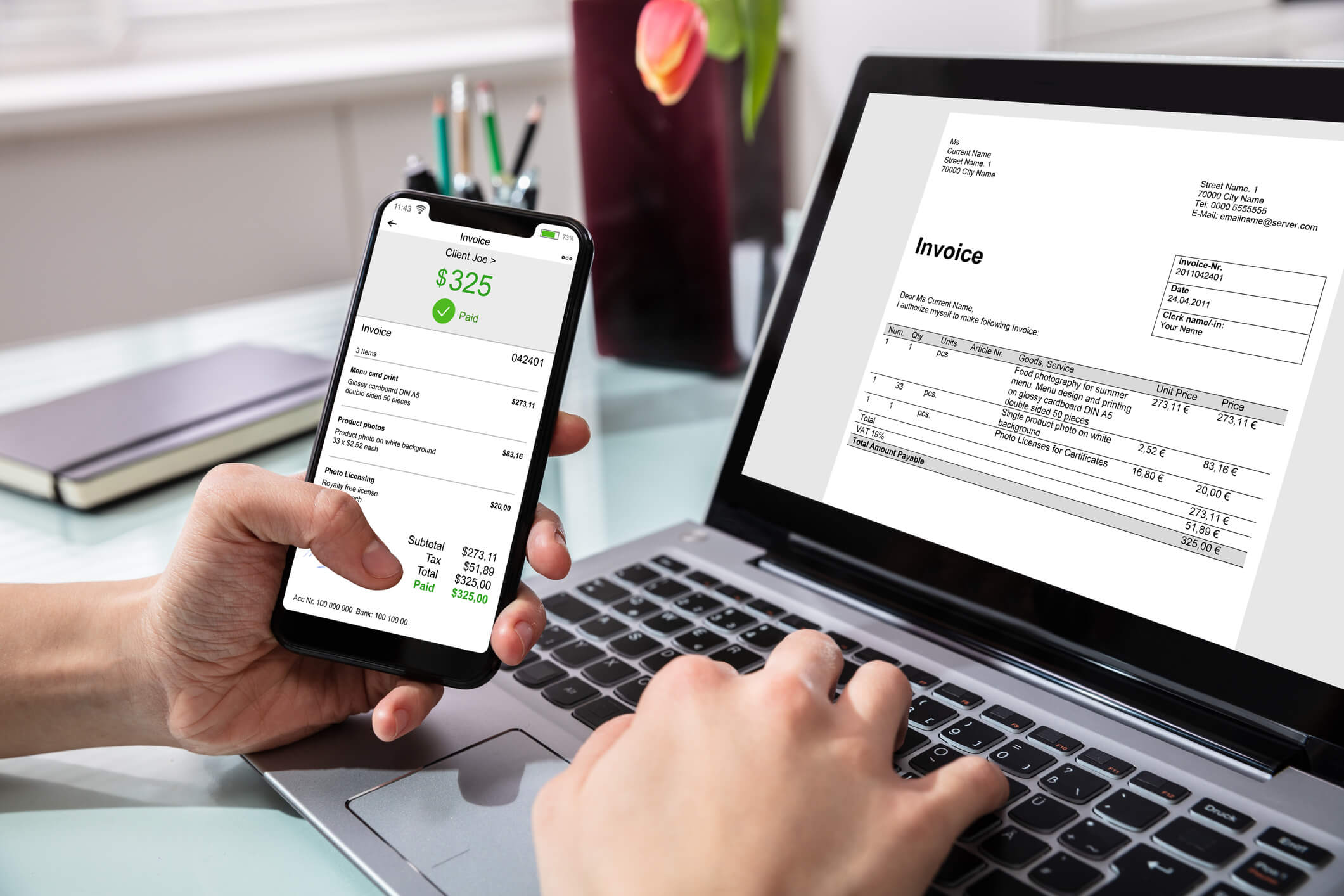
Most small-business cash jams aren’t caused by low sales—they’re caused by slow accounts receivable. According to Fundbox’s 2022 Small Business Payment Study, 62% of small business owners reported trouble paying obligations because of late customer payments, and 68% said it kept them from paying themselves. That’s the real cash flow killer.

Managing accounts receivable to prevent cash shortages

Tighten terms before you tighten your belt. Move from vague terms to clearly stated Net 15 or Net 30 with late fees, deposit requirements on larger projects, and signed acceptance before work begins.

To reduce cash flow problems caused by late client payments:

  • Invoice immediately on delivery—never “at month end.”
  • Offer ACH, card, and payment-link options to remove friction.
  • Send reminders 7 days before due, on the due date, and 5–7 days after.
  • Pick up the phone for key accounts before they drift into seriously delinquent territory.

Convert lumpy project invoices into 30–50% upfront deposits, milestone billing, or monthly retainers. This single shift can transform a feast-or-famine business into one with steady, predictable inflow.

Accounts payable: The other side of the timing equation

Smart accounts payable management eases cash pressure without hurting relationships. Use full Net 30/45 terms instead of paying early, group disbursements twice monthly, and negotiate extended terms with strategic suppliers when needed.

The classic example? Dell Computer. In the 1990s, Dell’s direct-to-customer model let it collect cash from buyers before paying suppliers, creating a negative cash conversion cycle that funded explosive growth. You don’t have to be Dell to apply the principle: align the timing of what comes in with what goes out, and your cash gap shrinks dramatically. The U.S. Chamber of Commerce has documented similar wins from small B2B firms that renegotiated terms and required deposits.

Cash flow shouldn’t be a guessing game. Complete Controller helps you stay ahead of every dollar.

Budgeting Strategies That Keep Your Business Out of Cash Log Jams

A realistic budget tied to your forecast is how you stop spending commitments from outpacing actual cash. Too many businesses draft an annual budget in January and never touch it again—then wonder why reality and the plan don’t match by Q2.

Dynamic budgeting strategies that protect your cash

Effective budgeting strategies require monthly or quarterly updates. Separate fixed from variable costs, prioritize essentials (payroll, rent, taxes), and build in seasonal dips so you’re not overcommitted in slow months.

Smart debt management is also a cash flow tool—not a trap. Refinance high-interest debt, consolidate small loans to simplify outflows, and never borrow to cover operating losses without first fixing the underlying leak. Track operating cash flow monthly, not just net income. Consistently negative operating cash flow means your model or pricing needs adjustment, not just your budget.

Building an Emergency Fund So Cash Flow Problems Don’t Become Crises

A real emergency fund turns surprises—late payments, broken equipment, lost contracts—into manageable events instead of existential threats. This is the buffer that lets you sleep at night.

Building an emergency fund to stabilize cash flow

Keep cash reserves equal to 1–3 months of operating expenses, depending on volatility:

  • Stable, recurring-revenue businesses: 1–2 months
  • Seasonal or project-based businesses: 3+ months

Fund it by sweeping 3–5% of every customer payment into a separate reserve account, using tax refunds or windfalls to jump-start it, and treating reserves as untouchable except for true emergencies. Park the money in business savings or money market accounts—liquid, low-risk, and accessible. The CFPB’s emergency fund guidance reinforces why liquidity management belongs at the center of your strategy.

A 90-Day Roadmap to Avoid Cash Flow Problems for Good

Implementation—not theory—is where most businesses stall. Here’s the 30-60-90 plan I give to clients who want results fast.

30-60-90 Day plan

  1. Days 1–30 — Get visibility: Clean your books for the last 6–12 months, build a 13-week cash flow forecast, and draft a lean budget aligned to your current revenue.
  2. Days 31–60 — Fix billing and payables: Update contracts with clear terms and deposits, turn on online payments and automated reminders, and renegotiate key vendor terms.
  3. Days 61–90 — Build and protect reserves: Set an emergency fund target with automatic transfers, define rules for owner draws tied to cash position, and schedule monthly reviews with your bookkeeper or controller.

Block 30–60 minutes every week for a money meeting—forecast, receivables, payables, bank balance. Treat it as leadership work, not admin. When your forecast shows a dip four to six weeks out, contact key clients and vendors early about accelerated payments, partial payments, or adjusted terms. Early conversations protect relationships; late ones damage them.

Final Thoughts: How I Think About Cash Flow as a Founder

When I look back at the clients we’ve helped move from constant cash emergencies to predictable growth, they all did the same four things: they forecasted cash, tightened billing, disciplined their budgets, and committed to a real emergency fund. Avoiding cash flow problems isn’t about perfection—it’s about building simple routines you actually follow every single week.

If you want help installing those routines, my team at Complete Controller does this work every day—cleaning up books, building cash flow forecasts, and helping owners finally sleep at night. Visit CompleteController.com to see how we can support your next stage of growth. ADP. Payroll – HR – Benefits

Frequently Asked Questions About How to Avoid Cash Flow Problems

What is the best way to avoid cash flow problems?

The most effective approach combines weekly cash flow monitoring, a rolling forecast, controlled expenses, accelerated receivables, and 1–3 months of cash reserves. No single tactic works alone—it’s the system that protects you.

How can I improve my cash flow quickly?

Invoice immediately, offer digital payment options, follow up on overdue invoices within days, trim nonessential expenses, and negotiate extended payment terms with suppliers. These five moves can shift cash within a single billing cycle.

What causes cash flow problems in small businesses?

Slow-paying customers, poor budgeting, overspending, rapid growth without planning, lack of reserves, and confusing profit with operating cash flow. Most failures trace back to one or more of these.

How do you manage cash flow in a small business?

Track inflow and outflow weekly, build a rolling forecast, manage accounts receivable and accounts payable actively, align costs with revenue, and plan for seasonal fluctuations before they hit.

Why is cash flow forecasting important?

Forecasting reveals shortages weeks or months ahead so you can adjust spending, secure financing, or accelerate collections while you still have options. It’s the difference between strategy and survival.

Sources

LastPass – Family or Org Password Vault About Complete Controller® – America’s Bookkeeping Experts Complete Controller is the Nation’s Leader in virtual bookkeeping, providing service to businesses and households alike. Utilizing Complete Controller’s technology, clients gain access to a cloud platform where their QuickBooks™️ file, critical financial documents, and back-office tools are hosted in an efficient SSO environment. Complete Controller’s team of certified US-based accounting professionals provide bookkeeping, record storage, performance reporting, and controller services including training, cash-flow management, budgeting and forecasting, process and controls advisement, and bill-pay. With flat-rate service plans, Complete Controller is the most cost-effective expert accounting solution for business, family-office, trusts, and households of any size or complexity.

author avatar
Jennifer Brazer Founder/CEO
Jennifer is the author of From Cubicle to Cloud and Founder/CEO of Complete Controller, a pioneering financial services firm that helps entrepreneurs break free of traditional constraints and scale their businesses to new heights.
Reviewed By: reviewer avatar Brittany McMillen
reviewer avatar Brittany McMillen
Brittany McMillen is a seasoned Marketing Manager with a sharp eye for strategy and storytelling. With a background in digital marketing, brand development, and customer engagement, she brings a results-driven mindset to every project. Brittany specializes in crafting compelling content and optimizing user experiences that convert. When she’s not reviewing content, she’s exploring the latest marketing trends or championing small business success.

Starting Your Own Business Guide

Starting Your Own Business:
Key Steps to Launch

Starting your own business begins with validating a strong idea, conducting honest market research, drafting a clear business plan, choosing the right legal structure (like registering an LLC for a startup), securing small business funding through loans or bootstrapping, and launching with disciplined cash flow management and a smart customer acquisition plan. Get those pillars right, and you’ve built a foundation most founders skip past in their excitement to open the doors.

I’ll be honest with you—after more than 20 years running Complete Controller and watching thousands of entrepreneurs across nearly every industry imaginable take the leap, I’ve seen brilliant ideas crumble over preventable money mistakes and average ideas thrive thanks to disciplined planning. According to a U.S. Bank study, 82% of business failures trace back to poor cash flow management. That stat haunts me, and it’s exactly why this guide focuses on the financial muscle most “how to start a business from scratch” articles gloss over. By the end, you’ll walk away with a real-world roadmap, the entrepreneurial mindset to use it, and the confidence to turn your idea into a business that lasts. ADP. Payroll – HR – Benefits

What are the key steps to starting your own business?

  • The short answer: Validate the idea, plan it, fund it, register it, and launch with strong financial controls.
  • Validate first: Use market research to confirm demand and define your target market and customer personas.
  • Plan on paper: A solid business plan template guides decisions and attracts funding.
  • Fund it smartly: Compare small business loans, bootstrapping, and investors against your startup cost breakdown.
  • Register and launch: Handle business incorporation, then execute your branding strategy and customer acquisition plan with disciplined cash flow management.

Refine Your Idea with Market Research

Every successful startup business I’ve worked with started the same way—by getting brutally honest about whether people actually want what they’re selling. Market research is the cheapest insurance you’ll ever buy against building something nobody needs.

Skip the gut feeling and go grab real data. The U.S. Census Bureau offers free demographic insights, and a quick scroll through competitor reviews will tell you exactly where the market is hungry.

Define your niche and customer personas

Pinpoint a specific problem and the people who feel it most. Build out target market and customer personas using surveys, interviews, and free AI tools. The more specific your “who,” the easier every marketing decision becomes later.

Study competitors and validate demand

List your top five competitors, study their pricing, read their one-star reviews, and identify the gaps. Those gaps are your opening. Confirm demand with pre-orders, waitlists, or a simple landing page before you spend a dime on inventory.

Write a Business Plan Template That Wins Funding

A business plan template turns a fuzzy idea into a clear operating system. It’s your pitch deck, your financial forecast, and your decision-making compass all in one. According to a study of 2,877 entrepreneurs published in the Journal of Management, founders who wrote formal plans were significantly more likely to actually launch—planning is what turns ideas into action.

Whether you choose a traditional or lean format, a strong business plan makes funding conversations dramatically easier.

Key elements of how to write a business plan

A winning plan covers these essentials:

  1. Executive summary with your mission and vision
  2. Market research and competitive analysis
  3. Products or services breakdown
  4. Marketing and sales strategy
  5. Operations and team structure
  6. Financial projections (3 years minimum)
  7. Funding request and use of funds

Common pitfalls in business planning

Vague goals kill plans faster than bad numbers. Use measurable milestones, stress-test your assumptions, and build a realistic cash flow forecast. Investors can spot fluffy projections from a mile away.

Build the business. Grow with Complete Controller. CorpNet. Start A New Business Now

Choose Your Legal Structure: Business Incorporation and Beyond

Picking the right structure protects your personal assets and shapes how you’re taxed for years to come. This decision sits at the heart of business registration, and rushing it is one of the most common—and costly—mistakes I see.

The SBA’s structure guide is a fantastic free resource for comparing options.

Sole proprietorship vs. LLC vs. Corporation

  • Sole Proprietorship: Easy and cheap, but no liability protection.
  • LLC: The sweet spot for most small businesses—registering an LLC for a startup gives liability protection with flexible taxation.
  • Corporation: Best if you’re raising venture capital or planning to issue stock.

Where and how to register your business

File with your state, apply for an EIN with the IRS, and check local licensing requirements. Don’t forget industry-specific permits—those catch new founders by surprise constantly.

Master Small Business Funding: Best Ways to Fund a New Business

Funding fuels everything that comes next. The smartest founders match their funding source to their stage, their risk tolerance, and how much control they want to keep. Our bookkeeping team at Complete Controller helps founders stay funding-ready by keeping their books investor-clean from day one.

Bootstrapping, friends and family, and small business loans

Start with what you have. Personal savings, low-interest credit, or SBA-backed small business loans keep equity in your hands. If friends or family invest, sign a real legal agreement—Thanksgiving dinner depends on it.

Angel investors, crowdfunding, and venture rounds

Once you have traction, angels and VCs become viable. Pitch with your business plan, your numbers, and your founder story.

Case Study: Spanx’s Bootstrapping Success

Sara Blakely launched Spanx with just $5,000 in personal savings and grew it for years without outside investors before reaching a $1 billion valuation. Her takeaway? Tight spending plus early sales equals total control—and a much better outcome when you eventually do raise.

Develop Branding Strategy and Customer Acquisition Tactics

Your branding strategy is the personality customers fall for, and customer acquisition is how they find you in the first place. Together, they make or break your first year.

Pair a memorable brand with smart launch marketing and you’ll build momentum without burning cash.

Build online presence and marketing channels

Lock in your website, claim your social handles, set up Google Business Profile, and start collecting reviews immediately. Local SEO and email marketing deliver the highest ROI for new businesses—period.

Early customer acquisition for launching a startup

Lean into referrals, partnerships, and content marketing first. They cost less and convert better than paid ads when you’re new and still refining your offer.

Overlooked Financial Foundations: Startup Cost Breakdown and Cash Flow Management

This is the section nobody wants to read and everybody needs to. Remember that 82% failure stat from the U.S. Bank cash flow study? It’s not because those founders had bad ideas. It’s because they didn’t watch the money.

Our cloud-based bookkeeping services exist specifically to keep founders out of that statistic.

Realistic startup cost breakdown for new businesses

Budget for one-time costs (legal, equipment, branding) and ongoing costs (rent, payroll, marketing, software). Then add a 20% buffer—because something always costs more than you thought.

Cash flow management tips for steps to start my own business

Track inflows and outflows weekly, invoice the same day work is done, and never confuse revenue with profit. Automation tools turn this from a chore into a 15-minute habit that keeps you alive.

Launch with the Entrepreneurial Mindset

Entrepreneurship guidance always comes back to one thing: resilience. The founders who win aren’t the smartest in the room—they’re the ones who keep showing up and adjusting. I’ve scaled Complete Controller through recessions, tech shifts, and market changes by hiring slowly, firing quickly, and iterating relentlessly.

Building your team and first milestones

Hire for what’s broken right now, not what you think you’ll need in two years. Aim for early wins: MVP, first ten customers, first profitable month.

Common launch mistakes and how to avoid them

Don’t skip the legal setup, don’t ignore your books, and don’t try to be everything to everyone. Pick a lane and dominate it.

Final Thoughts

Starting your own business is a series of small, smart decisions that compound into something extraordinary. Validate the idea, plan with intention, choose the right legal structure, fund it strategically, and protect your cash flow like your business depends on it—because it does. After two decades helping founders cross this exact bridge, I can tell you the ones who succeed treat the unsexy stuff (bookkeeping, planning, registration) with the same energy as the launch party.

Ready to launch with confidence? Visit Complete Controller and let our team handle your books so you can focus on building the business of your dreams. LastPass – Family or Org Password Vault

Frequently Asked Questions About Starting Your Own Business

How much does it cost to start a business?

Costs vary widely, but most small businesses launch on $3,000–$10,000 when bootstrapped. Plan for legal fees ($100–$1,000), equipment, software, marketing, and a 20% buffer for surprises.

Do I really need a business plan to start a business?

Yes. Studies show founders who write formal plans are more likely to actually launch and secure funding. Even a one-page lean plan dramatically improves your odds.

What’s the cheapest way to start a business?

Bootstrapping with personal savings or service-based offerings keeps costs low and equity intact. Start lean, validate with real customers, then scale.

How do I get funding for my startup?

Options include small business loans (SBA-backed are best), crowdfunding, angel investors, venture capital, and friends-and-family rounds. Match the source to your stage and goals.

What legal steps do I need to start a business?

Choose a structure (LLC is most common), register your business with the state, get an EIN from the IRS, secure required licenses and permits, and stay compliant with tax filings.

Sources

Complete Controller. America’s Bookkeeping Experts About Complete Controller® – America’s Bookkeeping Experts Complete Controller is the Nation’s Leader in virtual bookkeeping, providing service to businesses and households alike. Utilizing Complete Controller’s technology, clients gain access to a cloud platform where their QuickBooks™️ file, critical financial documents, and back-office tools are hosted in an efficient SSO environment. Complete Controller’s team of certified US-based accounting professionals provide bookkeeping, record storage, performance reporting, and controller services including training, cash-flow management, budgeting and forecasting, process and controls advisement, and bill-pay. With flat-rate service plans, Complete Controller is the most cost-effective expert accounting solution for business, family-office, trusts, and households of any size or complexity. Download A Free Financial Toolkit
author avatar
Jennifer Brazer Founder/CEO
Jennifer is the author of From Cubicle to Cloud and Founder/CEO of Complete Controller, a pioneering financial services firm that helps entrepreneurs break free of traditional constraints and scale their businesses to new heights.
Reviewed By: reviewer avatar Brittany McMillen
reviewer avatar Brittany McMillen
Brittany McMillen is a seasoned Marketing Manager with a sharp eye for strategy and storytelling. With a background in digital marketing, brand development, and customer engagement, she brings a results-driven mindset to every project. Brittany specializes in crafting compelling content and optimizing user experiences that convert. When she’s not reviewing content, she’s exploring the latest marketing trends or championing small business success.

The Importance of Disaster Preparedness for a Small Business

Whether you are running a small business or a big one, you will face challenges while setting up your business and keeping your employees safe. One of the biggest challenges an organization will ever face is disaster management, especially the natural ones. It doesn’t matter where your business is established; disasters occur in every part of the world in the form of storms, floods, earthquakes, and many others.

Businesses that are well established might get back on their feet, given the number of resources at their disposal. However, the situation is not the same for small businesses. Most of them are not prepared to handle floods, chemical explosions, fire hazards, and other disasters. Check out America's Best Bookkeepers

Why is it essential to handle disasters?

When disasters are not handled properly, they can damage property, equipment, inventory, displace employees, all of which can cause significant revenue loss. You need to make sure that you have an emergency plan to protect your business assets, safeguard your employees’ wellbeing, and minimize any interruption that can slow down your business in the future.

In case your business has suffered from a disaster, the first thing you need to do is protect your employees. It is recommended that you ask them to work from home. Then, you transfer all your data to a cloud database. Backing up your data daily can protect you from significant financial losses.

Let’s learn why disaster management or preparedness is essential for small businesses.

Making a Professional Impression

When you have a disaster recovery plan, you are immediately letting people know that you are keeping things professional. You don’t take anything for granted, and no matter the size of your firm, your approach is no less than a prominent business owner. When a small business protects its valuable assets and people from disasters and documents everything, it leaves a strong professional impression. Check out America's Best Bookkeepers

Employee Safety

When an employee works for a company, it becomes the firm’s responsibility to ensure their health and safety. When employees feel safe and secure, they work harder and perform better, resulting in better organizational productivity. If you do not protect your employees, you will have a bad reputation in the industry and lose your employees due to injuries or, worst-case scenario, death. 

Business Continuity

One of the most important reasons for having a concrete disaster recovery plan is for business continuity. Many types of business disasters occur naturally, and you need to make sure those disasters don’t have a significant impact on your business; otherwise, your business would not be able to recover ever. If you want to continue your business operations, then it can be as easy as asking people to start working from home for a while.

Cost-Efficiency

Disaster plans are not for issues that take place at hand. Even a business that doesn’t have a recovery plan can handle a disaster. The point is how to get things back to normal once the disaster is over. Small or big, your business will suffer certain losses, so how you recover from that loss is the bigger question, and a recovery plan can give you the direction. If you don’t have a plan, you would be spending thousands of dollars on things that might not be so important in the first place. Check out America's Best Bookkeepers

Improving B2B Relations

Every company not only has to look after its customers but also its business partners as well. If you are facing a disaster, you might be prepared for it in advance because it ensures your business partners that you are not taking things for granted, and it gives a positive impression of you.

Conclusion

Before they expand themselves into the market and find a stable position, small businesses are always walking on thin ice. Even a minor disruption can cause a significant ripple effect causing a business to collapse if it is not prepared. Having a disaster recovery plan helps business owners protect their valuable assets and ensure no harm is done to the business from which they cannot recover.

Check out America's Best Bookkeepers About Complete Controller® – America’s Bookkeeping Experts Complete Controller is the Nation’s Leader in virtual bookkeeping, providing service to businesses and households alike. Utilizing Complete Controller’s technology, clients gain access to a cloud-hosted desktop where their entire team and tax accountant may access the QuickBooks™️ file, critical financial documents, and back-office tools in an efficient and secure environment. Complete Controller’s team of certified US-based accounting professionals provide bookkeeping, record storage, performance reporting, and controller services including training, cash-flow management, budgeting and forecasting, process and controls advisement, and bill-pay. With flat-rate service plans, Complete Controller is the most cost-effective expert accounting solution for business, family-office, trusts, and households of any size or complexity. Check out America's Best Bookkeepers

How to Bounce Back from Covid-19 and Other Major Business Setbacks

Small businesses are especially vulnerable to major setbacks, while large businesses can often absorb them and move forward without batting an eyelash. There are a few things to consider when you are a small business owner facing anything that can financially ruin your business. Whether the setback is a seemingly overwhelming disaster or a mandated shut down due to the COVID-19 pandemic, with some creativity, you can not only bounce back; you can bounce forward. Check out America's Best Bookkeepers

Instead of looking at a significant setback as a negative, be creative and turn it into a positive. Look at it as a way to change your business and grow in a new direction. Sometimes the things we see as a curse are a blessing in disguise. Here are some ideas of how you can bounce back from COVID-19 or other major business setbacks.

Stay Calm and Put it in perspective

Remaining calm even when the storms are raging around you is crucial to navigate to the other side of a major setback successfully. Panic is the quickest way for your small business to sink totally. You can’t accomplish anything when you are panicked. You have to find a way to get a handle on your emotions as soon as possible. When you are calm, you can focus on what you need to do to survive and then thrive. The lushest growth comes out of the ashes. Your business can do the same if you keep it together.

To put the setback in perspective, you must ask yourself some questions:

  • Is there something I did or didn’t do to cause the setback?
  • Is it an issue caused by COVID-19 or another disaster out of my control?
  • Is there something I can do to change the situation?
  • Should I consider closing my business? Check out America's Best Bookkeepers

These questions may seem a bit scary to answer, but you need to understand the setback and the root cause, and if you want to move forward or move on to something different.

Get Creative

If, after you calmly put things in perspective, you decide to move forward with your business, it is time to get creative. In some cases, like with COVID-19, businesses were shut down for long periods, and when they did open, there were limits. If you have to shut your doors during a setback, you need to assess if you can offer something outside your business. It could be products or services that go to your customers, you could change what you do or offer during the setback, or some businesses can operate online or from home.

Not every business will have the ability to offer products or services this way. That is when you could consider completely changing your business but reaching out to your customer base to launch your new direction. A setback, even a major one, does not have to end your entrepreneurial spirit. You started this business once; you can do it again! Check out America's Best Bookkeepers

Check Local, State, and Federal Government Sites

Small business owners should be going to their local, state, and federal government sites searching for assistance for small businesses. In the case of COVID-19, help through the Small Business Association (SBA) was offered to small business owners to give them some relief. There are other programs and grants and disaster assistance that you may be able to use.

Reach Out to Other Small Businesses

Small business owners are often supportive of one another because they understand the struggles and risks. Especially during a disaster that affects small businesses widespread like COVID-19, small business owners can help each other with ideas on how they can survive. Sharing best practices and brainstorming ideas with others who understand your perspective can lead to successful solutions. You can also partner with other businesses to uniquely offer products and services as a supportive team. You may even form a lifetime business partnership that will make your business stronger than before.

Conclusion

Setbacks will happen to every business at one time or another. It’s how you handle it that matters. If you stay calm, put things in perspective, get creative, look for help, and partner with other small business owners, you will not only survive, you will THRIVE! And remember. This, too, shall pass.

Check out America's Best Bookkeepers About Complete Controller® – America’s Bookkeeping Experts Complete Controller is the Nation’s Leader in virtual bookkeeping, providing service to businesses and households alike. Utilizing Complete Controller’s technology, clients gain access to a cloud-hosted desktop where their entire team and tax accountant may access the QuickBooks™️ file, critical financial documents, and back-office tools in an efficient and secure environment. Complete Controller’s team of certified US-based accounting professionals provide bookkeeping, record storage, performance reporting, and controller services including training, cash-flow management, budgeting and forecasting, process and controls advisement, and bill-pay. With flat-rate service plans, Complete Controller is the most cost-effective expert accounting solution for business, family-office, trusts, and households of any size or complexity. Check out America's Best Bookkeepers

What is Business Insurance, and What Kind do I Need for my Business?

No matter the size of your business, there are certain coverages every business needs. One of the most critical business needs is business insurance, though it is often overlooked. What is business insurance? It is insurance specifically designed to cover issues businesses face, such as natural disasters, accidents, equipment breakdown, and lawsuits, all of which could spell the destruction of your business without insurance. Here are the types of business insurance and what they cover to make the best decision on the coverage that works for you and your business. Check out America's Best Bookkeepers

General Liability Insurance

General liability insurance protects you against financial loss if there are bodily injury and medical expenses, property damage, libel, slander, lawsuits, liens, settlement bonds, or judgments. Every business should carry general liability insurance. While you can run your business as professionally as possible, there are unforeseen disasters or human reactions you have to protect your business against. Without insurance, your business could be wiped out with just one disaster, accident, or lawsuit.

Product Liability Insurance

Product liability insurance protects against financial loss due to a defective product that causes injury or bodily harm. If your business creates any product or products, this is a must in addition to general liability insurance. There is no prediction about how some products will be used or how the people using them may be vulnerable to some aspect of them. Your business is protected from financial loss with product liability insurance, no matter what happens with your product(s). Check out America's Best Bookkeepers

Professional Liability Insurance

Professional liability insurance protects against financial loss as a result of malpractice, errors, and negligence. This insurance is specifically designed for businesses that offer a service instead of a product. Several things can happen when performing a service for a customer. With professional liability insurance, you and your business will be protected from financial devastation. Some businesses that offer services also have products. In that case, you would need to carry both product liability and professional liability insurance.

Commercial Property Insurance

Commercial property insurance is coverage that protects your business against loss and damage of company property due to a wide variety of events such as fire, smoke, wind and hail storms, civil disobedience, and vandalism. It also covers injuries a person may have suffered while on your property. This coverage is specifically designed for businesses with property or physical assets. There are so many events that can occur, causing damage to your property, this coverage ensures that if the unthinkable happens, your business will come out intact.

Home-based Business Insurance

Home-based business insurance is added to the homeowner’s insurance and protects your business and home from liabilities. These liabilities include the same thing general liability covers, but your business AND home are protected since your business is run out of your home. Check out America's Best Bookkeepers

The Business Owner’s Policy

The business owner’s policy is coverage that protects your business by combining all the coverage needs you have in one bundle. This bundling simplifies all the coverage you need and makes it more affordable. There is often more than one coverage a business requires. For example, a home-based business offers service and has a product that would need product liability, professional liability, and home-based insurance and general liability insurance. Bundling all four under one business owner policy will save money and confusion.

Before You Buy

Before you buy any business insurance, you need to take the following steps.

  • Assess your risks. As the business owner, you need to consider types of accidents, natural disasters, or lawsuits you could be facing with your business. If you need help, the National Federation of Independent Businesses (NFIB) helps assess your risks and choose the right insurance for your company.
  • Find a licensed agent. Commercial insurance agents specialize in policies that match your specific business needs.
  • Research and compare. Prices and benefits can vary significantly from company to company, like any insurance. Research your needs and shop to compare rates, terms, and benefits for your specific insurance needs.
  • Re-assess every year. As your business grows, so do your liabilities, so what worked this year may not work next year. Get with your insurance agent to adjust as needed.
Check out America's Best Bookkeepers About Complete Controller® – America’s Bookkeeping Experts Complete Controller is the Nation’s Leader in virtual bookkeeping, providing service to businesses and households alike. Utilizing Complete Controller’s technology, clients gain access to a cloud-hosted desktop where their entire team and tax accountant may access the QuickBooks™️ file, critical financial documents, and back-office tools in an efficient and secure environment. Complete Controller’s team of certified US-based accounting professionals provide bookkeeping, record storage, performance reporting, and controller services including training, cash-flow management, budgeting and forecasting, process and controls advisement, and bill-pay. With flat-rate service plans, Complete Controller is the most cost-effective expert accounting solution for business, family-office, trusts, and households of any size or complexity. Check out America's Best Bookkeepers

Business Challenges and How to Overcome Them

We all have heard that 50% of businesses fail within the first five years, but we don’t hear about 20 % of companies that diminish within just a year of launching or about those with ten years in, two-thirds of businesses have their doors shut. Once we understand the challenges that companies face, we can talk about making some real changes to the landscape and the tasks that can help struggling initial enterprises survive the thrive. Check out America's Best Bookkeepers

Hiring and Retaining the Right Staff

To find the right people for the job is a hassle for 20% of the small businesses that were surveyed and 21% of midsize companies. Also, retaining those people once they show up is a massive task for 15% of small productions and 21% of midsize industries.

If your business has the right people in place, then they can thrive.

The meaning of “right people” varies by business and job tasks, but the issue is less about defining the word and more about finding those people searching for jobs.

Small VS Midsize Businesses

While small companies are concerned more about hiring new people, midsize businesses are concerned more with holding on to their talented staff that they already have.

Midsize businesses are tremendously worried about ramping up sales teams in a way a small corporation does not care about yet.

The fundamental problem is that while small industries need to scale, a midsize corporation needs to scale faster. The latter frequently has a more distributed proprietorship, which grows demand on supervision to attain results.

The reason why a business slows down is when you spend time on hiring new staff. While companies wish to retain their employees, they do not go through the same holdups associated with the income that midsize businesses do. Check out America's Best Bookkeepers

Using the Right Technologies

Out of all the SMBs, it has been observed that 21% showed us that using the right technologies is a big challenge. On the other hand, 17% of those found face difficulties in using their tech, while 33% of the midsize businesses reported the same issues.

For midsize businesses, technology is not in their reach and away from the most significant single obstacle that was asked them about. We dived in to find out what it is about technology that makes this such a hurdle.

When questioned about specific challenges that the business faced planning to invest in new tech, almost half said that directly detecting the right technology is challenging. Midsize companies also often cited security concerns (54%) and compatibility with existing systems (50%).

For spreading businesses and also established players in particular markets—the cost of buying the wrong tech can be disastrous. Studies commonly show that the ERP application, for instance, has cost invades (with total costs close to millions of bucks) and under-delivers on corresponding promises.

Even at a small business level, the value of choosing the incorrect system can set a business back. Free orders need practice time and move away from any technology coming with substituting costs and possible data loss.

Increasing Operating Costs

Businesses irresistibly want to upsurge their earnings, but managing costs will always remain a goal as long as they care about profit. Across all observed companies, 15% said that growing functioning prices were quite a challenge for their business.

As businesses prosper, so do their day-to-day bottom lines, irrespective of profit. In concept, companies desire that devoting more to their functioning costs reflects the wellbeing of their business. Still, when profit putrefies and operating costs increase, that is when business owners start to worry. Check out America's Best Bookkeepers

Facing Increasing Competition

In a survey, 16% of respondents responded that competitor strength is a significant challenge. This one tilts more heavily on midsize industries rather than on small businesses. Of small businesses observed, only 16% were worried about competition, while 24% of midsize enterprises reported some worries. The competition concerns came third on the list. It came up top of the list when it was asked from companies what was going to form their organization’s business aims.

In total, 41% of businesses reported that competition in their industries was a major external factor in shaping their aims. That broke down into 34% of midsize companies, 43% of small businesses, and 43% of small businesses. Meanwhile, the global competition took a seat back, with just 21% of companies identifying it as a significant external factor.

The split between factors and challenges shaping businesses comes down to these two points. The simplest explanation is arrogance, a small amount of which is relatively healthy for a business. Most companies do not usually see other brands as genuine opponents, particularly new competitors. One study found that less than 20% of SMBs see troublesome models and new competitors as building their goals.

Secondly, many small businesses work in industries where an increasing tide lifts all boats. Vertically diverse markets or undersaturated markets—home renovation or legal services—are less affected by new competitors. Those players do not take a chunk of the existing players’ pies, which is more frequent at the small business level than the midsize level.

Business challenges are inevitable, but that does not mean that they can’t be handled. Every business goes through a rough time but finds a way out. Hard work and determination are the keys to success. Check out America's Best Bookkeepers About Complete Controller® – America’s Bookkeeping Experts Complete Controller is the Nation’s Leader in virtual bookkeeping, providing service to businesses and households alike. Utilizing Complete Controller’s technology, clients gain access to a cloud-hosted desktop where their entire team and tax accountant may access the QuickBooks™️ file, critical financial documents, and back-office tools in an efficient and secure environment. Complete Controller’s team of certified US-based accounting professionals provide bookkeeping, record storage, performance reporting, and controller services including training, cash-flow management, budgeting and forecasting, process and controls advisement, and bill-pay. With flat-rate service plans, Complete Controller is the most cost-effective expert accounting solution for business, family-office, trusts, and households of any size or complexity. Check out America's Best Bookkeepers

The Top 6 Accounting Software for Small Businesses

Every business, whether large or small, must have a reliable accounting system. Some businesses will require hiring a professional accountant or bookkeeper, while others may require excellent accounting software. If you are a small business owner and on a budget, accounting software will be essential to efficiently running your company’s finances. Since there is more than one accounting software choice, here are the top six and what they offer to help you decide which is right for your business. Check out America's Best Bookkeepers

Quickbooks

Intuit’s Quickbooks is considered one of the best overall accounting software packages for business accounting. At one time, a fully featured software that could only be used with a one-time expensive purchase for your desktop, Quickbooks can now be used through the cloud and a monthly subscription. Quickbooks is also the most popular accounting software, so there are videos with tutorials and online guides. The best reason to use this software for your business is that it works well for various companies of all sizes.

A few downsides are that Mac users can’t get the full features on the cloud version and that if you have an issue, there are some incorrect answers on Intuit’s Quickbooks forums, which can make it difficult to solve a problem.

Xero

Xero is a cloud-first accounting system with over 600 integrations that help business owners with everything from inventory to payroll and much more. This software is more user friendly to Mac users when it comes to cloud-based accounting software. Xero can also track money and time spent on a project to give you the complete cost analysis. Xero is a monthly subscription accounting system; the cost will vary depending on whether you require premium features. Check out America's Best Bookkeepers

Zoho Books

Zoho Books is a simple accounting software that is user friendly and easy to use. It has integrated dashboards and graphs that keep the usability straightforward and doesn’t require you to be a certified accountant to understand. This software is only suitable for small businesses that don’t have many employees, inventory, or complex needs like larger companies have. It includes some great features like automated payment reminders for accounts payable and accounts receivable. It also has automated and manual features that help with bank accounts, project management, and inventory. This software is a monthly subscription that varies in cost, depending on what features the user needs.

Wave

Wave is free accounting software, and while generally, you need to live by the rule of thumb, “you get what you pay for,” this software is still good for accounting basics. This software allows you to perform bookkeeping functions for both personal and business finances in one place. But remember, it is free, so it does not offer some of the more in-depth features that other paid software has. While most of the basic features are free, Wave does charge for processing payments and payroll services. These services are similar in quality and what it offers as other paid accounting software.

FreshBooks Check out America's Best Bookkeepers

FreshBooks is a great accounting software meant for solo or freelance business owners. It is a light bookkeeping software that means tracking time, invoices, business reports, and payments. It is simple to use but does not have anything to deal with payroll or inventory. This is very basic, and if you ever grow your business from a sole proprietorship to a small business with employees, you will need to use different accounting software. It is affordable with a relatively low monthly subscription fee.

GoDaddy Bookkeeping

GoDaddy is not generally known for accounting, but the company obtained an accounting software company formerly known as Outright. Its features are similar to FreshBooks, but it is excellent for small, individually owned businesses since it has not payroll features. It is the least expensive software on the list (besides Wave, which is free.) GoDaddy Bookkeeping is excellent for tracking time and makes doing quarterly taxes a snap. The most outstanding features are the integrations it has with online sales platforms like eBay, Etsy, and Amazon, so if your business makes a lot of online sales, it is a great choice.

Conclusion

Accounting software can be the key to making sure your small business runs smoothly when it comes to financial tracking. The type of accounting software you choose will depend solely on your needs as a small business owner. Before choosing accounting software, take your time to determine your needs and use this list to help you decide which will be the best fit for you and your business.

Check out America's Best Bookkeepers About Complete Controller® – America’s Bookkeeping Experts Complete Controller is the Nation’s Leader in virtual bookkeeping, providing service to businesses and households alike. Utilizing Complete Controller’s technology, clients gain access to a cloud-hosted desktop where their entire team and tax accountant may access the QuickBooks™️ file, critical financial documents, and back-office tools in an efficient and secure environment. Complete Controller’s team of certified US-based accounting professionals provide bookkeeping, record storage, performance reporting, and controller services including training, cash-flow management, budgeting and forecasting, process and controls advisement, and bill-pay. With flat-rate service plans, Complete Controller is the most cost-effective expert accounting solution for business, family-office, trusts, and households of any size or complexity. Check out America's Best Bookkeepers

The Home Based Business Explosion Is Upon Us!

A home-based business model is not a one-fit-for-all. Not everyone can handle and manage the daily operations from home. A home-based business cannot flourish until the right business is selected, and the working norms are correctly established. Plenty of business owners believe that if they turned home-based, they would get healthy returns without any significant investment of time and money.

However, to achieve success, you need to look at the business you are running carefully. See if the model is practical enough to be implemented with people you are working with (employees, executives, and business partners). Will you be able to deliver on your promises to the customer like this. Look at the facts and understand your business needs and then make a decision. Check out America's Best Bookkeepers

Factors Contributing to Home-Based Businesses

Many factors can motivate people to start a home-based business which includes:

Flexibility

This might be the most significant factor that leads to people starting a home-based venture, and why not? You are the boss, and you are free to move and come as you please. You can manage your work and be with your family and spend some time with them. There are no limitations on your work hours, and the best part is, take a vacation whenever you want.

No Corporate Politics

People behave differently when they are around their bosses, trying to please the BIG MAN to climb the corporate ladder. With a home-based business, you don’t need to face these circumstances and no in-person interactions. You can dress how you want as the boss, and it’s ok.

Be The Boss

The best part about being the boss is BEING THE BOSS. There is no one above you in the company who keeps reminding you of your monthly goals, sucking the life out of you. Check out America's Best Bookkeepers

Reduced Pressure

You are managing the daily commute, conducting meetings with everyone, paying rents for the facility, keeping track of the property tax, and arranging transportation for employees. Home-based businesses help you get rid of all that, just like that.

Less Expensive

Home-based businesses are known for being cost-effective. As entrepreneurs, people often want the most returns with the minimal investment they have, and perhaps, home-based businesses are the way to go forward. In a home-based business, you start with only a $5,000 investment, and the only necessities you need are a laptop, printer, phone, and a reliable internet connection.

Activity Dissatisfaction

Your employees might prefer to work home-based because they might get overwhelmed by more experienced employees’ skills and become dependent on others’ contributions to perform better. They also might get demotivated with the company not making any effort to keep the morale high. The home-based business helps you get rid of this activity.

Advantages of Home Based Business

There is no denying that home-based businesses offer tons of help, especially in getting rid of everyday workplace grinding. It allows the entrepreneurs of today to use telecommunication to benefit and make good use of it. Here are some of the key benefit of a home-based business:

Tax Benefits

With a home-based business, you can quickly get rid of some of the most significant expenses for your venture, such as software bills, property tax, loan, insurance, etc. Check out America's Best Bookkeepers

Learn Something New Everyday

When you’re home and managing your business interacting with your employees, you can open a new tab and watch some tutorials learning new stuff and expanding your skillset. Not only will this make you a better individual but also increase your worth in the market.

Multiple earning Streams

As now you have more time for yourself, you can always spend that in searching for new business opportunities and decide what other regions you want to explore. Creating multiple earning streams can give you exponential returns and expand your business.

Conclusion

To put all points in one, home-based businesses will be the new norm of the future where people will be handling businesses worth millions from home. It will give people the freedom and flexibility to work how they see fit and eliminate the nine to five routine.

Check out America's Best Bookkeepers About Complete Controller® – America’s Bookkeeping Experts Complete Controller is the Nation’s Leader in virtual bookkeeping, providing service to businesses and households alike. Utilizing Complete Controller’s technology, clients gain access to a cloud-hosted desktop where their entire team and tax accountant may access the QuickBooks™️ file, critical financial documents, and back-office tools in an efficient and secure environment. Complete Controller’s team of certified US-based accounting professionals provide bookkeeping, record storage, performance reporting, and controller services including training, cash-flow management, budgeting and forecasting, process and controls advisement, and bill-pay. With flat-rate service plans, Complete Controller is the most cost-effective expert accounting solution for business, family-office, trusts, and households of any size or complexity. Check out America's Best Bookkeepers

Debt Financing Vs. Equity Financing and Their Pros and Cons

When starting a business, most entrepreneurs don’t have all the capital needed to get up and to run. Before obtaining an office or storefront, buying and leasing equipment, furniture, or hiring staff, the owner will need to decide how to raise the required capital. There are two types of financing, debt financing and equity financing.

Debt financing is common when purchasing a home or a car. Debt financing is money that you borrow from an individual or institution to pay back with interest. When you take out any loan, use a credit card or any other financing you pay back at a future date, you are using debt financing. Debt financing does not give the individual or organization loaning you money any stake in your business. Check out America's Best Bookkeepers

Equity financing is an investment rather than a loan. The individual or organization that provides equity financing will be doing so as an investment. They will become a part-owner or stakeholder in your company. Equity financing can come from investment firms, individual investors, crowdsource investing, or other groups that have identified your business as a good investment. The most common type of equity financing is from friends or family who invest in your business and wait for a return on their investment rather than pay it back as a loan.

Here are some pros and cons of both debt and equity financing to help you decide which options are right for you and your business.

Debt Financing Pros

  • Once the loan is paid off, you are free and clear of any obligation to the lender
  • The lender has no controlling interest in how you run your business
  • It is more widely available in short and long-term loans, inventory and equipment leases, accounts receivable loans, personal loans, and business loans
  • Paying off the loan will build your business credit rating, making it easier to obtain financing in the future of your business as needed Check out America's Best Bookkeepers

Debt Financing Cons

  • You owe regular payments immediately upon receiving the loan unless you there is a deferred payment plan in place
  • Payments can be paid back daily, monthly, or at some other increment determined by the individual or institution lending the money, which can increase interest
  • Failure to pay back the loan or late payments will damage your business credit rating, making future financing difficult or interest rates higher
  • It may require you to put up collateral, which can put the property used as collateral at risk if you default on the loan

Equity Financing Pros

  • You will not have payments due, which will give you more capital to put in the business
  • Business investors can bring with their capital investment their connections and experience, which will help your business succeed
  • Investors could invest more in the business if there are difficulties, whereas you might not be able to get more loans Check out America's Best Bookkeepers

Equity Financing Cons

  • Though you are the owner of the business, investors could push you out of your own business at some point if they don’t like your business practices
  • If your business fails and the investor(s) do not get a return on their investment, they can take over the business
  • Not every business will be able to get equity financing if the business is an investment risk
  • Only businesses in specific industries or with high growth potential can obtain equity financing
  • You are giving up control of some amount of your business to outsiders and, in some cases, strangers
  • If you aren’t able to make a profit quickly, you could lose your business

Conclusion

If you cannot finance your business startup with your capital, you will need to consider debt or equity financing. Weighing the pros and cons and your needs as an entrepreneur, you can make the financing decision that is best for your business.

Check out America's Best Bookkeepers About Complete Controller® – America’s Bookkeeping Experts Complete Controller is the Nation’s Leader in virtual bookkeeping, providing service to businesses and households alike. Utilizing Complete Controller’s technology, clients gain access to a cloud-hosted desktop where their entire team and tax accountant may access the QuickBooks™️ file, critical financial documents, and back-office tools in an efficient and secure environment. Complete Controller’s team of certified US-based accounting professionals provide bookkeeping, record storage, performance reporting, and controller services including training, cash-flow management, budgeting and forecasting, process and controls advisement, and bill-pay. With flat-rate service plans, Complete Controller is the most cost-effective expert accounting solution for business, family-office, trusts, and households of any size or complexity. Check out America's Best Bookkeepers

7 Steps to Improve Your Credit Score

Your credit score is the most crucial factor to consider when it comes to your financial health. A low credit score can keep you from purchasing a car, buying a home, or even being able to rent an apartment. It can also make payments higher on insurance, phone services, and cause costly deposits. If you have a low credit score, you will get denied loans and pay higher interest when a creditor gives you a chance. If you have a low score, don’t count yourself out. Here are seven steps you can take to improve your credit score and build trust for future creditors. Check out America's Best Bookkeepers

Pay Your Bills on Time

While paying your bills on time should be a no brainer, it is remarkable how often people don’t realize what a difference just doing so will make in their financial health. Not all of your bills land on your credit, although you should make a budget to help you pay 100% of your bills on time. But be especially focused on paying those reported to the credit bureaus. These bills include credit cards, car payments, mortgages, and medical bills. Also, anything you cancel, make sure you pay any outstanding balances. Those may not have been reported when you were using the services. Still, any outstanding unpaid balance will go to a creditor and land on your credit score, bringing it down.

Get Credit for Making Utility and Cell Phone Payments on Time

The credit reporting entity, Experian, has added a new feature called Experian Boost. Through the Experian website, you can opt into the free product and connect your bank account. If you pay any telecom or utilities on time, it will be added to your Experian credit file and update your overall credit score. If you’ve been making utility and cell phone payments on time, there is a way for you to improve your credit score by factoring in those payments through a new, free product called Experian Boost.

Check into other sites that allow you to have your rent and other bills that typically aren’t reported factored into your credit score. Using these credit-boosting tools has show scores to go up as much as 40 points within 90 days! Check out America's Best Bookkeepers

Pay off Debt and Keep Balances Low on Revolving Credit

Reportedly, the highest debt most Americans carry is credit card debt. Second is loans for cars, a mortgage, or other loans that carry interest. You must pay these debts as quickly as possible. Making the minimum payment amount is also not recommended as the first several payments will be going towards interest instead of the principal. Focus your largest payments on credit cards or loans that have the highest interest.

Open New Credit Accounts as Needed

Some believe that opening multiple credit accounts and making on-time payments will increase their credit score. The opposite is true. Having many accounts reflects poorly on our overall score, so only open the ones you need. Unnecessary credit can create too many hard inquiries on your credit report, which is harmful. It could also tempt you to exceed your means and accumulate debt.

Don’t Close Unused Credit Cards

If you have multiple credit cards, the damage has been done, keep them open, even if you don’t use them. Closing them can harm your credit. As long as the cards have no fees, keeping them open will be beneficial. Check out America's Best Bookkeepers

Don’t Apply for Too Much New Credit

Some people don’t realize that every time you apply for credit of any kind, the credit inquiry hits your credit score. These hard inquiries are acceptable if they are few and far between, but they can have an adverse effect and lower your score if done close together. These inquiries include applications for store cards that department stores offer, credit cards, and loans. If you are trying to purchase a car or home, it is suggested that you don’t apply for any other new credit within six months of trying to obtain a longer-term loan. Also, consider going to your banking institution and getting a pre-approved loan amount before home or car shopping, then you won’t have multiple inquiries if you are indecisive.

Dispute Any Inaccuracies on Your Credit Report

Disputing inaccuracies is another credit builder that people don’t realize they can initiate. Many sites offer a free credit score report that you can check every day without counting as a hard inquiry against your credit score. If you have an inaccuracy with any of the three credit bureaus, TransUnion, Equifax, and Experian, you will need to dispute it with the appropriate credit entity immediately. If you catch an inaccuracy early and have it removed, you can minimize or eliminate any damage to your credit score.

Check out America's Best Bookkeepers About Complete Controller® – America’s Bookkeeping Experts Complete Controller is the Nation’s Leader in virtual bookkeeping, providing service to businesses and households alike. Utilizing Complete Controller’s technology, clients gain access to a cloud-hosted desktop where their entire team and tax accountant may access the QuickBooks™️ file, critical financial documents, and back-office tools in an efficient and secure environment. Complete Controller’s team of certified US-based accounting professionals provide bookkeeping, record storage, performance reporting, and controller services including training, cash-flow management, budgeting and forecasting, process and controls advisement, and bill-pay. With flat-rate service plans, Complete Controller is the most cost-effective expert accounting solution for business, family-office, trusts, and households of any size or complexity. Check out America's Best Bookkeepers