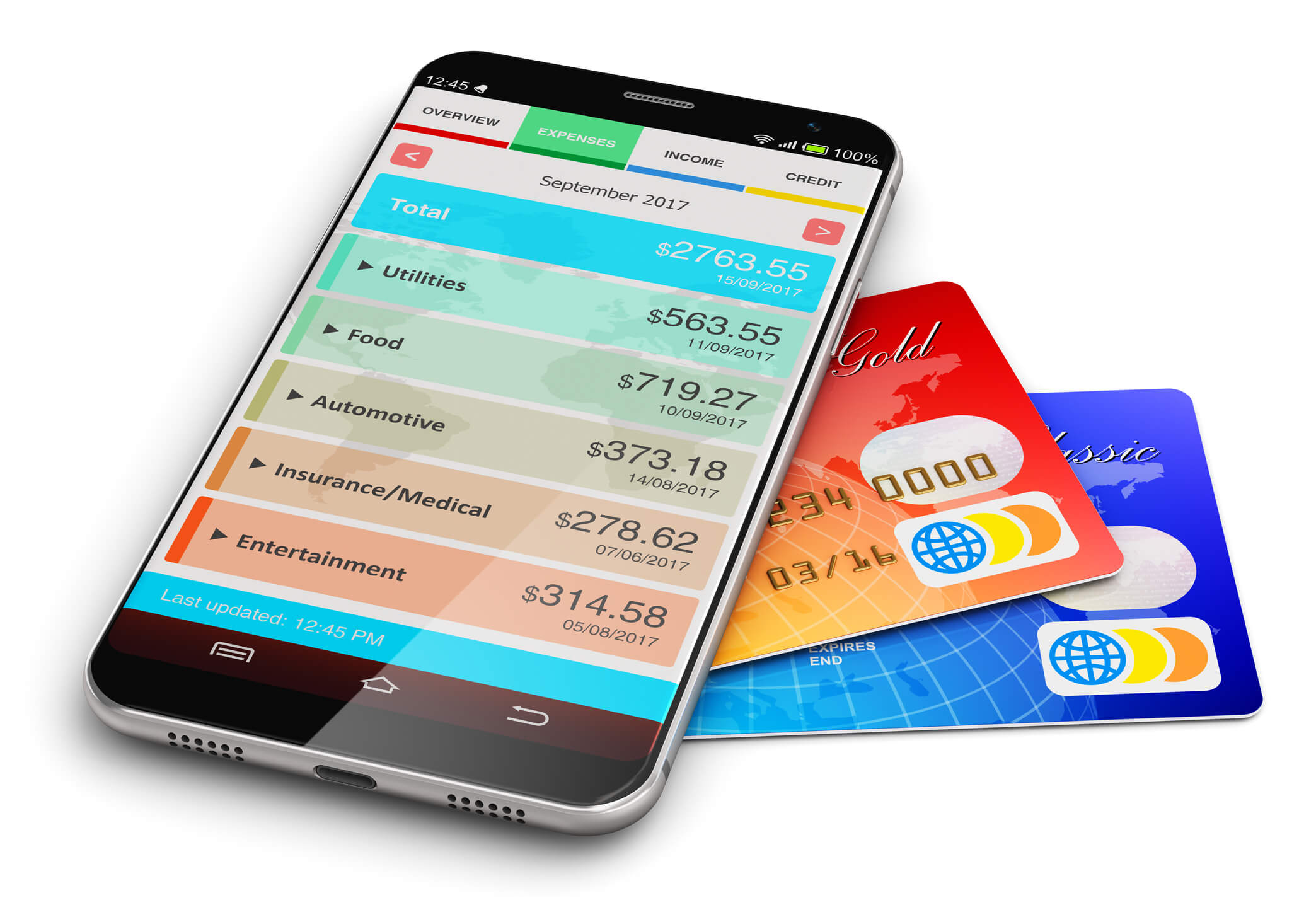
Wouldn’t it be awesome always to have enough cash to buy whatever you wanted? Few have the liberty and liquidity to turn this into reality with their efficient use of credit. If used wisely, credit can alter your life in ways you can’t even imagine by allowing you to afford the lifestyle of your choice. It can fund your dream house or help you buy that dream car. You can further renovate your home as you please and spend quality time with your friends and family. The possibilities are endless, provided you make wise credit decisions.
Why Efficient Use of Credit is a Very Good Thing
People use credit for different purposes, depending on their preferences. The goal is to fill the affordability gap, ultimately allowing you to live a blissful life. Using credit efficiently has far-reaching benefits beyond just affordability—responsible use of credit results in a positive credit history and good credit scores on your credit report. A good credit score means you qualify for better insurance rates, can open free accounts with smaller security deposits, and secure loans for your business or personal use. The responsible use of credit also shows your credibility to your employer, which eventually translates into career growth.
Understanding How Credit Works
Whether it’s a loan or a credit card, asking for credit means that a lender will look at your credit report for information about managing your finances. Even if you want to do business with another company, they will look at your credit report for clues and bookkeeping records. Your credit report includes your financial history and previous use of credit. Your creditworthiness is determined by your credit report by anyone lending you a loan or looking to do business with you.
Your credit history translates into credit scores that go up and down depending on your financial decisions. Any missing payment on a loan or credit card will result in deductions from your credit scores, while making timely payments will improve your scores. The ratings are the precise measure of your likelihood of paying back a loan. Therefore, lenders rely on them heavily.
Certain types of credits are revolving, such as credit card payments, and there is no fixed end date for repayment. A credit limit is set for using credit, and you can borrow up to that limit and then pay part of it back every month. Each month spent in addition to the payments, a specific interest rate is accrued.
How to Improve Your Use of Credit
Because all your financial decisions get converted into scores, all types of credit impact them. Making responsible financial decisions in the early stages of your life will have fruitful consequences in your future. Don’t waste a loan on things you can live without; always pay off your debt in time. Once you build up a solid credit history, you will have plenty of opportunities to do what you desire.
Review your credit reports and scores regularly to ensure your credit use is handled responsibly. Keeping track of your report will allow you to make informed decisions about your financial life. Here are some ways to build up your credit.
Paying off all your utility bills and similar payments on time each month can significantly amplify your creditworthiness. Set up automatic payments for these types of payments, so you don’t miss them.
Ensure your credit card debts and other revolving loans are regularly paid off. Keeping low credit card balances is always a good idea because unsecured credits are still more expensive than secured ones.
Pay attention to the use of credit for all types of credit. This attention shows the lender that you can efficiently manage different credit types, creating a responsible image.
Clever use of credit will elevate the standard of your life in all possible ways. Taking steps to improve your credit only leads to improving the quality of your life.
About Complete Controller® – America’s Bookkeeping Experts Complete Controller is the Nation’s Leader in virtual bookkeeping, providing service to businesses and households alike. Utilizing Complete Controller’s technology, clients gain access to a cloud platform where their QuickBooks™️ file, critical financial documents, and back-office tools are hosted in an efficient SSO environment. Complete Controller’s team of certified US-based accounting professionals provide bookkeeping, record storage, performance reporting, and controller services including training, cash-flow management, budgeting and forecasting, process and controls advisement, and bill-pay. With flat-rate service plans, Complete Controller is the most cost-effective expert accounting solution for business, family-office, trusts, and households of any size or complexity.
As more and more companies shift from traditional operations towards an IT infrastructure, the threat to privacy, identity theft, and online security risks are ever-increasing. Businesses must take precautions and security measures to tackle cybersecurity issues and enhance their online privacy and security.
Moreover, employees must follow company guidelines to protect user information from data theft. Data theft can be disastrous for employees as well as the customers of a company. Below are a few security measures businesses can take to ensure protection from data theft.
Using a VPN System
To secure the operations of a business, use a Virtual Private Network (VPN) to provide the business with additional security. VPNs allow access to the internet anonymously and encrypt all data traffic to and from the company servers.
As a result of the VPN, it becomes challenging for hackers to track the servers’ computers and locations. Good VPN providers send a security warning when someone from the company tries to access suspicious URLs to improve protection from data theft.
Firewalls
Like most businesses today, all devices will likely be connected to an internet connection. If so, hackers have probably surveyed the computer network at least once. Hackers do this randomly, but when they find a valid computer address, they exploit all vulnerabilities to access the system and individual computers on the network.
Installing a firewall is the best way to prevent this type of attack. Firewalls distinguish between distinct network segments, allowing only authorized traffic to access protected sections. The firewall examines every web data packet to ensure its legitimacy and filters seemingly suspicious data packets.
Take Precautions When Dealing with Portable Devices
If the business provides its employees with portable devices like smartphones and laptops, they must ensure they have installed the latest data protection features. Mobile devices are the most vulnerable to data theft and invasion of privacy. Often, these devices are stolen; hackers try to break into these devices to steal user data. The data could include essential details about the business and its clients.
The best option for businesses is to have an IT security company to provide them with secure measures to protect their portable devices in case of theft. IT security firms have experts capable of accessing the devices if they are stolen and attempting to retrieve the information safely.
Performing a Data Backup
Two types of backups will help protect data from identity theft and secure the users’ privacy. The first backup is performing a complete backup of all data. When performing a full backup, the data that requires a substitute is copied to a secure device. The second kind of backup is an incremental backup. In this type of backup, new data gets added to the previous backup since the last backup of your system.
Combining the two backup processes for more security is the most effective method. Perform a full periodic backup and an incremental backup every day. It is also possible to do a full backup every day.
It’s essential to verify that the backups are working correctly. It would be catastrophic to lose all data only to find that the backup systems are not working. To avoid this issue, set a restore point of the data to a new location. This preset will ensure the backup systems are working; the process can identify any problems during the backup procedure.
Different Ways to Back Up the Data
Data backup can be performed in various ways. You can put them on a physical device such as a USB flash drive or a second hard drive. You can also place them in a shared folder on the network. Additionally, you can also keep backups in a secure offsite location.
Cloud-Based Backup
Backing secure data to a specific physical site will not help in a natural disaster or theft. All companies should invest in a cloud-based backup system. A cloud system has several benefits, including giving complete access to data at any geographical location with added protection from data theft. Cloud systems ensure the privacy of the entire company, including employee and customer data protection.
About Complete Controller® – America’s Bookkeeping Experts Complete Controller is the Nation’s Leader in virtual bookkeeping, providing service to businesses and households alike. Utilizing Complete Controller’s technology, clients gain access to a cloud platform where their QuickBooks™️ file, critical financial documents, and back-office tools are hosted in an efficient SSO environment. Complete Controller’s team of certified US-based accounting professionals provide bookkeeping, record storage, performance reporting, and controller services including training, cash-flow management, budgeting and forecasting, process and controls advisement, and bill-pay. With flat-rate service plans, Complete Controller is the most cost-effective expert accounting solution for business, family-office, trusts, and households of any size or complexity.
Separate Business and Personal Finances for Greater Success
Separating business and personal finances means maintaining distinct bank accounts, credit cards, and financial records for your business operations versus personal expenses, creating clear legal and financial boundaries that protect both your assets and your sanity. This fundamental practice transforms chaotic financial management into streamlined systems that support growth, reduce tax liability, and position your business for sustainable success.
As the founder of Complete Controller, I’ve spent over 20 years working alongside businesses across every sector imaginable—from tech startups to established manufacturing firms—and I’ve witnessed firsthand how this single practice can transform a struggling operation into a thriving enterprise. In fact, businesses that properly separate their finances are 40% more likely to secure favorable lending terms and experience significantly less stress during tax season, according to recent SBA data. Today, I’ll share the exact framework we use to help our clients implement financial separation that not only protects their assets but actually accelerates their growth.
What does it mean to separate business and personal finances?
Maintaining completely distinct financial accounts, records, and transactions for business versus personal use
Protecting personal assets from business liabilities while preserving your business entity’s legal benefits
Simplifying tax compliance, maximizing deductible business expenses, and reducing audit risk by 50%
Creating accurate business budgeting and cash flow management systems that support strategic decisions
Building professional credibility with lenders, investors, and partners while developing independent business credit
Legal Protection That Actually Matters
The moment you mix business and personal finances, you’re playing Russian roulette with your personal assets. An empirical study analyzing 929 court cases found that judges pierced the corporate veil in 31.86% of cases where business owners commingled funds—meaning your home, savings, and retirement accounts suddenly become fair game for business creditors.
This protection extends beyond simple LLC formation paperwork. Courts examine actual financial practices when determining liability, and maintaining separate accounts serves as your first and strongest defense against personal exposure. Different business structures have varying requirements—corporations and LLCs must maintain separation by law, while sole proprietorships benefit from voluntary separation that prepares them for future growth.
Your business banking relationships should reflect your professional aspirations. When clients receive invoices from accounts bearing your business name rather than your personal name, it reinforces confidence in your organization’s stability. This professional presentation demonstrates commitment to proper business practices that stakeholders notice and value.
Tax Benefits That Pay for Themselves
Smart financial separation transforms tax season from a nightmare into a strategic advantage. The IRS announced plans to increase small business audits by 50% this year, making proper record-keeping more critical than ever. Mixed finances create red flags that trigger audits, as unclear expense categorization makes legitimate business deductions suspect.
Businesses with separated finances easily identify and document every legitimate deduction—from office supplies to professional development—potentially saving thousands annually. When expenses flow through dedicated business accounts, creating audit-ready documentation becomes automatic rather than arduous. Professional tax preparers consistently charge 30-40% less for businesses with clean financial separation, as they spend less time sorting through mixed transactions.
Maximizing deductions through strategic expense tracking
Every business expense paid from a personal account risks becoming a lost deduction. Proper separation ensures you capture deductions for:
Equipment and technology purchases
Professional services and consulting fees
Travel and entertainment expenses
Home office and utility allocations
Professional development and training costs
The compound effect of capturing all legitimate deductions while avoiding audit triggers creates immediate cash flow improvements that fund further growth initiatives.
Financial Clarity That Drives Better Decisions
Separated finances provide unprecedented visibility into actual business performance. According to NerdWallet’s 2023 survey, 96% of successful small business owners maintain dedicated business accounts, with 55% keeping $50,000 or more in business reserves—a direct result of clear financial visibility enabling better cash management.
This clarity transforms decision-making from guesswork into a data-driven strategy. You’ll accurately assess which products or services generate real profit, identify seasonal cash flow patterns before they create problems, and make informed decisions about expansion, hiring, or equipment investments.
Building sophisticated cash flow management
Bank of America data shows small business credit card balances rose throughout 2024, with larger businesses seeing 20% increases—but this growth reflected expansion rather than distress, demonstrating how separated finances support healthy scaling. Clean financial separation enables:
Accurate cash flow forecasting for seasonal businesses
Strategic reserve building for opportunities or challenges
Performance benchmarking against industry standards
Investment timing optimization for maximum returns
Implementation That Works in Real Life
Successfully separating finances requires systematic implementation beyond simply opening a business checking account. Start by obtaining an Employer Identification Number (EIN) and establishing dedicated banking relationships. Choose financial institutions that understand business needs and offer integrated services supporting growth.
One of our manufacturing clients came to us after three years of completely mixed finances. Despite strong revenue, they struggled with cash flow visibility and couldn’t secure equipment financing. Over six months, we implemented complete separation, including dedicated accounts, proper owner payroll, and systematic expense tracking. Results: $12,000 in recovered tax deductions, 150-point business credit score improvement, and a $50,000 equipment loan at prime rates.
The Federal Reserve’s 2024 Report reveals that 59% of small businesses actively sought financing last year, while 41% didn’t need external capital, with 63% of those citing sufficient internal funding. Proper financial separation directly correlates with this self-sufficiency, as clear finances enable better capital management and strategic reinvestment.
Technology tools that simplify separation
Modern cloud-based accounting platforms make financial separation nearly effortless. QuickBooks Online, Xero, and similar systems automatically categorize transactions, reconcile accounts, and generate real-time reports. Mobile apps ensure business transactions stay in business accounts while providing instant visibility for decision-making. Select tools that scale with your business while maintaining separation integrity across all platforms.
Advanced Strategies for Growing Businesses
Mature businesses benefit from sophisticated separation strategies beyond basic account division. Multiple account structures—operating, payroll, tax reserve, and capital accounts—provide granular control over different financial functions. This advanced separation supports complex operations while maintaining clarity for strategic planning.
Growing businesses preparing for expansion, acquisition, or investment must demonstrate financial sophistication through clean separation. Properly separated finances enable accurate valuation, streamline due diligence, and prove the financial controls necessary for successful growth initiatives. International expansion particularly demands robust separation systems to navigate multiple tax jurisdictions while maintaining compliance.
Supporting next-generation financial literacy
Teaching financial separation principles to young adults and new entrepreneurs establishes patterns supporting lifelong success. Early implementation prevents the formation of bad habits while building skills in budgeting, expense tracking, and strategic planning. These lessons extend beyond business into personal financial management, creating comprehensive financial literacy that benefits every life aspect.
Final Thoughts
After two decades of helping businesses transform their financial systems, I can say with absolute certainty that separating business and personal finances creates the foundation for everything else you want to achieve. Businesses that implement comprehensive separation early consistently outperform those that delay, experiencing better credit access, improved tax outcomes, enhanced legal protection, and significantly reduced stress.
The evidence speaks clearly: proper financial separation pays dividends through improved performance and peace of mind. Whether you’re just starting out or ready to scale, professional guidance accelerates implementation while ensuring optimal results. Visit Complete Controller to discover how our expert team can help you implement financial separation that transforms your business trajectory.
Frequently Asked Questions About Separating Business and Personal Finances
How long does it take to fully separate mixed business and personal finances?
Most businesses complete basic separation within 30-90 days, depending on transaction complexity. The process involves obtaining an EIN, opening dedicated accounts, and categorizing past transactions with professional help.
Can I transfer money between business and personal accounts if needed?
Yes, but only through proper channels like owner draws, salary, or documented loans. Random transfers without documentation can compromise your legal protection and create tax complications.
What’s the minimum revenue level that justifies maintaining separate finances?
Any revenue level justifies separation. Even side businesses earning a few hundred monthly benefit from clean records, simplified taxes, and preparation for future growth.
Do I need separate finances if I’m the only employee of my business?
Absolutely. Single-member LLCs and sole proprietorships gain the same legal, tax, and financial management benefits from separation as larger businesses.
Which business structure provides the best protection with separate finances?
LLCs and corporations offer the strongest liability protection when combined with proper financial separation, though all structures benefit from maintaining distinct business and personal accounts.
About Complete Controller® – America’s Bookkeeping Experts Complete Controller is the Nation’s Leader in virtual bookkeeping, providing service to businesses and households alike. Utilizing Complete Controller’s technology, clients gain access to a cloud platform where their QuickBooks™️ file, critical financial documents, and back-office tools are hosted in an efficient SSO environment. Complete Controller’s team of certified US-based accounting professionals provide bookkeeping, record storage, performance reporting, and controller services including training, cash-flow management, budgeting and forecasting, process and controls advisement, and bill-pay. With flat-rate service plans, Complete Controller is the most cost-effective expert accounting solution for business, family-office, trusts, and households of any size or complexity.
Jennifer BrazerFounder/CEO
Jennifer is the author of From Cubicle to Cloud and Founder/CEO of Complete Controller, a pioneering financial services firm that helps entrepreneurs break free of traditional constraints and scale their businesses to new heights.
Brittany McMillen is a seasoned Marketing Manager with a sharp eye for strategy and storytelling. With a background in digital marketing, brand development, and customer engagement, she brings a results-driven mindset to every project. Brittany specializes in crafting compelling content and optimizing user experiences that convert. When she’s not reviewing content, she’s exploring the latest marketing trends or championing small business success.
Real estate agents take on the hassle of searching for a suitable house for clients, based on their specific requirements, and charge a nominal fee for their services. Property owners looking to rent out their homes typically contact a real estate agent who then provides the details to interested clients.
Real estate agents know the real estate market of the area. Once a customer decides the place that suits them best, the agent shows it to them physically to ensure they meet the customer’s specifications. Agents dealing in properties have an idea of the schools, utility charges, public transportation, and other concerns related to the area that the customer is looking forward to buying or renting in.
The Role of a Real Estate Agent
When it comes to renting or selling your property, enlisting the help of a real estate agent can be a game-changer. With their expertise and know-how, they’ll work tirelessly to make sure your property is leased or sold within a timeframe that works for you. Not only that, but they’ll also advertise your property on their listings, and their commission is based on the property’s price, so you can rest assured that they’ll work hard to get you the best deal possible. It’s a win-win situation!
How to Find a Real Estate Agent
The first step is to determine where you will be renting or buying. Once established, look for a real estate agent that deals in that area. Here are some ways that you can find a real estate agent:
Meet real estate agents who are at open houses
Utilize the internet and search for various agents
Seek advice from friends and family who may recommend an excellent real estate agent
Search and contact firms that are advertising the homes in the area you are looking in
Partnering with a specialized real estate agent in the desired area is the top choice for the ultimate property-selling experience.
What to Look for in a Home
Here are some things that you will have to consider when you have finally decided on the real estate agent with whom you will be dealing. The agent shall help you with acknowledging the following:
The average rent of the area that you have agreed upon
The neighborhood of that area or household
The total distance and travel time to your workplace from the house
The schools that are available in that area
The various shopping malls/outlets nearby
The pharmacies or clinics located in that area
Ways that Real Estate Agents Make Renting a Property Easier
Are you on the hunt for a rental property? It can be a daunting task, but don’t worry! You have a secret weapon – real estate agents. They are here to help you every step of the way. Their goal is to fulfill your requirements to the fullest and find you a suitable and affordable place to live in your desired area. Trust us, they’re experts in negotiating with property owners, and they can guide you through the details of state laws, market conditions, and necessary qualifications for renting.
If you’re hesitant about their fees, don’t be! Paying the agent their desired fee means you can make your home search much more enjoyable and stress-free. They can offer you a wide range of options to choose from, saving you time and effort. Let them do the work for you, but also keep an open mind and stay vigilant throughout the process. With their help, you can find your dream home and enjoy the experience! Don’t let the stress of searching for a rental property get you down. Let a real estate agent take the lead and make the process a breeze.
About Complete Controller® – America’s Bookkeeping Experts Complete Controller is the Nation’s Leader in virtual bookkeeping, providing service to businesses and households alike. Utilizing Complete Controller’s technology, clients gain access to a cloud platform where their QuickBooks™️ file, critical financial documents, and back-office tools are hosted in an efficient SSO environment. Complete Controller’s team of certified US-based accounting professionals provide bookkeeping, record storage, performance reporting, and controller services including training, cash-flow management, budgeting and forecasting, process and controls advisement, and bill-pay. With flat-rate service plans, Complete Controller is the most cost-effective expert accounting solution for business, family-office, trusts, and households of any size or complexity.
Everyone hopes they will never have to face the problem of filing for bankruptcy. It is a big decision that can hurt someone financially for a long time. If you are in a situation and considering bankruptcy, you should know that there are many other options to try before taking the final plunge. If you are afraid that you might head in that direction, there are quite a few things you can do to change your situation.
Cost Management
In a situation when you are considering bankruptcy, you might want to take a look at your expenditures. Marking differences between needs and luxuries will help a lot in understanding how much you can cut down on your spending. In today’s world, where purchases through credit cards are rampant, and other loans such as mortgages, rents, and significant investments are standard, one can easily spend way more than they are earning. You may also be paying a lot of discretionaryexpenses, such as having a premium service for something you can get for less or even free.
Establishing a proper budget and bookkeeping to calculate your income to expense ratio will allow you to see the things you can exclude from your expenses. One of the first things you should look at is subscription or membershipservices that you don’t use very often. For example, gym/pool memberships. If matters are critical, consider canceling the services that you identify as a luxury. You’d be surprised by how much you can save with just a few changes. Better yet, they might be able to help you delay your decision in filing for bankruptcy.
Do Not Accumulate More Debt
This advice is crucial in avoiding bankruptcy. It would help if you stopped spending beyond your means. Stop using credit cards as doing so will help a lot in getting back on track financially. Your primary focus should be on paying off your credit card bills as soon as possible to avoid building up interest.
Avoid applying for any loans such as home equity or car loan, which may cause your credit score to drop, which can worsen your financial situation. If you must take out a loan, consider checking your credit score before making the decision. Prioritizing the repayment of loans and debt in your budget is vital. Make a plan that will help you repay your loans quickly so that you don’t get burdened by higher interest fees.
Increase your Income
This increase might not be possible for many people, but squeezing in a weekend or part-time side job can help a lot in streamlining cash flow. The extra cash can go towards the repayment of debt. Freelancing is pretty trendy these days and, if you have the skills, you can make money to put towards solving your financial issues. Other side jobs, such as waiting tables or driving your car with Uber, can also help you out.
Try Negotiating with your Creditors
Reach a compromise with your creditors on the repayment plan for your debt. Extending the date of maturity or restructuring the entire payment plan can help you get out of the financial crisis you are facing. Try reaching an agreement before consulting a bankruptcy lawyer. Once you reach an agreement, however, get it in writing to be safe if the creditor acquiesces.
Get Professional Help
Consult multiple legal and financial professionals before filing for bankruptcy. At a bare minimum, consult a debt relief attorney alongside a bankruptcy attorney to get the entire picture. Speak to your accountant or bookkeeper to get an even clearer idea. These professionals might also help you find other ways to get out of debt and weigh the advantages and disadvantages of each decision.
Create an Emergency Fund
If you have solved your bankruptcy dilemma, this is the best time to invest in a savings account or emergency fund. Both of these will help you if you run into any financial issues in the future.
Keep the repayment of loans prioritized until you have eliminated them and try not to get new loans that can hurt your credit rating or financial situation. Continue saving up for times when you might be very much in need of money.
About Complete Controller® – America’s Bookkeeping Experts Complete Controller is the Nation’s Leader in virtual bookkeeping, providing service to businesses and households alike. Utilizing Complete Controller’s technology, clients gain access to a cloud platform where their QuickBooks™️ file, critical financial documents, and back-office tools are hosted in an efficient SSO environment. Complete Controller’s team of certified US-based accounting professionals provide bookkeeping, record storage, performance reporting, and controller services including training, cash-flow management, budgeting and forecasting, process and controls advisement, and bill-pay. With flat-rate service plans, Complete Controller is the most cost-effective expert accounting solution for business, family-office, trusts, and households of any size or complexity.
The IRS issued temporary and final regulations on July 18th, 2017, updating the due dates and rules that define extensions (such as the time to file tax returns). The regulations apply to returns filed on and beyond July 20th, 2017. Much of the statutory changes were in effect from December 31st, 2017. Such changes supersede the final regulations.
In 2015, Congress passed many bills that incurred statutory changes, summarized within these final regulations. The statements contained provisions that were unrelated to or affected by the main bill. The two bills that did so were “Surface Transportation and Veterans Health Care Choice Improvement Act of 2015” and “Protecting the Americans from Tax Hikes Act of 2015”.
If there is a case when a filing due date (for regular taxes) falls on a non-business day (such as a Sunday, Saturday, or a Public Holiday), the due date is postponed to the next business day. 2016 saw an adjustment in many of the due dates for filing because of this rule. These dates include:
Individual and FBAR Due Date
Form 1041 Due Date
Partnership Extended Due Date
Form 1041 Extended Due Date
C Corporation Due Date
Tax Returns for 2017 That are to be Reported in 2018
W-2 Forms, submitted either electronically or by mail, are due by January 31st.
Partnership businesses are supposed to fill out Form 1065, and S Corporations must submit Form 1120S. Both of these are due on March 15th. The deadlines for these can be extended up until September 17th.
Trusts and estates must submit Form 1041. Form 1120, which has to be provided by C Corporations, must be submitted by April 17th. These can be extended up until October 1st and October 15th, respectively.
Tax-exempt organizations are due to submit the Form 990 Series by May 15th. The extended due date for this form is November 15th.
The Form 5500 Series, which is supposed to be submitted for the Employee Benefit Plan, is due on July 31st, with the extended due date being November 15th.
The following is accurate for the corporations and businesses that file according to Fiscal Years.
Filer Type
Due Date (Counted after End of Fiscal or Plan Year)
S Corporations and Partnerships
The Fifteenth Day of the Third Month
C Corporations
The Fifteenth Day of the Fourth Month
Employee Benefit Plan
Last Day of The Seven Month
It is essential to check the due dates for tax returns in the states relevant to you because, sometimes, the due dates set by individual states may differ from the federal due dates for filing.
Changes That You Should Be Aware Of
Form 1065 Filers (Partnerships) are getting a more extended extension period, up to 6 months. Previously, they were able to have a five-month extension.
Form 1041 Filers (Trusts and Estates) have a maximum extension of 5 ½ months, granting them a two-week longer limit of extensions than the threshold for previous rules.
The Report regarding Employee Benefit Plans will be getting an automatic extension to a maximum of 3 ½ months.
Reporting of Data on Financial and Foreign Bank Accounts will have the same due date as Individual Form 1040, with an extension of up to 6 months. The convenience provided by this change is the alignment of the Individual and FBAR filing. The IRS can waive the penalty for failure to file a request for an extension in time.
The automatic extension for those filing the 990 Series (i.e., Tax Exempt Organizations) will be a six-month extension rather than the former three-month automatic extension.
Conclusion
When filing taxes for a new year, you should study the latest tax information. If in doubt, hire a tax professional. These accounting specialists will be up-to-date on all the latest tax codes and information. They will also be able to get you the lowest tax debt possible.
You can use tax software if you cannot afford a tax specialist. Do your research before filing your taxes, whether you use a professional or do it yourself.
About Complete Controller® – America’s Bookkeeping Experts Complete Controller is the Nation’s Leader in virtual bookkeeping, providing service to businesses and households alike. Utilizing Complete Controller’s technology, clients gain access to a cloud platform where their QuickBooks™️ file, critical financial documents, and back-office tools are hosted in an efficient SSO environment. Complete Controller’s team of certified US-based accounting professionals provide bookkeeping, record storage, performance reporting, and controller services including training, cash-flow management, budgeting and forecasting, process and controls advisement, and bill-pay. With flat-rate service plans, Complete Controller is the most cost-effective expert accounting solution for business, family-office, trusts, and households of any size or complexity.
The end of the year is always marked by the impending task of reviewing and filing your taxes. The earlier you file your returns, the fewer worries you have about the tax deadline.
You might be wondering about the necessary documents related to the filing process. The more information you provide to your accountant, the more streamlined the filing process will be. There are certain documents that you need to have. Here is a list of them to make filing your taxes more accessible and less confusing for you.
Identification Details
Your accountant must possess the required documents necessary to verify your identity. Your social security card will need to be provided. You must know the social security numbers of your family members.
To claim dependents on your tax returns, you must provide social security numbers along with the date of birth and full names of each family member. There is a necessity for these details to be accurate so that the Internal Revenue Service (IRS) accepts your application. Statistically speaking, hundreds of thousands of applications get sent back because the names and social security numbers do not match. To make everything smoother, you can include a secondary form of identity verification, such as a driver’s license or any other state-issued photo ID.
Most Recent Tax Return
You will need a copy of your most recent tax return. If you are working with a new accountant, this will help them better understand specific information and deductions. You can also find any discrepancies that might exist in your previous year’s tax statement.
Salary Statements
You should get a tax statement Form W-2 from your employer if you are currently working somewhere. If you do not get this form before January 31, consult your employer to avoid complications. Contractors and freelancers are entitled to receive Form 1099-MISC from the clients for which they have worked. You should bring all such forms to your accountant to include this information in the returns they file.
Any Other Statements That Highlight Income
If you have accrued any other additional income during the year, you should also bring this information to your accountant. Interests you get from fixed deposits, dividends from investments, and welfare income are all a part of your additional income. You should bring all this information to your accountant to complete the details for the returns. You can also consult your tax preparer to know which information is relevant for filing.
Property Details
You can become eligible for many tax deductions regarding your own real estate. You should provide all information and documents to your accountant, which outlines your properties. These include the proof of paid real estate and mortgage, personal property taxes, home purchases, and the interest paid on home equity loans. All this information is relevant when it comes to filing returns.
Expenses
You may not know what expense information will be relevant to your tax returns. It is always a good idea to save your receipts and invoices. Other proof of expenses such as charitable donations, education expenses, medical bills, Individual Retirement Account (IRA) contributions, expenses incurred while finding a job, and so much more can significantly impact your filing and potential return. The more expense information you provide to your accountant, the better.
Come Prepared
Filing your tax return can get confusing, and the process can become increasingly frustrating. It is better to have an accountant handle your tax returns, especially if you have many avenues of revenue and expenses. Take this information to an experienced professional, and you will be able to save yourself from the hassle and headache.
About Complete Controller® – America’s Bookkeeping Experts Complete Controller is the Nation’s Leader in virtual bookkeeping, providing service to businesses and households alike. Utilizing Complete Controller’s technology, clients gain access to a cloud platform where their QuickBooks™️ file, critical financial documents, and back-office tools are hosted in an efficient SSO environment. Complete Controller’s team of certified US-based accounting professionals provide bookkeeping, record storage, performance reporting, and controller services including training, cash-flow management, budgeting and forecasting, process and controls advisement, and bill-pay. With flat-rate service plans, Complete Controller is the most cost-effective expert accounting solution for business, family-office, trusts, and households of any size or complexity.
As a small business owner, you have a lot on your plate, but we know that you’re up for the challenge! We understand that keeping track of inventory can be overwhelming, but it’s crucial for the success of your business. By monitoring your stock levels and scheduling orders, you can avoid the stress of overselling or running out of stock. Thankfully, inventory management software can make this process a breeze, giving you more time to focus on growing your business with confidence.
Inventory management software can allow you to focus on other, more critical aspects of your business. This software should be able to:
Give you an alert when any particular product is low
Track sales and adjust the number of products in stock
Record and display customerinformation in an organized manner
Update any product requirements upon the receipt of new orders
Provide sales and purchase data that can be used for bookkeeping purposes
When choosing the right inventory software, many different factors must be considered. When it comes to utilizing the services of software in your business, the process of trial and error is not always feasible. A few factors to consider when choosing the right inventory management software include ease of user interface, accessibility of the software, accurate data representation, etc.
The two main criteria of our Top 5 list below are accuracy and efficiency. Any quality inventory management software should be able to report your inventory accurately. Furthermore, it should have a user-friendly interface that allows you to easily utilize its services and features. The primary purpose of inventory management software is to track your inventory easier. It serves no purpose if it only further complicates the process.
Another aspect of inventory management software is Product Importing. Reputable inventory software makes adding new products to your stock an easy and accurate process. A bar code is one of the most common ways to import products into the system. Still, recent innovations in product logistics give modern software the ability to import through CSV files and other methods.
Finally, the decision of which inventory management software to use for your business depends on your business’s requirements. Warehouses and stores each have different requirements when it comes to inventory software. Similarly, the means by which you sell your products also impacts what you may need from your inventory management software.
The Final Verdict – Top 5 Inventory Management Software
Fishbowl
This software is one of the best inventory software on the market. It is an especially good choice for warehouse businesses, although it also works for smaller companies. It is also QuickBooks-compatible and is endorsed by Intuit as a leader in inventory software.
inFlow
The software inFlow has proven to be the most reliable, user-friendly, and cost-saving software to manage your inventory, sales, and purchases all through one app. It has streamlined manual purchasing and allows you to organize your inventory system with ease. This inventory management software provides a user-friendly interface, amongst other helpful attributes.
TradeGecko
This software is exceedingly efficient when it comes to product importing. It is also known for having a fantastic user interface. TradeGecko organizes your products, orders, payments, customers, and insights, all in one secure system.
Odoo
Odoo allows your inventory to be smoothly integrated into all other parts of your business. It tracks every stock move, from purchase to warehouse bin to sales order, and traces your outputs upstream or downstream from anywhere in your supply chain.
Inventoria
This software is one of the more cost-effective options for inventory management software. Inventoria is professionalinventorystockmanagementsoftware for Windows that allows you to manage your inventory in one or several locations. It facilitates the organization of your stock levels by categories, locations, and vendors.
About Complete Controller® – America’s Bookkeeping Experts Complete Controller is the Nation’s Leader in virtual bookkeeping, providing service to businesses and households alike. Utilizing Complete Controller’s technology, clients gain access to a cloud platform where their QuickBooks™️ file, critical financial documents, and back-office tools are hosted in an efficient SSO environment. Complete Controller’s team of certified US-based accounting professionals provide bookkeeping, record storage, performance reporting, and controller services including training, cash-flow management, budgeting and forecasting, process and controls advisement, and bill-pay. With flat-rate service plans, Complete Controller is the most cost-effective expert accounting solution for business, family-office, trusts, and households of any size or complexity.
A POS or Point of Sale system is essentially a system that eases the payment process of a company or retail store. It is made up of software that is used for recording all of the details of each sale as it occurs, all the while updating the inventory records and providing customer management features that enable easy running of your store. It generates reports for you to analyze your sales data quickly. The hardware of a POS system may consist of a bar code scanner, cash drawer, receipt printer, order puncher, and other peripheral equipment based on your particular needs.
How to Determine the Best Point Of Sale Systems?
The best POS System is affordable, user-friendly, and capable of more functions than simply processing your sales and accepting payments while printing receipts. A sound POS system includes features that save time and help you manage your enterprise or business more quickly. These features may allow you to analyze your sales data with a click. It enables you to manage your inventories, staff, and customers. A sound POS system would also include integrated email marketing and other features to enhance sales and support your operations by saving your time and growing your business.
Features to Look for in POS Systems
You must buy the most efficient POS system to benefit your business and help it grow. Though the features of a point-of-sale system may vary from one industry to another, the basics of the features remain the same. Look at the top features necessary for you to look at before you buy a POS system for your business.
Employee management
Your POS systems should allow you to set up your employees’ schedules, assign them duties and permissions, and keep track of their tasks, enabling them to use the software to mark their time in and time out.
Inventory management
The inventory management feature allows you to regularly check the levels of your stocks while receiving notifications and alerts when the stores are replenished and ending, respectively. Especially in restaurants and cafes, the inventory trackers in Point of Sale systems are beneficial as the system reduces your time wasted in manually counting the stocks available.
Offline mode
Almost all POS systems are cloud-based. They come with a feature that allows access to the POS system even when it is offline and when the internet is down. However, the amount of functionality that can be used is limited when the system is offline and varies between POS and POS.
E-Commerce integration
The best POS systems come with the capability to connect to an e-commerce platform at the backhand. This ease depends on the type of e-commerce platform you are connected to.
CRM capabilities
Almost every new POS system has a feature that adds related customer information and other marketing tools to maintain contact with customers and check customer feedback and recurrence to your business. This information could be used to build solid business-to-customer relationships and enhance your business through effective customer interactions.
Purchase order management
Point of Sale Systems also has a feature that allows customers to submit their purchase orders (PO), similar to the invoices that a buyer usually sends to the seller. The PO management system would further allow you access to process all of the orders and maintain a clean digital record.
Bookkeeping
The Best POS Systems come with built-in bookkeeping features, providing you with glance reports to analyze the current standing of your business situation.
How Would a POS System Benefit Your Business?
Your business would benefit from a good POS System in multiple ways. It makes your transactions and sales easier and allows you to manage things better with great ease by saving you time going through lengthy procedures and helping you make timely decisions.
Following are some ways that you and your business would benefit from a point-of-sale system.
Saves money
A POS System helps you to multitask and tend to your sales, accounting, customer engagement, and store management all from a single place, saving you money from different charges and resources you would have otherwise hired.
Saves time
Do things quickly and efficiently by performing all crucial tasks from a single POS System.
Reduces waste and theft
The Best POS systems provide detailed insights into all the essential things concerning a business owner. The tracking of inventory and financial records vastly reduces waste and theft.
About Complete Controller® – America’s Bookkeeping Experts Complete Controller is the Nation’s Leader in virtual bookkeeping, providing service to businesses and households alike. Utilizing Complete Controller’s technology, clients gain access to a cloud platform where their QuickBooks™️ file, critical financial documents, and back-office tools are hosted in an efficient SSO environment. Complete Controller’s team of certified US-based accounting professionals provide bookkeeping, record storage, performance reporting, and controller services including training, cash-flow management, budgeting and forecasting, process and controls advisement, and bill-pay. With flat-rate service plans, Complete Controller is the most cost-effective expert accounting solution for business, family-office, trusts, and households of any size or complexity.
Best Budgeting Apps: Top Picks to Save More in 2026
The best budgeting apps in 2026 are YNAB, PocketGuard, Monarch Money, Goodbudget, Quicken Simplifi, EveryDollar, and Honeydue—each one syncs with your bank accounts, sorts your spending into categories, and helps you hit savings goals based on how you actually live and earn. The “right” pick depends on whether you’re a hands-on planner, a set-it-and-forget-it spender, a beginner, or a couple managing shared and separate money.
After two decades leading Complete Controller and reviewing thousands of personal and small business budgets, I can tell you the app itself rarely makes or breaks your financial life—your willingness to open it does. Here’s a striking truth: U.S. consumers pay around $32 a month on “unwanted” subscriptions they forgot they had, according to C+R Research. In this guide, I’ll walk you through the top picks, the features that actually move the needle, a 30-day setup plan, and how to know when it’s time to bring in a pro.
What are the best budgeting apps and how do you choose the right one?
The best budgeting apps are YNAB, PocketGuard, Monarch Money, Goodbudget, Simplifi, EveryDollar, and Honeydue; the right one depends on your income style, tech comfort, and whether you budget solo or with a partner.
Top budget tracking apps automatically pull transactions from your bank and cards so you stop guessing where your money goes.
Some personal finance management apps plan every dollar (YNAB, EveryDollar); others tell you “what’s safe to spend today” (PocketGuard).
For couples and families, envelope budgeting tools like Goodbudget and shared apps like Honeydue cut down on miscommunication.
Free apps cover the basics, while premium money management software unlocks net worth tracking, forecasting, and deeper financial planning.
The Best Budgeting Apps in 2026 at a Glance
Before we go deep, here’s a quick lineup so you can spot your match fast. Each of these has earned its place on lists from NerdWallet, Experian, and Kiplinger, but I’ve matched them to real personalities I see at Complete Controller every week.
YNAB – Best personal finance app with budgeting for active planners and debt payoff.
PocketGuard – Best app that syncs with bank accounts for “what’s safe to spend” simplicity.
Monarch Money – Best for goal-focused users wanting net worth and financial planning.
Goodbudget – Best budgeting app for beginners who like digital envelopes.
Quicken Simplifi – Best all-in-one money management software.
EveryDollar – Best for guided, zero-based monthly budgets.
Honeydue – Best long tail budgeting app for couples with shared and separate accounts.
How Budgeting Apps Actually Help You Save More
Most articles list features. I want to show you why those features change behavior—because behavior is what saves money.
Why budget tracking apps beat spreadsheets
A budgeting spreadsheet can work beautifully…for about three weeks. Then the manual entry catches up to you. Modern apps remove that friction entirely.
Bank account aggregation: Apps sync checking, savings, and credit cards automatically so transactions land in one dashboard.
Real-time monthly budgeting tool: You see overspending mid-month, not after the damage is done.
Behavior nudges: Color-coded alerts and “remaining to spend” prompts quietly steer better decisions.
From passive tracking to active money management
An expense tracker with categories does more than report—it reveals leaks. One that I see constantly with clients: subscription creep. Subscription-tracking features inside apps like Simplifi and Rocket Money can surface that $32-a-month average waste flagged by C+R Research and help you cancel it in minutes.
Goal-based tools take it further. Monarch and YNAB let you build sinking funds for travel, emergencies, and debt payoff—each one fed monthly with automated savings rules.
YNAB: The Best Budgeting App for Debt Payoff
YNAB earns its loyal following because it treats your money like employees—every dollar gets a job before payday ends.
How YNAB works as a personal finance app with budgeting
YNAB uses zero-based budgeting, which the Consumer Financial Protection Bureau recommends as a savings-boosting method. You assign every dollar to bills, goals, debt, or fun before spending. As a bank transaction sync budgeting app, YNAB connects with most major banks, and you approve transactions to stay aware.
A Financial Times profile highlighted one couple who paid off $12,000 of debt in 10 months using YNAB’s method—proof that intention beats income when it comes to debt freedom.
Who YNAB is right for
Best for engaged users, debt-payoff warriors, and those with variable income. Skip it if you want minimal weekly involvement.
A budgeting app tracks your money. Complete Controller helps you make smarter decisions with it.
PocketGuard, Goodbudget, and Honeydue: Simple Apps for Specific Lives
Not everyone wants a financial dashboard. Some readers want one number, one envelope, or one shared screen with their partner.
PocketGuard – The “in my pocket” approach
PocketGuard calculates what’s safe to spend after bills, goals, and savings. It’s a fantastic budget tracking app for people who hate spreadsheets and just want a green light each morning.
Goodbudget – Envelope budgeting for families
Goodbudget brings the cash-envelope method into your phone. Shared envelopes let couples coordinate without merging logins—huge for transparency.
Honeydue – The long tail budgeting app for couples
According to The New York Times, money is one of the top stressors in relationships. Honeydue lets each partner choose which accounts to share, includes built-in chat around transactions, and works as a budgeting app with recurring bills tracking so nothing slips past due.
Monarch, Simplifi, and EveryDollar: Big-Picture Money Management Software
These apps are for readers who’ve outgrown the basics. They combine budgeting, bill tracking, goals, and investments into one cockpit.
When to upgrade from free budgeting apps with insights
Free tools like Credit Karma and Chime are great starters. But you’ll outgrow them once you’re tracking multiple investment accounts, planning multi-year goals, or want true net-worth visibility. Premium money management software usually runs $10–$15 a month—often paying for itself the first time it prevents an overdraft. The CFPB reports the typical overdraft fee runs $35 per item. Avoid two of those, and your subscription is already in the black.
A 30-Day Plan to Make Any Budgeting App Actually Work
Downloading the app is the easy part. Here’s the rollout I recommend to every client.
Connect and clean: Link all accounts, verify bank account aggregation, and import 60–90 days of history. Rename generic categories to match your real life.
Track without judgment: No big changes. Just watch where the money actually flows.
Spot the leaks: Identify three categories where you’re overspending. Cancel one subscription. Set one savings goal.
Build your real budget: Set category limits based on your actual habits, turn on alerts, and schedule a 15-minute weekly review.
When to Bring in a Human (Hint: It’s Sooner Than You Think)
Apps are powerful budget tracking apps, but they don’t interpret tax risk, retirement strategy, or business cash flow. They report. You—and your bookkeeper—decide. I’ve watched countless clients double their savings rate the moment they pair an app with a professional who can translate patterns into smart decisions. Reconciling regularly matters too—here’s why that monthly habit pays off.
Final Thoughts from a Founder
After two decades helping people and business owners untangle their finances, I’ll tell you the secret no app developer can sell: the best budgeting apps are the ones you’ll actually open every week. YNAB, PocketGuard, Monarch, Goodbudget, Simplifi, EveryDollar, and Honeydue can all change your financial life when paired with intention and a simple weekly routine.
Pick one. Give it 30 honest days. Then, when you’re ready to turn your digital budget into a long-term wealth strategy, visit Complete Controller and let my team help you build the financial confidence you deserve.
Frequently Asked Questions About Best Budgeting Apps
What is the best app to use for budgeting?
There’s no universal winner, but YNAB, PocketGuard, Monarch Money, Goodbudget, Simplifi, EveryDollar, and Honeydue consistently top the lists. YNAB is best for active planners and debt payoff; PocketGuard for simplicity; Honeydue for couples.
Are budgeting apps really worth it?
Yes—if you use them. Apps that prevent two $35 overdraft fees or cancel $30/month in forgotten subscriptions already pay for themselves and then some. The value is in the behavior change, not the dashboard.
What’s the best free budgeting app with insights?
Credit Karma and Chime offer solid free expense tracker features with categorization and balance alerts. Goodbudget’s free tier is excellent for beginners learning envelope budgeting.
Which budgeting app is best for couples?
Honeydue leads for couples who want flexibility around shared and separate accounts. Monarch Money and YNAB are strong runner-ups for couples who fully merge finances.
Do budgeting apps actually help you pay off debt?
Absolutely. Zero-based apps like YNAB and EveryDollar are designed for debt payoff. The Financial Times profiled one couple who used YNAB to pay off $12,000 in just 10 months—proof that an intentional system beats willpower.
About Complete Controller® – America’s Bookkeeping Experts Complete Controller is the Nation’s Leader in virtual bookkeeping, providing service to businesses and households alike. Utilizing Complete Controller’s technology, clients gain access to a cloud platform where their QuickBooks™️ file, critical financial documents, and back-office tools are hosted in an efficient SSO environment. Complete Controller’s team of certified US-based accounting professionals provide bookkeeping, record storage, performance reporting, and controller services including training, cash-flow management, budgeting and forecasting, process and controls advisement, and bill-pay. With flat-rate service plans, Complete Controller is the most cost-effective expert accounting solution for business, family-office, trusts, and households of any size or complexity.
Jennifer BrazerFounder/CEO
Jennifer is the author of From Cubicle to Cloud and Founder/CEO of Complete Controller, a pioneering financial services firm that helps entrepreneurs break free of traditional constraints and scale their businesses to new heights.
Brittany McMillen is a seasoned Marketing Manager with a sharp eye for strategy and storytelling. With a background in digital marketing, brand development, and customer engagement, she brings a results-driven mindset to every project. Brittany specializes in crafting compelling content and optimizing user experiences that convert. When she’s not reviewing content, she’s exploring the latest marketing trends or championing small business success.







 About Complete Controller® – America’s Bookkeeping Experts Complete Controller is the Nation’s Leader in virtual bookkeeping, providing service to businesses and households alike. Utilizing Complete Controller’s technology, clients gain access to a cloud platform where their QuickBooks™️ file, critical financial documents, and back-office tools are hosted in an efficient SSO environment. Complete Controller’s team of certified US-based accounting professionals provide bookkeeping, record storage, performance reporting, and controller services including training, cash-flow management, budgeting and forecasting, process and controls advisement, and bill-pay. With flat-rate service plans, Complete Controller is the most cost-effective expert accounting solution for business, family-office, trusts, and households of any size or complexity.