Understated Cost of Goods Sold

Understate Cost of Goods Sold:
Cut Hidden Costs

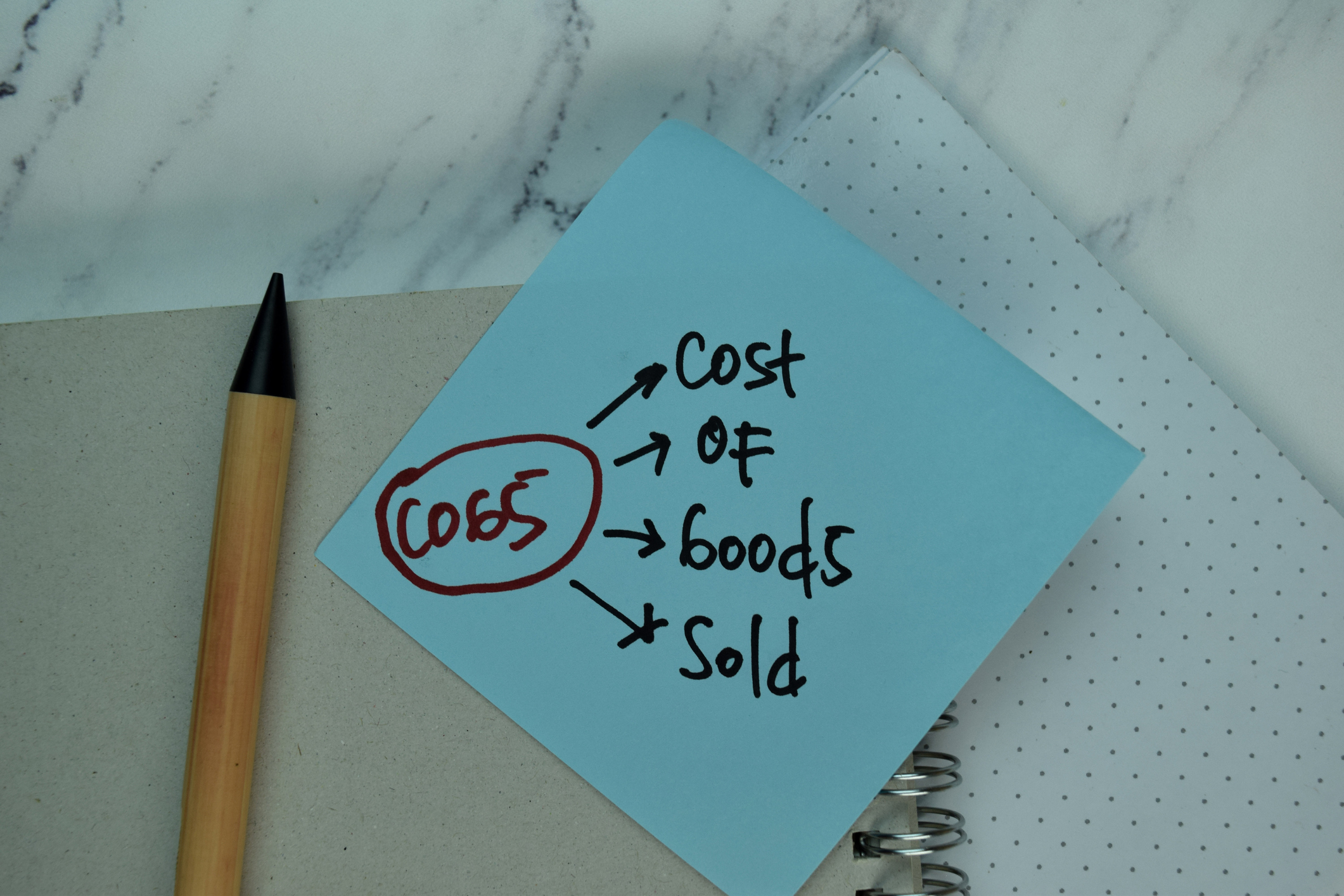
Understated cost of goods sold happens when you miss or misclassify real production and fulfillment costs—making your COGS look artificially low, your gross margin look better than reality, and your operational waste harder to see and eliminate. To fix it, you need to reclassify hidden costs (like freight-in, scrap, rework, and 3PL fees) into COGS, correct any inventory misstatements, and rebuild your COGS calculation using GAAP-compliant categories for direct materials, direct labor, and manufacturing overhead.

Here’s what surprises most founders I work with: overstating ending inventory by just 5% can inflate reported net income by double digits, quietly distorting every pricing, hiring, and marketing decision you make. Over my 20+ years leading Complete Controller, I’ve reviewed thousands of income statements across ecommerce, manufacturing, CPG, and services—and I can tell you that “beautiful” margins are often the loudest warning sign in the room. In this article, I’ll walk you through how to spot buried costs, correct your cost of goods sold statement, and build an operational rhythm that turns honest numbers into real profit. You’ll leave with a founder’s playbook, a 90-day plan, and the confidence to face your COGS head-on.

What is understated cost of goods sold and how do you fix it?

  • The short answer: Understated COGS means missing direct materials, direct labor, or manufacturing overhead in your calculation—fixed by reclassifying costs, correcting inventory values, and applying GAAP COGS compliance.
  • Understated COGS inflates gross margin, making unhealthy SKUs look profitable and distorting pricing decisions.
  • Inventory misstatement is the #1 driver—overstated ending inventory automatically creates under-stated COGS and overstated profit.
  • Hidden costs live in SG&A when they belong in COGS: freight-in, 3PL pick/pack fees, scrap, rework, and obsolete stock.
  • The fix is both accounting and operational—clean up your chart of accounts, then use accurate data to cut true waste. Cubicle to Cloud virtual business

What Does “Understated Cost of Goods Sold” Really Mean for Your Business?

Cost of goods sold is the total of all direct costs tied to producing or acquiring the goods you sold in a period—materials, production labor, and manufacturing overhead. When any of those buckets leaks out of COGS and lands in SG&A or operating expenses, your COGS is understated and your gross margin looks better than the truth.

The problem isn’t just cosmetic. Understated COGS overstates net income, overstates inventory assets on your balance sheet, and creates real financial reporting risk under GAAP. When banks, investors, or a future acquirer dig in, restatements get ugly fast.

Cost of goods sold analysis: Seeing beyond the income statement

A basic cost of goods sold analysis (Beginning Inventory + Purchases – Ending Inventory) tells you almost nothing about why your margins move. Operators need COGS broken down by SKU, channel, location, and time period so anomalies pop out.

  • Track COGS as a percentage of revenue monthly, not just quarterly
  • Compare unit costs across suppliers, batches, and fulfillment channels
  • Flag any SKU where gross margin swings more than 3 points without a price change

COGS calculation basics every founder must understand

Retailers use: COGS = Beginning Inventory + Purchases – Ending Inventory. Manufacturers use: COGS = Direct Materials + Direct Labor + Manufacturing Overhead. Simple formulas—messy execution.

Under U.S. GAAP, “freight-in” (inbound shipping on inventory) is part of inventory cost, not a period expense (Kieso, Weygandt, and Warfield, Intermediate Accounting, 2019). When companies book freight-in to SG&A instead, they understate COGS and overstate gross margin—one of the most common mistakes I see in growing product businesses.

Hidden costs shouldn’t hide your profits. See how Complete Controller helps businesses uncover the numbers that matter.

How Understated Cost of Goods Sold Distorts Gross Margin and Decisions

When your gross margin is inflated, everything downstream breaks quietly. You over-fund marketing on losing SKUs, underprice products, hire too aggressively, and misread which channels are actually profitable.

The scariest part? These decisions compound. By the time cash flow signals something is wrong, you’ve spent months (or years) scaling the wrong things.

The impact of inaccurate inventory valuation on COGS and profit

Here’s the classic red flag: if ending inventory is overstated, COGS is understated and income is overstated. The reverse is also true—understated ending inventory overstates COGS and understates income (Stice, Stice, and Skousen, Financial Accounting, SPSCC Open Text). This inverse relationship is the single most important concept in inventory accounting.

GAAP COGS compliance and financial reporting risk

GAAP requires that all costs necessary to bring inventory to a saleable condition sit in COGS—not in operating expenses. Get this wrong at scale, and you face bank covenant issues, investor mistrust, and possible restatements.

In 2019, Under Armour disclosed material misstatements tied to how it accounted for certain costs and reserves, and restated prior financial statements (Sebastian, The Wall Street Journal, Aug. 12, 2019). The lesson: when margins look “too good,” auditors, activist investors, and regulators start asking hard questions.

Where Hidden Costs Hide: The “COGS Iceberg” in Your GL

Above the waterline: raw materials and direct wages. Below the waterline: freight variance, scrap, shrink, rework, obsolescence, and those mysterious “other charges” from your 3PL provider. Most founders only see the top of the iceberg.

Direct materials, direct labor, and manufacturing overhead leaks

  • Direct materials cost leaks: purchase price variances, unrecorded shrink, unbilled supplier surcharges, and BOM vs. actual usage gaps
  • Direct labor cost leaks: production staff misclassified as “admin,” rework hours buried in operations, idle time unassigned
  • Manufacturing overhead misses: factory rent, utilities, depreciation, QC, and maintenance treated as period expenses instead of absorbed into unit cost

Inventory Accounting Errors: The Silent Driver of Under-Stated COGS

Inventory is the control center for COGS. Every miscount, missed write-down, or data entry error flows directly into your cost of goods sold statement and distorts your bottom line.

Inventory accounting methods and their effect on COGS

FIFO, LIFO, and weighted average each produce different COGS results under changing prices. Method choice matters, but consistent application matters more. Method changes mid-year (without proper disclosure) create margin swings that look like performance shifts but are pure accounting noise.

Practical controls to prevent inventory-driven COGS errors

  1. Cycle count critical SKUs weekly or bi-weekly
  2. Reconcile physical counts to your cost of goods sold statement monthly, not annually
  3. Write down obsolete stock as soon as it’s identified—don’t wait for year-end
  4. Investigate variances over a defined threshold within 48 hours
  5. Tie BOM to actual usage and flag deviations by product line

A Founder’s Playbook to Correct Understated COGS and Cut Hidden Waste

This is the sequence I walk clients through when we find under-stated COGS. It works whether you’re a $2M ecommerce brand or a $50M manufacturer.

Clean up your COGS calculation and chart of accounts

Map every cost from the supplier’s door to the customer’s hand. Apply the GAAP test: “Would this cost exist if we didn’t produce or acquire this product?” If yes, it belongs in COGS. Build granular GL accounts for materials, freight-in, production labor, overhead, scrap, and inventory adjustments—so COGS isn’t one giant mystery bucket.

Build a monitoring rhythm

Run monthly cost of goods sold analysis by product, channel, and location with variance tracking. Pair it with weekly cycle counts on your top 20% of SKUs by revenue. Small, consistent checks beat annual heroics every time.

Operational changes that reduce true COGS

  • Materials: renegotiate suppliers, standardize packaging, reduce SKU complexity
  • Labor: implement standard work, track rework separately, cross-train for throughput
  • Overhead: right-size capacity, schedule preventive maintenance, manage energy costs

Case Study: Fixing Understated COGS to Fund Growth

I worked with a mid-size ecommerce brand posting a “healthy” 55% gross margin—yet chronically short on cash. Their COGS only reflected product purchase cost. Freight-in, 3PL pick/pack fees, and returns processing all sat in SG&A.

We reclassified those costs into COGS based on order volume, then discovered unrecorded shrink and obsolete inventory that had been overstating ending inventory for two years. Reported gross margin dropped from 55% to 42%. Painful on paper—transformative in practice. Within a year, they cut low-margin SKUs, renegotiated 3PL terms, and improved packaging to reduce damage, driving real gross margin back up to 47%.

Conclusion: From Understated COGS to Sustainable Profit

Understated cost of goods sold hides waste, overstates gross margin, and quietly increases your financial reporting risk. Fixing it takes accurate inventory, correct cost classification, and disciplined COGS calculation—but the payoff is decisions rooted in reality instead of illusion.

When I sit down with founders, I tell them the same thing: you can’t fix what you won’t face. Once your COGS is honest, every improvement you make shows up in real profit—not just prettier reports. If you want expert help untangling your COGS and inventory accounting, my team does this every day. Visit Complete Controller and let’s get your margins working for you, not against you. Complete Controller. America’s Bookkeeping Experts

Frequently Asked Questions About Understated Cost of Goods Sold

What happens when cost of goods sold is understated?

Understated COGS overstates gross profit and net income, and usually reflects overvalued inventory or missing direct costs. The result is misleading financial statements, inflated tax liability, and risky operational decisions built on bad data.

What causes cost of goods sold to be understated?

The most common causes are overstated ending inventory, misclassifying direct costs (like freight-in or production labor) as operating expenses, and failing to record scrap, shrink, or obsolete inventory write-downs.

How do inventory errors affect cost of goods sold?

Overstated ending inventory leads to understated COGS and overstated income. Understated ending inventory does the opposite—overstating COGS and understating income. The relationship is direct and inverse.

How do you correct an understated cost of goods sold?

Recalculate COGS using accurate beginning and ending inventory, reclassify all direct materials, labor, and overhead into COGS, adjust inventory values, and if the misstatement is material, correct prior financial statements to comply with GAAP.

What is included in COGS under GAAP?

GAAP COGS includes all direct costs of producing goods sold—materials, direct production labor, and manufacturing overhead tied to production—along with inbound freight. It excludes selling, general, administrative, and non-operating costs.

Sources

CorpNet. Start A New Business Now About Complete Controller® – America’s Bookkeeping Experts Complete Controller is the Nation’s Leader in virtual bookkeeping, providing service to businesses and households alike. Utilizing Complete Controller’s technology, clients gain access to a cloud platform where their QuickBooks™️ file, critical financial documents, and back-office tools are hosted in an efficient SSO environment. Complete Controller’s team of certified US-based accounting professionals provide bookkeeping, record storage, performance reporting, and controller services including training, cash-flow management, budgeting and forecasting, process and controls advisement, and bill-pay. With flat-rate service plans, Complete Controller is the most cost-effective expert accounting solution for business, family-office, trusts, and households of any size or complexity.

author avatar
Jennifer Brazer Founder/CEO
Jennifer is the author of From Cubicle to Cloud and Founder/CEO of Complete Controller, a pioneering financial services firm that helps entrepreneurs break free of traditional constraints and scale their businesses to new heights.
Reviewed By: reviewer avatar Brittany McMillen
reviewer avatar Brittany McMillen
Brittany McMillen is a seasoned Marketing Manager with a sharp eye for strategy and storytelling. With a background in digital marketing, brand development, and customer engagement, she brings a results-driven mindset to every project. Brittany specializes in crafting compelling content and optimizing user experiences that convert. When she’s not reviewing content, she’s exploring the latest marketing trends or championing small business success.

Computer Security: Risk Reduction

No person or organization is safe from cybersecurity risks. In today’s world, it is nearly impossible to escape them. Therefore, every individual and business owner should proactively build a safe and secure environment for their employees, associates, customers, and other users. A safe corporate environment reduces the risks that cybercriminals pose to a business. Below are a few innovative ways to minimize information and data security risks to your computer systems.

ADP. Payroll – HR – Benefits
Train Your Employees in Cybersecurity

Bookkeeping is essential for financial recording, so it is vital to set aside time to educate your employees about cybersecurity, be brilliant online, and identify scams such as suspicious emails and websites.

Take advantage of antivirus and antispyware software for each computer.

Ensure you always have an updated version of powerful antivirus software on all your computers and devices so that no device becomes infected.

Avoid Skipping the Firewall

Firewalls are critical to keeping cybercriminals out of your devices. It is good to get a network firewall if you have more than five computers to protect your overall network.

Obtain Necessary Backup Copies of Vital Data

Without necessary data backups, you will be in a significant bind if you lose your organization’s valuable data and records because of a cyber breach. At least one of your data backup sets must be kept off-site in a secure place so that only a few reliable and trusted individuals can access them. Experts suggest locking up your critical business backup data.

Download A Free Financial Toolkit
Secure Your Wi-Fi Connections

Wi-Fi networks are usually easy ways for cybercriminals to obtain access to confidential content. Thus, all your Wi-Fi networks must be robust and complex enough to reduce your risk of this happening. Consequently, using unique and numerical characters cannot harm, either.

Ensure Robust Control Over Access to Your Business Computers, Networks, and Other Devices

You are bound to have seen thriller movies where a cybercriminal fakes their identity and then attacks a server, stealing sensitive data by copying it onto a USB in minutes. Sure, that’s Hollywood for you. However, it happens in real life more than we would like to admit. Thus, always ensure you know who is coming in and out of your company premises. In addition, do not permit individuals to play with your systems that contain essential data files.

Create an Individual User Account for Each Employee

Having every employee use their official accounts to perform their jobs on your business computers makes sense. It ensures easier tracking of who is performing what activity online, and an individual account is a security measure that will be beneficial in many ways.

Keep a Password Policy in Our Organization

An easy tactic to safeguard your devices is to secure them with good passwords. A password policy will encourage all employees to change their account passwords quarterly and make guessing challenging. As mentioned earlier, it is imperative to build passwords using letters, numbers, and special characters simultaneously, which makes it harder to crack the code. Consequently, passwords must be easy to remember but hard to guess.

CorpNet. Start A New Business Now
Limit Authority to Install or Uninstall Software

Even if one of your employees’ user devices is compromised, a hacker will not download or delete software if you have limited authority. Only authorized staff must install software applications on your company’s devices to ensure a safe and secure environment.

Leverage Cyber Liability Insurance

Cyber insurance will protect you from system failures, cyber extortion, and breaches in your business computers in case of a cyber breach or data hack. Suppose your company heavily depends on its business computers, servers, and devices or stores personal client information. In that case, adding a cyber policy to your company’s insurance plan is a good idea.

Conclusion

In conclusion, cybersecurity threats are ubiquitous today, affecting individuals and organizations alike. Every business owner must take proactive measures to create a secure environment for employees, customers, and users. By implementing robust cybersecurity practices, such as employee training, firewall usage, data backups, Wi-Fi security, access control, individual user accounts, password policies, software restrictions, and cyber liability insurance, businesses can mitigate the risks posed by cybercriminals and safeguard their valuable data and assets.

Complete Controller. America’s Bookkeeping ExpertsAbout Complete Controller® – America’s Bookkeeping Experts Complete Controller is the Nation’s Leader in virtual bookkeeping, providing service to businesses and households alike. Utilizing Complete Controller’s technology, clients gain access to a cloud platform where their QuickBooks™️ file, critical financial documents, and back-office tools are hosted in an efficient SSO environment. Complete Controller’s team of certified US-based accounting professionals provide bookkeeping, record storage, performance reporting, and controller services including training, cash-flow management, budgeting and forecasting, process and controls advisement, and bill-pay. With flat-rate service plans, Complete Controller is the most cost-effective expert accounting solution for business, family-office, trusts, and households of any size or complexity.Cubicle to Cloud virtual business

Establishing Credit for a New Start-Up

As a consumer, you most likely know how to manage your personal credit. However, as a new business owner, you might not be able to establish business credit. Your credit score will not assist you if you require business financing at any point. Instead, a strong business credit history will be needed. 

Business credit performs the same function as personal credit by measuring trustworthiness. Credit bureaus collect information from vendors, banks, and other business partners to measure your solvency and allot you a score which, unlike a personal credit score, ranges from 0 – 100.

CorpNet. Start A New Business Now
Importance of Business Credit

Just as the strength of your credit score determines the kind of credit products you are eligible for and their terms and conditions, a business credit score is a vital component in measuring your métier as a business. Your business partners want a reliable track record of payments and other financial handling. Your business credit score allows them to make informed decisions about your business; therefore, a good credit score can open the doors to positive and enduring credit in the future.

Establishing Business Credit

While establishing business credit may seem difficult for a start-up, here are some ways to do that without much hassle.

Establish a Business Entity

As mentioned, your aim should be to reflect your payment history on your business accounts rather than personal ones. Therefore, it needs to be a separate and registered entity. Your aim should be to identify the entity that offers you the best solution for your needs and creditworthiness.

The two most common options are sole proprietorship and partnerships, as they are easier to manage initially. However, these entities are independent. If you have chosen a sole proprietorship or partnership, it may be hard to differentiate and establish business credit as a separate entity. Both structures do not specifically distinguish between an individual and a business. Therefore, it is unable to help you in developing business credit. 

The proper structures for establishing business credit are a ‘C Corporation,’ ‘ S Corporation,’ or an ‘LLC’ (Limited Liability Corporation). While it is important to think of a structure that suits your need to build credit, it is not the only thing that matters because the right business structure depends on many other factors.

Complete Controller. America’s Bookkeeping Experts
Obtain a Federal Tax ID

The Internal Revenue Service (IRS) relies on an employer identification number (EIN) to monitor businesses, especially queries related to employee payroll expenses. Every company must get this number as it performs various essential functions and establishes business credit simultaneously. You will be required to apply with your state or county government office.

Establish a Dedicated Business Address and Phone Number

While it may sound simple, setting up a dedicated office for your business and a landline establishes your credibility, which eventually positively affects your credit score. You can register with business directories, and being listed can add a few points to your credit report. A phone line can establish business credit by developing a formal trade credit relationship with your vendors and other business acquaintances, which credit companies consider a good sign.

Institute Trade Lines with Suppliers

Maintaining good relations with only a handful of vendors and suppliers suits your credit score. However, to enhance it, you must develop good credit relations with various business partners. As your small business grows, you can engage with many different suppliers that will open multiple tradelines for you. It will also be beneficial if your partners extend credit and allow you to pay after weeks or months, as this shows their trust in you, which is excellent for establishing business credit.

Cubicle to Cloud virtual business
Conclusion

As a small business owner, you must realize that building credit will take time. If you get the basics right, you will be competitive in your industry. Pay off your business loans and bills on time and follow the guidelines above to ensure that you are on the right credit-building track.

LastPass – Family or Org Password VaultAbout Complete Controller® – America’s Bookkeeping Experts Complete Controller is the Nation’s Leader in virtual bookkeeping, providing service to businesses and households alike. Utilizing Complete Controller’s technology, clients gain access to a cloud platform where their QuickBooks™️ file, critical financial documents, and back-office tools are hosted in an efficient SSO environment. Complete Controller’s team of certified US-based accounting professionals provide bookkeeping, record storage, performance reporting, and controller services including training, cash-flow management, budgeting and forecasting, process and controls advisement, and bill-pay. With flat-rate service plans, Complete Controller is the most cost-effective expert accounting solution for business, family-office, trusts, and households of any size or complexity.ADP. Payroll – HR – Benefits

Small Business Accounting Primers

Master Small Business Accounting:
Key Primers for Success

Primers in small business accounting are the foundational financial systems and practices—including business registration, accounting methods, bookkeeping processes, and tax compliance strategies—that create the framework for sustainable business growth and informed decision-making. These essential building blocks determine whether your business thrives with clear financial visibility or struggles with costly mistakes and missed opportunities.

Over my 20 years as CEO of Complete Controller, I’ve witnessed firsthand how the right accounting primers transform chaotic startups into streamlined enterprises. From working with tech startups navigating rapid growth to retail businesses managing inventory complexities, I’ve seen that businesses implementing proper accounting primers from day one are 40% more likely to survive their first five years. This guide reveals the battle-tested strategies that have helped thousands of our clients build financially resilient operations, including specific tools, decision frameworks, and real-world applications that will equip you to make confident financial decisions and scale your business effectively. LastPass – Family or Org Password Vault

What are accounting primers, and why do they matter for small business success?

  • Accounting primers are foundational financial practices including business entity selection, accounting method choice, bookkeeping systems, financial reporting processes, and tax compliance strategies
  • Business entity selection determines your personal liability exposure and tax obligations
  • Accounting method choice (cash vs. accrual) affects when you recognize income and expenses for tax purposes
  • Bookkeeping systems create the infrastructure for tracking every financial transaction
  • Financial reporting processes provide visibility into profitability, cash flow, and business health

Business Registration: The First Critical Primer

Choosing your business structure sets the foundation for everything that follows—from tax obligations to personal liability protection. The surge in entrepreneurship post-pandemic has been remarkable, with 16 million new U.S. business applications filed between 2021-2023, representing a 56% increase over pre-pandemic levels.

Your entity choice creates ripple effects throughout your financial life. A sole proprietorship offers simplicity but leaves personal assets exposed, while forming an LLC or corporation provides liability protection at the cost of additional compliance requirements. One of our retail clients discovered this lesson painfully when they faced a $15,000 tax bill after operating as a sole proprietorship instead of an S-corporation—a decision that could have saved them thousands in self-employment taxes.

Key Entity Considerations:

  1. Sole proprietorships expose personal assets but offer pass-through taxation
  2. LLCs provide liability protection with flexible tax treatment options
  3. S-corporations can reduce self-employment taxes but require stricter compliance
  4. C-corporations enable raising capital but face double taxation

The timing of your entity selection matters too. Many businesses start simple and evolve their structure as they grow, but retroactive changes can trigger unexpected tax consequences. Working with both legal and tax professionals during registration prevents costly restructuring later.

Cash vs. Accrual Accounting: Selecting Your Financial Language

The accounting method you choose fundamentally changes how you view your business’s financial health. With 64.4% of small businesses now using accounting software to manage their finances, selecting the right method becomes even more critical as it determines how your software tracks and reports transactions.

Cash accounting operates on a simple principle: you record income when payment hits your bank account and expenses when money leaves. This method works beautifully for service businesses with straightforward operations. A consulting firm earning under $5 million annually can benefit from the clarity of knowing exactly how much cash is available at any moment.

Accrual accounting tells a different story—one of economic reality rather than cash position. You record revenue when earned and expenses when incurred, regardless of payment timing. This method reveals the true profitability of long-term projects and helps businesses with inventory or extended payment terms understand their actual financial position.

Method Selection Framework:

  1. Choose cash accounting if your business has simple operations and earns under $5 million annually
  2. Select accrual accounting for inventory-based businesses or those with complex revenue streams
  3. Consider hybrid approaches for specific situations like long-term contracts
  4. Evaluate tax implications—cash method may defer income recognition

WidgetCo’s experience illustrates the power of choosing correctly. This manufacturing business saved $1 million in tax deductions by switching from accrual to cash accounting, timing the change to maximize deductible expenses in a high-revenue year. The lesson? Your accounting method isn’t just a technical choice—it’s a strategic tax planning tool.

Building Your Financial Command Center

Creating a robust accounting system transforms overwhelming financial data into actionable business intelligence. The foundation starts with your Chart of Accounts—a customized listing of every account where money flows in or out of your business.

Think of your Chart of Accounts as the filing system for your financial life. Income accounts track revenue streams, expense accounts monitor where money goes, and balance sheet accounts show what you own and owe. The key is finding the sweet spot between detail and simplicity. Too few accounts and you lose visibility; too many and you drown in data.

Essential System Components:

  • Chart of Accounts customized to your industry
  • Bank reconciliation processes performed monthly minimum
  • Document management system for receipts and invoices
  • Automated data entry through bank feeds
  • Regular financial review meetings

Technology amplifies these makeup base products by automating repetitive tasks. Cloud-based platforms like QuickBooks (used by 69% of small businesses) or Xero (11%) provide real-time financial visibility from anywhere. But software alone isn’t enough—you need consistent processes to maintain data integrity.

I’ve trained countless clients to implement daily financial dashboards, transforming their responsiveness to business changes. One e-commerce client discovered inventory theft only because their daily dashboard showed unusual cost variations. Without that systematic review, the losses could have continued for months.

Bank reconciliation stands as your financial truth detector. By matching your accounting records to bank statements monthly (or weekly for high-volume businesses), you catch errors before they compound. This simple practice has saved our clients from everything from duplicate vendor payments to undetected fraud.

See how Complete Controller helps you build clarity from day one.

Mastering the Financial Reporting Trinity

Three financial statements form the core of business intelligence: the income statement, balance sheet, and cash flow statement. Together, they tell the complete story of your business’s financial health, each offering a unique perspective on performance.

The income statement reveals profitability over a specific period, showing whether your business model actually makes money. But profit doesn’t equal cash—many profitable businesses fail due to cash flow problems. That’s where the cash flow statement becomes critical, tracking the actual movement of money through your business.

Advanced Reporting Strategies:

  1. Create customized KPI dashboards tracking metrics like gross margin and customer acquisition cost
  2. Implement rolling 13-week cash flow forecasts for face primers for oily skin
  3. Develop scenario planning models for different growth trajectories
  4. Automate report generation for consistent monthly reviews

Your balance sheet provides the snapshot—what you own (assets) versus what you owe (liabilities) at a specific moment. This statement reveals your business’s financial strength and borrowing capacity. Banks scrutinize balance sheets when evaluating loan applications, making accuracy essential for growth financing.

Beyond basic statements, successful businesses leverage advanced analytics. Gross margin analysis by product line reveals which offerings truly drive profitability. Customer lifetime value calculations inform marketing spend decisions. Inventory turnover ratios highlight efficiency opportunities. These color-correcting primers for redness transform raw data into strategic insights. Download A Free Financial Toolkit

Tax Compliance: From Burden to Strategic Advantage

Tax management extends far beyond annual filing—it’s an ongoing strategic process that can significantly impact your bottom line. Small businesses that fail to file taxes on time face penalties up to 5% monthly, maxing out at 25% of unpaid tax, making proactive compliance essential.

Employee classification stands as one of the most common and costly mistakes. Misclassifying employees as contractors can trigger massive penalties, back taxes, and interest charges. The distinction isn’t just about control—it involves multiple factors including behavioral control, financial control, and the type of relationship.

Strategic Tax Management:

  1. Implement quarterly tax planning sessions, not just year-end scrambles
  2. Maximize depreciation strategies through Section 179 and bonus depreciation
  3. Track home office deductions with dedicated oil-free makeup primers
  4. Understand state nexus rules for multi-state operations
  5. Document all business expenses contemporaneously

One Complete Controller client discovered $10,000 in annual tax savings simply by correcting their depreciation schedules. They had been using straight-line depreciation on equipment eligible for accelerated methods, missing significant first-year deductions. This example illustrates how silicone-based primers create competitive advantages.

State and local tax compliance adds another layer of complexity. With remote work expanding business boundaries, understanding nexus rules becomes critical. Selling products online might create tax obligations in multiple states, each with unique filing requirements and deadlines.

Scaling Your Accounting Infrastructure

Growth brings complexity, and your accounting system must evolve accordingly. The practices that work for a sole proprietor won’t support a multi-location operation with dozens of employees. Successful scaling requires building best primers for dry skin before you need them.

Multi-currency capabilities become essential for businesses expanding internationally. Exchange rate fluctuations can significantly impact profitability, requiring sophisticated tracking and hedging strategies. Audit-ready documentation practices protect against future scrutiny while enabling faster due diligence during investment rounds or acquisitions.

Growth-Ready Practices:

  1. Implement role-based access controls in accounting software
  2. Create documented procedures for all financial processes
  3. Build redundancy into critical financial roles
  4. Establish internal controls preventing fraud
  5. Develop management reporting beyond basic financials

The transition from DIY bookkeeping to professional support marks a critical growth milestone. Many business owners resist this shift, viewing it as losing control. In reality, delegating routine bookkeeping frees you to focus on strategic financial decisions. Beauty salon owners in Baltimore who adopted computerized accounting systems increased their 5-year survival rates by 40%, demonstrating technology adoption as a growth catalyst.

Common scaling mistakes include maintaining personal and business expense commingling long after incorporation, ignoring regular financial reviews in favor of operations focus, and underinvesting in financial talent. Each creates hidden friction that limits growth potential.

Real-World Applications: From Theory to Practice

Throughout my career at Complete Controller, I’ve witnessed remarkable transformations when businesses implement these primers systematically. A retail startup client reduced overstock costs by 20% after implementing accrual accounting and improving inventory visibility. They could finally see the true cost of holding slow-moving inventory and adjust purchasing accordingly.

Another client, a professional services firm, transformed their cash flow by implementing progress billing tied to project milestones. By moving from monthly billing to milestone-based invoicing, they reduced their cash conversion cycle from 67 days to 31 days. This change alone freed up enough working capital to hire two additional team members.

Implementation Success Factors:

  1. Start with one area and perfect it before expanding
  2. Invest in training—your team must understand the “why” behind processes
  3. Schedule regular reviews to catch issues early
  4. Celebrate small wins to build momentum
  5. View accounting as strategic intelligence, not compliance burden

The most successful businesses I work with share a common trait: they treat financial primers as non-negotiable operating systems rather than administrative overhead. They understand that strong financial foundations enable everything else—from securing growth capital to making confident strategic decisions.

Moving Forward with Financial Confidence

Mastering these accounting primers positions your business for sustainable success. Strong financial foundations aren’t just about avoiding problems—they’re about creating opportunities. When you know your numbers, understand your cash position, and maintain compliance, you make decisions from strength rather than uncertainty.

The journey from financial chaos to clarity doesn’t happen overnight, but each primer you implement compounds into greater control and confidence. Whether you’re just starting or scaling an established operation, these foundational practices provide the framework for achieving your business vision.

Take action today by assessing which primer needs immediate attention in your business. Start there, build momentum, and systematically strengthen each area. For personalized guidance on implementing these strategies, connect with our expert team at Complete Controller to accelerate your path to financial mastery. ADP. Payroll – HR – Benefits

FAQ

What’s the best accounting method for a freelance consultant earning $75,000 annually?

Cash basis accounting typically works best for freelancers and consultants earning under $5 million annually. It offers simplicity in tracking income and expenses while providing clear visibility into actual cash position. However, if you have significant equipment purchases or want to defer income for tax planning, consult a CPA about potential accrual method benefits.

How often should I reconcile my business bank accounts if I process 50+ transactions weekly?

With high transaction volume, weekly reconciliation prevents errors from compounding and makes month-end closing smoother. Set aside 30 minutes each Monday to match the previous week’s transactions. This frequency also helps detect fraud or errors quickly, potentially saving thousands in losses.

Can accounting software like QuickBooks automatically calculate and file my sales tax?

Yes, modern platforms including QuickBooks, Square, and Xero offer automated sales tax calculation based on transaction location and product type. Many also integrate with tax filing services to automate returns. However, you remain responsible for accuracy, so review calculations monthly and understand your nexus obligations.

What should I do if I’ve been mixing personal and business expenses in my Chart of Accounts?

First, stop immediately—open a dedicated business bank account and credit card. Then, work backwards through your records, categorizing each transaction as business or personal. Adjust your books accordingly and consult a tax professional about potential amended returns. Going forward, maintain strict separation to preserve liability protection and simplify tax filing.

When is the right time to transition from cash to accrual accounting?

Consider transitioning when your business has inventory, offers credit terms to customers, receives prepayments for future services, or approaches $5-10 million in revenue. Work with an accountant to restate prior period balances and time the switch for minimal tax impact—typically at the beginning of a tax year.

Sources

CorpNet. Start A New Business Now About Complete Controller® – America’s Bookkeeping Experts Complete Controller is the Nation’s Leader in virtual bookkeeping, providing service to businesses and households alike. Utilizing Complete Controller’s technology, clients gain access to a cloud platform where their QuickBooks™️ file, critical financial documents, and back-office tools are hosted in an efficient SSO environment. Complete Controller’s team of certified US-based accounting professionals provide bookkeeping, record storage, performance reporting, and controller services including training, cash-flow management, budgeting and forecasting, process and controls advisement, and bill-pay. With flat-rate service plans, Complete Controller is the most cost-effective expert accounting solution for business, family-office, trusts, and households of any size or complexity. Complete Controller. America’s Bookkeeping Experts
author avatar
Jennifer Brazer Founder/CEO
Jennifer is the author of From Cubicle to Cloud and Founder/CEO of Complete Controller, a pioneering financial services firm that helps entrepreneurs break free of traditional constraints and scale their businesses to new heights.
Reviewed By: reviewer avatar Brittany McMillen
reviewer avatar Brittany McMillen
Brittany McMillen is a seasoned Marketing Manager with a sharp eye for strategy and storytelling. With a background in digital marketing, brand development, and customer engagement, she brings a results-driven mindset to every project. Brittany specializes in crafting compelling content and optimizing user experiences that convert. When she’s not reviewing content, she’s exploring the latest marketing trends or championing small business success.

Restaurant Metrics: Key Indicators

Every business owner new to the restaurant industry must be familiar with its fundamentals. The restaurant industry is one of the most challenging industries to be successful in, so it would be wise to educate yourself in all aspects. If you are in the food servicing business or a restaurant owner, you must track and evaluate specific performance metrics over time to understand your business’s status. Restaurant owners who regularly calculate their business performance metrics can easily identify areas for improvement and catch negative trends.

Where do you get the information to calculate your business performance metrics? Bookkeeping will help you provide all the necessary and relevant information from which all your accounts are formulated. Bookkeeping is a recognized and well-defined process in business and accounting. Whatever the nature (purchase or sale) of each transaction, it must be recorded. Bookkeeping helps ensure accurate and timely records.ADP. Payroll – HR – Benefits

However, increasing a business’s profitability and efficiency does not happen overnight. Operating a restaurant involves:

  • Many moving parts.
  • Many different revenue channels.
  • Costs.
  • Factors that eventually influence the net loss or profit.

One cannot expect to make a change in one area and see all margins and operations improve. In fact, running a profitable enterprise requires constant testing and modification until best practices are found for the business. 

Below are two important metrics to calculate and use to help a new restaurant owner measure and improve performance. 

Download A Free Financial Toolkit
Break-Even Point

One of the first performance metrics you should calculate is your break-even point. This figure will identify precisely how much you need in sales to earn and recuperate your investment. The break-even point figure can also be used to forecast the time it will take you to receive and earn back that money. Break-even is one must-have performance metric to investigate if you wish to invest in a new restaurant.

Break-even can also justify large purchases, such as launching a brand-new marketing campaign or a commercial kitchen remodel. Claiming the purchase will cost $30,000 is one thing, but considering that the recovery will take four months is a more realistic measurement of investment.

Calculating the Break-Even Point

Sales of one month = $10,000

Variable costs = $3,000

Fixed costs = $4,000

Break-even point = $5,714.29 for the month

However, this means you will start earning your profit after selling $5,714.29 worth of drinks and food.

The equation for the break-even point is:

Total Fixed Costs ÷ ((Total Sales – Total Variable Costs) / Total Sales) = Break Even Point

In this case, $10,000 – $3,000 = $7,000.

$7,000 / $10,000 = 0.7, and

$4,000 divided by 0.7 gives you $5,714.29.

CorpNet. Start A New Business Now
Cost of Goods Sold (COGS)

The cost of Goods Sold (COGS) denotes the cost needed to produce the beverage and food items that you will sell to your guests. Thus, the COGS is just a depiction and sign of the restaurant’s inventory for a definite period.

You must keep track of your COGS because it is one of the major expenses a restaurant must sustain. Certain ways are identified to minimize these costs, including picking in-season ingredients or reaching an agreement with the food distributor on better rates. Every dollar saved on COGS is a dollar towards the restaurant’s gross profit.

Calculating the Cost of Goods Sold (COGS)

Inventory at the start of the month = $5,000

Purchase of another inventory = $2,000 in the month

Ending the month of inventory worth left over = $4,000

The cost of goods sold for the month will be:

$5,000 + $2,000 – $4,000 = $3,000

The equation for Cost of Goods Sold (COGS) will be:

Beginning Inventory + Purchased Inventory – Final inventory = Cost of Goods Sold (COGS)

Complete Controller. America’s Bookkeeping ExpertsAbout Complete Controller® – America’s Bookkeeping Experts Complete Controller is the Nation’s Leader in virtual bookkeeping, providing service to businesses and households alike. Utilizing Complete Controller’s technology, clients gain access to a cloud platform where their QuickBooks™️ file, critical financial documents, and back-office tools are hosted in an efficient SSO environment. Complete Controller’s team of certified US-based accounting professionals provide bookkeeping, record storage, performance reporting, and controller services including training, cash-flow management, budgeting and forecasting, process and controls advisement, and bill-pay. With flat-rate service plans, Complete Controller is the most cost-effective expert accounting solution for business, family-office, trusts, and households of any size or complexity.LastPass – Family or Org Password Vault

Grocery Store Challenges

Local grocery store owners have gradually learned to create clear points of differentiation, essential for establishing their prices and value-based services. Most retailers have faced challenges maintaining their costs and profitability, especially if the economy is in a recession. Additionally, some of the challenges grocery store owners face are related to competitive markets, the establishment of mega-stores like Walmart and Target, the recession, and the fluctuating incomes of the general population.

Complete Controller. America’s Bookkeeping Experts

Small grocery stores face tough competition from rival companies with supermarket and store chains spread across the country. Store owners struggle to compete with larger, rival stores with better resources. Below are various challenges small grocery store owners face and how they can overcome the challenges impacting their profitability.


Competitive Retail Mega-Stores

Grocery stores in the same locality have been competing for a long time, but these small stores rarely threaten the other’s profitability. However, it is a different scenario when large, mega-store chains pop up in the neighborhood and grab the same customers’ attention. 

Often, customers are willing to go to large stores because the store owners offer products at slightly lower prices. Larger department stores can reduce prices and pass those savings on to customers. However, this gives them a significant advantage over small to medium-sized retailers who do not have the flexibility to adjust prices. To overcome large retailers’ challenges, grocery store owners can target a specific niche and cater to that market. For example, local store owners can offer specialty items that large retailers fail to provide. A small retailer can carry items that a specific demographic finds appealing, which could help them regain a significant market share.CorpNet. Start A New Business Now

Reduce Resources and Streamline Operations

Mom-and-pop grocery stores spend more resources than large retail stores, significantly reducing profitability. To increase their profitability, small grocery store owners are encouraged to cut expenses. This can be done by streamlining store operations and hiring qualified employees.

Stores can also overcome profitability challenges by merchandising the shelves and making shopping carts available for customers as they arrive. Store owners can invest in a cart system that requires shoppers to put in cash, and the amount is refunded to those customers when they return the carts. This cart return system would streamline the cart-gathering process and use limited resources and human capital otherwise dedicated to this task.

ADP. Payroll – HR – Benefits
The Cost of Labor

Grocery stores have a lower profit margin compared to large retail store chains. To improve their profitability, grocery store owners must rely on different ways to reduce their operations. The labor cost is one of the most significant expenses that grocery store owners must cover. However, grocery stores can control their labor costs.

It is important to note that cost-cutting must not be so extensive as to hurt the store’s daily operations. For example, cutting labor costs to an extent so that there is inadequate staff to clean up, arrange the shelves, or cater to the customers should be avoided.

Training employees to perform their duties correctly can also overcome labor costs. A fully trained employee can handle their responsibilities better than untrained staff. Similarly, employees will be able to complete tasks quickly and efficiently.


Abandon Unproductive Processes

Unplanned processes are often counter-productive; grocery store owners must eliminate any inefficient processes that do not increase profits. Perform an audit and see what products sell out slower than the rest. Removing these products from shelves will help eliminate the entire supply chain that costs the store more, bringing in much-needed revenue.

LastPass – Family or Org Password VaultAbout Complete Controller® – America’s Bookkeeping Experts Complete Controller is the Nation’s Leader in virtual bookkeeping, providing service to businesses and households alike. Utilizing Complete Controller’s technology, clients gain access to a cloud platform where their QuickBooks™️ file, critical financial documents, and back-office tools are hosted in an efficient SSO environment. Complete Controller’s team of certified US-based accounting professionals provide bookkeeping, record storage, performance reporting, and controller services including training, cash-flow management, budgeting and forecasting, process and controls advisement, and bill-pay. With flat-rate service plans, Complete Controller is the most cost-effective expert accounting solution for business, family-office, trusts, and households of any size or complexity.Cubicle to Cloud virtual business

Business Tax Audits: Preparation

Your business tax return audit is conducted to verify the authenticity of the information you have filed. Questions are posed and investigated regarding whether you included all your income and filed only for deductions permitted by the law. However, these audits are not conducted at random. Returns likely to have some errors are selected by the Internal Revenue Service (IRS) through intricate criteria. The audits begin within a year of filing and are mostly completed within that year.

Additionally, most audits are conducted in person by the IRS. These audits are comprehensive and cover income tax, employment tax, and payroll tax. However, proper preparation is crucial for the audit. The determination of the IRS agent is not final. You have the right to appeal against their decision.

LastPass – Family or Org Password Vault
Audit Returns are Conducted in 3 Ways

As mentioned above, most business audits are conducted in person, i.e., they are mostly field audits. Field auditing is an extensive task and is considered a physical inspection of all aspects regarding owners and their businesses. Moreover, the IRS closely examines the accounting system and business records while physical inspections are carried out to deem the authenticity of those records. It can take up to a year for a business audit to be completed. However, the audit time can be reduced if a business adequately prepares for the audit with prompt responses to the requests and questions the audit team raises. Audits can also be completed by mail, correspondence, or at an IRS office and a desk audit.

While the audit is being conducted, the IRS requires you to submit all necessary documents (such as bookkeeping records) to determine your financial position. You should be accurate and precise when providing the information requested by the IRS. It is recommended that you have a licensed tax professional handle your audit-related tasks. You must provide your tax professional with the necessary facts to conduct the audit.

Understanding the Scope of an Audit

The scope varies according to the type of audit being conducted. Here is what you should keep in mind:

  • Mail Audits are very limited. They include a check on a few items mentioned in the audit letter that the IRS mails you.
  • Office Audits go into more detail. They are generally less complex than field audits, but they may have a scope like that of a field audit in certain situations.
  • Field Audits are the most time-consuming. They include questions that probe into your business’s activities and financial position. It is a wise decision to hire a tax professional to represent your business in front of the IRS.

ADP. Payroll – HR – Benefits
Preparing Responses to IRS Questions

Preparing for a Mail Audit is a relatively easy task. You will only have to prepare complete responses to the questions included in the audit letter you received in the mail. However, Field and Desk Audits can be more complex. For these audits, you will need to:

  1. Prepare for the meeting with the IRS agent/officer who will be conducting the audit.
  2. Prepare and compile the information that the IRS has already requested.
  3. Prepare for any sort of questions that the IRS and the IRS Agent/Officer might ask.

Essentially, you must be prepared to answer any question related to your financial activity during the year you are being audited. Furthermore, you will also need to recreate documentation for anything not documented (or if relevant documents have been misplaced). Third-party records or other records must be used to reconstruct such documents.

Download A Free Financial Toolkit
Respond to Any Request for Documents and Information Promptly and On Time

  • The IRS will ask more questions if they think you need to change your returns. Suppose you get an Information Document Request (IDR) asking for more information about finances. In that case, it is important to respond by the deadline to avoid any suspicion on the IRS side.
  • The IRS may tell you that income and deductions have been misreported. If you disagree with their conclusion, you must present your interpretation to the IRS.
  • Finally, the audit is closed, with the IRS either recommending adjustments to your returns or accepting them as they are. You would, however, be given a 30-day window to appeal their decision.
Cubicle to Cloud virtual businessAbout Complete Controller® – America’s Bookkeeping Experts Complete Controller is the Nation’s Leader in virtual bookkeeping, providing service to businesses and households alike. Utilizing Complete Controller’s technology, clients gain access to a cloud platform where their QuickBooks™️ file, critical financial documents, and back-office tools are hosted in an efficient SSO environment. Complete Controller’s team of certified US-based accounting professionals provide bookkeeping, record storage, performance reporting, and controller services including training, cash-flow management, budgeting and forecasting, process and controls advisement, and bill-pay. With flat-rate service plans, Complete Controller is the most cost-effective expert accounting solution for business, family-office, trusts, and households of any size or complexity.Complete Controller. America’s Bookkeeping Experts

Conquering Small Business Challenges

Small and Medium Enterprises (SMEs) must consider various elements; however, bookkeeping strategies are crucial to resolving all business challenges. Over time, technology has allowed SMEs to conduct effective operations and improve bookkeeping methods.

Complete Controller. America’s Bookkeeping Experts
Videoconferencing Enables SME Bookkeeping to Remain Connected

Regarding bookkeeping and technology, incorporating technology into the bookkeeping process can significantly enhance efficiency for SMEs. Videoconferencing can allow interactive collaboration between a business and its partners, such as suppliers.

Once limited to bigger businesses, video conferencing is currently accessible as a moderate and hassle-free asset for SMEs. From Skype to more advanced membership services, personal gatherings are now prevalent, particularly for supply chain bookkeeping. Videoconferencing diminishes the time needed to visit different businesses physically, including travel to a particular premise. Virtual gatherings found broadly or all-inclusive are held without the necessary expenses related to travel. However, this can greatly reduce costs associated with bookkeeping.

Because individual and personal exchanges are essential in framing connections, overseeing continuous associations with partners, providers, and clients can be encouraged through innovation.

Technology to Reach Out to Customers

Videoconferencing and Live Streaming convey occasions and meetings to a more significant group of customers. Meetings with stakeholders related to bookkeeping and audit purposes can now easily occur with video conferencing, regardless of whether they are within the same city, town, or even country. Now, even SMEs can conduct offshoring activities with this technological breakthrough. Although high costs can be incurred for maintaining such a centralized digital setup and the innovation required to live stream or record, the time boundary and restrictive travel-related expenses can be offset if SMEs invest in technologies that help eliminate time and distance barriers.

One benefit of attending meetings is organizing and taking an interest in exchange, which can be hard to reproduce online. However, the content—the learning, knowledge, and thoughts—is now accessible to all stakeholders through the simple use of technology. Furthermore, this technology empowers private ventures to open doors for self-awareness and incitement that would not have been accessible to them previously.

CorpNet. Start A New Business Now
Responsible Bookkeeping Frameworks

A proper bookkeeping framework is a great approach to consider. A business’s bookkeeping system should be reasonable and systematic, considering the responsibilities of key stakeholders, including employees, clients, and suppliers. Moreover, only with effective collaboration can a responsible bookkeeping framework be established.

Entrepreneurs ought to mainly concentrate on considering workers responsible for bookkeeping tasks. If you have a solid budgetary spending plan and a gauge in place, you should be able to complete a financial statement examination on your SME company. Likewise, you should audit your money-related reports with your business group and other vital workers responsible for the objectives you set.

Utilizing your bookkeeping framework for project and employee accountability is an excellent approach to keeping your business on track to achieve its objectives.

Download A Free Financial Toolkit
Versatility

Scaling an SME company is troublesome, and attempting to scale without an appropriate accounting framework is considerably more challenging.

As a private venture scales, they become focused on deals. The entrepreneur’s mindset of needing to offer is commendable, but it comes at a price. You must ensure your bookkeeping frameworks are prepared for unstable development.

A legitimate bookkeeping framework set up at the business’s onset will enable you to scale your business as needed. You will be able to distinguish patterns (both good and bad) and ensure you are meeting or surpassing your objectives.

It is easier to set up the correct bookkeeping framework from the earliest starting point and make changes as you go. As your business scales up, your accounting needs will change, and you must modify your framework to address those issues.

Investor-Oriented Approach

Many organizations approach financial investors without a bookkeeping framework set up. Businesses, likewise, get calls with demands from potential investors to see updated financial reports and statements. It would be imprudent to invest resources into an organization without looking at the budgetary strength of the business. If you anticipate fundraising for your business, keeping your accounting functions prepared is imperative. You should accommodate your accounting framework and get your accountant to approve your books frequently.

ADP. Payroll – HR – BenefitsAbout Complete Controller® – America’s Bookkeeping Experts Complete Controller is the Nation’s Leader in virtual bookkeeping, providing service to businesses and households alike. Utilizing Complete Controller’s technology, clients gain access to a cloud platform where their QuickBooks™️ file, critical financial documents, and back-office tools are hosted in an efficient SSO environment. Complete Controller’s team of certified US-based accounting professionals provide bookkeeping, record storage, performance reporting, and controller services including training, cash-flow management, budgeting and forecasting, process and controls advisement, and bill-pay. With flat-rate service plans, Complete Controller is the most cost-effective expert accounting solution for business, family-office, trusts, and households of any size or complexity.LastPass – Family or Org Password Vault

Job Costing: Critical To Trade Success

For businesses that regularly work in development, contracting, manufacturing, and consulting, job costing is an essential part of their bookkeeping capability. It enables them to track and predict costs for specific jobs, ensuring their profitability and timely delivery. Moreover, it empowers project management—from quoting for a new business directly through in-life management to wrapping up the project.

LastPass – Family or Org Password Vault
Accurate Costing Statement  

Sales and winning new business are the basic goals of every business. As common as these goals are, each company faces difficulty when pricing its product. Companies strive to offer their product at a price that customers are willing to pay. 

Many companies use a job order cost system. This bookkeeping system helps calculate the materials or components needed to develop the final statement. While this sounds generally simple, there are risks involved. However, if a project is complex, managing these risks is the ideal approach to guarantee the projected profit margin is achieved with job costing. The perfect approach to this, mainly when the projected profit margins are not huge, is to utilize and conduct job costing in the business.

Importance of Job Costing  

Controlling business activities without proper bookkeeping is troublesome. It implies that the accounting for every business activity needs more sections, from Work in Progress (WIP) to Cost of Goods Sold statements. Moreover, it is not always clear when such issues related to costing are emerging. Similarly, there may be the absence of a proper system for cost control, increasing the risk of over-runs and extra costs that jeopardize the possibility of helping the business reach its target margin. Often, there is a chance of having more than one job ongoing or coexisting at a given time, which increases the possibility of the wrong assignment of costs or the inability to identify issues in costing as they occur. 

ADP. Payroll – HR – Benefits
The Benefits of Precise Job Costing 

Without a fully detailed cost report, organizations are moving away from accounting programs like QuickBooks for bookkeeping. The setup and execution of a job cost system can appear depressing and unnecessary. When done using accounting software, the entire process requires you to do everything correctly for the desired results, or else it will be invaluable to your organization’s financial performance. Job costing is immensely valuable and supportive of an organization in the following territories:

Financial Stability for the Company 

Companies must maintain a certain level of credibility regarding financial lenders. Regarding bonding operators and customers, the organization must efficiently oversee and forecast their projects. Organizations that cannot do this with certainty will find it increasingly difficult to effectively accomplish their performance goals.

Job Management 

With information from job costing reports, business administrators and managers can better assess the progress and productivity of their operations. They can then persuade staff to decrease costs and increase returns.

Support for Claims 

Job costing can offer help for legally binding claims. The reports must give points of interest to the genuine cost of recognized varieties. A foundation for such claims highlights the importance of job costing in business.

Download A Free Financial Toolkit
Improves Future Work 

Cost reports can give important information that helps estimators bid or price out relative work. These reports feature and separate those variable costs that require unique circumspection.

Faster Invoicing 

The costs should be associated with a specific project, and invoicing should occur during or towards the end of a project. At that point, being ready to invoice means a speedier installment if there are differences in the profits.

Better Control Over Business Operations 

Companies have exact spending plans against costs when using job costing for effective bookkeeping. However, this quickly shows inconsistencies and enables them to be amended. Each project is kept independent from other projects. Job costing maintains all irregularities and helps locate mistakes that can be corrected on time.

CorpNet. Start A New Business NowAbout Complete Controller® – America’s Bookkeeping Experts Complete Controller is the Nation’s Leader in virtual bookkeeping, providing service to businesses and households alike. Utilizing Complete Controller’s technology, clients gain access to a cloud platform where their QuickBooks™️ file, critical financial documents, and back-office tools are hosted in an efficient SSO environment. Complete Controller’s team of certified US-based accounting professionals provide bookkeeping, record storage, performance reporting, and controller services including training, cash-flow management, budgeting and forecasting, process and controls advisement, and bill-pay. With flat-rate service plans, Complete Controller is the most cost-effective expert accounting solution for business, family-office, trusts, and households of any size or complexity.Complete Controller. America’s Bookkeeping Experts

Inventory Management: Types & Benefits

Each organization requires an inventory to carry out the various activities to achieve its objectives as a successful business. Stock inventory is created when items are in standby mode before they are used or sold. Items can be found in stock at any stage: initially as raw material, then processed, stock, and finally, finished stock.

Download A Free Financial Toolkit
Types of Stock Inventory Management

Businesses rely on different types of inventories to conduct their operations. Some of the most common types are:

  • Raw Material Inventory – Materials intended for production. This inventory allows continuous production, and its size is determined by the organization’s cost, production time, and priorities.
  • Work In Process Inventory – Materials in the production line waiting between different workstations. This inventory includes products that are allotted to different processing times of workstations.
  • Finished Goods Inventory – Inventory of finished products intended for sale and awaiting customer delivery.
  • Inventory of Supplementary Materials – Materials that do not directly participate in production but are necessary to complete the process. For example, office supplies, packaging materials, and other products are included in indirect production.

Costs Associated with Inventory Management

The costs associated with inventory management vary depending on the production process and type of finished product. Moreover, the following are the costs associated with inventory management for effective bookkeeping records.

  • Cost of Labor – Includes all costs associated with those responsible for managing inventory. This cost includes salaries and wages paid to warehouse managers, clerks, and inventory holders.
  • Cost of IT – Includes purchasing and maintaining computers and software.
  • Cost of Management – Includes building procedures, approving, and assimilating them into the system. For example, storage procedures, handling procedures, and delivery procedures.

Benefits Derived from Inventory Management

There are several benefits to effective inventory management and proper bookkeeping for the success of a business. Savings on inventory maintenance help optimize costs associated with inventory maintenance. They also include expenses related to repeat orders on other products.

Meeting supply times assists in proper inventory management. It enables the determination of ongoing production and meeting schedules and delivery times. Timely delivery will lead to additional orders and new customers for the business, which indicates that proper inventory management is effective in helping the company succeed.

Another benefit of stock inventory management is the maximum utilization of production factors. Furthermore, proper inventory management will enable continuous production and prevent downtime, delays, and idle time.

CorpNet. Start A New Business Now
Inventory Management – 3 Main Methods

 LIFO Method – Last in, First Out

This inventory management method is also known as the stack method. The LIFO method determines that the last product in inventory will be the first to be exported. LIFO is an effective method for products with a long shelf life.

FIFO Method – First in, First Out

According to FIFO stock management, the first product entering is the last product leaving the manufacturing facility. However, it considers the product’s shelf life and the validity of the warranty received from the supplier against the product.

JIT – Just in Time

However, this is one of the most common inventory management methods for products with high maintenance costs. According to this method, a company orders products from the manufacturer exactly at the time of purchase. Inventory management according to consumption is the most economical model, but it requires a high level of control and analysis for demand forecasting and delivery time management.

Inventory Management and IT Services

Inventory management software allows a business to track every exit and entry from the inventory of items in the organization’s various warehouses. Additionally, inventory management software is a system module that includes sales and purchasing modules to enable data integration and greater manageability, control, and analysis for maintaining costs associated with inventory management.

Complete Controller. America’s Bookkeeping Experts
Linking the IT Sector with Warehouse for Effective Management

The warehouse and inventory management software will prove an essential link in the organization’s inventory mechanism. The warehouse ensures proper maintenance of the various materials entering the facility, enables adequate inventory management, and provides good service to the various factory departments. Moreover, inventory management software should enable quantitative inventory management and serial numbers for stock inventory management.

When done efficiently and professionally, warehouse management is one of the most important conditions for successful logistics system management, stock management inventory, and bookkeeping. Both play a decisive role in helping a business succeed. Here are common activities that are carried out in a warehouse:

  • Handling of deliveries from suppliers
  • Inventory counts and complete control of inventory levels
  • Preparation of inventory and supply to various departments through transportation systems
  • Maintenance of physical conditions such as temperature, humidity, and pressure
  • Proximity restrictions for other materials
  • Regular maintenance
  • Receiving finished products from production
  • Receiving orders from customers
  • Preparing shipments to customers

Inventory Management with Serial Numbers

Inventory management according to serial numbers enables tracking transactions of every item and managing responsibility with the supplier and customer. Furthermore, inventory management software allows a company to analyze inventory movements, such as displaying sales of items according to different periods per business needs. The software must provide information on deadstock (unsold inventory) to alert the business of missing items when an item falls below a specified minimum level to reduce costs associated with inventory management.

However, a crucial part of inventory management software should be the ability to manage customer exchanges and returns. The inventory management software provider should be able to perform various actions against any customer return or return to a supplier. For example, withdrawal of the return certificate for monetary credit, replacement of the product, replacement of product X in product Y, and replacement with the withdrawal of liability if the product is under warranty.

How Can Software Help in Stock Inventory Management?

Inventory management assists with business inventory, tracking the entry and exit of items from stock and noting the speed and profitability of each sale. Moreover, the inventory management module contains a price list for each customer. The software can be helpful in the calculation of profit per invoice.

Cubicle to Cloud virtual businessAbout Complete Controller® – America’s Bookkeeping Experts Complete Controller is the Nation’s Leader in virtual bookkeeping, providing service to businesses and households alike. Utilizing Complete Controller’s technology, clients gain access to a cloud platform where their QuickBooks™️ file, critical financial documents, and back-office tools are hosted in an efficient SSO environment. Complete Controller’s team of certified US-based accounting professionals provide bookkeeping, record storage, performance reporting, and controller services including training, cash-flow management, budgeting and forecasting, process and controls advisement, and bill-pay. With flat-rate service plans, Complete Controller is the most cost-effective expert accounting solution for business, family-office, trusts, and households of any size or complexity.LastPass – Family or Org Password Vault