How to Effectively Feed Food Bloggers for Maximum Impact
How to feed food bloggers effectively means inviting them for complimentary multi-day meals at your restaurant, serving signature dishes, providing professional photos, and encouraging authentic social shares to amplify your brand reach and drive customer traffic. This strategic approach transforms a simple meal into a powerful marketing partnership that builds trust, generates authentic content, and drives measurable returns for your restaurant.
As the founder of Complete Controller, I’ve spent over 20 years advising businesses across every sector on smart financial strategies and ROI-focused marketing. Working with thousands of entrepreneurs has shown me that the most successful restaurants treat influencer partnerships like they treat their books—with precision, strategy, and an eye on long-term value. In this guide, you’ll discover the exact framework for turning food blogger relationships into revenue generators, learn budgeting strategies that maximize impact without breaking the bank, and master the art of authentic collaboration that keeps customers coming back. From identifying the right influencers to measuring your success, you’ll walk away with actionable steps to transform your restaurant’s visibility and bottom line.

How to feed food bloggers for maximum impact?
- Provide complimentary multi-visit meals featuring your best dishes, allowing bloggers to experience your restaurant authentically over a week
- Research and build relationships by following their content, engaging on social media, and personalizing outreach before inviting them
- Supply high-quality photos and content tools like lookbooks to enhance their posts without forcing branding
- Set clear expectations for shares, stories, and reviews while giving creative freedom for genuine endorsements
- Track ROI through traffic boosts, reservations, and engagement metrics to refine future collaborations
Why Restaurants Need to Master How to Feed Food Bloggers
Food bloggers drive trust and traffic in ways traditional advertising simply cannot match. With 92% of consumers trusting influencer recommendations over traditional advertising and restaurants earning an average of $6.50 for every $1 spent on influencer marketing, the numbers speak volumes. Unlike paid ads that consumers actively avoid, authentic blogger reviews build credibility and turn followers into loyal diners.
The influencer marketing industry has exploded from $6.5 billion in 2019 to $24 billion in 2024, with projections hitting $32.55 billion by 2025. This isn’t a trend—it’s a fundamental shift in how consumers discover and choose restaurants. Food content specifically dominates the space, with creators generating over 1.2 million posts about food and beverage brands in 2023 alone, resulting in 75 billion impressions and 3 billion consumer interactions.
The power of authentic influencer endorsements
Bloggers’ detailed reviews and photos resonate because they capture genuine experiences, not scripted advertisements. Their followers trust them as peers, not salespeople, which creates a psychological connection that drives action. Focus on macro-influencers for broad reach when launching new concepts or expanding to new markets, and leverage micro-influencers for building local loyalty and community presence.
Step-by-Step Guide: How to Feed Food Bloggers and Build Relationships First
Start your outreach strategically by compiling a list of 20 bloggers whose aesthetic and values align with your restaurant’s brand. Follow their content across platforms, comment thoughtfully on their posts, and engage authentically for at least two weeks before reaching out. This warming-up period transforms cold pitches into welcomed invitations.
Track their posting frequency, preferred dining times, and content style. Notice whether they prefer casual bistros or fine dining, family-friendly spots or romantic venues. Document their engagement rates and audience demographics to prioritize your outreach efforts effectively.
Identifying the right food bloggers for Yyour restaurant
Target bloggers with engaged audiences that match your customer profile—micro-influencers with 10,000 to 50,000 followers generate up to 60% more engagement than macro-influencers and deliver 3-5 times higher engagement than celebrity influencers. Check their average likes, comments, and shares relative to their follower count. Review their past restaurant collaborations to gauge professionalism and content quality.
Avoid mismatches between blogger style and your restaurant concept. A vegan food blogger won’t authentically promote your steakhouse, and a luxury dining influencer won’t resonate reviewing your food truck. Alignment creates authenticity, which drives results.
Crafting personalized invites to feed food bloggers
Send tailored messages that demonstrate you’ve genuinely followed their work. Reference specific posts you enjoyed, compliment their photography style or writing voice, and explain why their audience would love your restaurant. Propose a week of complimentary meals at flexible times that accommodate their schedule, and outline mutual benefits like exclusive menu previews or behind-the-scenes kitchen access.
Keep invitations professional yet warm, limiting initial messages to 150 words. Include your restaurant’s unique story or chef’s background to create connection beyond just free food.
Great marketing fills seats… smart numbers keep them filled. See how Complete Controller helps you track what’s actually working.

Creating Memorable Meals: What and How to Feed Food Bloggers
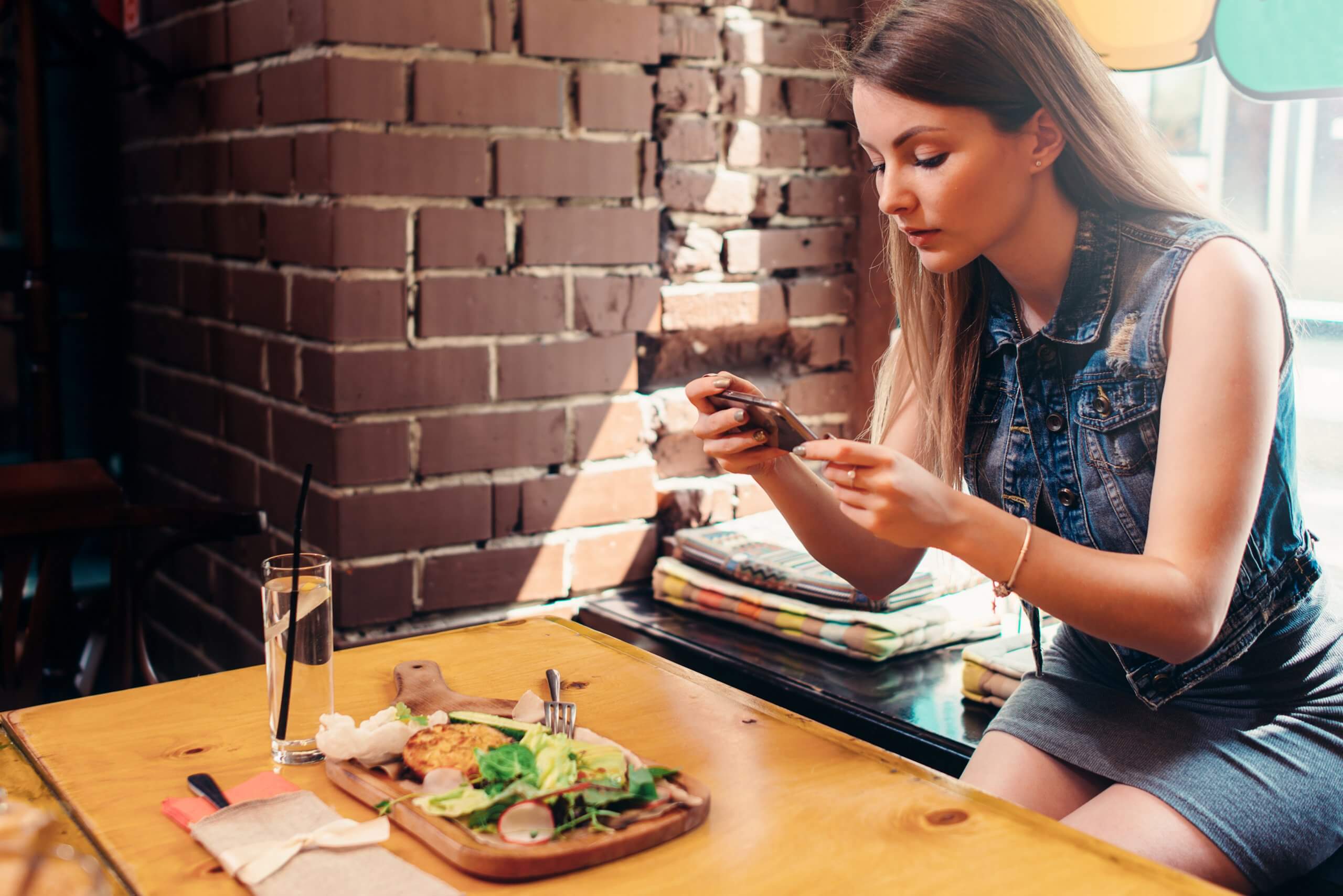
Serve your signature dishes alongside seasonal specials throughout their week-long experience. Let them choose meal times that work for optimal lighting and their content schedule. Encourage daily photo shares across stories and posts, showcasing different dishes, cocktails, desserts, and ambiance shots for ongoing exposure.
Vary their experience each visit—lunch service differs from dinner rush, weekday vibes contrast weekend energy. This variety provides rich content opportunities while showcasing your restaurant’s full personality.
Curating menus and experiences for bloggers
Design tasting menus that tell your restaurant’s story through progressive courses. Offer kitchen tours where they can photograph chefs in action or capture the plating process. Create custom dishes incorporating their dietary preferences or favorite ingredients—these personalized touches generate the most shareable moments.
Pro tip: Include behind-the-scenes content opportunities like watching signature sauce preparation or dessert decoration. These exclusive glimpses drive 40% higher engagement than standard food photos alone.
Providing professional photos and lookbooks
Create a digital lookbook featuring high-resolution images of your top 10 dishes, styled cocktails, and atmospheric interior shots. Share this resource via cloud storage before their first visit, allowing bloggers to enhance their content without relying on stock imagery. Include dish descriptions, key ingredients, and pricing to simplify their caption writing.
Collaborating on Content: Beyond Just Feeding—Maximizing Shares
Co-create content ideas that feel natural within their existing editorial calendar. Suggest recipe features using your signature ingredients, behind-the-scenes chef interviews, or seasonal menu spotlights. Partner on giveaways featuring gift cards or private dining experiences to amplify reach beyond their initial posts.
Host exclusive blogger events quarterly, creating community among local influencers while generating concentrated buzz. These gatherings foster ongoing relationships and collaborative content opportunities between attendees.
Recipe development and product showcases
Send curated ingredient boxes for bloggers to recreate simplified versions of your dishes at home. This extends content opportunities beyond restaurant visits while positioning your chef as an authority. Feature their creations on your own channels, building reciprocal promotion.
Case Study: Restaurant Engine’s Week-Long Blogger Immersion
A restaurant invited a food blogger for daily free meals over a week, serving different menu highlights each day while providing professional photos for content use. The blogger posted daily stories, three main feed posts, and a comprehensive review blog post. Results included 35% increased foot traffic, 150+ user-generated posts from inspired followers, and sustained engagement lasting three months post-collaboration. The total investment of seven meals generated content valued at over $15,000 in equivalent advertising spend.
Budgeting and Compensation: Smart Ways to Feed Food Bloggers Without Breaking the Bank
Set collaboration budgets based on concrete goals—complimentary meals typically range $200-500 per blogger for week-long partnerships. Add flat fees of $500-2,000 for guaranteed deliverables from established influencers, or implement affiliate programs with unique promo codes for performance-based compensation.
Micro-influencers often accept meal trades alone, especially when building their portfolios. Local food bloggers value exclusive experiences and ongoing relationships over large payments, making them ideal for budget-conscious restaurants.
Fair compensation models for food blogger partnerships
Structure deals as meal trades plus incentives like exclusive event invites, seasonal menu previews, or merchandise packages. This hybrid approach yields higher ROI than cash-only arrangements—bloggers feel valued beyond monetary exchange while restaurants control costs.
Track results through unique promo codes offering 10-15% discounts, measuring direct conversion alongside brand awareness metrics. Average redemption rates of 5-8% indicate successful partnerships.
Measuring Success and Scaling: ROI from How to Feed Food Bloggers
Monitor reservation increases, social media mentions, and weekend traffic patterns following collaborations. Successful partnerships typically generate 25-40% traffic gains within two weeks of blogger posts. Track hashtag usage, location tags, and user-generated content spawned from initial blogger posts.
Repurpose blogger content across your marketing channels—feature their photos on your website, share their reviews in email campaigns, and display their quotes on table tents. This amplification extends the value of each partnership exponentially.
Tools and metrics for tracking influencer impact
Implement Google Analytics to monitor website traffic spikes from blogger links. Use social listening tools to track brand mentions and sentiment shifts. Create custom landing pages for blogger promotions to measure conversion rates accurately.
Key metrics include cost per engagement, follower growth rate, and lifetime value of customers acquired through influencer channels. Adjust partnership strategies based on data—double down on bloggers driving reservations, phase out those generating only vanity metrics.
Common Mistakes to Avoid When You Feed Food Bloggers
Never force branded messaging or script their content—authenticity drives trust and engagement. Skip researching a blogger’s content style at your own peril; misaligned partnerships waste resources and damage relationships. Following up maintains momentum; neglecting post-collaboration communication kills future opportunities.
Build ongoing relationships through holiday greetings, new menu announcements, and exclusive previews. Bloggers who feel valued become brand advocates, not just one-time promoters.
Legal agreements and photo rights
Always clarify content ownership, reposting permissions, and disclosure requirements in written agreements before the first meal. Specify usage rights for blogger-created content, including duration and channels. Address FTC disclosure requirements explicitly, protecting both parties from regulatory issues.
Include cancellation policies, minimum deliverable requirements, and timeline expectations. Clear contracts prevent misunderstandings and establish professional foundations for successful partnerships.
Final Thoughts
Mastering how to feed food bloggers through strategic research, memorable dining experiences, professional content support, and careful ROI tracking transforms authentic relationships into revenue growth. Just as I’ve helped thousands of businesses optimize their financial strategies at Complete Controller, these influencer partnerships require the same attention to detail and long-term thinking.
Start with one carefully chosen blogger this week. Build the relationship, create the experience, measure the results. Then scale systematically. Ready to optimize your restaurant’s marketing budget and track the real ROI of these partnerships? Visit Complete Controller for expert financial guidance that helps you invest in growth strategies that actually work.

Frequently Asked Questions About How to Feed Food Bloggers
What should I serve when feeding food bloggers?
Serve your signature dishes and seasonal specials across multiple visits, allowing them to experience your full menu range. Include photogenic items, bestsellers, and new launches while accommodating their dietary preferences for authentic coverage.
How do I find the right food bloggers to feed?
Research 15-20 bloggers with audiences matching your target demographic using Instagram hashtags, local foodie groups, and blogger networks. Analyze their engagement rates, content quality, and past restaurant partnerships before reaching out.
Do I need to pay food bloggers or just feed them for free?
Complimentary meals often suffice for micro-influencers, especially when building relationships. Add flat fees of $500-2,000 or performance-based compensation for established bloggers with larger, engaged audiences and guaranteed deliverables.
How many times should I feed a food blogger for impact?
A week of daily meals creates depth and variety in content, encouraging comprehensive coverage across multiple posts, stories, and blog features. Single visits limit content potential and relationship building opportunities.
What if a food blogger doesn’t post after I feed them?
Prevent this by setting clear expectations in written agreements before the first meal, specifying minimum posts, timelines, and content types. Focus on building genuine relationships and selecting professional bloggers with proven track records.
Sources
- Restaurant Engine. “How to Enlist the Help of Food Bloggers to Grow Your Restaurant.” Restaurant Engine, n.d. https://restaurantengine.com/food-bloggers-grow-restaurant
- Checkmate. “Using Food Influencer Marketing For Maximum Impact And ROI.” It’s a Checkmate, n.d.
- Recipe Kit Team. “5 Ways to Collaborate with Food Bloggers.” Recipe Kit, 28 Oct. 2024. https://recipekit.io/blog/collaborate-with-food-bloggers
- Plastic Container City. “Maximizing Impact: Leveraging Influencer Marketing for Restaurants.” Plastic Container City, n.d. https://plasticcontainercity.co.uk/blog/influencer-marketing-restaurants
- Galley of Gail. “How to Collaborate with Food Bloggers.” Galley of Gail, n.d. https://galleyofgail.com/how-to-collaborate-with-food-bloggers
- Evok Advertising. “Restaurant Influencer Marketing in 2024.” Evok Advertising, 2024. https://evokad.com/restaurant-influencer-marketing-2024
- Factory PR. “How Big Is the Influencer Marketing Industry Right Now?” Factory PR, 2025. https://factorypr.com/blog/influencer-marketing-industry-size
- Mustard. “The Psychology Behind Why People Trust Food Influencers.” Mustard.love, 2025. https://mustard.love/blog/why-people-trust-food-influencers
- Sprout Social. “29 Influencer Marketing Statistics for Your Social Strategy in 2025.” Sprout Social, 2025. https://sproutsocial.com/insights/influencer-marketing-statistics
- Watauga Group. “Influencer Marketing Case Studies That Worked!” Watauga Group, n.d. https://wataugagroup.com/influencer-marketing-case-studies
 About Complete Controller® – America’s Bookkeeping Experts Complete Controller is the Nation’s Leader in virtual bookkeeping, providing service to businesses and households alike. Utilizing Complete Controller’s technology, clients gain access to a cloud platform where their QuickBooks™️ file, critical financial documents, and back-office tools are hosted in an efficient SSO environment. Complete Controller’s team of certified US-based accounting professionals provide bookkeeping, record storage, performance reporting, and controller services including training, cash-flow management, budgeting and forecasting, process and controls advisement, and bill-pay. With flat-rate service plans, Complete Controller is the most cost-effective expert accounting solution for business, family-office, trusts, and households of any size or complexity.




 Brittany McMillen
Brittany McMillen
Brittany McMillen