


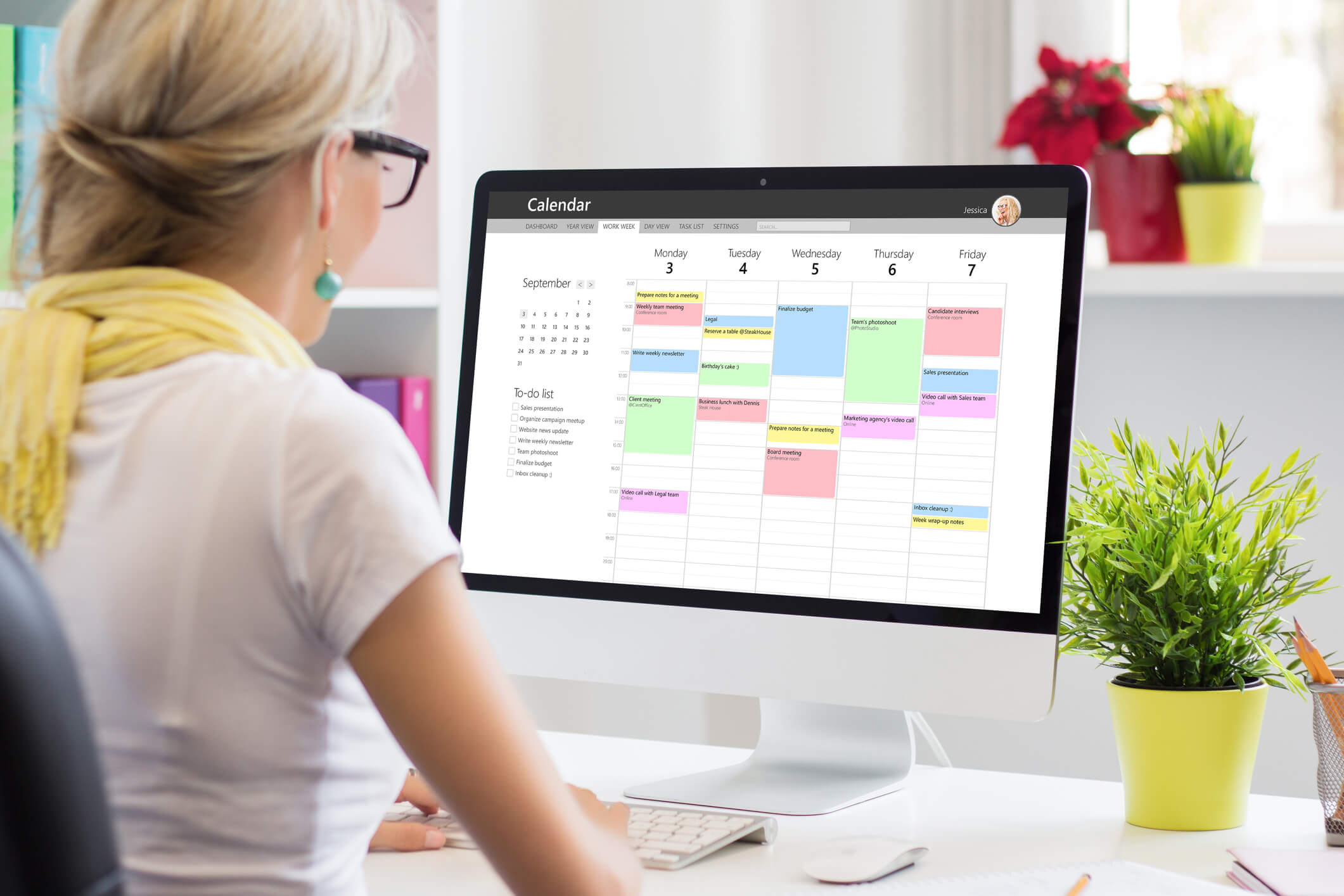
Accounting Practice Management Software for Smarter Ops
Accounting practice management software is a centralized platform that helps accounting firms manage clients, automate workflows, track deadlines, coordinate staff, and streamline day-to-day operations from a single system. For firms tired of juggling spreadsheets, sticky notes, and scattered inboxes, it becomes the operational backbone that connects client communication, task execution, billing, and reporting into one clear view.
After more than 20 years building Complete Controller into a cloud-based bookkeeping firm serving businesses across nearly every sector, I’ve watched the same story play out again and again: firms don’t fail because their people aren’t talented—they stall because their systems can’t keep up. In this article, I’ll walk you through what these platforms actually do, the features that separate the strong from the shallow, how to choose one that fits your firm, and a practical rollout plan that won’t derail your team. You’ll come away with a clearer lens for evaluating tools, a framework for measuring ROI, and the confidence to modernize your operations without losing the human touch that makes your firm special.
What is accounting practice management software, and why does it matter?
- Answer: It’s a cloud-based system that unifies client management, workflow automation, document handling, billing, and reporting for accounting firms in one platform.
- It reduces administrative drag and gives leaders real-time visibility into work in progress, staff capacity, and client status.
- It improves the client experience through secure portals, automated reminders, and organized communication.
- It creates a repeatable operating model that’s easier to train, delegate, and scale.
- It turns scattered work into a measurable system with fewer bottlenecks and preventable errors.

Why Accounting Practice Management Software Matters Right Now
The volume of work modern firms handle is staggering. The IRS reported that more than 140 million individual income tax returns were filed electronically during the 2024 filing season—a reminder that tax and compliance work is a high-volume, deadline-driven production system where standardized workflows and status visibility aren’t optional.
Firms that treat operations casually pay for it in missed deadlines, unbilled hours, and burned-out staff. A strong practice management software platform lets you replace guesswork with structure, so the whole team knows what’s due, who owns it, and where every client stands.
Core Features That Separate Strong Practice Management Software From Basic Task Tools
The best practice management software goes far beyond a to-do list—it connects client records, recurring workflows, deadlines, communication, and firm-wide reporting into one coherent system.
Workflow and task management
Look for recurring task templates, dependencies, status tracking, and deadline-based automation for work like tax prep, monthly bookkeeping, payroll, and audit support. The strongest platforms give team-wide visibility so no one has to chase updates through email threads.
Client relationship management
A built-in CRM should store contact history, engagement details, and job context so your team sees the full client story without hunting through multiple systems—especially critical during onboarding and renewals.
Document and approval workflows
Secure document storage, version control, audit trails, and approval routing are non-negotiable. According to IBM’s Cost of a Data Breach Report 2024, the average breach now costs $4.88 million globally, with stolen or compromised credentials as the most common initial attack vector. Secure portals and access controls aren’t nice-to-haves—they’re business protection.
Time tracking and billing
Good platforms capture billable time against jobs and connect it to invoicing, which improves realization and reduces lost entries. When time, work, and billing live in separate tools, firms consistently underbill.
Better systems create better businesses. Complete Controller brings expert accounting and smart technology together to help you streamline operations and scale with confidence.
Specialized Features for Firms Serving Healthcare and Multi-Office Clients
Some accounting firms serve specialized industries with unique operational needs, and the right software should flex accordingly.
Medical billing software and revenue cycle management
For firms supporting healthcare clients, medical billing software must handle compliance-heavy workflows and claims processes. Revenue cycle management improves dramatically when task routing, payment visibility, and document control live in one system.
EHR integration and patient information system needs
EHR integration matters when practice management must connect with electronic health record data and reduce duplicate entry. A patient information system requires secure data handling and reliable access controls, especially under HIPAA privacy standards.
Clinic management, medical office automation, and cloud-based practice management
Clinic management, medical office automation, and cloud-based practice management overlap with accounting operations by centralizing records, streamlining communication, and giving distributed teams real-time access from anywhere.
How to Choose Accounting Practice Management Software That Fits Your Firm
Fit matters more than feature count. A platform loaded with tools your team won’t use is just expensive shelfware.
Right-sizing by firm type
- Small medical practice software should prioritize ease of use, secure communication, and automation over enterprise complexity.
- Dentist practice management benefits from appointment scheduling, reminders, and coordinated front/back-office processes.
- Primary care practice management demands strong staff coordination and structured follow-up.
- Chiropractic practice management relies on recurring appointments and consistent patient communication.
- Practice management software for multi-location clinics needs centralized visibility, role-based access, and cross-office reporting.
Selection criteria for accounting firms
- Prioritize workflow templates, deadline tracking, secure portals, and integrations with your accounting stack.
- Choose tools that eliminate double entry and create a single source of truth.
- Confirm scalability for team growth and complex service lines.
- Make sure billing, time capture, and reporting are built in—not bolted on.
For more on building operational discipline into your firm, our team at Complete Controller shares practical insights on scaling financial operations.
How to Implement Practice Management Software Without Disrupting Operations
The technology is the easy part—change management is where firms stumble. Treat rollout as an operating-model shift, not a software install.
A practical transition plan
- Map your highest-volume workflows: onboarding, monthly closes, tax prep, document requests.
- Standardize those workflows first, so the software reflects how the firm should operate.
- Pilot with a small team before firm-wide rollout, then refine templates and permissions based on real use.
- Train staff on one process at a time, starting with tasks that cause the most manual chasing.
- Review adoption metrics weekly: overdue tasks, time-to-completion, and unbilled time.
What I’ve seen work in real firms
Firms adopt software successfully when leadership frames it as an operating-model change. The biggest wins come from eliminating duplicate entry, making client status visible to everyone, and building repeatable processes that survive staff turnover.
Real-World Examples of Practice Management Transformation
Thomson Reuters positions Practice CS as a system giving firms real-time access to firm, client, and staff information through customizable dashboards, along with electronic invoicing, bill posting, and billable time capture. It’s a clear example of how strong platforms connect operations directly to revenue collection.
Deloitte offers another lens. When the firm rolled out its global “myInsight” platform, it treated practice management as an operating system for visibility and consistency across audit engagements worldwide—not just a glorified task list. The lesson for firms of every size: strong platforms create a visible operating environment where leaders monitor work, time, and cash flow together.
Is Accounting Practice Management Software Worth the Investment?
The short answer: yes, when it replaces multiple disconnected tools and reduces manual coordination.
- Measurable returns show up as improved realization, shorter turnaround times, and fewer missed deadlines.
- Even modest gains in time capture recover significant revenue that would otherwise slip through.
- Non-financial value—lower stress, better client communication, predictable staffing—matters just as much.
- Measure ROI with practical metrics: overdue tasks, utilization, turnaround time, and A/R speed.
Final Thoughts: Build the Firm You Actually Want to Run
Accounting practice management software gives you the structure to stop firefighting and start leading. It replaces scattered work with a measurable system, protects your team from burnout, and gives clients an experience that keeps them coming back. The firms scaling cleanly right now aren’t working harder—they’re working inside better systems.
If you’re ready to build an operation that runs smoothly whether you’re in the office or on vacation, the team at Complete Controller is here to help. Reach out to us for expert guidance on modernizing your bookkeeping, accounting, and firm operations—we’ve walked thousands of business owners through exactly this kind of transformation.

Frequently Asked Questions About Accounting Practice Management Software
What does accounting practice management software do?
It centralizes client management, workflow automation, document handling, scheduling, billing, and reporting for accounting firms in one connected platform.
Is accounting practice management software the same as accounting software?
No. Accounting software handles the books and financial records, while practice management software helps the firm run its operations, staff, jobs, and client workflows.
What features should I look for first?
Start with workflow automation, client portals, deadline tracking, document management, time tracking, billing, and firm-wide reporting.
Can small firms benefit from it?
Absolutely. Small firms often see the biggest gains because one system can eliminate multiple manual processes and reduce dependence on memory and inboxes.
How do I know if my firm is ready to adopt it?
If your team is juggling spreadsheets, missing handoffs, or spending hours chasing documents and deadlines, you’re ready to evaluate a platform.
Sources
- Capterra. (n.d.). Best Accounting Practice Management Software 2026. https://www.capterra.com
- CPACHarge. (n.d.). 4 Best Accounting Firm Practice Management Software. https://www.cpacharge.com
- Deloitte. (December 4, 2015). Deloitte Launches myInsight – A New Global Audit Platform. https://www2.deloitte.com/global/en/pages/about-deloitte/articles/press-releases/deloitte-launches-myinsight-a-new-global-audit-platform.html
- Financial Cents. (n.d.). Practice Management Software Features Every Accounting Firm Needs. https://www.financialcentshq.com
- Future Firm. (n.d.). Accounting Practice Management Software: The Top 19. https://www.futurefirm.co
- IBM Security. (2024). Cost of a Data Breach Report 2024. https://www.ibm.com/reports/data-breach
- Internal Revenue Service. (May 2024). Filing Season Statistics for Week Ending May 10, 2024. https://www.irs.gov/newsroom/filing-season-statistics
- Karbon. (n.d.). The 7 Best Accounting Practice Management Software Solutions. https://www.karbonhq.com
- MyFirm360. (n.d.). Top Accounting Practice Management Software Guide. https://www.myfirm360.com
- National Institute of Standards and Technology. (n.d.). Cybersecurity. https://www.nist.gov/cybersecurity
- Pro Firm Advisor. (n.d.). The Complete Guide to Accounting Practice Management Software in 2026. https://www.profirmadvisor.com
- QuickBooks Intuit. (n.d.). Accounting Practice Management Software. https://www.quickbooks.intuit.com
- Thomson Reuters. (n.d.). Accounting Practice Management Software. https://tax.thomsonreuters.com
- U.S. Department of Health and Human Services. (n.d.). HIPAA for Professionals: Privacy. https://www.hhs.gov/hipaa/for-professionals/privacy/index.html
- U.S. National Library of Medicine. (n.d.). Appointment Scheduling in Health Care. https://www.ncbi.nlm.nih.gov/books/NBK482132/
- Zoho Practice. (n.d.). Practice Management Software for Accounting Firms. https://www.zoho.com/practice
 About Complete Controller® – America’s Bookkeeping Experts Complete Controller is the Nation’s Leader in virtual bookkeeping, providing service to businesses and households alike. Utilizing Complete Controller’s technology, clients gain access to a cloud platform where their QuickBooks™️ file, critical financial documents, and back-office tools are hosted in an efficient SSO environment. Complete Controller’s team of certified US-based accounting professionals provide bookkeeping, record storage, performance reporting, and controller services including training, cash-flow management, budgeting and forecasting, process and controls advisement, and bill-pay. With flat-rate service plans, Complete Controller is the most cost-effective expert accounting solution for business, family-office, trusts, and households of any size or complexity.



 Brittany McMillen
Brittany McMillen
Brittany McMillen