


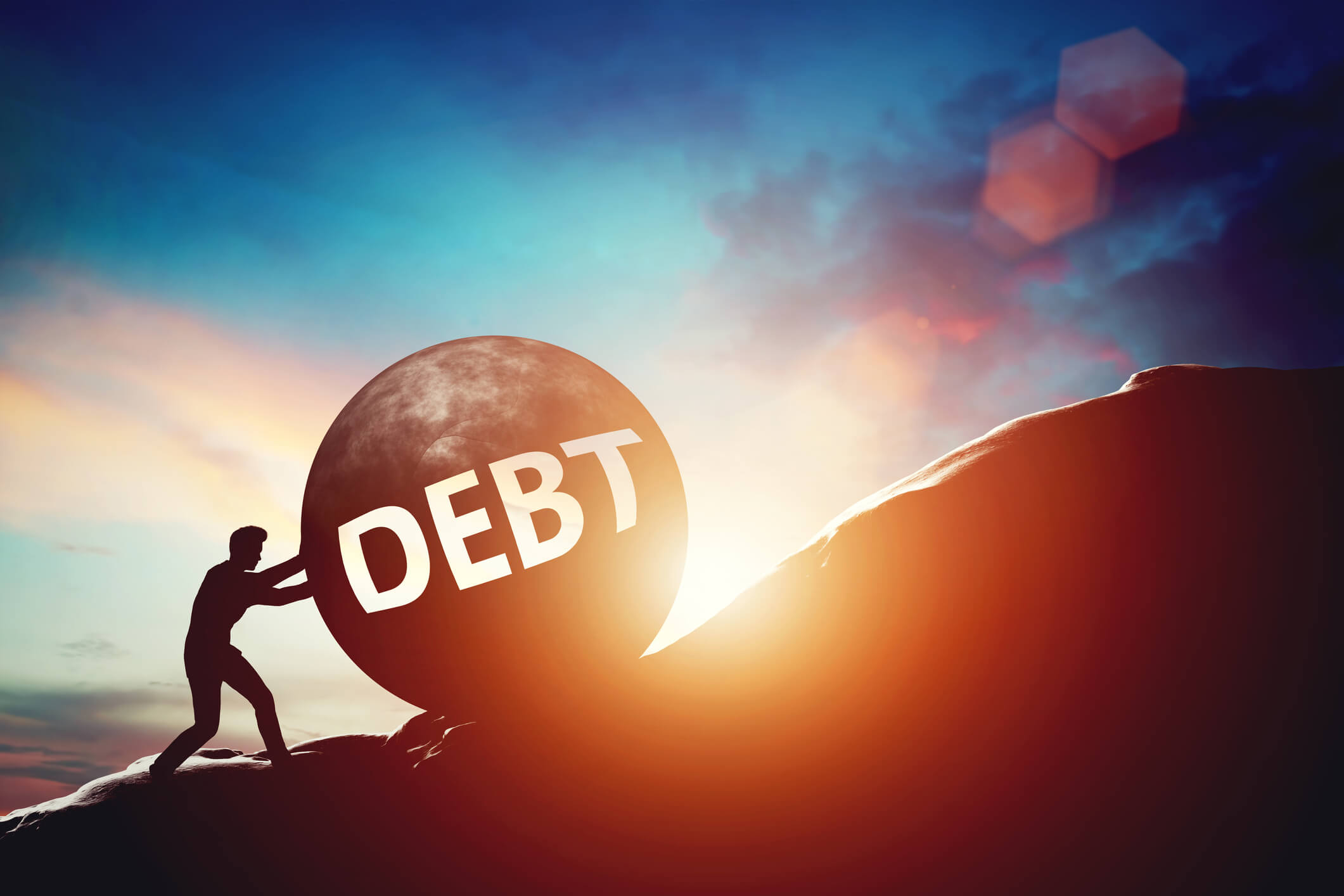
Get Out of Debt Step by Step:
A Clear Plan to Follow
Get out of debt step by step by listing every balance you owe, stopping new debt from piling on, building a realistic budget, choosing a payoff method that fits your personality, and directing every extra dollar toward one target debt at a time. The fastest path forward is almost always a mix of cutting fixed bills, protecting your credit by making minimum payments on everything, and attacking either the smallest balance or the highest-interest debt with consistent monthly surplus.
After more than 20 years leading Complete Controller and working shoulder-to-shoulder with thousands of business owners and families, I can tell you debt rarely comes from one dramatic mistake. It usually grows quietly from a dozen small cash-flow leaks. Here’s the encouraging part: a clear plan works better than willpower every single time. In this guide, I’ll walk you through the exact framework I’ve seen transform financial chaos into confidence, including how to prioritize debts, negotiate with creditors, choose between the snowball and avalanche methods, and build the emotional stamina to finish what you start.
What is the best way to get out of debt step by step?
- The best way to get out of debt step by step is to know exactly what you owe, stop adding new balances, build a realistic budget, choose a payoff strategy, and stay consistent month after month.
- Start by paying minimums on every debt so you protect your credit and avoid late fees.
- Put all extra money toward one target debt at a time so your progress compounds.
- Lower costs, negotiate interest rates, and find extra income to speed up repayment.
- Track progress monthly so your plan stays visible and motivating.

Step 1: Get Clear on the Full Debt Picture
This first step is the foundation of any real step-by-step guide to get out of debt. Most people underestimate how much they owe because balances are scattered across cards, loans, medical bills, and store accounts. You can’t fix what you can’t see.
List every debt in one place
- Include creditor, balance, minimum payment, APR, and due date.
- Note whether each debt is secured or unsecured.
- This single list becomes the starting point for how you create a debt repayment plan that actually works.
Track spending and expenses before you change anything
Review three months of statements to see where the money is actually going, not where you think it’s going. Separate fixed costs from variable ones. Solid budgeting basics matter most here because your repayment plan has to fit real cash flow, not a fantasy version of your life. If you’ve never done this before, checkbook balancing is a financial must that pairs perfectly with this exercise.
Step 2: Stop Creating New Debt and Cut Bills Fast
You cannot get out of debt step by step if you keep adding balances. The fastest improvement often comes from plugging leaks, not from making dramatic lifestyle changes overnight.
Reduce credit card balances by stopping new charges
- Put cards away temporarily if you tend to swipe emotionally.
- Remove cards from digital wallets and auto-pay apps.
- Keep one card only if it’s necessary for essential recurring bills.
Negotiate interest rates with creditors
Call your lenders and ask for a lower rate, a hardship program, or a temporary payment adjustment. Even a small APR reduction can save hundreds of dollars in interest over the life of the debt. This matters even more when your credit card APR is high and repayment feels stuck in quicksand.
Cut recurring bills and subscriptions
Cancel unused memberships, premium channels, and app subscriptions you forgot about. Re-shop internet, phone, and insurance plans annually. Then apply every dollar of savings directly to debt, not to lifestyle creep. Learning how to manage your credit responsibly is a habit that pays dividends long after the last balance hits zero.
Ready to turn your debt plan into real progress? Complete Controller helps you get clear on cash flow, organize your finances, and make every dollar work smarter.
Step 3: Choose the Payoff Method That Fits Your Psychology
The right method matters because the best plan is the one you’ll actually follow. This is where debt payoff becomes behavioral as much as mathematical.
Debt snowball method for motivation
The debt snowball method made famous by Dave Ramsey has you pay minimums on all debts, then attack the smallest balance first. It creates quick wins and works beautifully for people who need visible momentum to stay engaged.
Debt avalanche for lowest total interest
The debt avalanche flips the strategy: pay minimums on everything, then attack the highest-interest debt first. It’s usually the fastest mathematically and the smart choice when high-APR balances are the real problem.
How to prioritize high-interest debt when the numbers demand it
If your APR is high, interest is working against you every single day. Consider this warning from the Consumer Financial Protection Bureau: a $1,000 credit card balance at 20% APR with a $20 minimum payment takes about 94 months to pay off and costs roughly $848 in interest. That’s why it often pays to prioritize high-interest debt the moment your minimums are covered.
Step 4: Create a Monthly Repayment Plan You Can Actually Follow
A strong system turns intention into routine. The plan should be simple enough to review every month and flexible enough to survive surprises like car repairs and medical bills.
Use a repayment plan spreadsheet template
- Build columns for balance, APR, minimum payment, extra payment, and projected payoff date.
- Update it monthly, ideally on the same day each month.
- A good repayment plan spreadsheet template makes progress visible and cuts decision fatigue in half.
Automate every possible payment
Set up autopay for minimums so nothing slips through the cracks. Then schedule your extra payment to your target debt on payday. Automation prevents missed due dates and supports steady credit score improvement without requiring willpower every week.
Step 5: Free Up More Cash With Practical Payoff Strategies
Here’s where most articles get too generic. The real answer to how to get out of debt step by step usually comes down to increasing cash flow by small, repeatable amounts.
Actionable debt payoff strategies
- Sell items you no longer use.
- Redirect tax refunds, bonuses, and side income straight into debt.
- Trim grocery, dining, and transportation expenses.
- Review insurance deductibles annually.
- Send every raise to debt instead of upgrading your lifestyle. If you need income ideas, here are 15 creative ways to earn this summer.
Debt consolidation options that may help
Consolidation can simplify multiple balances into one payment and may lower your interest if you qualify for a better rate. It isn’t free money, though—it only works if your spending habits change alongside it.
When a credit counseling agency makes sense
If minimum payments feel unmanageable, a reputable credit counseling agency can build a structured Debt Management Plan. According to the Consumer Financial Protection Bureau, a DMP lets you make one monthly payment to the agency, which then pays your creditors—often at reduced interest rates or with waived fees.
Step 6: Protect Your Momentum Until You Reach Financial Freedom
Paying down debt is only half the goal. The real target is financial freedom, which means never repeating the cycle that created the debt in the first place.
Build a small emergency fund
Even a modest reserve of $1,000 can prevent new debt when something breaks. Without a buffer, one blown transmission can undo six months of hard-won progress.
Address the human side of debt
Debt is emotional, not just financial. According to the American Psychological Association, 72% of adults report feeling stressed about money at least some of the time, and that stress bleeds into sleep, decision-making, and family communication. A clear plan lowers that stress because it replaces uncertainty with action. Early communication with creditors, as the Federal Trade Commission recommends, usually opens more options than waiting until a collector calls.
Final Thoughts
Getting out of debt isn’t about one perfect decision. It’s about a series of clear, repeatable steps that keep moving you forward—listing what you owe, cutting waste, picking a payoff method, and reviewing your plan every single month. I’ve watched families and business owners go from panic to peace using this exact framework, and the transformation always starts with clarity.
If you’re ready to get out of debt step by step, start today with your debt list, your budget, and your first target payment. Keep it simple, stay consistent, and let every freed-up dollar accelerate the next win. For more founder-led financial guidance and practical cash-flow support, visit Complete Controller and let my team help you build the systems that create real, lasting financial confidence.

Frequently Asked Questions About Get Out of Debt Step by Step
What is the first step to get out of debt?
List every debt with its balance, minimum payment, and interest rate so you know exactly what you’re dealing with before you make any moves.
Should I pay off the smallest debt first or the highest-interest debt first?
Use the snowball method for emotional wins and momentum; use the avalanche method to minimize interest costs. Both work if you stay consistent.
Can debt consolidation help me get out of debt faster?
Yes, if it lowers your interest rate or simplifies payments—but only if you stop adding new debt at the same time.
How do I lower my credit card APR?
Call your card issuer, ask for a lower rate, and mention hardship, loyalty history, or competing offers you’ve received.
Will getting out of debt improve my credit score?
Usually yes, because lower balances improve your credit utilization ratio and on-time payments strengthen your payment history.
Sources
- Federal Trade Commission. (n.d.). How To Get Out of Debt. https://consumer.ftc.gov/articles/how-get-out-debt
- Federal Reserve Board. (n.d.). Consumer Credit – G.19. https://www.federalreserve.gov/releases/g19/current/
- California Department of Financial Protection and Innovation. (n.d.). Three Steps to Managing and Getting Out of Debt. https://dfpi.ca.gov/news/insights/three-steps-to-managing-and-getting-out-of-debt/
- Office of Consumer Affairs, Government of Canada. (n.d.). Six Steps to Get Out of Debt. https://ised-isde.canada.ca/site/office-consumer-affairs/en/money-debt-and-giving/six-steps-get-out-debt
- MoneyLion. (n.d.). How to Get Out of Debt: 10 Debt Repayment Strategies That Work. https://www.moneylion.com/learn/personal-finance/basics/ways-to-pay-off-debt
- LendingTree. (n.d.). 2026 Credit Card Debt Statistics. https://www.lendingtree.com/credit-cards/study/credit-card-debt-statistics/
- Consumer Financial Protection Bureau. (n.d.). What Are Minimum Payments on a Credit Card? https://www.consumerfinance.gov/ask-cfpb/what-are-minimum-payments-on-a-credit-card-en-47/
- American Psychological Association. (February 4, 2015). Stress in America: Paying With Our Health. https://www.apa.org/news/press/releases/stress/2014/stress-report.pdf
- Consumer Financial Protection Bureau. (n.d.). What Is a Debt Management Plan? https://www.consumerfinance.gov/ask-cfpb/what-is-a-debt-management-plan-en-1451/
- Consumer Financial Protection Bureau. (n.d.). Budgeting. https://www.consumerfinance.gov/consumer-tools/budgeting/
- Complete Controller. (n.d.). Checkbook Balancing: A Financial Must. https://www.completecontroller.com/checkbook-balancing-financial-must/
- Complete Controller. (n.d.). How to Manage Your Credit Responsibly. https://www.completecontroller.com/how-to-manage-your-credit-responsibly/
- Complete Controller. (n.d.). 15 Creative Ways to Earn This Summer. https://www.completecontroller.com/15-creative-ways-to-earn-this-summer/
 About Complete Controller® – America’s Bookkeeping Experts Complete Controller is the Nation’s Leader in virtual bookkeeping, providing service to businesses and households alike. Utilizing Complete Controller’s technology, clients gain access to a cloud platform where their QuickBooks™️ file, critical financial documents, and back-office tools are hosted in an efficient SSO environment. Complete Controller’s team of certified US-based accounting professionals provide bookkeeping, record storage, performance reporting, and controller services including training, cash-flow management, budgeting and forecasting, process and controls advisement, and bill-pay. With flat-rate service plans, Complete Controller is the most cost-effective expert accounting solution for business, family-office, trusts, and households of any size or complexity.



 Brittany McMillen
Brittany McMillen
Brittany McMillen