


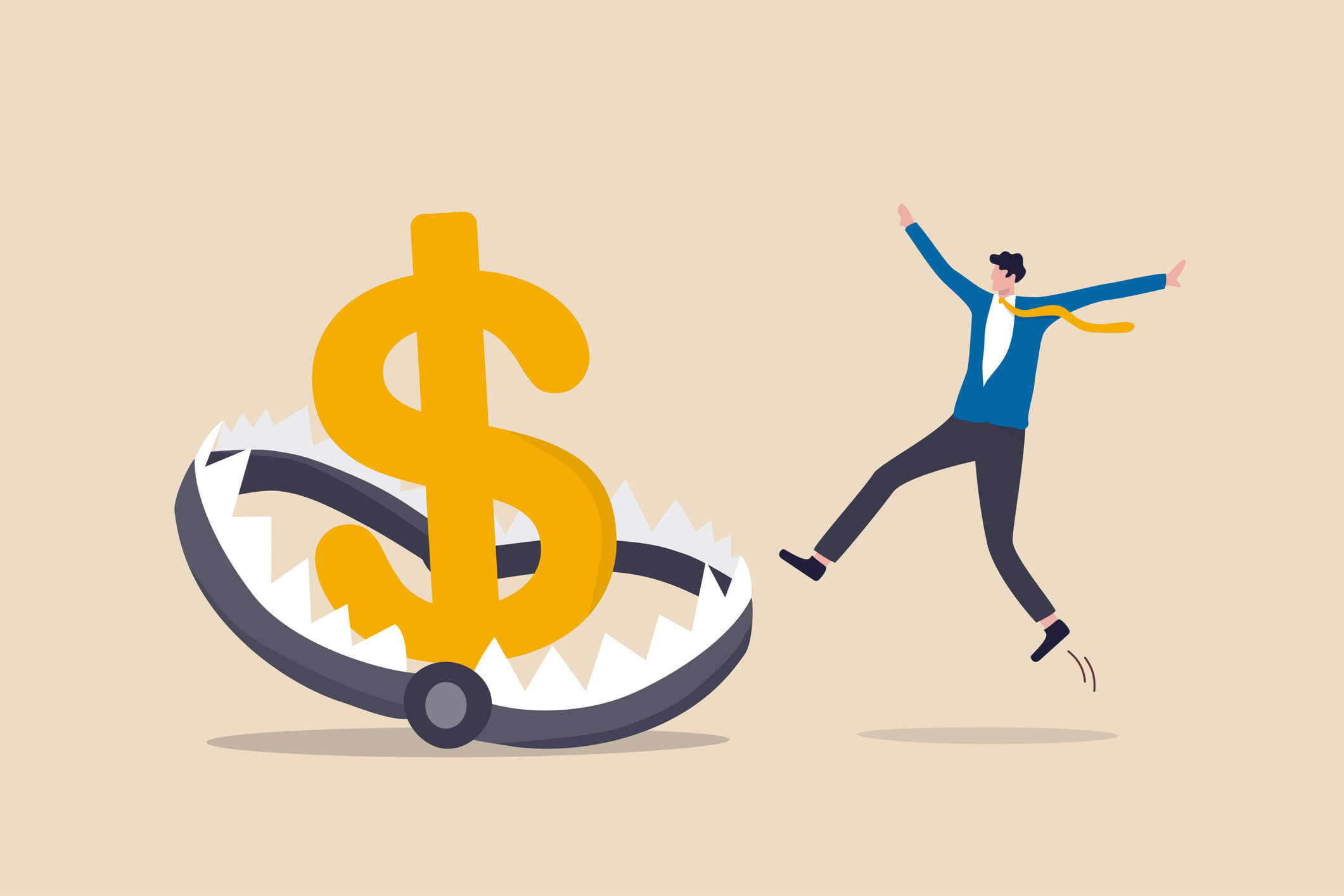
Worst Things To Do With Savings (And How To Stop)
The worst things to do with savings are letting cash sit idle in low-yield accounts, using savings to fund overspending, ignoring an emergency fund, chasing risky “too good to be true” investments, and carrying high-interest debt while pretending to save on the side—and you stop them by setting clear goals, building a realistic budget, paying off expensive debt first, and giving every dollar a defined job.
After more than 20 years running Complete Controller and working with thousands of business owners across nearly every industry, I’ve watched a hard truth play out again and again: savings rarely vanish in one dramatic moment. They leak out slowly through subscription traps, lifestyle inflation, and panic decisions made without a plan. In this article, I’ll show you the exact behaviors that quietly drain your savings, back it up with real data from the Federal Reserve and BLS, and walk you through a simple reset you can start this week—so your money finally works as hard as you do.
What are the worst things to do with savings and how do you fix them?
- Using savings to cover overspending, skipping an emergency fund, parking cash in low-yield accounts, chasing risky schemes, and ignoring high-interest debt are the worst things to do savings—and the fix is a clear plan, a realistic budget, and staged savings buckets.
- Overspending habits turn savings into a revolving door; tracking expenses is the fastest way to reduce monthly expenses.
- No emergency fund forces credit card use in a crisis, wiping out years of progress.
- Idle cash loses purchasing power to inflation faster than most people realize.
- Speculative bets with core savings can undo a decade of discipline in a single quarter.

Treating Savings Like a Slush Fund: The First Big Mistake
When savings feel like “extra money,” they become the easiest thing to raid. I’ve seen founders and families alike dip in for takeout, upgrades, and impulse buys until the buffer they worked years to build simply disappears. This is one of the worst things to do for savings because it retrains your brain to see protected money as spendable.
Budgeting mistakes that enable money leaks
Most people either don’t have a budget or built one and never look at it. Without a long tail budget that tracks the small categories—subscriptions, fees, lunches, small upgrades—the leaks stay invisible until the balance runs thin.
Common leaks I flag with clients:
- Subscription traps: Unused streaming, apps, and memberships that autobill quietly each month.
- Lifestyle inflation: Raising spending every time income rises without raising your savings rate.
- “I earned it” splurges: Rewarding a good month by spending the very cushion you just built.
How to plug the leaks fast:
- Pull 90 days of bank and card statements.
- Highlight every recurring charge and cancel anything unused in the last 60 days.
- Calendar a quarterly subscription audit—this alone can save hundreds a year.
- Negotiate bills for internet, phone, and insurance every 12 months.
Using Savings to Mask High-Interest Debt: Financial Quicksand
One of the worst savings strategy mistakes I see is holding cash “for safety” while carrying a credit card balance at 22% interest. The math simply doesn’t work in your favor.
Why debt interest costs destroy your future faster than you think
The Federal Reserve reports the average credit card interest rate assessed on accounts carrying interest hit 22.63% in May 2024. Meanwhile, even the best high-yield savings accounts pay a fraction of that. Every dollar sitting in savings while you pay minimums on a card is a dollar losing ground every single month.
Emergency fund vs. debt: Getting the order right
You still need a safety net—just a right-sized one while you attack the debt.
- Build a starter emergency fund of one month of essential expenses.
- Throw everything else at high-interest debt until it’s gone.
- Then grow your emergency fund to a full 3–6 months of expenses.
- Automate contributions so saving isn’t a decision you make each month.
Parking Money in the Wrong Place: Idle Cash and Missed Growth
Leaving long-term savings in a low-yield checking or basic savings account is one of the quietest wealth killers out there. It feels safe. It isn’t.
Idle savings vs. inflation
The Bureau of Labor Statistics reported CPI inflation peaked at 9.1% in June 2022—the highest in roughly 40 years. Even at more normal levels, cash earning near-zero interest loses purchasing power every year. Your balance may look the same, but what it buys keeps shrinking.
Emergency fund vs. growth: The right balance
Once your emergency fund and high-interest debt are handled, money needs a job beyond sitting still:
- Emergency fund → high-yield savings account, easily accessible.
- Retirement → 401(k), IRA, or Roth IRA for tax-advantaged growth.
- Medium-term goals → taxable brokerage account with a diversified mix.
- Opportunity fund → a small, labeled bucket for planned bigger purchases.
The Federal Reserve found that 37% of adults couldn’t cover a $400 emergency with cash in 2023—a sobering reminder of why the emergency fund step is non-negotiable before you invest for growth.
Chasing High-Risk “Opportunities”: Speculative Bets and FOMO Investing
Every few years, a new “can’t-miss” investment sweeps social media. I’ve watched clients pour core savings into meme stocks, unfamiliar crypto plays, and pitches promising “sizable returns in almost no time.” The results are almost always the same.
Simple rules that protect your core savings
- Cap speculative bets at no more than 20% of your total investable savings.
- If you can’t explain how the investment makes money in plain language, don’t buy it.
- Never risk your emergency fund or retirement core on a “hot” tip.
- Confirm whether returns are guaranteed or variable—and what happens if you need the money early.
The quieter wins—refinancing a loan, moving to a better high-yield savings account, or negotiating recurring bills—deliver more reliable improvements than any speculative bet.
How to Stop Wasting Money: A Simple Savings Reset
Here’s the step-by-step reset I walk clients through when they’re ready to stop the bleeding and rebuild.
- Get honest about your position. Pull statements, list debts and balances, and identify your top three money leaks.
- Build a realistic budget. Try the 50/30/20 rule—50% needs, 30% wants, 20% savings and debt payoff.
- Protect a starter emergency fund, then attack high-interest debt.
- Give every dollar a job. Label each savings bucket: emergency, retirement, home, education, opportunity.
- Automate the good behavior. Pay yourself first with automatic transfers on payday.
Case study: From savings mistakes to financial strength
A family I’ll never forget came in carrying five figures of credit card debt while proudly maintaining a small savings account they raided every few months. We ran the numbers together—their card interest was erasing more than double what their savings earned. We built a proper budget, right-sized their emergency fund to one month, and redirected everything else to debt payoff. Within two years, the debt was gone, and their emergency fund covered six months of expenses. Same income. Different system.
Final Thoughts: Turning Savings From Fragile to Bulletproof
Your savings don’t fail because you’re bad with money. They fail because your money doesn’t have a clear job, a simple system, or guardrails when life gets noisy. Once you stop the worst things to do savings—using it to plug overspending, ignoring debt interest costs, leaving cash idle, and chasing risky moves—you give your money the room and the rules it needs to grow and protect you.
Start small this week: audit your money leaks, right-size your emergency fund, and label every savings bucket with a purpose. If you want help designing a savings and budgeting system that fits your business and personal life, visit Complete Controller and connect with my team for expert guidance grounded in real-world bookkeeping experience.

Frequently Asked Questions About Worst Things To Do Savings
What are the absolute worst things to do with your savings?
Using savings to fund overspending, skipping an emergency fund, keeping all long-term money in low-yield accounts, chasing risky schemes, and carrying high-interest debt while pretending to save on the side top the list.
Is it bad to keep all my savings in a regular bank account?
Short-term and emergency funds belong in a high-yield savings account, but parking long-term money there forever exposes you to inflation risk. Long-term goals need investment vehicles that can outpace inflation.
Should I use my savings to pay off credit card debt?
With average card rates above 22%, paying down high-interest debt almost always beats what savings can earn. Keep a small starter emergency fund so you don’t fall back into debt, then attack the balance aggressively.
How much should I have in an emergency fund?
Aim for 3–6 months of essential living expenses in a dedicated, liquid account—separate from your checking so you’re not tempted to spend it.
How do I decide where to put my savings?
Match the money to the goal. Emergency and short-term needs go in liquid, low-risk accounts. Long-term goals like retirement belong in tax-advantaged and diversified investment accounts.
Sources
- Bankrate. (2024). “9 Bad Money Habits That You Should Break Right Now.” https://www.bankrate.com
- Pascarella, Dani. (10 Apr. 2018). “The Worst Thing You Can Do With Your Savings And What To Do Instead.” Forbes. https://www.forbes.com
- Mid Penn Bank. (2022). “Top Mistakes People Make When Saving Money.” https://www.midpennbank.com
- NPR. (15 Aug. 2024). “To Save More Money, Avoid These 5 Common Financial Mistakes.” https://www.npr.org
- MarketWatch. (2023). “5 Things You Should Never Do With Your Savings.” https://www.marketwatch.com
- Global Credit Union. (2023). “Top 10 Money Mistakes People Make and How to Avoid Them.” https://www.globalcu.org
- Chase Bank. (2023). “Common Money Mistake To Avoid.” https://www.chase.com
- Board of Governors of the Federal Reserve System. (May 2024). “Economic Well-Being of U.S. Households in 2023.” https://www.federalreserve.gov/publications/2024-economic-well-being-of-us-households-in-2023-expenses.htm
- Board of Governors of the Federal Reserve System. (May 2024). “Consumer Credit—G.19 (Interest Rates).” https://www.federalreserve.gov/releases/g19/current/
- U.S. Bureau of Labor Statistics. (13 July 2022). “Consumer Price Index Summary.” https://www.bls.gov/news.release/cpi.nr0.htm
- Consumer.gov. “Building an Emergency Fund.” https://www.consumer.gov/articles/1001-building-emergency-fund
- U.S. Securities and Exchange Commission, Investor.gov. “High-Interest Debt.” https://www.investor.gov/additional-resources/information/youth/teachers/lesson-plans/high-interest-debt
 About Complete Controller® – America’s Bookkeeping Experts Complete Controller is the Nation’s Leader in virtual bookkeeping, providing service to businesses and households alike. Utilizing Complete Controller’s technology, clients gain access to a cloud platform where their QuickBooks™️ file, critical financial documents, and back-office tools are hosted in an efficient SSO environment. Complete Controller’s team of certified US-based accounting professionals provide bookkeeping, record storage, performance reporting, and controller services including training, cash-flow management, budgeting and forecasting, process and controls advisement, and bill-pay. With flat-rate service plans, Complete Controller is the most cost-effective expert accounting solution for business, family-office, trusts, and households of any size or complexity.



 Brittany McMillen
Brittany McMillen
Brittany McMillen