


What Defines a Good Credit Score?
Unlock Financial Freedom
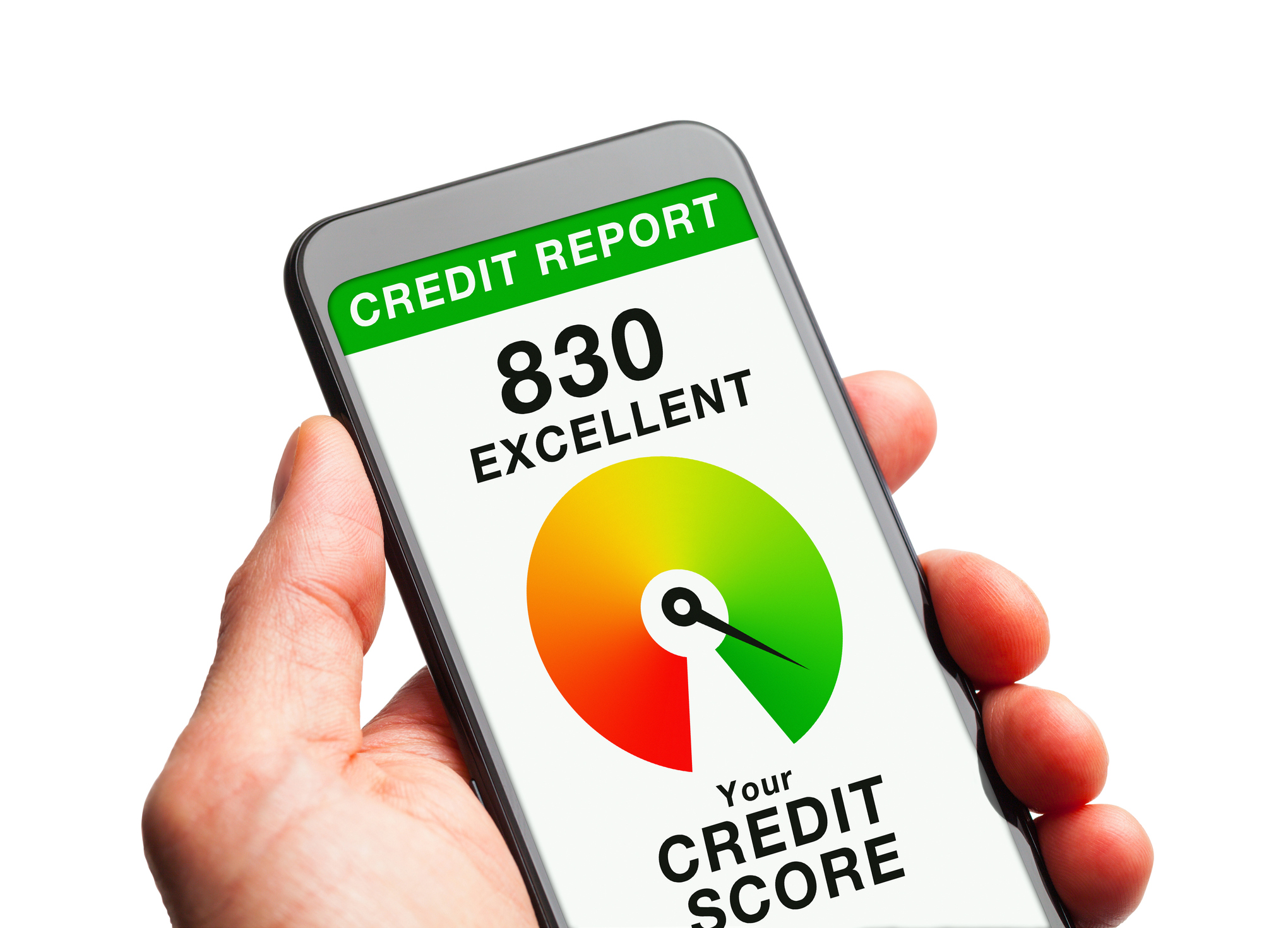
A good credit score typically falls in the 670-739 range on the FICO scale from 300 to 850, signaling to lenders that you’re a low-risk borrower near or above the U.S. average. This range unlocks better loan approvals, lower interest rates, and greater financial flexibility compared to fair (580-669) or poor scores below 580.
As the founder of Complete Controller, I’ve guided thousands of small business owners and individuals through credit challenges over two decades. I’ve witnessed how a good credit score transformed overwhelming debt into pathways for homeownership, business growth, and true financial freedom—saving clients thousands in interest and opening doors they thought were permanently closed. This article will equip you with proven strategies to achieve and maintain the coveted 670+ score range, reveal the real cost of poor credit (spoiler: it’s $63,480 over 10 years), and share rapid improvement tactics that have helped our clients jump 40+ points in just 60 days.

What defines a good credit score? Unlock financial freedom
- A good credit score is 670-739 on FICO (300-850 scale), considered near or above U.S. average, qualifying for prime loans and rates
- Scores 740-799 are very good, and 800+ exceptional, offering the best terms and highest approval odds
- VantageScore aligns closely: good is 661-780, with similar lender benefits
- Higher scores reduce borrowing costs, boosting purchasing power for homes, cars, and business investments
- Achieving this unlocks financial freedom by enabling savings redirection toward wealth-building
Credit Score Ranges: Where Do You Stand?
Credit scores range from 300 to 850 across FICO and VantageScore models, with clear tiers defining risk levels for lenders. Understanding where your score falls helps you gauge your financial standing and set realistic improvement goals.
The distribution of American credit scores reveals an encouraging truth: 71% of U.S. consumers have good or better credit scores. Breaking this down, 13.2% have poor credit (300-579), 15.5% have fair credit (580-669), 21% have good credit (670-739), 27.8% have very good credit (740-799), and 22.5% have exceptional credit (800-850). This means achieving a good score aligns you with the majority while escaping the financial penalties faced by the bottom 29%.
FICO score breakdowns and lender views
The FICO scoring system creates distinct categories that directly impact your borrowing power:
- Poor (<580): High risk, limited approvals, steep rates
- Fair (580-669): Below average, some approvals but higher costs
- Good (670-739): Prime borrower status, broad access to credit
- Very Good (740-799): Dependable, favorable terms
- Exceptional (800+): Lowest risk, best rates and limits
VantageScore differences
VantageScore good range (661-780) overlaps FICO but starts slightly lower, used by some lenders for quicker assessments. While most major lenders rely on FICO scores, understanding both models helps you navigate different credit applications.
Factors That Build a Good Credit Score
FICO scores weigh five key elements, with payment history dominating at 35%—master these for reliable gains. Each factor plays a crucial role in your overall creditworthiness assessment.
Payment history: The foundation (35%)
On-time payments prove reliability to lenders. Even one late payment can drop scores significantly and remain on your report for years. Setting up automatic payments or calendar reminders protects this critical component of your score.
Amounts owed and utilization (30%)
Keep balances under 30% of limits—high utilization signals risk, even if paid off monthly. For optimal scores, many experts recommend staying below 10% utilization. This means if you have a $10,000 credit limit, keeping balances under $3,000 (ideally under $1,000) maximizes this scoring factor.
Length of credit history (15%)
Longer histories build trust with lenders. Avoid closing old accounts, as they contribute valuable age to your profile. Your oldest card might not offer rewards, but its history adds weight to your creditworthiness.
New credit and mix (10% + 10%)
Limit hard inquiries and diversify responsibly—too many applications hurt scores short-term. A healthy mix includes installment loans (like auto or mortgage) and revolving credit (credit cards), showing you can manage different types of debt.

How a Good Credit Score Powers Financial Freedom
A good credit score lowers interest rates, expands loan access, and cuts costs on rentals, insurance, and more—freeing income for investments. The financial impact extends far beyond simple loan approvals.
According to LendingTree’s 2025 analysis, improving from fair credit (580-669) to very good (740-799) saves borrowers over $39,292 across all debts over their lifetimes. Of this total, $31,140 (79%) comes from mortgage savings alone. On a $350,000 home mortgage with 20% down over 30 years, a fair credit borrower might pay 6.92% interest while someone with very good credit pays 6.45%—a difference of $30,544 in total interest paid.
Lower rates and higher limits
Borrowers with 670+ scores save thousands on mortgages or auto loans versus fair credit. These savings compound over time, creating opportunities for wealth building rather than interest payments. Credit card companies also offer higher limits and better rewards programs to good credit customers.
Beyond loans: Rentals, jobs, insurance
The benefits extend into everyday life:
- Landlords favor good scores for rental approvals and may waive deposits
- Insurance companies offer lower premiums to those with better credit
- Some employers check credit for finance or security-sensitive roles
- Utility companies often waive deposits for customers with good credit
Real-World Case Study: From Fair Credit to Business Launch
A borrower with a high 600s credit score applied for a home loan and discovered the power of strategic credit management. Their credit analyzer identified that paying down credit card balances could improve their score by approximately 55 points in a single update cycle.
By paying down Credit Card #1 from $3,595 to $231 and requesting rapid rescoring, their score jumped 44 points. Combined with a second card paydown, the borrower’s score improved from 678 to 720 in just two months. This 42-point jump improved their mortgage discount by 2%, saving them $5,000 on a $250,000 loan without costing anything extra—they simply redirected money they would have spent anyway to eliminate high-interest debt first.
Strategies to Achieve and Maintain a Good Credit Score
Target 670+ with proven steps: pay on time, reduce debt, and build history strategically. Success requires both immediate actions and long-term habits.
Quick wins for score improvement
Start with these actionable steps that deliver results within 30-90 days:
- Pay bills before the statement closing date to show lower utilization
- Request credit limit increases without spending more
- Become an authorized user on a family member’s well-managed card
- Dispute any errors on your credit report through official channels
- Pay down cards twice monthly to maintain consistently low balances
Long-term habits from Complete Controller clients
Our most successful clients follow these sustainable practices:
- Diversify credit mix gradually by adding different account types over time
- Keep old accounts open to preserve credit history length
- Monitor credit weekly through free services to catch issues early
- Maintain emergency funds to prevent missed payments during hardships
- Separate business and personal lines of credit early using an EIN
Pro Tip: Many overlook weekly credit monitoring available free through various services—this simple habit catches problems before they spiral.
Common Credit Mistakes That Sabotage a Good Credit Score
Understanding what damages credit prevents costly missteps on your journey to financial freedom. These pitfalls trap even well-intentioned borrowers.
Overlooking utilization spikes
Maxing cards tanks scores instantly—pay twice monthly to stay under 30%. Holiday shopping or large purchases can temporarily spike utilization, causing score drops even if you pay in full. Time major purchases after statement dates or spread them across multiple cards.
Ignoring hard inquiries
Multiple credit applications signal desperation to lenders. Space applications 6+ months apart when possible. Rate shopping for mortgages or auto loans within a 14-45 day window counts as a single inquiry, so concentrate your shopping.
Neglecting business-personal credit links
Solo entrepreneurs often discover their personal scores impact business loan options. Using personal cards for business bookkeeping essentials muddles both credit profiles. Establish business credit early with an EIN to protect personal scores.
The Hidden Cost of Credit Score Ignorance
Credit score awareness among American consumers dropped from 78% in 2023 to 72% in 2024—a troubling trend given rising financial pressures. This knowledge gap costs dearly.
A credit expert’s analysis shows people with a 676 credit score face brutal financial penalties. At this score level, a $300,000 mortgage costs an extra $300 monthly in interest, a $20,000 car loan runs $48 more per month, utilities require a $300 deposit, and car insurance costs $50 extra monthly. Over 10 years, these penalties total $63,480 in extra costs—just from interest alone.
Final Thoughts
A good credit score (670-739) defines creditworthiness, slashing costs and unlocking loans, homes, and growth opportunities that pave your path to financial freedom. The difference between fair and good credit literally costs tens of thousands of dollars over a lifetime.
Start today with these three actions: Check your current score, reduce credit utilization below 30%, and commit to on-time payments every month. Small improvements compound into life-changing results—our Complete Controller clients average 50-point gains in just 90 days through managing credit responsibly.
Your financial future depends on the credit decisions you make today. Ready for expert guidance on credit improvement and financial management strategies? Visit Complete Controller to connect with our team and discover how proper financial management accelerates your journey to a good credit score and beyond.

Frequently Asked Questions About Good Credit Score
What is a good credit score?
A good credit score ranges from 670-739 on the FICO scale, qualifying you for prime interest rates and broad loan approvals. This score range signals to lenders that you’re a responsible borrower with manageable risk.
What is the average credit score in the US?
The average U.S. credit score is approximately 715 FICO as of recent data, meaning a good score puts you near or slightly below the national average. About 71% of Americans maintain good credit or better.
Is 700 a good credit score?
Yes, 700 is solidly within the good credit score range (670-739), offering strong lender access and competitive rates. This score opens doors to most credit products without excessive fees or deposits.
How long does it take to build a good credit score?
Building good credit typically takes 3-6 months of consistent positive habits for 50+ point gains, with major improvements possible within 1-2 years. Starting from scratch requires at least six months of credit history before generating a score.
Does checking my own credit score hurt it?
No, checking your own credit score creates a soft inquiry that doesn’t affect your score—check weekly for free through various services. Only hard inquiries from lenders impact your score, typically dropping it 5-10 points temporarily.
Sources
- myFICO. (Accessed 28 Feb. 2026). What is a Credit Score? www.myfico.com/credit-education/credit-scores
- LiveMint Money. (Accessed 28 Feb. 2026). Credit score effect: Why some people reach financial independence earlier. www.livemintmoney.com/personal-finance/credit-score/credit-score-effect-why-some-people-reach-financial-independence-earlier-281770624069949.html
- Vanderbilt Mortgage. (Accessed 28 Feb. 2026). What is a good FICO® Score? www.vmf.com/fico-score/
- SCCU. (Accessed 28 Feb. 2026). How Credit Score Can Impact Purchasing Power. www.sccu.com/articles/personal-finance/how-credit-score-can-impact-purchasing-power
- Chase. (Accessed 28 Feb. 2026). Credit Score Ranges & What They Mean. www.chase.com/personal/credit-cards/education/credit-score/credit-score-ranges-and-what-they-mean
- Your Money Line. (Accessed 28 Feb. 2026). How Can Your Credit Score Impact Your Financial Well-Being? www.yourmoneyline.com/blog/how-can-your-credit-score-impact-your-financial-well-being
- MyCreditUnion.gov. (Accessed 28 Feb. 2026). Credit Scores. mycreditunion.gov/manage-your-money/credit/credit-scores
- Experian. (Accessed 28 Feb. 2026). What Is a Good Credit Score? www.experian.com/blogs/ask-experian/credit-education/score-basics/what-is-a-good-credit-score/
- Security Bank USA. (Accessed 28 Feb. 2026). Unlocking Financial Freedom: Improving Your Credit Score. www.securitybankusa.bank/blog/post/unlocking-financial-freedom-improving-your-credit-score
- Fox Business. (2025). Gen Z Faces Harsh Financial Reality as Credit Scores Plunge. Micah Smith. https://www.foxbusiness.com/media/gen-z-faces-harsh-financial-reality-credit-scores-plunge-dangerous-record-lows-across-america
- Experian Blog. (2025). What Is the Average Credit Score in the U.S.? https://www.experian.com/blogs/ask-experian/what-is-the-average-credit-score-in-the-u-s/
- Mid Oregon Lending. Rapid Credit Score Increases – Real Case Studies. https://www.midoregonlending.com/rapid-credit-score-increases-real-case-studies/
- LendingTree Blog. (2025). Raising Your Credit Score Could Save $39,292. https://www.lendingtree.com/personal/study-raising-credit-score-saves-money/
- Complete Controller. How to Manage Your Credit Responsibly. https://www.completecontroller.com/how-to-manage-your-credit-responsibly/
- Complete Controller. Personal Lines of Credit. https://www.completecontroller.com/personal-lines-of-credit/
- Complete Controller. Business Bookkeeping Essentials. https://www.completecontroller.com/business-bookkeeping-essentials/
- Consumer Finance Protection Bureau. Credit Reports and Scores. https://www.consumerfinance.gov/consumer-tools/credit-reports-and-scores/
- Federal Trade Commission. Disputing Errors on Credit Reports. https://www.consumer.ftc.gov/articles/0151-disputing-errors-credit-reports
 About Complete Controller® – America’s Bookkeeping Experts Complete Controller is the Nation’s Leader in virtual bookkeeping, providing service to businesses and households alike. Utilizing Complete Controller’s technology, clients gain access to a cloud platform where their QuickBooks™️ file, critical financial documents, and back-office tools are hosted in an efficient SSO environment. Complete Controller’s team of certified US-based accounting professionals provide bookkeeping, record storage, performance reporting, and controller services including training, cash-flow management, budgeting and forecasting, process and controls advisement, and bill-pay. With flat-rate service plans, Complete Controller is the most cost-effective expert accounting solution for business, family-office, trusts, and households of any size or complexity.




 Brittany McMillen
Brittany McMillen
Brittany McMillen