


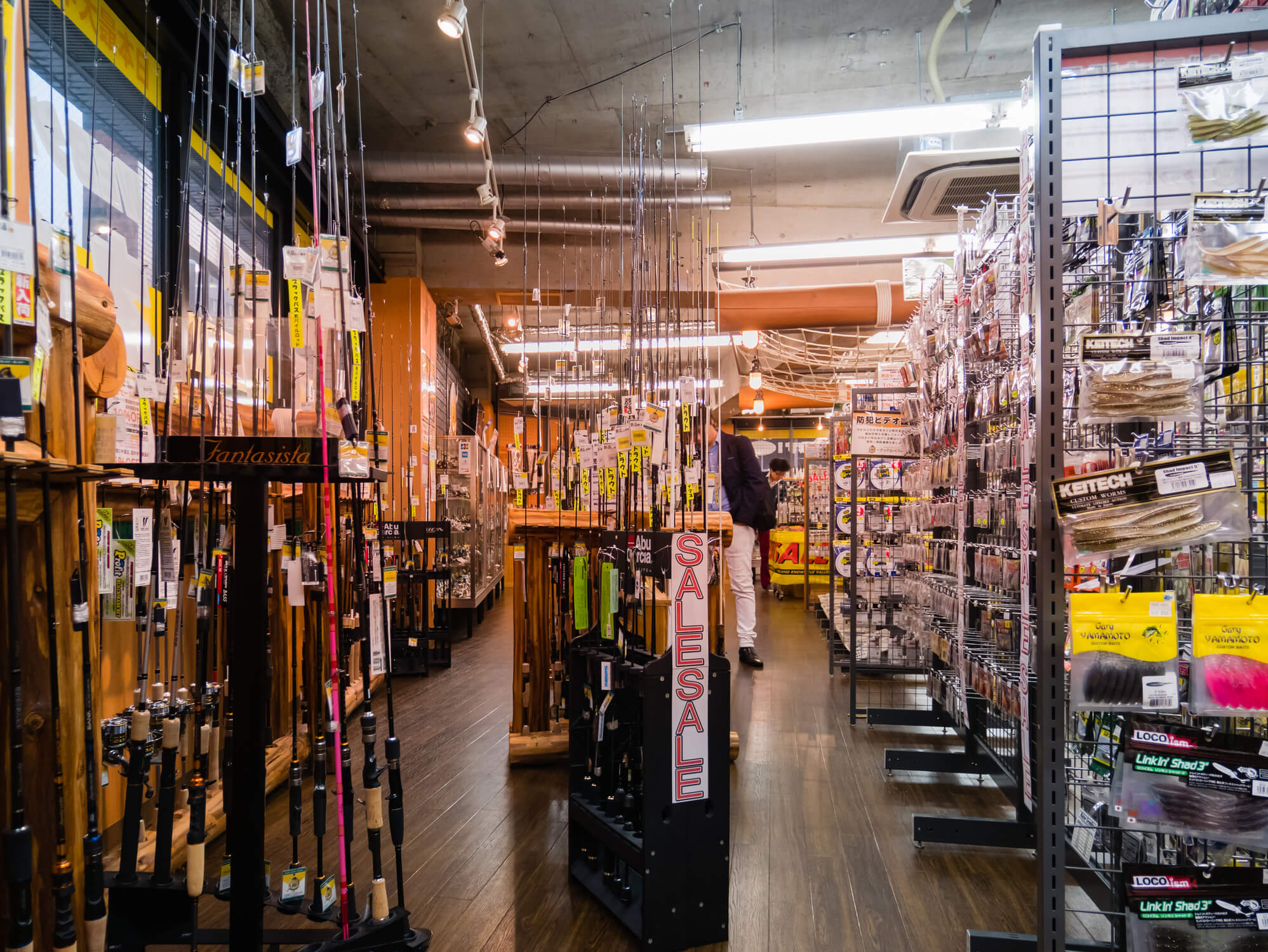
Visual Merchandising Tips:
Boost Sales & Window Impact
Visual merchandising tips that reliably boost sales and window impact come down to three levers working together: a strategic store layout that guides the customer journey, eye-catching window displays that stop foot traffic in its tracks, and product presentation techniques that make buying feel easy and emotionally rewarding. Nail those three, refresh them on a schedule, and measure what changes—and your store will outperform competitors who treat merchandising as decoration rather than a revenue strategy.
After more than 20 years running Complete Controller and reviewing the books of hundreds of retailers across nearly every sector you can name, I’ve watched stores lift in-store sales by 10–30% simply by fixing layout bottlenecks, clarifying signage, and tightening their windows. The good news? You don’t need a Madison Avenue budget to do this. In this article, I’ll walk you through the layout shifts, window strategies, sensory cues, and measurable systems that turn your sales floor into a quiet, consistent profit engine—plus the financial lens that keeps every merchandising decision honest.

What are the most effective visual merchandising tips to boost sales and window impact?
- Use deliberate layout, focused window storytelling, and strategic product placement to attract passersby, guide shoppers, and grow average transaction value.
- Map the customer journey through your floor plan to remove friction and spotlight high-margin items.
- Design windows around a single clear story with one strong focal point and bold signage legible from across the street.
- Apply proven visual merchandising techniques—rule of three, vertical merchandising, and sensory cues like light, color, scent, and sound.
- Refresh windows and focal displays on a schedule, track sales impact, and iterate based on data—not gut feel.
Visual Merchandising Basics: What Actually Drives Sales
Strong visual merchandising is a revenue strategy disguised as design. It’s the silent salesperson working when your team is busy ringing up the next customer. According to Britannica, the discipline has always been about translating brand promise into a physical experience that nudges purchase decisions.
For small and mid-sized retailers, the payoff shows up in three KPIs I review with my clients every month: average ticket size, conversion rate, and inventory turns. When merchandising is intentional, all three improve together.
Foundational visual merchandising techniques to know
A handful of timeless techniques do most of the heavy lifting:
- Vertical and horizontal merchandising — vertical blocks expose more options at eye level; horizontal arrangements work for runways of related items.
- Pyramid and hero merchandising — a central focal product flanked by supporting items pulls the eye where you want it.
- Live merchandising — lifestyle vignettes that show products in use help shoppers picture ownership.
- Rule of three — odd-numbered groupings feel balanced and memorable.
How to use color and lighting in visual merchandising
Color sets the emotional temperature; lighting tells the eye where to look. Use warm tones and accent lighting on high-margin or new items, cooler tones for tech and clean categories, and layered ambient + task + accent lighting to create depth. Research on retail color and lighting consistently links thoughtful lighting design to longer dwell time and higher perceived value.
Map the Money Path: Store Layout Optimization That Pays Off
Your floor plan pre-sells, cross-sells, and upsells before a single staff conversation happens. Treat layout as your highest-leverage merchandising decision.
Customer journey mapping inside your store
Most shoppers turn right when they enter and need a “decompression zone” to mentally arrive. Retail anthropologist Paco Underhill, in Why We Buy: The Science of Shopping, documents that merchandise placed directly at the door is largely ignored—shoppers simply walk past it. Use customer journey mapping to chart the path from entrance to high-margin zones to fitting rooms to checkout, and identify dead zones killing your conversion.
Floor plan planning for better flow and dwell time
Different layouts suit different missions:
- Grid — efficient for need-based shopping (grocery, hardware).
- Loop — guides customers past every category (apparel, gift).
- Free-flow — encourages browsing in boutique and lifestyle stores.
- Boutique — clusters by theme for higher-touch experiences.
Place “need” items deep in the store so shoppers pass “want” items along the way.
Retail merchandising best practices for product adjacencies
Group products by shopper mission—outfit, room, occasion, problem solved. Cross-merchandise accessories with apparel, batteries with electronics, candles with throws. Vertical color or category blocks convert; a “product salad” confuses the eye and depresses sales.
Your store displays should drive sales—not just compliments. See how Complete Controller helps retailers turn smarter decisions into stronger profits.

Windows That Stop Traffic: Best Practices for Eye-Catching Window Displays
Your window is the highest-ROI advertising space you own. Treat it like a billboard with a story.
Window display ideas that turn passersby into buyers
The rule is simple: one story, one focal point, one clear takeaway. Mix heights, textures, and props—but edit ruthlessly. According to 360 Retail Management, well-planned window displays can increase foot traffic by up to 30%, with monthly refreshes driving measurable lifts in in-store conversions.
Seasonal display planning that feeds your marketing calendar
Plan windows 12 months out around holidays, local events, and product cycles. Align each window with your email, social, and in-store promos so the message hits shoppers three times before they walk in. Reusing props across seasons keeps costs reasonable.
Using retail signage to make your window sell
Signs should be benefit-driven and readable from across the street. Show price when it’s a clear value win; tease when curiosity drives more traffic. QR codes and limited-time offers create urgency without training shoppers to wait for discounts.
Product Placement Strategy: Make It Easy to Buy More
Micro-placements drive macro results in basket size and margin.
Product placement strategy that matches shopper behavior
Eye level is buy level. Place your highest-margin or priority SKUs between chest and eye height, scanning left to right the way Western readers naturally do. Build good-better-best ladders so shoppers can self-upgrade.
Point of sale displays that increase impulse purchases
Effective point of sale displays follow four rules: small, affordable, self-explanatory, and add-on to the main purchase. Keep the counter breathable—two or three rotating offers tested weekly will outperform a cluttered checkout every time.
Retail merchandising best practices for tables, walls, and fixtures
Use tables for tactile, exploratory items; use walls for depth and breadth. Keep fixtures “breathable”—overstuffed displays read as discount, not desirable. Build daily and weekly maintenance into open and close routines.
Multi-Sensory Merchandising: Light, Color, Sound, and Scent
Atmosphere isn’t fluff—it’s measurable revenue.
Creating a cohesive in-store atmosphere
In a classic field experiment, Ronald Milliman found that slow-tempo background music increased supermarket sales volume by 38% versus fast-tempo music, because shoppers moved slower and bought more. Pair music tempo to your shopping mission—slow for browsing, brisker for quick-trip categories.
Scent matters just as much. Spangenberg, Crowley, and Henderson demonstrated that a pleasant, simple ambient scent led customers to spend more time in the store and spend more money compared to an unscented control. Keep scent subtle, consistent, and on-brand.
Retail signage and storytelling that supports the experience
Layer your signs: informational (what is it?), directional (where do I go?), and inspirational (why should I care?). Write short, benefit-led micro-stories. Prioritize accessibility with large fonts, high contrast, and multilingual options where relevant.
Turning Visual Merchandising Into a Repeatable, Measurable System
The difference between “pretty store” and “profitable store” is measurement.
Simple metrics every store should track
- Foot traffic
- Conversion rate
- Average transaction value
- Units per transaction
Run before/after tests every time you change a window, layout, or focal display. Use POS data to flag underperforming categories that need merchandising help. For deeper guidance, Creoate’s 2025 merchandising best practices and IWD’s golden rules are worth bookmarking.
A practical 30–60–90 day improvement plan
- Days 1–30: Declutter, reflow your entrance and checkout, fix basic signage.
- Days 31–60: Redesign windows and 2–3 focal displays; test new product adjacencies.
- Days 61–90: Formalize standards, photo guidelines, and a seasonal display calendar.
How a financial lens keeps your merchandising honest
This is where bookkeeping meets merchandising. Margin data should decide which products get prime real estate. Inventory aging reports tell you what to feature, bundle, or move. A good bookkeeper or controller can highlight merchandising opportunities you’d never spot from the sales floor alone—exactly the kind of work our team does daily at Complete Controller.
Conclusion: Make Every Square Foot Sell
After two decades watching the numbers behind the displays, I can tell you this: strong visual merchandising isn’t about perfection. It’s about removing friction, telling a clear story, and consistently putting your most profitable products in your customers’ path. Treat your layout, windows, and displays as living profit levers, measure how each change moves your sales, and you’ll build a store that looks better and performs better quarter after quarter.
If you’d like help connecting your visual merchandising decisions to the financial data that proves what’s working, my team at Complete Controller is here to translate your sales floor into the numbers you need to grow.

Frequently Asked Questions About Visual Merchandising Tips
What are some common visual merchandising techniques?
Foundational techniques include vertical and horizontal merchandising, pyramid merchandising (one central focal product with supporting items), hero merchandising (spotlighting a single key product), and cross-merchandising (grouping complementary items). Many retailers also lean on the rule of three and lifestyle vignettes to help customers imagine products in use.
What are the 4 elements of visual merchandising?
The four core elements are store layout (how shoppers move), product presentation (fixtures, groupings, focal points), signage and communication (price, benefits, wayfinding), and sensory atmosphere (lighting, color, sound, scent). Together they guide the journey and lift both conversion and ticket size.
How can visual merchandising increase sales?
It makes desired items easier to find, exposes shoppers to add-ons they didn’t know they needed, and creates an environment that matches the value of your products. Strategic placement of high-margin items, compelling windows, and clear point-of-sale displays all directly lift revenue.
What is the role of visual merchandising in retail?
Visual merchandising shapes the entire in-store experience—from window first impression to checkout impulse buy. Its job is to communicate brand, simplify decisions, highlight priority products, and convert browsers into buyers. It’s a core sales strategy, not a cosmetic afterthought.
How often should I change my window displays?
Most experts recommend refreshing windows at least monthly, with more frequent changes around key seasons, promotions, or local events. High-traffic urban locations may benefit from biweekly updates, while niche stores can hold a window for 4–6 weeks if it stays relevant and fresh.
Sources
- 360 Retail Management. (2024). “Retail Window Display Magic: Budget-Friendly Ideas to Attract More Shoppers and Boost Foot Traffic.” https://360retailmanagement.com/retail-window-display-magic/
- Britannica. “Visual Merchandising.” https://www.britannica.com/topic/visual-merchandising
- Creoate. (2025). “20 Visual Merchandising Tips & Best Practices for 2025.” https://www.creoate.com/blog/retail-merchandising-tips
- IWD Magazine. “5 Golden Rules of Visual Merchandising, According to Experts.” https://magazine.iwd.io/golden-rules-visual-merchandising-retail-experts
- Lightspeed. “Visual Merchandising: How to Make Standout Product Displays.” https://www.lightspeedhq.com/blog/visual-merchandising/
- Milliman, Ronald E. (1982, October). “Using Background Music to Affect the Behavior of Supermarket Shoppers.” Journal of Marketing. https://doi.org/10.1177/002224298204600313
- National Institutes of Health / NCBI. “Color and Lighting in Visual Merchandising.” https://www.ncbi.nlm.nih.gov/pmc/articles/PMC4744806/
- Nielsen Norman Group. “Customer Journey Mapping.” https://www.nngroup.com/articles/customer-journey-mapping/
- Spangenberg, Eric, Crowley, Ae Ri (Rie), and Henderson, Pamela W. (1996, April). “Improving the Store Environment: Do Olfactory Cues Affect Evaluations and Behaviors?” Journal of Marketing. https://doi.org/10.1177/002224299606000205
- The Global Display Solution. “15 Visual Merchandising Techniques To Transform Your Retail Space.” https://www.theglobaldisplaysolution.com/blog/15-visual-merchandising-techniques-to-transform-your-retail-space/
- Underhill, Paco. (2009). Why We Buy: The Science of Shopping (Updated and Revised for the Internet, the Global Consumer, and Beyond). Simon & Schuster. https://www.simonandschuster.com/books/Why-We-Buy/Paco-Underhill/9780743294415
 About Complete Controller® – America’s Bookkeeping Experts Complete Controller is the Nation’s Leader in virtual bookkeeping, providing service to businesses and households alike. Utilizing Complete Controller’s technology, clients gain access to a cloud platform where their QuickBooks™️ file, critical financial documents, and back-office tools are hosted in an efficient SSO environment. Complete Controller’s team of certified US-based accounting professionals provide bookkeeping, record storage, performance reporting, and controller services including training, cash-flow management, budgeting and forecasting, process and controls advisement, and bill-pay. With flat-rate service plans, Complete Controller is the most cost-effective expert accounting solution for business, family-office, trusts, and households of any size or complexity.




 Brittany McMillen
Brittany McMillen
Brittany McMillen