


Master Your Household Finances:
Transform Money Stress Into Financial Confidence
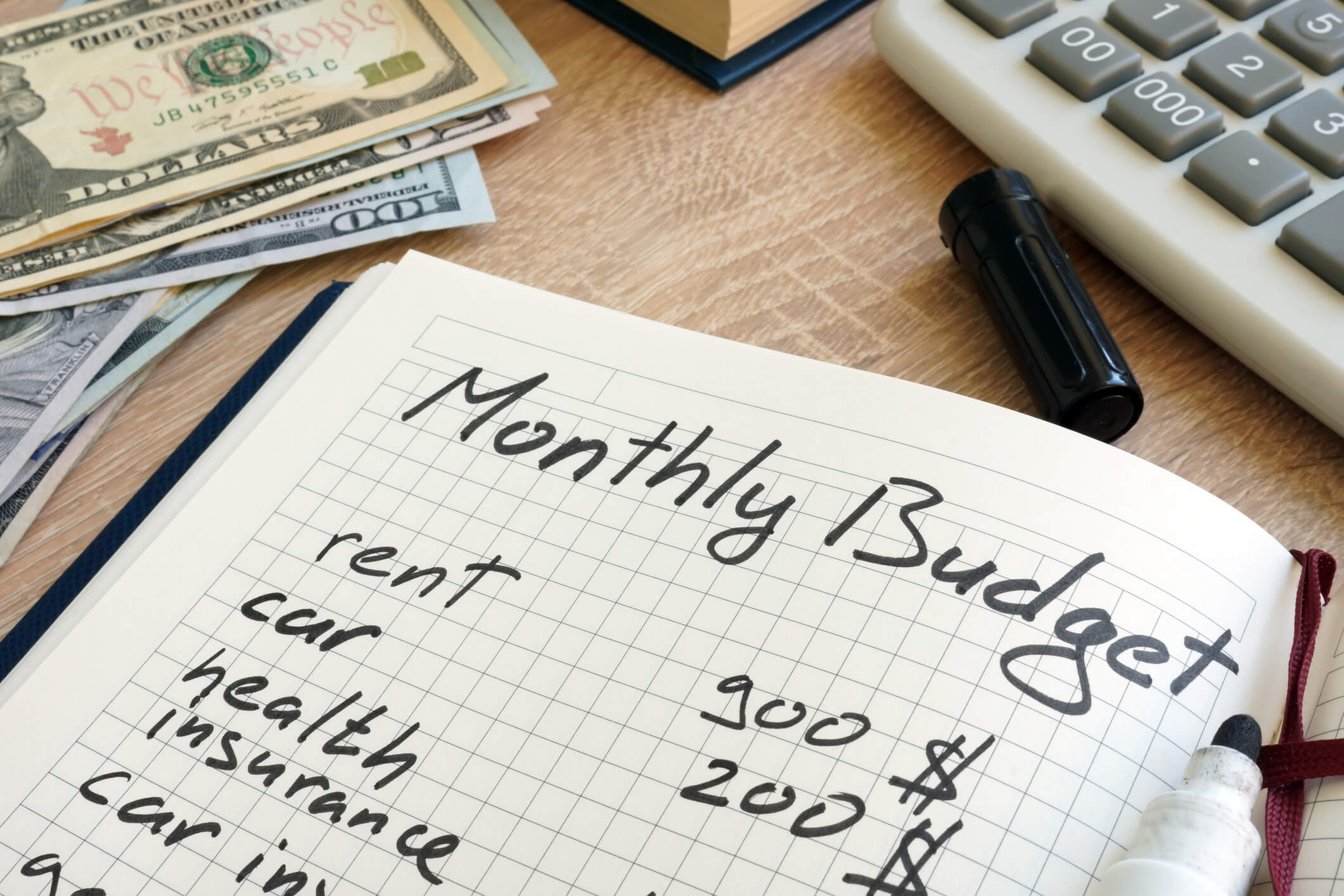
Managing household finances means taking control of how you earn, spend, save, and invest your money to build financial security and achieve your goals. Rather than relying on complex spreadsheets or overwhelming budgeting systems, effective household finance management combines simple habits, automation, and strategic planning that fit your real life—not an idealized version of it.
After two decades of helping small business owners manage their finances through Complete Controller, I’ve discovered something powerful: the same principles that transform business accounting also revolutionize personal household finances. Most people think managing household finances requires perfection and strict discipline. But what I’ve seen work—for thousands of families—is exactly the opposite. It’s the small, sustainable habits that create lasting financial confidence. In this guide, I’m sharing the exact strategies we recommend, the traps to avoid, and the automation tricks that remove willpower from the equation entirely. You’ll discover how to cut wasteful spending, build an emergency cushion, and plan for both security and joy in your financial life.

What is household finance management, and why should you start now?
- Household finance management is the practice of monitoring income, controlling expenses, automating savings, and planning for future goals—creating financial stability and reducing money-related stress
- It starts with understanding where your money actually goes, not where you think it goes
- Small adjustments—like automating transfers or eliminating unused subscriptions—compound into significant financial freedom
- Building an emergency cushion, even starting with $20 per week, protects you from unexpected costs and prevents debt spirals
- The goal isn’t perfection; it’s progress through intentional, repeatable money habits
Stop Guessing About Your Spending—Review Your Patterns First
Don’t fall into the strict budget trap. Most household finance advice starts with “create a detailed budget,” but research and real-world experience show this approach fails for 60% of people. Almost one-quarter of American households are living paycheck to paycheck in 2025, spending more than 95% of their income on necessities like housing, food, utilities, and transportation.
Instead, spend one week observing how you actually spend money. Pull your checking account statements, credit card bills, and digital wallet history. Look for patterns:
- Are subscriptions you’ve forgotten about still draining your account?
- Do grocery trips cost more than you budgeted?
- Where does discretionary spending cluster?
Why prattern recognition works better than budgeting
Understanding your true spending habits is the foundation of effective household finances. Once you see where money actually goes, you can make small, realistic adjustments—switching to generic brands, rotating streaming services seasonally, or limiting impulse purchases. This approach beats rigid budgeting because it’s based on reality, not willpower.
Automate Your Way to Consistent Household Finance Growth
Willpower is unreliable. Automation is not. If you’ve ever meant to transfer money to savings and forgot, you’re not disorganized—you’re human. Decision fatigue and temptation are the real barriers to saving.
The solution: remove decisions from the equation entirely. Take inspiration from Erin and Adam in Adelaide, who automated their household finances and saved $70,000 in just two years. They haven’t manually paid a bill in two years because everything runs automatically.
Setting up automatic transfers for household finances
- Direct deposit into a high-yield savings account on payday (before you see the money)
- Automatic transfers to savings scheduled the same day as paycheck deposit
- Autopay for bills to avoid late fees and the stress of manual tracking
- Round-up apps that automatically save spare change
Even small automated contributions—$20 per week, $100 per month—build momentum over time and significantly improve long-term household finances. Complete Controller has found that clients who automate savings increase their savings rate by an average of 40% within six months.
Build Your Emergency Cushion—Start Small, Think Long-Term
A full emergency fund sounds impossible. So don’t aim for it yet. Financial advisors recommend three to six months of expenses in emergency savings, but this target can feel unreachable when money is tight. Here’s the reality: 36% of Americans would struggle to cover an unexpected $400 emergency expense.
Start smaller. Even $20 per week builds financial momentum and psychological confidence.
Creating your household financial safety net
Keep emergency savings separate from regular spending in an easy-access account (high-yield savings accounts currently offer 4%–5% APY). This separation prevents mixing emergency funds with daily spending money. Over time, this cushion protects you from:
- Unexpected car repairs
- Medical bills
- Missed paychecks
- Appliance failures
Without an emergency fund, most households turn to credit cards or loans when surprises occur, creating debt that compounds household finance problems.
The Hidden Cost of Financial Stress
People without emergency savings spend 7.3 hours per week thinking about and dealing with their finances, compared to just 3.7 hours per week for those with at least $2,000 in savings. Additionally, workers without emergency savings are four times more likely to be distracted at work due to financial stress. Building even a small emergency fund reduces this mental burden significantly.
Stop the Subscription Bleed—Identify and Eliminate Wasteful Recurring Charges
One of the easiest wins in household finances comes from canceling subscriptions you’re not using. Americans spend an average of $273 per month on subscription services, but when asked to estimate their spending, most people guess only around $111 per month. This represents a 146% underestimation—meaning the average household wastes over $3,200 per year on subscriptions they barely notice or remember having.
How unused subscriptions drain household finances
Spend one hour listing every recurring charge:
- Streaming services (media, entertainment, fitness)
- Delivery app memberships
- Software licenses
- Monthly boxes or services
Do the math: If you’re paying for five subscriptions at $15 each, that’s $900 per year—often without remembering you have them. Cancel anything you haven’t used in a month; you can restart it later if needed.
Beyond subscriptions: Other recurring budget drainers
- Automatic deliveries (toilet paper, household items) when buying in bulk during sales is cheaper
- Premium memberships that don’t justify their fees with actual savings
- Optional car insurance coverage on vehicles with low market value

Plan for Joy—Because Sustainable Household Finances Include Happiness
A budget focused only on survival doesn’t last. One of the most overlooked aspects of household finance management is planning for the things that bring you joy.
Building pleasure into your household budget
Include line items for:
- Family outings
- Weekend getaways
- Entertainment and hobbies
- Nice meals out (not fast food runs)
When you budget for joy intentionally, you’re less likely to fall into guilt spending or financial burnout later. This balance between responsibility and happiness is what makes a financial plan sustainable long-term.
Face Your Debt Head-On—Choose Your Strategy and Build Momentum
Avoiding debt is tempting. Confronting it is powerful. Most people know they should review their debt picture, but fear and avoidance keep them stuck.
Taking control of household finances through debt strategy
Pull your free credit report at AnnualCreditReport.com and review:
- All account balances
- Interest rates on each debt
- Minimum payments
- Due dates
Then choose a repayment strategy that matches your psychology:
Debt Snowball Method: Pay off the smallest balance first
- Builds quick wins and motivation
- Creates momentum as smaller debts disappear
- Best for people who need psychological wins
Debt Avalanche Method: Pay off the highest-interest debt first
- Saves the most money over time
- Reduces total interest paid
- Best for people motivated by mathematical optimization
Both strategies work. Pick the one that keeps you consistent.
Strengthen Your Household Finances Through Strategic Goal Setting
Vague goals fail. Specific, measurable goals succeed. Setting clear financial goals for the new year is one of the most motivating parts of household finance planning. According to Fidelity Investments, 64% of Americans are considering a financial resolution for 2026—up from 56% in 2025—and nearly half are resolving to save more money.
How to set goals that stick
Instead of “I want to save more,” define exact targets:
- “I will save $200 each month in my savings account”
- “I will pay off my credit card by June 30″
- “I will build a $1,500 emergency fund by March”
- “I will contribute $500 extra to retirement savings this year”
When goals have structure, they become easier to manage, track, and achieve. Review your goals monthly and adjust as life changes.
Linking household finance goals to yourbigger picture
- Short-term goals (0–3 months): Build initial emergency fund, cancel unused subscriptions, automate savings
- Medium-term goals (3–12 months): Reach $1,000+ emergency fund, pay off smallest debt, increase retirement contributions
- Long-term goals (1+ years): Full emergency fund, mortgage payoff, wealth building
Review and Optimize Your Household Finances Annually
Household finance management isn’t about constant tweaking—it’s about annual reflection and adjustment. Look back before moving forward. Ask yourself:
- Did I reach my financial goals this year?
- Did my spending stay on track, or were there surprises?
- What unexpected expenses threw things off?
- What household finance habits worked, and which didn’t?
Once you’ve reflected, review your budget as a roadmap. If it didn’t work, adjust it. Consider retirement accounts too—if your employer offers matching, make sure you’re contributing enough to capture the full benefit. Contributing to retirement accounts before year-end reduces your taxable income, creating a natural tax break that improves both your household finances and your tax liability simultaneously.
Conclusion
Managing household finances doesn’t require perfection—it requires progress. The strategies in this guide—reviewing your spending, automating savings, building an emergency cushion, eliminating wasteful subscriptions, planning for joy, and setting clear goals—work because they’re based on how people actually behave, not how budgeting textbooks say they should.
I’ve spent two decades helping business owners transform their finances through these same principles. The difference between those who struggle financially and those who thrive isn’t discipline or income—it’s systems. When you remove willpower from the equation and replace it with automation, when you base decisions on real spending patterns rather than guesses, and when you balance responsibility with joy, financial confidence follows naturally.
Your household finances are yours to control. Start with one habit this week—review your subscriptions, set up automatic savings, or pull your credit report. Small steps compound. Six months from now, you’ll look back and wonder why you didn’t start sooner.
Ready to take control of your household finances? Complete Controller specializes in helping families and business owners build sustainable financial systems. Visit Complete Controller to learn more about our bookkeeping and financial planning services.

Frequently Asked Questions About Household Finances
What is the first step in managing household finances?
The first step is reviewing your actual spending patterns for one week, not creating a strict budget. Understanding where your money truly goes—not where you think it goes—is the foundation of effective household finance management.
How much should I have in an emergency fund?
Financial experts recommend three to six months of expenses, but start smaller. Even $20 per week builds momentum and protects you from unexpected costs without feeling overwhelming.
Should I use the debt snowball or debt avalanche method?
Both work equally well. Choose the debt snowball (pay smallest balance first) if you’re motivated by quick wins, or the debt avalanche (pay highest interest first) if you prefer maximizing savings. The best method is the one you’ll actually follow.
How do I automate my household finances?
Set up automatic transfers to savings on payday, enable direct deposit to a savings account, and activate autopay for bills. Automation removes decision fatigue and increases savings consistency by up to 40%.
Can I still have fun while managing household finances responsibly?
Yes—planning for joy is essential to sustainable household finances. Budget intentionally for entertainment, outings, and hobbies. A financial plan that includes happiness prevents guilt spending and burnout.
Sources
- Harvard FCU. “Small Financial Habits to Set You Up for a Successful 2026.” Harvard FCU Blog, 2025, https://blog.harvardfcu.org/small-financial-habits-to-set-you-up-for-a-successful-2026.
- Greylock Insurance. “Do This, Not That: Plan Your 2026 Finances with Ease.” Greylock Insurance, 2025, https://www.greylockinsurance.com/post/dothisnotthatplanyour2026financeswith_ease.html.
- Merchants Bank. “Year-End Financial Planning: 7 Steps to Start 2026 with Confidence.” Merchants Bank, 2025, https://merchantsbankal.bank/year-end-financial-planning-for-2026/.
- Service Credit Union. “Do This, Not That: Financial Wellness Tips to Plan Your 2026 Money Goals.” Service Credit Union, 2025, https://servicecu.org/resources/blog/detail/do-this–not-that–financial-wellness-tips-to-plan-your-2026-money-goals/.
- Kiplinger. “8 Things You Need to Stop Wasting Money on in 2026.” Kiplinger Personal Finance, 2025, https://www.kiplinger.com/personal-finance/spending/things-you-need-to-stop-wasting-money-on.
 About Complete Controller® – America’s Bookkeeping Experts Complete Controller is the Nation’s Leader in virtual bookkeeping, providing service to businesses and households alike. Utilizing Complete Controller’s technology, clients gain access to a cloud platform where their QuickBooks™️ file, critical financial documents, and back-office tools are hosted in an efficient SSO environment. Complete Controller’s team of certified US-based accounting professionals provide bookkeeping, record storage, performance reporting, and controller services including training, cash-flow management, budgeting and forecasting, process and controls advisement, and bill-pay. With flat-rate service plans, Complete Controller is the most cost-effective expert accounting solution for business, family-office, trusts, and households of any size or complexity.




 Brittany McMillen
Brittany McMillen
Brittany McMillen