


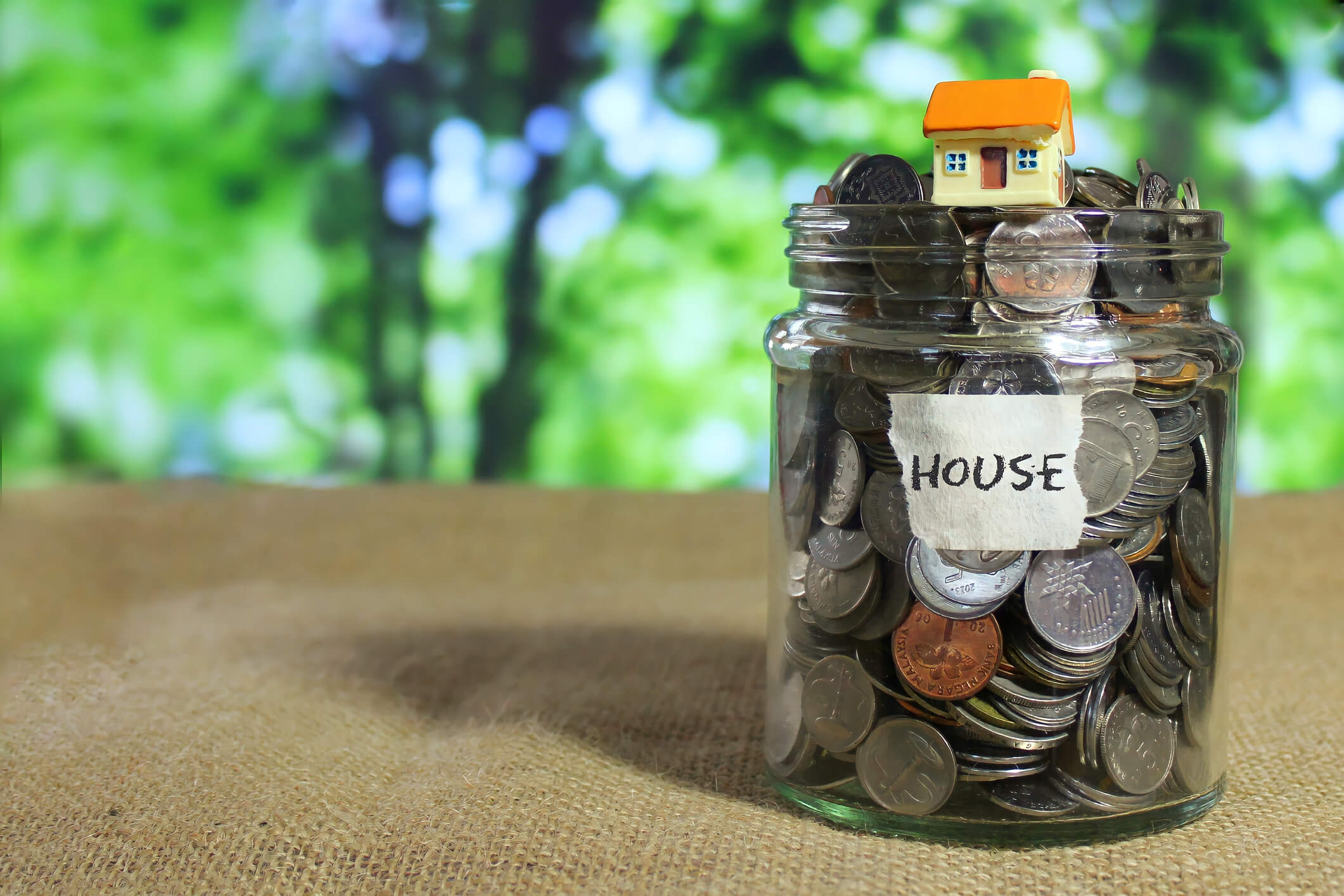
Super Tips to Save for Your Down Payment on a House
To save for down payment on a house, you need a clear target number, realistic timeline, and intentional savings system that includes a dedicated account, automated deposits, expense cuts, extra income, and smart use of assistance programs. When you approach your down payment like a project—backed by data, a budget, and accountability—you turn a vague dream into a specific monthly savings plan you can actually hit.
As the founder of Complete Controller, I’ve coached thousands of households and business owners on cash flow habits for over 20 years. I’ve seen people on very average incomes save five-figure down payments in two to four years—not because they were lucky, but because they treated the goal like a non-negotiable bill and leveraged every financial tool available to them. In this article, I’ll show you the exact strategies I recommend to clients when we’re building a down payment roadmap that works in the real world, not just on a spreadsheet. You’ll discover how to calculate your true savings target, build an automated system that runs itself, cut expenses strategically, boost income through multiple channels, and tap into the 2,624 assistance programs now available nationwide.

How do you save for a down payment on a house, and get it right?
- Set a target price and down payment amount, build a budget and timeline, then automate savings into a dedicated, higher-yield account and boost progress with expense cuts, extra income, and assistance programs.
- Start by calculating how much house you can afford, what percent you truly need to put down (often 3–10%, not 20%), and how long you want to give yourself to reach that number.
- Use a line-item budget, separate savings account, and automated transfers so your down payment contribution happens before lifestyle spending, not after.
- Accelerate your fund with raises, bonuses, windfalls, side income, and by refinancing or paying down high-interest debt to free up cash.
- Research local and national down payment assistance, grants, and first-time buyer programs so you’re not trying to save more than you actually need.
Understanding How Much You Really Need to Save for a Down Payment
Before you can optimize tactics, you need to know your number and your options.
How much house can you afford?
Your total monthly housing budget includes mortgage principal and interest, property taxes, homeowner’s insurance, HOA dues, and basic maintenance. This payment needs to align with your broader financial life—emergency fund, retirement contributions, debt payoff—your target payment should coexist with these, not crowd them out.
What percentage do you actually need to put down?
Typical down payment ranges vary by loan type:
- Conventional loans: as low as 3% down
- FHA loans: around 3.5% down
- Some VA/USDA loans: 0% down for eligible borrowers
While 20% down avoids PMI and lowers your payment, tying up too much cash can leave you underfunded for emergencies and repairs. Private mortgage insurance costs have dropped to about 0.4% of the loan amount annually, making 5–10% down often the smarter trade-off.
How long will it take to save?
According to Realtor.com analysis, the typical American household now needs about seven years to save for down payment, down from 12 years in 2022. Your timeline depends on your location—from less than two years in affordable military towns to over 36 years in expensive coastal cities. Back into your monthly savings target by dividing your down payment goal by months to target. If the monthly number feels unrealistic, adjust one of three levers: home price, percentage down, or timeframe.
Build a Down Payment Savings System That Runs on Autopilot
This section covers the backbone of your plan: where the money lives and how it gets there.
Choose the right account for your down payment fund
High-yield savings and money market accounts earn significantly more interest than traditional savings while keeping funds liquid and safe. Current rates hover between 3.90% to 4.20% APY—roughly 10 times higher than traditional bank accounts. For longer timelines of 2–5 years, short-term CDs or CD ladders lock a portion of funds for higher rates while maintaining staged access.
Automate your savings so willpower isn’t required
Pay your future house first, not last. Set a fixed transfer on payday from checking to your down payment account. Where possible, split direct deposit—ask your employer to send a percentage of each paycheck directly into the house fund, so you never see it in spendable cash.
Track progress with simple, motivating metrics
Break a $30,000 goal into $5,000 mini-goals and celebrate small wins to stay engaged over multiple years. Monitor your savings rate, not just balance—keep an eye on the percent of income going to the down payment. Nudging that up by even 2–3% can knock months off your timeline.
Everyday Spending Tweaks That Supercharge Your Ability to Save for Down Payment
Most advice stops at “cut lattes.” This section translates expense cuts into real, measurable savings.
Audit and trim your fixed bills first
Shop around for car, renter’s, and health insurance, plus cell and streaming services. Renegotiating or switching providers can free hundreds per year. List all recurring charges and cut what you don’t use at least monthly—redirect those dollars directly to the house account.
Redesign discretionary spending with clear rules
Set monthly caps for dining out, travel, and entertainment. Move the difference into savings when you come in under budget. Create lifestyle swaps with visible payoff—cooking at home 3 extra nights weekly might free $150/month. Track that as “House Money” in your budget so you see the connection.
Use structured savings challenges and “no-spend” sprints
Challenges that make saving feel like a game include:
- 52-week savings challenge
- Weekend no-spend challenges
- “No new clothes for 90 days”
Sweep all avoided spending into savings. Tie challenges to specific short-term milestones—”This 30-day eating-out freeze will get us to $10,000 even.”
A down payment is easier with a plan. Complete Controller can help you build one.

Make More, Save Faster: Income and Windfall Strategies
When expenses are lean, new income often moves the needle fastest. First-time buyers increasingly rely on multiple funding sources—59% personal savings, 26% from financial assets, and 22% from gifts or loans from family and friends. In 2025, 30% of Gen Z homeowners reported taking extra jobs to fund their down payment.
Turn windfalls into down payment accelerators
Direct 80–100% of extra money to your house fund—tax refunds, bonuses, gifts, and inheritances can meaningfully shorten your timeline. Pre-decide your rule: “We send 90% of every windfall straight to the down payment, keep 10% for fun.”
Use side income intentionally, not casually
Freelance projects, gig work, or monetizing a hobby—earmark all side-hustle profit for the down payment so you don’t inflate baseline lifestyle. Decluttering sales of furniture, electronics, and clothing can add a quick few hundred to a few thousand dollars to your fund.
Optimize your main job income
Negotiate raises and promotions with a purpose. Tie at least half of any raise to increased savings instead of higher spending—set a new automated contribution the same month your raise hits. If you consistently get large tax refunds, dial in withholding and route the extra monthly cash to savings instead of waiting for next year’s lump sum.
Where Many Buyers Leave Money on the Table: Programs That Help
Most guides underplay assistance. As of Q3 2025, there are 2,624 down payment assistance programs available nationwide—the highest number ever recorded. The average benefit is $18,000.
Down payment assistance, grants, and special programs
Many government and nonprofit programs offer grants, forgivable loans, or low-interest loans specifically for first-time or lower-income buyers. Income limits, purchase price caps, location requirements, and homebuyer education courses are common criteria—plan ahead so your financial profile fits.
Employer and community benefits you might be missing
- Employer-sponsored homebuyer benefits: Some employers partner with lenders or housing agencies to offer down payment help, closing cost credits, or education programs.
- Credit union and community bank offerings: Membership-based institutions sometimes layer their own grants on top of government assistance for members in specific professions or regions.
Integrating assistance into your savings math
If assistance covers $10,000 of a $40,000 down payment, your cash goal drops to $30,000—freeing resources for closing costs or reserves. Some programs have limited annual funding or specific enrollment windows—build these dates into your plan so you’re ready when they open.
Case Study & Lender Insight: Turning a “Someday” Down Payment into Reality
One buyer profiled by The Mortgage Reports reached a down payment goal in 18 months using multiple strategies. They cut discretionary spending by $300/month, negotiated a modest raise freeing up $200/month, redirected a $5,000 tax refund, and qualified for $12,000 in local assistance. By layering these tactics over 18 months, the buyer accumulated a $25,000 down payment and closed within budget. The key was flexibility—adjusting neighborhood expectations and settling on a slightly older home freed up budget room for higher contributions.
What mortgage pros say about “trial-run” savings
A senior mortgage executive recommends deciding what total monthly housing cost you’re comfortable with (mortgage, taxes, insurance, HOA), then paying that amount into savings every month before you buy. This rapidly grows your down payment fund, pressure-tests whether your planned payment really fits your lifestyle, and exposes budget strain before you sign a 30-year contract.
Debt, Credit, and Risk: Smart Ways to Save Without Sabotaging Finances
This balance is often missing from typical advice.
Tackle high-interest debt to free up cash
Paying down high-interest balances improves your debt-to-income ratio and frees room in your budget for savings. Focus extra payments on high-rate debt while maintaining a base level of down payment savings so you don’t stall progress entirely.
Protect your emergency fund while you save
Keep at least 3–6 months of essentials in a separate emergency account so one surprise expense doesn’t derail your plan. Down payment, emergency fund, and short-term goals should live in different buckets with clearly defined minimums.
Risk-aware investing for near-term homebuyers
When your horizon is under five years, market volatility can work against you—capital preservation typically matters more than chasing high returns. If your timeline is longer and your risk tolerance is high, you might place a portion of funds in conservative investments—never money you can’t afford to see fluctuate.
Final Thoughts: Your Down Payment is a System, Not a Fantasy
Saving for a down payment is less about heroic discipline and more about building a system: clear numbers, realistic timelines, dedicated accounts, automation, strategic expense cuts, extra income, and smart use of assistance. When those pieces are in place, progress becomes predictable instead of hopeful.
As someone who’s spent decades helping people align their money with their goals, I can tell you the biggest shift isn’t mathematical—it’s mental. The day you start treating your down payment like a non-negotiable bill and track every dollar “found” in your budget as a step toward your future front door, the process stops feeling impossible and starts feeling inevitable. If you want expert help turning these strategies into a tailored plan, visit Complete Controller to connect with a team that lives and breathes disciplined, goal-driven money management.

Frequently Asked Questions About save for down payment
How much should I save for a down payment on a house?
The amount depends on your target home price, loan type, and comfort level, but most buyers put down 3–20% of the purchase price. You may also need extra savings for closing costs and initial repairs.
Is it really necessary to put 20% down on a house?
No; many conventional loans allow down payments as low as 3%, and FHA loans start around 3.5%. Putting 20% down helps avoid PMI and lowers your payment, but a smaller down payment can be better if it keeps your emergency fund intact or gets you into a home sooner.
Where should I keep my savings for a down payment?
Most experts recommend high-yield savings or money market accounts so your money earns more interest while staying safe and accessible. For longer timelines, you can also use short-term CDs or a CD ladder for a portion of your funds.
How long does it take to save for a down payment?
Timelines vary widely—often 2–7 years, depending on income, expenses, home prices, and savings rate. Calculate your goal amount, divide by how much you can save each month, and use automation, expense cuts, and extra income to shorten the timeline where possible.
Are there programs that can help me with a down payment?
Yes. Many state and local governments, lenders, and nonprofits offer down payment assistance, grants, and forgivable loans, especially for first-time buyers. Check with your local housing authority, HUD-approved counselors, and participating lenders to see what you qualify for.
Sources
- American Bankers Association. (2024). “6 Tips for Saving for Your Down Payment.” ABA Consumer Resources. https://www.aba.com/
- Ally Bank. (2023). “10 Ways to Save for a Down Payment.” Ally Stories: Home. https://www.ally.com/
- Bankrate. (2024). “How to Save for a Down Payment.” Bankrate Mortgage Guide. https://www.bankrate.com/mortgages/
- Bankrate. (January 2026). “Best High-Yield Savings Accounts Of January 2026.” Bankrate Banking. https://www.bankrate.com/banking/savings/best-high-yield-interests-savings-accounts/
- Bankrate. (2025). “Mortgage Insurance Gets Cheaper.” Bankrate Mortgages. https://www.bankrate.com/mortgages/pmi-costs-less/
- Bank of America. (2025). “2025 Homebuyer Insights Report.” About Bank of America. https://about.bankofamerica.com/en/making-an-impact/homebuyer-insights-report/
- Down Payment Resource. (Q3 2025). “Down Payment Assistance Hits Record High in Q3 2025 With 2,624 Programs and Counting.” Down Payment Resource Homeownership Program Index. https://downpaymentresource.com/professional-resource/down-payment-assistance-hits-record-high-in-q3-2025-with-2624-programs-and-counting/
- Fidelity Investments. (2024). “How to Save for a House or Down Payment.” Fidelity Smart Money. https://www.fidelity.com/
- Jones, H. (December 2025). “Here’s How Long It Now Takes To Save for a Down Payment on a House.” Realtor.com Trends. https://www.realtor.com/news/trends/down-payment-home-save-time-december-2025/
- National Association of REALTORS®. (November 2025). “First-Time Home Buyer Share Falls to Historic Low of 21%, Median Age Rises to 40.” NAR Newsroom. https://www.nar.realtor/newsroom/first-time-home-buyer-share-falls-to-historic-low-of-21-median-age-rises-to-40/
- NerdWallet. (2024). “How to Save for a House: A Step‑by‑Step Guide.” NerdWallet Mortgages. https://www.nerdwallet.com/
- Rate.com. (2024). “How to Prepare Your Finances to Buy a House in 2026.” Guaranteed Rate Mortgage Resources. https://www.rate.com/
- San Diego Housing Commission. (2024). “Savings Strategies: How to Boost Your Down Payment Fund for Your First Home.” SDHC News Blog. https://www.sdhc.org/
- Success Credit Union. (2023). “How to Save for a Down Payment on a Home.” Success Credit Union Blog. https://www.successcu.org/
- The Mortgage Reports. (2026). “How Much Should You Put Down on a House?” The Mortgage Reports. https://themortgagereports.com/
- The Mortgage Reports. (Summer 2025). “Flexible Home Buyers Are Having Most Success in 2025: Report.” The Mortgage Reports. https://themortgagereports.com/121745/first-time-home-buyer-survey-report-2025/
- U.S. Department of Housing and Urban Development. “Buying a Home.” HUD.gov. https://www.hud.gov/topics/buyingahome
- U.S. Consumer Financial Protection Bureau. “Owning a Home.” ConsumerFinance.gov. https://www.consumerfinance.gov/owning-a-home/
- U.S. Internal Revenue Service. “Tax Withholding.” IRS.gov. https://www.irs.gov/individuals/tax-withholding
 About Complete Controller® – America’s Bookkeeping Experts Complete Controller is the Nation’s Leader in virtual bookkeeping, providing service to businesses and households alike. Utilizing Complete Controller’s technology, clients gain access to a cloud platform where their QuickBooks™️ file, critical financial documents, and back-office tools are hosted in an efficient SSO environment. Complete Controller’s team of certified US-based accounting professionals provide bookkeeping, record storage, performance reporting, and controller services including training, cash-flow management, budgeting and forecasting, process and controls advisement, and bill-pay. With flat-rate service plans, Complete Controller is the most cost-effective expert accounting solution for business, family-office, trusts, and households of any size or complexity.




 Brittany McMillen
Brittany McMillen
Brittany McMillen