


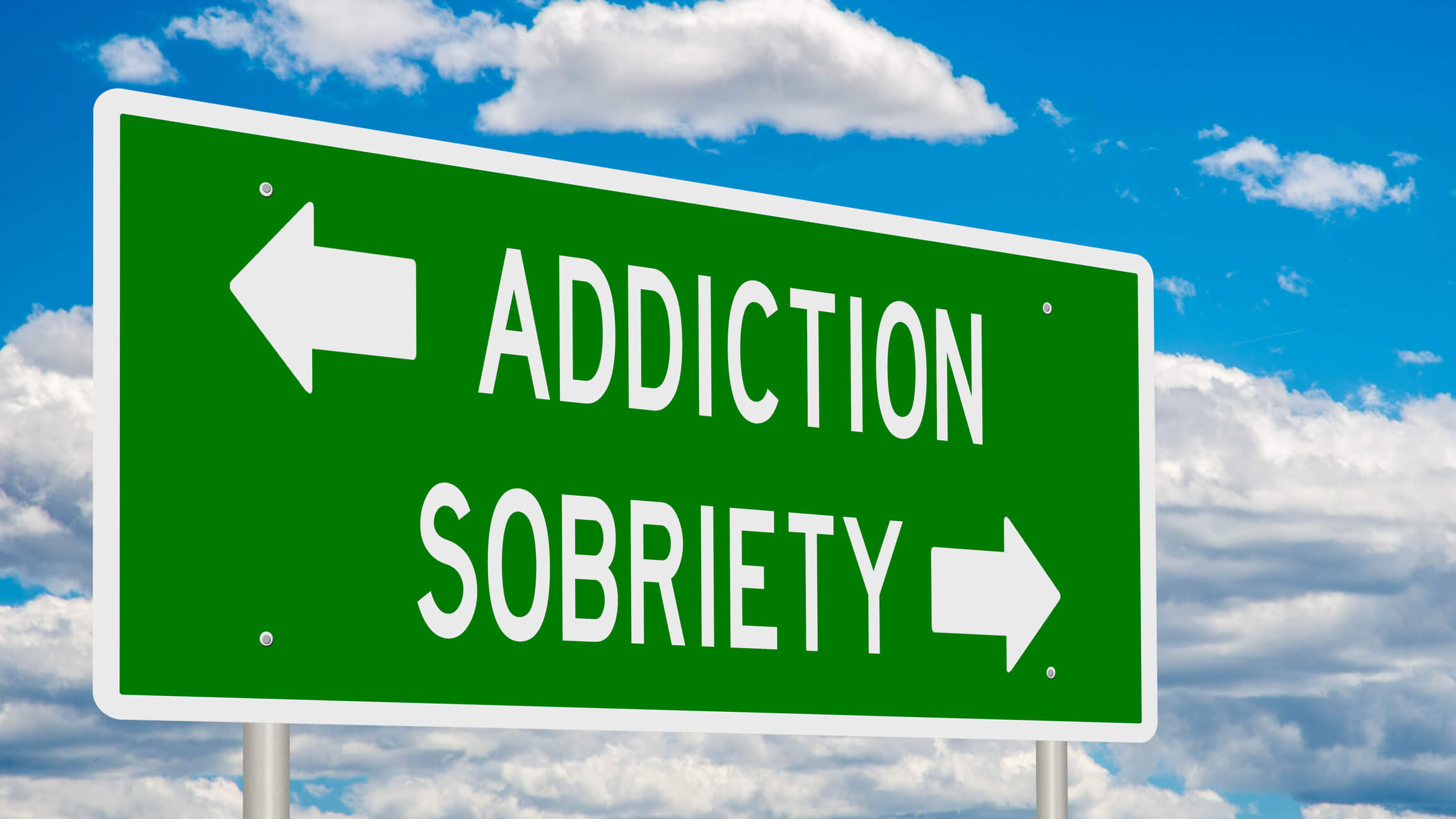
Sober Homes:
A New Life—Hope, Healing, and Lasting Recovery
Sober Homes A New Life provide transitional, drug-free housing for individuals in recovery from addiction, combining structured routines, peer accountability, and recovery resources to help residents rebuild their lives and sustain long-term sobriety. These residences bridge the gap between inpatient treatment and independent living, offering 24/7 support, mandatory meetings, random drug screenings, and community connections that turn fragile sobriety into a stable, hopeful future.
In my 20+ years leading Complete Controller, I’ve had the privilege of working alongside business owners, families, and nonprofits navigating every kind of personal and financial storm—including addiction recovery. What I’ve learned is this: stable housing plus financial discipline is a recovery superpower. In this article, I’ll walk you through how sober living homes work, the real benefits they deliver, a powerful success story, and a financial roadmap most recovery articles completely miss. By the end, you’ll know exactly what to look for in a recovery home, how to support a loved one (or yourself), and how to build the kind of foundation that actually lasts.

What are sober homes a new life and how do they help people recover?
- Quick Answer: Sober Homes A New Life are structured, drug-free recovery residences that support sobriety through accountability, peer community, and life-rebuilding resources.
- Structure: Residents follow curfews, chores, and house rules that restore daily rhythm.
- Accountability: Random drug screens and mandatory AA/NA meetings reinforce clean living.
- Community: Peer support reduces isolation—a leading relapse trigger.
- Bridge to Independence: Most stays last 90 days to 6+ months, building habits before solo living.
What Are Sober Homes A New Life and How Do They Support Recovery?
Sober Homes A New Life are recovery residences designed to give people leaving treatment a safe, sober place to land. Unlike halfway houses—which are often court-mandated—these homes are privately operated, flexible, and laser-focused on rebuilding routine and responsibility.
Core elements include:
- 24/7 staff oversight and house managers
- Mandatory 12-step meetings (AA/NA)
- Random drug and alcohol screenings
- Shared chores and community meals
- Access to counseling and life skills training
A landmark study on the Oxford House model—a national network of peer-run sober homes—found residents had significantly better outcomes than those receiving usual aftercare, including higher abstinence rates, better employment, and lower incarceration over a two-year period. That’s the power of community-based accountability.
The Core Benefits of Sober Homes A New Life for Addiction Recovery
Sober Homes A New Life remove the chaos and triggers that derail early sobriety, replacing them with structure, support, and purpose. The result? People don’t just stay sober—they start to thrive.
Structured environment in sober living homes
Curfews, chores, weekly house meetings, and employment requirements rebuild the daily rhythm addiction stole. Residents learn to show up—for themselves and others. This kind of structure is what separates surviving recovery from truly living it.
Building a recovery community
Peer bonds and family-style living do something medication and therapy alone can’t: they replace shame with belonging. Group counseling, mentorship, and shared meals address the loneliness that fuels substance abuse treatment needs in the first place.
When life gets rebuilt, your finances should too. Connect with Complete Controller.

How Sober Homes A New Life Programs Promote Relapse Prevention
Relapse is part of the chronic nature of addiction—not a personal failure. According to the National Institute on Drug Abuse, relapse rates for substance use disorders sit between 40%–60%, comparable to chronic illnesses like diabetes and asthma. This is exactly why longer-term support matters so much.
Sober homes integrate daily prevention strategies including:
- App-based meeting check-ins
- Random urinalysis screenings
- Sponsor and peer accountability partners
- Trigger identification workshops
- Structured aftercare referrals
Aftercare support and halfway house transition
Post-inpatient residents benefit from outpatient counseling, job placement, and life-skills coaching. Programs like the Rescue Mission’s New Life Program offer 6-month counseling phases that solidify recovery before independence.
Holistic recovery programs with trauma-informed care
Many homes layer in faith-based study, individual therapy, and work therapy to address the why behind addiction—not just the symptoms. Healing trauma is healing the root.
Real-World Success: Tyrone’s Transformation at Springs Rescue Mission
Tyrone walked into the New Life Program at Springs Rescue Mission in February 2019 after hitting bottom—addicted, unemployed, and homeless. Over 13 months, he engaged in work-readiness volunteering, counseling, and peer support. He graduated with stable employment, restored relationships, and lasting sobriety.
Tyrone’s story isn’t an outlier. It’s what happens when structure, community, and skills training collide. And it’s a reminder: recovery isn’t a moment—it’s a series of small, supported decisions.
Choosing Sober Living Homes Near Me with Strong Support
Not all sober homes are created equal. The strongest programs go far beyond a roof and a rulebook—they offer career development, family therapy, and integrated 12-step programming. Atlanta-area homes, for example, often require employment or schooling within 30 days, a powerful motivator for forward momentum.
When evaluating options, look for:
- Furnished, safe, gender-specific housing
- Onsite AA/NA meetings
- Career and education requirements
- Family therapy and visitor policies
- Trained recovery peer support specialists (PRSS)
Clean and sober living with sober companion oversight
Staffed houses with house managers, sober companions, and random testing create the supportive bridge most people need between treatment and solo life. This kind of oversight isn’t restrictive—it’s protective.
Financial Stability in Sober Homes A New Life—The Overlooked Key to Lasting Recovery
Here’s something most recovery articles skip: money stress is one of the biggest relapse triggers. Rent, legal fees, restitution, child support, and rebuilding credit all hit at once. Sobriety needs a financial plan, period.
After two decades helping people stabilize their finances at Complete Controller, I’ve seen firsthand how budgeting can be the difference between long-term recovery and a setback.
Sober living after inpatient treatment: Budgeting for success
Start simple. Track every expense with a free app, build a small emergency fund during work-therapy phases, and tackle debts in order of urgency (legal first, then high-interest).
Pro Tip: Allocate 30% of income to housing, 20% to savings, and automate everything you can. I’ve watched clients double their stability rates using this exact framework.
Residential Recovery and Long-Term Outcomes in Sober Homes A New Life
Graduates often transition into discounted sober homes like Freedom House, practicing their new habits in safer settings for another 4–6 months before fully independent living. That extra runway matters more than most people realize.
Measuring success: Reduced relapse and community impact
A randomized controlled trial published in the Journal of Psychoactive Drugs followed sober living residents over 18 months. The findings? Days of alcohol and drug use dropped significantly, arrests declined, and the biggest improvements happened during the first 6 months—then held steady. Translation: time in a structured sober home pays compounding dividends.
Final Thoughts: Hope, Healing, and a Real Path Forward
Sober Homes A New Life are more than temporary housing—they’re launching pads for transformed lives. From Tyrone’s story to peer-reviewed research on Oxford House outcomes, the evidence is clear: structure, community, and accountability change everything. Add financial clarity to that mix, and you’ve got a recovery foundation that holds up under real-world pressure.
If you or someone you love is rebuilding after addiction, you don’t have to figure out the financial side alone. The team at Complete Controller specializes in helping individuals and families create the bookkeeping, budgeting, and financial systems that protect recovery for the long haul. Reach out today—your new life deserves a strong financial foundation.

Frequently Asked Questions About Sober Homes A New Life
What is a sober living home?
A sober living home is a drug-and-alcohol-free residence that supports people post-treatment through house rules, mandatory meetings, peer accountability, and random drug screenings to help sustain long-term recovery.
How long should someone stay in sober homes?
A minimum of 90 days is standard, but 6 months or longer is ideal. Research shows the biggest gains in sobriety and stability happen during the first 6 months of structured sober living.
Are drug tests required in sober living homes near me?
Yes. Random urinalysis is standard practice in reputable sober homes to maintain a clean, safe environment for all residents. Specific policies vary by house.
What’s the difference between a halfway house and Sober Homes A New Life?
Halfway houses are often court-ordered and tied to the criminal justice system. Sober Homes A New Life are private, voluntary, recovery-focused residences with more flexibility and individualized support.
Can families visit sober living homes with support programs?
Most sober homes have structured visitor policies and offer family therapy sessions to help rebuild healthy relationships during recovery. Check each home’s specific guidelines.
Sources
- Hazelden Betty Ford. “What is Sober Living – Things to Know.” www.hazeldenbettyford.org/articles/what-is-sober-living
- National Institute on Drug Abuse (NIDA). (June 2020). “Treatment and Recovery.” https://nida.nih.gov/publications/drugs-brains-behavior-science-addiction/treatment-recovery
- Polcin, Douglas L., Amy R. Mericle, Joseph R. Henderson, and Elizabeth A. Evans. (2014). “A Randomized Controlled Trial of Sober Living Houses.” Journal of Psychoactive Drugs. https://pmc.ncbi.nlm.nih.gov/articles/PMC4428949/
- Jason, Leonard A., Joseph R. Ferrari, Ryan Davis, and Joseph A. Olson. (2006). “Creating Communities for Addiction Recovery: The Oxford House Model.” Journal of Substance Abuse Treatment. https://www.sciencedirect.com/science/article/pii/S0740547205001938
- Springs Rescue Mission. “New Life Program Graduate Finds Work, Giving Back Essential to Recovery—Tyrone’s Story.” www.springsrescuemission.org/articles/new-life-program-graduate-finds-work-giving-back-essential-to-recovery-tyrones-story
- Rescue Mission of Salt Lake. “New Life Recovery Program.” rescuesaltlake.org/new-life-recovery-program
- Recovery.com. “7 Best Sober Living in Atlanta (With Pricing).” recovery.com/atlanta/sober-living
- Calvary Church Loveland. “New Life Recovery.” cacloveland.com/recovery
- A New Life Halfway House. anewlifehalfwayhouse.com
- A New Life Living. anewlifeliving.com
- Sober Living America. “Sober Living Atlanta GA.” soberlivingamerica.org/locations/atlanta-ga
- ARTS Treatment. “Recovery Homes.” www.artstreatment.com/our-services/recovery-housing
- Sober House Directory. “New Life Sober Living.” soberhousedirectory.com/operators/new-life-sober-living
- Substance Abuse and Mental Health Services Administration (SAMHSA). www.samhsa.gov
- National Institutes of Health, National Center for Biotechnology Information (NCBI). www.ncbi.nlm.nih.gov
 About Complete Controller® – America’s Bookkeeping Experts Complete Controller is the Nation’s Leader in virtual bookkeeping, providing service to businesses and households alike. Utilizing Complete Controller’s technology, clients gain access to a cloud platform where their QuickBooks™️ file, critical financial documents, and back-office tools are hosted in an efficient SSO environment. Complete Controller’s team of certified US-based accounting professionals provide bookkeeping, record storage, performance reporting, and controller services including training, cash-flow management, budgeting and forecasting, process and controls advisement, and bill-pay. With flat-rate service plans, Complete Controller is the most cost-effective expert accounting solution for business, family-office, trusts, and households of any size or complexity.




 Brittany McMillen
Brittany McMillen
Brittany McMillen