


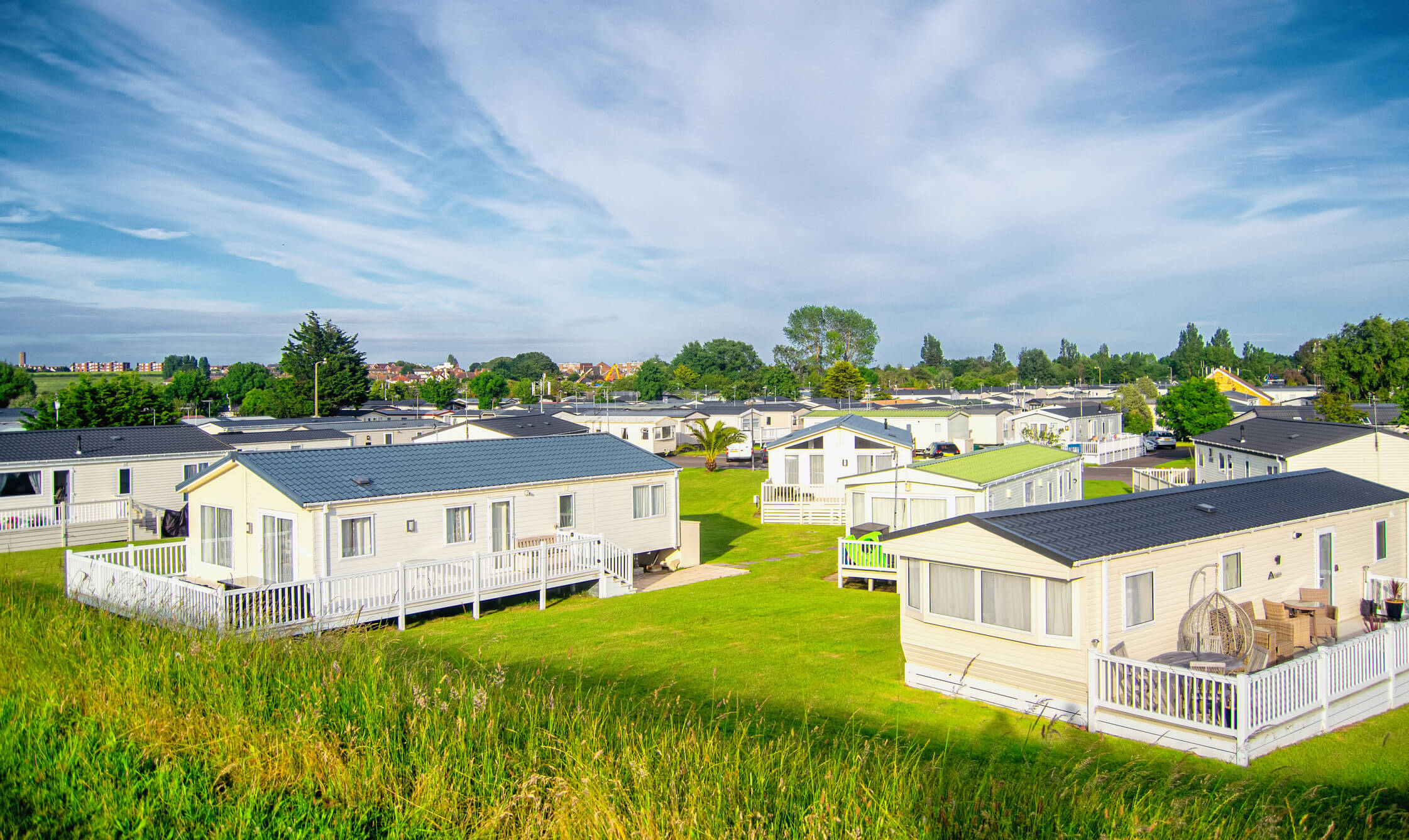
Essential Guide to Thriving in Mobile Home Parks for Beginners
Mobile home parks for beginners represent communities where you own the land and infrastructure while residents own their homes and pay monthly lot rent, typically generating 10-15% returns with minimal maintenance compared to traditional rentals. This investment model creates steady cash flow through lot rent, utility reimbursements, and additional fees while residents handle their own home repairs.
As the founder of Complete Controller, I’ve spent over 20 years helping businesses streamline their financial operations, including numerous mobile home park investors who transformed chaotic operations into profitable, passive-income machines. This guide will equip you with the exact roadmap to find, finance, and operate your first park successfully, covering everything from due diligence to business bookkeeping essentials that maximize your returns while avoiding the costly mistakes that sink most beginners.

What are mobile home parks for beginners and how do you thrive in them?
- Mobile home parks for beginners are communities where you own the land and infrastructure (roads, utilities) while residents own or rent their homes and pay monthly lot rent, often yielding 10-15% returns with minimal capex
- Thriving means focusing on high-occupancy locations near jobs and amenities, buying existing parks over building new ones to bypass zoning hurdles
- Key revenue streams include lot rent, park-owned homes (POH), utility reimbursements, and fees—aim for 90%+ occupancy for stability
- Success requires due diligence on infrastructure, resident screening, and financial management to minimize risks like repairs or vacancies
- Beginners should start small (10-25 lots), partner with brokers, and use tools like LoopNet for deals while tracking cash flow meticulously
Understanding Mobile Home Parks for Beginners: Land, Revenue, and Key Differences
Mobile home parks operate fundamentally differently from apartments because you lease land pads, not housing units, which dramatically reduces your repair and maintenance costs since residents maintain their own homes. The manufactured housing industry produced 103,314 units in 2024, representing significant growth and demonstrating strong market fundamentals for new investors entering this space.
The business model centers on collecting monthly lot rent while residents handle home maintenance, creating a unique landlord-tenant relationship where your responsibilities focus on common areas and infrastructure. This structure generates predictable income streams with lower operational headaches than traditional rental properties.
Types of mobile home parks to target as a beginner
All-age communities serving families offer broad market appeal and consistent demand, making them ideal starter investments for beginners seeking stable occupancy rates. These parks typically feature playground areas, community centers, and family-oriented amenities that attract long-term residents.
Senior communities (55+) provide lower turnover rates and often command premium lot rents due to specialized amenities like clubhouses, organized activities, and quieter environments. The aging baby boomer population continues driving demand for these communities, creating sustainable investment opportunities.
Land-only operations versus park-owned homes represent a critical decision point:
- Land-only parks minimize management complexity and maintenance costs
- Park-owned homes generate additional rental income but require more active management
- Starting with land-only operations allows gradual addition of park-owned units as you gain experience
- Mixed models combining both approaches offer flexibility and multiple revenue streams
Flat sites with 10+ acres near growing towns simplify operations and maximize future development potential while keeping infrastructure costs manageable.
Step-by-Step: How to Find and Buy Your First Mobile Home Park for Beginners
Purchasing an existing park beats building new due to complex zoning restrictions and lengthy approval processes that can delay projects for years. National occupancy rates hold steady at 94.8%, with average monthly lot rents rising 7.2% year-over-year to $717, proving the investment thesis for beginners.
Start your search by analyzing markets with strong employment, growing populations, and limited new park development—these factors protect your investment from competition. Focus on parks with 10-50 lots for manageable first investments that still generate meaningful cash flow.
Location factors for mobile home park success
Proximity to major employers, schools, and highways drives consistent demand and maintains high occupancy rates across economic cycles. Parks within 30 minutes of job centers typically maintain 90%+ occupancy even during recessions.
Population growth trends and job market strength create natural demand for affordable housing options. Research municipalities with business-friendly policies and growing industries to identify markets primed for appreciation.
Infrastructure quality matters—municipal water and sewer connections reduce operational complexity compared to private wells and septic systems. Parks with recent infrastructure updates command premium valuations and attract better financing terms.
Due diligence checklist for beginners
Physical inspections must cover every utility line, road surface, and drainage system since hidden infrastructure problems can cost hundreds of thousands in unexpected repairs. Hire specialized mobile home park inspectors who understand unique issues like frost-heave damage and utility easements.
Financial analysis requires reviewing:
- Two to three years of profit/loss statements and bank records
- Current rent rolls showing payment history and lease terms
- Occupancy trends including seasonal variations
- Utility bills and maintenance expenses
- Property tax assessments and potential increases
Environmental assessments protect against contamination liability from previous land uses or underground storage tanks. Phase I environmental studies cost $2,000-4,000 but prevent catastrophic financial exposure.
Online platforms like MobileHomeParkStore.com and commercial brokers specializing in manufactured housing communities provide vetted listings with detailed financial information.
Real returns need real visibility. Complete Controller can help.
Financing Your Mobile Home Park Investment as a Beginner
Securing favorable financing requires demonstrating strong underwriting fundamentals including cap rates, debt service coverage ratios, and detailed market analysis that proves sustainable cash flow. Manufactured homes cost $78-87 per square foot compared to $169 for site-built homes, creating the affordability advantage that drives consistent tenant demand.
Lenders evaluate mobile home parks differently than traditional real estate, focusing heavily on:
- Historical occupancy rates and rent collection percentages
- Infrastructure condition and remaining useful life
- Market dynamics including competition and demographic trends
- Your management experience or partnership arrangements
Common financing options
Local banks and credit unions often provide the best terms for smaller parks (under 50 lots) because they understand regional markets and value community relationships. These lenders typically require 25-30% down payments with 5-7 year balloon mortgages.
Seller financing creates win-win scenarios where motivated sellers provide 10-20% down payment terms with competitive interest rates. This option particularly suits retirement-age sellers seeking steady income streams over lump-sum payments.
SBA loans offer attractive 10-20% down payment requirements for qualified borrowers purchasing parks as owner-operators. The SBA 504 program specifically targets real estate acquisitions with long-term, fixed-rate financing.
Budget allocation should include:
- Acquisition costs (60-70% of total investment)
- Closing costs and due diligence expenses (3-5%)
- Capital reserves for improvements (10-15%)
- Operating capital for 6 months (10-15%)
- Emergency maintenance reserves (5-10%)

The Financial Management Edge: Bookkeeping for Mobile Home Parks for Beginners
Professional bookkeeping transforms mobile home park profitability by capturing revenue opportunities most beginners miss entirely. Utility bill-backs alone can add 20-30% to monthly income when implemented correctly with proper tracking systems.
Complete Controller’s mobile business management apps automate critical financial workflows including rent collection, expense tracking, and financial reporting. Cloud-based systems eliminate manual errors while providing real-time visibility into cash flow patterns.
Utility billing and rent collection best practices
Electronic payment systems reduce collection delays and provide automatic documentation for every transaction. Modern platforms integrate bank transfers, credit cards, and mobile payments while generating instant receipts.
Separate tracking for different revenue streams optimizes tax efficiency:
- Lot rent (primary income)
- Park-owned home rent (separate depreciation)
- Utility reimbursements (pass-through expenses)
- Late fees and application fees (miscellaneous income)
- Laundry and vending (auxiliary revenue)
Monthly reconciliation identifies payment trends and highlights problem accounts before they become serious delinquencies. Automated reporting flags late payments immediately, enabling prompt collection actions.
During my 20 years leading Complete Controller, we’ve helped park owners discover hidden profit leaks worth thousands monthly through proper expense categorization and bill-back implementation.
Common Pitfalls and Rules to Master in Mobile Home Parks for Beginners
Beginners frequently overlook critical zoning restrictions, skip thorough tenant screening, or fail to enforce park rules consistently, leading to expensive evictions and code violations. During the 2008-2012 recession, well-managed mobile home parks delivered 8-10% annual returns while other real estate sectors struggled, proving that operational excellence matters more than market timing.
Essential park rules and regulations
Comprehensive screening protocols protect your investment:
- Criminal background checks revealing violent crimes or drug convictions
- Credit reports showing payment patterns (not just scores)
- Previous landlord references verifying rental history
- Income verification ensuring 3x rent-to-income ratios
- Registration requirements for all vehicles and occupants
Clear, enforceable community standards maintain property values:
- Yard maintenance specifications with photo examples
- Vehicle limits preventing abandoned car accumulation
- Pet restrictions including breed limitations and waste disposal
- Noise ordinances protecting resident quality of life
- Home maintenance requirements preserving community appearance
Local zoning codes vary dramatically between jurisdictions, requiring careful review before purchase. Grandfather clauses protecting existing uses may disappear with ownership transfers.
LLC formation shields personal assets from operational liability while providing tax flexibility. Adequate insurance including general liability, property coverage, and umbrella policies protects against catastrophic losses.
Your 90-Day Action Plan to Launch and Thrive in Mobile Home Parks for Beginners
Success in mobile home park investing requires systematic execution of proven strategies rather than rushing into deals without preparation. Private equity firms now own over 1,800 parks representing 377,000+ lots nationwide, validating the asset class while creating urgency for independent investors to act quickly.
Days 1-30: Education and Market Analysis
- Connect with experienced brokers specializing in manufactured housing
- Analyze 10+ listings on LoopNet to understand pricing patterns
- Join mobile home park investor groups for real-world insights
- Create detailed investment criteria including location, size, and return requirements
- Build relationships with local lenders familiar with park financing
Days 31-60: Deal Sourcing and Financing
- Submit letters of intent on 2-3 promising properties
- Secure financing pre-approval with multiple lenders
- Conduct preliminary due diligence including drive-through inspections
- Negotiate purchase agreements with appropriate contingencies
- Streamline your investment portfolio structure for optimal tax efficiency
Days 61-90: Closing and Operations Launch
- Complete comprehensive due diligence investigations
- Finalize financing and insurance arrangements
- Close transaction with proper legal representation
- Implement professional property management systems
- Deploy electronic rent collection and bookkeeping platforms
- Establish vendor relationships for maintenance needs
Building relationships with successful operators accelerates learning curves and opens joint venture opportunities for passive scaling beyond your first park.
Conclusion
Thriving in mobile home parks for beginners requires mastering location selection, thorough due diligence, and professional financial management to generate the reliable 10-15% returns this asset class offers. From identifying undervalued parks to implementing automated billing systems and enforcing community standards, these proven strategies position you for sustainable success with less operational complexity than traditional rentals.
As Complete Controller’s founder, I’ve witnessed countless investors double their income by professionalizing their bookkeeping and financial systems from day one. Your journey starts with taking action—visit Complete Controller today for a free consultation to discover how cloud-based financial management transforms mobile home park investments into truly passive income machines.

Frequently Asked Questions About Mobile Home Parks for Beginners
What is the minimum investment needed to buy a mobile home park?
Most beginners need $50,000-100,000 for down payments on small parks (10-30 lots) priced at $200,000-500,000, though seller financing and SBA loans can reduce cash requirements to $25,000-50,000.
How much time does managing a mobile home park require?
Small parks (under 50 lots) typically require 10-20 hours monthly for established operations, though initial setup and stabilization may need 20-30 hours weekly for the first few months.
What makes mobile home parks recession-resistant investments?
Affordable housing demand increases during economic downturns as residents seek lower-cost options, while high moving costs ($3,000-5,000) create natural tenant retention even when finances tighten.
Should beginners buy vacant parks to renovate or stabilized properties?
Stabilized parks with 85%+ occupancy offer predictable cash flow and easier financing for beginners, while turnaround properties require more capital, experience, and risk tolerance despite higher potential returns.
How do I know if a mobile home park is priced fairly?
Parks typically trade at 10-12% cap rates (net operating income divided by purchase price), with factors like location quality, infrastructure condition, and growth potential justifying variations within this range.
Sources
- Complete Controller. “Business Bookkeeping Essentials.” https://www.completecontroller.com/business-bookkeeping-essentials/
- Complete Controller. “How to Streamline Your Investment Portfolio.” https://www.completecontroller.com/how-to-streamline-your-investment-portfolio/
- Complete Controller. “Mobile Business Management Apps.” https://www.completecontroller.com/mobile-business-management-apps/
- DebtFreeDr.com. (2023). “How to Start a Mobile Home Park: A Step-by-Step Guide.” https://debtfreedr.com
- DebtFreeDr.com. (2023). “Mobile Home Park Investing for Beginners.” https://debtfreedr.com
- ManageAmerica.com. (2023). “How to Buy a Mobile Home Park.” https://manageamerica.com
- CommercialPropertyAdvisors.com. (2023). “Mobile Home Park Investing for Beginners.” https://commercialpropertyadvisors.com
- PhysiciansThrive.com. (2023). “Mobile Home Park Investment – The Beginner’s Guide.” https://physiciansthrive.com
- KeelTeam.com. (2023). “Mobile Home Park Investing 101: The Beginner’s Guide.” https://keelteam.com
- KeelTeam.com. (2025). “How Rising Rates Can Impact Mobile Home Park Investing in 2025.” https://keelteam.com/post/how-rising-rates-can-impact-mobile-home-park-investing-in-2025/
- KeelTeam.com. “Andrew Cramer’s $300 Million Mobile Home Park Investing Journey.” https://keelteam.com/post/andrew-cramers-600-million-mobile-home-park-investing-journey/
- TheHomesDirect.com. (2023). “Your Essential Guide to Mobile Home Park Rules and Regulations.” https://thehomesdirect.com
- Khleif, Rod. (2023). “Mobile Home Park Investing for Beginners.” RodKhleif.com. https://rodkhleif.com/mobile-home-park-investing-for-beginners/
- MHInsider. (2025). “Manufactured Housing Industry Trends & Statistics.” https://mhinsider.com/manufactured-housing-industry-trends-statistics/
- MobileHomeParkStore.com. “Mobile Home Parks for Sale.” https://mobilehomeparkstore.com
- LoopNet. “Commercial Real Estate Listings.” https://loopnet.com
- Texas Manufactured Housing Association. (2024). “Manufactured Home vs Site-Built Cost Comparison 2024 – Price Per Square Foot Analysis.” https://www.texasmha.com/manufactured-home-vs-site-built-cost-comparison-price-per-square-foot-analysis/
- Northmarq. (2024). “Manufactured Housing Occupancies Hold Steady, Rents Continue to Rise: Q3 2024.” https://www.northmarq.com/insights/insights/manufactured-housing-occupancies-hold-steady-rents-continue-rise
- APEX MHP Fund. “Case Study: SD Hickory Asset Overview.” https://apexmhpfund.com/viewdetails.asp?id=2
- Private Equity Stakeholder Project and Manufactured Housing Action. (December 2025). “New Tool Tracks Private Equity Ownership of Manufactured Housing Communities Across U.S.” https://pestakeholder.org/news/new-tool-tracks-private-equity-ownership-of-manufactured-housing-communities-across-u-s/
- Wikipedia. “Manufactured Home.” https://en.wikipedia.org/wiki/Manufactured_home
- U.S. Small Business Administration. “Funding Programs: Loans.” https://www.sba.gov/funding-programs/loans
- U.S. Census Bureau. “Housing Vacancies and Homeownership.” https://www.census.gov/housing/hvs/index.html
 About Complete Controller® – America’s Bookkeeping Experts Complete Controller is the Nation’s Leader in virtual bookkeeping, providing service to businesses and households alike. Utilizing Complete Controller’s technology, clients gain access to a cloud platform where their QuickBooks™️ file, critical financial documents, and back-office tools are hosted in an efficient SSO environment. Complete Controller’s team of certified US-based accounting professionals provide bookkeeping, record storage, performance reporting, and controller services including training, cash-flow management, budgeting and forecasting, process and controls advisement, and bill-pay. With flat-rate service plans, Complete Controller is the most cost-effective expert accounting solution for business, family-office, trusts, and households of any size or complexity.




 Brittany McMillen
Brittany McMillen
Brittany McMillen