


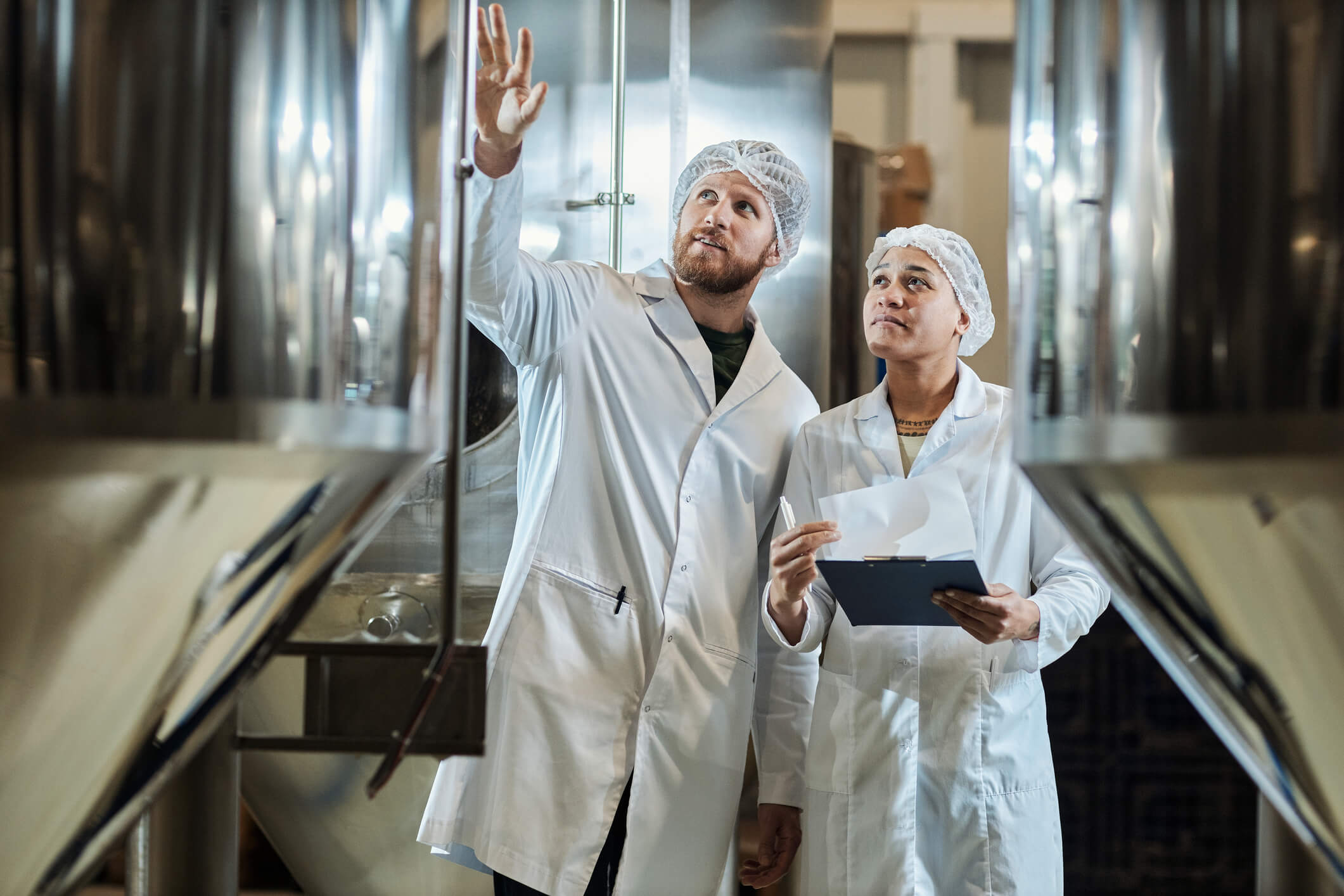
Launch Your Food Processing Business Ventures Today!
A food processing business transforms raw ingredients into packaged food products for consumers, requiring careful planning, regulatory compliance, and strategic investment to achieve success in a competitive market. This venture involves converting agricultural products, meats, or other raw materials into finished goods through systematic production processes, quality control measures, and adherence to strict food safety standards.
As a founder who’s built Complete Controller from the ground up, I’ve witnessed countless entrepreneurs transform their culinary passions into thriving enterprises. Over 20 years as CEO, I’ve partnered with businesses across all sectors, learning what separates successful food processors from those who struggle. In this guide, I’ll share actionable strategies that work, regulatory insights that save money, and proven financial planning approaches that position your food venture for sustainable growth.

What is a food processing business—and how do you launch one successfully?
- A food processing business converts raw food materials into finished, packaged goods through organized production and quality control, operating under regulatory standards
- Success requires a comprehensive business plan, proper licensing, and a clear vision for your market niche
- Regulatory compliance is non-negotiable—health, safety, and labeling rules vary by location and product type
- Startup and operating costs depend on scale, facility, equipment, and process—accurate estimates are critical for funding
- Strategic marketing, branding, and robust quality assurance set strong operators apart from their competitors
The Food Processing Business Landscape: Trends & Opportunities
The food processing industry presents extraordinary opportunities for entrepreneurs willing to innovate and adapt. Current market dynamics favor small processors who can respond quickly to consumer demands and fill gaps that larger corporations overlook.
The global plant-based meat market exemplifies this potential, valued at $7.17 billion in 2023 and projected to reach $24.77 billion by 2030, growing at a compound annual growth rate of 19.4%. Similarly, the gluten-free food market stands at $7.75 billion in 2024, expected to hit $13.67 billion by 2030 with a 10% CAGR. These specialty segments grow faster than traditional food categories, creating openings for nimble startups.
Organic food sales tell another compelling story. U.S. organic food sales reached $71.6 billion in 2024, growing at 5.2% annually—more than double the growth rate of the overall food marketplace at 2.5%. The narrowing price gap between organic and conventional products makes this market increasingly accessible to both producers and consumers.
Food manufacturing industry growth
Small-scale processors benefit from several emerging trends:
- Health-conscious consumers actively seek clean-label products with minimal processing
- Ethnic and regional specialties gain mainstream acceptance
- Direct-to-consumer models through farmers markets and online platforms reduce barriers to entry
- Local sourcing preferences create advantages for regional processors
- Subscription box services open new distribution channels for specialty items
Essential Steps to Start Your Food Processing Business
Launching a food processing business demands methodical preparation and attention to regulatory requirements. Each step builds upon the previous one, creating a solid foundation for operations.
Begin with market research to validate your product concept. Identify your target customers, analyze competitors, and determine your unique value proposition. This research forms the backbone of your business plan, which should detail your production processes, financial projections, marketing strategies, and growth trajectory.
Food business licensing
The licensing process varies by location and product type, but certain requirements remain universal:
- Register your business entity and obtain an Employer Identification Number (EIN)
- Apply for state and local business licenses
- Secure food handler’s permits for all employees
- Complete food safety certification such as ServSafe or HACCP
- Obtain facility permits from health departments
- Register with the FDA if producing certain product categories
Networking with your local Small Business Development Center accelerates this process. These organizations provide guidance on regulatory requirements specific to your area and connect you with funding resources. They often host workshops covering food business basics, saving you time and preventing costly mistakes.
Calculating Startup Costs—Is a Food Processing Business Worth the Investment?
Understanding true startup costs separates dreamers from successful food entrepreneurs. Your initial investment varies dramatically based on scale, location, and production methods.
Van Leeuwen Ice Cream demonstrates that massive capital isn’t always necessary. The founders started in 2008 with $60,000 raised from friends and family. Unable to afford an $85,000 new truck, they purchased a 1988 postal truck for $2,500 and converted it for $40,000. They taught themselves ice cream recipes and drove six hours to produce batches at a small dairy farm. Today, the company operates 75+ stores across nine states with a $55 million valuation.
Food processing business cost breakdown
Realistic budget planning requires accounting for these categories:
Facility Costs:
- Shared commercial kitchen rental: $15-$30 per hour
- Dedicated facility lease: $2,000-$5,000 monthly
- Build-out and renovations: $10,000-$50,000
Equipment and Supplies:
- Basic processing equipment: $5,000-$15,000
- Refrigeration and storage: $3,000-$10,000
- Safety and sanitation systems: $2,000-$5,000
- Packaging equipment: $3,000-$8,000
Regulatory and Insurance:
- Licenses and permits: $500-$2,000
- General liability insurance: $500-$1,500 annually
- Product liability coverage: $1,000-$3,000 annually
- Workers’ compensation: varies by state and payroll
Operating Capital:
- Initial inventory: $800-$2,000
- Marketing and branding: $2,000-$5,000
- Three months operating expenses: $10,000-$25,000
Total startup estimates range from $35,000 for a basic operation to $150,000+ for a fully equipped facility. Always buffer your budget by 20-30% for unforeseen costs. Financial discipline during startup creates breathing room for growth.

Navigating Compliance: Regulatory & Food Safety Requirements
Food safety regulations protect consumers and your business reputation. A single contamination incident can destroy years of brand building, making compliance your top priority from day one.
Federal oversight depends on your product category. The USDA regulates meat, poultry, and egg products, while the FDA oversees most other foods. State and local health departments add additional layers of requirements, often more stringent than federal standards.
Food processing regulations
Critical compliance steps include:
- Developing a written food safety plan with hazard analysis
- Implementing Good Manufacturing Practices (GMPs)
- Creating Standard Operating Procedures (SOPs) for all processes
- Establishing supplier verification programs
- Maintaining detailed production and distribution records
- Conducting regular internal audits
Document everything meticulously. When scaling operations, these records prove invaluable for demonstrating compliance history to retailers, insurers, and investors. Schedule quarterly compliance reviews to catch changes in regulations before they become violations.
Production, Sourcing & Operations: Building for Efficiency and Scale
Operational excellence determines whether your food processing business thrives or merely survives. Smart systems and supplier relationships create competitive advantages that compound over time.
Love Good Fats illustrates rapid scaling through strategic operations. Founder Suzie Yorke identified a market gap for keto-friendly snack bars in 2016. Rather than build her own facility, she partnered with co-packers for manufacturing. When her first production run required a $200,000 machine setup—far exceeding expectations—she raised $400,000 in angel investment. The initial 100,000 bars sold out in six weeks, validating the model. Through five funding rounds and strategic retail partnerships, the company reached $36 million in annual revenue within three years.
Food business inventory management
Efficient operations require:
- Vetted suppliers with backup options for critical ingredients
- Batch tracking systems from ingredient receipt through distribution
- Quality control checkpoints at each production stage
- Accurate demand forecasting to minimize waste
- Scalable processes that maintain quality during growth
Invest in inventory management software early. Manual tracking becomes impossible as you scale, and retrofitting systems disrupts operations. Modern cloud-based solutions integrate with accounting platforms like those offered by Complete Controller, streamlining financial reporting and regulatory compliance.
Branding, Marketing & Finding Your Customers
Your product quality matters, but your brand story sells. Today’s consumers buy experiences and values, not just food items.
According to USDA data, farmers markets represent a powerful launch platform, with 77% of farms with direct sales serving consumers directly. In 2020, direct-to-consumer food sales totaled $2.9 billion, with farmers markets accounting for $1.7 billion. Producers at farmers markets experience lower failure rates than wholesale-only operations, particularly benefiting women entrepreneurs and those under 35.
Food product marketing strategies
Build your brand through:
- Compelling origin stories that connect emotionally
- Transparent ingredient sourcing and production methods
- Professional packaging that stands out on shelves
- Consistent social media presence showcasing your process
- Customer testimonials and user-generated content
- Strategic sampling at markets and events
Start with farmers markets for immediate customer feedback and cash flow. Test flavors, refine packaging, and build loyal followers who become brand ambassadors. Graduate to retail partnerships once you’ve proven demand and perfected operations.
Your Roadmap: 90-Day Launch Plan for Your Food Processing Business
Success comes from executing systematically rather than scrambling reactively. This proven timeline keeps you focused on critical milestones.
Food business launch checklist
Days 1-30: Foundation
- Finalize your business plan with realistic financial projections
- Secure initial funding through savings, loans, or investors
- Register your business entity and obtain tax identification
- Research and visit potential production facilities
- Begin trademark and branding development
- Connect with industry mentors and advisors
Days 31-60: Preparation
- Sign facility lease or kitchen rental agreement
- Order essential equipment and schedule installation
- Complete food safety certifications
- Develop SOPs and training materials
- Source ingredients and packaging suppliers
- Finalize product recipes and conduct shelf-life testing
Days 61-90: Launch
- Produce initial inventory batches
- Photograph products for marketing materials
- Launch website and social media presence
- Begin farmers market sales or local distribution
- Gather customer feedback and iterate quickly
- Track all financial metrics and adjust pricing as needed
Conclusion
Launching a food processing business combines culinary creativity with business discipline. Success requires more than great recipes—it demands regulatory compliance, financial planning, and operational excellence. The market opportunities are real, as demonstrated by the explosive growth in specialty categories and the success stories of bootstrapped brands scaling to millions in revenue.
Your next step starts today. Whether you’re perfecting recipes, researching regulations, or crunching numbers, each action moves you closer to launch. Let Complete Controller handle your back-office complexities—from bookkeeping to compliance tracking—so you can focus on creating products customers love. Visit Complete Controller to discover how our expert team supports food entrepreneurs like you in building sustainable, profitable businesses.

Frequently Asked Questions About Food Processing Business
What is a food processing business?
A food processing business transforms raw ingredients into finished food products through organized operations, quality control measures, and regulatory compliance. This includes everything from baking and canning to freeze-drying and packaging specialty foods.
How much does it cost to start a food processing business?
Startup costs typically range from $35,000 for a basic operation using shared kitchen space to over $150,000 for a dedicated facility with specialized equipment. Costs vary based on your production scale, facility type, and product complexity.
What licenses and permits are needed?
You’ll need state and local business licenses, health department permits, food handler certifications, and potentially FDA or USDA registrations depending on your products. Requirements vary significantly by location and food type.
What are common mistakes new founders make?
The biggest mistakes include underestimating startup costs by 30-50%, rushing to market without proper food safety protocols, neglecting to validate product demand before scaling, and failing to maintain adequate cash reserves for slow sales periods.
How do I scale my food processing business?
Scale through systematic steps: automate repetitive processes, implement robust inventory management, develop strong supplier relationships, consider co-packing partnerships, and expand distribution channels gradually while maintaining quality standards and positive cash flow.
Sources
- Bls.gov. Bureau of Labor Statistics. “Food Manufacturing Industry Growth.” https://www.bls.gov/iag/tgs/iag311.htm
- Cart-King. (2025). “Food Cart Startup Costs: Complete Breakdown for 2025.” https://www.cart-king.com/blog/food-cart-startup-costs
- Colorado Department of Agriculture. “Checklist for Start-Up Food Processors.” https://ag.colorado.gov/
- Craftybase. “Small Food Venture: Strategies for Success.” https://www.craftybase.com/
- CPG Guy. “Food Business Startup Costs: Real-World Budget to Launch Your Food Business.” https://www.cpgguy.com/
- EHL Hospitality Insights. “How to Start Your Food Business: An 8-Step Guide to Success.” https://hospitalityinsights.ehl.edu/
- Farmers Market Coalition. (2022). “Farmers Market Facts & Figures 2022.” https://farmersmarketcoalition.org/
- FDA. “How to Start a Food Business.” https://www.fda.gov/food/food-entrepreneurs/start-food-business
- FDA. “HACCP Principles & Application Guidelines.” https://www.fda.gov/food/hazard-analysis-critical-control-point-haccp/haccp-principles-application-guidelines
- Grand View Research. (2024). “Gluten-free Products Market Size, Industry Report, 2030.” https://www.grandviewresearch.com/industry-analysis/gluten-free-products-market
- Grand View Research. (2024). “Plant-based Meat Market Size, Share & Growth Report, 2030.” https://www.grandviewresearch.com/industry-analysis/plant-based-meat-market
- Katana MRP. “Food Manufacturing: The Complete Guide (2024).” https://www.katanamrp.com/
- Kladana. “How to Start a Food Processing Business.” https://kladana.com/
- Kouzina Foodtech. “How to Start a Profitable Food Processing Business from Home.” https://kouzinafoodtech.com/
- Love Good Fats. “Media.” https://lovegoodfats.com/pages/media
- Organic Trade Association. (2025). “2025 Organic Market Report.” https://ota.com/OrganicMarketReport
- Serif.ai. “How to Start a Food Manufacturing Business [2025 Guide].” https://www.serif.ai/
- Skidmore College. (2024). “On Entrepreneurship and Ice Cream.” https://www.skidmore.edu/news/2024/1107-van-leeuwen.php
- Starter Story. (2025). “Love Good Fats ($36M/year).” https://www.starterstory.com/ideas/food-product/success-stories
- Tufts Nutrition. “Starting a Value Added Food Business.” https://nutrition.tufts.edu/
- UC Davis Food Safety. “Starting a Food Business.” https://foodsafety.ucdavis.edu/
- UMASS. “Copy of Food Product Estimated Start Up Expenses.” https://umass.edu/
- UMASS. “Introduction to Starting a Small Food Business for Food Entrepreneurs.” https://umass.edu/
- U.S. Department of Agriculture, National Agricultural Statistics Service (NASS). (2021). “Direct Farm Sales of Food.” https://www.nass.usda.gov/Publications/Highlights/2022/local-foods.pdf
- Van Leeuwen Ice Cream. “Our Story.” https://vanleeuwenicecream.com/our-story/
- Women of Influence. (2021). “How the Founder of Love Good Fats Went Beyond Bootstrapping to Fund Her Business.” https://www.womenofinfluence.ca/2021/04/22/how-the-founder-of-love-good-fats-went-beyond-bootstrapping-to-fund-her-business/
 About Complete Controller® – America’s Bookkeeping Experts Complete Controller is the Nation’s Leader in virtual bookkeeping, providing service to businesses and households alike. Utilizing Complete Controller’s technology, clients gain access to a cloud platform where their QuickBooks™️ file, critical financial documents, and back-office tools are hosted in an efficient SSO environment. Complete Controller’s team of certified US-based accounting professionals provide bookkeeping, record storage, performance reporting, and controller services including training, cash-flow management, budgeting and forecasting, process and controls advisement, and bill-pay. With flat-rate service plans, Complete Controller is the most cost-effective expert accounting solution for business, family-office, trusts, and households of any size or complexity.




 Brittany McMillen
Brittany McMillen
Brittany McMillen