


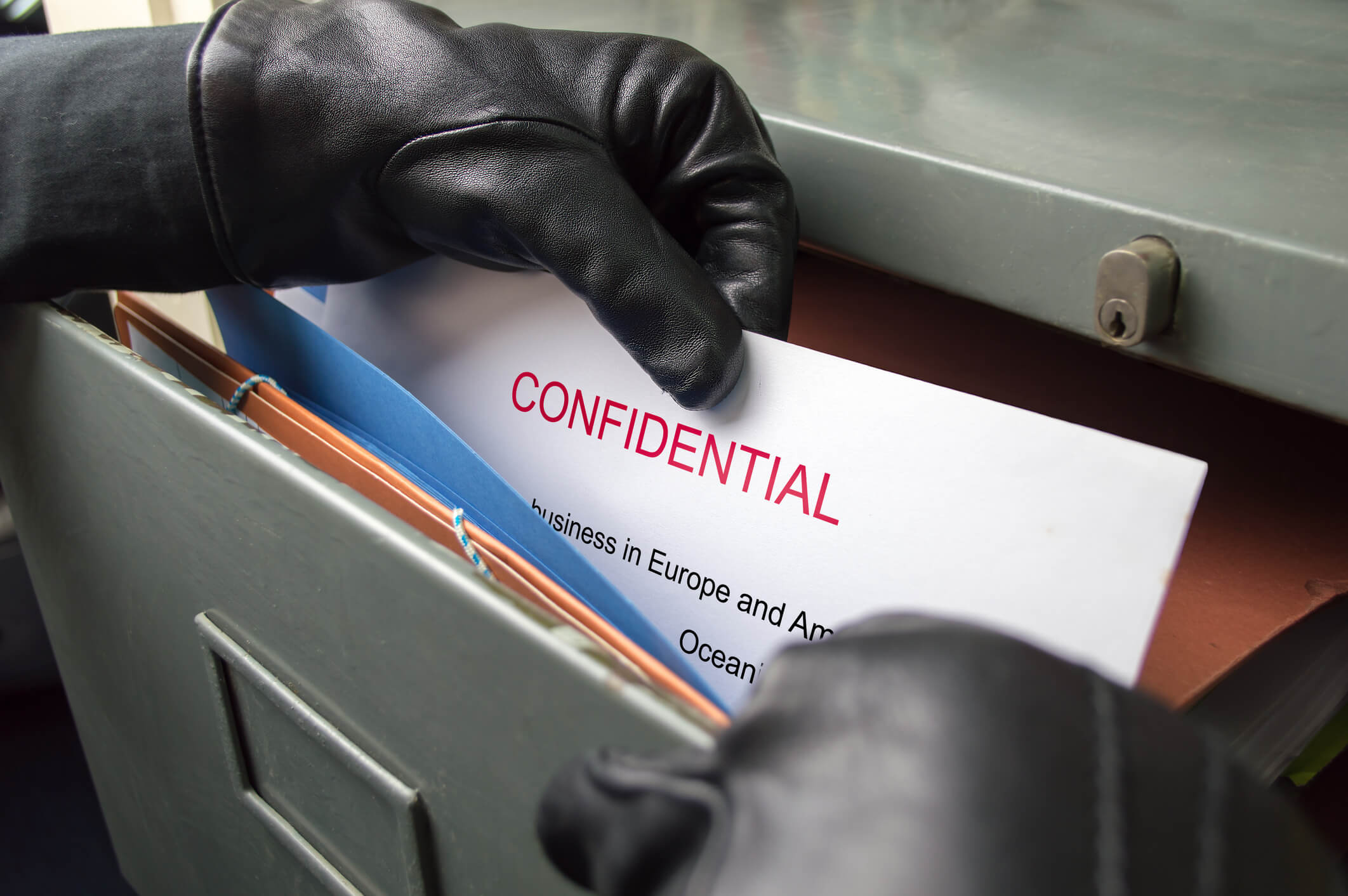
Business Asset Misappropriation Detection:
Stop Fraud Before It Spreads
Business asset misappropriation detection is the process of identifying theft, misuse, or unauthorized use of company cash, inventory, payments, and other assets early enough to stop losses and strengthen internal controls. The fastest way to catch it is to combine red-flag reviews, transaction testing, anomaly analysis, and tight separation of duties—before small irregularities become recurring schemes that quietly drain your profits.
After more than 20 years leading Complete Controller and partnering with thousands of small and mid-sized businesses across nearly every industry you can name, I can tell you this: fraud rarely announces itself. It sneaks in through duplicate invoices, “temporary” workarounds, and the quiet assumption that a trusted employee would never do that. In this article, I’ll walk you through the exact red flags to watch for, the weekly and monthly routines that catch fraud early, the research-backed detection methods that actually work, and the mindset shift that protects your business without turning your workplace into a surveillance state. You’ll leave with a practical playbook—one you can start using tomorrow morning.
What is business asset misappropriation detection and how do you spot it early?
- Business asset misappropriation detection is identifying unauthorized taking or use of company assets—cash, inventory, payroll, vendor payments, and reimbursements—through red-flag reviews, controls, and analytics.
- Asset misappropriation is the most common form of occupational fraud, showing up in 86% of cases with a median loss of $100,000, according to the ACFE’s 2024 Report to the Nations.
- Early detection depends on bank reconciliations, surprise counts, approval limits, and exception-based review.
- The strongest approach combines human judgment with data analytics, because most schemes leave both operational and documentary clues.
- The goal isn’t just catching fraud after the damage is done—it’s interrupting it before losses stack up across multiple periods.

Where Business Asset Misappropriation Detection Should Start
Start with the areas where one person can initiate, approve, record, and reconcile the same transaction. Those are your highest-risk points—cash handling, accounts payable, payroll, and inventory—because they’re the easiest to manipulate and the hardest to trace after the fact.
Fraud detection basics
Fraud detection begins with spotting deviations from what’s normal. Unexplained shortages, altered documents, or a sudden spike in voids and refunds are classic early clues. In asset misappropriation cases, these signals almost always appear before the financial statements catch up.
Suspicious activity monitoring
Suspicious activity monitoring should focus on duplicate payments, unusual journal entries, round-dollar invoices, missing receipts, and transactions that hover just below approval thresholds. A simple exception report reviewed weekly reveals far more than a monthly manual check ever will. For a foundation on this, review our guide on the importance of reconciling your accounting statements regularly.
Misappropriation risk assessment
A misappropriation risk assessment ranks every process by access, control weakness, and loss potential. Cash handling, accounts payable, payroll, inventory, and petty cash usually deserve the most attention.
The Red Flags That Matter Most
Detection is stronger when you track both behavioral and documentary signals side by side.
Internal theft detection
Internal theft detection often starts with people signals: an employee resisting vacation, becoming defensive about review processes, or showing a lifestyle that doesn’t match their income. Operationally, it appears as missing inventory, unexplained write-offs, or repeated “corrections” in the books.
Payment anomaly detection
Payment anomaly detection catches duplicate invoices, split payments, payments to new vendors without verification, and transactions clustering around approval limits. Patterns matter more than single events—fraudsters work hard to stay below the noise floor.
Procurement fraud analytics
Procurement fraud analytics uncovers shell vendors, kickback schemes, and inflated pricing by comparing vendor master data, payment timing, invoice sequences, and employee-vendor overlaps. Cross-checking addresses, bank accounts, and tax IDs is especially powerful when fraud hides inside routine purchasing. MGO CPA’s guidance on protecting your business is a strong starting point for building this out.
Corporate fraud investigation
Corporate fraud investigation becomes necessary when patterns repeat, controls fail, or leadership suspects concealment. At that stage, preserve records, restrict access, document observations, and avoid tipping off the suspected person before evidence is secured.
Fraud loves gaps in your books. Complete Controller helps small businesses strengthen bookkeeping controls, spot financial red flags, and protect what they’ve built. Close the gaps before fraud finds them.
How to Test for Misappropriation Without Overwhelming Your Team
Most SMBs don’t have a forensic team on staff. What they need is a sustainable review rhythm that anyone with financial oversight can follow.
Digital forensics
Digital forensics helps when system logs, email trails, access records, and file timestamps matter. If a suspicious transaction was approved, edited, or deleted electronically, the digital trail shows who touched it and when. Tools like CISA’s Logging Made Easy can help smaller businesses build this capability affordably.
A weekly and monthly routine
For business asset misappropriation detection, use a layered process—not a one-time audit. Here’s the rhythm I recommend:
Weekly:
- Review unusual payments, refunds, and journal entries.
- Check for duplicate vendors, duplicate invoices, or repeated round-dollar amounts.
- Compare inventory shrinkage to prior months.
- Scan for missing support on reimbursements and manual adjustments.
- Require independent review of any transaction above a set threshold.
Monthly:
- Reconcile all bank accounts and investigate outstanding items.
- Review vendor changes, new payees, and address or bank-account changes.
- Match purchase orders, receiving reports, invoices, and approvals.
- Analyze payroll for ghost employees, unusual overtime, or duplicate deposits.
- Rotate duties so one person can’t own the whole process.
For more foundational habits, our small business bookkeeping tips reinforce many of these controls.
What the Research Says About the Most Effective Methods
Here’s a statistic every business owner should tattoo on their brain: most fraud is not caught by audits. According to the ACFE, tips are the #1 way fraud is detected—43% of cases—far ahead of internal audit (14%) and management review (13%). That means anonymous reporting channels and steady exception review outperform even formal audits.
Research on detection frameworks reinforces the same theme: data analytics, surprise cash counts, bank reconciliation review, and deposit-pattern comparisons consistently rise to the top as the most effective tools. Combining rule-based tests with trend analysis—duplicate payment testing, vendor-employee matching, round-number checks, and sequence-gap analysis—is where the real wins happen.
A Case Study That Proves Why Early Detection Matters
The Dixon, Illinois case is the one I point business owners to when they think “it can’t happen here.” Rita Crundwell, the city’s comptroller, admitted to stealing more than $53 million over roughly two decades by routing payments to a fake business account. According to the U.S. Department of Justice, weak segregation of duties and light oversight allowed a small irregularity to snowball into one of the largest municipal frauds in U.S. history.
The lesson translates directly to SMBs: when one person controls the money and no one independently checks the work, fraud compounds silently. Our own resource on fraud detection and prevention walks through the exact controls that would have caught this scheme in year one.
Building Controls That Stop Fraud Before It Spreads
The strongest protection comes from prevention plus detection working together. Separate duties, require approvals, limit access, rotate responsibilities, and give every exception an owner and a deadline.
Where AI still needs human expertise
Automation can flag unusual patterns, but it can’t always judge intent, context, or the business reason behind a transaction. The most effective detection systems combine software alerts with accountant review, owner oversight, and forensic follow-up when needed.
The human side of letting controls do their job
Here’s what many articles miss: the emotional barrier. Owners avoid asking hard questions because they trust long-term staff, fear conflict, or worry about disrupting operations. In my experience, clear controls actually reduce friction. They remove suspicion from the personal relationship and place accountability squarely on the process. That’s a gift to your team, not a punishment.
Final Thoughts
Business asset misappropriation detection works best when you treat fraud prevention as an operating habit—not an emergency response. If I were advising a founder today, I’d start with segregation of duties, weekly exception reviews, vendor verification, and surprise reconciliations, then layer in deeper analytics as the business scales.
The businesses that catch fraud early are the ones that look for patterns, document exceptions, and respond quickly. If you’re ready to strengthen your bookkeeping controls and reduce fraud risk, the team at Complete Controller is ready to help you build a system that protects everything you’ve worked to create.

Frequently Asked Questions About Business Asset Misappropriation Detection
What is the most common type of asset misappropriation?
Cash theft, billing fraud, expense reimbursement fraud, payroll fraud, and inventory theft top the list. The ACFE’s 2024 Report to the Nations found asset misappropriation in 86% of occupational fraud cases, with a median loss of $100,000.
What are the warning signs of asset misappropriation?
Watch for missing documents, duplicate payments, unexplained shortages, unusual journal entries, employees who resist oversight or refuse vacation, and lifestyle changes inconsistent with income.
How do you detect fraud in small businesses?
Use bank reconciliations, approval controls, vendor reviews, surprise counts, and recurring exception reports. Anonymous tip channels are also highly effective—tips catch more fraud than any other single method.
What internal controls help prevent asset misappropriation?
Separation of duties, access limits, independent review, mandatory approvals, vendor verification, and regular reconciliations are the strongest foundational controls.
When should you bring in a forensic accountant?
Bring one in when losses are unexplained, evidence may have been altered, or the suspected scheme could involve multiple processes or people. You can also report suspected fraud to agencies like the HHS Office of Inspector General when it involves federal programs.
Sources
- Association of Certified Fraud Examiners (ACFE). (2024). Occupational Fraud 2024: A Report to the Nations. https://www.acfe.com/report-to-the-nations/2024-report
- Kassem, R., & Higson, A. (2014). Detecting Asset Misappropriation: A Framework for External Auditors. Northampton University Repository.
- APF Journal. (2025). Motivation, Prevention, and Detection of Asset Misappropriation Fraud.
- MGO CPA. (2024). How to Protect Your Business Against Asset Misappropriation. https://www.mgocpa.com
- Wolters Kluwer. (2020). Detecting and Deterring Business Asset Misappropriation by Employees.
- Friedmann, J. (2026). Asset Misappropriation: Schemes, Red Flags & Detection.
- ForensicSpot. (2026). Asset Misappropriation and Skimming: Fraud Detection.
- Teramind. (2026). Asset Misappropriation: Warning Signs and How to Prevent It.
- International Federation of Accountants. Fraud and Error: Asset Misappropriation Detection Guidance.
- U.S. Department of Justice. (2013, December 17). Former Dixon, Illinois Comptroller Sentenced to Nearly 20 Years in Prison for $53.7 Million Fraud Scheme. https://www.justice.gov/opa/pr/former-dixon-illinois-comptroller-sentenced-nearly-20-years-prison-537-million-fraud-scheme
 About Complete Controller® – America’s Bookkeeping Experts Complete Controller is the Nation’s Leader in virtual bookkeeping, providing service to businesses and households alike. Utilizing Complete Controller’s technology, clients gain access to a cloud platform where their QuickBooks™️ file, critical financial documents, and back-office tools are hosted in an efficient SSO environment. Complete Controller’s team of certified US-based accounting professionals provide bookkeeping, record storage, performance reporting, and controller services including training, cash-flow management, budgeting and forecasting, process and controls advisement, and bill-pay. With flat-rate service plans, Complete Controller is the most cost-effective expert accounting solution for business, family-office, trusts, and households of any size or complexity.



 Brittany McMillen
Brittany McMillen
Brittany McMillen