Keeping yourself informed about your credit score will help you stay one step ahead of creditors and avoid errors that could hurt you later. It’s easy to do, and often it’s free! Keeping on top of your credit score can prevent identity theft or being denied loans. Checking your scores regularly will help you stay informed and on top of any discrepancies so you will never get hit with any credit surprises.
Keeping Track of Your Credit
Your credit score is an important tool. It will be used your whole life to determine your eligibility for each of the financial decisions you make. Knowing where this number falls on the credit scale will make sure that you are positively portrayed to creditors. When your credit score is correct, you can optimize the chances of qualifying for whatever loan you might apply for. If you don’t know the status of your score, you might be missing out on the advantages that come with a high credit score.
Keeping track of your score and fixing errors that may appear is the best way you can detect issues that may have been missed by the credit bureau. You can also fix larger issues like identity theft earlier, which can be crucial under those circumstances. When accessing this information is free, why not put yourself one step ahead in the game of credit?
Let us discuss what resources we can use to access our credit score, how often is often enough to check that everything is up to date, and how to catch issues such as identity theft before they develop.
Easy and Free Resources to Calculate Your Credit Score
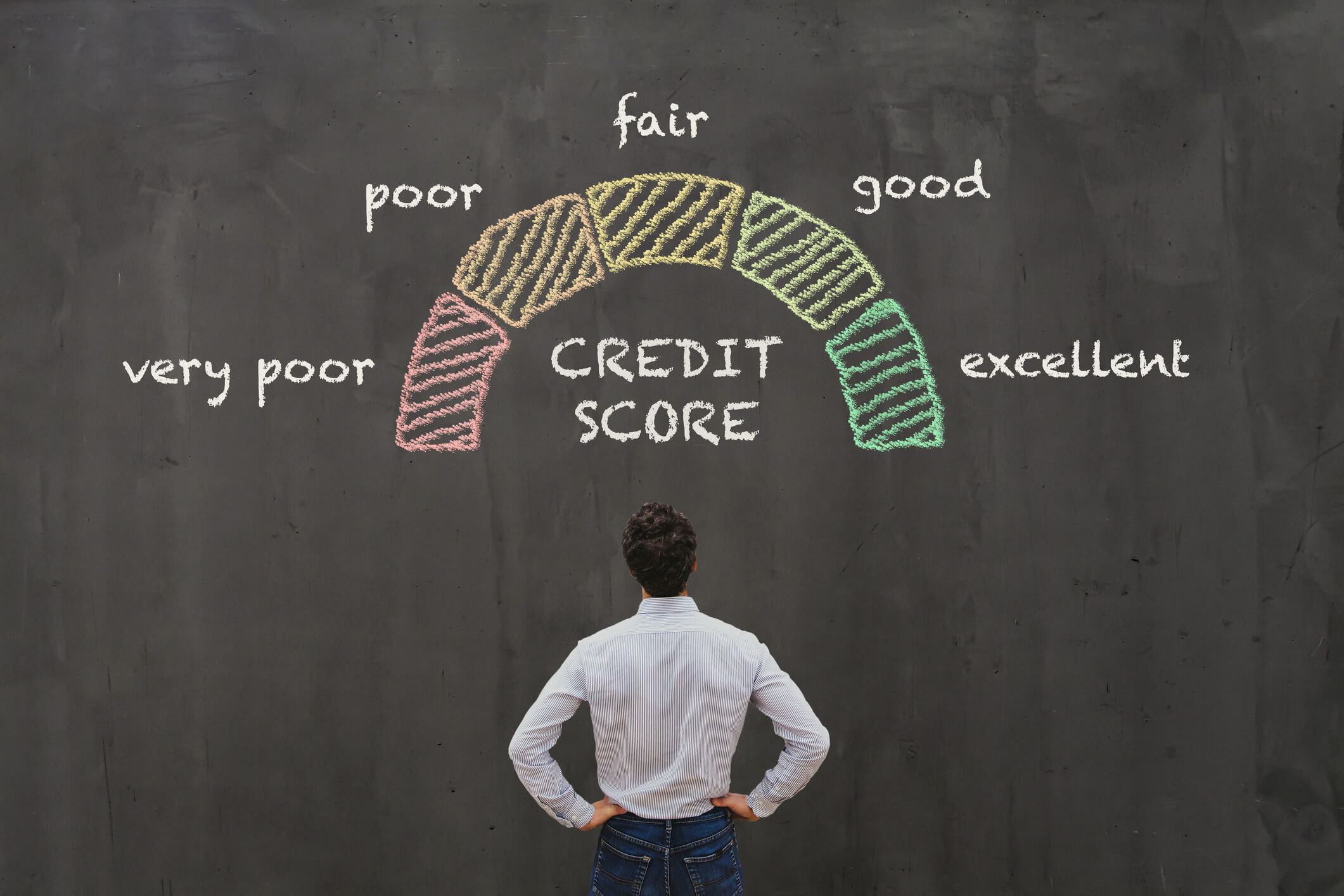
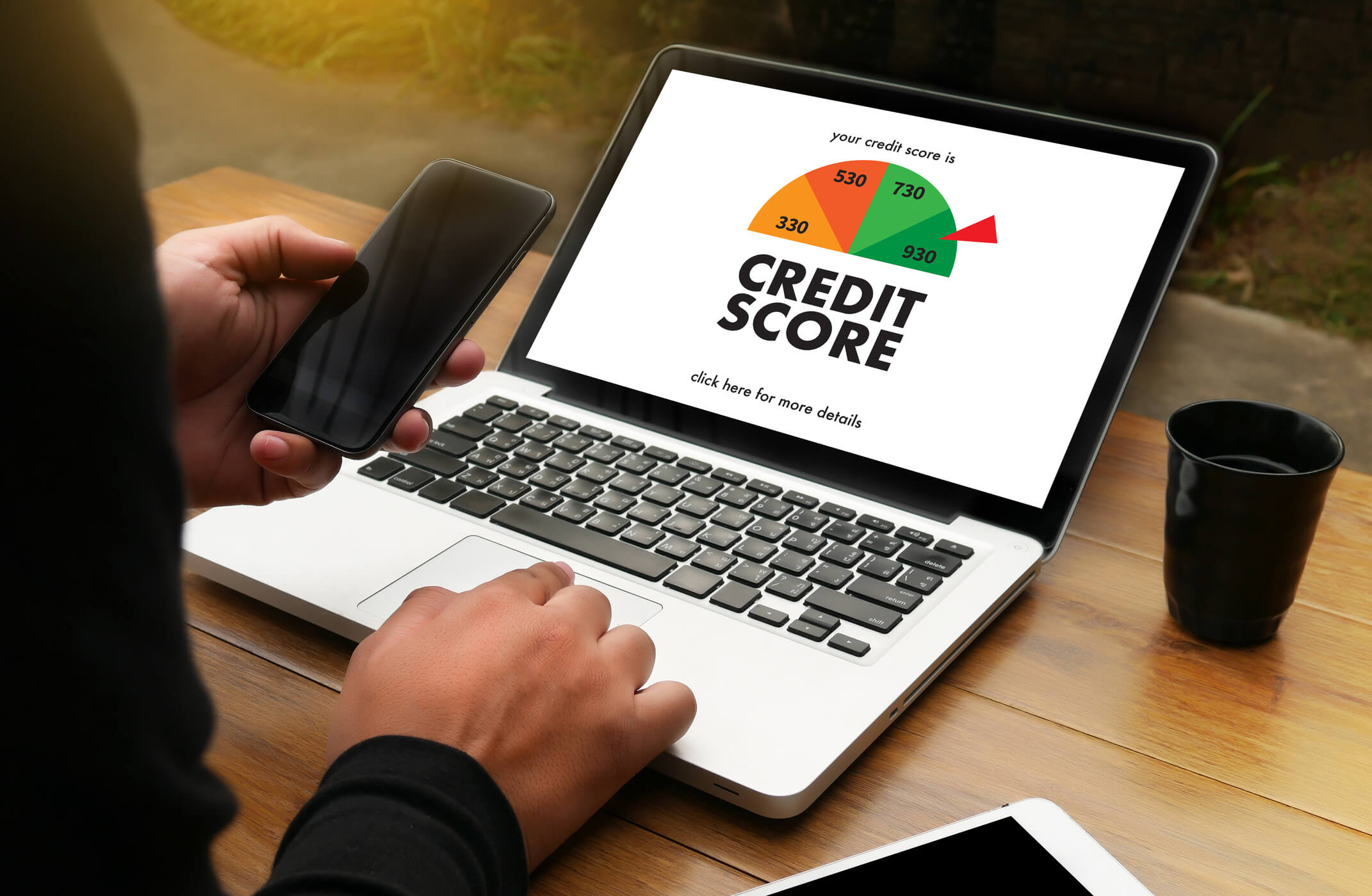
Checking your credit score is easier than you might think. All you have to do is Google free credit reports. You can also contact any of the three credit bureaus to get information on your credit. You can check your score for free once a year by going through Experian, Equifax, or TransUnion. Most sites will require some basic information, name, social security number, etc. With that information, they can look up your credit score in detail. These sites will provide you with a number between 300-800 represented on a scale that indicates if you are in a good or bad credit range. They will often also provide a summary of what actions have affected your score. This way, you can adjust behaviors you didn’t know were negatively affecting you and catch any errors that should be removed from your history.
How Often to Check My Score
Making sure that everything looks right and correcting any discrepancies is manageable if you don’t let problems get out of hand. Check your credit score at least once a year. This way, you have an idea of where you sit on the scale. Also, check your score a couple of months before you plan to apply for a loan or a credit card; this way, you have time to correct any issues. On free sites, you can check your score as often as you want without any negative consequences. Most credit score websites will offer free monitoring and will alert you to issues or goals.
Besides the obvious advantages you will have when you are looking to use your credit to get loans or other credit-related benefits, knowing your score gives you control. It can also be a strong motivator to stay on top of your finances and to live within your means. A good relationship between you and your credit score will mean financial and identity security for you.
About Complete Controller® – America’s Bookkeeping Experts Complete Controller is the Nation’s Leader in virtual bookkeeping, providing service to businesses and households alike. Utilizing Complete Controller’s technology, clients gain access to a cloud platform where their QuickBooks™️ file, critical financial documents, and back-office tools are hosted in an efficient SSO environment. Complete Controller’s team of certified US-based accounting professionals provide bookkeeping, record storage, performance reporting, and controller services including training, cash-flow management, budgeting and forecasting, process and controls advisement, and bill-pay. With flat-rate service plans, Complete Controller is the most cost-effective expert accounting solution for business, family-office, trusts, and households of any size or complexity.
Budgeting and keeping track of your finances can seem impossible. Using a spreadsheet to create a budget worksheet will make budgeting easy! No matter what your financial situation may be, a budget worksheet will be useful to you. Making a budget can seem like a difficult task when you look at your paychecks and bills and wonder if it will even be possible to get through the month. It may be hard to conceive what your potential budget will even look like. You can feel like the numbers will bury you in an unmanageable amount of stress or debt. You do not have to wait for more stability before you face the truth. Having a solid plan will relieve the stress and help you avoid debt. Creating a budget worksheet is fast and easy, and you may already have access to all the tools you need right in Microsoft Excel. If you do not have Excel, there are identical spreadsheet programs available for free online. Whether you spend more than you make or make more than you need to spend, knowing where the money you earn is going each month is vital. Focusing on your spending habits is crucial when thinking about your budget. Also, it is important to know where to direct the money you have left over.
Making a Budget Using a Spreadsheet
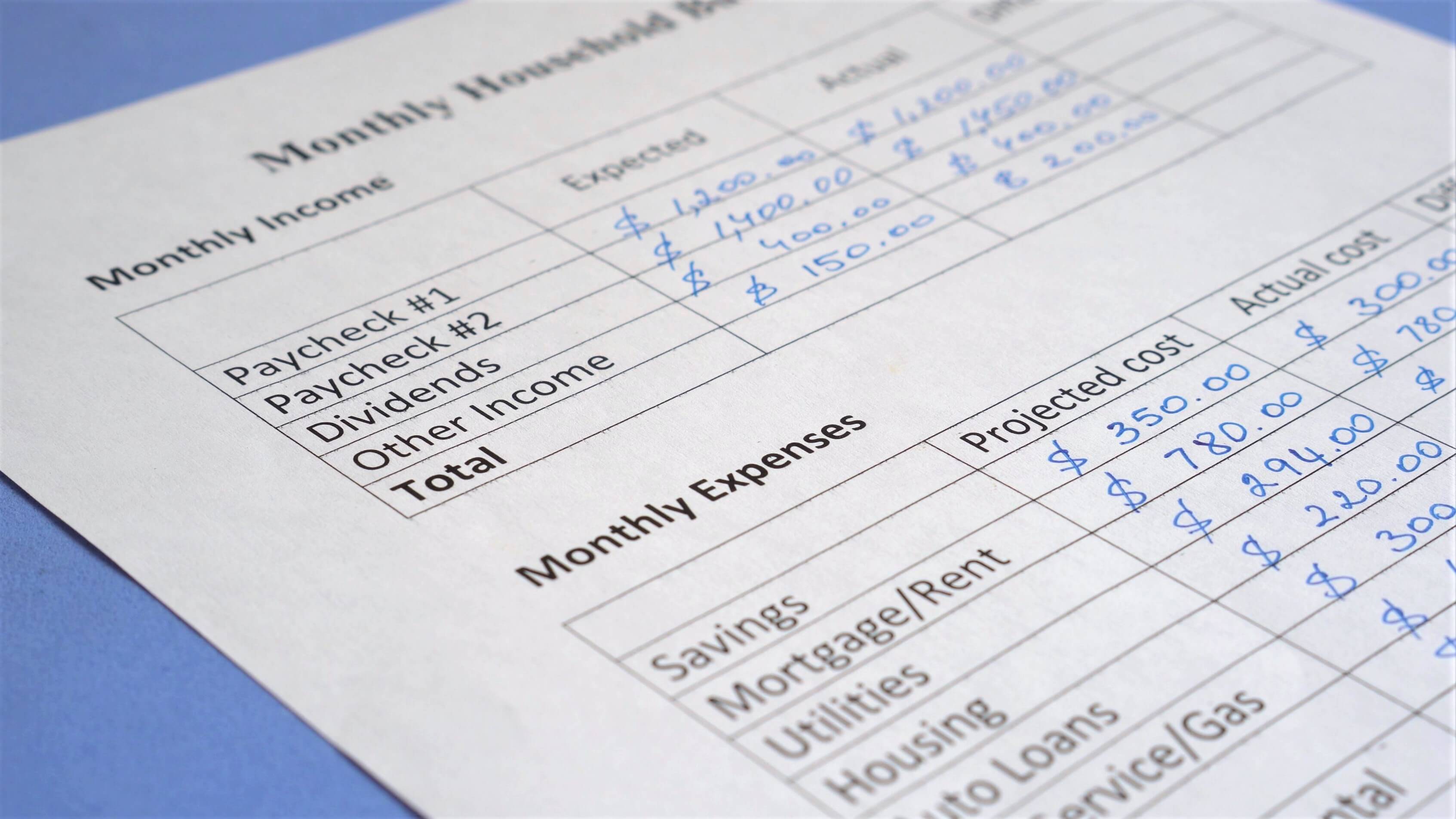
When setting up your spreadsheet, you will have two categories: income and expenses. Both will have three columns: listed sources of income or expenses under the designated category, projected earnings or costs, and actual earnings or costs.
When making a budget, it is important to remember that you will have estimated budget amounts that may differ from your actual expenses. If income or expenses are not a set amount, an estimation will become necessary when setting up the budget columns of the spreadsheet. The suggestion would be to round up to the nearest ten on expenses and round down to the nearest ten for the income estimate. Even if your income or expenses are a fixed amount, this rounding will ensure you do not spend more than your means and also that you have adequate coverage of your expenses.
Under income, in the first column, you will add all your sources of income. This could include your paycheck, cashback on credit cards, financial aid, or other allowances, each of them in their own row. In the next column, “Projected Income”, you will add what you expect to earn in each of these categories. In the last column, “Actual Income”, you will enter what and when you received your respective earnings.
Under expenses, in the first column, you will add all your expenses in the same way you listed your income. You will also add the projected cost of each item and the actual cost after receiving the bill. You can list your expenses two ways, by largest to smallest or by due date. This will be dependent on what works best for you.
Most spreadsheet programs will total each column automatically. These totals can now be compared to determine whether your income exceeds your expenses or your expenses exceed your income. Knowing this will help you make smarter spending and saving decisions. If you have a surplus at the end of the month, you can put it in savings, spend it on items you desire, or take a vacation. If you have spent more than you make, you can use the spreadsheet to identify expenses that can be reduced or cut out.
No matter what your financial situation may be, making and keeping a budget should be a priority. This type of personal bookkeeping can make a difference in your bottom line while also positively affecting your future financial health. Now that you can see that creating a budget worksheet is easy, you can view it as a worthy tool to help control your finances and live stress-free.
About Complete Controller® – America’s Bookkeeping Experts Complete Controller is the Nation’s Leader in virtual bookkeeping, providing service to businesses and households alike. Utilizing Complete Controller’s technology, clients gain access to a cloud-hosted desktop where their entire team and tax accountant may access the QuickBooks™️ file, critical financial documents, and back-office tools in an efficient and secure environment. Complete Controller’s team of certified US-based accounting professionals provide bookkeeping, record storage, performance reporting, and controller services including training, cash-flow management, budgeting and forecasting, process and controls advisement, and bill-pay. With flat-rate service plans, Complete Controller is the most cost-effective expert accounting solution for business, family-office, trusts, and households of any size or complexity.
Your credit score is incredibly important when it comes to your finances. It is vital to know what affects your credit and to what extent. Once you understand what is adversely affecting your score, you can formulate a plan to eliminate the culprit of the lower score. These issues could involve late payments or defaults on loans, numerous hard inquiries about your credit score, or mistakes that should not be on your credit report. Once you know what is affecting your score negatively, planning to reverse and avoid these issues is relatively simple.
We have all seen commercials emphasizing the need to check our credit scores. Individuals who are on top of their scores have confidence and can improve their buying power and stay on track for financial freedom. Those who have let their score go unchecked may have problems lying beneath the surface that, if not attended to, can cause financial hardship.
These dramatic representations of good credit vs. bad credit are a reality. You may not find yourself in those ridiculous situations depicted in the ads, but you can find yourself unable to buy a home or a car. Even worse, you can make those purchases but with unbelievably high interest rates. Despite ads and would-be creditors stressing the importance of good credit, most people don’t give it any serious thought.
In this article, we are going to discuss three factors that hurt your credit score so that you can watch out for these financial behaviors and start improving your score.
Making late payments/No payments
Making late payments on your credit cards, loans, or any credit reporting accounts makes up 35% of credit scores. The simple solution is to make your payments on time, every time. One or two late payments add up quickly. You don’t want to see your credit score drop drastically because you can’t make payments on time.
Making no payments will have collections knocking at your door. This is the worst-case scenario for your credit score. Avoid this disaster by making sure you are aware of the monthly payments you owe.
Maxing out your credit cards
Idealistically, you should be using no more than 20-30% of your available credit. Keeping your credit cards maxed out at all times looks terrible to lenders and ultimately drops your credit score. Emergencies happen, and that’s why we have credit cards, but in case of emergency, make sure you make those payments on time and pay more than the minimum payment. That way, you won’t get stuck in debt or only pay the interest.
Applying for multiple credit cards over a short length of time
When a lender sees that you have opened up several new credit cards, this sends up a red flag. It’s pretty simple; creditors assume the more credit cards you’ve opened up, the more you’ll be buying things on credit. To them, this possibility means that you may not have the finances to pay them back. This is most important when applying for mortgages.
Places to Check Your Credit Score
Free and fee-required websites that do credit checks are out there. The top two we recommend are FICO and Credit Karma. Both of these websites offer a surplus of information when it comes to your personal credit. You will find everything you need to know about your credit score. You will also find a lot of information about how to improve your credit and refinancing options. Once you’ve taken the leap to check your credit score on one of these trusted sites, take some time to familiarize yourself with the website and all they offer.
About Complete Controller® – America’s Bookkeeping Experts Complete Controller is the Nation’s Leader in virtual bookkeeping, providing service to businesses and households alike. Utilizing Complete Controller’s technology, clients gain access to a cloud platform where their QuickBooks™️ file, critical financial documents, and back-office tools are hosted in an efficient SSO environment. Complete Controller’s team of certified US-based accounting professionals provide bookkeeping, record storage, performance reporting, and controller services including training, cash-flow management, budgeting and forecasting, process and controls advisement, and bill-pay. With flat-rate service plans, Complete Controller is the most cost-effective expert accounting solution for business, family-office, trusts, and households of any size or complexity.
Remember how hard entering the real world is as an adult? Actively teaching your kids skills you wish someone had shown you will make life a little easier from the start. One of the most essential skills to teach is how to spend money and, more importantly, how to save it.
So This is Growing Up!
The transition from kid to adult hits you like a ton of bricks. Everyone can remember when they left the nest. Trying to shuffle through the information our parents taught us through the years. Then, we try to put the advice to use. We can also remember all the times we tried something new and wondered why had no one taught about this in school? Talking to your kids about life and money matters now will help prepare them for the future. They might roll their eyes, but they won’t forget these lessons. Always lead by example. Remember, your kids will watch your behavior and are sure to mimic it. Explain to your kids the decisions you are making and practice good spending habits when possible, and when not possible, remind them to do as you say, not as you do.
Find a Penny Pick it Up
The information you pass on to your children will be invaluable to them. You don’t have to sit them down and lecture, but when the opportunity presents itself, recognize it so you can give them advice or explain what you do. For example, when you go to the bank, this is an excellent opportunity to explain savings and checking accounts. Explain the difference to them, even allow them to set up an account of their own. This is an easy and fun way to show your kids where they can keep their money. This also opens up the opportunity to explain interest and the benefits of different banking styles, such as big banks vs. credit unions.
Another great opportunity to talk to your kids is when they reach the age, they can get a part-time job, encourage your kids to work when they have the time. They will have the rest of their lives to work. Use the opportunity for them to take small expenses off your hands, like luxuries, going to the movies, or buying a new pair of headphones. Two weeks after they start working, they will have a paycheck; that checking account is useful now! Take time to show them the different fields on a check stub, hours, wage, total income, and taxes. This will help them to see that you don’t get every penny you earn in your pocket.
This is also a great opportunity to explain the importance of saving. Make sure you give them some advice on saving, help them find a goal to save for, and get them started saving towards it. This part-time income can also be a great way to introduce tax preparation. Whether they can file for themselves or you can still claim them on your taxes, they can take part in the tax filing process. Show your kids where they can go to do their taxes, explain they have to do it every year, and the consequences of not doing it. Monkey see, monkey do
While talking to your kids about money is important, most of their habits are going to be formed from watching you. It’s a fact that when you have kids, you are always being watched. Your kids will notice when you make thrifty decisions, like when you drive a block out of your way to fill your gas tank to save ten cents per gallon. Or when you buy treats at the grocery store if they are on sale. They will also notice if you justify large shopping sprees with “the price we pay for beauty” or if you always go out to eat over making food at home. Practicing restraint is good for your wallet, and you are also teaching your kids a valuable lesson. Don’t be afraid to point out when you know your spending habits are excessive, but you can afford it because of your budget and save your money to splurge a little; every purchase can be a learning experience for your kids.
About Complete Controller® – America’s Bookkeeping Experts Complete Controller is the Nation’s Leader in virtual bookkeeping, providing service to businesses and households alike. Utilizing Complete Controller’s technology, clients gain access to a cloud-hosted desktop where their entire team and tax accountant may access the QuickBooks™️ file, critical financial documents, and back-office tools in an efficient and secure environment. Complete Controller’s team of certified US-based accounting professionals provide bookkeeping, record storage, performance reporting, and controller services including training, cash-flow management, budgeting and forecasting, process and controls advisement, and bill-pay. With flat-rate service plans, Complete Controller is the most cost-effective expert accounting solution for business, family-office, trusts, and households of any size or complexity.
Budgeting and finances are the most unpopular topics of discussion. Unless you are trained in the art of financing, this concept can seem complicated. It doesn’t have to be that way. Anyone who has a smartphone has access to hundreds of free or paid budget apps. These can be helpful and easy to understand. We recommend following these steps before downloading one of those handy apps. This way, you have all your information in front of you, making it easier and more efficient to walk through the requirements of these apps. We recommend using a spreadsheet program or another similar system to record everything.
List everything you owe
Most Americans owe lenders in some form or another. Make a list of all of your debt:
Who do you owe?
How often do you make payments? (generally monthly)
What is your minimum monthly payment? (If you pay more than the min-write that.)
If you want to go the extra mile, include what your interest rate is on each of these loans. It’s important to stay aware of these as they may fluctuate. Also, this is important to know if you are considering refinancing.
When are they due?
Student loan → $X/Month → % Interest → due XX/01/20XX Car payment → $X/Month → % Interest → due XX/01/20XX *This does not reflect the total amount due, just your monthly payment* If you only can make the minimum payments, for now, that’s o.k. We’ll revisit this list later.
List your monthly expenses
Everyone has monthly subscriptions, expenses, and/or ‘dues.’ Write them down by name, what the monthly payment is, and the day they are due. Rent → $X/Month → due XX/01/20XX Utilities → $X/Month → due XX/01/20XX Subscriptions (such as streaming or news subscriptions) → $X/Month → due XX/01/20XX Gym Membership → $X/Month → due XX/01/20XX
Add your monthly debt & expenses
Add these two numbers together- place it at the top. This is the chunk of change you will be expecting to pay every month.
List your monthly income
Write what your monthly income is. If it fluctuates, look at the past six months, add them together, and divide by 6. This is your mean income. This goes to the top of your list.
Categorize your spending
This is probably the most time-consuming but undoubtedly, the most important step. Take a look at the last 3-6 months of your spending habits. Jot them down into categories and what their totals are. Example:
Gas → $X → July/20XX
Groceries (food items only if you can) → $X → July/20XX
Going out to eat → $X → July/20XX
Shopping → $X → July/20XX
Beauty products/vanity* → $X → July/20XX
*If you find you are spending a lot each month on certain products, like beauty products in the example, make it a category. This can go towards any particular hobby or interest you spend money on. The more you can categorize, the more you will be able to analyze your spending habits.
Face the facts
At this point, you are either patting yourself on the back or sobbing. Hopefully, you didn’t have to pick your jaw up off the floor. Either way, you have officially graduated from Millennial Budgeting 101! Now, put all that extra cash in a savings account! If you’re still struggling to comprehend your ridiculous spending habits, it’s time to reevaluate. Do you need Hulu, Netflix, HBO, and Cable TV? Get rid of what you don’t need. And stop buying what you can’t afford.
Make your budget
Now that you have the numbers in front of you and you’ve gotten rid of the things you don’t need, it’s time to set budgets. Remember, the goal is to save money every month. Every category needs to have a cap, and you need to stick to that cap.
Income = X
Expenses = X
Spending
Gas = X
Groceries = X
Going out to eat = X
Shopping = X
* Remember this is ALL you’re allowed to spend each month.*
Now you have your basic budget formula (Income/month – Expenses/month – Spending/month = Savings/month)
Manage your budget
This is where you get to explore the different apps and stay on top of your finances. You can also use spreadsheet programs and save them to a cloud to use on the go. The importance is to watch your spending and, at the end of the month, look at the numbers. Another suggestion is to save your receipts throughout the day and enter those numbers in the evening or the next day. Look for budgeting apps or other technology-based tools that work for you to help manage your budget. Remember, the goal is to save money at the end of each month.About Complete Controller® – America’s Bookkeeping Experts Complete Controller is the Nation’s Leader in virtual bookkeeping, providing service to businesses and households alike. Utilizing Complete Controller’s technology, clients gain access to a cloud platform where their QuickBooks™️ file, critical financial documents, and back-office tools are hosted in an efficient SSO environment. Complete Controller’s team of certified US-based accounting professionals provide bookkeeping, record storage, performance reporting, and controller services including training, cash-flow management, budgeting and forecasting, process and controls advisement, and bill-pay. With flat-rate service plans, Complete Controller is the most cost-effective expert accounting solution for business, family-office, trusts, and households of any size or complexity.
Issues concerning money are one of the leading causes of divorce. Prevent the strain that comes from financial instability by taking control of your budget as a couple. Work together to fight the battle against money instead of fighting each other.
Hey, Money, We Need to Talk
Dealing with money issues cannot be avoided. Money (and gravitational pull) makes the world go round and is also the cause of a lot of stress: where to get money, how to spend it, and, dear God, how to save it. These issues are inevitable, but why let them create arguments in your marriage? You are already fighting one battle; don’t let it turn you against your strongest ally. The earlier you confront the issue of money and how to handle it as a team, the sooner you can defeat one of the main distressing issues in marriages. Financial problems put undue strain on marriages, and it needs to stop. You may not see eye to eye about spending, but you still need to work together to create a joint budget for the income in your home and be transparent about your spending. This will allow you to avoid issues about money and resolve the problems that have already occurred. Always remember what you work so hard to preserve. Why throw away such a precious bond that has created so much beauty in your life?
Couples that Budget Together Stays Together
Making a budget as a couple is a great tool you can use to stop the frustration of wondering where all the money goes at the end of the month. It will also help you to work together to reach the financial goals that you have been trying to achieve on your own.
Getting started, you need to sit down and review your current financial situation in depth. Start with collecting your income, combine your pay stubs from last month, and write down all their totals. If your income is consistent, it will be easier to budget, but don’t worry; you can also budget for fluctuations in your income. Then, look at your spending. Collect all your bills. You can start with communal bills like rent, but make sure you also collect all the personal finances like your golf club membership or subscription to home magazines. The next area you will have to account for is spending. Estimate or pull up last month’s credit card statement to look at about how much you spend on food and gas or personal shopping. Lastly, you must discuss savings, how much you have, how much you put away each month, and what you are saving towards or where you invest it.
When you make a personal budget, you will compare the income to the expenses and adjust until your income exceeds the expenses. As a couple, you will have to decide what to keep and abandon to reach financial goals. You will know where all your money is going and will have already accounted for personal spending too. Now, there will be no surprises at the end of each month. You can rest assured knowing that all your essential bills are accounted for and know how much extra you must spend on yourself. Having a budget will avoid a scenario where resentment about spending your money is obsolete because you have merged your total household income and know that your money can cover all your necessary expenses.
Honesty’s the Best Budget (and Marriage) Policy
Creating a budget is a great tool and will help to prevent resentments over money in your relationship. But to do it right, you must be honest about your spending and financial situation. Studies show that about 30 percent of people are dishonest about their finances and estimate that about 50% of divorces are related to financial issues. Full disclosure is critical in your marriage budget endeavors to avoid becoming the latter statistic. Full disclosure means you break down the debt, bills, and spending. No secret student loans lingering or splurging on expensive “mental health excursions” at the spa without accounting for it. This is not to say you can’t indulge, but you need to be upfront about the extent of your financial obligations. Budget preemptively for personal expenses and be ready to give up what is unnecessary for the financial stability of your household.
About Complete Controller® – America’s Bookkeeping Experts Complete Controller is the Nation’s Leader in virtual bookkeeping, providing service to businesses and households alike. Utilizing Complete Controller’s technology, clients gain access to a cloud-hosted desktop where their entire team and tax accountant may access the QuickBooks™️ file, critical financial documents, and back-office tools in an efficient and secure environment. Complete Controller’s team of certified US-based accounting professionals provide bookkeeping, record storage, performance reporting, and controller services including training, cash-flow management, budgeting and forecasting, process and controls advisement, and bill-pay. With flat-rate service plans, Complete Controller is the most cost-effective expert accounting solution for business, family-office, trusts, and households of any size or complexity.
Loans are almost always a necessity for new and small businesses. A common misconception about business loans is that they are used for starting a small business and nothing else. The truth is, besides creating small companies, business loans are needed to maintain cash flow as well. Most businesses have a line-of-credit loan on the back burner for when issues work against plans. This is normal, and the more you know beforehand, the more comfortable you will feel with your lender and borrowing situation. This article will discuss the three major types, or categories, of loans used by small businesses. We will also be discussing secured loans vs. unsecured loans.
The 3 Types of Loans
The first thing to know is that all lenders have various names that they give their loans. Don’t panic! The point of this article is to provide you with the three most common categories into which these loans fall. Establishing a good relationship with your bank or lender is vital for borrowing. Once you’ve selected a bank, clearly communicate your business needs and how their services will best fill those needs.
Line-of-Credit
This is the most common type of loan that small businesses will use to keep cash flow running smoothly. These loans are designed to cover the cost of inventory and payment of operating expenses. The nature of this loan is not to be used for business growth, such as real estate, renovations, and equipment, but only for stimulating cash flow. This is a short-term loan. The extent of that loan is up to the discretion of you and your loan officer. The amount in which you receive is generally based on your credit score. Your credit score and previous loan history will also determine the amount of interest charged on that loan. Fortunately, Line-of-Credit loans fall on the lower spectrum of the interest rate scale because they are seen as low-risk loans. Most Line-of-Credit loans are written for one year. During this period, interest rate payments are made monthly, while the payments on the principal are up to the business owner’s discretion. It’s recommended that business owners make principal payments a little each month rather than waiting until the end of the term to pay it in full.
Installment
Installment loans are to meet whatever needs the business owner decides. This would be in place of a Line-of-credit loan designed specifically for operating costs and inventory. Installment loans can essentially be used for whatever the business wants. An installment loan works because an equal amount is leveled month-to-month for combined principal and interest payments. The loan is full to the company when everything is signed and set. Interest is determined before the loan is handed out, so the interest rate is adjusted if you pay the Installment loan before its end. Depending on the nature of the loan, the length of payback time will vary. They can range from a business cycle of 4 months to 1 year to pay off the loan. But if using this loan for real estate or renovations, they can have a payoff of up to 20 years. The shorter the life of the loan, the lower the interest rate you will have to pay.
Balloon
Balloon loans are received in full when the contract is signed. Interest is paid monthly with a “balloon payment” of the principal due at the end of the term. These loans typically have lower interest rates and are most commonly used for mortgages. Every bank is going to manage its balloon loans differently. Often, banks offer ‘reset’ options for their balloon loans to reset the interest rates and expiration dates based on current interest rates. At the end of the balloon loan term, you have three options: pay it off in cash (and keep the asset), sell it, or refinance.
Secured vs. Unsecured Loans
Loans will either be secured or unsecured; this is entirely up to the bank you choose to borrow from. Secured loans simply require collateral if things go sour, and unsecured loans do not. Unsecured loans almost always have higher interest rates, given their nature. New businesses with zero financial and success history will usually never be given an unsecured loan. These typically follow after a positive relationship between the lender and the borrowe has developed.
About Complete Controller® – America’s Bookkeeping Experts Complete Controller is the Nation’s Leader in virtual bookkeeping, providing service to businesses and households alike. Utilizing Complete Controller’s technology, clients gain access to a cloud platform where their QuickBooks™️ file, critical financial documents, and back-office tools are hosted in an efficient SSO environment. Complete Controller’s team of certified US-based accounting professionals provide bookkeeping, record storage, performance reporting, and controller services including training, cash-flow management, budgeting and forecasting, process and controls advisement, and bill-pay. With flat-rate service plans, Complete Controller is the most cost-effective expert accounting solution for business, family-office, trusts, and households of any size or complexity.
A General Ledger (GL) contains every financial transaction recorded during any accounting period (or cycle). Nowadays, businesses record their account data electronically on software such as QuickBooks. But, before records were stored electronically, businesses hand-wrote all their transactions in “books” for each account. All these books combined were called General Ledger (GL). General Ledgers use the double-entry system of accounting. This means that every transaction will be recorded on two different accounts. After a General Ledger is complete, it is used to create financial statements.
Today’s Technology
Fortunately, accounting-based software exists today. This means that business owners, accountants, or bookkeepers can spend less time manually inputting financial transactions, spend more time growing their business, and analyze that data to make critical financial decisions. Many affordable accounting software options are on the market today, such as QuickBooks. We recommend taking the time to research the features offered throughout the software that best fits your company’s needs. There is no need to buy the costliest software with a multitude of features that do not apply to your company. Lastly, we recommend having an accountant familiar with that software set it up for you. Improper setup can cause hours of pressing the ‘delete’ button.
Preparing for a General Ledger
Before anything is posted in General Ledger, it is first recorded in journals, also known as the “Books of Original Entry.” Nothing is posted in the GL before being recorded in its original journal. Every financial account has an assigned journal to it, and every time you record a transaction, it is called making a “journal entry.” Generally speaking, this is where a bookkeeper comes in handy. Although this job may sound monotonous, it is imperative. Depending on the size of your company, you may have a team of bookkeepers inputting daily transactions or a sole bookkeeper.
Double Entry System of Accounting
Every time a transaction is recorded, it will be recorded twice in two separate accounts. It will be debited to one account and credited to another. Every account will have two columns: Credits to the left and debits to the right. Depending on the nature of the account, they will either increase or decrease. There are five types of main accounts: Assets, Liabilities, Income, Expenses, and Equity. Remember, for every transaction you record (whether that may be a sale or purchase), it’s going to be recorded in at least 2 of those main five accounts. For example, Say you own a convenience store and are out of beer. If you buy $1,000 worth of beer wholesale from the factory- your cash account will decrease by $1,000. This is shown by crediting the account on the right-hand side for that amount. Now, you have $1,000 worth of beer to sell, so your asset account will be debited on the left-hand side for that amount. Now, the books are balanced. If the books come out with a number other than 0 by the end of a cycle, an error was made during a journal entry.
Trial Balance
It’s the end of the accounting cycle, and you are ready to create your financial statements. More times than not, some errors were generated during journal entries. This is the purpose of a trial balance. The word “trial” is what it sounds like. It lists all the accounts with the balances next to them. This is where you can see if any mistakes were produced when debiting and crediting accounts using the Double Entry System of Accounting. Remember, the balance must be zero, or an error has been created. You are one step closer to producing exact financial statements by completing a trial balance. The larger your company grows, and depending on the nature of your sales (a house cleaning company vs. a supermarket), your accounts will differ. The house cleaning company, which offers a single service, will have a much less complicated GL compared to the chain supermarket with hundreds of vendors and employees. Be prepared for when your company grows!About Complete Controller® – America’s Bookkeeping Experts Complete Controller is the Nation’s Leader in virtual bookkeeping, providing service to businesses and households alike. Utilizing Complete Controller’s technology, clients gain access to a cloud platform where their QuickBooks™️ file, critical financial documents, and back-office tools are hosted in an efficient SSO environment. Complete Controller’s team of certified US-based accounting professionals provide bookkeeping, record storage, performance reporting, and controller services including training, cash-flow management, budgeting and forecasting, process and controls advisement, and bill-pay. With flat-rate service plans, Complete Controller is the most cost-effective expert accounting solution for business, family-office, trusts, and households of any size or complexity.
Cloud-based businesses are growing in popularity. I would know, as I am the founder and CEO of an industry-shattering cloud-based business. New developments in technology, such as the application of cloud storage and online tools, have transitioned small and large businesses into a more productive and efficient realm of doing business. Documentation of money flow and expenses is necessary for every company for both administrative and legal reasons. By transitioning to paperless accounting and online accounting software, documentation of money flow and business expenses can now be accomplished with enhanced security, organized cost and time efficiency, and effortless accessibility.
What do You Want to Spend Your Time and Money on as a Business Owner?
Say you’re a business owner focused on the success of your company. But you have all these bookkeeping responsibilities, trying to keep track of your accounts and business transactions. Accounting is necessary for the organization and the success of every company. With that comes a new set of expenses. Think about ink, paper, scanners, and mailing fees. Even more, think about employee salaries to cover the extra work. This is where transitioning online may come into play. Not only does this free up money by saving on overhead, but also time! You can do much more when you utilize the cloud for your business. Moving online bypasses time spent on manually filling out paperwork, faxing, and mailing documents. And as companies grow larger, the amount of paperwork ultimately increases as transactions increase. This leaves more room for mistakes.
Looking at the Benefits of Cloud Document Management with an Online Accounting Department
Efficiency – With online accounting software, such as Quickbooks, businesses will increase their efficiency. Accounting needs that regulate and analyze expenditure data are time-consuming and require focused attention. Transitioning to online accounting is user-friendly. Online accounting algorithms do most of the work for you and ultimately increase efficiency, allowing you to focus on other essential aspects of the business.
Cutting costs – Thinking about going green? Is your company expanding, and you seem to be drowning in constant paperwork? By utilizing online accounting and cloud document management, you can focus your efforts on essential business issues while saving on accounting expenditures. Simple accounting software and online tools allow you to address these needs without excess expenditure on physical items such as thousands of sheets of paper, printers, and ink. Not only will you cut costs, but you’ll also be helping out the environment!
Enhanced Security – By storing information on a secure cloud database, online accounting departments increase overall business security. Financial information and transactions are not stored in file cabinets but are securely protected on private data networks. Gone are the days of paper shredders or the fear of misplaced paperwork with important monetary information.
Virtual access – Don’t want to go into the office? On a business trip on another continent? You can access your data virtually with cloud documentation and online accounting departments. You don’t need to go into the office to file/fill out paperwork. Instead, stay in your comfy clothes- access/update/change your information from the comfort of your own home.
Where to Start with Online Accounting
In order to determine the optimal scale of online accounting software, it is essential to conduct a comprehensive assessment of expenditures and allocation of resources.
Online accounting software will save your business money, putting focus and monetary value where it counts. Aside from security, efficiency, and virtual access, online accounting software can make future projections for your business. An online accounting department can provide insight into helpful business practices and future business ventures by analyzing losses and profits and tracking expenditure trends and values.
About Complete Controller® – America’s Bookkeeping Experts Complete Controller is the Nation’s Leader in virtual bookkeeping, providing service to businesses and households alike. Utilizing Complete Controller’s technology, clients gain access to a cloud platform where their QuickBooks™️ file, critical financial documents, and back-office tools are hosted in an efficient SSO environment. Complete Controller’s team of certified US-based accounting professionals provide bookkeeping, record storage, performance reporting, and controller services including training, cash-flow management, budgeting and forecasting, process and controls advisement, and bill-pay. With flat-rate service plans, Complete Controller is the most cost-effective expert accounting solution for business, family-office, trusts, and households of any size or complexity.
Master Balance Sheet Basics: Essential Insights You Need
Balance sheet basics start with understanding that a balance sheet is a financial statement showing your company’s assets, liabilities, and shareholders’ equity at a specific point in time—essentially revealing what you own versus what you owe to provide a clear snapshot of financial health. Small business owners who regularly review their balance sheets experience 20% less income volatility than those who don’t, making this fundamental tool critical for sustainable growth.
As CEO of Complete Controller for over 20 years, I’ve witnessed thousands of businesses transform their financial futures by mastering this single document. The average small business carries $195,000 in debt, yet those who understand their balance sheets secure better loan terms, optimize cash flow, and make data-driven decisions that fuel growth. This article will equip you with practical strategies to read, create, and leverage your balance sheet for improved financial ratios, faster loan approvals, and strategic business decisions that actually move the needle.
What is a balance sheet, and why does it matter?
Balance sheet basics: A financial document showing assets, liabilities, and equity at a specific date, used to assess liquidity and solvency
Assets represent everything your business owns of value, from cash and inventory to equipment and real estate
Liabilities encompass all debts and obligations, including loans, accounts payable, and accrued expenses
Equity reflects the net worth remaining for owners after subtracting liabilities from assets
The fundamental equation (Assets = Liabilities + Equity) must always balance, providing a mathematical check on accuracy
The 3 Pillars of a Balance Sheet
A balance sheet stands on three foundational pillars that work together to paint your complete financial picture. Assets represent resources that generate future economic benefits, liabilities show obligations that require future sacrifices, and equity measures the residual interest belonging to owners.
The relationship between these three components reveals critical insights about financial stability and operational efficiency. When assets significantly exceed liabilities, businesses maintain strong borrowing power and weather economic downturns more effectively.
Current vs. non-current assets
Current assets include cash, accounts receivable, and inventory that convert to cash within one year, providing liquidity for daily operations. These liquid resources fund payroll, purchase inventory, and cover unexpected expenses without requiring additional financing.
Non-current assets like property, equipment, and intellectual property support long-term value creation but depreciate over time. Smart businesses balance both categories—maintaining sufficient current assets for flexibility while investing in non-current assets that drive competitive advantage.
Short-term vs. long-term liabilities
Current liabilities demand payment within 12 months and include accounts payable, short-term loans, and accrued expenses. Managing these obligations requires careful cash flow planning since misalignment between receivables and payables creates liquidity crises that force expensive emergency financing.
Long-term liabilities extend beyond one year and typically include mortgages, equipment loans, and bonds payable. While these debts enable growth investments, excessive long-term obligations restrict future flexibility and increase financial risk during market downturns.
Equity: The business’s true net worth
Shareholders’ equity represents the book value remaining after settling all liabilities, comprising contributed capital and retained earnings. Positive equity trends signal sustainable operations and reinvestment capacity, while declining equity warns of potential insolvency.
Retained earnings accumulate from profitable operations minus dividends, funding organic growth without diluting ownership or increasing debt. Successful businesses strategically balance dividend distributions with earnings retention to maximize both current returns and future growth potential.
Balance Sheet Ratios: Your Financial Health Metrics
Financial ratios transform raw balance sheet data into actionable intelligence that drives better business decisions. These metrics benchmark performance against industry standards and historical trends, revealing strengths to leverage and weaknesses requiring attention.
Banks and investors scrutinize these ratios when evaluating loan applications and investment opportunities. Companies presenting strong ratios command better interest rates, longer repayment terms, and higher valuations.
Current ratio: Test liquidity
Calculate your current ratio by dividing current assets by current liabilities—a result above 1.2 indicates healthy short-term liquidity. For example, $200,000 in current assets divided by $150,000 in current liabilities yields 1.33, suggesting adequate resources to meet immediate obligations.
Industries vary in optimal current ratios based on operating cycles and inventory requirements. Retail businesses often maintain higher ratios due to inventory investments, while service companies operate efficiently with lower ratios, given minimal working capital needs.
Debt-to-equity: Measure leverage
Total liabilities divided by shareholders’ equity reveals how much debt finances operations versus owner investment. Ratios below 1.0 indicate conservative financing, while readings above 2.0 signal potential over-reliance on borrowed funds that amplifies financial risk.
Strategic debt usage accelerates growth when returns exceed borrowing costs, but excessive leverage magnifies losses during downturns. Monitor this ratio quarterly to maintain an optimal capital structure that balances growth opportunities with financial stability.
Working capital: Fuel for daily operations
Subtract current liabilities from current assets to calculate working capital—the financial cushion supporting daily operations. Positive working capital enables inventory purchases, extends customer credit terms, and absorbs temporary revenue fluctuations without disrupting operations.
Negative working capital forces businesses into expensive short-term financing or asset liquidation. To improve working capital, accelerate receivables collection, negotiate extended payables terms, and optimize inventory levels based on actual demand patterns.
Step-by-Step: Building Your First Balance Sheet
Creating an accurate balance sheet requires systematic data collection and proper categorization of financial elements. Modern accounting software streamlines this process, but understanding the underlying mechanics prevents costly errors and enables strategic analysis.
Begin by establishing a specific reporting date—typically, month-end, quarter-end, or year-end. For accurate financial positioning, all asset and liability values must reflect balances as of that exact date.
Gather and categorize assets
Start with liquid assets, including cash accounts, money market funds, and accounts receivable expected within 30 days. Document physical inventory using consistent valuation methods like FIFO (First-In-First-Out) that match your tax reporting approach.
Fixed assets require special attention for depreciation calculations, which reduce book value over their useful life. To accurately reflect current net value, include purchase price minus accumulated depreciation for equipment, vehicles, and property.
List liabilities by urgency
Separate obligations by payment timeline—current liabilities due within one year versus long-term debts extending beyond. Include all accounts payable, accrued expenses, current loan portions, and tax obligations in the current category.
Long-term liabilities encompass mortgage balances, equipment financing, and bonds payable beyond the current year portion. Accurate liability classification directly impacts liquidity ratios that lenders evaluate for creditworthiness.
Calculate equity and verify the equation
Total equity equals assets minus liabilities, representing net business value. This figure includes initial capital contributions, additional paid-in capital, and retained earnings accumulated since inception.
Verify accuracy by confirming assets equal liabilities plus equity—any imbalance indicates missing entries or calculation errors. Common mistakes include overlooked liabilities, incorrect inventory valuations, or misclassified transactions requiring investigation.
Case Study: How “Baker & Bean” Doubled Profits
Baker & Bean café struggled with inconsistent cash flow despite steady sales, prompting owners to analyze their balance sheet for hidden opportunities. The review revealed $50,000 in commercial kitchen equipment sitting idle during off-peak hours—a significant underutilized asset.
By refinancing existing high-interest debt and restructuring payment terms, they freed up $800 monthly in cash flow. The improved balance sheet metrics enabled loan approval for a second location, leveraging the underused equipment for catering services.
Within 12 months, revenue increased 120% through expanded operations while maintaining the same debt-to-equity ratio. The balance sheet analysis transformed a cash flow problem into a growth opportunity by identifying inefficient capital deployment.
Woof Gang Bakery’s rapid expansion
Bradenton bakery owner Kasia Anderson leveraged her strong balance sheet to secure a $345,000 SBA loan in just 35 days. By presenting $1.2 million in home equity as collateral alongside organized financial statements, she demonstrated solid financial backing despite being a new business owner.
The transparent presentation of assets and managed liabilities built immediate lender confidence. This enabled rapid approval for purchasing an established franchise location, accelerating market entry compared to starting from scratch.
Avoiding Common Balance Sheet Pitfalls
Balance sheet errors compound over time, distorting financial reality and leading to poor decisions. Regular audits catch mistakes early before they impact loan applications or tax filings.
Pre-pandemic, 42% of small businesses maintained $5,000+ in cash reserves; today only 33% do, amplifying the importance of accurate financial tracking. Monthly balance sheet reviews identify concerning trends before they become crises.
Misclassified assets and liabilities
Recording a two-year equipment loan as a current liability artificially inflates short-term obligations, destroying liquidity ratios. Quarterly classification audits prevent these errors from undermining creditworthiness during crucial financing negotiations.
Similarly, mixing personal and business assets creates tax complications while overstating company value. Maintain strict separation between personal and business finances, documenting any owner loans or contributions properly.
Inventory valuation errors
Overvalued inventory inflates assets while understating the cost of goods sold, painting an unrealistic profitability picture. To maintain accuracy, implement consistent valuation methods and conduct physical counts quarterly.
Obsolete inventory requires write-downs that impact both balance sheet assets and income statement expenses. Regular inventory reviews identify slow-moving items for liquidation before they become worthless.
Neglecting intangible assets
Trademarks, patents, and customer lists represent significant value often omitted from balance sheets. Document these assets at fair market value when acquired or periodically revalue based on revenue generation.
Goodwill from business acquisitions and developed software also qualify as intangible assets requiring proper recording. Professional valuation services establish defensible values for these harder-to-quantify assets.
From Insight to Action: Practical Financial Strategies
Balance sheet analysis without implementation wastes valuable insights that could transform business performance. Convert knowledge into concrete actions that strengthen financial position and accelerate growth.
Focus initial efforts on quick wins that generate immediate cash flow improvements. Small changes compound into significant results when consistently applied across all financial operations.
Optimize your current ratio
Liquidate obsolete inventory through clearance sales or donations that provide tax benefits while freeing warehouse space. Every dollar converted from dead stock to cash improves liquidity for productive investments.
Renegotiate vendor payment terms from net-30 to net-45 or net-60, extending payables without incurring interest charges. Combined with faster receivables collection, this working capital optimization funds growth without external financing.
Reduce debt strategically
Target high-interest obligations first, potentially consolidating multiple loans into single lower-rate facilities. Calculate total interest savings to justify refinancing costs and accelerate payoff timelines.
Maintain some strategic debt when borrowing costs remain below investment returns. Completely debt-free businesses often grow slower than those leveraging reasonable amounts of low-cost capital for expansion.
Reinvest equity for growth
Allocate 20-30% of retained earnings toward research, development, and marketing initiatives that differentiate your business. A technology startup investing 30% of equity in AI tool development increased market share by 40% year-over-year through innovation leadership.
Balance growth investments with maintaining adequate cash reserves for unexpected opportunities or challenges. The strongest businesses combine aggressive growth strategies with conservative financial management.
Conclusion
Understanding balance sheet basics transforms financial guesswork into strategic advantage, enabling data-driven decisions that build lasting value. The fundamental equation—assets equal liabilities plus equity—provides the framework for evaluating every business decision through a financial lens.
At Complete Controller, we’ve guided thousands of businesses from financial confusion to clarity, watching clients reduce debt by 35% within a year while accelerating growth through smarter capital deployment. Your balance sheet tells a story about where you’ve been and indicates where you’re headed—master its language to write your own success story.
Start reviewing your balance sheet monthly rather than waiting for year-end surprises. Track key ratios, identify trends, and take corrective action before small issues become major problems. Ready to unlock your balance sheet’s full potential? Visit Complete Controller for expert guidance tailored to your business needs.
Frequently Asked Questions About Balance Sheet Basics
What is the main purpose of a balance sheet?
A balance sheet provides a financial snapshot showing what a business owns (assets) versus what it owes (liabilities) at a specific date, enabling assessment of liquidity, solvency, and net worth for strategic decision-making.
How often should a balance sheet be prepared?
Minimum quarterly for tax purposes, though high-growth businesses benefit from monthly preparation to track rapid changes. Annual balance sheets satisfy audit requirements but lack timeliness for operational decisions.
What’s the difference between a balance sheet and an income statement?
Balance sheets show financial position at a single point in time (like a photograph), while income statements track performance over a period (like a movie), with both documents providing complementary views of business health.
What is a “good” debt-to-equity ratio?
Ratios below 1.0 indicate conservative financing ideal for most industries, while readings above 2.0 suggest over-reliance on debt requiring restructuring to reduce financial risk during economic downturns.
Can a balance sheet help secure a loan?
Yes—76% of banks approve small business loans within five days when applicants present organized balance sheets showing strong current ratios (above 1.2) and managed debt levels that demonstrate creditworthiness.
QuickBooks. “Small Business Financial Health Report.” QuickBooks.com. 2024.
U.S. Chamber of Commerce. “Balance Sheet Best Practices.” USChamber.com. 2025.
U.S. Small Business Administration. “Managing Business Finances.” SBA.gov. 2024.
Wikipedia. “Balance Sheet.” Wikipedia.org. Last updated 2024.
About Complete Controller® – America’s Bookkeeping Experts Complete Controller is the Nation’s Leader in virtual bookkeeping, providing service to businesses and households alike. Utilizing Complete Controller’s technology, clients gain access to a cloud platform where their QuickBooks™️ file, critical financial documents, and back-office tools are hosted in an efficient SSO environment. Complete Controller’s team of certified US-based accounting professionals provide bookkeeping, record storage, performance reporting, and controller services including training, cash-flow management, budgeting and forecasting, process and controls advisement, and bill-pay. With flat-rate service plans, Complete Controller is the most cost-effective expert accounting solution for business, family-office, trusts, and households of any size or complexity.
Jennifer BrazerFounder/CEO
Jennifer is the author of From Cubicle to Cloud and Founder/CEO of Complete Controller, a pioneering financial services firm that helps entrepreneurs break free of traditional constraints and scale their businesses to new heights.
Brittany McMillen is a seasoned Marketing Manager with a sharp eye for strategy and storytelling. With a background in digital marketing, brand development, and customer engagement, she brings a results-driven mindset to every project. Brittany specializes in crafting compelling content and optimizing user experiences that convert. When she’s not reviewing content, she’s exploring the latest marketing trends or championing small business success.






 About Complete Controller® – America’s Bookkeeping Experts Complete Controller is the Nation’s Leader in virtual bookkeeping, providing service to businesses and households alike. Utilizing Complete Controller’s technology, clients gain access to a cloud platform where their QuickBooks™️ file, critical financial documents, and back-office tools are hosted in an efficient SSO environment. Complete Controller’s team of certified US-based accounting professionals provide bookkeeping, record storage, performance reporting, and controller services including training, cash-flow management, budgeting and forecasting, process and controls advisement, and bill-pay. With flat-rate service plans, Complete Controller is the most cost-effective expert accounting solution for business, family-office, trusts, and households of any size or complexity.