


Understanding the Pros and Cons of a Cashless Society
A cashless society eliminates physical currency in favor of digital payment methods like cards, mobile wallets, and apps, offering benefits including faster transactions, reduced crime rates, and improved financial tracking, while creating challenges such as cybersecurity risks, system outages, and the exclusion of vulnerable populations without technology access.
As the founder of Complete Controller, I’ve witnessed firsthand how digital payments transform business operations over my 20 years serving thousands of small businesses across every industry. The shift toward cashless transactions has revolutionized how our clients track finances, manage cash flow, and scale their operations efficiently. This comprehensive guide examines both the advantages and drawbacks of our increasingly cashless world, providing practical insights for business owners navigating this fundamental economic transformation.

What are the pros and cons of a cashless society?
- Answer: Faster transactions, lower crime, better tracking, and cost savings versus hacking risks, exclusion of unbanked populations, and system failures
- Pros focus on efficiency: Digital payments eliminate wait times at checkout, reduce theft incidents, and enable automatic financial tracking
- Cons highlight vulnerabilities: Cybersecurity threats expose funds to hackers, while system outages can completely halt commerce
- Business impact: Companies save billions annually on cash handling but face transaction fees and technology dependence
- Social considerations: Elderly, rural, and low-income populations may lack access to necessary technology or banking relationships
Key Advantages of Going Cashless: Speed, Security, and Savings
Digital payment adoption delivers measurable benefits across three critical dimensions that matter most to businesses and consumers alike.
Transaction speed and convenience
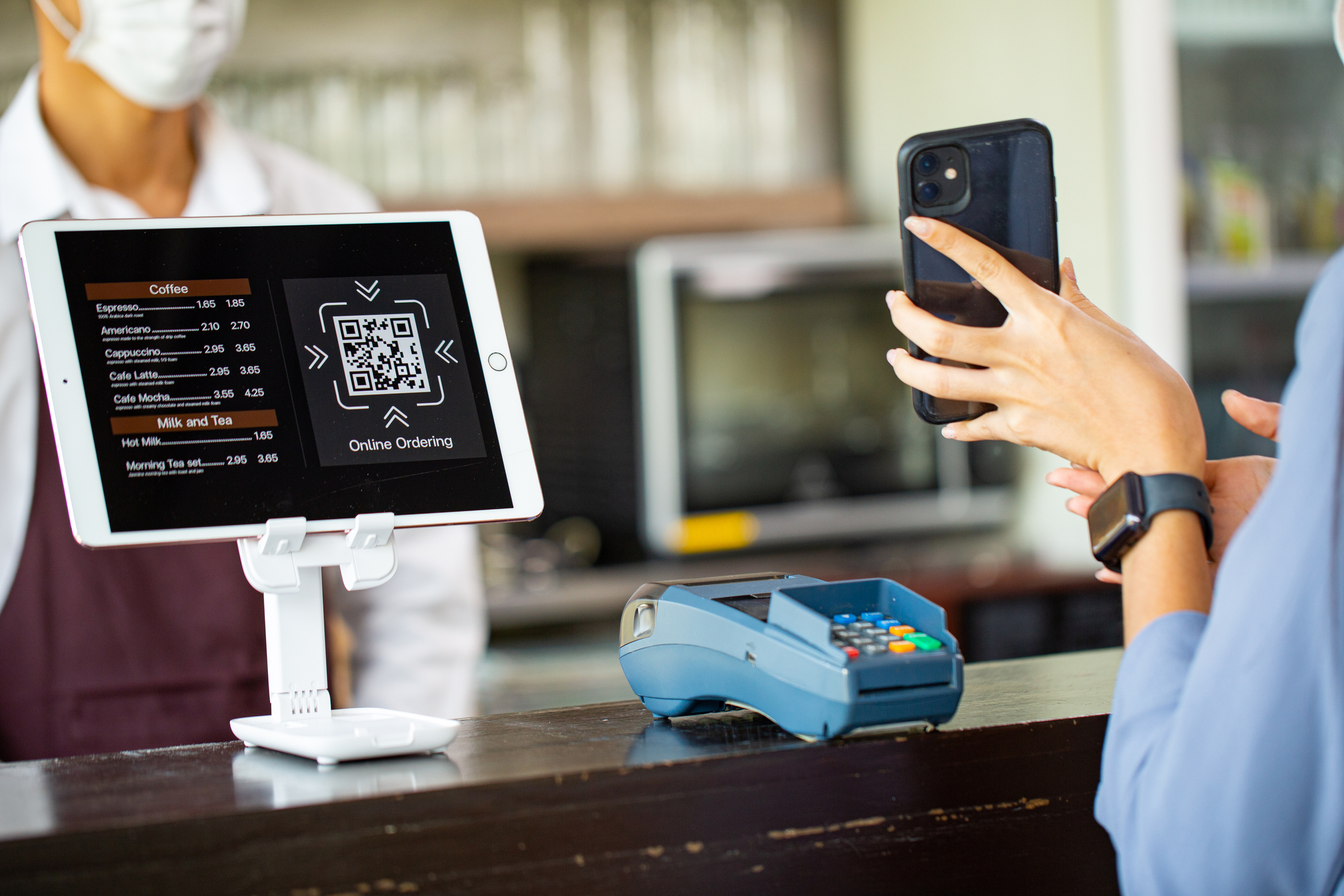
Contactless payments process in seconds compared to minutes for cash transactions. The Coachella Valley Music Festival’s implementation of RFID wristbands demonstrates this efficiency at scale—attendees made purchases, accessed venues, and interacted with installations through one unified system. No counting change, no waiting for authorization, just tap and go.
Mobile payment value will double to $18.1 trillion globally by 2030, driven by consumer demand for frictionless checkout experiences. Seven out of ten consumers already manage daily life without carrying cash.
Crime reduction through cash elimination
Research from Missouri counties between 1990-2011 revealed that transitioning welfare payments from checks to Electronic Benefit Transfer cards decreased overall crime rates by 9.8 percent. The mechanism is straightforward—less physical cash means fewer robbery targets.
- China’s mobile payment expansion correlated with declining theft rates
- U.S. retailers lose $40 billion annually to cash-related theft
- Death Valley National Park spent $40,000 processing just $22,000 in cash fees
Enhanced financial tracking and transparency
Digital transactions create permanent records that benefit everyone. Businesses gain real-time visibility into cash flow patterns. Governments collect taxes more effectively. Individuals access budgeting insights through apps that categorize spending automatically.
At Complete Controller, switching clients to digital invoicing cuts reconciliation time by 40 percent while revealing spending patterns that cash transactions obscure.

Critical Drawbacks: Security Risks and Access Barriers
The same technologies enabling cashless convenience create new vulnerabilities requiring careful consideration.
Cybersecurity threats
Unlike untraceable cash, digital payments expose users to hacking risks. Every transaction creates data that criminals target through increasingly sophisticated attacks. Small businesses face particular vulnerability—the Federal Trade Commission reports that 43 percent of cyberattacks target small companies lacking enterprise-level security infrastructure.
System outages represent another critical risk. When payment networks fail, commerce stops entirely. Hurricane-prone regions and areas with unstable power grids face amplified vulnerability to these disruptions.
Financial exclusion of vulnerable populations
The Federal Deposit Insurance Corporation’s 2023 survey found 5.4 million U.S. households remain entirely unbanked—lacking any formal banking relationship. These statistics reveal deeper disparities:
- Black households are five times more likely than white households to be unbanked
- 42.3 percent cite insufficient funds for minimum balances as the primary barrier
- 66.2 percent of unbanked households operate exclusively in cash
Rural connectivity compounds these challenges. According to USDA data, 22.3 percent of rural Americans lack broadband access meeting FCC minimum standards, compared to just 1.5 percent in urban areas.
Psychological effects on spending
Digital payments reduce the psychological “pain” of spending compared to handing over physical cash. Studies consistently show consumers spend 12-18 percent more when using cards versus cash, as the tangible loss sensation disappears. This frictionless spending benefits merchants but can harm consumer financial health through increased impulse purchases and reduced budget awareness.
Turn insight into action. Let Complete Controller bring clarity to your numbers, so your business runs smarter, not harder.
Global Lessons: Sweden’s Near-Cashless Reality and India’s Inclusive Approach
International experiences provide valuable insights for businesses considering cashless strategies.
Sweden approached the cashless threshold in 2023, with cash transactions dropping below 7 percent of total volume—the point where handling costs exceed cash transaction profits. Swedish banks eliminated cash services at most branches, forcing ATM-only access. While efficiency soared, elderly citizens and those with disabilities faced significant hardships.
India pursued inclusion through its Unified Payments Interface (UPI), processing transactions free to consumers. This zero-fee approach drove adoption from 10 percent to over 80 percent digital payments in under a decade. The lesson: removing cost barriers accelerates adoption across income levels.
Practical Guidance for Business Owners
Top search results discuss pros and cons but rarely address implementation strategies for small businesses.
Cost-benefit analysis
The National Association of Convenience Stores found employees spend 15-20 hours weekly counting cash, costing $11,177-$14,903 annually per store. Electronic payments cost $1.43-$4.40 per $100 transaction. Factor these specifics:
- Armored car services and insurance for cash handling
- Employee time for deposits and reconciliation
- Point-of-sale system fees and maintenance
- Potential sales increases from accepting all payment types
Implementation best practices
Start with hybrid systems accepting both cash and digital payments. Test customer preferences before eliminating cash entirely. Our Complete Controller audits consistently show 20-30 percent overhead reduction when businesses optimize their payment mix.
Security considerations require encrypted payment processors, PCI compliance, and segmented data storage. Work with providers offering end-to-end encryption and tokenization to protect customer information while maintaining GDPR compliance.
Privacy Implications and Regulatory Compliance
Digital payment trails aid tax collection and fraud detection but eliminate transaction anonymity. Every purchase becomes a data point potentially accessible to governments, corporations, and hackers.
European Union regulations mandate businesses maintain cash payment options to protect consumer privacy rights. U.S. businesses must balance transparency requirements with customer privacy expectations. Implement clear data retention policies and communicate how transaction information gets used and protected.
Final Thoughts
The cashless society pros and cons ultimately balance unmatched efficiency against real inclusion challenges. Smart businesses adopt hybrid approaches maximizing benefits while maintaining accessibility.
Over two decades at Complete Controller, I’ve guided hundreds of businesses through payment system transitions. The key is matching your payment strategy to your customer base while maintaining operational efficiency. Digital payments aren’t just the future—they’re increasingly the present. Position your business to thrive in this evolving landscape.
Ready to optimize your payment systems and financial operations? Visit Complete Controller for expert guidance on modernizing your bookkeeping and payment processes.

Frequently Asked Questions About Cashless Society Pros and Cons
What are the main benefits of a cashless society?
The primary benefits include faster checkout times, reduced crime rates, automatic financial tracking, and significant cost savings for businesses through eliminated cash handling expenses.
What are the biggest risks of going completely cashless?
Major risks include cybersecurity vulnerabilities exposing funds to hackers, system outages halting all commerce, and the exclusion of unbanked populations who lack technology access.
How does a cashless society affect small businesses?
Small businesses save on cash handling costs and gain better financial visibility but face transaction fees and must invest in secure payment technology infrastructure.
Can elderly people adapt to cashless payment systems?
Adoption remains challenging—consumers over 55 use cash for 22 percent of transactions versus 12 percent for younger groups, citing technology barriers and trust concerns.
Which countries are closest to becoming cashless?
Sweden leads globally with cash representing under 7 percent of transactions, while India’s UPI system demonstrates how free digital payments can achieve mass adoption across income levels.
Sources
- Wavetec. “The Pros and Cons of a Cashless Society.” Wavetec Blog, www.wavetec.com/blog/pros-cons-of-cashless-society/. Accessed 25 Mar. 2026.[1]
- “The Benefits of a Cashless Society.” World Economic Forum, 14 Jan. 2020, www.weforum.org/stories/2020/01/benefits-cashless-society-mobile-payments/.[2]
- Ready Credit Corp. “Cashless Society: What Are the Pros and Cons?” Ready Credit Blog, www.readycreditcorp.com/resources/blog/cashless-society-pros-cons/.[3]
- Walden University. “Should We Become a Cashless Society?” Walden Online Doctoral Programs, www.waldenu.edu/online-doctoral-programs/phd-in-public-policy-and-administration/resource/should-we-become-a-cashless-society.[4]
- J.P. Morgan. “Would a Cashless Society Be a Better One?” Payments Unbound, www.jpmorgan.com/payments/payments-unbound/magazine/articles/cashless-society-two-sides.[5]
- Chime. “What Is a Cashless Society? What Are the Pros and Cons?” Chime Blog, www.chime.com/blog/top-benefits-of-going-cashless/.[7]
- ABI Research. “Are There Any Benefits to a Cashless Economy?” ABI Research Blog, www.abiresearch.com/blog/cashless-economy.[8]
- Stripe. “Are We Living in a Cashless Society?” Stripe Resources, www.stripe.com/resources/more/what-is-a-cashless-society-and-what-does-it-mean-for-businesses.[10]
 About Complete Controller® – America’s Bookkeeping Experts Complete Controller is the Nation’s Leader in virtual bookkeeping, providing service to businesses and households alike. Utilizing Complete Controller’s technology, clients gain access to a cloud platform where their QuickBooks™️ file, critical financial documents, and back-office tools are hosted in an efficient SSO environment. Complete Controller’s team of certified US-based accounting professionals provide bookkeeping, record storage, performance reporting, and controller services including training, cash-flow management, budgeting and forecasting, process and controls advisement, and bill-pay. With flat-rate service plans, Complete Controller is the most cost-effective expert accounting solution for business, family-office, trusts, and households of any size or complexity.




 Brittany McMillen
Brittany McMillen
Brittany McMillen