


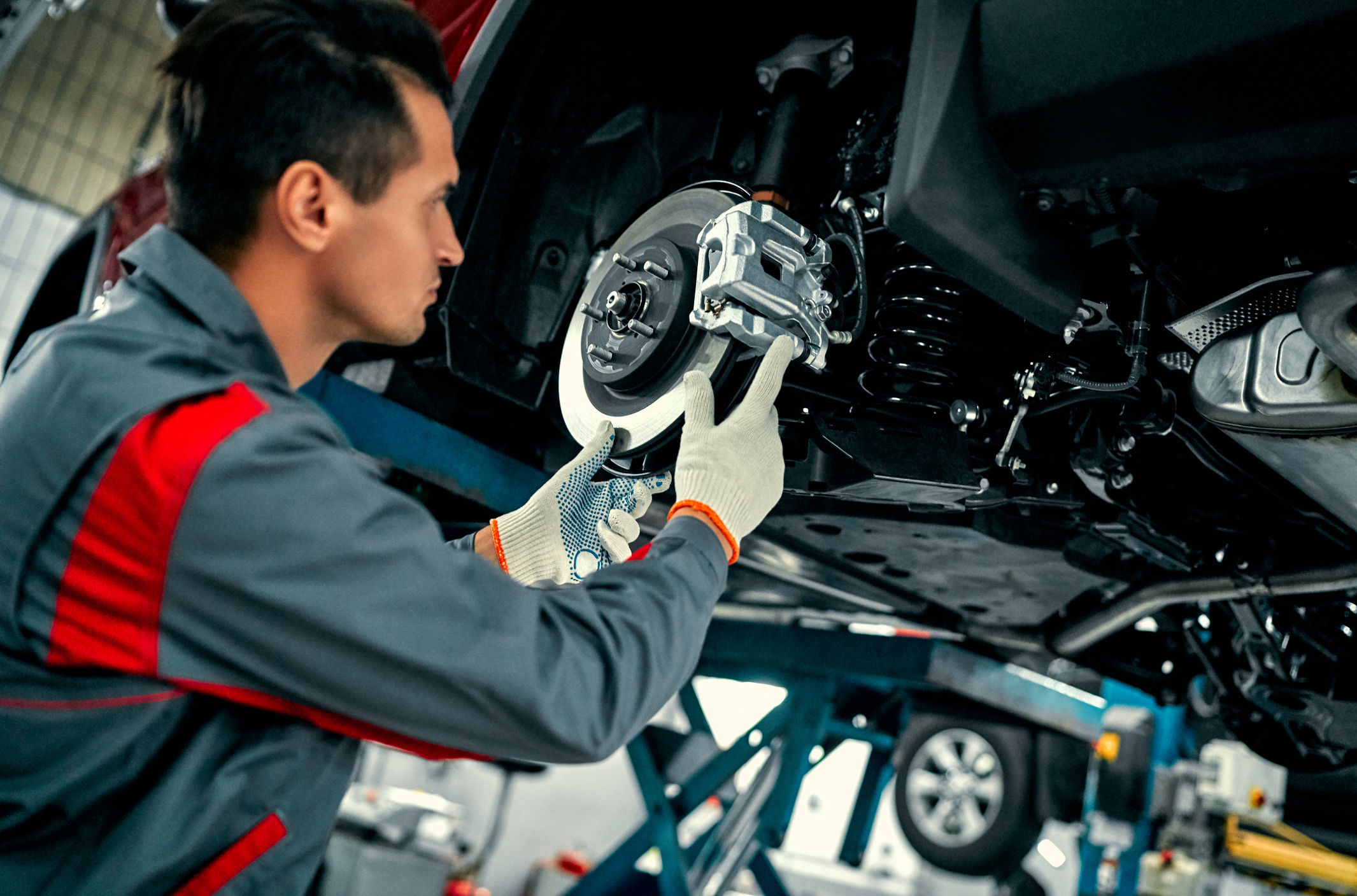
Vehicle Maintenance Safety & Reliability:
5 Key Areas Every Driver Should Master
Vehicle maintenance safety reliability comes down to staying ahead of five high-impact areas: fluids, tires and alignment, brakes, battery and electrical systems, and a consistent preventive maintenance schedule. Stay current with those checks and you cut breakdown risk, sharpen handling and stopping power, and keep your vehicle dependable for the long haul.
Here’s the part most drivers miss: the National Highway Traffic Safety Administration estimates roughly 11,000 tire-related crashes happen in the U.S. every year, and most start with something as small as a low tire or a warning light someone chose to ignore. After more than 20 years building Complete Controller into a trusted name in cloud-based bookkeeping and accounting services, I’ve watched the same truth play out across thousands of small businesses and fleets I’ve served — the people who avoid expensive surprises are the ones who treat upkeep as a routine, not an emergency. In this article, I’ll walk you through the five maintenance areas that matter most, the habits that make them stick, and the warning signs you should never brush off.
What is vehicle maintenance safety and reliability, and how do you improve it?
- Vehicle maintenance safety reliability means keeping your vehicle’s critical systems working so it can stop, steer, see, and operate predictably.
- The fastest improvement comes from following a preventive maintenance schedule and inspecting high-risk parts before they fail.
- The systems that matter most are brakes, tires, fluids, battery/electrical components, and steering/suspension.
- Simple habits — monthly tire pressure checks, fluid checks, and prompt warning-light follow-up — prevent most avoidable breakdowns.
- Knowing when to DIY and when to call a professional saves both money and lives.

Fluids, Filters, and the Under-the-Hood Basics
Fluids are the lifeblood of your vehicle. They lubricate, cool, brake, shift, and steer — so checking them regularly is one of the easiest reliability wins you’ll ever make.
Engine oil level and quality checks
Pop the hood once a month, pull the dipstick, and look at the oil. It should be amber to light brown — not gritty, milky, or black. Dirty oil accelerates engine wear and can quietly tank fuel economy.
- Check level on a cold engine, parked on level ground.
- Watch for a burnt smell or metallic flakes.
- Follow your owner’s manual interval — not the sticker on the windshield.
Fluid checks and inspections
Beyond oil, you’ve got coolant, brake fluid, transmission fluid, power steering fluid, and washer fluid — each with its own warning story to tell. A low reservoir often means a leak or worn component, not just evaporation.
Never ignore: puddles under the car, sweet smells (coolant), burnt smells (transmission), overheating, or any fluid-related dash warning.
Preventive maintenance schedule
Build your schedule straight from the owner’s manual and layer in monthly, quarterly, and annual checks. According to Bridgestone’s maintenance checklist, pairing calendar reminders with mileage milestones is the single best way to keep small issues small.
Tires, Tire Pressure, and Alignment for Safer Handling
Your tires are the only thing connecting your vehicle to the road. They affect braking distance, traction, fuel economy, and steering response — making them one of the most important safety checks you can do.
Tire pressure and alignment
Check tire pressure at least monthly and before any long trip. The NHTSA notes that underinflation increases heat buildup, which is a leading cause of blowouts. That’s why those 11,000 tire-related crashes each year are so preventable — a $5 pressure gauge is one of the highest-ROI tools you’ll ever buy.
Wheel alignment matters just as much. If your steering pulls, your wheel vibrates, or your tires wear unevenly, get an alignment check before you replace anything.
Tire tread depth and wear indicators
Use the built-in wear bars or the classic penny test (Lincoln’s head down — if you see the top of his head, replace the tire). Uneven wear can signal suspension or alignment issues, not just old rubber.
Spare tire and emergency readiness
Check your spare’s pressure, locate your jack and lug wrench, and toss a flashlight in the glove box. A “road-trip ready” car beats a roadside rescue every time.
Strong systems prevent surprises—on the road and in business. See how Complete Controller helps business owners stay ahead.
Brake System Maintenance That Prevents Dangerous Surprises
Brakes are non-negotiable. The Federal Motor Carrier Safety Administration found that brake problems contributed to 29% of crashes involving large trucks, with tire problems adding another 6% — a sobering reminder that the two systems we just covered are the most safety-critical on any vehicle.
Brake inspection checklist
A solid brake check covers pads, rotors, drums, fluid, lines, and calipers. The warning signs are usually loud and clear:
- Squealing or grinding noises
- Vibration through the pedal or steering wheel
- A soft or spongy brake pedal
- Longer stopping distances
- Brake or ABS warning lights
Brake pad wear and the ABS brake system
Worn pads kill stopping power. The ABS brake system helps you maintain steering control during hard stops, but it doesn’t make up for thin pads or old fluid. If your ABS light comes on, get it diagnosed promptly.
When to schedule professional brake service
Align brake inspections with tire rotations. Practical rule: if the pedal feels different than it did last week, get it checked this week.
Battery, Electronics, and Vehicle Reliability Diagnostics Sensors
Modern reliability depends on electrical health as much as mechanical health. Many “mystery” issues today are diagnostic, not mechanical.
Vehicle reliability diagnostics sensors and OBD-II diagnostics
Warning lights aren’t suggestions — they’re your vehicle’s way of pointing at a sensor, system, or component that needs attention. An OBD-II scan (most shops will do it free) pulls trouble codes that help narrow down the issue before you spend a dime on parts.
Battery checks and electrical warning signs
AAA reported rescuing 32 million drivers in 2023, and dead batteries were the #1 reason for service calls. That’s a powerful case for a five-minute habit:
- Check for corrosion on terminals (white or greenish buildup).
- Tighten loose cables.
- Test the battery before extreme heat or cold seasons.
- Watch for dim headlights or slow starts.
Suspension, Steering, Lights, and Visibility
A vehicle can be mechanically sound and still be unsafe if it doesn’t handle predictably or you can’t see clearly. This is the category most drivers overlook until something feels “off.”
Suspension and steering components
Your suspension and steering components control ride stability and tire wear. Listen for clunking, drifting, bouncing, loose steering, or poor cornering — all signs something underneath needs attention.
Lights, wipers, and visibility habits
Do a monthly walk-around. Headlights, taillights, brake lights, turn signals, and wipers are safety essentials, not cosmetic ones. Replace wiper blades every 6–12 months and clean foggy headlight lenses for better night visibility. For more practical guidance, Allstate’s car maintenance tips cover seasonal visibility checks worth bookmarking.
The Overlooked Habits That Prevent Breakdowns Before They Start
Most maintenance articles list the checks. Few teach the habits that make those checks stick.
- Build a maintenance calendar with recurring reminders by date and mileage.
- Document every service — it boosts resale value and helps mechanics diagnose faster.
- Respond to dashboard lights early — earlier action almost always means lower repair cost.
- Check recalls by VIN at least once a year.
Conclusion: Reliable Vehicles Are Built on Simple Habits
Vehicle maintenance safety reliability improves the moment you commit to a few high-impact habits: check your fluids, protect your tires and alignment, maintain your brakes, watch your battery and sensors, and follow a preventive maintenance schedule you’ll actually use. In my experience leading Complete Controller, the same principle that protects a business’s books protects a vehicle on the road — disciplined routines beat reactive scrambles every time.
If you want that same disciplined approach applied to your business finances, the team at Complete Controller is ready to help you build systems that keep operations calm, clean, and predictable. Reach out today — your future self will thank you.

Frequently Asked Questions About Vehicle Maintenance Safety Reliability
How often should I check my tire pressure?
Monthly, and always before long trips or hauling heavy loads. Underinflation causes heat buildup that leads to blowouts, so a quick monthly check is one of the highest-impact safety habits you can build.
What are the most important fluids to check regularly?
Engine oil, coolant, brake fluid, transmission fluid, and power steering fluid. Low levels usually point to a leak or worn component — not normal evaporation — so investigate any drop quickly.
How do I know if my brakes need service?
Watch for squealing, grinding, vibration, a soft pedal, longer stopping distance, or warning lights. If your pedal feels different than it did last week, schedule an inspection this week.
What does the ABS warning light mean?
It typically signals a problem in the anti-lock braking system. Your regular brakes may still work, but you’ve lost the safety net ABS provides during hard stops — so get it diagnosed promptly.
Can regular maintenance really prevent most breakdowns?
Yes. Preventive maintenance catches wear, leaks, and electrical issues before they become major failures. AAA’s 32 million annual rescues are dominated by issues — dead batteries, flat tires, empty tanks — that simple monthly habits would have prevented.
Sources
- AAA Newsroom. (May 22, 2023). “AAA to Rescue 32 Million Americans This Summer.” https://newsroom.aaa.com/2023/05/aaa-to-rescue-32-million-americans-this-summer/
- Allstate. “Car Repair and Maintenance Tips.” https://www.allstate.com
- Bridgestone Tires. “The Ultimate Car Maintenance Checklist.” https://www.bridgestonetire.com
- CBAC. “5 Essential Maintenance Services to Avoid Major Auto Repair.” Christian Brothers Automotive Center. https://www.cbac.com
- Federal Motor Carrier Safety Administration. (October 2018). “Large Truck and Bus Crash Facts 2016.” U.S. Department of Transportation. https://www.fmcsa.dot.gov/safety/data-and-statistics/large-truck-and-bus-crash-facts-2016
- Kune’s East Moline. “Mastering Vehicle Maintenance: Expert Tips for a Safe and Reliable Ride.” https://www.kuneseastmoline.com
- My Sonora Ford. “5 Essential Car Maintenance Tasks Every Driver Should Know.” https://www.mysonoraford.com
- National Highway Traffic Safety Administration. “Tire Safety.” https://www.nhtsa.gov/equipment/tires
- National Highway Traffic Safety Administration. “Vehicle Maintenance.” https://www.nhtsa.gov/vehicle-safety/vehicle-maintenance
- SafeMotorist. “The Basics of Vehicle Safety Maintenance.” https://www.safemotorist.com
- Scotty’s Automotive Services. “Preventing Breakdowns: The Ultimate Guide to Year-Round Vehicle Maintenance.” https://www.scottysautomotiveservices.com
- TCS Upfitting. “9 Tips for Safety Vehicle Maintenance.” https://www.tcsupfitting.com
- U.S. Federal Trade Commission. “Buying a Car: Maintenance and Service.” https://www.consumer.ftc.gov/articles/0212-buying-car-maintenance-service
 About Complete Controller® – America’s Bookkeeping Experts Complete Controller is the Nation’s Leader in virtual bookkeeping, providing service to businesses and households alike. Utilizing Complete Controller’s technology, clients gain access to a cloud platform where their QuickBooks™️ file, critical financial documents, and back-office tools are hosted in an efficient SSO environment. Complete Controller’s team of certified US-based accounting professionals provide bookkeeping, record storage, performance reporting, and controller services including training, cash-flow management, budgeting and forecasting, process and controls advisement, and bill-pay. With flat-rate service plans, Complete Controller is the most cost-effective expert accounting solution for business, family-office, trusts, and households of any size or complexity.



 Brittany McMillen
Brittany McMillen
Brittany McMillen