


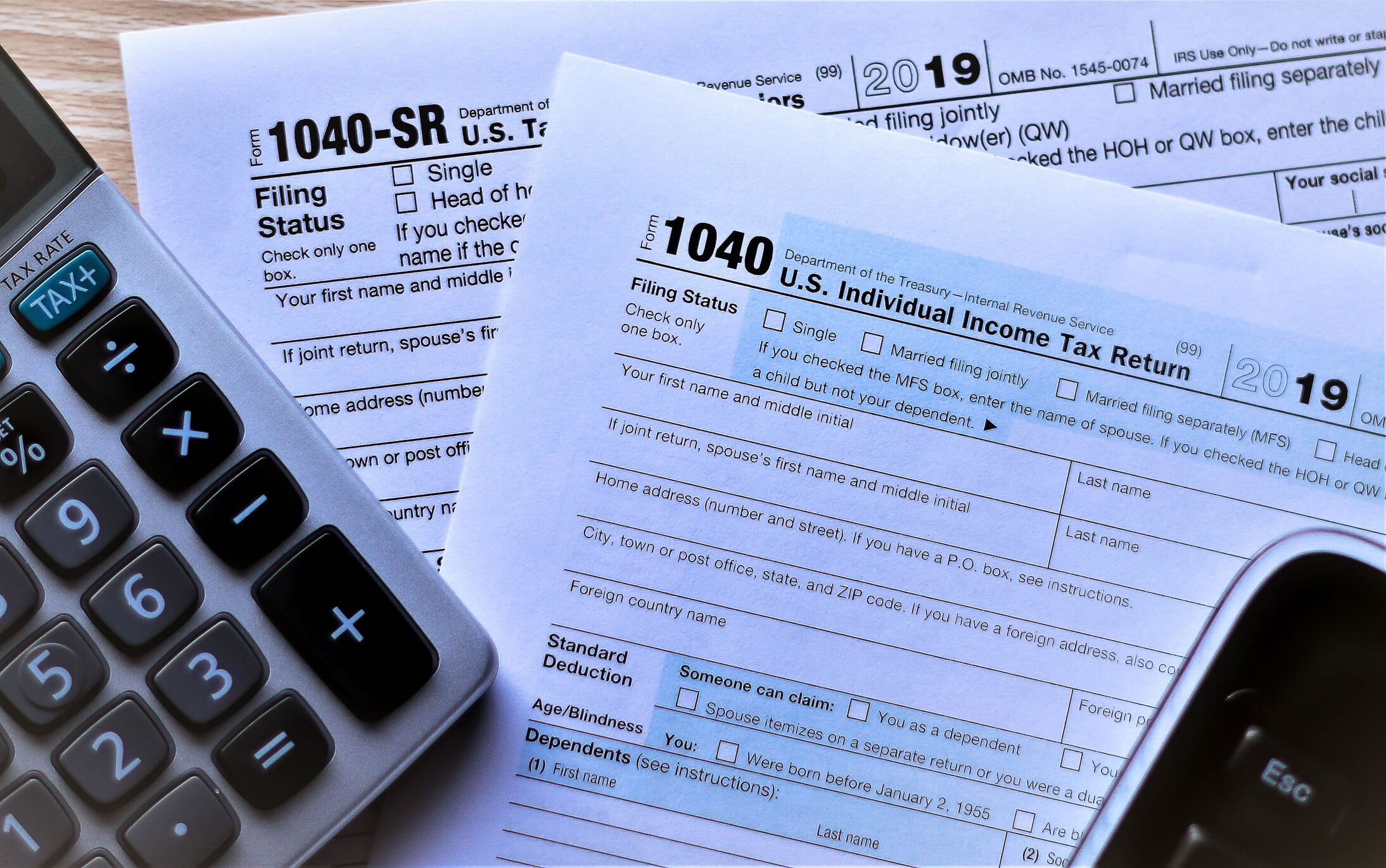
Tax Return Preparation Checklist:
4 Must-Haves
A solid tax return preparation checklist comes down to four must-haves: your personal information, complete income records, a clear deductions and credits toolkit, and proof of taxes already paid—all backed by organized documents so you can file accurately and skip costly mistakes. Get these four pillars in place before you open any tax software or hand files to your accountant, and you’ll move from scrambling to filing with confidence.
After more than 20 years running Complete Controller, I’ve watched thousands of returns cross our desks—from solo gig workers to multi-entity small businesses—and the same avoidable errors keep showing up: missing 1099s, overlooked deductions, untracked estimated payments. Here’s a sobering stat from the GAO: the Earned Income Tax Credit has an improper payment rate of roughly 25% to 28%, largely because filers don’t keep proof of qualifying children, residency, and income. In this article, I’ll walk you through the four must-haves, a step-by-step workflow, special situations for self-employed filers, and the year-round habits that keep my clients audit-ready instead of April-anxious.
What is a tax return preparation checklist, and what are the 4 must-haves?
- A tax return preparation checklist is a structured list of documents and decisions you need ready before filing—centered on four must-haves: personal info, income, deductions/credits, and taxes paid.
- Personal info confirms identity—Social Security numbers, IDs, and filing status—so the IRS matches your return correctly.
- Income documentation consolidates every W-2, 1099, investment, retirement, and side-hustle dollar so nothing slips through.
- A deductions and credits toolkit makes sure you don’t leave money on the table—especially if you itemize.
- Taxes-paid records track withholdings, estimated payments, and prior-year refunds applied, so you avoid underpayment penalties.

The 4 Must-Haves Every Tax Return Preparation Checklist Needs
These four pillars mirror the document lists used by the IRS, H&R Block, and major tax software—and they’re the same ones my team uses internally before we touch a client return.
Must-have #1 – Personal information & identity essentials
Your tax return organizer starts with the basics, and the basics matter more than people think. One wrong Social Security number can stall a refund for months.
- Identity essentials: Legal names, Social Security numbers or ITINs, and birth dates for you, your spouse, and every dependent
- Photo ID: Driver’s license or passport (required for in-person and free prep programs)
- Filing status decision: Single, married filing jointly/separately, head of household, or qualifying widow(er)
- Direct deposit details: Bank routing and account numbers for refunds or e-payments
- IP PIN: If the IRS issued you an Identity Protection PIN, you’ll need it to e-file
Life changes belong here too—marriage, divorce, a new baby, an adoption, or a death in the family will reshape your return. Don’t forget childcare provider details and their tax ID if you’re claiming the Child and Dependent Care Credit.
Must-have #2 – Complete income documentation
Income reporting is where the IRS does its most aggressive matching. If a 1099 lands in their system and not on your return, expect a letter.
Your W-2 and 1099 form checklist should capture:
- W-2s from every employer
- 1099-NEC and 1099-MISC for freelance and contractor work
- 1099-INT, 1099-DIV, and 1099-B for interest, dividends, and investment sales
- 1099-R and SSA-1099 for retirement and Social Security
- 1099-G for unemployment, 1099-S for real estate, 1099-C for forgiven debt
If you’re self-employed, go beyond the forms. Pull PayPal, Stripe, and marketplace statements, your profit-and-loss summary, receipts, and mileage logs. Rental owners need rent received, expenses, and depreciation schedules. Anything unusual—jury duty, gambling winnings, scholarships—gets documented too. For small business bookkeeping clients, we tag transactions monthly so income reconciliation takes minutes, not days.
Must-have #3 – Deductions & credits toolkit
This is where most filers leave money behind. A clean deductions checklist and itemized deductions worksheet pay for themselves the first time you use them.
Gather these documents:
- Home & real estate: Form 1098 (mortgage interest), property tax records, points paid
- Charitable giving: Cash and non-cash receipts, donation acknowledgments
- Medical expenses: Premiums, out-of-pocket costs, and mileage to appointments (if itemizing)
- Education: 1098-T for tuition, 1098-E for student loan interest
- Credits: Records for Child Tax Credit, Child and Dependent Care Credit, EITC, and education credits
Per the IRS, you should consider whether to itemize or take the standard deduction—run both, then pick the higher number. And remember that GAO finding on the EITC: keep proof of your qualifying children’s residency and your earned income locked down. Working from home? Our guide to maximizing home business tax benefits digs into deductions most home-based filers miss.
Must-have #4 – Taxes already paid & prior-year info
Everything you’ve already paid the IRS belongs on your return—and surprisingly often, it doesn’t make it.
- Payroll withholding from W-2s and state forms
- State income or sales tax paid, plus property and personal property tax
- Form 1040-ES estimated tax payments (dates, amounts, confirmation numbers)
- Last year’s return for carryovers: capital losses, charitable contributions, depreciation, and refunds applied forward
Self-employed filers, this one’s non-negotiable. An estimated tax payments schedule and worksheet—reconciled quarterly—prevents the underpayment penalty surprise. Regularly reconciling your accounting statements is the cleanest way to catch payment mismatches before the IRS does.
Spend less time searching for documents and more time growing your business with Complete Controller.
How to Turn Your Checklist into a Step-by-Step Filing Workflow
A checklist that stops at “gather documents” leaves the hardest part undone. Here’s the workflow I coach clients through:
- Confirm filing status and whether you need to file based on IRS thresholds
- Build your tax return organizer—a labeled physical or digital folder aligned to the four must-haves
- Map your IRS forms: Form 1040 plus Schedules A (itemized), B (interest/dividends), C (business), D (capital gains), E (rentals), and SE (self-employment tax)
- Reconcile every line: Match W-2/1099 totals to your entries, confirm estimated payments against bank records, and flag unusual swings from last year
- File, store, and plan ahead: E-file for fastest confirmation, then store records per IRS retention guidance—generally three years, but six years if you’ve underreported income by more than 25%
The Self-Employed & 1099 Earner’s Version
Gig workers, freelancers, and small business owners need a deeper checklist because the IRS expects more documentation from you.
Self-employed deductions that demand documentation
- Home office (square footage, utilities, rent/mortgage split)
- Supplies, software, subscriptions, professional fees
- Health insurance premiums for the self-employed
- Retirement contributions to SEP, SIMPLE, or solo 401(k)
- Mileage logs with date, miles, and business purpose
Here’s a number that should make you start a mileage log today: the 2024 IRS standard mileage rate is 67 cents per business mile. Drive 10,000 business miles and you’re looking at a $6,700 deduction—but only with a clean log.
QBI and entity selection
If you’re a pass-through entity or sole proprietor, the Qualified Business Income deduction can shave 20% off qualifying income. Your tax entity type selection—sole prop, LLC, S-Corp, or C-Corp—directly shapes what forms you file, which K-1s appear, and how QBI applies. An annual entity checkup belongs on every owner’s year-end calendar.
Special Situations: Closing a Business or Major Life Changes
Most checklists ignore the edges, which is exactly where IRS notices originate.
If you closed a business last year, gather final income and expense records, asset sale documents, 1099-C forms for canceled debt, and final payroll filings if you had employees. Corporations and partnerships file final returns that flow to your individual 1040, and carryover losses and basis calculations get tricky fast. This is the moment to call a professional.
How I Coach Clients to Stay Audit-Ready Year-Round
The clients who never panic in April are the ones who treat their checklist as a habit, not an event.
Monthly mini-checklist: Download statements, file receipts, update mileage and home office logs, and tag transactions with tax categories.
Quarterly tax planning checklist: Review year-to-date profit, adjust estimated tax payments, and revisit withholding. Meet your tax professional before year-end, not after.
I’ve watched clients cut prep time in half with a clean tax return organizer and uncover thousands in missed deductions just by running an itemized deductions worksheet. Small habits, big payoff.
File with Confidence, Not Guesswork
The four must-haves—personal info, income, deductions and credits, and taxes already paid—aren’t a suggestion. They’re the foundation that turns tax season from a scavenger hunt into a simple export. After two decades in this work, I won’t let a single return start until those four boxes are checked, and I’d urge you to hold the same standard.
If you’d like help building a tax return organizer, setting up year-round systems, or outsourcing the bookkeeping so tax time becomes effortless, my team at Complete Controller is ready to customize a system around your life and business. Reach out—we’ll make next April the calmest one you’ve had.

Frequently Asked Questions About Tax Return Preparation Checklist
What documents do I need to file my taxes?
At minimum, you need personal info (SSNs, IDs, filing status), all income forms (W-2s, 1099s, investment and retirement statements), deduction and credit records (mortgage interest, charitable giving, education, childcare), and proof of taxes already paid (withholding, estimated payments, prior-year carryovers).
What are the four main things you need to file your taxes?
Personal information and identity essentials, complete income documentation, a deductions and credits toolkit, and records of taxes already paid—including estimated payments and prior-year info.
What is the best way to organize my tax documents?
Use a tax return organizer—physical or digital folders labeled by the four must-haves. Update it monthly by downloading statements, filing receipts, and tagging transactions. Year-round document gathering beats a April marathon every time.
How far back should I keep tax records and receipts?
The IRS recommends keeping records at least three years, because that’s generally how long they have to assess additional tax. Keep them six years if you’ve underreported income by more than 25%, and indefinitely for returns involving fraud or unfiled years.
Do I need all these documents if I use tax software or a paid preparer?
Yes. Software and professionals can only work with what you give them. Whether you use TurboTax, H&R Block, or a CPA, the inputs are the same—your checklist saves time and prevents errors no matter who’s pushing the buttons.
Sources
- Internal Revenue Service. “Gather Your Documents.” IRS.gov. https://www.irs.gov/taxtopics/tc157
- Internal Revenue Service. “How Long Should I Keep Records?” IRS.gov. https://www.irs.gov/businesses/small-businesses-self-employed/how-long-should-i-keep-records
- Internal Revenue Service. “IRS Issues Standard Mileage Rates for 2024.” IR-2023-239. December 14, 2023. https://www.irs.gov/newsroom/irs-issues-standard-mileage-rates-for-2024-mileage-rate-increases-to-67-cents-a-mile
- Internal Revenue Service. “Recordkeeping.” IRS.gov. https://www.irs.gov/businesses/small-businesses-self-employed/recordkeeping
- Internal Revenue Service. “Topic No. 501: Should I Itemize?” IRS.gov. https://www.irs.gov/taxtopics/tc501
- U.S. Government Accountability Office. “Earned Income Tax Credit: Actions Needed to Reduce Improper Payments and Improve Compliance.” September 12, 2022. https://www.gao.gov/products/gao-22-105521
- Complete Controller. “Small Business Bookkeeping: 9 Tips and Tricks.” https://www.completecontroller.com/small-business-bookkeeping-9-tips-and-tricks/
- Complete Controller. “Maximizing Home Business Tax Benefits.” https://www.completecontroller.com/maximizing-home-business-tax-benefits/
- Complete Controller. “Importance of Reconciling Your Accounting Statements Regularly.” https://www.completecontroller.com/importance-of-reconciling-your-accounting-statements-regularly/
 About Complete Controller® – America’s Bookkeeping Experts Complete Controller is the Nation’s Leader in virtual bookkeeping, providing service to businesses and households alike. Utilizing Complete Controller’s technology, clients gain access to a cloud platform where their QuickBooks™️ file, critical financial documents, and back-office tools are hosted in an efficient SSO environment. Complete Controller’s team of certified US-based accounting professionals provide bookkeeping, record storage, performance reporting, and controller services including training, cash-flow management, budgeting and forecasting, process and controls advisement, and bill-pay. With flat-rate service plans, Complete Controller is the most cost-effective expert accounting solution for business, family-office, trusts, and households of any size or complexity.



 Brittany McMillen
Brittany McMillen
Brittany McMillen